Orange Hill
Perched above the city of Orange on Chapman Avenue, Orange Hill is a Southern California dining landmark where panoramic views of the Los Angeles basin frame a menu built around classic American steakhouse traditions with continental touches. The setting pulls equal weight with the food, making it a go-to for milestone dinners and long, wine-forward evenings in the hills east of LA.
Pearl is the En Primeur Club membership app — saves, bookings, and concierge access live there. Same editors, same standards.
- Address
- 6410 E Chapman Ave, Orange, CA 92869
- Phone
- +17149971109
- Website
- theorangehillrestaurant.com
- Directions
- Get directions
 Saves & bookings on Pearl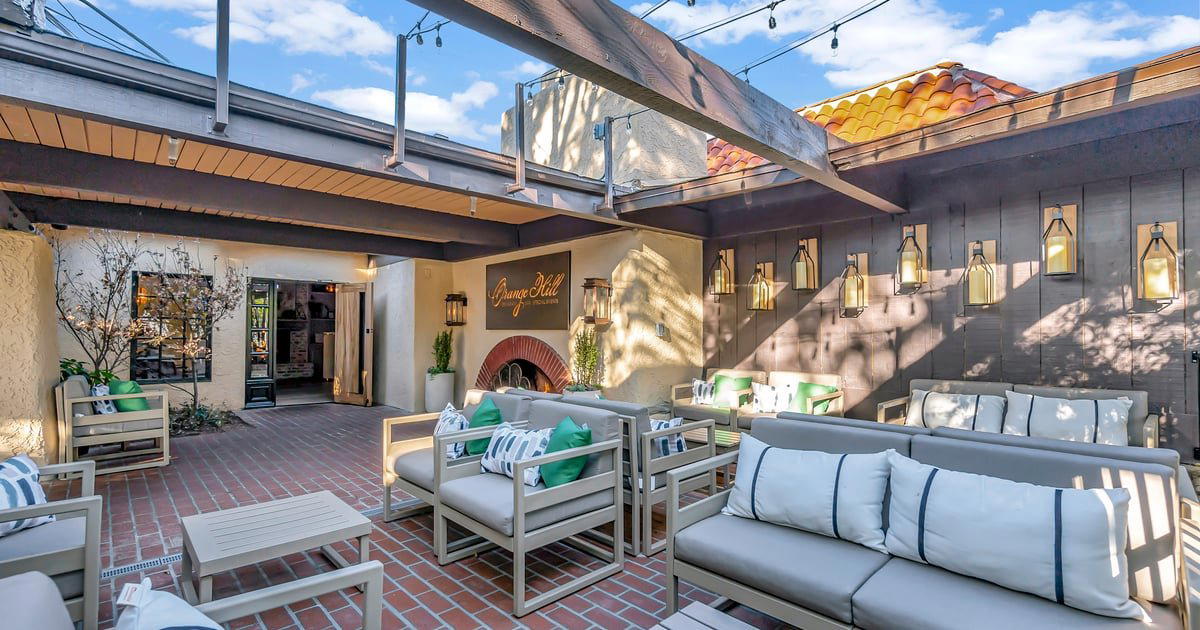
What the Hilltop Format Signals Before You Sit Down
There is a category of American restaurant that uses elevation as editorial statement. The dining room is positioned so that the view becomes part of the meal, and the menu is designed to match the occasion it implies. Orange Hill is a restaurant in Orange, California, serving Classic American Steakhouse cuisine at 6410 E Chapman Ave. As you climb toward the property, the city grid of the Los Angeles basin spreads below in a wide, amber-lit panorama that shifts register depending on the hour. Arrive at dusk and the transition from daylight to city lights happens across your meal. That choreography shapes the entire experience.
This hilltop format has a long lineage in California dining. From the classic Continental rooms of the 1960s and 1970s to the view-forward steakhouses that followed, the elevation restaurant operates on a different logic than a neighborhood bistro or a downtown tasting counter. The view does real work: it extends the dining window, it justifies the occasion, and it sets a baseline expectation for the menu that steers kitchens toward proven, celebratory formats. American prime cuts, composed seafood plates, and a wine list organized for confident ordering are the predictable outputs of that logic, and they are what Orange Hill's reputation is built on.
Menu Architecture: How the Card Is Built
The structure of a menu communicates as much as the individual dishes. At Orange Hill, the architecture follows the American steakhouse blueprint with continental overlay, a format that prioritizes legibility and ceremony over narrative. Starters are designed to be shared or to double as a composed first course. The center of the card is organized around protein selection, with accompaniments treated as modular additions rather than integrated components. This is a deliberate choice. It shifts control to the diner, allowing the table to configure the meal around preference and group size rather than around a kitchen's tasting arc.
That modularity is well-suited to the celebratory occasions Orange Hill draws. Anniversary dinners, corporate entertaining, and milestone birthdays do not benefit from a fixed progression that moves everyone through the same sequence. The build-your-own approach means a table of six can collectively order without friction, which is a form of hospitality the tasting-menu format cannot replicate. For comparison, a structured progression counter like Lazy Bear in San Francisco or Atomix in New York City asks the diner to surrender menu control entirely. The restaurant asks for the opposite: it offers the full card and lets the table decide.
The steakhouse-continental hybrid is a format that rewards a kitchen that executes consistently across a broad menu rather than drilling depth into a narrow repertoire. Where places like The French Laundry in Napa or Alinea in Chicago operate through extreme focus, the restaurant's menu is by design wide-ranging. The editorial point is not that one approach is superior, it is that they serve different purposes. A hilltop dining room overlooking the LA basin is not the context for a twelve-course omakase. It is the context for a well-executed ribeye, a composed seafood appetizer, and a bottle of California Cabernet selected from a list with enough depth to reward attention.
Orange Hill in the Southern California Dining Context
Orange County's dining scene has matured considerably over the past decade, moving from a reputation as a homogenous suburban market toward a more varied table. The city of Orange itself contributes specific character to that picture: it retains a historic downtown core around the Orange Circle, and restaurants like Anepalco and Citrus City Grille represent the neighborhood-scale end of the dining spectrum. Bosscat Orange adds a bar-forward, spirits-led format to the city's mix. 1886 Brewing Co. and Francoli Gourmet extend the range further. The restaurant occupies a different tier from all of them: it is the occasion restaurant, the one that gets booked when the reason for dinner matters.
Within the broader Southern California market, the restaurant's closest peers are view-destination dining rooms rather than fine-dining tasting-menu restaurants. That comparable set includes hilltop and refined dining rooms across the region where the physical setting is a primary driver of the booking decision. By contrast, restaurants like Providence in Los Angeles or Addison in San Diego compete on culinary program and chef credentials alone. The restaurant's competitive argument rests on the combination of setting, occasion-appropriate menu format, and a dining experience calibrated for comfort over challenge.
Nationally, the steakhouse-with-a-view format has proven durable across market cycles. The format does not chase trend, it absorbs trend selectively. When American beef culture shifted toward dry-aging and breed-specific sourcing, many rooms in this category updated their protein sourcing accordingly without changing the underlying menu structure. The card remained legible; the ingredients became more specific. That kind of conservative evolution is characteristic of the category, and it is part of why view-destination dining rooms tend to have longer operating lives than concept-driven restaurants. For reference points on how destination dining formats operate, Single Thread Farm in Healdsburg, Blue Hill at Stone Barns in Tarrytown, and The Inn at Little Washington each demonstrate how setting and occasion can shape a culinary program. The restaurant operates in a different register but responds to the same underlying logic: place shapes expectation, and expectation shapes the menu.
Planning Your Visit
The restaurant sits on Chapman Avenue in the hills east of the Orange city center, making it accessible from both the 55 and 241 corridors. The address at 6410 E Chapman Ave positions it above the flatlands of the basin, and the drive up is part of the arrival experience. Given the celebratory nature of most bookings here, reservations are the sensible approach rather than a walk-in gamble, particularly on Friday and Saturday evenings and on holidays when the view and the occasion align for most of the dining public. Sunset-timed reservations require one planning lead time. Dress expectations in this category of Southern California dining tend toward smart casual as a floor, with the occasion-dressing of anniversary and birthday groups pulling the room's overall register upward. For a fuller picture of where the restaurant sits within the city's dining options, see our full Orange restaurants guide.
Credentials Lens
Comparable venues nearby, for context on price, style, and recognition.
| Venue | Cuisine | Price | Notes |
|---|---|---|---|
| Orange HillThis venue — the venue you are viewing | Classic American Steakhouse | $$$ | Not listed |
| Smoqued California BBQ | California BBQ | $$ | Old Towne Orange |
| Prime Cut Café | American Steakhouse | $$$ | Stadium Promenade |
| The Peel | California Farm-to-Table | $$ | Old Towne Orange |
| Orange County Mining Co | American Steakhouse | $$ | Santa Ana |
| Bosscat Orange | Contemporary American Comfort Food | $$ | Old Towne Orange |
Continue exploring
More in Orange
Restaurants in Orange
Browse all →
Bars in Orange
Browse all →
Hotels in Orange
Browse all →
Wineries in Orange
Browse all →
At a Glance
- Scenic
- Elegant
- Sophisticated
- Date Night
- Special Occasion
- Group Dining
- Panoramic View
- Craft Cocktails
Current opening hours
- Monday
- 4–9 PM
- Tuesday
- 4–9 PM
- Wednesday
- 11:30 AM–9 PM
- Thursday
- 11:30 AM–9 PM
- Friday
- 11:30 AM–10 PM
- Saturday
- 10 AM–10 PM
- Sunday
- 10 AM–9 PM
Hours can change for holidays and private events. Last verified .
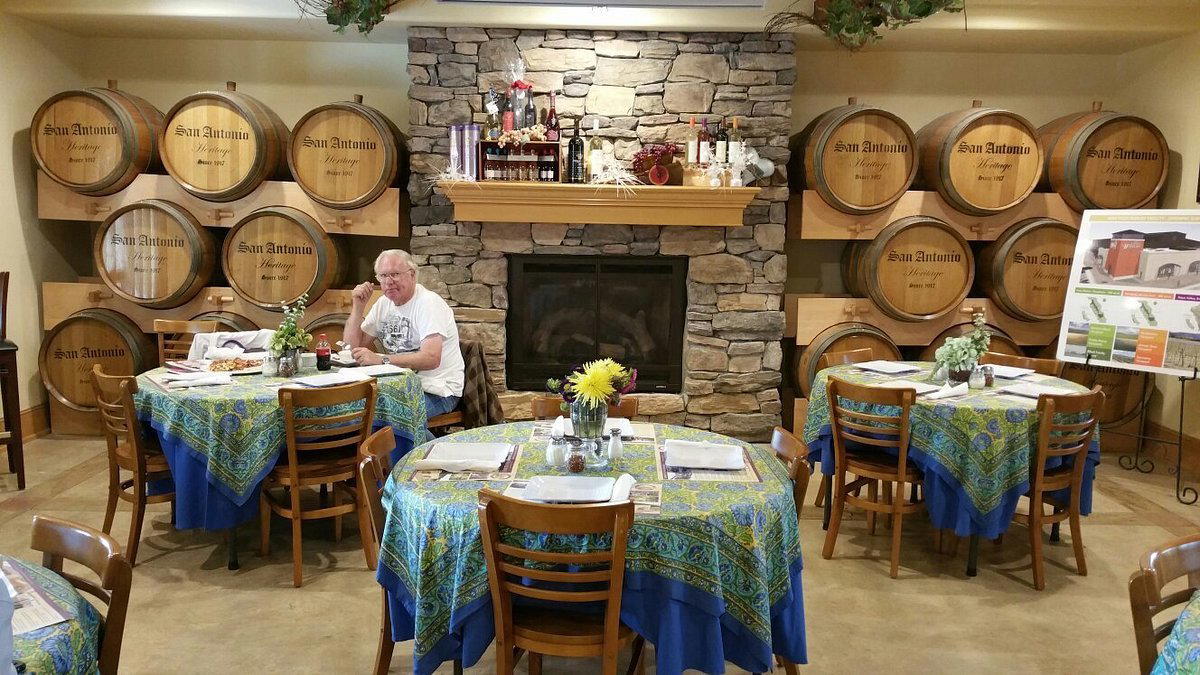
Lively and casual atmosphere with dark wood finishes, modern furniture, and exotic stone bar, complemented by dramatic scenic vistas.