Bai Plu Thai & Sushi Bar
Bai Plu Thai & Sushi Bar on North Bellflower Boulevard occupies a slice of Long Beach where Southeast Asian and Japanese cooking share the same kitchen. The combination format reflects a common Southern California hybrid tradition, where neighborhood demand for both Thai and Japanese flavors has produced a category of restaurants that bridges two distinct culinary lineages under one roof.

Pearl is the En Primeur Club membership app, where members save venues, book tables and use the concierge.
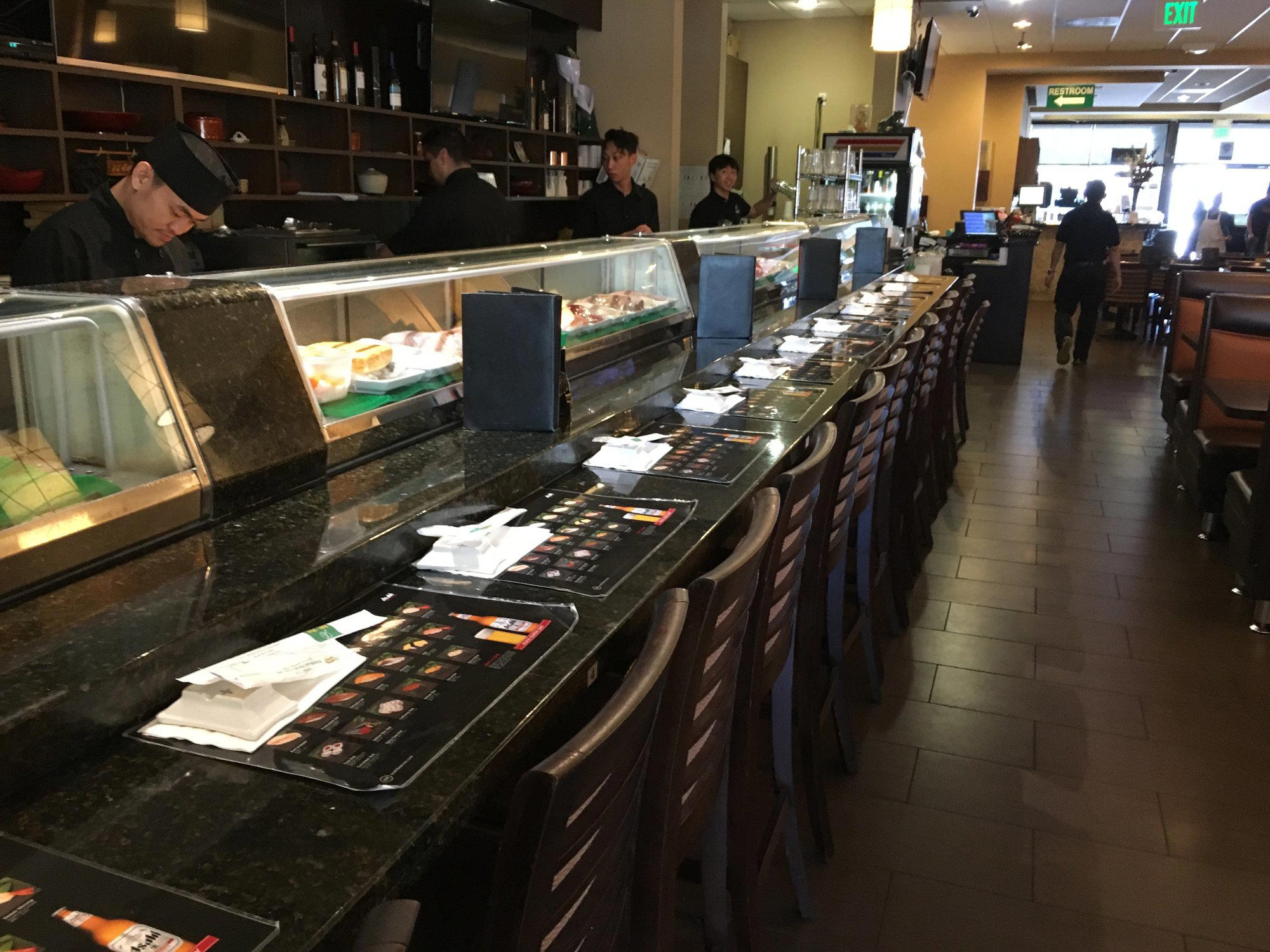
Where Thai and Japanese Traditions Share a Kitchen
North Bellflower Boulevard in Long Beach sits several miles east of the downtown waterfront, in a corridor of neighborhood restaurants that serve local residents rather than visiting crowds. This is the part of Long Beach that our full Long Beach restaurants guide describes as genuinely local in character: strip-mall storefronts, no valet queue, and a dining room that fills with regulars rather than first-timers seeking a social media backdrop. Bai Plu Thai & Sushi Bar at 2119 N Bellflower Blvd operates in this register.
The Thai-Japanese hybrid format has roots in Southern California's post-1980s immigration patterns, when Thai restaurateurs found that adding a sushi bar could stabilize revenue across a broader customer base. What began as a pragmatic business move evolved into its own regional dining category, one distinct from either a dedicated omakase counter or a traditional Thai household kitchen. The format asks something specific of the people running it: working competence in two technically different culinary traditions, Thai cooking's reliance on fresh aromatics and layered spice, and Japanese preparation's demand for knife precision and fish quality. Restaurants that succeed in this format tend to have kitchen teams with genuine cross-disciplinary depth rather than surface-level gestures toward either cuisine.
The Bar Program in a Hybrid Format
In restaurants that combine Thai and Japanese menus, the drinks program often functions as the connective tissue between the two culinary identities. A skilled bartender in this kind of establishment has to understand which flavors from both menus the drinks need to support: the aromatic heat of a green curry, the clean umami of nigiri, or the citrus-forward brightness of a larb. Venues that handle this well tend to draw from a short list of high-utility spirits and modifiers, lemongrass-infused spirits, yuzu liqueurs, ginger syrups, and light highball formats that do not compete with the food.
The bar programs at places like ABV in San Francisco or Kumiko in Chicago show what can happen when a drinks program is designed in close dialogue with the kitchen. At the level of neighborhood Thai-Japanese restaurants, the ambition is different but the principle holds: a thoughtfully assembled drinks list, even a short one, should reflect what is on the plate. The most confident neighborhood spots in this format tend to keep the cocktail menu tight, perhaps four to six options, rather than offering a sprawling list that dilutes focus.
For comparison, the bar-forward culture visible in Long Beach venues like Alex's Bar or the neighborhood specificity of COPA (aka Coffee Parlor) represents a different tier of drinks investment than what a neighborhood hybrid restaurant typically maintains. The craft cocktail programs at places like Jewel of the South in New Orleans, Julep in Houston, or Bar Leather Apron in Honolulu occupy a specialist tier where the bar is the primary destination. At Bai Plu, the kitchen is the draw, and the drinks program exists to complement rather than lead.
Long Beach as Context
Long Beach's dining scene has a layered character that is easy to underread. The city's Cambodian and Southeast Asian communities in the Anaheim Corridor have shaped a regional food culture with depth that extends into the broader Thai and Japanese restaurant categories. The demand for Thai cooking in particular is high enough that multiple tiers of Thai restaurant coexist: fast-casual, mid-range neighborhood, and the occasional higher-ambition kitchen. Bai Plu operates in the neighborhood mid-range, where consistency and value matter more than tasting-menu ambition.
Other Long Beach landmarks like Domenico's Belmont Shore and Due Fiori represent the city's Italian dining lineage, an entirely different culinary tradition with its own neighborhood loyalty. The Thai-Japanese format addresses a separate appetite, one rooted in the city's Asian culinary heritage and the practical preferences of residents who want access to both cuisines in a single visit.
The international bar scene for reference, from Superbueno in New York City to The Parlour in Frankfurt on the Main, sets a high bar for what dedicated cocktail programs can achieve. Neighborhood hybrid restaurants like Bai Plu are playing a different game, and evaluating them on the same terms would misread their purpose.
Planning a Visit
Bai Plu Thai & Sushi Bar is located at 2119 N Bellflower Blvd, Long Beach, CA 90815, in a neighborhood-facing part of the city that is more easily reached by car than by foot from downtown Long Beach. Given the strip-mall context and the local customer base, reservations are unlikely to be required for most visits, though weekend evenings in this price bracket typically see enough local demand to create a short wait. Current hours, phone contact, and booking specifics are best confirmed directly with the restaurant before visiting, as this information was not available at time of publication.
At a Glance
| Venue | Price |
|---|---|
| Bai Plu Thai & Sushi BarThis venue (the venue you are viewing) | Not listed |
| Alex's Bar | $10–20 |
| Dutch's BrewHouse | $20–30 |
Continue exploring
More in Long Beach
Bars in Long Beach
All bars in Long Beach →
Restaurants in Long Beach
All restaurants in Long Beach →
Hotels in Long Beach
All hotels in Long Beach →
Wineries in Long Beach
Browse all →
Details
- Cozy
- Casual Hangout
- Seated Bar
Current opening hours
- Monday
- 10 AM–10 PM
- Tuesday
- 10 AM–10 PM
- Wednesday
- 10 AM–10 PM
- Thursday
- 10 AM–10 PM
- Friday
- 10 AM–10:30 PM
- Saturday
- 10 AM–10:30 PM
- Sunday
- 10 AM–10 PM
Hours can change for holidays and private events. Hours as of .
Cozy corner atmosphere with lively fusion dining.