Our verdict
Opera Terza sits on Via Monte Grappa in Zanè, a small Veneto town positioned between the Asiago plateau and the Vicenza plain, territory where agricultural tradition and proximity to mountain producers shape what ends up on the plate. The restaurant occupies a part of northern Italy's dining scene where ingredient provenance, rather than metropolitan profile, tends to drive the editorial conversation.

Pearl is the En Primeur Club membership app, where members save venues, book tables and use the concierge.

Where the Veneto Foothills Meet the Table
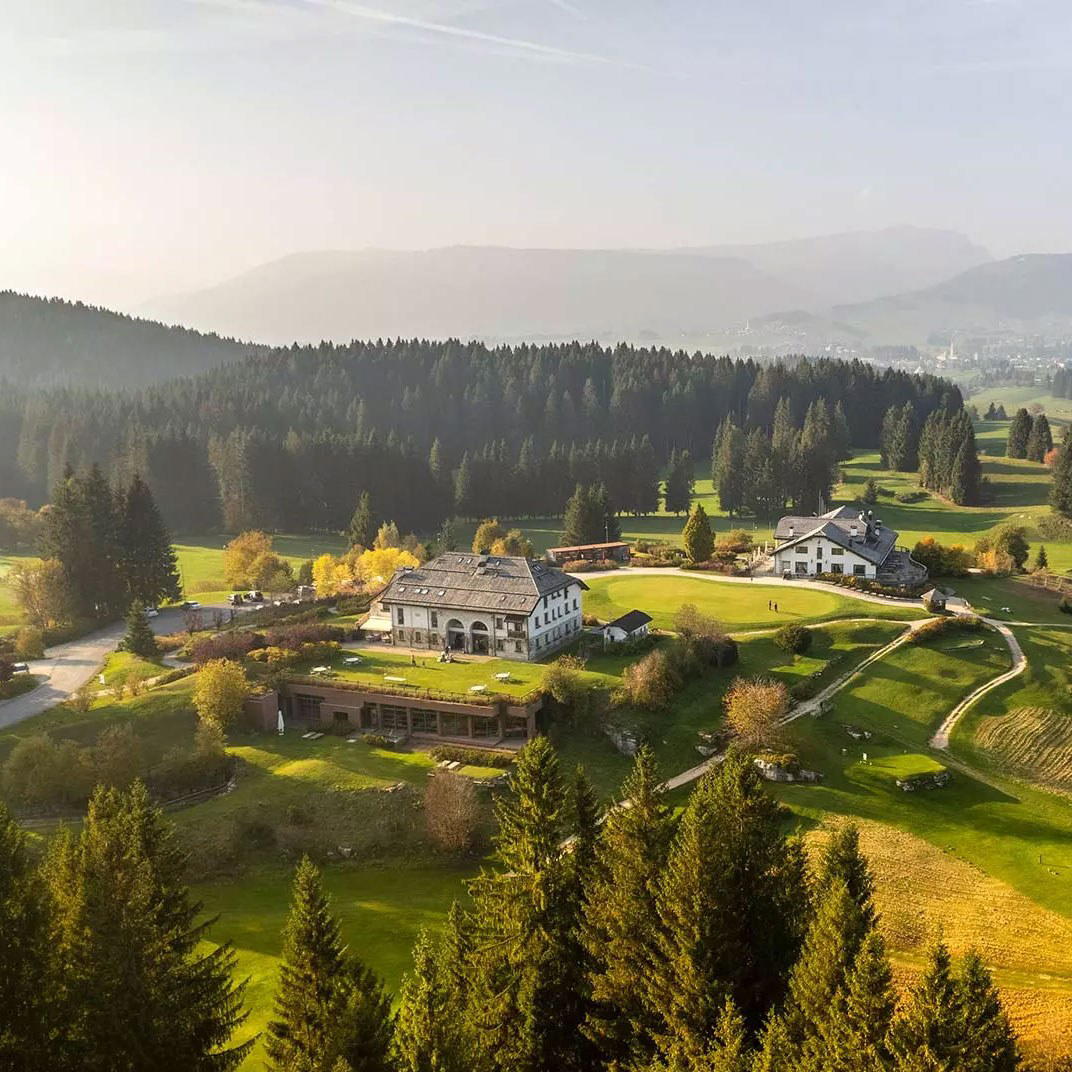
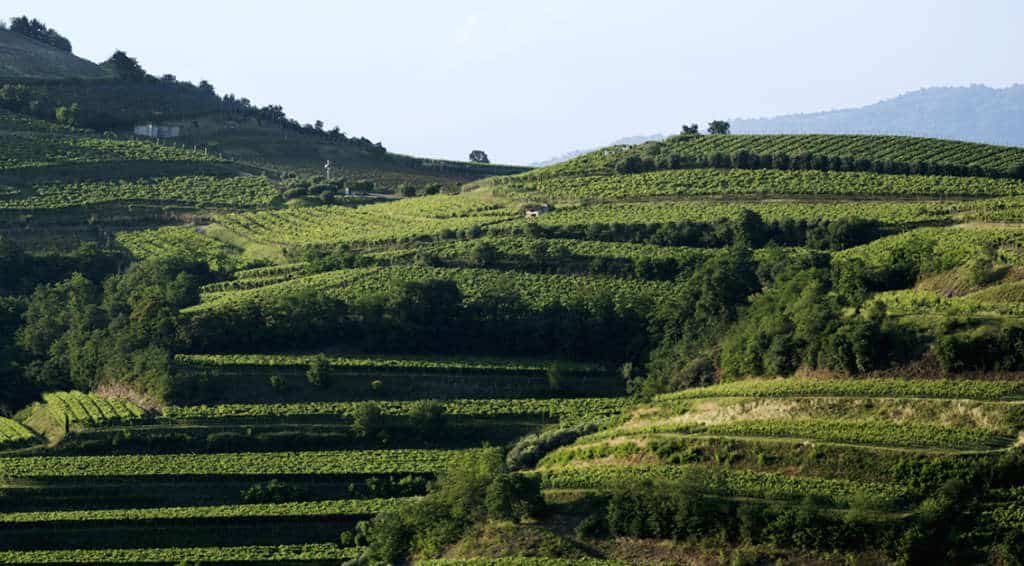
Zanè is not a city that announces itself. Positioned in the province of Vicenza, it sits at the point where the Veneto plain begins its slow climb toward the Asiago plateau, a geography that matters for anyone thinking carefully about where food comes from. The Asiago area is one of northern Italy's more consequential agricultural zones: PDO cheese production, mountain-pasture grazing, foraging traditions that predate modern gastronomy by centuries, and proximity to the Val d'Astico, a river valley that funnels cold air and clean water southward into the broader Po basin. For a restaurant on Via Monte Grappa, this is not background scenery. It is the supply chain.
Opera Terza occupies this context in a part of the Veneto that rarely features in the itineraries built around Verona's opera season or Venice's tourist infrastructure. That relative distance from those circuits is, in practice, an advantage: the dining conversation here is quieter, more local, and more directly connected to the producers and seasonal rhythms that define the region's larder. For a broader view of where Opera Terza sits within the area's restaurant options, our full Zanè restaurants guide maps the scene in more detail.
The Sourcing Logic of the Vicenza Province
Northern Italy's finest tables have long understood that the distance between producer and kitchen is itself an argument. At the top end of the Italian fine-dining spectrum, at places like Atelier Moessmer Norbert Niederkofler in Brunico, which has made Alpine ingredient traceability a founding principle, or Dal Pescatore in Runate, where the kitchen's relationship with the surrounding Po Valley has sustained decades of recognition, the sourcing narrative is inseparable from the menu logic. That same principle, applied at a smaller and more local scale, characterises how the better kitchens in the Veneto foothills operate.
The Vicenza province produces a specific agricultural identity: sopressa vicentina (a cured pork sausage with IGP status), mountain cheeses from the Asiago cooperative network, freshwater fish from the Brenta tributaries, wild mushrooms in autumn, white asparagus from Bassano del Grappa in spring. Any kitchen in this territory that pays attention to the calendar will find its menu shaped by those cycles almost automatically. The question for a restaurant like Opera Terza is not whether to work with these ingredients, proximity makes that logical, but how deliberately it structures that relationship.
This kind of hyper-local sourcing discipline is not unique to Italy's north, but it is perhaps more legible here than in larger cities, where the supply chain is longer and the branding around provenance sometimes outruns the reality. In a town the size of Zanè, the producer relationships tend to be direct and verifiable in a way that a restaurant in Milan or Florence, however decorated, cannot always replicate. For comparison, consider how Enoteca Pinchiorri in Florence or Enrico Bartolini in Milan operate within metropolitan supply systems that require considerably more logistical architecture to achieve comparable traceability.
Opera Terza in the Context of Veneto Fine Dining
The Veneto is home to some of Italy's more technically ambitious restaurants. Le Calandre in Rubano has held three Michelin stars and represents the progressive Italian kitchen at its most intellectually rigorous. Casa Perbellini 12 Apostoli in Verona anchors a different register, historically rooted, classically framed. Between those poles, there is considerable space for restaurants that work at a more intimate scale, where the cooking reflects a specific locality rather than a regional or national platform.
Opera Terza, on the evidence of its location and the agricultural richness of its immediate surroundings, belongs to that middle tier by geography if not necessarily by ambition. The foothills north of Vicenza have produced serious cooking before, and the pattern in contemporary Italian dining, visible from Osteria Francescana in Modena to Piazza Duomo in Alba, has been a movement away from capital-city concentration and toward regional and sub-regional expressions that carry genuine specificity. A restaurant in Zanè drawing on Asiago-plateau producers fits that broader pattern precisely.
For those tracking how ingredient-led kitchens operate across different Italian coastal and inland registers, it is worth comparing notes with Uliassi in Senigallia or Quattro Passi in Marina del Cantone, both of which demonstrate how proximity to a primary ingredient source, the Adriatic, the Amalfi coastline, shapes menu logic in ways that inland kitchens achieve through different means. Inland kitchens in the Veneto foothills answer with altitude, season, and pastured protein where coastal kitchens answer with fish.
Planning a Visit
Zanè is accessible by road from Vicenza in under thirty minutes, and from Verona in approximately an hour. Those travelling from further afield will find Vicenza the natural rail hub, with the town reachable by local bus or taxi from there. Via Monte Grappa, the address, places Opera Terza in a residential-commercial part of town rather than a historic centre, which is itself characteristic of how serious kitchens in smaller Veneto towns tend to locate: function over theatrical setting. For current hours, booking availability, and any seasonal menu information, direct contact or a current listing check is advisable, as the details available through third-party sources are limited. Our broader Zanè guide carries updated practical information as it becomes available.
Visitors with appetite for comparison across Italy's wider fine-dining geography might also consider, on separate trips, Reale in Castel di Sangro, Da Vittorio in Brusaporto, La Pergola in Rome, or Villa Crespi in Orta San Giulio, each of which represents a different inflection of Italian fine dining. For those interested in how the ingredient-sourcing conversation plays out in entirely different national contexts, Le Bernardin in New York City and Atomix in New York City provide useful transatlantic reference points, as does Gambero Rosso in Marina di Gioiosa Ionica for a southern Italian contrast.
Frequently asked questions
Would Opera Terza be comfortable with kids?
Opera Terza is located on Via Monte Grappa in Zanè, a small Vicenza province town where dining tends toward a considered, unhurried pace rather than a casual family atmosphere. The setting and regional dining culture here skew toward adult tables.
How would you describe the vibe at Opera Terza?
Zanè sits where the Veneto plain begins its rise toward the Vicenza foothills, and that geography shapes the tone: unhurried, rooted in place, and less performative than the restaurant rooms you find in Verona or Vicenza city. Opera Terza occupies a position on Via Monte Grappa that puts it firmly in local rather than tourist territory, which tends to produce a room where regulars outnumber first-timers.
Is Opera Terza worth the drive from Verona or Vicenza city?
Zanè is roughly 30 minutes from Vicenza by road and approximately an hour from Verona, placing Opera Terza within reach as a standalone dining destination rather than a detour. The Veneto foothills around Vicenza have produced serious kitchens before, Le Calandre in nearby Rubano being the most documented benchmark, and the province's density of quality producers gives restaurants in this corridor a genuine sourcing advantage. Whether Opera Terza converts that geography into a journey worth making depends on confirmed current accolades, which should be verified directly with the venue.
What should I order at Opera Terza?
Given its location in the Vicenza province, expect the kitchen to engage with the Veneto's larder: local vegetables, freshwater fish from the pre-Alpine rivers, and the cured meats and cheeses produced across the province. check the venue's official channels for current menu information before visiting.
How do I find Opera Terza?
Opera Terza is located at Via Monte Grappa, 70/A, 36010 Zanè VI, Italy, Zane.
Quick Comparison
Comparable venues nearby, for context on price, style, and recognition.
| Venue | Cuisine | Price | Notes |
|---|---|---|---|
| Opera TerzaThis venue (the venue you are viewing) | Regional Italian | Not listed | Not listed |
| Angolo Palladio | Authentic Italian Pizza and Pasta | $20–30 | historic centre |
| Antica Trattoria Belletti | Traditional Bolognese / Emilian Trattoria | $30–50 | Montepastore |
| Da Biasio | Modern Italian Seafood with Veneto Traditions | $50–100 | Monte Berico |
| da Celeste Pellestrina | Traditional Venetian Seafood | $50–100 | Pellestrina |
| Garibaldi | Venetian Seafood | Not listed | Sottomarina |
Continue exploring
More in Zane
Restaurants in Zane
All restaurants in Zane →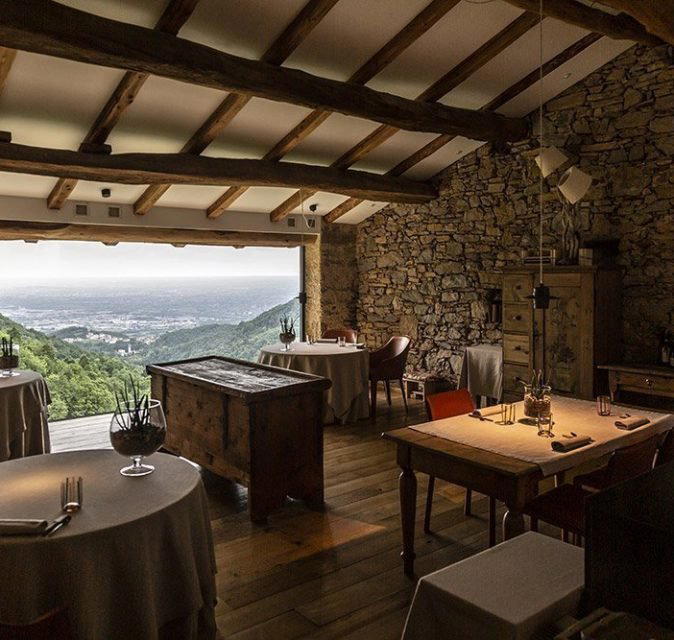
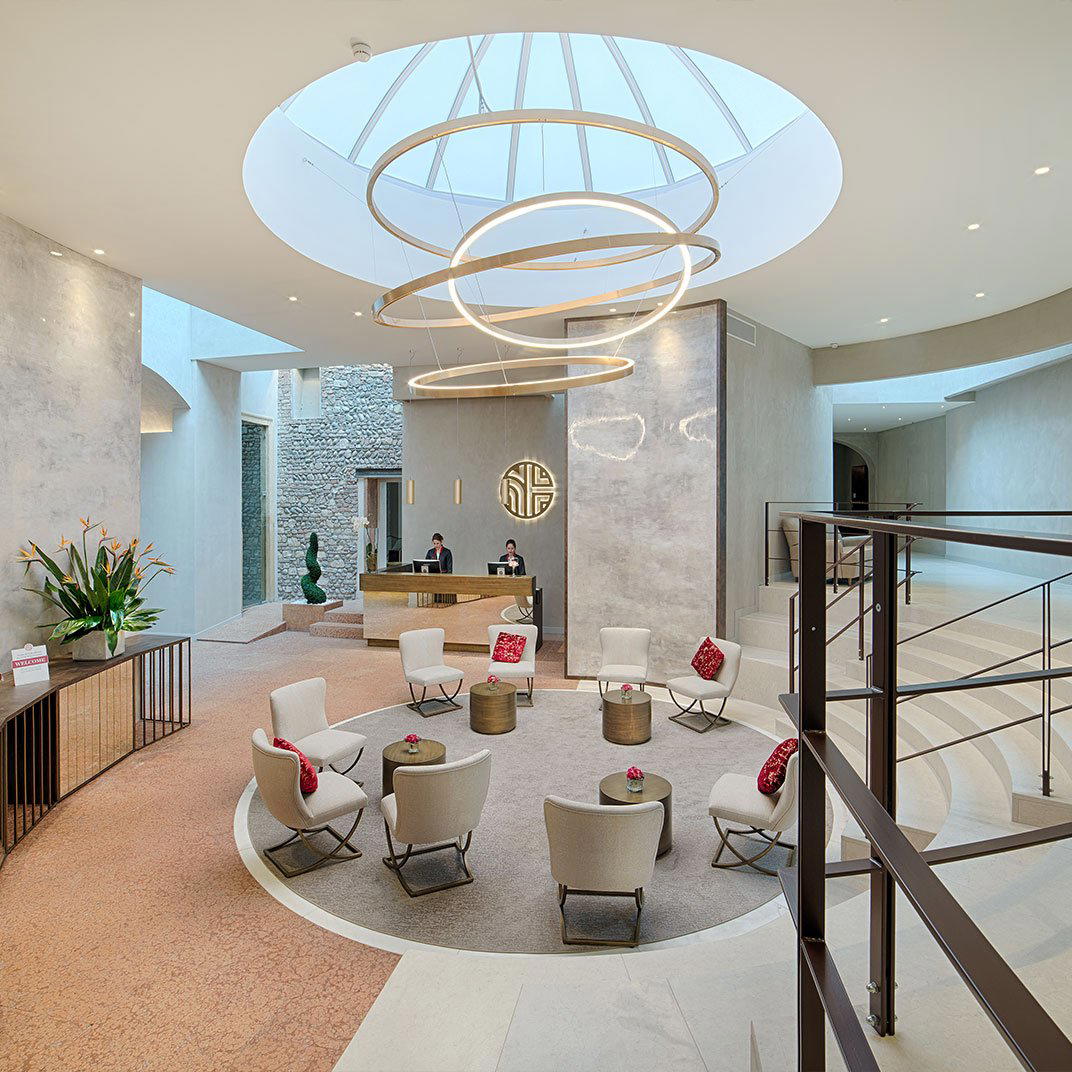
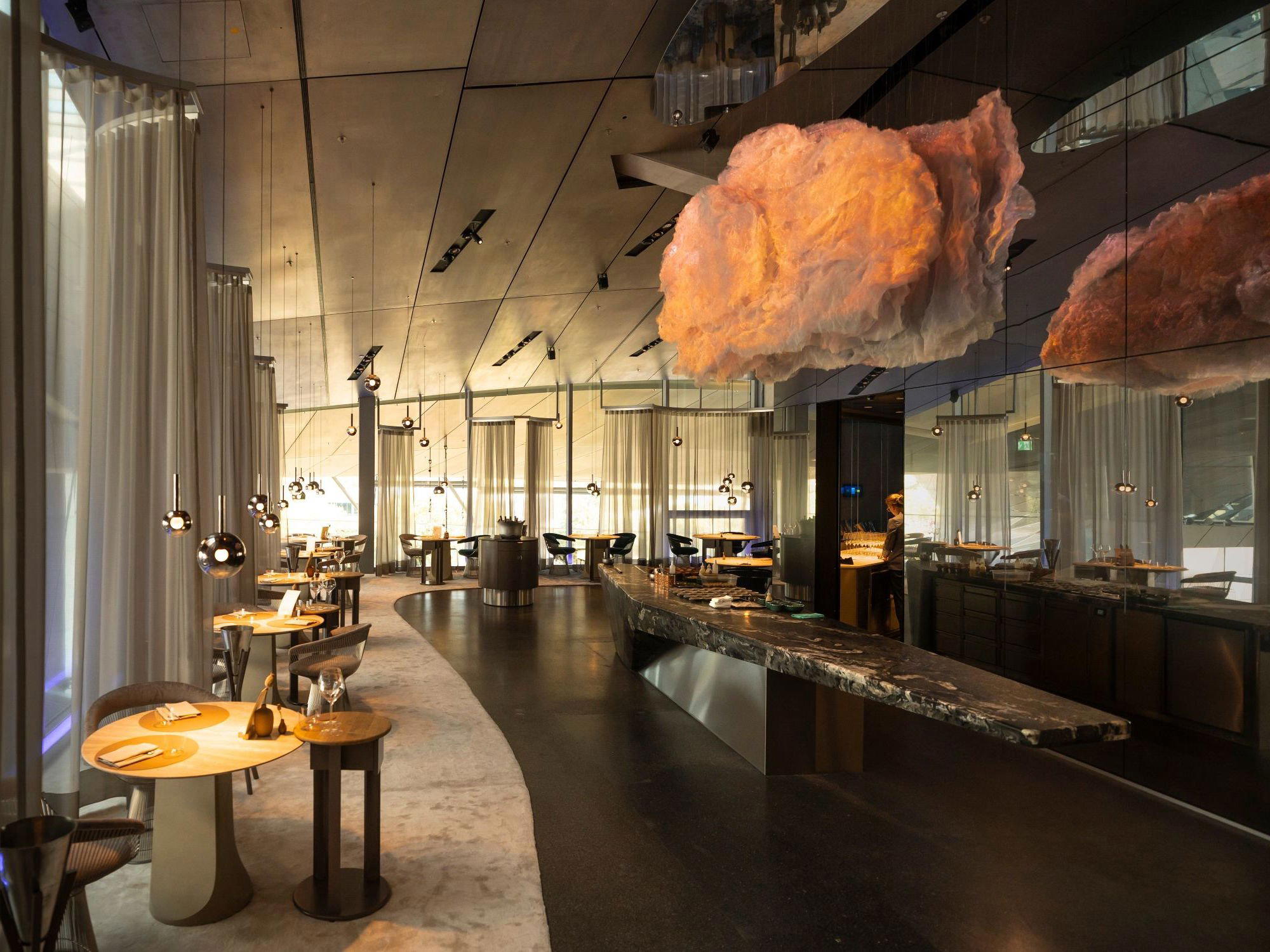
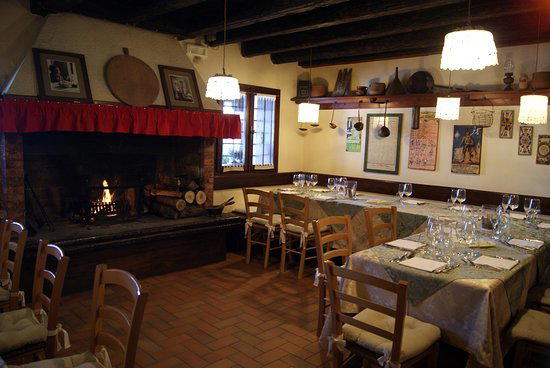

Bars in Zane
Browse all →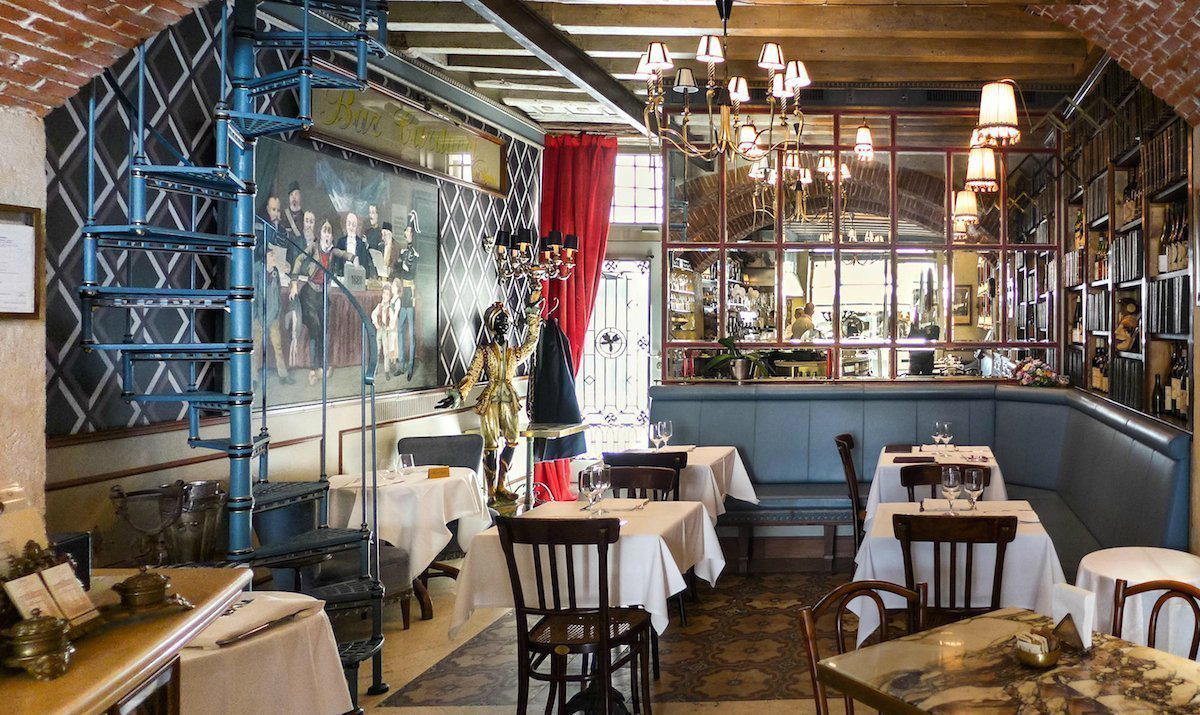
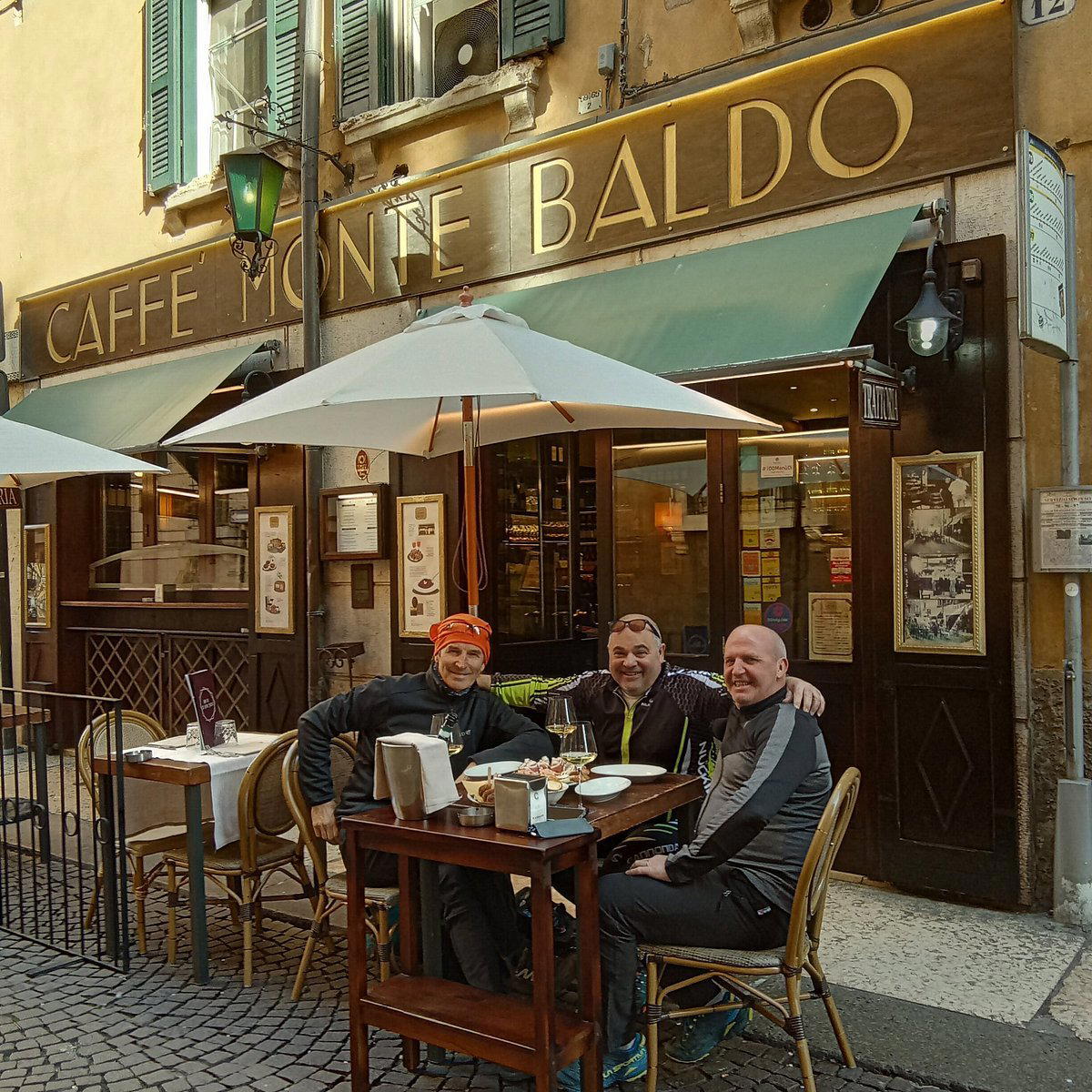
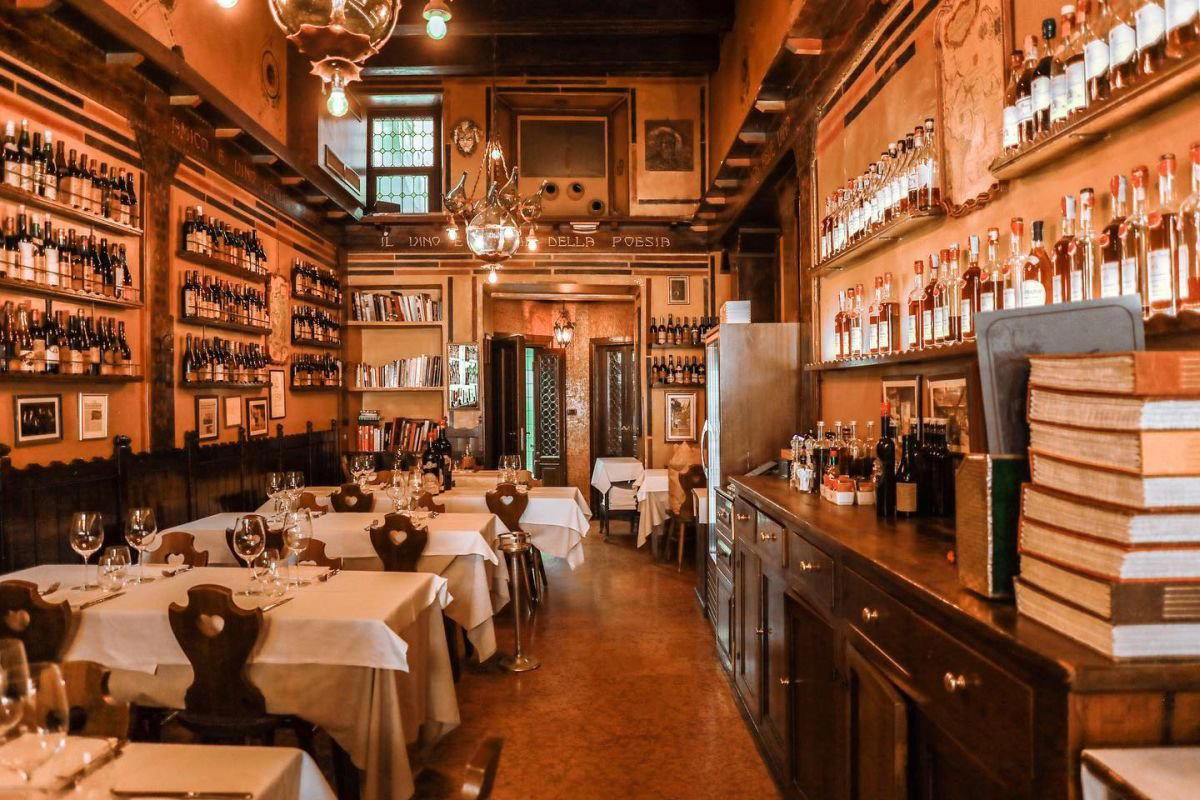
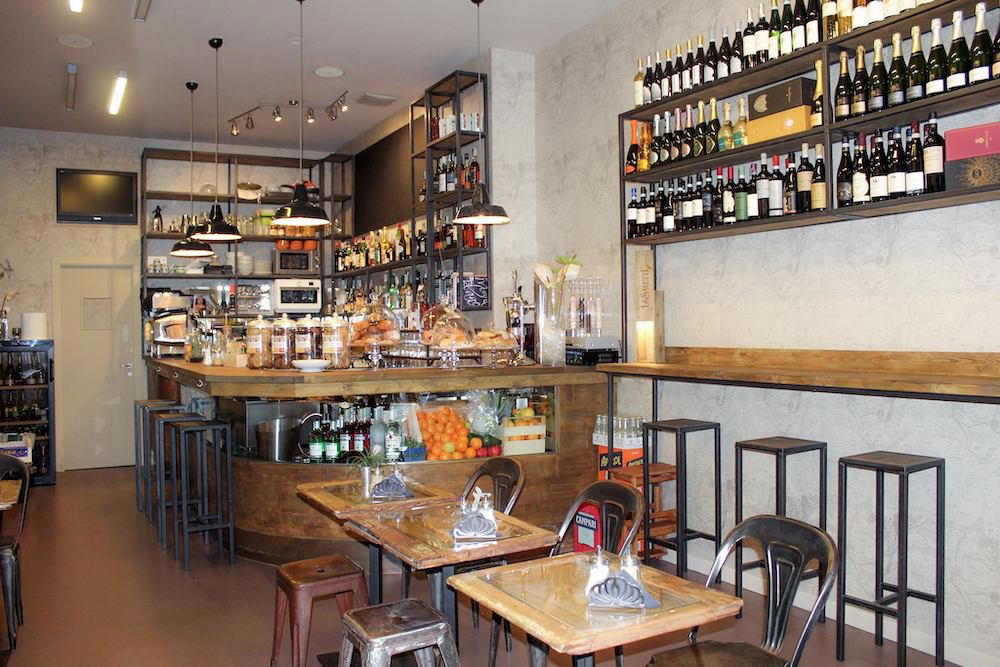
Details
- Elegant
- Cozy
- Classic
- Date Night
- Special Occasion
- Group Dining
- Standalone
- Historic Building
- Beer Program
- Local Sourcing
- A La Carte
- Wine
- Vegetarian Friendly
- Gluten Free Options
Current opening hours
- Monday
- 7:30–11 PM
- Tuesday
- Closed
- Wednesday
- 7:30–11 PM
- Thursday
- 7:30–11 PM
- Friday
- 7:30–11 PM
- Saturday
- 7:30–11 PM
- Sunday
- 12:30–3 PM
Hours can change for holidays and private events. Hours as of .
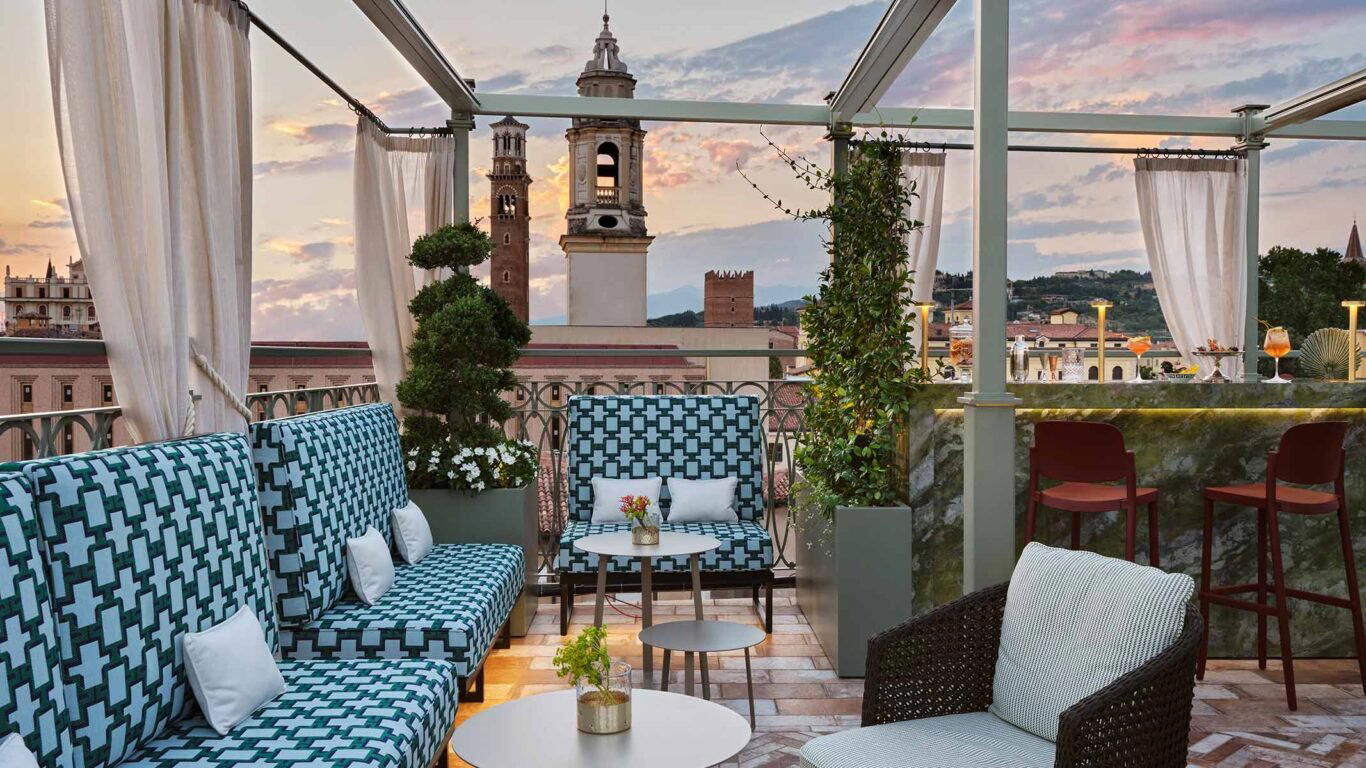
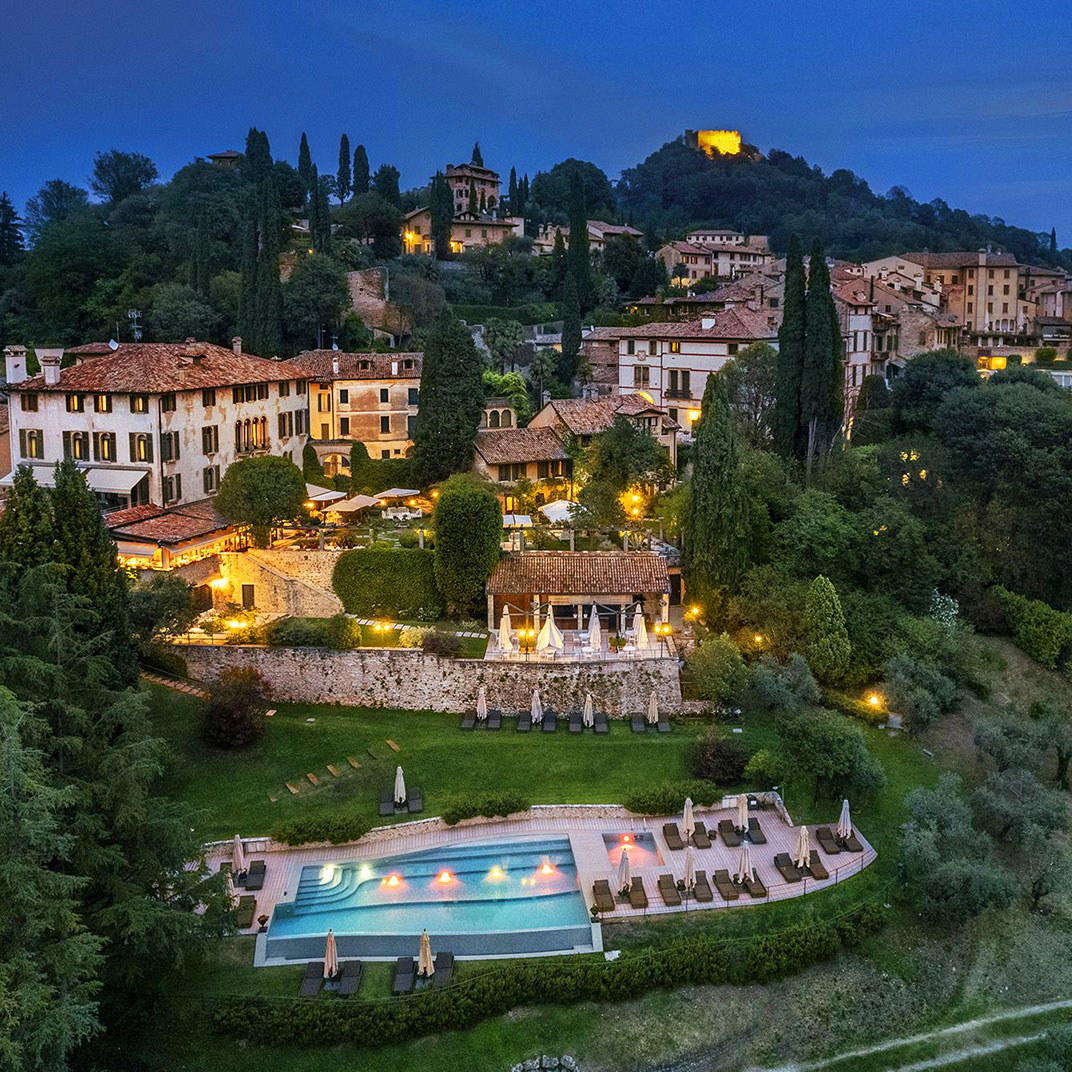
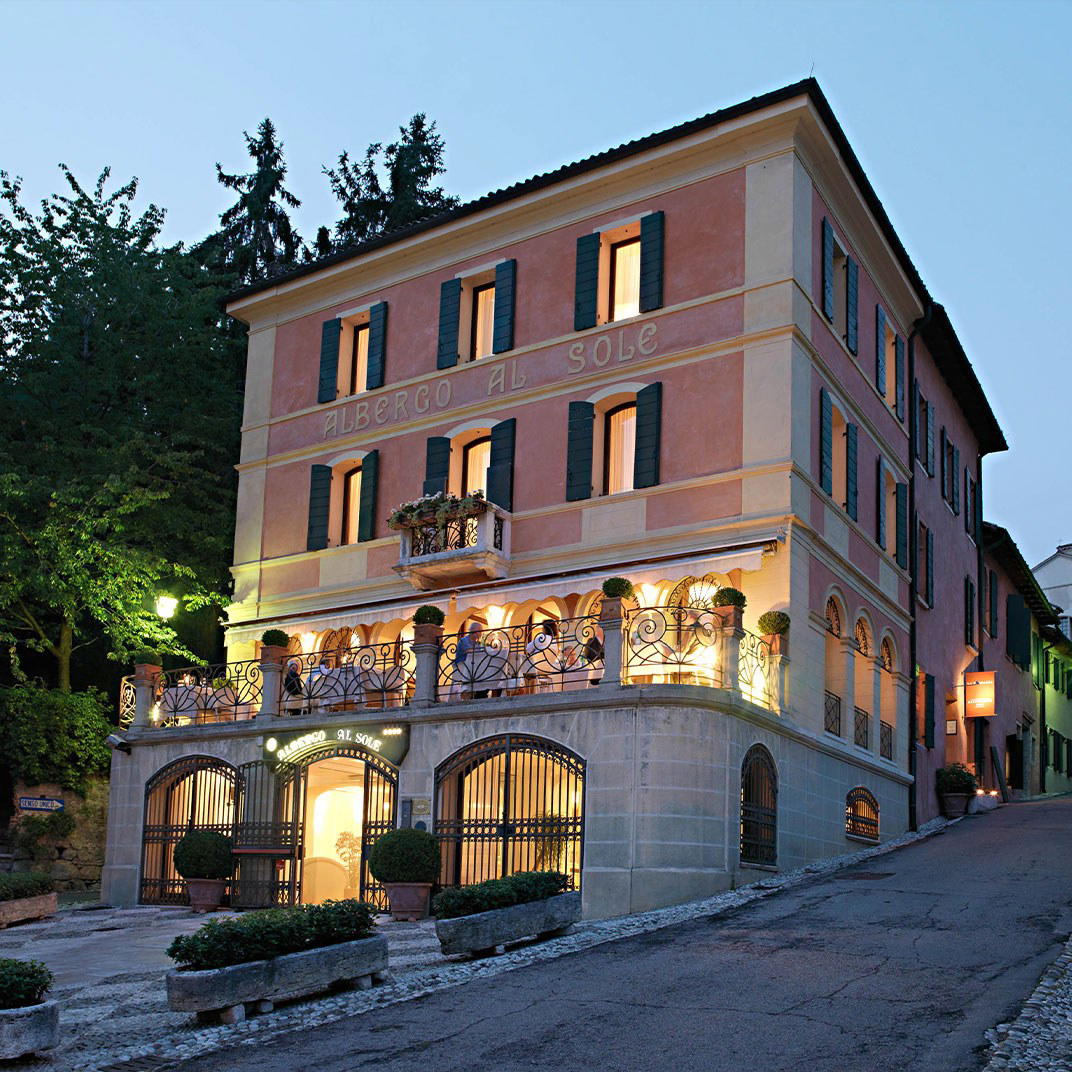
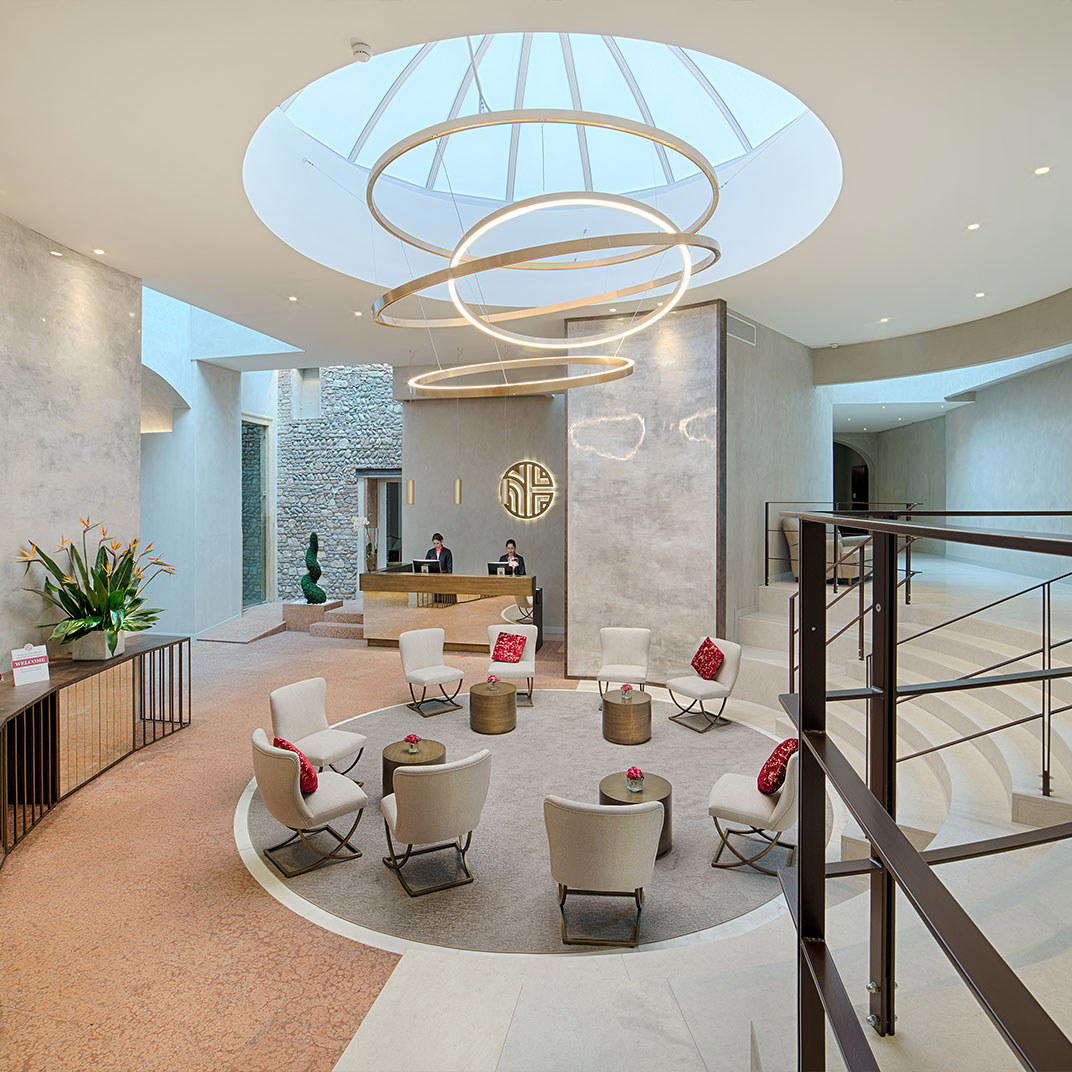
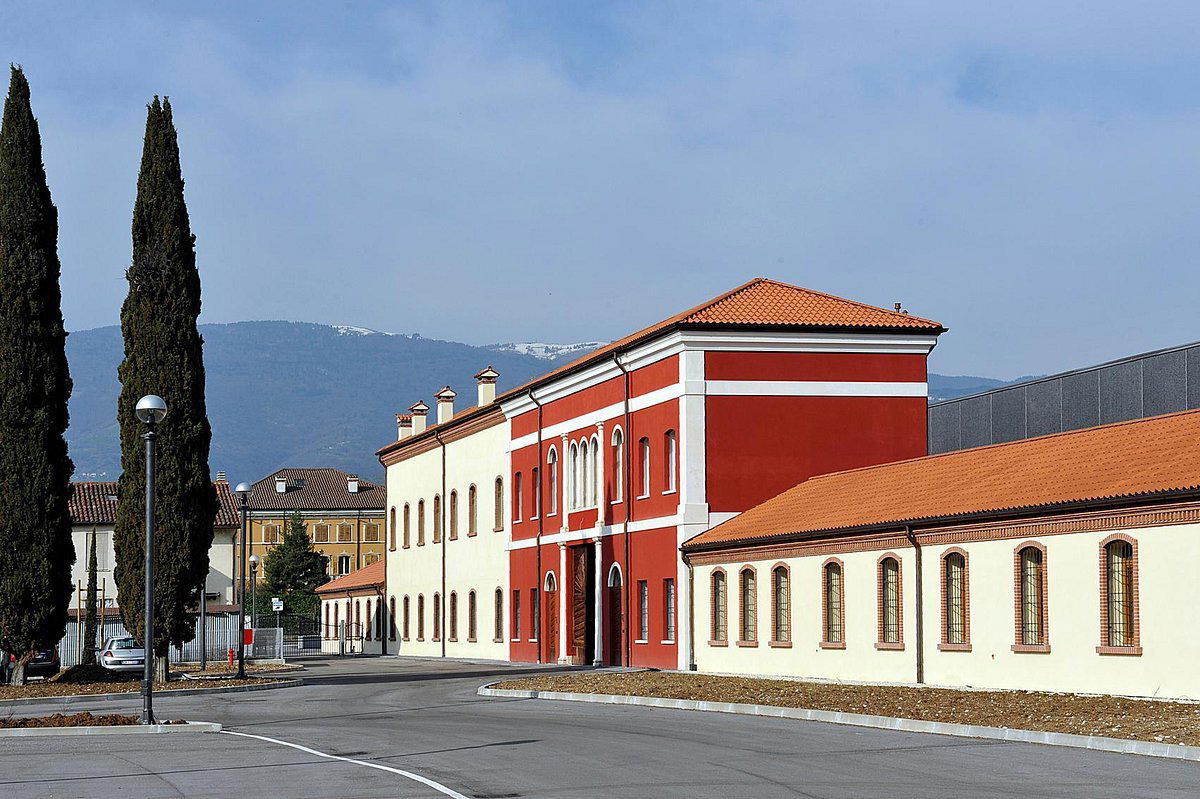
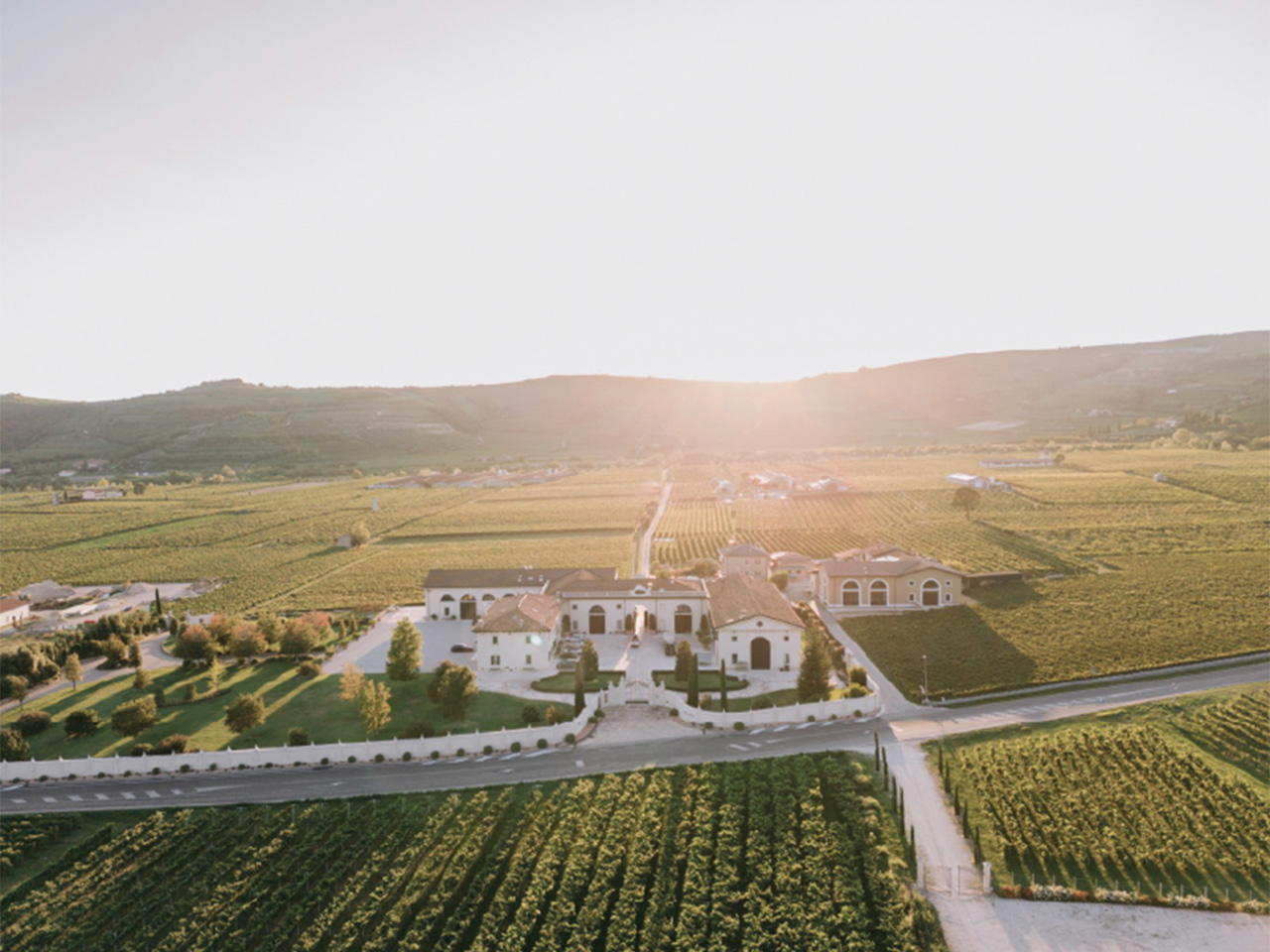
Refined and carefully furnished space with warm, welcoming atmosphere in a historic farmhouse setting.