Our verdict
Chinese Restaurant Wong Chi Ming belongs to Hanoi’s hotel-district Chinese dining circuit rather than the Old Quarter’s street-led food culture. The useful lens here is sourcing: in a city defined by wet markets, northern produce, and cross-border culinary influence, a Chinese restaurant in western Hanoi is judged by how clearly it handles ingredient-driven cooking rather than spectacle.

Pearl is the En Primeur Club membership app — saves, bookings, and concierge access live there. Same editors, same standards.
- Address
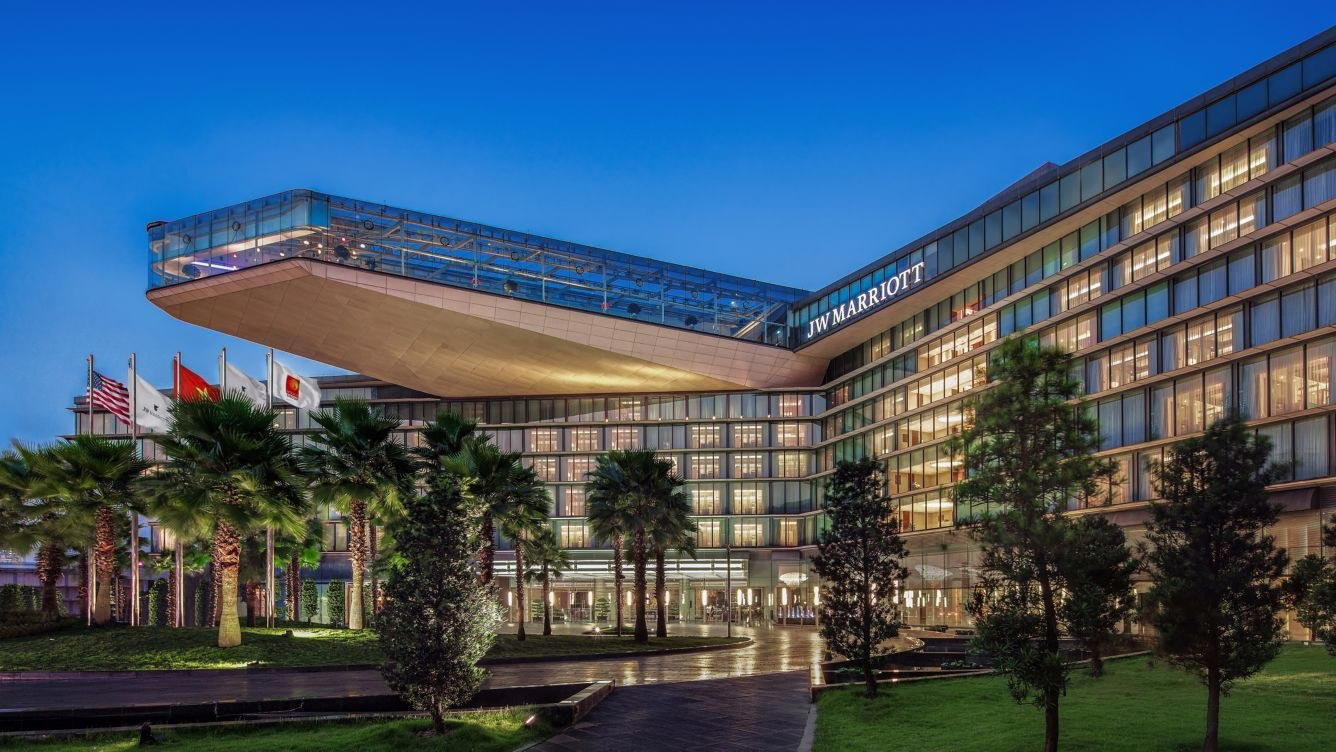
- No. 08, 8 P. Đỗ Đức Dục, Road, Từ Liêm, Hà Nội 100000, Vietnam
- Phone
- +84 24 3833 5588
- Website
- jwmarriotthanoilife.com
- Directions
- Get directions
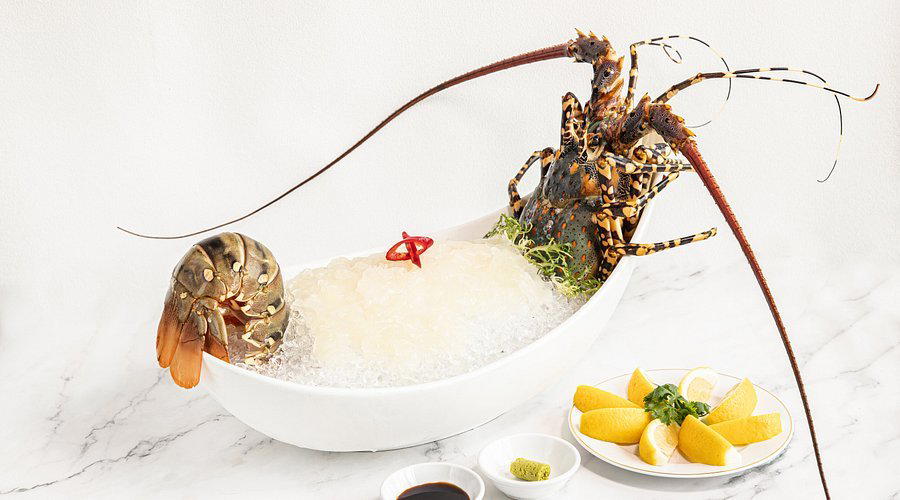
The menu
What to order
- Signature Peking Duck
- Handcrafted dim sum
- Weekend Yum Cha
- Premium abalone dishes
- Bird’s nest specialties
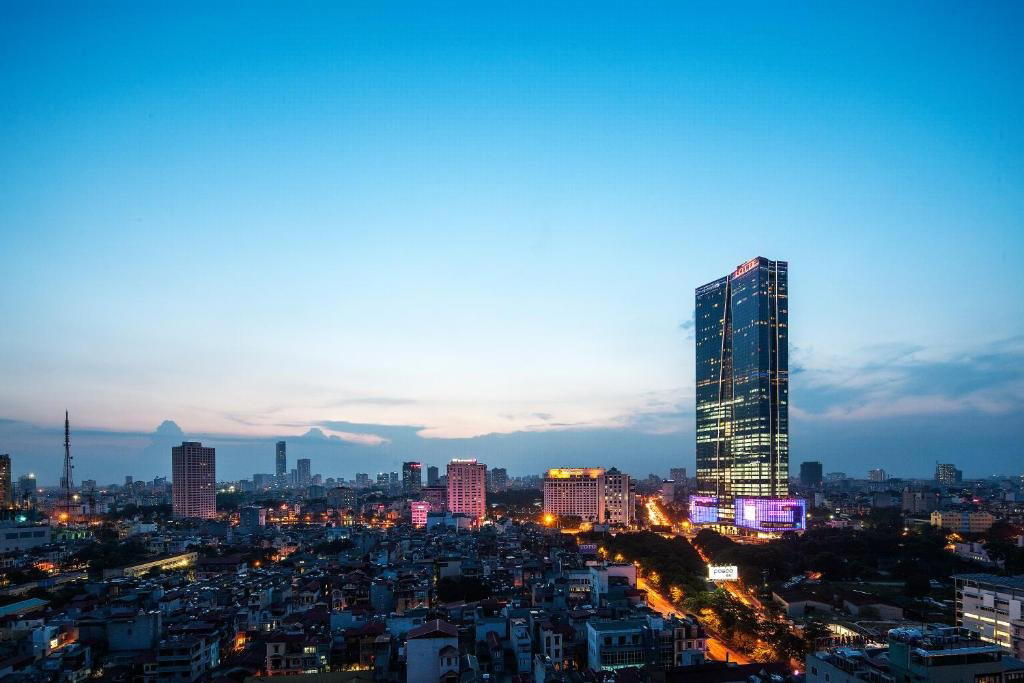
Approach this part of Hanoi and the city changes register. The lanes of the old core give way to wider roads, conference hotels, apartment towers, and restaurants built for business tables rather than grazing tourists. Chinese Restaurant Wong Chi Ming sits in that setting, where the meal is less about discovery by accident and more about a planned table: shared plates, controlled pacing, and the expectation that the kitchen can handle a group without turning dinner into theatre.
That context matters in Hanoi. The city’s restaurant culture is often read through phở, bún chả, grilled freshwater fish, and northern Vietnamese herbs, but its Chinese dining thread is older and more practical than the usual visitor narrative suggests. Regional formats have long moved through Vietnam by trade, family migration, hotel dining, and banquet culture. In a capital where produce markets shape daily cooking, restaurants succeed when sourcing is treated as structure: freshness, texture, heat control, and the ability to let vegetables, seafood, poultry, noodles, and broths carry a meal without excessive ornament.
Hanoi's Chinese tables are built around groups, sourcing, and pace
Hanoi has a different dining rhythm from the most tourist-facing parts of the city. It draws office workers, hotel guests, residents, and visitors who want reliable formats at larger tables. That creates demand for restaurants with range: dishes that can be ordered communally, courses that arrive in sequence, and cooking that holds up across a table of mixed appetites. Chinese Restaurant Wong Chi Ming fits that urban pattern more naturally than the small-room tasting-menu model seen elsewhere in the city.
The sourcing angle is where the category becomes interesting. Hanoi gives kitchens access to crisp greens, fish, shellfish, pork, poultry, tofu, rice products, and herbs with a fresher profile than imported-luxury cooking. The strongest dining in this lane does not need to imitate hotel grandeur or banquet excess; it needs disciplined procurement and a kitchen that respects timing, stock clarity, and vegetable texture. When those foundations are in place, the appeal is not novelty. It is the confidence of a meal designed for repeat local use.
For readers mapping Hanoi by appetite, this is a useful counterpoint to the city’s Vietnamese specialists. Other Hanoi dining rooms can point toward northern memory, seasonal ingredients, and local idiom. Chinese Restaurant Wong Chi Ming works differently: less rooted in one Vietnamese region, more dependent on ordering intelligence and the kitchen’s ability to make shared abundance feel coherent.
How to read the room against Hanoi's broader dining circuit
Hanoi’s premium restaurant map is increasingly split between hotel-led international dining, independent Vietnamese rooms, and specialist Asian formats. French Grill occupies the French contemporary lane, while 3 Spoons, JW Café, Kumihimo Modern Japanese Restaurant & Bar, and Stellar Teppanyaki show how hotel and mixed-use dining areas support multiple imported dining languages. Chinese Restaurant Wong Chi Ming belongs to that same practical ecosystem, best read through the usefulness of the table rather than through a trophy-dining bracket.
That framing changes the decision. This is not a page for diners chasing chef biography alone. The smarter question is whether a Chinese table makes sense within a Hanoi itinerary already heavy on street food and Vietnamese regional cooking. For many visitors, it does, particularly when the meal needs to be calmer, more shareable, and less dependent on counter seats or tasting-menu timing. In that role, the cooking offers an alternative grammar: soups, stir-fries, steamed dishes, roasted or braised preparations, rice, noodles, and vegetables that can be combined according to the table rather than dictated course by course.
Ingredient sourcing also helps explain why Hanoi is a stronger city for this format than casual visitors assume. The capital’s markets reward kitchens that buy daily and cook with restraint. Fresh greens should retain snap. Seafood should not be buried under sauce. Broths and braises should show extraction, not salt alone. Those are category standards rather than confirmed house signatures, but they are the right benchmarks to bring to a restaurant in this city.
Where it fits in a wider Vietnam itinerary
Chinese Restaurant Wong Chi Ming is most useful as part of a broader Hanoi plan rather than a single-purpose pilgrimage. Build the trip around contrast: compare the capital’s Chinese dining language with local Vietnamese rooms, international hotel restaurants, and the smaller independent addresses that define city eating. Nearby research can start with other Hanoi dining rooms, 3 Spoons, and additional city restaurants, then widen through Our full Hanoi restaurants guide, Our full Hanoi hotels guide, Our full Hanoi bars guide, Our full Hanoi wineries guide, and Our full Hanoi experiences guide.
Across Vietnam, the same logic changes by city. Heritage cities lean into older streets and regional cooking, while larger business cities have denser international restaurant cultures. Coastal and resort markets shift toward leisure dining, and specialist formats outside Vietnam show how diaspora and focused concepts read differently when sourcing, audience, and city rhythm change.
The verdict is practical: use this address when the itinerary calls for a composed meal in Hanoi, especially for a table that wants shared dishes over a tasting format. The draw is not a named chef narrative. It is the fit between category and city: cooking judged through Hanoi’s supply of fresh produce, group dining habits, and appetite for dependable, ingredient-led restaurants beyond the old core.
Frequently asked questions
Where exactly is Chinese Restaurant Wong Chi Ming?
Hanoi.
How hard is it to get a table at Chinese Restaurant Wong Chi Ming?
Table access will depend on demand, especially for larger groups in Hanoi. The setting makes sense for a restaurant that can serve office, hotel, visitor, and local resident traffic.
What is Chinese Restaurant Wong Chi Ming known for?
It is a Chinese restaurant in Hanoi, so the main draw is straightforward shared dining rather than a chef-driven tasting format. Its city setting makes it a practical choice for group meals.
Can Chinese Restaurant Wong Chi Ming handle vegetarian requests?
Kitchens in this format commonly work with vegetable dishes, tofu, and noodle or rice plates, so vegetarian requests are a sensible ask here. In Hanoi, it suits a flexible, group-friendly approach.
Is Chinese Restaurant Wong Chi Ming child-friendly?
A shared-table restaurant in Hanoi is generally a workable choice for families, especially when the table is communal. The format can be practical for larger, mixed-age groups.
What is the atmosphere like at Chinese Restaurant Wong Chi Ming?
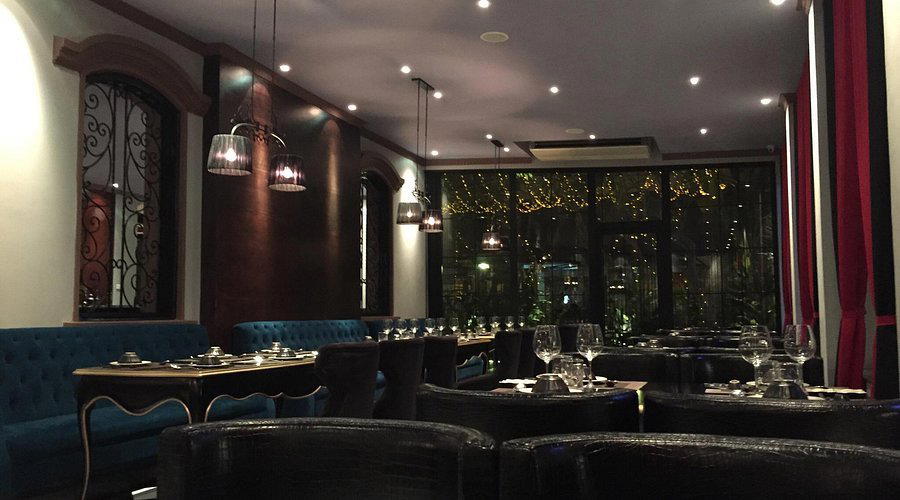
Expect a dining-room setup geared to shared dishes and longer meals rather than a counter or bar format. Its Hanoi setting suits office, hotel, visitor, and residential traffic.
A Quick Peer Check
Comparable venues by cuisine and price in the same metro.
| Venue | Cuisine | Price | Awards | Notes |
|---|---|---|---|---|
| Chinese Restaurant Wong Chi MingThis venue — the venue you are viewing | Traditional Cantonese with Dim Sum | $30–50 | Not listed | Not listed |
| French Grill | Modern French Fine Dining | Not listed | Michelin Plate · Star Wine List | French Contemporary, ₫₫₫₫ |
| JW Café | International Buffet | $50–100 | Not listed | Not listed |
| Kumihimo Modern Japanese Restaurant & Bar | Modern Japanese Restaurant & Bar | Not listed | Not listed | Not listed |
| 3 Spoons | Global Buffet with Asian & Italian | $50–100 | Not listed | Not listed |
| Stellar Teppanyaki | Authentic Japanese Teppanyaki | Not listed | Not listed | Not listed |
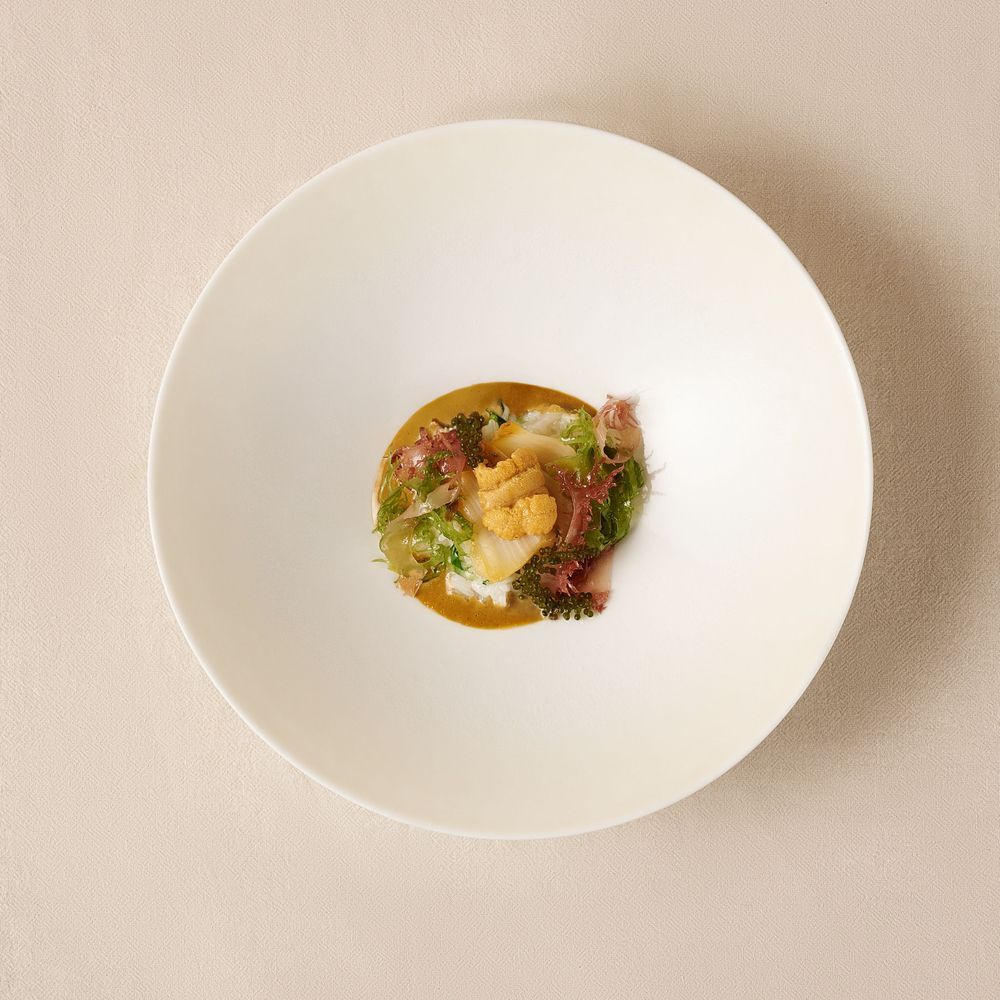

Details
- Elegant
- Modern
- Sophisticated
- Cozy
- Business Dinner
- Family
- Group Dining
- Special Occasion
- Date Night
- Hotel Restaurant
- Private Dining
- Design Destination
- Extensive Wine List
- Craft Cocktails
- Local Sourcing
- A La Carte
- Family Style
- Small Plates
- Wine
- Cocktails
- Tea
- Vegetarian Friendly
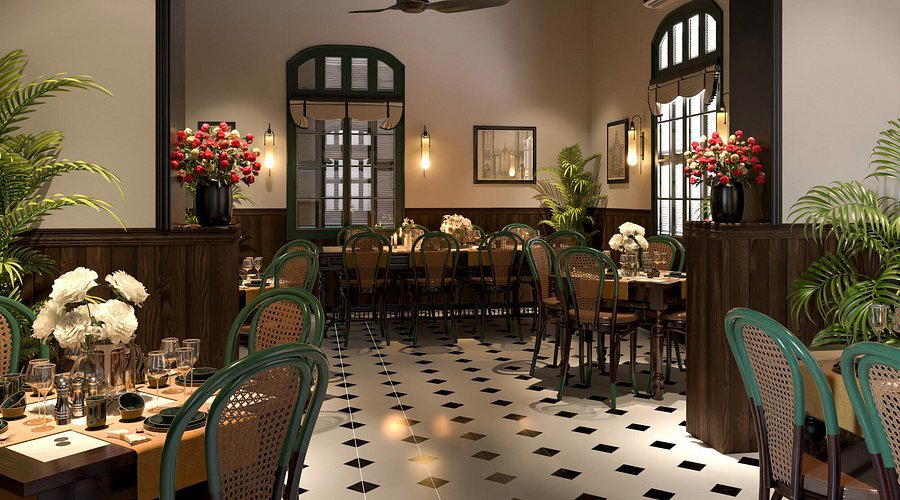
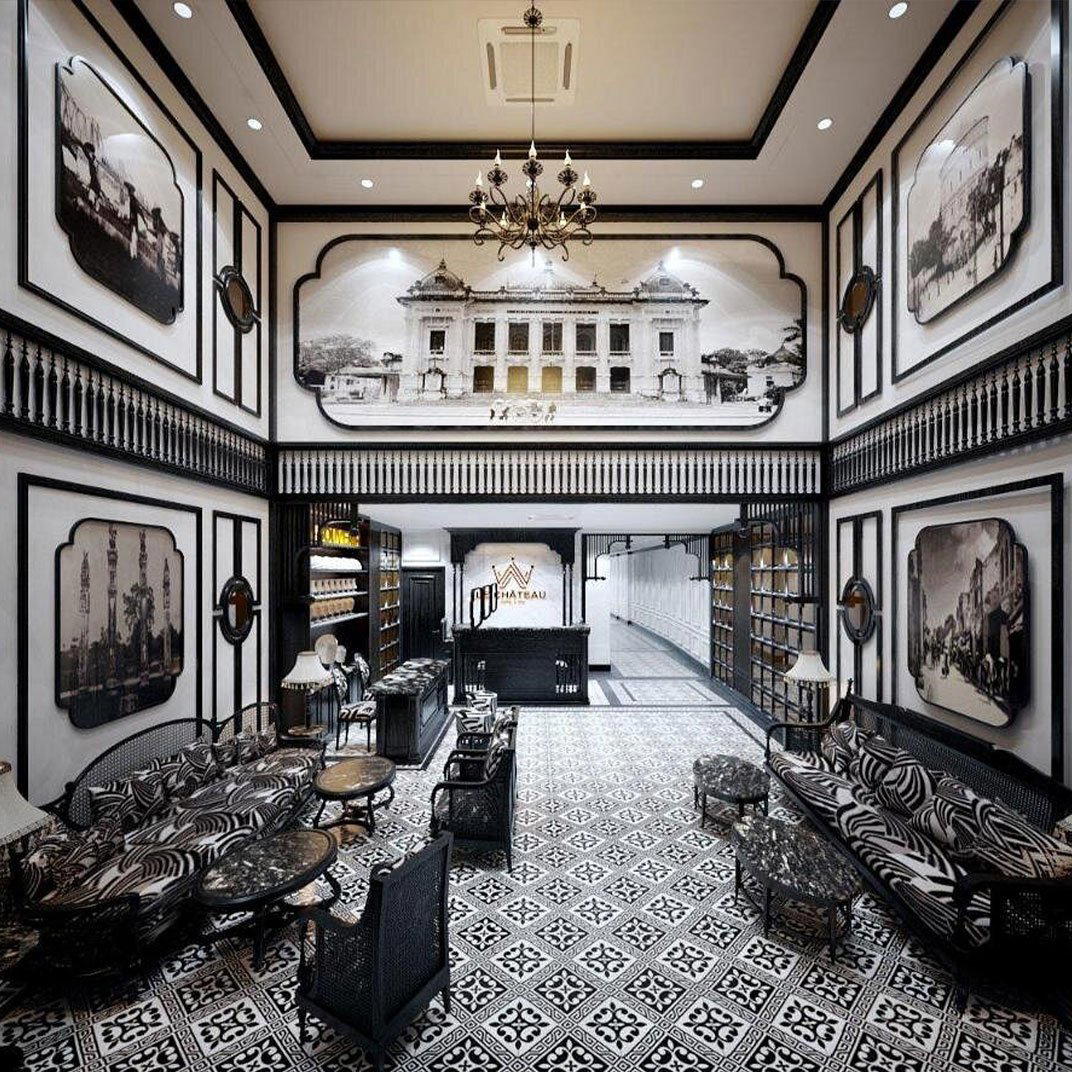
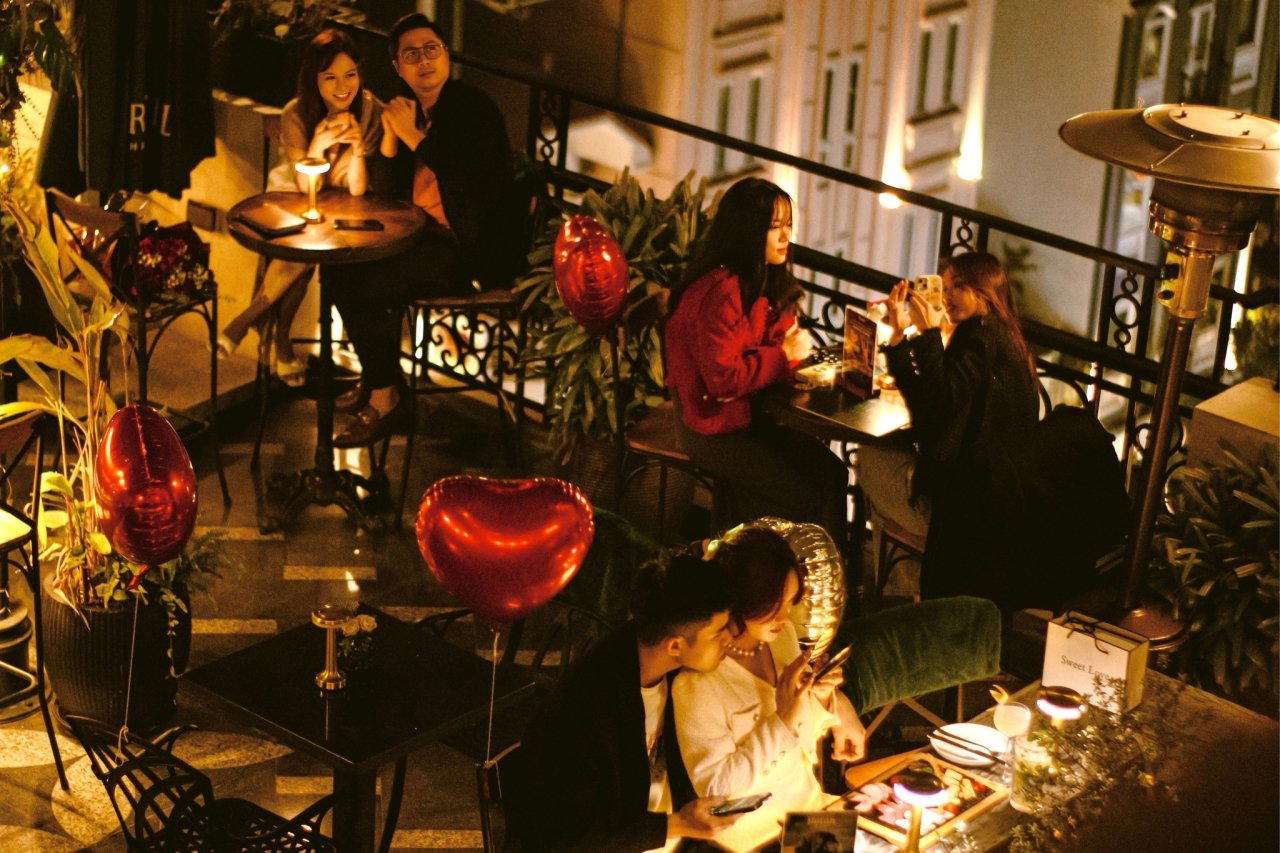
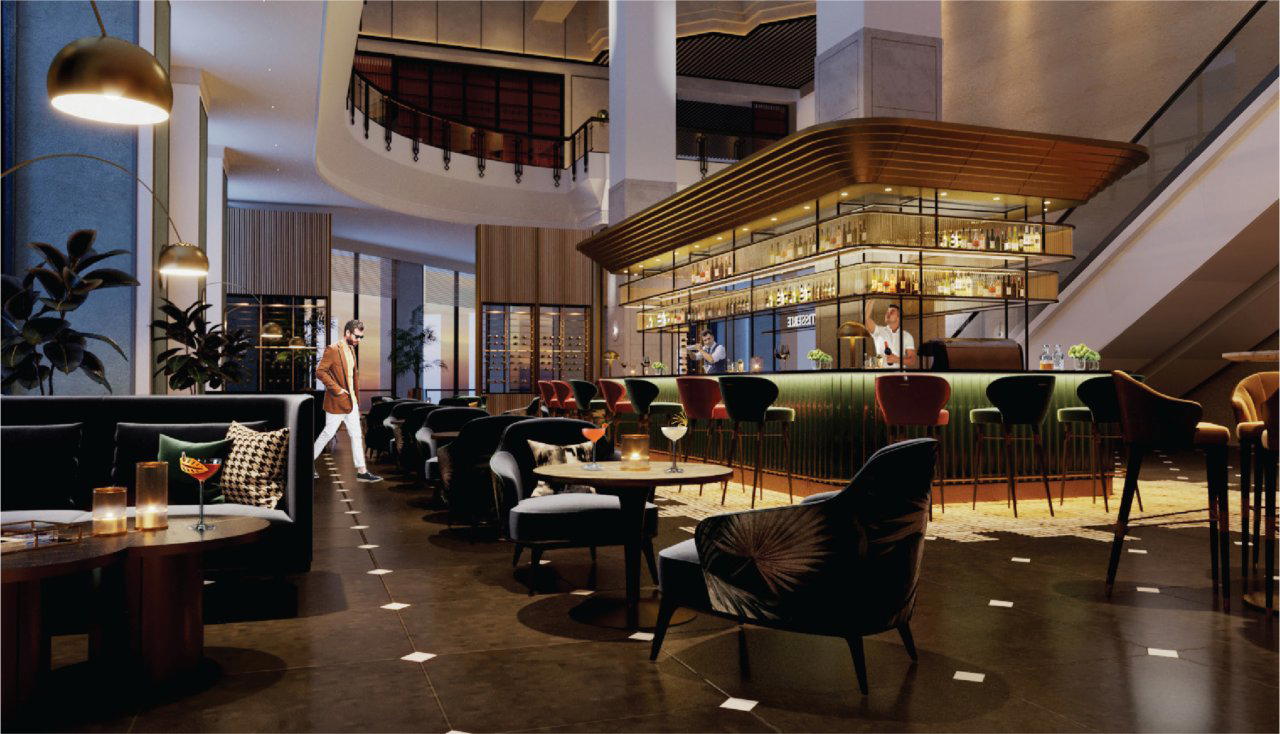
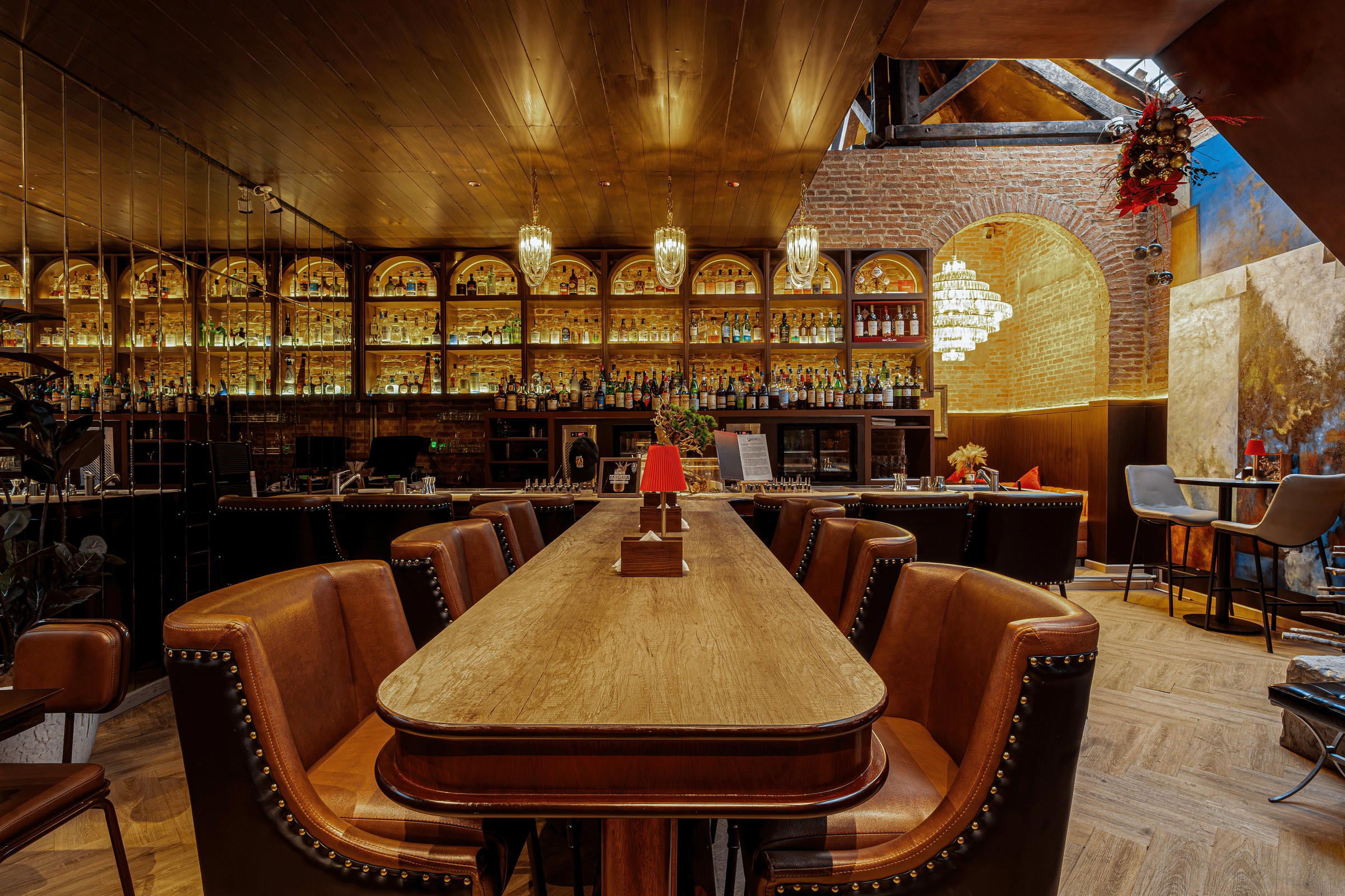
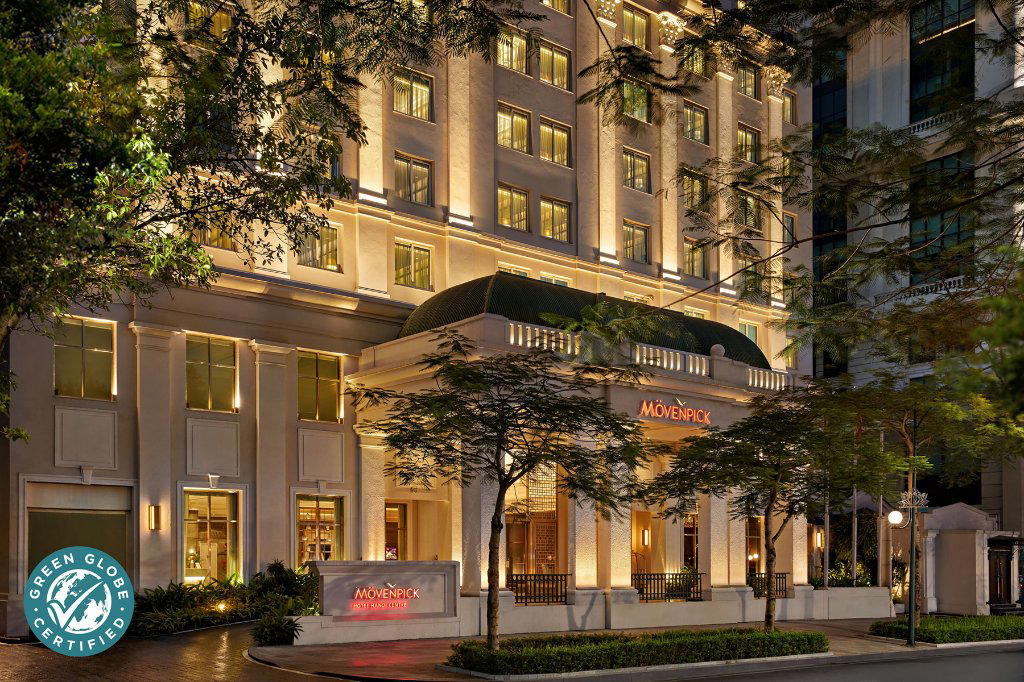
Atmosphere is refined and elegant yet comfortable, with the feel of a high-end hotel Chinese restaurant: polished service, softly lit interiors, and a calm, family-friendly dining room suited to both business meals and special occasions.