Our verdict
Onkel Otto sits at Lindenstraße 13 in the small Moselle village of Pommern, a setting that places it firmly within the region's tradition of intimate, produce-rooted dining. The surrounding Moselle valley shapes what ends up on the plate: river, slope, and forest define both ingredients and character here. For visitors working through the Rhineland-Palatinate's quieter restaurant circuit, it warrants the detour.

Pearl is the En Primeur Club membership app, where members save venues, book tables and use the concierge.
Pommern and the Logic of Small-Village Dining on the Moselle
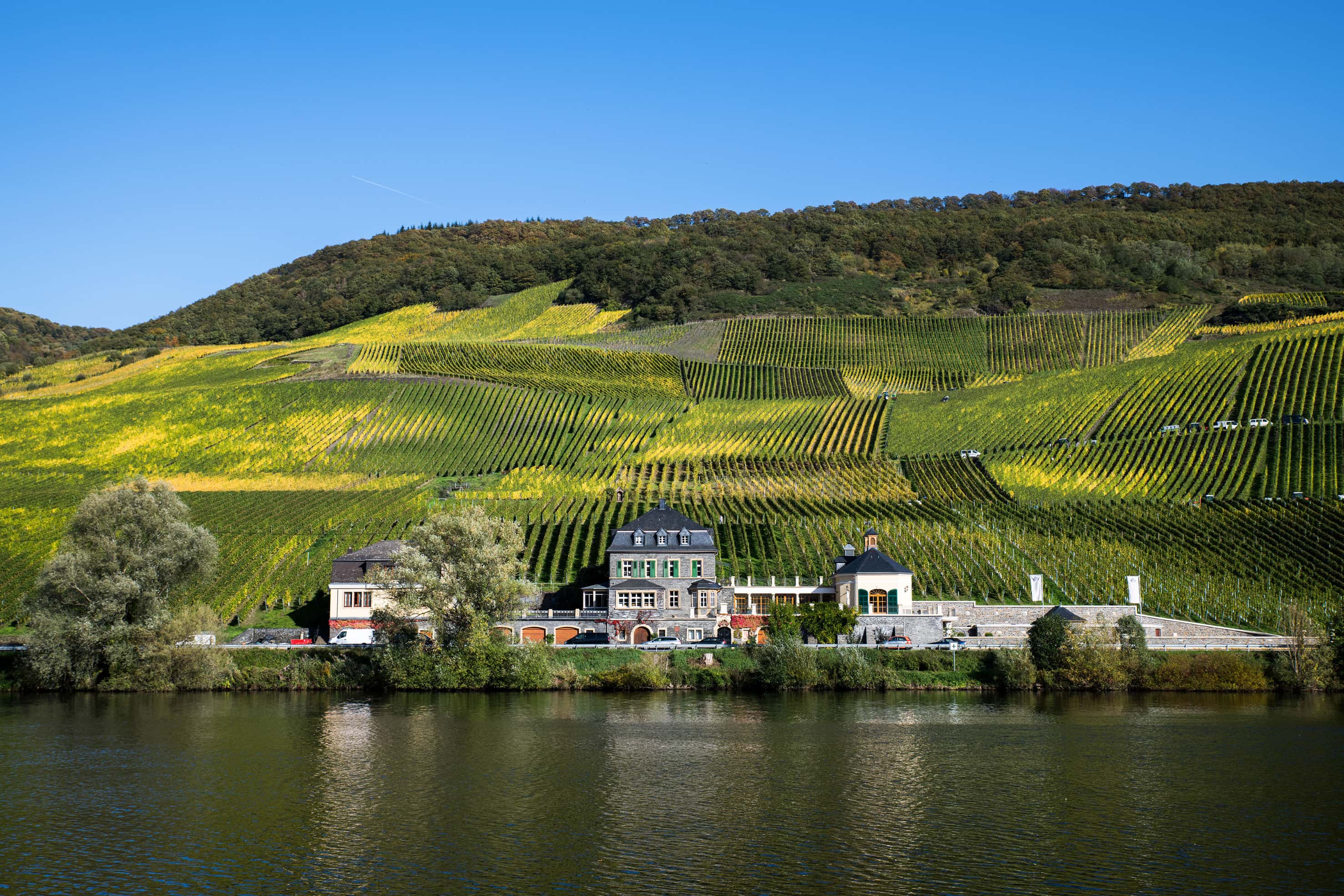
The Moselle between Cochem and Zell runs through one of Germany's most compressed fine-dining corridors. Villages like Pommern sit on steep slate slopes where viticulture has shaped land use, diet, and trade routes for centuries. The region's leading restaurants don't announce themselves with urban signage or destination-hotel backdrops. They occupy converted farmhouses, terraced plots, and, as at Onkel Otto, addressed at Lindenstraße 13, the kind of modest street-facing buildings that require a deliberate navigation to find. That deliberateness is, broadly speaking, the point. Restaurants in this register exist for a local and regional audience first, and the visitor who finds them earns something the airport-transit diner rarely does: a place still calibrated to its surroundings rather than to an abstract notion of fine dining.
Pommern itself is a village of a few hundred residents, and the dining options here do not compete with the density of our full Pommern restaurants guide. What the Moselle corridor offers instead is a set of deeply local establishments where proximity to ingredients, river fish, forest mushrooms, slate-grown Riesling-adjacent cooking traditions, shapes menus in ways that a city restaurant can only approximate. That proximity is the editorial logic for placing Onkel Otto inside any serious account of regional German dining.
Ingredient Sourcing as a Structural Argument
In the Moselle valley, sourcing is not a marketing position. The agricultural and ecological reality of the region makes local ingredients both the most available and the most appropriate. Slate soils produce distinctive root vegetables. The Moselle itself supplies freshwater fish. The surrounding hills and Hunsrück plateau feed woodland foraging traditions that date back well before modern farm-to-table rhetoric arrived in German restaurant copy. A kitchen at Lindenstraße 13 in a village like Pommern operates within that reality whether it chooses to or not: the supply chains that serve urban kitchens are simply less convenient here, which means the strongest local kitchens tend to work with what is closest and most seasonal by structural necessity as much as culinary conviction.
This is the sourcing dynamic that separates Moselle village dining from the high-concept tasting-menu circuits further north. Operations like Aqua in Wolfsburg or Vendôme in Bergisch Gladbach operate at a price point and scale, both hold Michelin recognition in the €€€€ bracket, that allows procurement from across Europe and beyond. A village restaurant in Pommern answers to a different set of constraints, and those constraints can produce cooking with a geographic specificity that larger, more resourced kitchens sometimes have to work harder to achieve.
The Scene at Lindenstraße 13
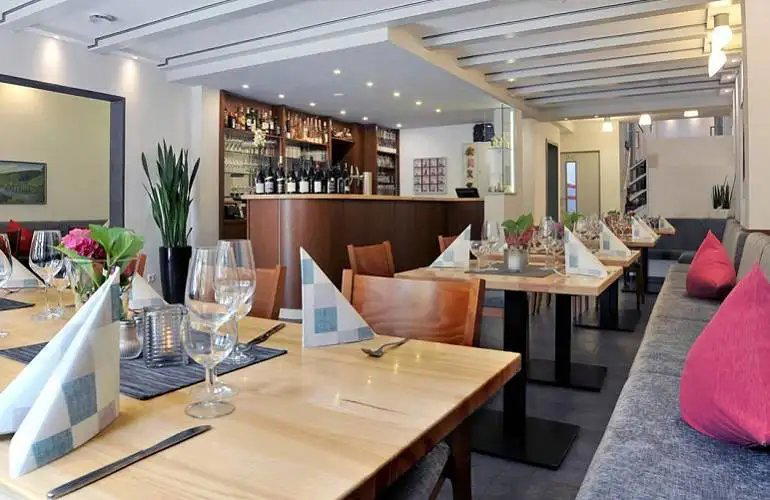
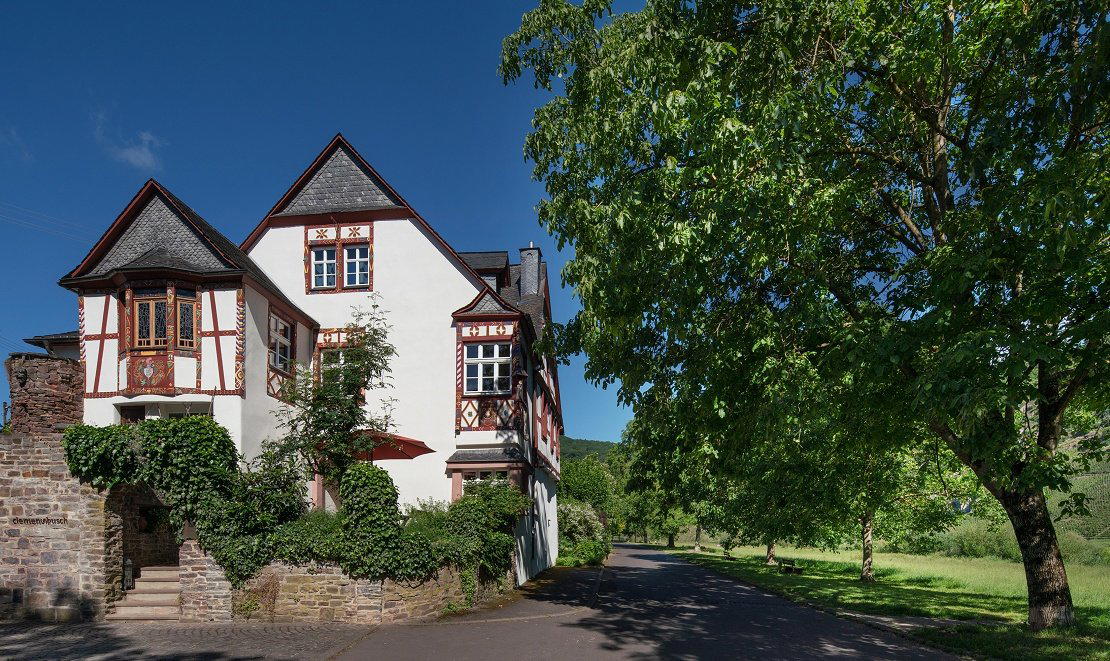
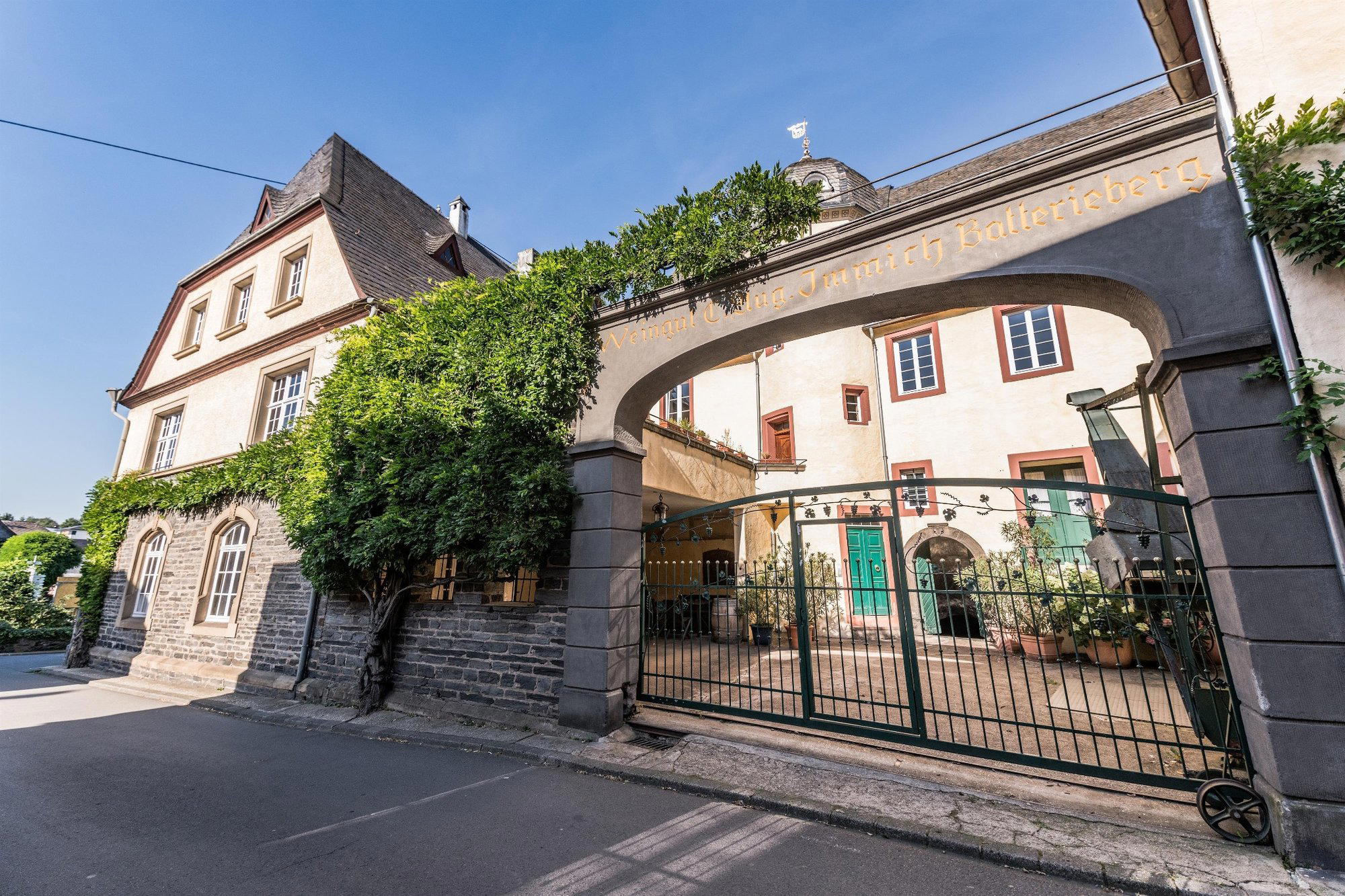
Approaching a restaurant on a quiet village lane in the Rhineland-Palatinate, the immediate environment communicates more than any interior design brief could. The rhythm of the Moselle valley, unhurried, agricultural, oriented around seasonal cycles, is present before you reach the door. Onkel Otto occupies this kind of setting: a named address on a residential street in a small community, where the distinction between neighbourhood institution and destination restaurant collapses into something more practical. This is not a room designed for theatrics. Small-village Moselle dining in this register tends toward straightforwardness of environment: the drama, if any is offered, comes from what arrives at the table.
The character of the German Rhineland-Palatinate table in this register draws on rooted central European traditions: braised preparations, substantial proteins, earthy accompaniments, and a relationship to the local wine culture that goes well beyond token pairing. The Moselle is, after all, one of Germany's most significant Riesling regions, and the leading village kitchens treat that fact as a culinary resource rather than a promotional footnote.
Where Onkel Otto Sits Relative to the Regional Circuit
The Rhineland-Palatinate has produced a cluster of restaurants operating at serious levels of technical ambition. Waldhotel Sonnora in Dreis and Schanz in Piesport represent the higher end of the regional Michelin tier, while Bagatelle in Trier anchors the nearby city's more accessible fine-dining offering. These venues serve as reference points for understanding the regional distribution of ambition and price. Onkel Otto, with no current award record or published price tier in the public record, sits outside that formal recognition circuit, which tells its own story about what kind of restaurant it likely is.
In a region where Michelin coverage of smaller village establishments is uneven, absence of formal recognition does not correlate reliably with kitchen quality. It reflects, more often, the economics and format of the operation: small volume, irregular hours, a guest list built on local repeat visitors rather than international reservation platforms. The Moselle circuit rewards patience and local knowledge. Visitors who move systematically through the broader German fine-dining scene, tracking rooms like JAN in Munich, Schwarzwaldstube in Baiersbronn, or ES:SENZ in Grassau, will find that the village restaurant occupies a genuinely different category, not a lesser one.
For contrast at the most creative end of the German spectrum, CODA Dessert Dining in Berlin and AUGUST in Augsburg operate in entirely different registers, urban, conceptually driven, internationally positioned. The Moselle village table is not competing with that world. It answers to a different hierarchy of values: seasonal rhythm, local supply, and a dining room where regulars and strangers share the same unpretentious space.
Planning Your Visit
Pommern is accessible by car from Cochem in under fifteen minutes along the B49 river road, and from Trier in approximately forty minutes. Train access from Cochem is feasible via the Moselbahn corridor, with Pommern served by regional stops, though a car gives significantly more flexibility for exploring the wider valley. This is consistent with how many small Moselle village establishments operate: not built for walk-in tourism at scale, and leading approached with local intelligence gathered on arrival in the region.
For visitors building a multi-day Moselle itinerary, pairing a meal at Onkel Otto with visits to Victor's Fine Dining by Christian Bau in Perl or Restaurant Haerlin in Hamburg as bookends gives useful calibration across Germany's dining range. Internationally, the sourcing-driven village-restaurant tradition has parallels in what Le Bernardin in New York City does with coastal seafood at scale, and what Atomix in New York City does with Korean ingredient lineage, both demonstrate how sourcing logic, applied with clarity, generates a culinary identity that no imported technique alone can replicate. Closer to Pommern, AURA by Alexander Herrmann and Tobias Bätz in Wirsberg and ATAMA by Martin Stopp in Sankt Ingbert represent what happens when the regional-ingredient logic meets more formally structured tasting-menu ambition. Ammolite in Rust further extends the southwest German fine-dining map for those constructing a broader regional itinerary.
Frequently asked questions
Is Onkel Otto okay with children?
The venue is a village restaurant on Lindenstraße 13 in Pommern, a setting that typically carries a quieter, local-community character rather than a family entertainment focus. Calling ahead or checking directly at the address before visiting with young children is the practical approach here.
What's the vibe at Onkel Otto?
Pommern is a small Moselle village on steep slate slopes between Cochem and Zell, and the address on a quiet lane communicates that before you enter. The name itself, Onkel Otto, German for Uncle Otto, signals an informal, neighbourhood register rather than a formal dining room. Expect the atmosphere of a local establishment embedded in its community, shaped more by the rhythm of the valley than by any urban dining trend.
How does Onkel Otto's location in Pommern affect the dining experience compared to restaurants in Cochem or Trier?
Pommern sits directly on the Moselle river road, roughly fifteen minutes from Cochem by car along the B49, placing Onkel Otto outside the tourist-centre orbit of the larger nearby towns. That distance from Cochem's visitor concentration means the restaurant operates within a local village context rather than a hospitality-industry one. For travellers, this translates to a different kind of visit: the surrounding slate-slope vineyard environment is the backdrop, not a curated one.
What's the must-try dish at Onkel Otto?
What the Moselle context does establish is that kitchens in this corridor draw heavily on regional produce, river fish, and slate-soil viticulture. Asking staff on arrival about the current kitchen focus will give you a more accurate steer than any pre-visit guess.
Where exactly is Onkel Otto?
Onkel Otto is located at Lindenstraße 13, 56829 Pommern, Germany, Pommern.
Comparable Spots, Quickly
| Venue | Cuisine | Price | Awards | Notes |
|---|---|---|---|---|
| Onkel OttoThis venue (the venue you are viewing) | Creative German with French Influences | Not listed | Not listed | Not listed |
| Aqua | Contemporary German, Italian/Japanese, Creative | Not listed | Michelin 3 Star | Not listed |
| Schwarzwaldstube | Modern French Fine Dining | $150–200 | 3 Michelin Stars · World's 50 Best #47 | French, Classic French |
| CODA Dessert Dining | Dessert-Inspired Fine Dining | $200–300 | 2 Michelin Stars · World's 50 Best #79 | Creative |
| Vendôme | Modern German Haute Cuisine | $200–300 | 2 Michelin Stars · World's 50 Best #47 | Modern European, Creative |
| Tantris | Modern French Fine Dining | $300–500 | 2 Michelin Stars · World's 50 Best #73 | Modern French, French Contemporary |
Continue exploring
More in Pommern
Restaurants in Pommern
All restaurants in Pommern →
Bars in Pommern
Browse all →
Hotels in Pommern
Browse all →
Details
- Cozy
- Rustic
- Classic
- Family
- Hotel Restaurant
- Local Sourcing
- A La Carte
- Vegetarian Friendly
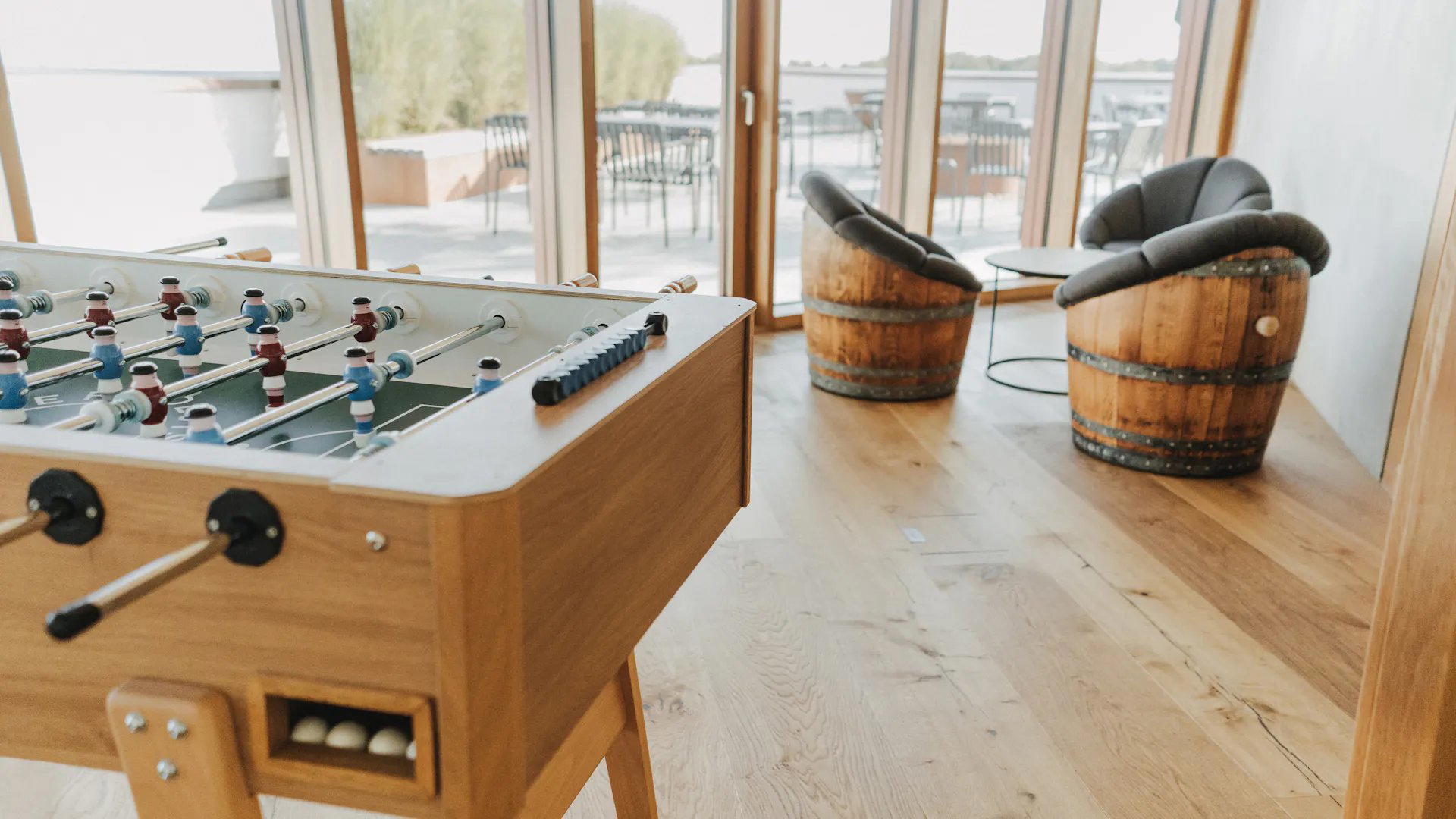
Inconspicuous and somewhat cold interior with friendly service and hearty, fresh dishes.