
Tabelog 100 #92
Our verdict
Omiya Yogashi Ten belongs to Tokyo’s old-school sweets culture rather than the luxury dessert counter circuit: cake, bread, and juice-stand categories, modest pricing, take-out service, and Tabelog Sweets TOKYO “Tabelog 100” 2023 selection. In Kanda Awajicho, it offers a useful contrast to the area’s soba, curry, coffee, and izakaya traditions.

Pearl is the En Primeur Club membership app, where members save venues, book tables and use the concierge.
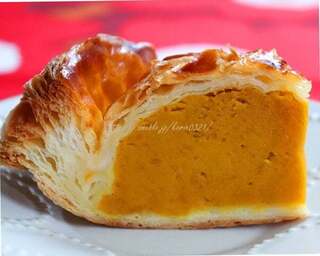
The menu
What to order
- Apple pie
- Fruit punch
- Seasonal fruit cakes
Approaching Tokyo, the city shifts register. The office blocks and station exits do not announce a dessert district, yet Tokyo has long rewarded small-format eating: soba houses, curry counters, coffee shops, and sweets shops that work on habit rather than spectacle. Omiya Yogashi Ten fits that older Tokyo rhythm. The categories are plain on paper, cake, bread, and juice stand, but the point is the format: a compact urban sweets shop where the purchase can be quick, local, and inexpensive without being casual in reputation.
Tokyo’s dessert scene now splits into several lanes. There are reservation-led patisserie salons, hotel dessert courses, department-store counters engineered for gifting, and neighborhood shops built around repeat traffic. Omiya Yogashi Ten belongs to the last camp. It is close to the daily city, not staged apart from it, and that matters for travelers who want Tokyo food culture without turning every stop into a formal meal. Omiya Yogashi Ten’s selection for Tabelog Sweets TOKYO “Tabelog 100” 2023 places it inside a curated sweets bracket, but the price band keeps it in a different category from luxury dégustation desserts.
Tokyo sweets culture, seen through a compact counter
The sensory appeal here is less about ceremony than accumulation: glass cases, wrapped goods, the quick shuffle of customers deciding between cake and bread, and the practical choreography of a small sweets purchase. Tokyo excels at this kind of food experience because it treats small purchases with the same seriousness other cities reserve for full meals. A sweets stop can be an afternoon pause, a carryout, or a small gift on the way to dinner.
That modesty is part of the editorial case. In a city where dessert can mean immaculate plated courses, a shop in the JPY 1,000 to JPY 1,999 lunch band and below JPY 999 at dinner pricing reads as an accessible slice of the same culture. The recognition matters because sweets shops in Tokyo are crowded with competent options; a Tabelog 100 selection signals attention from a local rating ecosystem where small differences in execution and loyalty carry weight. The listed Tabelog score of 3.73 adds another data point for readers comparing it with casual neighborhood stops rather than with hotel patisserie.
The surrounding Tokyo dining context sharpens that contrast. Kanda Yunrin sits in a much higher dinner bracket, while Kanda Yabu Soba carries the weight of Tokyo’s soba tradition. CHOPIN and Takemura occupy the sub-JPY 999 end of local café and sweets culture, and Topca Kanda honten reflects a practical curry lane. Against that set, Omiya Yogashi Ten is not trying to be the grand meal of the day. It is the sweet punctuation mark: a short, low-friction stop in a city where food often works through repetition and memory.
Why the modest price tier matters in Tokyo
Tokyo’s premium food reputation often overemphasizes scarcity: counters with limited seats, fixed menus, and booking calendars that behave like financial instruments. Sweets shops complicate that picture. They can be serious without being expensive, and they can be locally valued without relying on theatrical scarcity. Omiya Yogashi Ten’s cake, bread, and juice stand categories point the visit toward a focused sweets purchase rather than a long formal meal. That is not a downgrade; it is the way much of Tokyo’s everyday excellence is consumed.
The appeal also tells a story about scale. This is small-format Tokyo, where the line between café, bakery, and patisserie can be porous. The accessible price band and Tabelog recognition keep expectations grounded. This is not a private dining address or a chef-driven dessert bar. It is a sweets shop with enough recognition to justify a detour if the day already puts the traveler in Tokyo.
For a broader day of eating, Tokyo rewards sequencing. A traveler could read the city through savory traditions first, then use this stop as a sweet counterpoint. For nearby Tokyo ideas, EP Club’s restaurant coverage ranges across other Tokyo dining rooms, curry counters, yakitori addresses, and café stops. For wider planning, use Our full Tokyo restaurants guide, Our full Tokyo hotels guide, Our full Tokyo bars guide, Our full Tokyo wineries guide, and Our full Tokyo experiences guide.
A small stop with a clear role in the day
The practical reading is simple: plan this as a sweets or bread stop in Tokyo, not as a long meal. The listed categories make the role clear, and the modest price bands suit a quick pause built around cake, bread, or juice rather than a full dining itinerary. It is the kind of stop that can sit before or after lunch without needing to dominate the day.
The format does not require the same strategic planning as a tasting-menu counter. The smarter move is to anchor it to an existing Tokyo itinerary. Travelers comparing Japanese casual formats beyond Tokyo can think more broadly about how sweets counters, curry shops, cafés, and other everyday formats function in different cities; outside Japan, similar Japanese-inspired formats show how the grammar translates abroad. In Tokyo, though, the appeal is tighter: a recognized sweets counter, priced for repeat use, and better treated as part of the city’s daily food grammar than as a trophy booking.
Frequently asked questions
Where exactly is Omiya Yogashi Ten?
Tokyo.
What does dinner at Omiya Yogashi Ten typically cost?
Pricing at Omiya Yogashi Ten is listed as - JPY 999 JPY 1,000 - JPY 1,999.
How far ahead should I plan for Omiya Yogashi Ten?
Plan it as a same-day sweets stop rather than a long booking exercise. The venue is in Tokyo, and its listed categories are cake, bread, and juice stand.
What's the signature at Omiya Yogashi Ten?
The listed categories are cake, bread, and a juice stand, so the draw is the broader confectionery counter rather than a single named dish. Its Tabelog 100 Sweets Tokyo 2023 selection is the clearest marker, alongside the modest JPY 1,000–JPY 1,999 lunch price range.
How It Stacks Up
Comparable options at the same price tier.
| Venue | Cuisine | Price | Awards | Notes |
|---|---|---|---|---|
| Omiya Yogashi TenThis venue (the venue you are viewing) | Traditional Japanese Western-style cake shop | $10–20 | Tabelog 100 #92 | Not listed |
| Reissue Coffee | Specialty Coffee & Latte Art Cafe | $10–20 | Not listed | Harajuku |
| BAR Tsurukame | Whisky-focused Bar | $20–30 | Tabelog 100 #75 | Chūō |
| BAR Too | Cocktail Bar | $30–50 | Tabelog 100 #49 | Toshima |
| A Cote Patisserie | French-Style Patisserie | $10–20 | Tabelog 100 #55 | Minato |
| Cafe Lisette Futakotamagawa ten | French-style cafe & pastry shop | $10–20 | Tabelog 100 #14 | Setagaya |
Recognition history
Dated appearances from independent guides and award organizations, with the underlying list record or original source where available.
Tabelog 100 #92 · No. 92
Tabelog · Tabelog 100 - Sweets - TOKYO - 2023
Continue exploring
More in Tokyo
Restaurants in Tokyo
All restaurants in Tokyo →












Details
- Classic
- Cozy
- Quiet
- Solo
- Casual Hangout
- After Work
- Family
- Standalone
- Historic Building
- A La Carte
- Counter Dining
- Juice
- Coffee
Classic Showa-era Tokyo cake shop with a low-key, nostalgic feel and a quiet, unhurried atmosphere focused on take-out sweets rather than café dining.