Google: 4.7 · 375 reviews
.png)

On the ground floor of Plaza de María Pita, Omakase brings the discipline of Japanese counter dining to A Coruña's Atlantic seafood tradition. Chef Adrián Figueroa builds a single tasting menu around the daily auction catch, with tuna preparation and aging at its centre. A Michelin Plate holder, it is one of the few omakase-format restaurants operating anywhere in Galicia.
 Discover on Pearl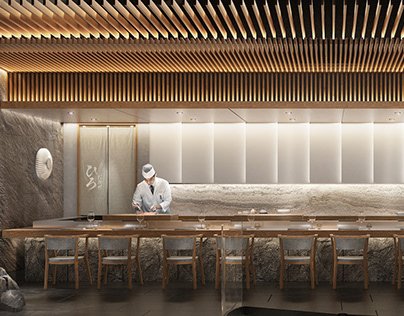
A Japanese Counter in the Heart of Galicia
Plaza de María Pita is the civic centre of A Coruña: a wide arcaded square that frames the city hall and draws a constant circulation of locals and visitors at all hours. It is not, on the face of it, where you would expect to find one of Spain's few dedicated omakase counters. Yet the contrast is precisely what makes Omakase worth understanding. The room strips away almost everything, leaving a sushi bar, a fish-aging cabinet, and a single tasting menu that changes each day according to what arrives at auction. No printed menu. No à la carte. No negotiation. That degree of format discipline is rare in Spain and almost unheard of in Galicia.
Omakase as a Dining Tradition — and What It Means in This Setting
The omakase model, in which the kitchen makes every decision based on that day's finest available ingredients, originated in Japan as a contract of trust between chef and guest. At its highest expression, in counters like Myojaku in Tokyo or Azabu Kadowaki, that contract extends to years-long relationships, seasonal rhythms, and the chef's accumulated knowledge of specific fish and producers. What a place like Omakase in A Coruña demonstrates is how that model transplants into a region with its own world-class fish supply, its own auction culture, and its own deep relationship with the sea. Galicia lands some of Europe's most prized Atlantic fish and shellfish. The Rías Baixas and the coast around A Coruña feed a fishing economy that supplies restaurants across Spain and beyond. When a Japanese-format counter sits directly inside that supply chain, dictating its menu from the morning's auction results, the cultural collision produces something genuinely particular to this city.
The broader Spanish fine dining scene has absorbed Japanese technique gradually over the past two decades. Chefs at houses like DiverXO in Madrid and El Celler de Can Roca in Girona have drawn on Japanese precision and restraint without adopting the format whole. Omakase takes the opposite approach: it imports the format itself, then fills it with Galician material. That is a different, and more structurally demanding, act of translation.
The Chef and the Counter
Chef Adrián Figueroa is from Vigo, which places his formation squarely within Galicia's fishing culture before his training turned toward Japanese technique. His particular focus, according to the restaurant's own documentation, is slicing method and tuna preparation, with fish aging a visible and operational part of the counter setup. The aging cabinet is not background furniture — it is a working element of the kitchen, visible to guests, and central to how the menu develops across different textures and intensities. Spain's Michelin Guide awarded the restaurant a Plate in 2025, a recognition that flags culinary seriousness without placing it in the starred tier. Within A Coruña's restaurant scene, that positions Omakase alongside a small cohort of establishments operating at €€€ price levels with a clear fine-dining intention: Árbore da Veira, which approaches Galician creativity from a different angle, sits in the same price bracket, while most of the city's contemporary dining operates at €€, including addresses like 55 Pasos and A Espiga.
The Format and What It Demands of the Guest
A single tasting menu dictated by the auction means that guests surrender control from the moment they book. Extras , eel, crayfish, and similar additions , are available as supplements, which gives the experience a degree of personalisation without compromising the core structure. For guests accustomed to Galician dining conventions, where long shared meals, abundant shellfish platters, and broad menus are the norm at places like A Mundiña or Artabria, the compression and sequencing of an omakase counter represents a substantial shift in pace and register. The counter format also means that the number of seats is inherently limited , a sushi bar can only seat so many guests before the intimacy that defines the format breaks down. That scarcity is structural, not manufactured.
Within Spain's wider fine dining geography, omakase-format restaurants remain a small and specialist tier. The country's most discussed restaurants tend toward creative tasting menus with strong regional identities, as at Arzak in San Sebastián, Aponiente in El Puerto de Santa María, Quique Dacosta in Dénia, or Azurmendi in Larrabetzu. None of these operate in the omakase format. The counter model, with its total chef authority and daily improvisation around market supply, occupies a different structural category entirely.
Recognition and Peer Context
The 2025 Michelin Plate and a Google rating of 4.7 across 355 reviews together suggest a restaurant that performs consistently in guest experience without yet reaching the starred tier. For reference, the Michelin Plate denotes a restaurant that makes good food, below the level of the Bib Gourmand or any star designation , it is a signal of seriousness, not a ceiling. The Opinionated About Dining recommendation from 2023, which covers a different geographic scope, indicates that Omakase has attracted attention beyond local or national Spanish food media, which for a counter in A Coruña is a meaningful data point about how it registers among specialist audiences.
Planning Your Visit
Omakase sits at Praza de María Pita, 3, placing it in the most central and recognisable part of A Coruña, walkable from the city's main hotels and transport connections. At the €€€ price tier, it prices alongside the city's most serious restaurant addresses. Reservations are made through the restaurant's website, and given the format and limited seat count, booking in advance is advisable rather than optional. For guests building a wider itinerary around the city, EP Club's full A Coruña restaurants guide covers the range of options across cuisine types and price points, and separate guides cover hotels, bars, wineries, and experiences in the city.
What Dish Is Omakase Famous For?
Omakase does not have a fixed signature dish in the conventional sense , the format explicitly prevents that. What the restaurant is known for, based on the chef's documented specialism and the operational focus of the counter, is tuna preparation. Figueroa's precision with slicing technique and his use of the fish-aging cabinet mean that tuna in various stages of aging and at different cuts typically appears as a through-line in the menu, regardless of what else the day's auction supplies. The daily-changing structure means that crayfish, eel (available as a supplement), and other Galician Atlantic species move in and out depending on auction availability. The tuna work is the constant , the element that most directly reflects both the chef's technical training and the counter's Japanese format discipline.
Comparable Spots, Quickly
A quick context table based on similar venues in our dataset.
| Venue | Cuisine | Price | Awards | Notes |
|---|---|---|---|---|
| Omakase | Japanese | €€€ | A restaurant with a restrained decor and a philosophy based on Omakase-style din… | This venue |
| NaDo | Gallician, Creative | €€ | Gallician, Creative, €€ | |
| Árbore da Veira | Creative | €€€ | Michelin 1 Star | Creative, €€€ |
| El de Alberto | Modern Cuisine | €€ | Modern Cuisine, €€ | |
| Miga | Traditional Cuisine | €€ | Traditional Cuisine, €€ | |
| Taberna 5 Mares | Contemporary | €€ | Contemporary, €€ |
Continue exploring
More in A Coruña
Restaurants in A Coruña
Browse all →
At a Glance
- Intimate
- Elegant
- Sophisticated
- Minimalist
- Date Night
- Special Occasion
- Chefs Counter
- Open Kitchen
- Extensive Wine List
- Local Sourcing
- Sustainable Seafood
- Street Scene
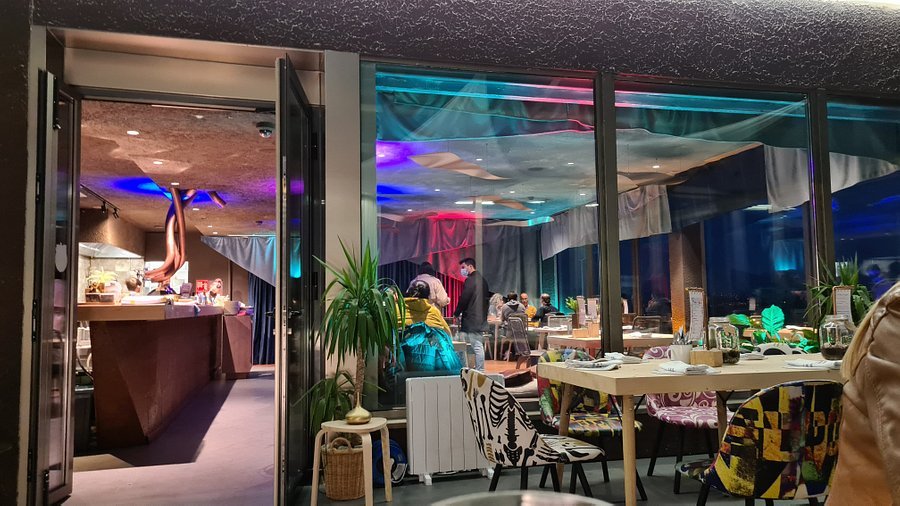
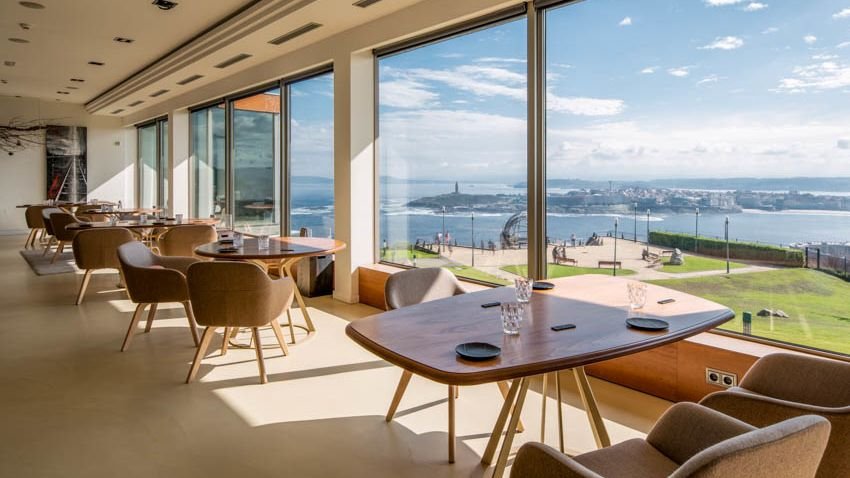
Restrained, intimate decor with a sushi bar and fish-aging cabinet, creating an elegant, immersive atmosphere focused on the chef's craft.