



Michelin Plate · Guía Repsol 1 Sol · Macarfi 7.8 Food Rating
Our verdict
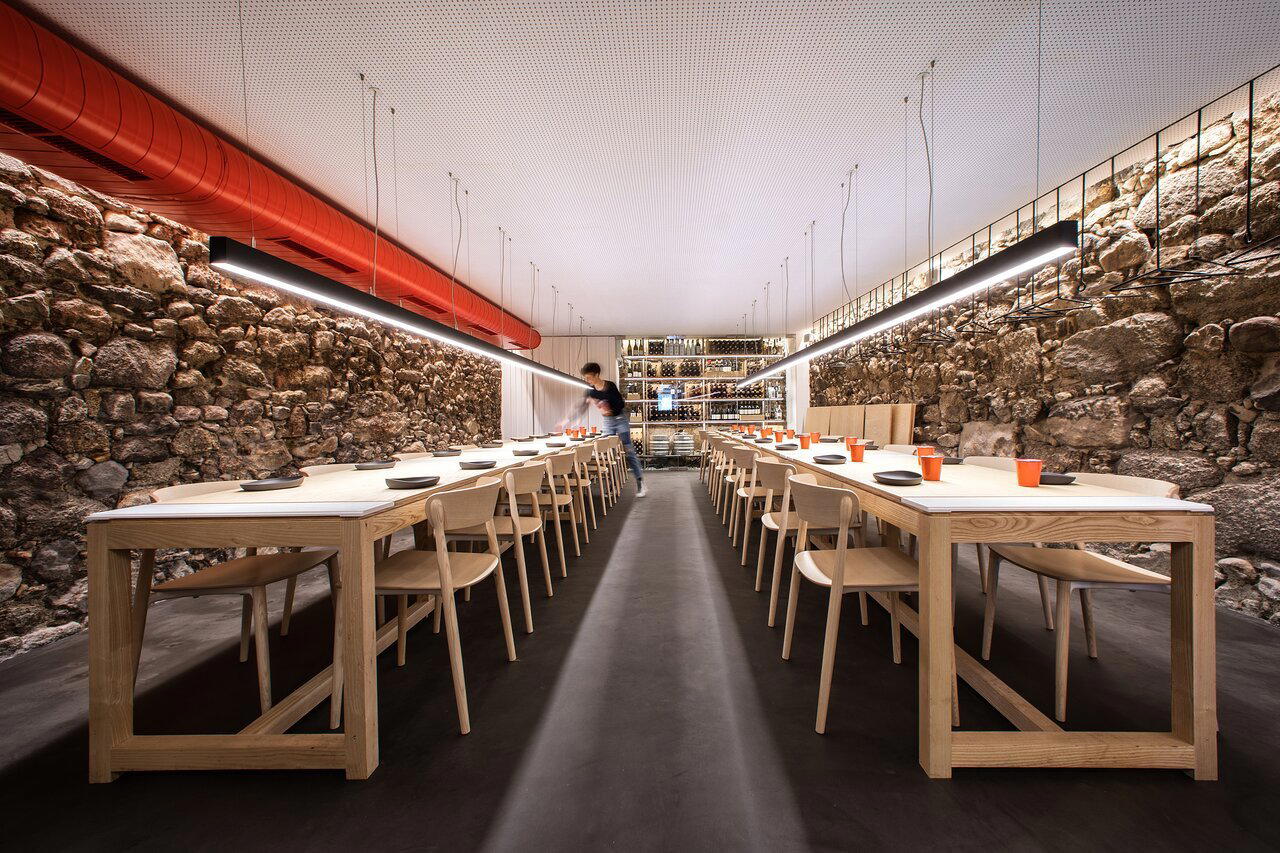
In A Coruña's old quarter, NaDo operates from a narrow callejón with just two long tables and an open kitchen facing the harbour. Chef Iván Domínguez works Galicia's Atlantic larder into a contemporary format, anchored by the Furancho surprise menu. Recognised by Michelin and ranked #582 in Opinionated About Dining's Top European Restaurants (2025), it holds a clear position in the city's serious dining tier at a mid-range price point.

Pearl is the En Primeur Club membership app — saves, bookings, and concierge access live there. Same editors, same standards.
- Address
- Callejón de La, Ruela da Estacada, 9, 15001 A Coruña, Spain
- Phone
- +34 981 97 94 33
- Hours
- Mon–Tue 1:30–3:15 PMWed ClosedThu–Sat 1:30–3:15 PM, 8:30–10:15 PMSun 1:30–3:15 PM
- Website
- nado.es
- Directions
- Get directions
- Booking
- Book on the venue's website
The menu
What to order
- Albondigas de Jabalí
- Flan de Chocolate
- Eggplant
- White Asparagus
- Hake
A Narrow Street, Two Tables, and the Atlantic at Its Back
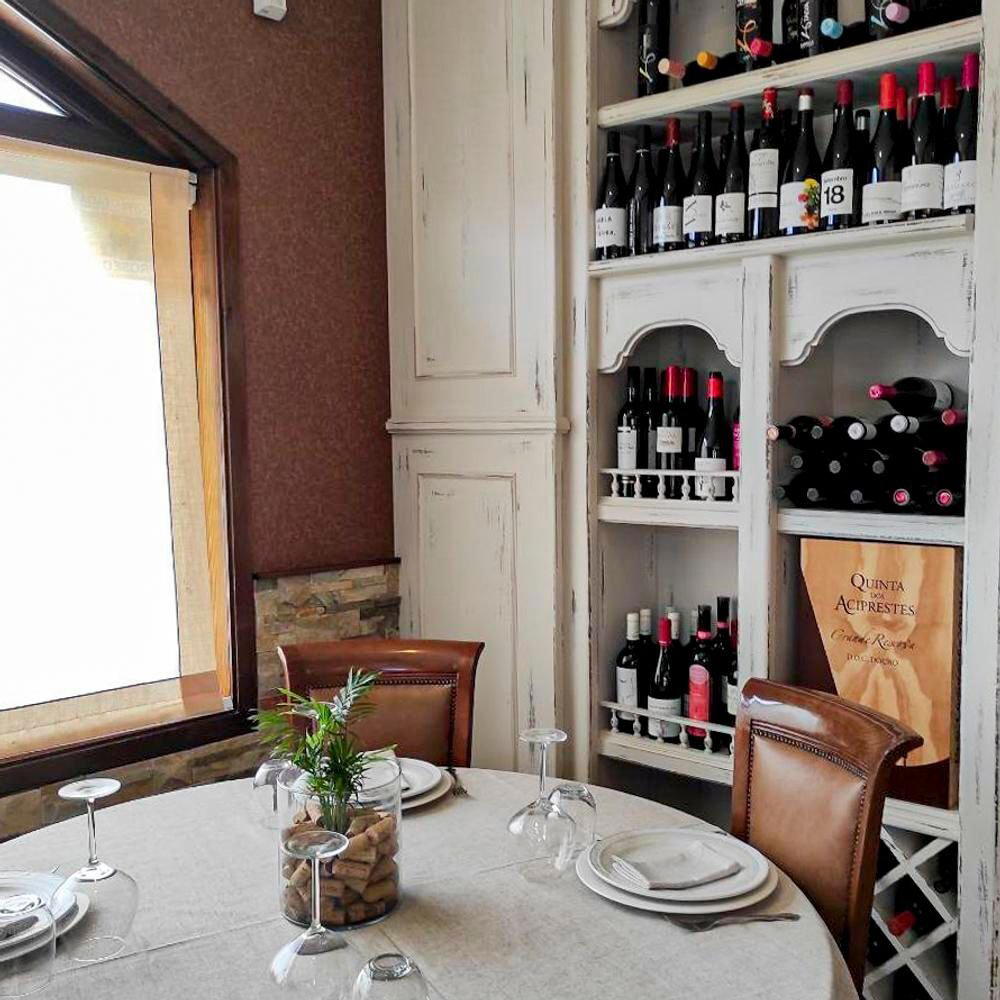
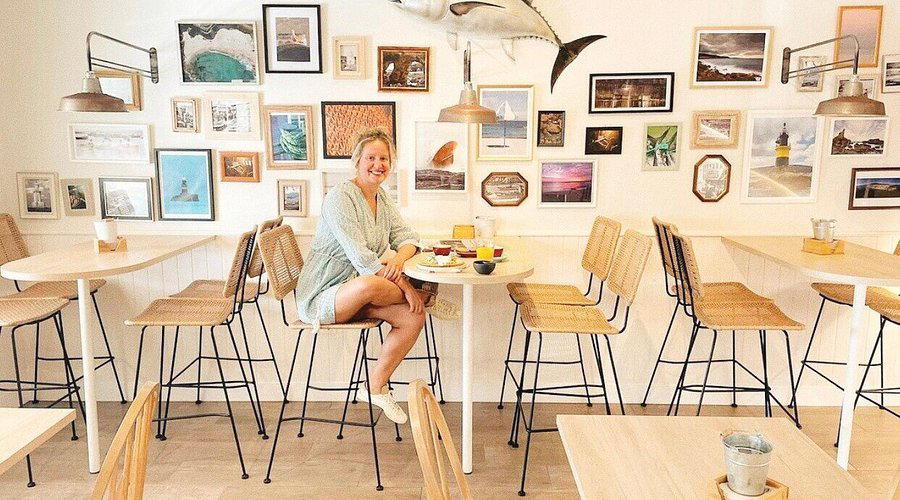
Some rooms earn their regulars through sheer physical logic. NaDo occupies a callejón in A Coruña's old quarter, a few steps from the boats moored at the Real Club Náutico, and the brevity of the space — two long, adjustable tables, an open kitchen in full view — produces the kind of proximity that makes repeat visitors feel like participants rather than observers. There is no front-of-house theatre to separate you from the cooking, and no oversized dining room to dilute the atmosphere. The format invites return visits because each one plays out slightly differently: the tables shift to accommodate different group sizes, the kitchen changes what it sends out, and the room carries a cumulative familiarity that short-stay visitors can only approximate.
That physical intimacy is not incidental. Across Galicia's more considered restaurant tier, the move away from formal, high-ceilinged dining rooms toward compact, counter-adjacent formats has gathered pace over the past decade, and NaDo sits squarely in that current. The setting communicates a specific proposition before the first dish arrives: this is a kitchen that wants to be watched, and a room that expects you back.
What Keeps Regulars Returning
The Furancho surprise menu is the clearest reason. A furancho is a traditional Galician institution, typically a farmhouse or bodega that opens seasonally to sell homemade wine and whatever food is available that day, no fixed card, no advance announcement. NaDo borrows the format's logic and applies it to a contemporary kitchen: the chefs select the dishes, not the diner. For irregular visitors, this means a measure of surrender. For regulars, it is the point. Returning guests accumulate a mental archive of what has come before, which changes the way each new meal is read. The menu becomes a record of the kitchen's seasonal and creative movement, and only repeated visits make that legible.
The cuisine is grounded in Galicia and the Atlantic. This is a region whose produce needs limited intervention, the shellfish, the white fish, the coastal vegetables, and the kitchen's creative approach works within that logic rather than against it. Chef Iván Domínguez moves between kitchen and dining room during service, which compounds the impression that the meal is something negotiated in real time rather than dispatched from behind a closed door. Regulars read that movement as attentiveness; first-time visitors often interpret it as a distinguishing character of the room.
In A Coruña's mid-range creative tier, NaDo occupies a specific position. Árbore da Veira operates at a higher price point and a more formal register. 55 Pasos and A Mundiña draw on Galician tradition from different angles. A Espiga works the farm-to-table register. NaDo's combination of surprise-menu format, open kitchen, and Atlantic-rooted creativity places it in a niche within that tier: informal enough for regular use, serious enough to hold Michelin recognition.
Recognition and Where It Sits in a Broader Spanish Context
NaDo carries a Michelin Plate (awarded in both 2024 and 2025), a designation that signals cooking worth a detour without the full star apparatus around it. Opinionated About Dining ranked it #582 among European restaurants in 2025, having flagged it as a recommended new arrival in 2023, a trajectory that suggests the kitchen is consolidating rather than plateauing.
The Michelin Plate tier in Spain is a competitive one. The country's culinary reputation is sustained by a concentration of starred and internationally recognised addresses: El Celler de Can Roca in Girona, Arzak in San Sebastián, DiverXO in Madrid, Quique Dacosta in Dénia, Azurmendi in Larrabetzu, and Aponiente in El Puerto de Santa María. These set the ceiling. Below that ceiling, the Plate tier is where kitchens that are doing genuinely considered work without the full production overhead tend to cluster. NaDo's positioning within Galicia's restaurant scene is partly defined by what it is not: it is not a seafood tourist address, not a traditional Galician tavern, and not a high-production tasting-menu operation. The surprise menu format, the compact room, and the mid-range pricing (€€) place it closer to the category of serious neighbourhood restaurant that earns its return visits on cooking and atmosphere rather than occasion-dining prestige.
For international visitors arriving with a reference set built around Atlantic seafood-driven restaurants elsewhere, the parallel is instructive. The philosophical commitment to a single coastline's produce, applied with contemporary technique, has parallels at addresses like Le Bernardin in New York City, though NaDo operates at a fraction of the formality and price. The more direct comparison is with Atomix in New York City in format terms: both prioritise chef-directed progression over à la carte choice, and both derive their authority from deep specificity about a culinary tradition rather than broad creative range.
The Practical Shape of a Visit
NaDo operates lunch and dinner Monday through Saturday, with Sunday lunch only. Lunch sittings run from 1:30 to 3:15 pm; dinner from 8:30 to 10:15 pm. The tight service windows and limited table configuration mean availability moves quickly, and the Furancho surprise menu is the format the kitchen emphasises, arriving with a rigid preference list runs against the logic of the room. The address is on Callejón de La, Ruela da Estacada, 9, in A Coruña's old quarter, which is walkable from most of the city's central accommodation; see our full A Coruña hotels guide for options in the area.
For visitors building a fuller picture of the city's food and drink, Artabria covers the traditional end of the spectrum, while our A Coruña bars guide maps the city's drinking scene. Wineries and experiences are covered separately. The full A Coruña restaurants guide places NaDo within the broader dining context of the city.
Frequently asked questions
What does dinner at NaDo typically cost?
Pricing at NaDo is listed as €€.
Peers You’d Cross-Shop
| Venue | Cuisine | Price | Awards | Notes |
|---|---|---|---|---|
| NaDoThis venue — the venue you are viewing | Modern Galician | $50–100 | Michelin Plate · Guía Repsol 1 Sol | Not listed |
| Árbore da Veira | Modern Galician Fine Dining | $50–100 | 1 Michelin Star · Guía Repsol 2 Soles | Creative |
| El de Alberto | Modern Galician | $50–100 | Michelin Bib Gourmand · Guía Repsol 1 Sol | Modern Cuisine |
| Miga | Modern Galician Bistro | $30–50 | Michelin Bib Gourmand · Macarfi 7.7 Food Rating | Traditional Cuisine |
| Omakase | Modern Japanese Omakase with Galician Seafood | $50–100 | Michelin Plate · Guía Repsol 1 Sol | Japanese |
| Taberna 5 Mares | Modern Galician Seafood | $30–50 | Michelin Bib Gourmand · Macarfi 7.3 Food Rating | Contemporary |
Recognition history
Dated appearances from independent guides and award organizations, with the underlying list record or original source where available.
Michelin Plate
Michelin
Guía Repsol 1 Sol
Guía Repsol
Macarfi 7.8 Food Rating
Macarfi
Opinionated About Dining Top Restaurants in Europe Ranked #582
Opinionated About Dining
Full recognition history (7 entries)
Michelin Plate
Michelin
Michelin Plate
Michelin
Opinionated About Dining Top New Restaurants in Europe Recommended
Opinionated About Dining
Continue exploring
More in A Coruña
Restaurants in A Coruña
Browse all →
Details
- Modern
- Minimalist
- Intimate
- Elegant
- Sophisticated
- Date Night
- Special Occasion
- Celebration
- Open Kitchen
- Chefs Counter
- Local Sourcing
- Tasting Menu
- A La Carte
- Local Wine
- Vegetarian Friendly
- Gluten Free Options
- Allergy Accommodating
Current opening hours
- Monday
- 1:30–3:15 PM
- Tuesday
- 1:30–3:15 PM
- Wednesday
- Closed
- Thursday
- 1:30–3:15 PM, 8:30–10:15 PM
- Friday
- 1:30–3:15 PM, 8:30–10:15 PM
- Saturday
- 1:30–3:15 PM, 8:30–10:15 PM
- Sunday
- 1:30–3:15 PM
Hours can change for holidays and private events. Last verified .
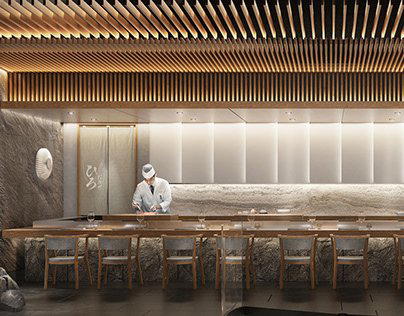
Minimalist modern interior with soft, focused lighting above individual seating areas that creates privacy despite the open layout; warm and sophisticated atmosphere enhanced by an open kitchen view.