Google: 4.5 · 234 reviews
Omakai
.png)
Omakai brings Japanese precision to the colonial streets of San José del Cabo's centro histórico, earning consecutive Michelin Plate recognition in 2024 and 2025. At the top of the local price tier, it occupies a distinct position in a town better known for Pacific-coast Mexican cooking. Rated 4.5 across 185 Google reviews, it reads as the corridor's most serious Japanese address.
 Discover on Pearl
Pearl is the En Primeur Club membership app — saves, bookings, and concierge access live there. Same editors, same standards.
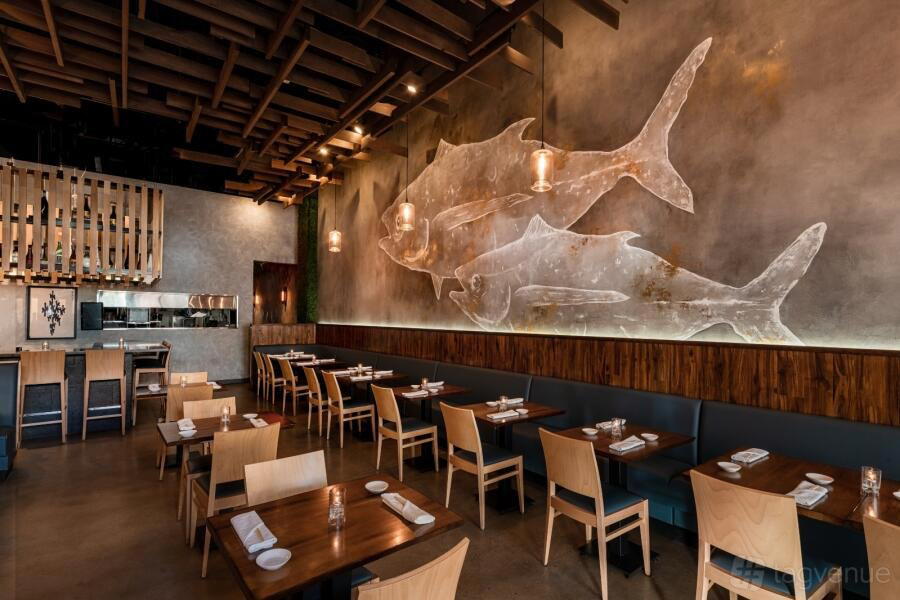
Japanese Discipline in a Desert Town
San José del Cabo's dining scene has spent the last decade quietly constructing a case for itself as more than a resort satellite. The centro histórico, a grid of low-slung colonial buildings around Plaza Mijares, now holds a range of serious kitchens — from the wood-fire Mexican cooking at Lumbre to the contemporary agriculture-driven format at Flora's Field Kitchen. Into that company, a Japanese restaurant earning consecutive Michelin recognition is a genuinely specific data point. Most resort corridors in Mexico produce one or two credentialed Japanese addresses at the luxury hotel tier; a street-level operation in the historic centre running at the leading price bracket and holding Michelin Plate status two years running is a different proposition.
Omakai sits on Ignacio Zaragoza, inside Centro at the 23400 postal code, placing it within walking distance of the plaza and the gallery corridor that draws foot traffic on weekend evenings. The physical approach — low colonial facades, the particular quiet of a Baja California night, the contrast between desert air and the interior , belongs to a category of dining experience where the surroundings do part of the work before anyone has placed an order. Japanese cooking has always been attentive to context and threshold: the moment of arrival, the transition from street to interior, the first sensory signal from the kitchen. That sensitivity reads differently in Baja than it would in a metropolitan dining district, which is precisely the interest.
The Discipline Behind Simple Forms
The editorial angle that applies to serious Japanese cooking , anywhere, not just here , is that simplicity is the hard part. Ramen, udon, soba, and their kin are forms where the cook cannot hide behind elaborate plating or an accumulation of ingredients. A bowl of noodles in dashi is an argument for process: the quality of the stock, the tension of the noodle, the temperature at which the bowl arrives, the ratio of salt to umami. These are skills that take years to calibrate, and kitchens that execute them well tend to operate with a kind of quiet confidence that distinguishes them from more theatrically ambitious formats.
Japanese restaurants operating at the leading price tier in markets outside Japan occupy a specific position in that tradition. They carry the technical expectations of the form while adapting to local supply chains, local protein availability, and a dining public that may be encountering the cuisine in a particular register for the first time. The Michelin Plate designation, awarded in both 2024 and 2025, signals that the kitchen meets a quality threshold the Guide considers worth marking , not a star, but a meaningful flag that the cooking clears a baseline of seriousness. In a Baja California city where most Michelin attention has historically tracked to the Los Cabos corridor's high-end resort restaurants, that recognition at a centro address carries contextual weight.
For comparison within the Baja peninsula, the broader conversation about Japanese cooking at this level involves a small number of addresses. Internationally, the craft traditions visible in Tokyo counters like Myojaku or the kaiseki register of Azabu Kadowaki set the reference points for what technical Japanese cooking looks like at full expression. An operation in San José del Cabo is not competing against those addresses, but it is drawing on the same formal tradition and being evaluated, at least partially, by its fidelity to it.
Where Omakai Sits in the Local Field
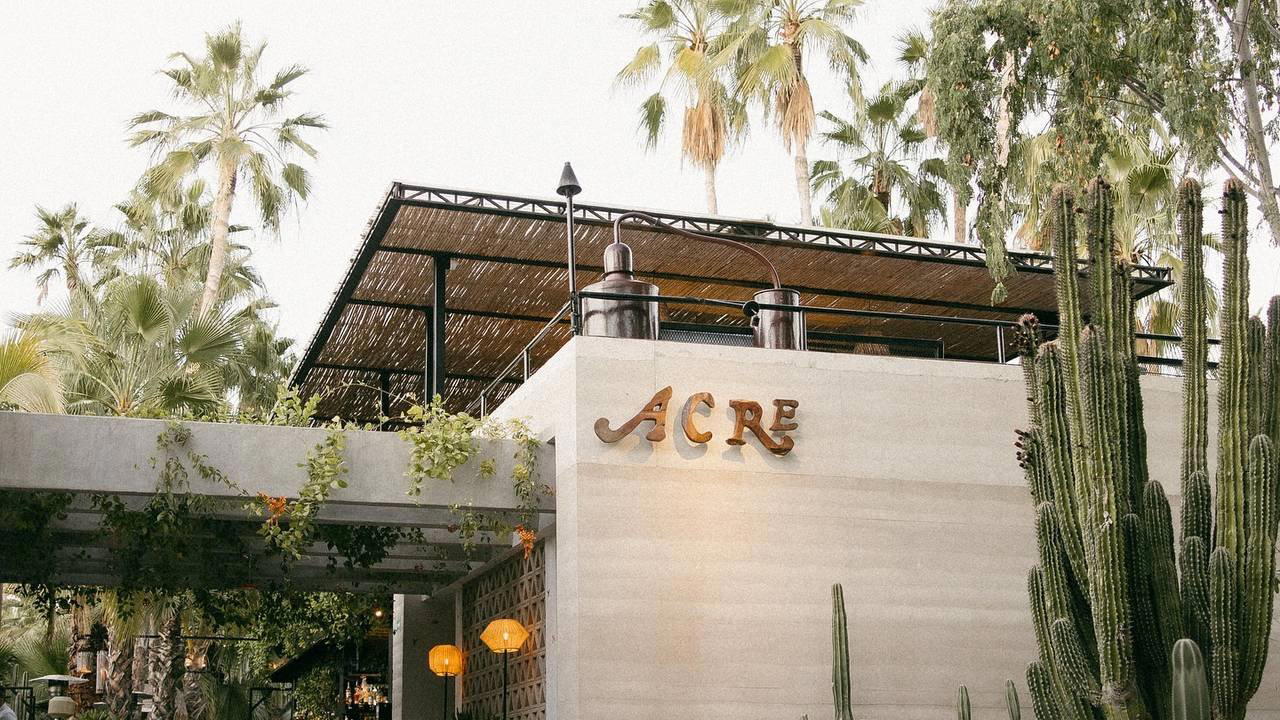
The San José del Cabo restaurant scene at the leading price tier now includes several addresses running at the $$$$ bracket. Arbol brings an Indian framework to the same price point; CARBÓNCABRÓN operates in the contemporary register. Omakai's position as the sole Japanese address in that cohort , and the only one with Michelin recognition among the group , gives it a clearly differentiated slot. At the mid-tier, Acre runs at $$$ with its Mexican program; the $$ bracket is where more casual formats operate. Omakai prices against the international-cuisine peers at the leading of the local range, not against the taquería tier.
Within Mexico more broadly, the standard for recognised restaurant ambition is set by addresses like Pujol in Mexico City or Le Chique in Puerto Morelos, with regional voices like KOLI Cocina de Origen in Monterrey and Levadura de Olla in Oaxaca representing the depth of the country's dining geography. The Baja peninsula has its own cluster of recognised kitchens , Animalón in Valle de Guadalupe and Lunario in El Porvenir being the most prominent in the northern wine country. Omakai's Michelin Plate places it inside that wider national conversation, even if its format and cuisine type set it apart from the Mexican-ingredient-led kitchens that dominate Baja's recognised dining tier.
The Google rating of 4.5 across 185 reviews is a useful secondary signal. That volume of reviews at that average suggests a consistent kitchen rather than a one-visit spike , the scores tend to regress toward the mean as the count climbs, so holding at 4.5 past a hundred reviews implies genuine repeat satisfaction rather than early enthusiasm.
Planning a Visit
Omakai operates at Ignacio Zaragoza 1311 in Centro, San José del Cabo, Baja California Sur, within the compact walkable zone around Plaza Mijares. The $$$$ price tier positions it as an occasion-dining address rather than a casual drop-in, which is consistent with the booking behavior typical of Michelin-recognised Japanese restaurants in smaller resort markets , demand tends to concentrate on weekends and high season, which in Los Cabos runs from October through May. Booking ahead is the standard approach for this category. Contact details and current hours are leading confirmed directly through the restaurant or via the reservation platform it uses, as those details can shift seasonally. For the broader context of what the town offers across all categories, the full San José del Cabo restaurants guide covers the range. The hotels guide, bars guide, wineries guide, and experiences guide map the rest of the destination.
Budget and Context
A quick peer reference to anchor this venue in its category.
| Venue | Price | Awards | Notes |
|---|---|---|---|
| Omakai | $$$$ | Michelin Plate (2025); Michelin Plate (2024) | This venue |
| Flora's Field Kitchen | $$ | Contemporary, $$ | |
| Acre | $$$ | Mexican, $$$ | |
| Arbol | $$$$ | Indian, $$$$ | |
| Nao | $$$$ | Mediterranean Cuisine, $$$$ | |
| CARBÓNCABRÓN | $$$$ | Contemporary, $$$$ |
Continue exploring
More in San José del Cabo
Restaurants in San José del Cabo
Browse all →
Bars in San José del Cabo
Browse all →
At a Glance
- Minimalist
- Elegant
- Intimate
- Sophisticated
- Date Night
- Special Occasion
- Open Kitchen
- Chefs Counter
- Terrace
- Craft Cocktails
- Local Sourcing
Serene Mexican minimalist design with a beautiful vibe, stunning interior, and elegant open-air patio beside a softly illuminated fountain.