Our verdict
Fotografiska DINE & DRINK occupies the restaurant and bar floors of Stockholm's contemporary photography museum on Stadsgårdshamnen, where the waterfront setting on Södermalm's southern edge shapes the experience as much as the kitchen. The venue has evolved alongside the museum's expanding cultural programme, positioning it in a tier of destination dining that rewards visitors with more than gallery admission on its own.

Pearl is the En Primeur Club membership app — saves, bookings, and concierge access live there. Same editors, same standards.
- Address
- Stadsgårdshamnen 22, 116 45 Stockholm, Sweden
- Phone
- +46850900500
- Hours
- Mon 10 AM–9 PMTue 10 AM–10 PMWed–Sat 10 AM–11 PMSun 10 AM–9 PM
- Website
- stockholm.fotografiska.com
- Directions
- Get directions
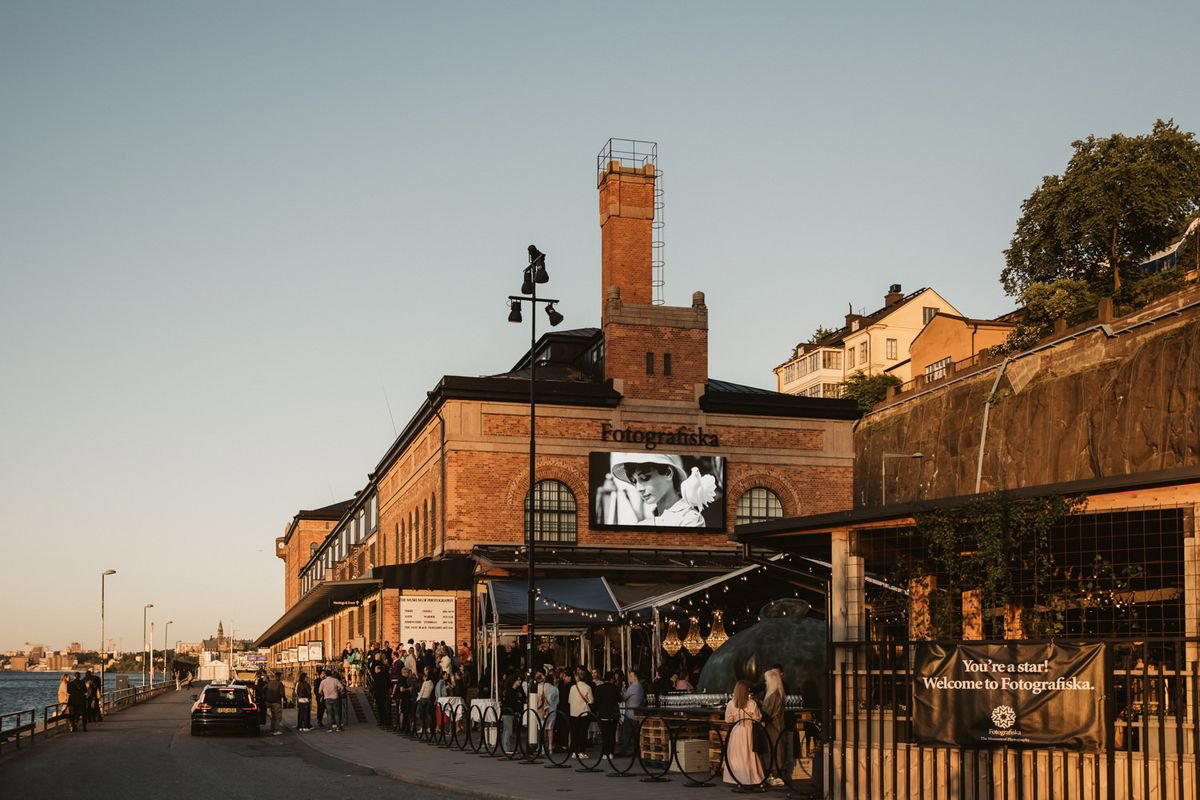
Where a Museum Grew a Kitchen Worth Taking Seriously
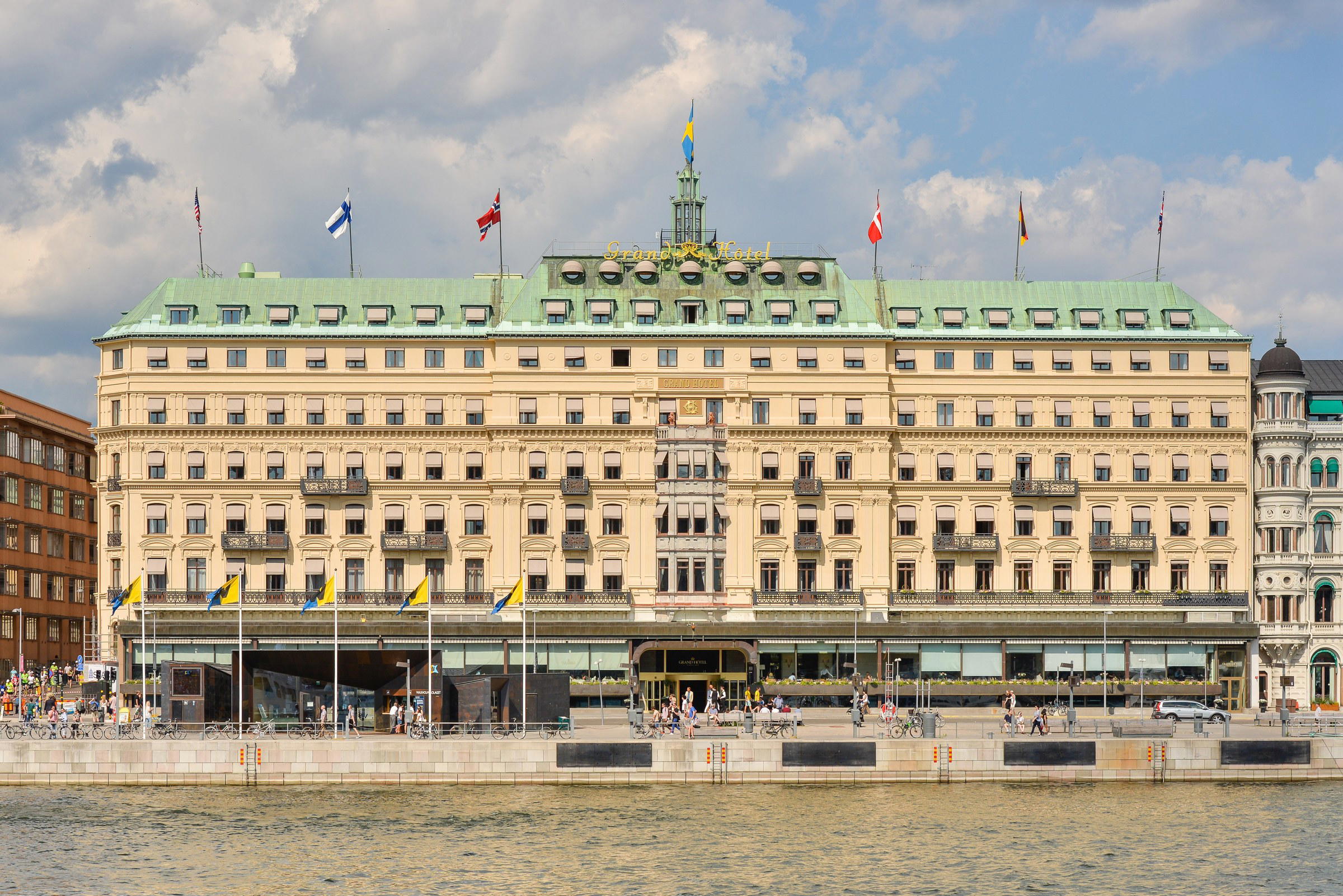
Stockholm's waterfront at Stadsgårdshamnen has a particular quality on clear evenings: the light off the inner harbour turns the old brick warehouse facades a pale amber, and the city feels less like a capital than a well-maintained port town that happened to acquire world-class cultural infrastructure. Fotografiska, the contemporary photography museum that moved into the former customs house at Stadsgårdshamnen 22, capitalised on that setting when it opened in 2010. For its first years, the food and drink operation read like most museum restaurants: an afterthought attached to something more important happening on the gallery floors above. What changed, and why it matters to a reader deciding where to spend a Stockholm evening, is the degree to which that original formula has been revised.
The Evolution of a Cultural Dining Programme
Museum dining in Scandinavia has undergone a genuine shift over the past decade. Institutions that once separated cultural consumption from serious eating have found that a credible food and drink programme extends dwell time, attracts evening visitors who never enter the galleries, and anchors the venue in the city's hospitality conversation rather than its tourism one. Fotografiska's dining operation followed that arc, moving from a supplementary café model toward a format designed to function as a standalone destination after dark.
That repositioning places DINE & DRINK in a different competitive tier from the Stockholm fine-dining circuit anchored by venues like Frantzén, Operakällaren, or AIRA. Those counters and dining rooms compete on tasting-menu architecture, Michelin recognition, and multi-month advance booking windows. Fotografiska DINE & DRINK competes on something different: access, atmosphere, and the cultural surround that a photography museum provides as a built-in backdrop. The offer is less about a single focused culinary statement and more about an evening that moves fluidly between exhibition, drink, and food, without requiring the formal commitment of a Nordic tasting-menu occasion.
That positioning also distinguishes it from strictly creative-led Stockholm rooms like Aloë or Adam / Albin, where the kitchen programme is the primary reason for the booking. At Fotografiska, the kitchen programme and the museum programme are designed to support each other, which requires a different kind of editorial judgment about what the space is trying to do.
Södermalm's Role in Stockholm's Dining Spread
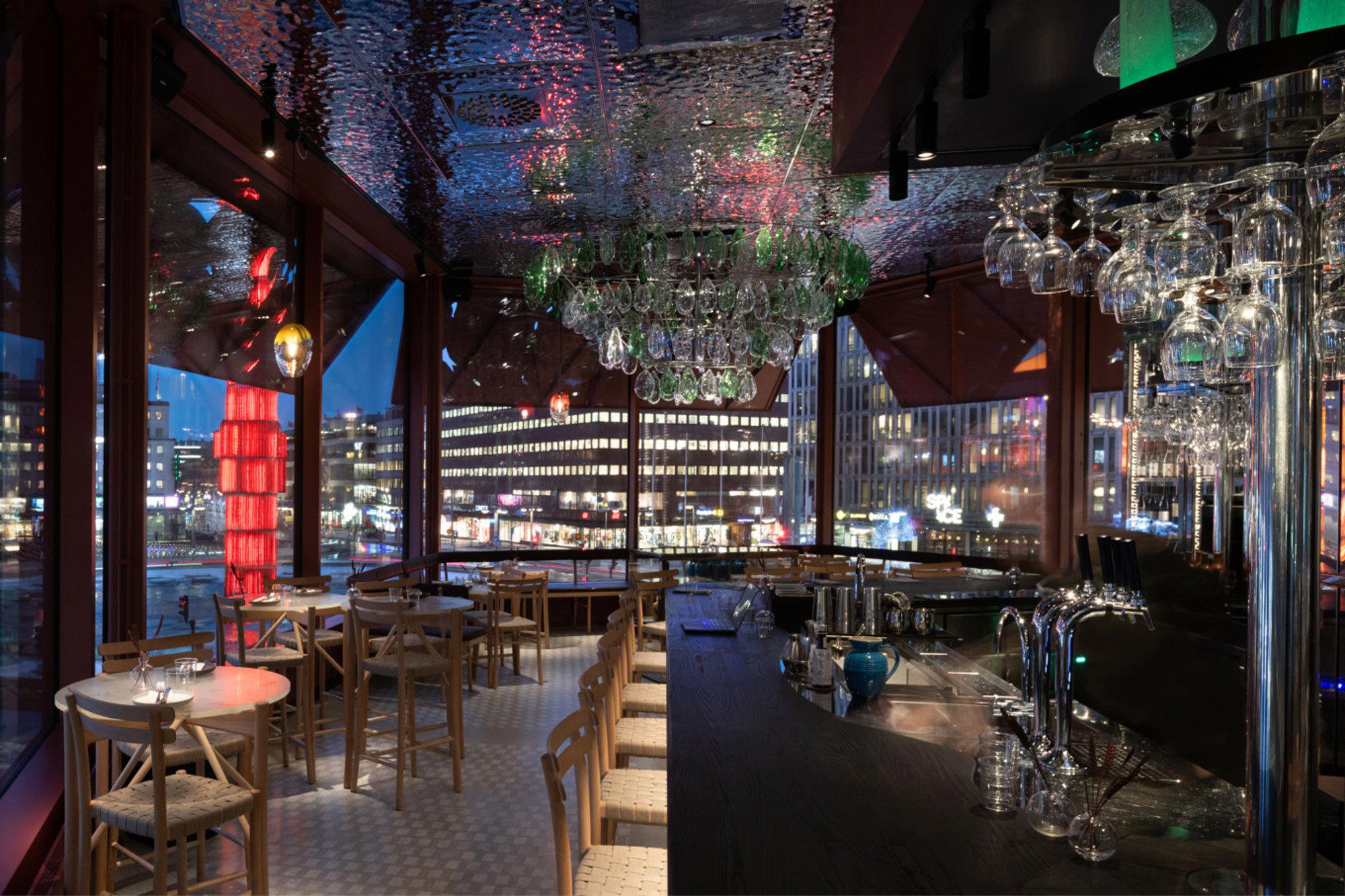
The venue's address on Södermalm is significant for understanding its character. Södermalm has historically been Stockholm's most creatively dense neighbourhood, where independent bars, small galleries, and neighbourhood restaurants coexist with a waterfront infrastructure that the city's older central districts lack. Stadsgårdshamnen sits on the island's southern edge, facing the Baltic approach, which gives the museum's upper floors and restaurant spaces a panoramic quality that few Stockholm dining rooms can match on geography alone.
That neighbourhood energy feeds into the DINE & DRINK format. The bar programme, which functions as its own draw on weekend evenings, reflects the cocktail culture that has matured across Stockholm's independent bar scene over the same decade that the museum's dining operation was evolving. Stockholm has moved away from direct spirit-forward serves toward more technique-led programmes, and Fotografiska's drinks offer developed alongside that shift rather than against it.
For readers mapping out a broader Swedish dining trip, the Fotografiska stop fits a different moment in the itinerary than the destination-restaurant days that might include drives out to venues like Signum in Mölnlycke, VYN in Simrishamn, or Vollmers in Malmö. Those require planning, travel, and a focused appetite for a single kitchen's point of view. Fotografiska DINE & DRINK functions as the Stockholm evening that doesn't require that level of advance commitment, while still delivering a setting that casual options in the city centre cannot replicate. Other Swedish dining worth considering on a wider itinerary includes PM & Vänner in Växjö, Knystaforsen in Rydöbruk, ÄNG in Tvååker, Hoze in Gothenburg, Claesgatan 8 in Malmo, Sydkustens at Pillehill in Skivarp, and Bistro Jarlen in Halmstad.
Where It Sits Internationally
Museum dining has produced credible restaurant programmes in other international contexts. In New York, Le Bernardin represents the high-watermark of a different model entirely, a standalone fine-dining institution with no curatorial obligation. In San Francisco, Lazy Bear shows how experience-design thinking, rather than traditional restaurant logic, can shape a destination dining operation. Fotografiska's trajectory runs parallel to a growing international model where cultural institutions treat the kitchen as a serious programme rather than a concession, a shift that has accelerated post-2015 across London, New York, and the Nordic capitals.
Planning an Evening Here
Fotografiska is located at Stadsgårdshamnen 22 on Södermalm, accessible by metro to Slussen station followed by a short walk along the waterfront, or directly by ferry from Gamla Stan during summer months when the archipelago boat services run. The museum itself stays open late on most evenings, which means the dining and bar floors carry foot traffic well past the hours when most Stockholm fine-dining rooms have closed their kitchens. That late-evening window makes the bar programme particularly relevant for visitors finishing gallery time who want to remain in the space rather than find a separate venue.
Museum entry and restaurant access are typically sold separately, which means the DINE & DRINK operation functions as a standalone evening option for visitors who aren't attending an exhibition. Checking the museum's current exhibition calendar before planning the visit is worthwhile, as major shows affect visitor volumes and ambient atmosphere on the restaurant floors. For our broader coverage of what Stockholm's dining scene currently offers across all price points and formats, the full Stockholm restaurants guide maps the city's key venues and neighbourhoods.
Frequently asked questions
What dish is Fotografiska DINE & DRINK famous for?
Can I walk in to Fotografiska DINE & DRINK?
What makes Fotografiska DINE & DRINK worth seeking out?
Is Fotografiska DINE & DRINK suitable for visitors who aren't attending the museum?
Cuisine-First Comparison
A short peer table to compare basics side-by-side.
| Venue | Cuisine | Price | Awards | Notes |
|---|---|---|---|---|
| Fotografiska DINE & DRINKThis venue — the venue you are viewing | Sustainable Scandinavian Fine Dining | $50–100 | Not listed | Not listed |
| Operakällaren | Modern Scandinavian Fine Dining | $150–200 | 1 Michelin Star · World's 50 Best #27 | Swedish, Modern Cuisine |
| AIRA | Modern Nordic Seasonal Tasting Menu | $200–300 | 2 Michelin Stars · La Liste Top Restaurants | Modern European, Modern Cuisine |
| Adam / Albin | Modern Scandinavian Fine Dining | $100–150 | 1 Michelin Star · La Liste Top Restaurants | New Nordic |
| Ekstedt | Wood-Fire Nordic Fine Dining | $200–300 | 1 Michelin Star · La Liste Top Restaurants | Progressive Asador, Grills |
| Etoile | Creative International Fine Dining | $300–500 | 1 Michelin Star · Star Wine List | Contemporary French, Creative |
Continue exploring
More in Stockholm
Restaurants in Stockholm
Browse all →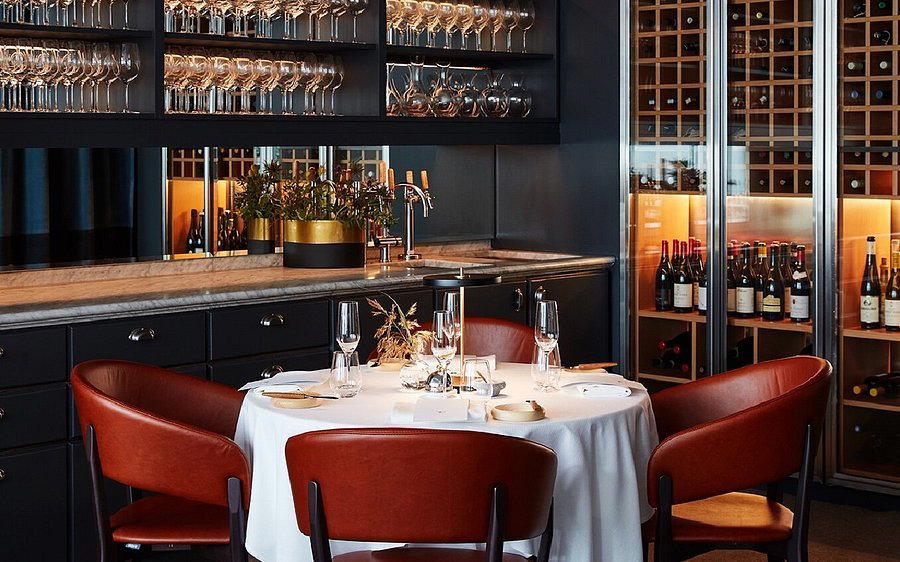
Bars in Stockholm
Browse all →
Details
- Modern
- Trendy
- Sophisticated
- Scenic
- Date Night
- Special Occasion
- Brunch
- Panoramic View
- Open Kitchen
- Design Destination
- Rooftop
- Craft Cocktails
- Local Sourcing
- Sustainable Seafood
- Waterfront
- Skyline
- A La Carte
- Small Plates
- Vegetarian Friendly
- Vegan Options
- Gluten Free Options
Current opening hours
- Monday
- 10 AM–9 PM
- Tuesday
- 10 AM–10 PM
- Wednesday
- 10 AM–11 PM
- Thursday
- 10 AM–11 PM
- Friday
- 10 AM–11 PM
- Saturday
- 10 AM–11 PM
- Sunday
- 10 AM–9 PM
Hours can change for holidays and private events. Last verified .
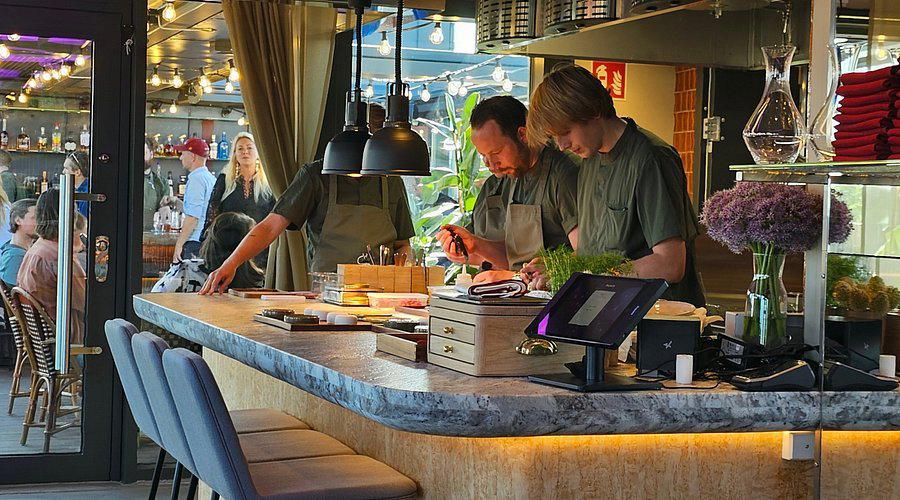
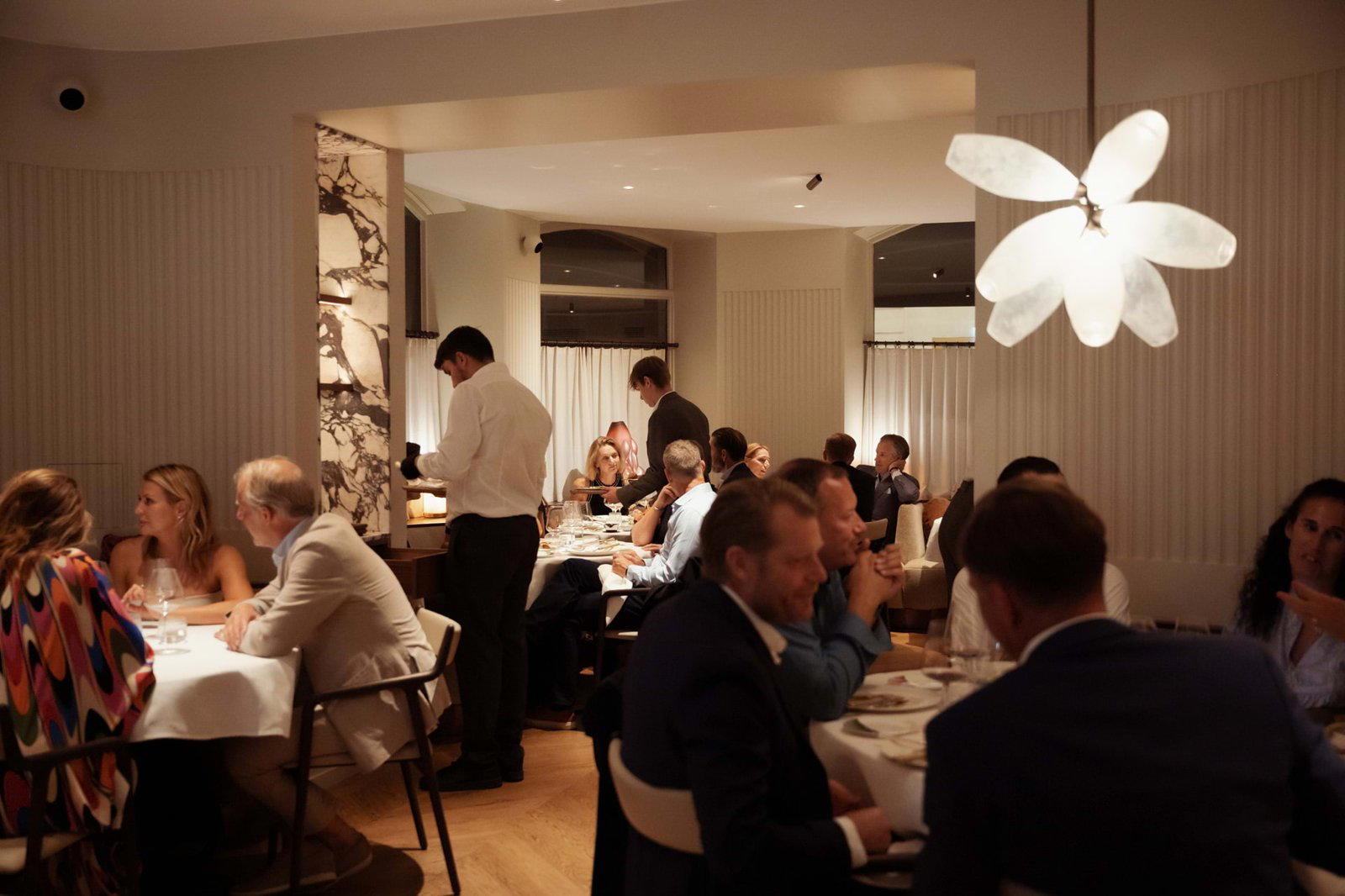
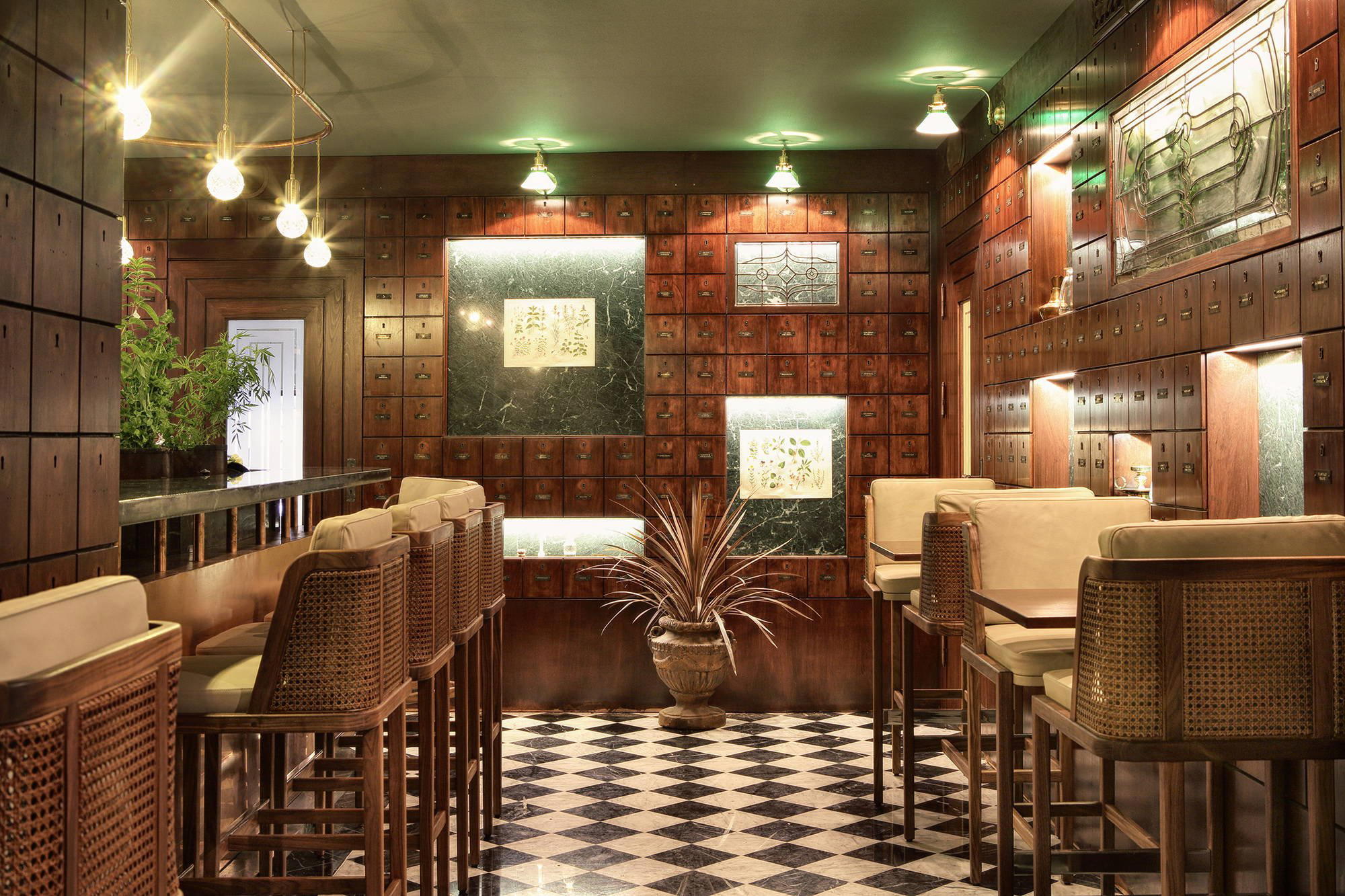
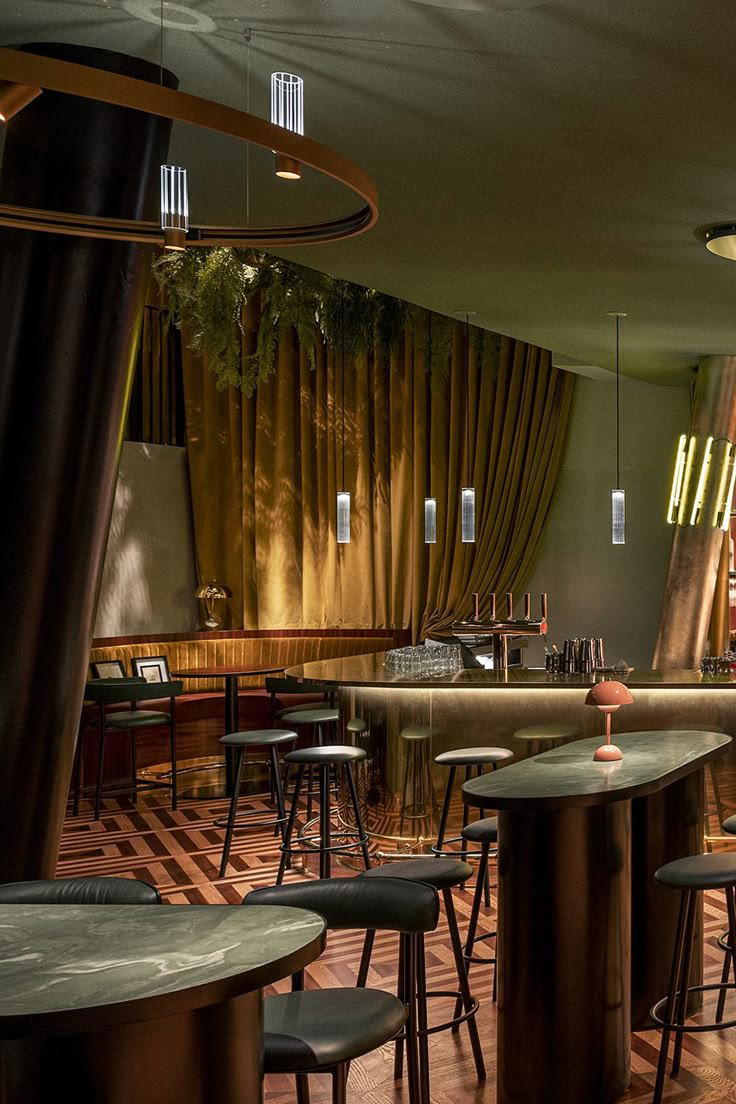
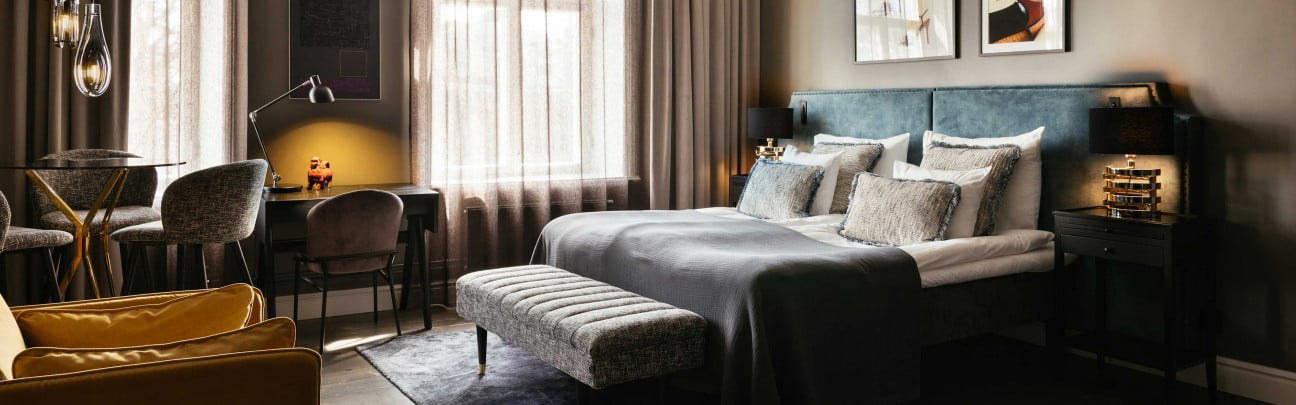
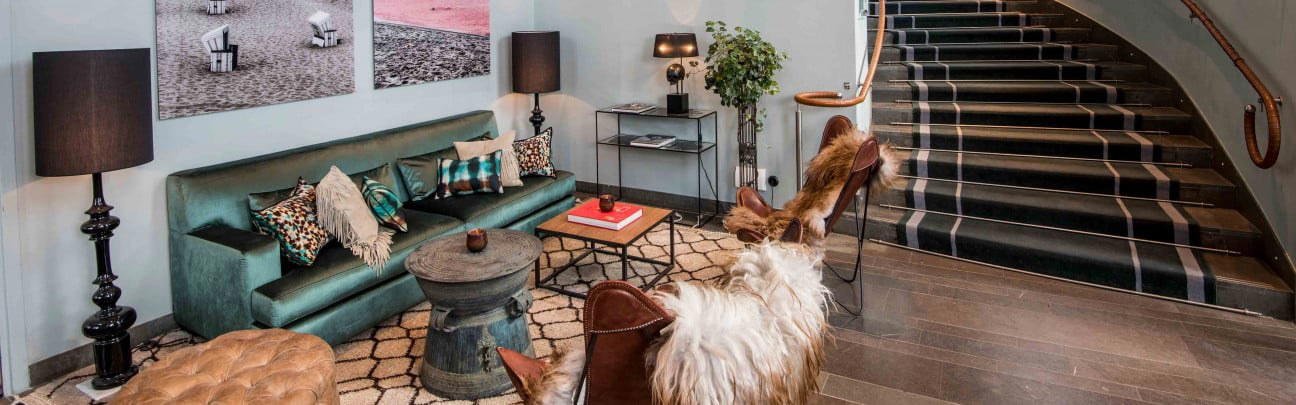
Lively and modern atmosphere with dramatic views over Stockholm's waters, enhanced by natural lighting and an open kitchen.