
Tabelog 100 #92
Our verdict
Nagoya’s special-occasion dining often leans toward beef, eel, or formal Japanese counters; OLMO pushes the city’s celebratory register toward Italian, pasta, creative cooking, and wine. Its 2025 selection for Tabelog Italian EAST 100, compact 15-seat format, counter seating, and private-room option place it in the city’s smaller, higher-priced tier for milestone dinners rather than casual trattoria territory.

Pearl is the En Primeur Club membership app, where members save venues, book tables and use the concierge.
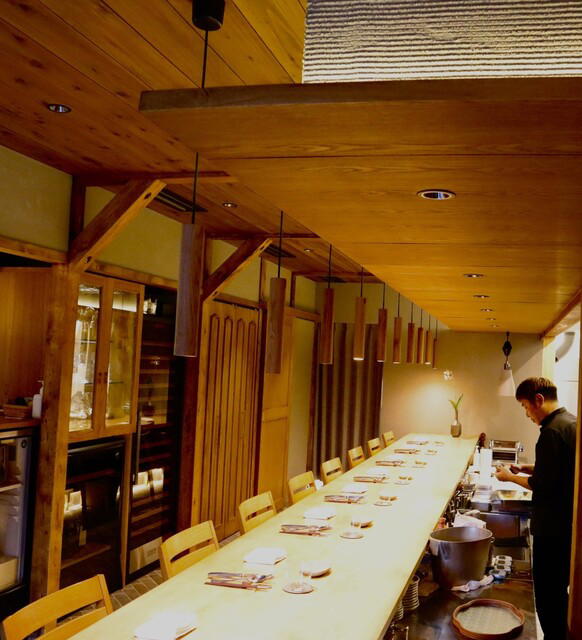
After dark in Nagoya, the restaurant scene can feel quieter than the city’s commercial glare, and that shift matters. This setting suits restaurants built for intention rather than foot traffic: controlled pacing, considered service, and dinners planned around the table. In that context, OLMO belongs to Nagoya occasion dining, where Italian technique, pasta, creative cooking, and a higher dinner budget frame anniversaries, client meals, and evenings with friends who care about the full arc of dinner.
Nagoya is often read through miso-katsu, hitsumabushi, kishimen, tebasaki, and a pragmatic appetite for hearty regional cooking. That misses a quieter premium tier. Beyond the city’s most obvious dining formats, restaurants have built menus borrowing from European and Japanese seasonal thinking without feeling like hotel dining. OLMO sits in that tier, with a 2025 Tabelog Italian EAST 100 selection and a Tabelog score of 3.75 giving it an external marker in a category where Nagoya has less global visibility than Tokyo or Kyoto.
Italian occasion dining in a city better known for regional comfort food
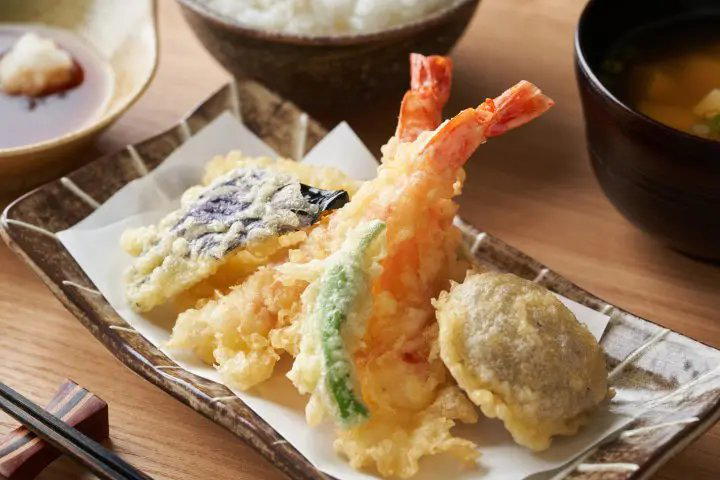
Read the room not as a simple Italian restaurant, but as part of Japan’s modern Italian tradition: ingredient-led, attentive to the shape of the evening, and comfortable treating pasta as a serious course rather than a casual default. The listed categories, Italian, pasta, and creative, signal a format between everyday informality and special-occasion dining. That middle ground matters in Nagoya, where celebrations often default to wagyu, tempura, sushi, or unagi. For travellers building a dinner sequence, OLMO offers a different rhythm from eel specialists such as Unagiya Shibafukuya, tempura counters such as Kusunoki Nagoya and Tempura Kusunoki, and cafe-led rooms like CHANDELIER or Cafe de Lyon.
Price tells part of the story. A dinner range of JPY 20,000 to JPY 29,999 puts this in Nagoya’s serious-dinner bracket, above casual Italian and cafe dining and closer to a fixed-occasion meal. That raises expectations for pacing, advice from the room, comfort, and consistency. Public signals point to a restaurant for guests prepared to spend the evening with a focused meal rather than treat dinner as a quick stop between plans.
The drinks conversation is not decorative. In Japan’s premium Italian rooms, thoughtful pairing and service often separate a pleasant pasta dinner from a structured evening. A higher dinner spend suggests conversation carried across multiple courses rather than a quick pre-theatre plate. OLMO makes most sense for travellers who have already covered Nagoya’s regional food and want one polished dinner with Italian, pasta, and creative cooking at the centre.
A planned dinner changes the stakes for celebrations
Restaurants suited to occasion dining are not automatically intimate; the better ones use pacing and structure to sharpen the evening. OLMO supports the kind of meal where a couple, friends, or a small group can make dinner the focus rather than a prelude. The premium price band is part of the calculation, but for milestones, the sense of purpose can matter as much as menu format.
That structure explains why planning ahead matters. In restaurants operating at this level, cancellation policies, timing, and requests around guest conduct often follow the same logic: the meal is planned around ingredients, pacing, and a shared room. For larger groups, confirming conditions directly with the restaurant is sensible, especially where one party can reshape service. Schedule this deliberately, not as a fallback after sightseeing.
City context helps. Nagoya is convenient enough for travellers building meals around hotels, transport, and regional food stops, but its best premium dinners are not always about spectacle. OLMO is useful for visitors who want dinner with less generic formality, and for locals seeking celebration without louder luxury signals. In Nagoya, where value and substance often outweigh display, a focused Italian room can feel better aligned with the city’s temperament than a showier dining room.
Where OLMO fits in a Nagoya itinerary
For an eating trip, treat OLMO as the non-local-canon dinner. Build other meals around Nagoya’s regional signatures, then reserve this for pasta, creative Italian cooking, and a slower evening. The restaurant is not competing with hitsumabushi or tebasaki; it is competing for the evening when the occasion calls for more polish and more deliberate pacing. Its Tabelog Italian EAST 100 recognition matters less as trophy than confirmation that the restaurant has traction beyond neighbourhood regulars.
It also belongs in a broader Japan dining map. Travellers comparing Nagoya with Tokyo, Osaka, Kyoto, and regional cities often underestimate the depth outside the obvious food capitals. For planning across the city, start with Our full Nagoya restaurants guide, then pair dinner planning with Our full Nagoya hotels guide, Our full Nagoya bars guide, Our full Nagoya wineries guide, and Our full Nagoya experiences guide. Nearby restaurant research can also run through other Nagoya dining rooms, premium counters, casual addresses, hotel restaurants, and specialist venues across the city.
For broader Japan and overseas dining context, contrast the Nagoya occasion-dining model with other urban restaurants in Japan and abroad. The comparison is useful because OLMO represents a Japanese urban dining pattern easy to miss: reservation-minded, premium in budget, and calibrated for conversation rather than spectacle.
The editorial read is clear. Choose OLMO for a dinner where the occasion needs a serious room without ceremonial stiffness. The strengths are category position, premium dinner band, and external recognition in Tabelog’s Italian EAST 100. Travellers seeking a quick local specialty dinner should look elsewhere; guests planning a milestone evening in Nagoya have a sharper reason to keep this on the shortlist.
Frequently asked questions
What are the opening hours for OLMO?
Opening hours for OLMO are not specified here. Check the venue's official channels for the latest schedule before planning a visit.
Is OLMO expensive?
Pricing at OLMO is listed as JPY 20,000 - JPY 29,999 for dinner.
What's OLMO's location?
Nagoya.
What makes OLMO worth seeking out?
OLMO has a Tabelog 100 selection for Italian EAST 2025 and a Tabelog score of 3.75, which gives it clear third-party validation. Dinner is listed at JPY 20,000–29,999, so it reads as a focused occasion-dining choice rather than a casual stop.
Is OLMO good for vegetarians?
Check the venue's official channels for the latest details before booking.
A Lean Comparison
Comparable venues at similar price and category levels.
| Venue | Cuisine | Price | Awards | Notes |
|---|---|---|---|---|
| OLMOThis venue (the venue you are viewing) | Seasonal Italian in a renovated Nagoya kominka | $150–200 | Tabelog 100 #92 | Not listed |
| Unagiya Shibafukuya | Traditional Nagoya Unagi (Grilled Eel) | $30–50 | Tabelog 100 #69 | JPY 5,000 - JPY 5,999 JPY 4,000 - JPY 4,999 |
| CHANDELIER | French baked sweets & patisserie salon | $10–20 | Tabelog 100 #44 | JPY 1,000 - JPY 1,999 |
| Kusunoki Nagoya | Modern Tempura Omakase | $300–500 | Tabelog Silver #65 | Tempura |
| Cafe de Lyon | Not listed | $20–30 | Tabelog 100 #22 | JPY 1,000 - JPY 1,999 |
Recognition history
Dated appearances from independent guides and award organizations, with the underlying list record or original source where available.
Tabelog 100 #92 · No. 92
Tabelog · Tabelog 100 - Italian - EAST - 2025
Continue exploring
More in Nagoya




Details
- Cozy
- Rustic
- Intimate
- Romantic
- Date Night
- Special Occasion
- Business Dinner
- Group Dining
- After Work
- Historic Building
- Design Destination
- Standalone
- Extensive Wine List
- Natural Wine
- Local Sourcing
- Farm To Table
- Street Scene
- A La Carte
- Wine
Current opening hours
- Monday
- Closed
- Tuesday
- 6–11 PM
- Wednesday
- 6–11 PM
- Thursday
- 6–11 PM
- Friday
- 6–11 PM
- Saturday
- 6–11 PM
- Sunday
- Closed
Hours can change for holidays and private events. Hours as of .
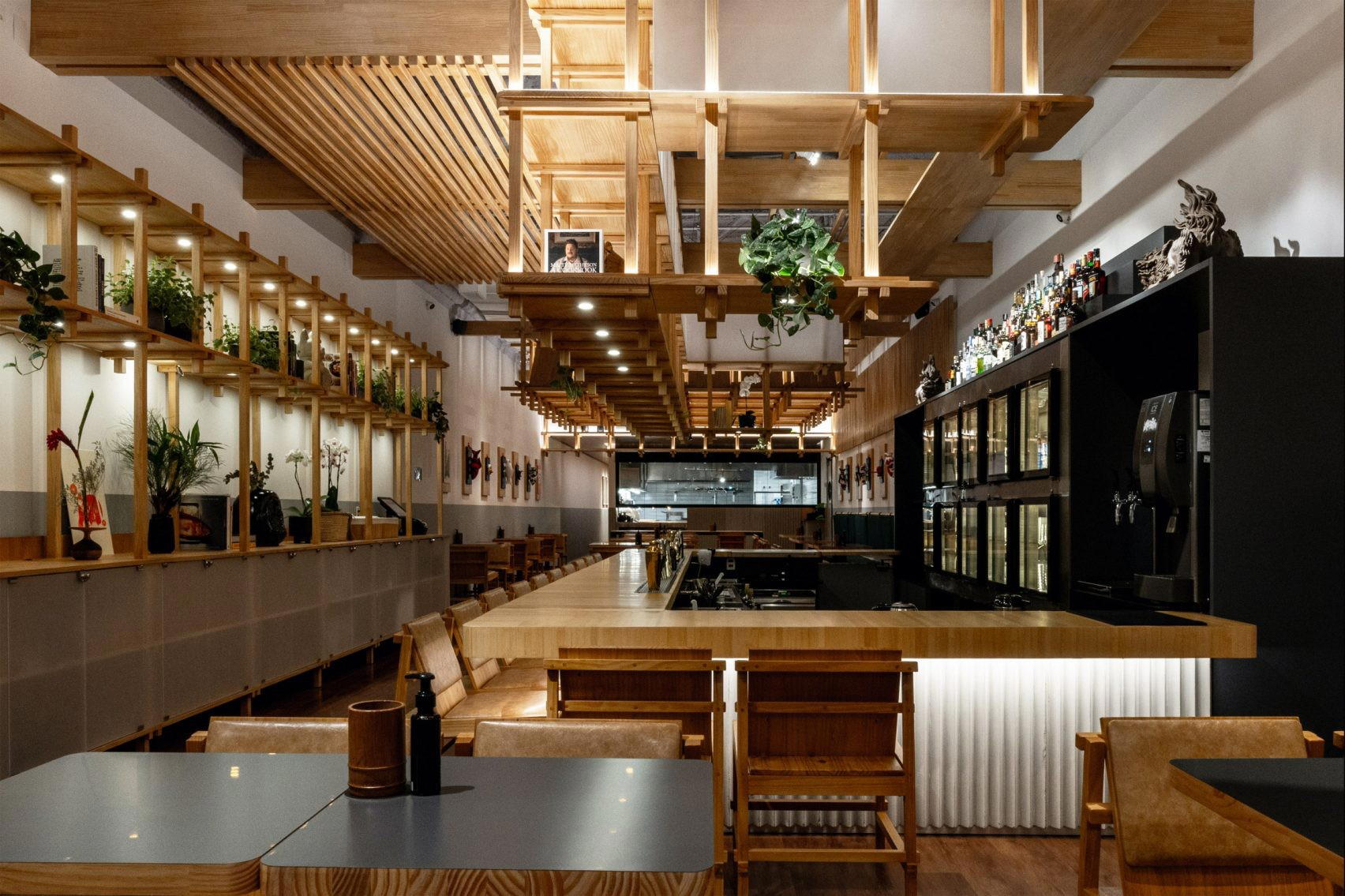
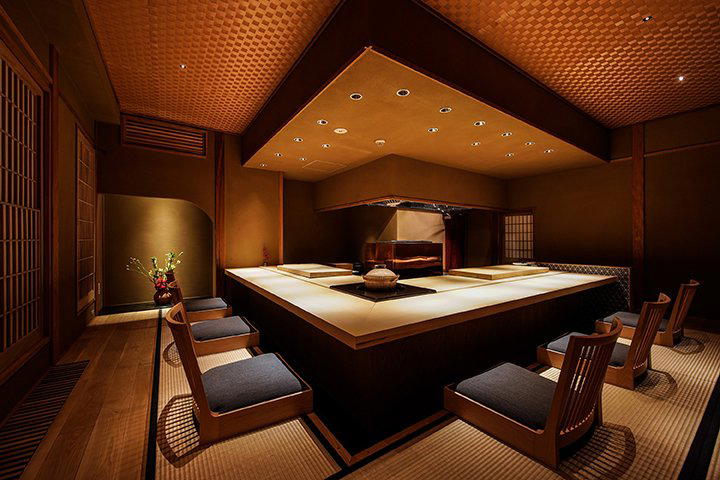
Set in a small, renovated traditional Japanese house on a narrow historic lane, the restaurant feels intimate and cozy, with warm wood furnishings made from zelkova, subdued lighting, and a relaxed but refined atmosphere suited to lingering dinners over wine.