O-Ku
Our verdict
O-Ku brings a Japanese-influenced raw bar and sushi format to Nashville's Germantown district, operating at 81 Van Buren St in a city where the appetite for precision-driven Japanese American dining has expanded well beyond its coastal origins. The kitchen works within a sourcing-conscious framework that places it alongside Nashville's more ingredient-focused contemporary operators, making it a reference point for the city's evolving dining scene.

Pearl is the En Primeur Club membership app — saves, bookings, and concierge access live there. Same editors, same standards.
- Address
- 81 Van Buren St, Nashville, TN 37208
- Phone
- (629) 900-0021
- Hours
- Mon–Thu 5–9:30 PMFri–Sat 5–10:30 PMSun 5–9:30 PM
- Website
- o-kusushi.com
- Directions
- Get directions
- Booking
- Book on OpenTable
The menu
What to order
- Tokyo Chicken Donburi
- Lobster Spaghetti
- Sata Andagi
Japanese Precision in a City That Has Learned to Expect It
Walk along Van Buren Street in Germantown and you get a compressed version of what Nashville's dining scene has become over the past decade: a neighbourhood that once anchored itself to meat-and-three traditions now holds a range of operators working in formats that would have seemed incongruous here fifteen years ago. O-Ku, at 81 Van Buren St, sits inside that shift. Its Japanese-influenced format, with raw bar and sushi at the centre, belongs to a category of restaurant that American cities outside the coasts have only recently begun to sustain at volume. The fact that it operates in Nashville at all is an editorial point worth making before anything else.
Japanese American dining in inland cities has historically been caught between two poles: low-cost casual and high-end omakase with very little in the middle. The middle ground, which is where formats like O-Ku tend to operate, requires a customer base willing to pay for sourcing quality and preparation discipline without the ceremony of a counter-only tasting format. Nashville, which has added significant restaurant-literate population over the past several years, now provides that base. Comparing O-Ku to its Germantown neighbours tells part of the story: Locust and Bastion work in progressive formats where sourcing transparency is expected; O-Ku operates in a parallel register where the question of where the fish comes from is equally central to the proposition.
What Sourcing Looks Like in a Landlocked City
The ingredient argument for Japanese-influenced raw bar dining in a landlocked Southern city is not automatic. Coastal restaurants working in this format, from Le Bernardin in New York City to Providence in Los Angeles, operate with direct access to dockside supply chains that inland operators must replicate through air freight and distributor relationships. The quality floor is lower when the supply chain is longer, and knowledgeable diners who have eaten at the reference-level addresses know the difference. This is the structural challenge that any serious sushi or raw bar operation in Nashville faces, and how a kitchen manages it, through supplier selection, temperature discipline, and menu editing that keeps the offering within what the supply chain can actually deliver at quality, is the real indicator of intent.
The broader American context is instructive here. Venues like Single Thread Farm in Healdsburg and Blue Hill at Stone Barns in Tarrytown have demonstrated that sourcing rigor and geographic context can be made explicit and central to a dining format, building credibility around transparency rather than proximity to the coast. The same logic applies to Japanese-influenced operations in inland markets: what matters is whether the sourcing decisions are made honestly and communicated clearly, not whether the restaurant sits on a waterfront. Nashville's restaurant culture, shaped in part by operations like The Catbird Seat and Peninsula, has become sophisticated enough to reward that honesty.
Where O-Ku Sits in the Nashville Conversation
Germantown is a useful neighbourhood for contextualising O-Ku's position. It is not the strip-oriented dining corridor that parts of Broadway and Midtown represent; it attracts a customer who is choosing deliberately, often booking ahead, and arriving with reference points from other cities. This is the same customer who might visit 12 South Taproom and Grill for a more casual register or travel to eat at Alinea in Chicago or Atomix in New York City when the occasion calls for it. O-Ku operates as the Japanese American reference point within a neighbourhood that now holds several restaurants capable of carrying a serious dinner.
Compared to the progressive American format that Lazy Bear in San Francisco or Addison in San Diego represent, or the deeply Southern register of Emeril's in New Orleans, O-Ku works in a more globally-anchored format where the Japanese culinary framework provides the discipline and the American sourcing context provides the ingredients. That combination, Japanese technique applied to American and sometimes locally-sourced product, has become one of the defining formats of the current American dining generation. The Inn at Little Washington represents one extreme of American culinary ambition; O-Ku represents a more accessible version of the same underlying argument: that sourcing and technique are what separate a serious restaurant from a casual one, regardless of cuisine category.
Planning Your Visit
O-Ku is at 81 Van Buren St, Nashville, TN 37208, in the Germantown district, walkable from the northern edge of downtown. Germantown rewards early evening arrivals for those who want to take in the neighbourhood before sitting down. Given the format and the neighbourhood's dining density, reservations are the practical approach rather than walking in, particularly on Thursday through Saturday evenings when Germantown operates at capacity across its better-regarded addresses. For the full context of what Nashville's current restaurant generation is doing, the full Nashville restaurants guide maps the relevant operators across neighbourhoods and formats. Those planning a wider itinerary that includes The French Laundry in Napa or 8 1/2 Otto e Mezzo Bombana in Hong Kong will find O-Ku fits naturally into a travel pattern oriented around ingredient-serious restaurants at the mid-to-upper segment, without the booking lead times those destination addresses require.
Frequently asked questions
What should I eat at O-Ku?
Do I need a reservation for O-Ku?
What's O-Ku leading at?
How does O-Ku handle allergies?
Is O-Ku part of a restaurant group, and does that affect the experience?
Where the Accolades Land
Comparable venues nearby, for context on price, style, and recognition.
| Venue | Cuisine | Price | Awards | Notes |
|---|---|---|---|---|
| O-KuThis venue — the venue you are viewing | Modern Japanese Sushi | $50–100 | Not listed | Not listed |
| Babychan | Japanese-Inspired Bakery Cafe | $10–20 | Not listed | East Germantown |
| Skull's Rainbow Room | Coastal Fusion American with French influences | $50–100 | Not listed | Printer's Alley |
| Gannons Nashville | Seafood & New American | Not listed | Wine Spectator Award of Excellence | Printer's Alley |
| The Farm House | Southern Farm-to-Table Steakhouse | $30–50 | Not listed | Downtown |
| Commons Club | Modern American with Southern Influences | $50–100 | Not listed | Music Row |
Continue exploring
More in Nashville
Restaurants in Nashville
Browse all →
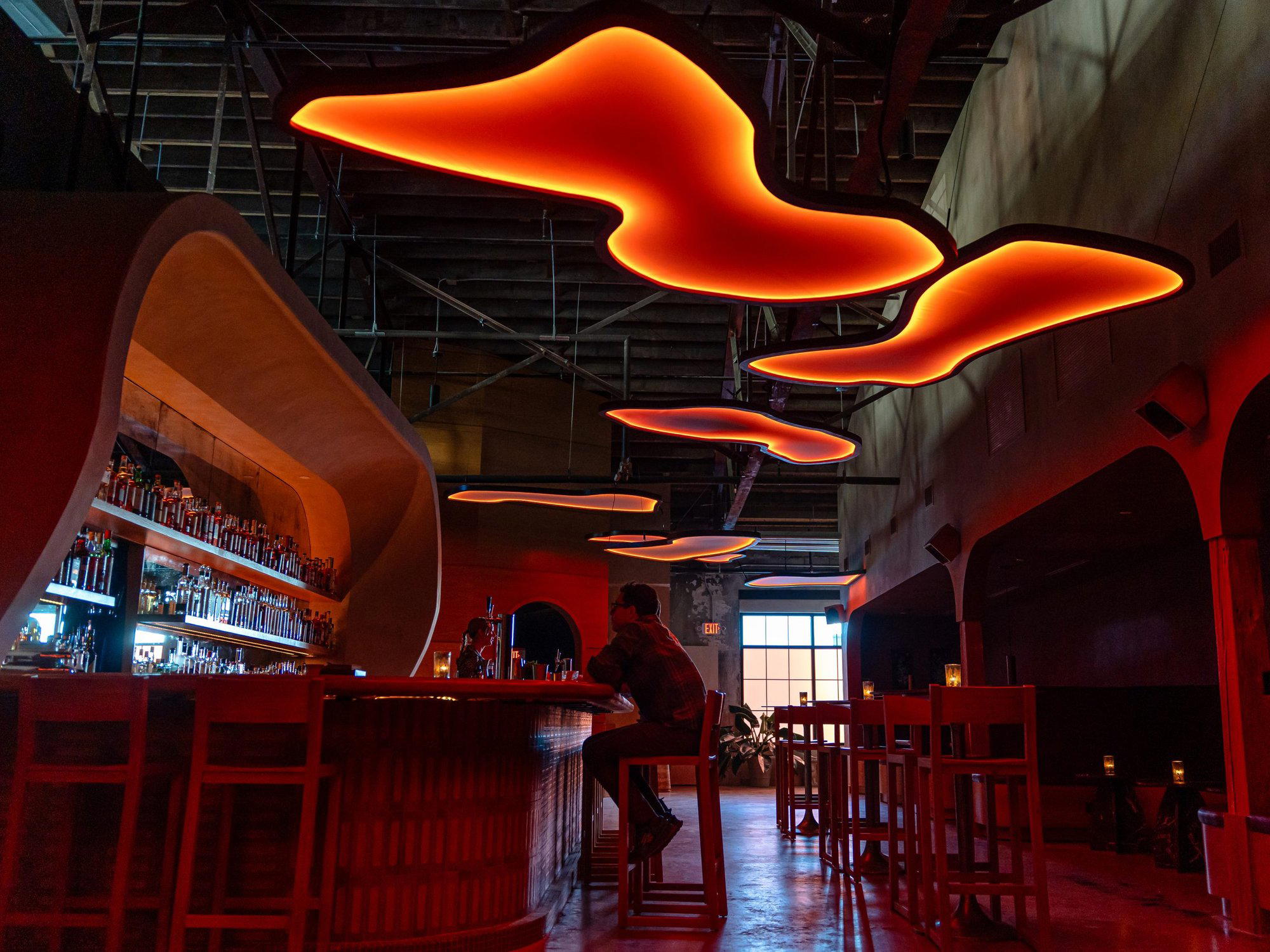
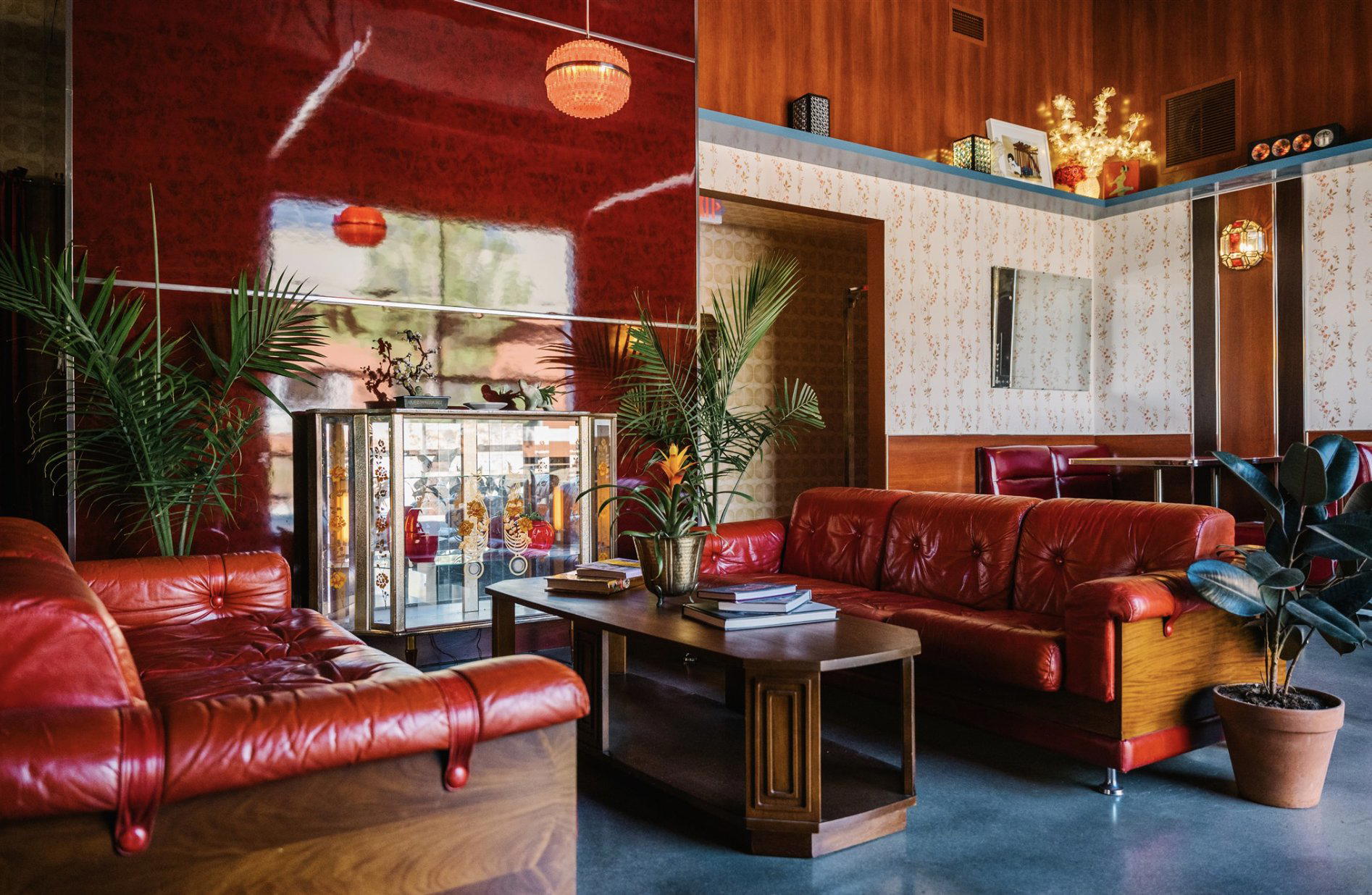
Bars in Nashville
Browse all →
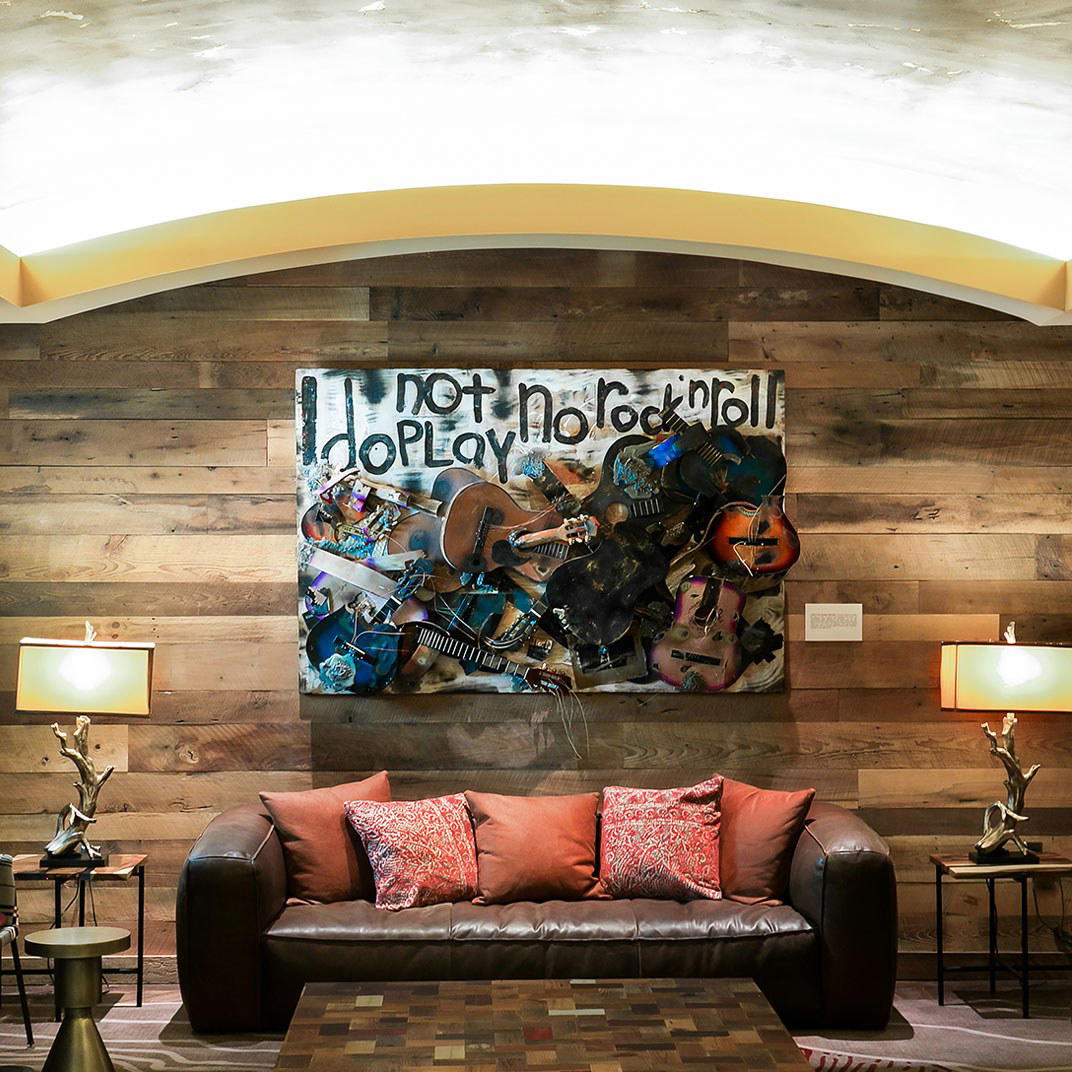
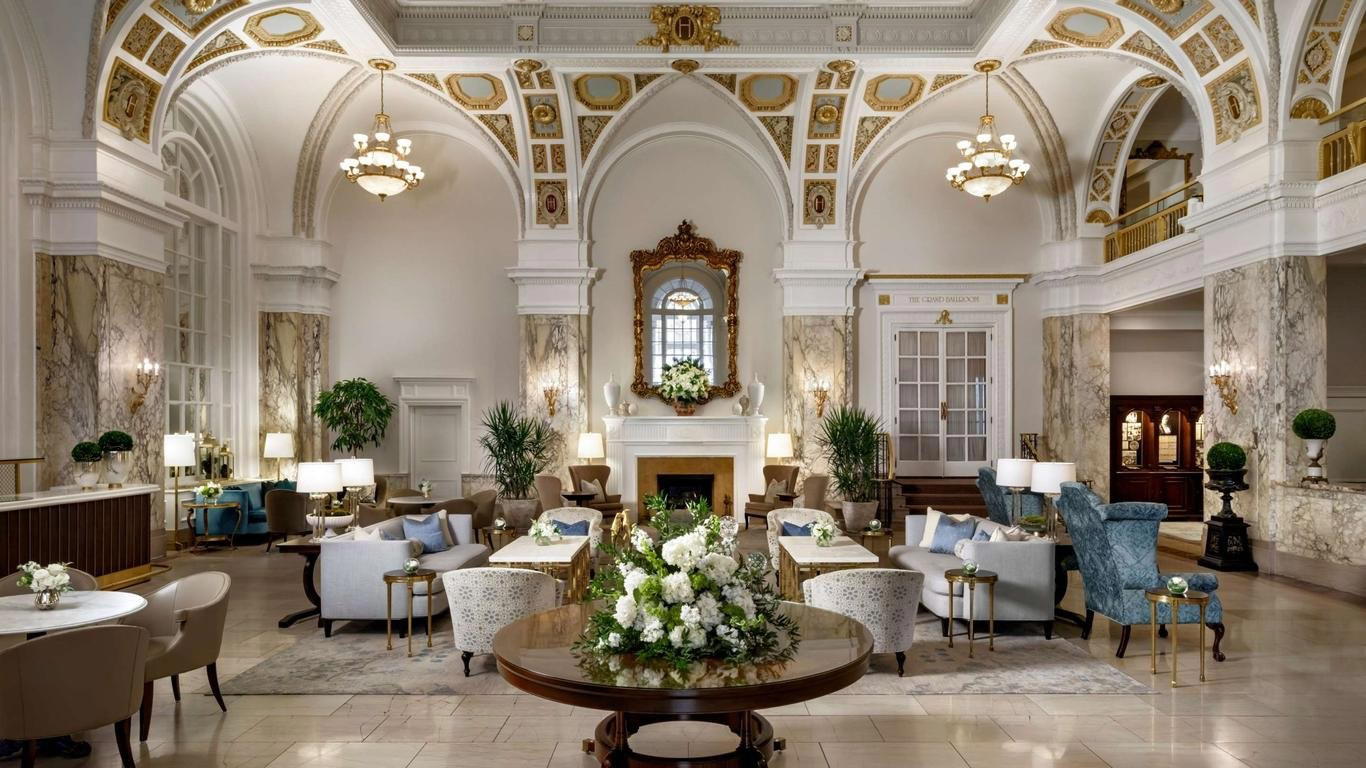
Hotels in Nashville
Browse all →

Wineries in Nashville
Browse all →
Details
- Elegant
- Sophisticated
- Modern
- Date Night
- Special Occasion
- Business Dinner
- Open Kitchen
- Sake Program
- Craft Cocktails
- Local Sourcing
- Sustainable Seafood
- A La Carte
- Omakase
- Small Plates
- Sake Program
- Craft Cocktails
- Pescatarian Friendly
Current opening hours
- Monday
- 5–9:30 PM
- Tuesday
- 5–9:30 PM
- Wednesday
- 5–9:30 PM
- Thursday
- 5–9:30 PM
- Friday
- 5–10:30 PM
- Saturday
- 5–10:30 PM
- Sunday
- 5–9:30 PM
Hours can change for holidays and private events. Last verified .
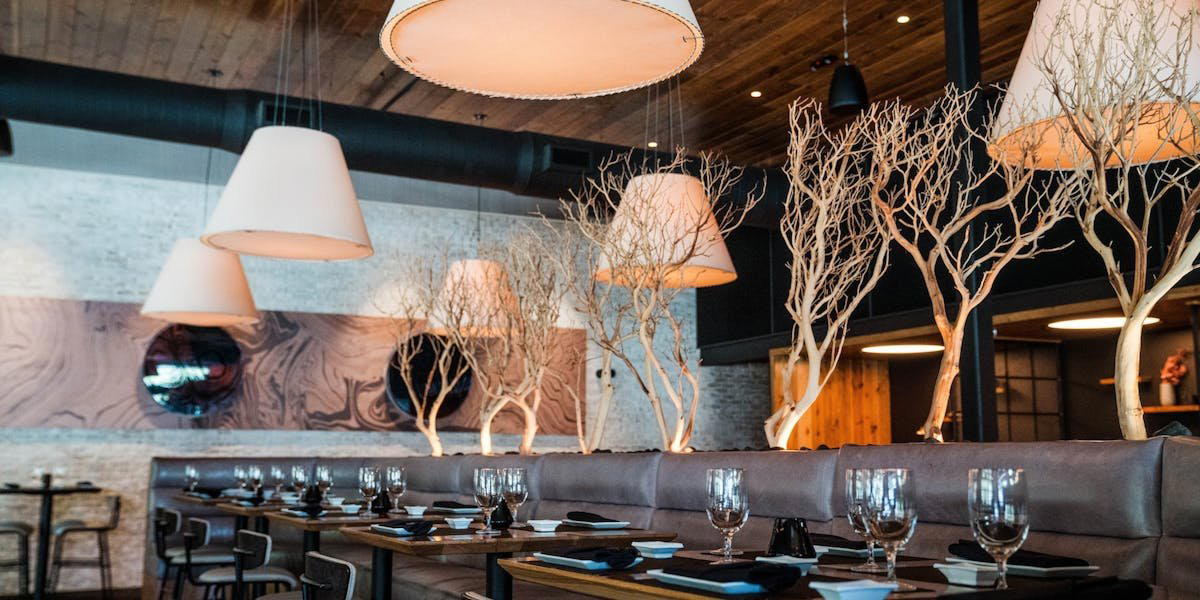
Sophisticated space reminiscent of traditional Japanese culture with elegant presentations and contemporary design.