Acme Feed & Seed
A multi-level bar and entertainment complex on Lower Broadway, Acme Feed & Seed occupies one of the strip's most recognized addresses at 101 Broadway. The building draws crowds seeking live country music, rooftop views of the Cumberland River, and bar food in the heart of Nashville's busiest entertainment corridor. It fits the visitor who wants the full Broadway experience in a single stop.

Pearl is the En Primeur Club membership app, where members save venues, book tables and use the concierge.
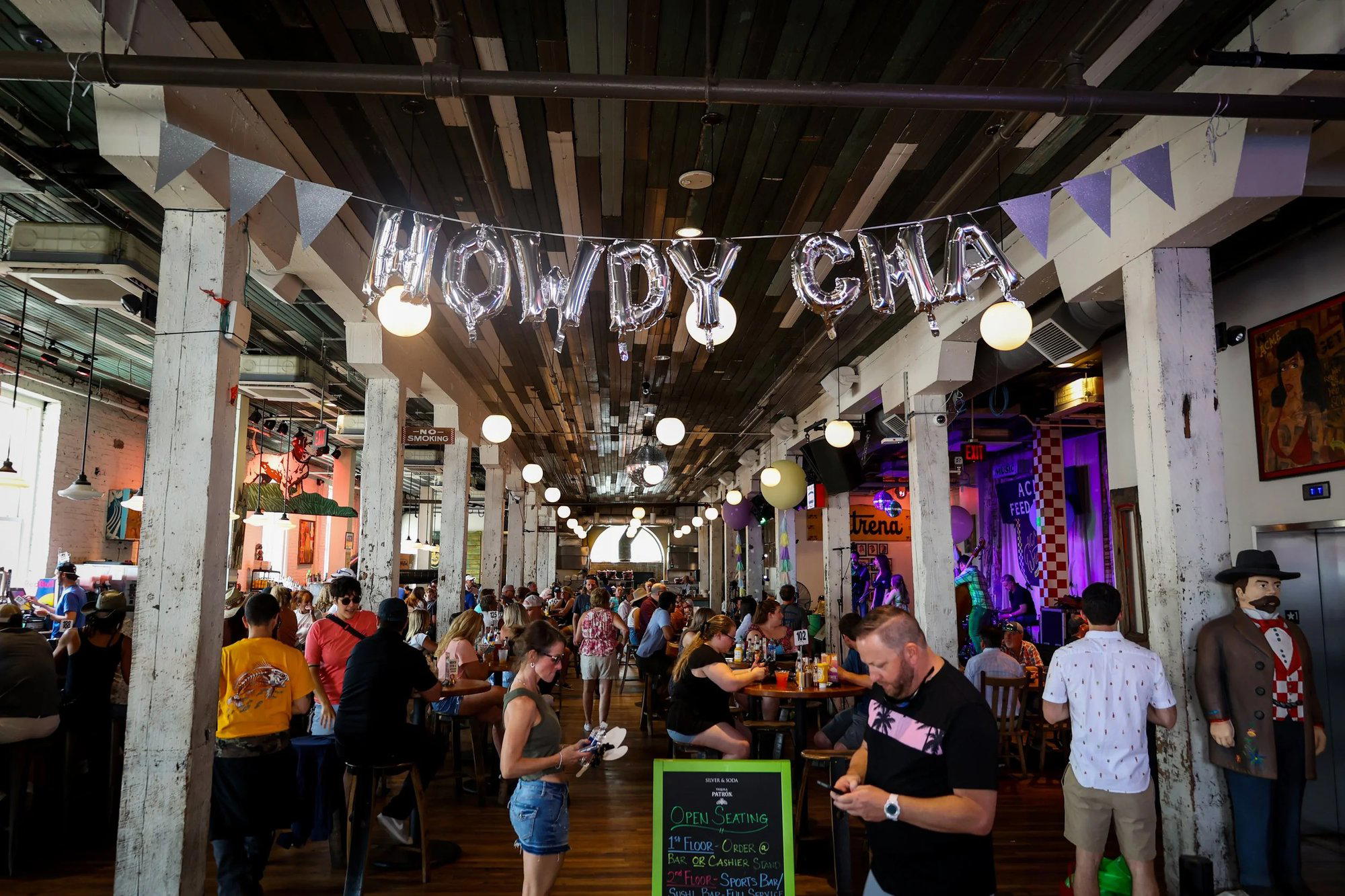
Lower Broadway at Full Volume
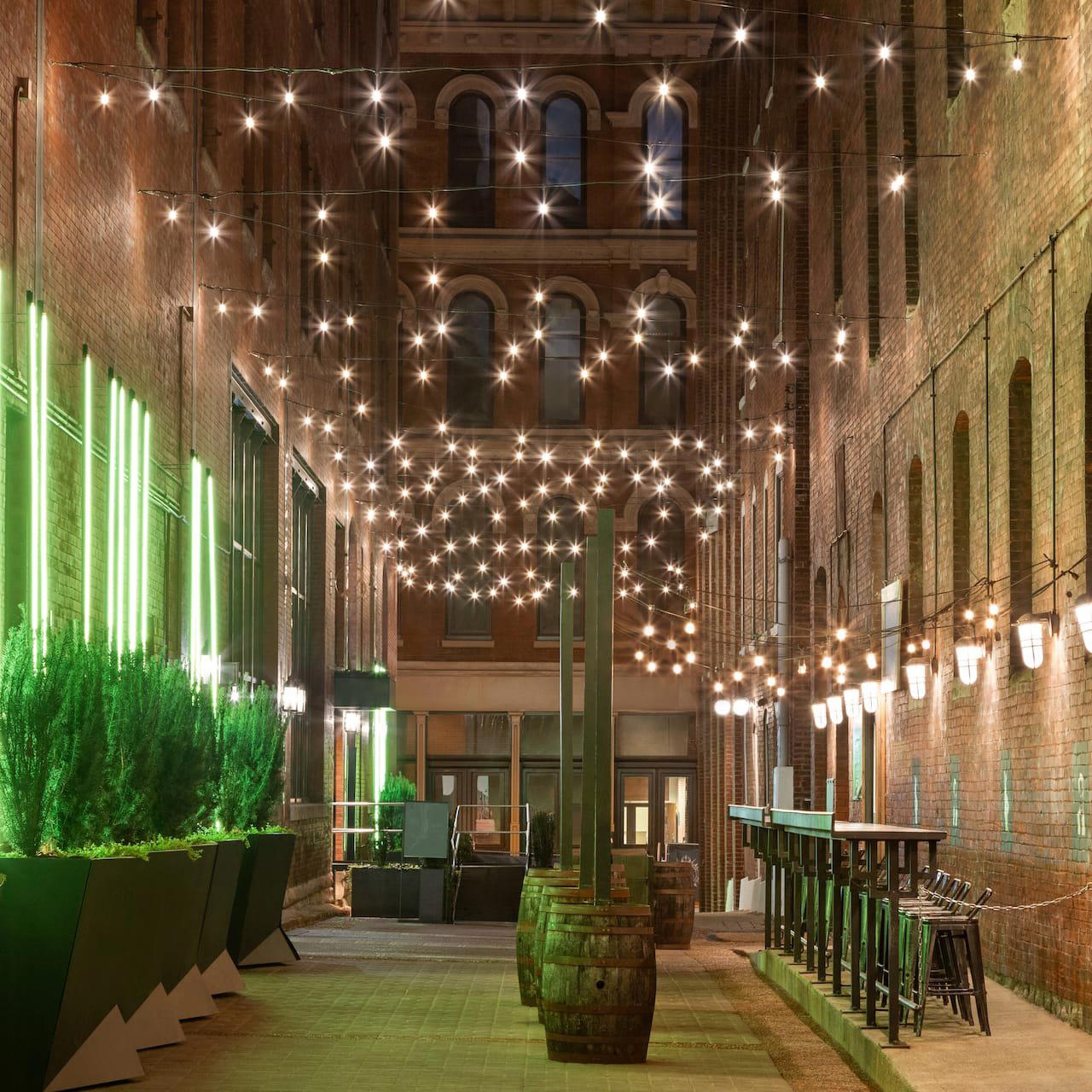
Walking toward the corner of Broadway and First Avenue on a Friday evening, the sound arrives before the building does. Lower Broadway compresses more live music per city block than almost anywhere in the American South, and Acme Feed & Seed sits at its eastern anchor, where the strip bends toward the Cumberland River. The building itself is a converted 19th-century feed store, its original bones still readable in the heavy timber framing and worn brick, now layered with neon, speaker stacks, and four floors of activity. This is not a quiet room. It was not designed to be one.
Understanding Acme Feed & Seed means understanding what Lower Broadway has become over the past two decades. The strip evolved from a working musician's hangout, populated by venues like 417 Union and the storied Robert's Western World, into a full tourist economy with cover-free live music as its engine. The business model across most of these venues runs on volume: high foot traffic, accessible pricing, and bands playing six-hour sets from afternoon into the early morning. Acme operates squarely within that model, deploying it across multiple floors rather than a single long room.
The Building as Experience
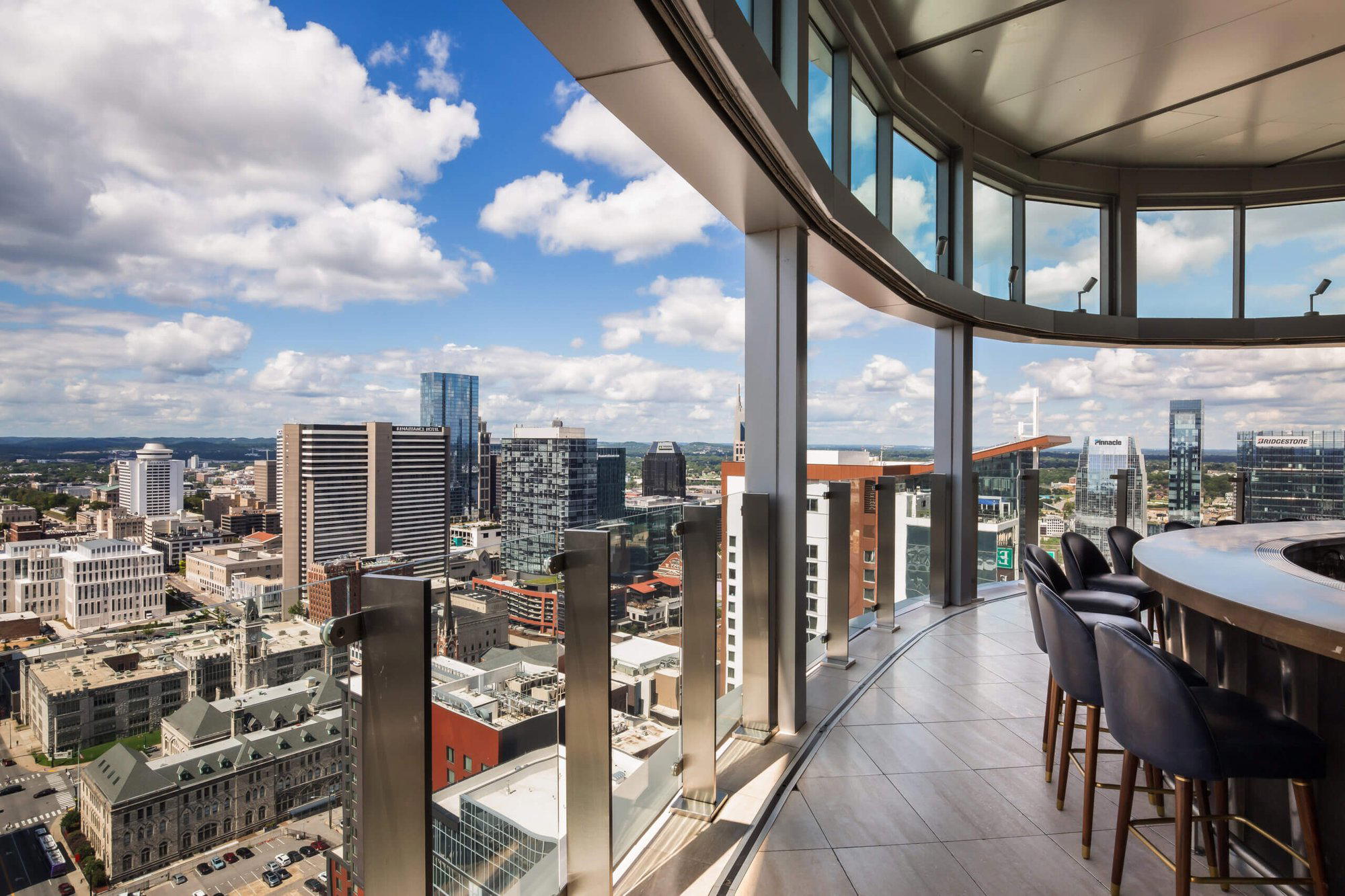
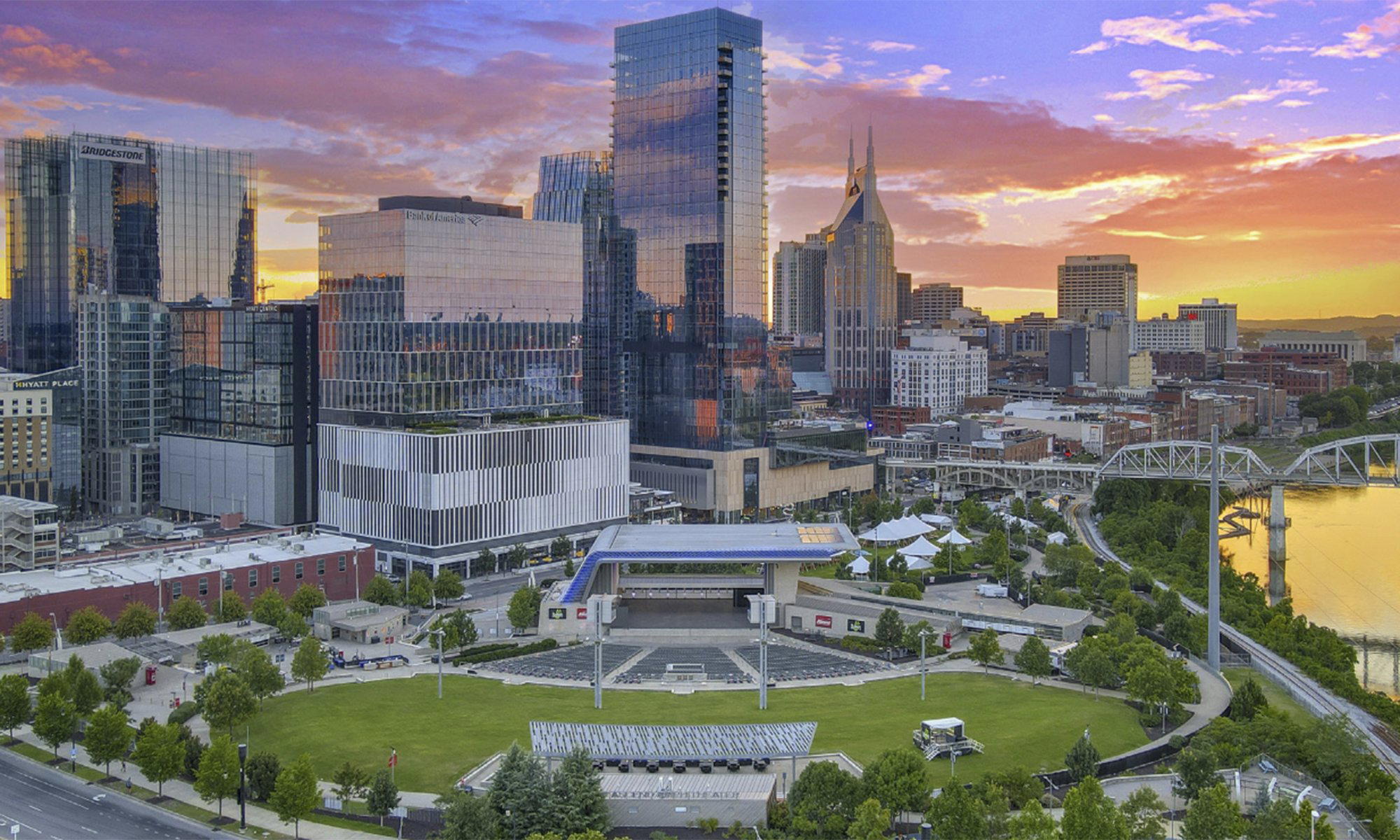
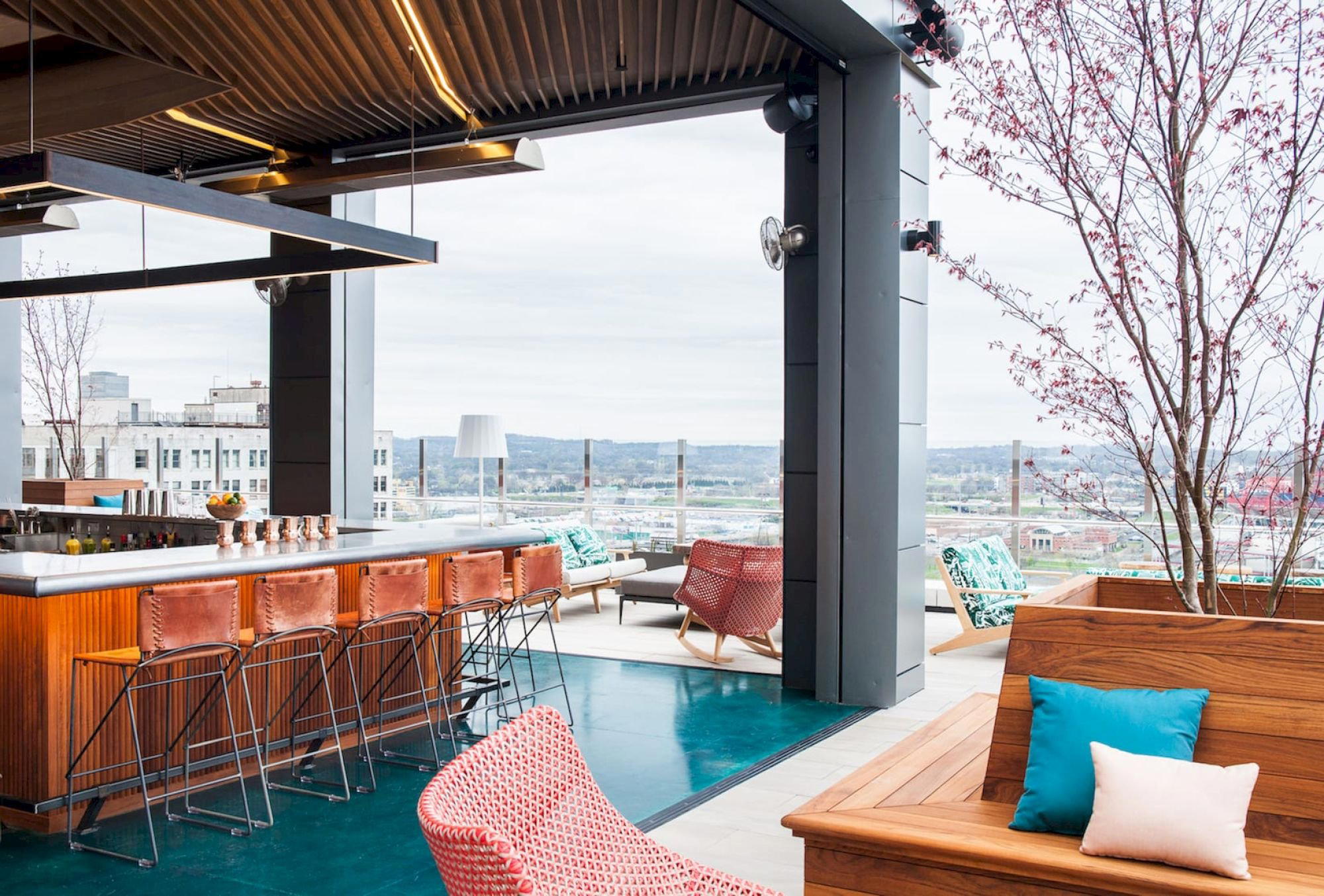
The ground floor functions as the primary bar and stage space, where bands rotate through sets of country, rock, and crossover material throughout the day and into the night. Above that, successive floors shift the atmosphere incrementally, moving from the dense energy of the street level toward a rooftop deck where the view opens across the river toward East Nashville. The rooftop is the detail most visitors mention first: on clear evenings, it offers an unobstructed sightline that puts the Cumberland and the Nissan Stadium in the same frame. That geography matters in Nashville, where the relationship between the entertainment district and the river is part of the city's physical identity.
The sourcing story on Lower Broadway is not typically one of farm provenance or single-origin ingredients. The food here belongs to a different tradition: the kind of bar kitchen that keeps a crowd grounded through long stretches of live music. Nachos, wings, and American bar standards anchor the menu, calibrated for sharing across a table of four or eight people who came for the music and are staying for another set. That function is not incidental. Venues that have tried to run more ambitious kitchens on this strip have generally found the format works against them. The crowd on Broadway is not primarily there to eat; it is there to stay, and the food supports that rhythm rather than leading it.
Where Acme Sits in the Nashville Bar Ecosystem
Nashville's bar scene has split into at least three distinct tiers over the past decade. At one end, the Lower Broadway corridor runs on volume, accessibility, and live music as a constant ambient feature. At the other, a growing cohort of craft-focused rooms has developed serious cocktail programs that position Nashville against cities like New Orleans and Chicago. Venues like 5th & Taylor and the cocktail-forward operations in neighborhoods like 12 South represent a different ambition, one closer to what you might find at Jewel of the South in New Orleans, Kumiko in Chicago, or ABV in San Francisco. Acme does not sit in that tier, and it does not try to.
That positioning carries implications for what a visit here actually delivers. The cocktail list runs to accessible mixed drinks rather than the technique-led programs you'd find at Bar Leather Apron in Honolulu or Julep in Houston. The beer selection skews toward domestic and regional drafts. The point of entry is low, both financially and in terms of what the visitor is expected to know or care about before walking in. That accessibility is the product, not a compromise of it.
Visitors arriving from neighborhoods like 12 South, where 12 South Taproom and Grill anchors a more local-facing bar culture, will notice the difference immediately. Broadway draws on a different current. The crowd on a Saturday night skews toward bachelorette parties, out-of-town groups, and tourists experiencing Nashville for the first time, often in the same weekend. Acme absorbs that crowd well, largely because the multi-floor format distributes density across the building and the rooftop provides a pressure valve when the lower levels fill. For coffee and a slower start to the day before the strip picks up speed, 8th & Roast is a short distance away and operates in a completely different register.
Seasonal Notes and Timing
Nashville's visitor volume peaks in spring and fall, when the city's convention calendar and the relative moderation of the weather pull the largest groups. Summer brings heat and sustained crowds; the rooftop at Acme is popular enough in warm months that wait times to access it can extend significantly on weekend evenings. Winter thins the tourist volume but does not hollow out Broadway entirely. The locals-to-tourists ratio shifts, and the strip quiets to a working pace that feels closer to what the neighborhood was twenty years ago. For anyone whose priority is the rooftop view without a forty-minute queue, a weekday evening in January or February is a reasonable approach. The bands still play; the view is the same; the wait is shorter.
Planning a Visit
Acme Feed & Seed is at 101 Broadway, at the eastern end of the Lower Broadway strip, approximately two blocks from the main cluster of honky-tonks around Fourth and Fifth Avenues. There is no cover charge to enter, which is standard for Broadway venues. The building is open to walk-in traffic throughout its operating hours, though the rooftop may have a separate wait or capacity hold during peak periods on weekends. For a broader read on where Acme fits within Nashville's full dining and drinking scene, including neighborhoods and venues operating outside the Broadway corridor, see our full Nashville restaurants guide. Visitors interested in how the city's cocktail culture compares to programs in other American cities will find useful reference points at venues like Superbueno in New York City and The Parlour in Frankfurt on the Main, both of which represent the more technique-driven end of the bar spectrum.
City Peers
| Venue | Cuisine | Price |
|---|---|---|
| Acme Feed & SeedThis venue (the venue you are viewing) | This venue | $20–30 |
| Green Hour Cocktail & Absinthe Lounge | Not listed | $20–30 |
| Attaboy Nashville | Not listed | $30–50 |
| Robert's Western World | Not listed | $10–20 |
| The Fox Bar & Cocktail Club | Not listed | $30–50 |
Continue exploring
More in Nashville
Bars in Nashville
All bars in Nashville →
Restaurants in Nashville
All restaurants in Nashville →
Hotels in Nashville
All hotels in Nashville →
Wineries in Nashville
All wineries in Nashville →
Acme Feed & Seed
The drinks
- Craft cocktails
- Craft beer
Signature drinks: ESPRESSO TEENY, DISCO COWGIRL, THE ELVIS, THE PORKER.
Details
- Lively
- Energetic
- Well Known
- Trendy
- Group Outing
- Late Night
- Casual Hangout
- Live Music
- Rooftop
- Waterfront
- Historic Building
- Standing Room
- Lounge Seating
- Outdoor Terrace
- Craft Cocktails
- Draft Cocktails
- Craft Beer
- Waterfront
Current opening hours
- Monday
- 11 AM–11 PM
- Tuesday
- 11 AM–11 PM
- Wednesday
- 11 AM–11 PM
- Thursday
- 11 AM–11 PM
- Friday
- 11 AM–11 PM
- Saturday
- 11 AM–11 PM
- Sunday
- 11 AM–11 PM
Hours can change for holidays and private events. Hours as of .
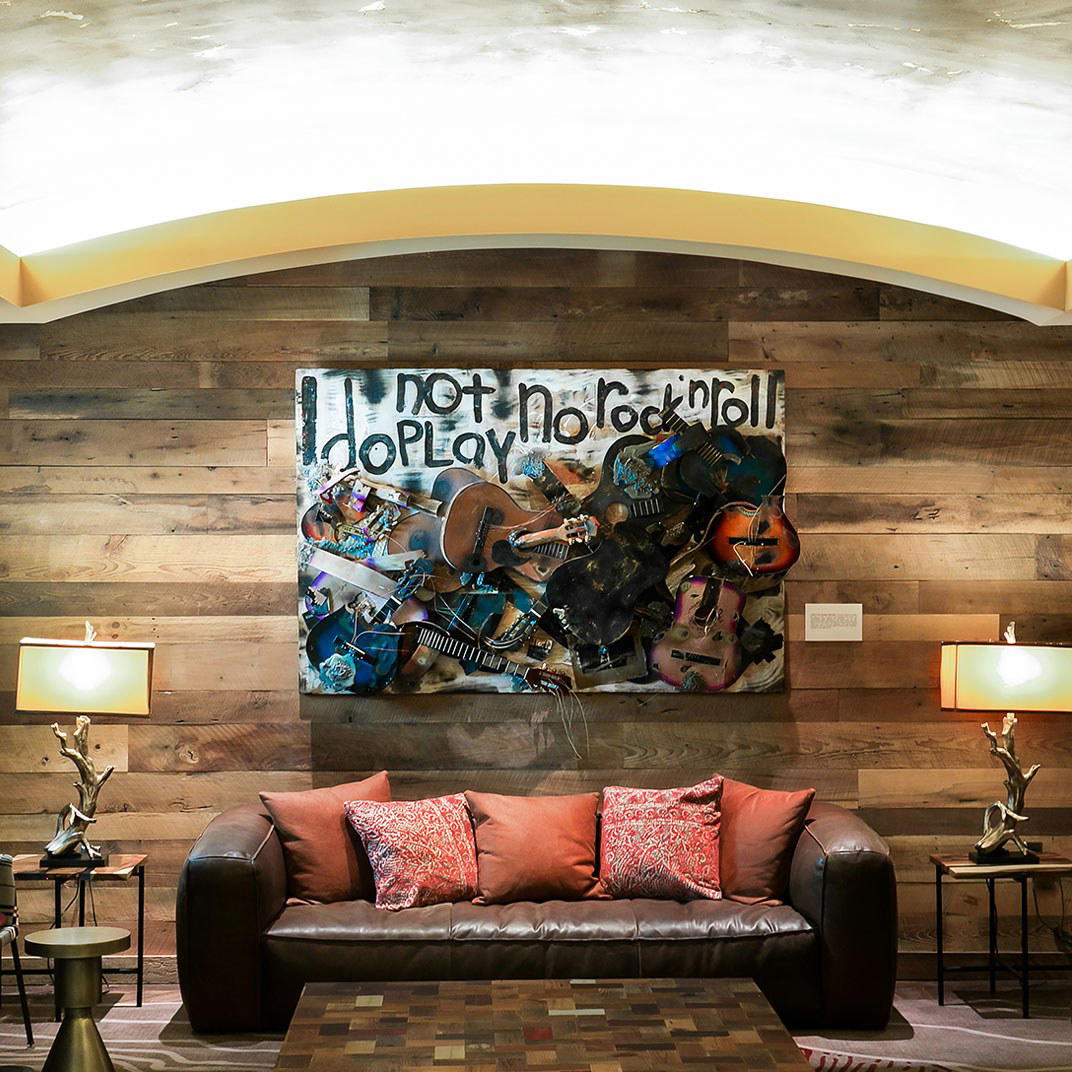
Energetic and lively with live music across genres in a 'funky tonk' atmosphere, spanning from casual first-floor entertainment to scenic rooftop views.