Commons Club
Our verdict
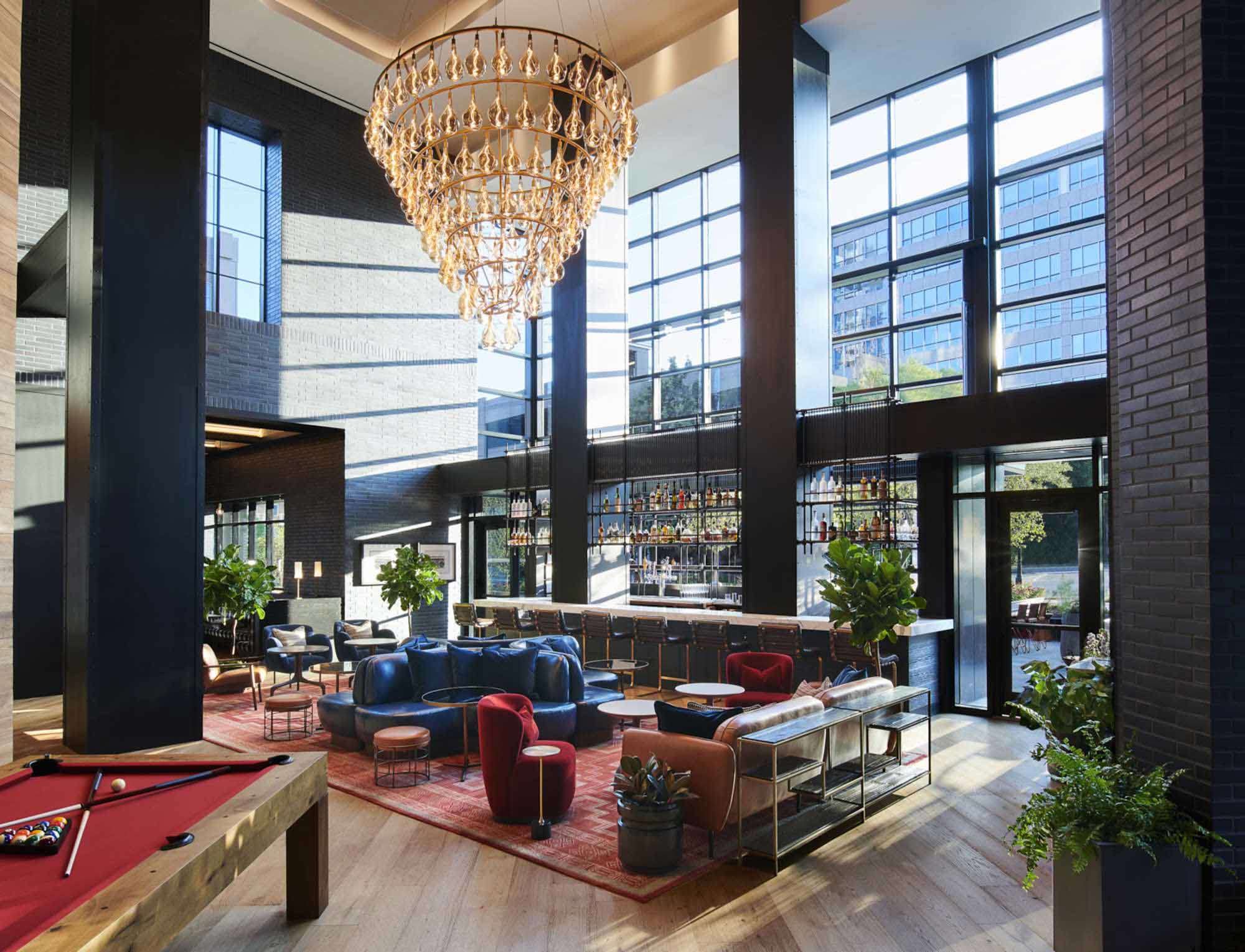
Commons Club occupies a storied address at 1 Music Square West, placing it at the intersection of Nashville's creative and hospitality scenes. The venue draws a crowd that moves between Music Row's professional world and the city's expanding restaurant culture, making it a reference point for how Nashville's social dining has matured beyond its honky-tonk reputation.

Pearl is the En Primeur Club membership app — saves, bookings, and concierge access live there. Same editors, same standards.
- Address
- 1 Music Square W, Nashville, TN 37203
- Phone
- (615) 808-8888
- Hours
- Mon–Thu 7 AM–10 PMFri–Sat 7 AM–11 PMSun 7 AM–10 PM
- Website
- virginhotels.com
- Directions
- Get directions
- Booking
- Book on OpenTable
The menu
What to order
- Commons Club Burger
- Nashville Hot Chicken & Waffles
- Truffle Fries
Where Music Row Meets the Table
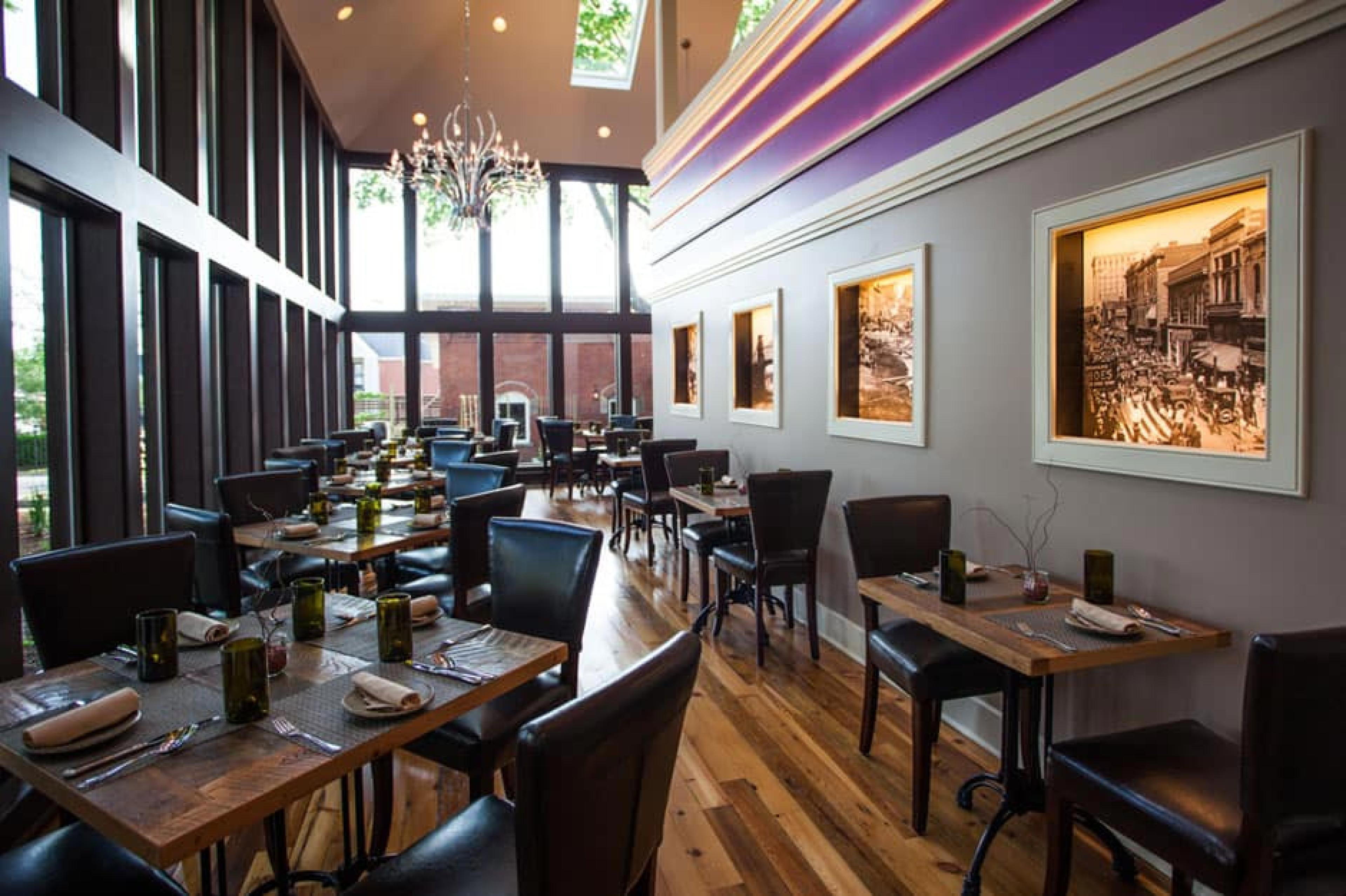
Music Square West has never been a conventional dining address. For decades, the streets flanking Nashville's historic recording corridor were defined by studios, publishing houses, and the transactional energy of the music industry rather than by any culinary identity. Commons Club arrived into that context as something of a counterpoint: a venue whose name signals a deliberate social architecture, the idea of a shared space where the rituals of eating and drinking carry as much weight as the food itself.
That framing matters in Nashville, a city whose restaurant culture has shifted dramatically over the past decade. The downtown honky-tonk corridor still dominates visitor itineraries, but a parallel scene has taken root across neighborhoods like 12 South, The Gulch, and now deeper into the Music Row corridor. Venues in this second tier tend to operate with more intention around atmosphere and pacing, drawing regulars who treat the meal as an event rather than a refueling stop. Commons Club fits that pattern.
The Ritual of the Room
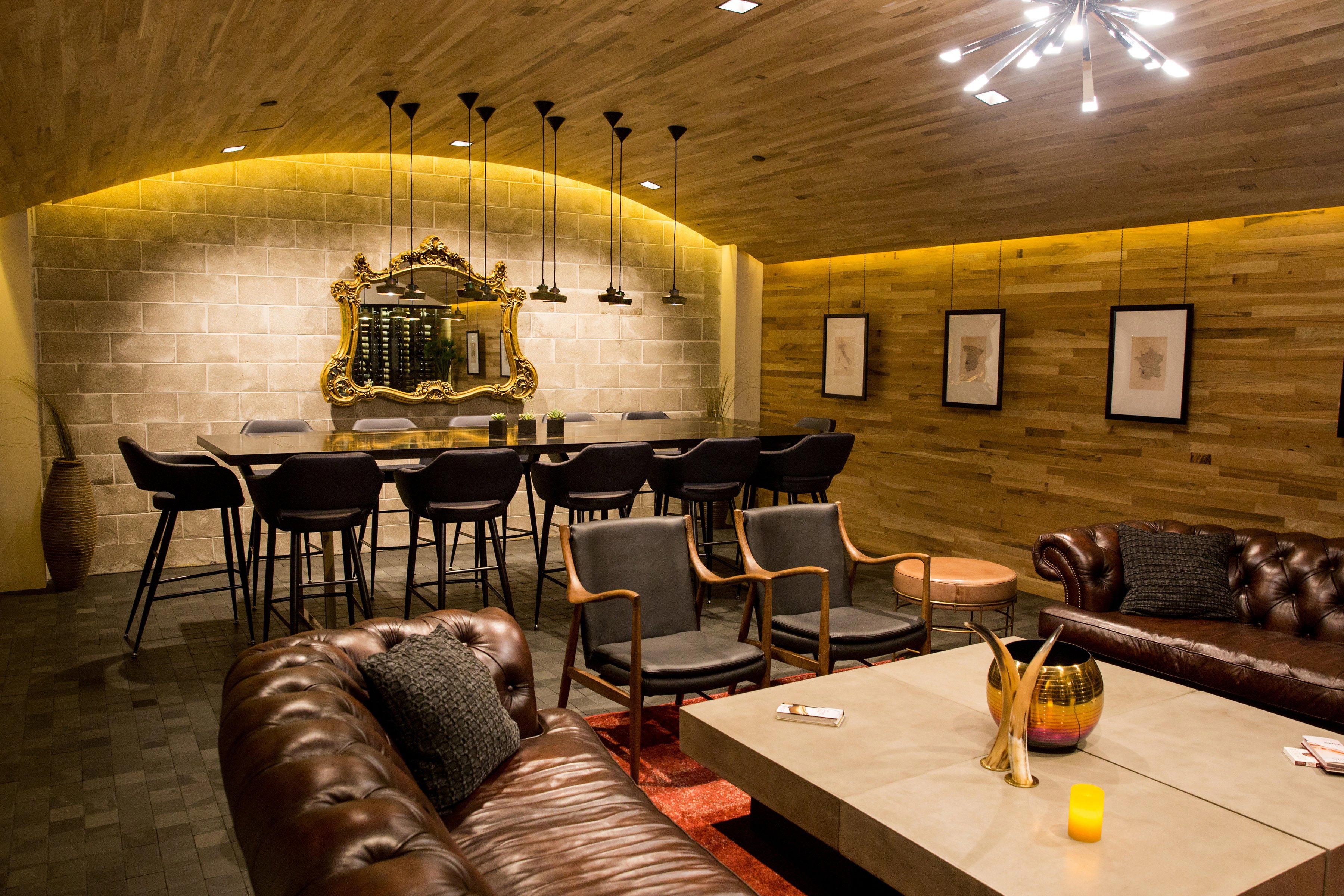
In American dining, the concept of the "club" carries specific weight. It implies a degree of membership in the social sense, even where no formal membership exists. The dining ritual at venues bearing that name tends to emphasize lingering over efficiency, cocktails before food, and a room designed for conversation rather than turnover. Commons Club at 1 Music Square West operates within that tradition, positioned as a space where the sequence of the evening matters as much as any single course.
This approach places it in a recognizable category of American hotel-adjacent dining rooms that have done serious work to establish independent reputations. Across the country, venues like Lazy Bear in San Francisco and Smyth in Chicago have demonstrated that a structured, ritual-conscious approach to pacing can define a room as much as the food on the plate. The formats differ considerably, but the underlying principle holds: when a venue commits to the architecture of the meal, from arrival through to the final drink, the experience becomes the product.
In Nashville's current scene, that commitment is not universal. Many of the city's higher-profile openings prioritize energy and volume, calibrated to a visitor base that arrives looking for a certain kind of Southern hospitality spectacle. Commons Club reads as a deliberate alternative to that register, quieter in its ambitions but no less focused.
Nashville's Dining Evolution and Where Commons Club Fits
Understanding Commons Club requires some sense of how Nashville's restaurant scene has stratified. At the formal end, venues like Bastion ($$$$ · Contemporary) and The Catbird Seat (American Southern) have established that the city can sustain serious tasting-menu formats with national credibility. Progressive operations like Locust have pushed the envelope further, while Peninsula (Southern American) holds its own in the city's more ingredient-forward tradition. Further down the register, neighborhood anchors like 12 South Taproom and Grill serve the daily-use end of the market.
Commons Club occupies middle ground in that hierarchy, not competing with the city's formal tasting-menu rooms, but operating above the casual neighborhood tier. Its Music Row address gives it a distinct catchment: industry professionals, hotel guests, and a creative-class crowd that moves comfortably between both worlds. That audience tends to be self-selecting around certain dining behaviors, arriving with expectations around drinks, ambiance, and the cadence of service rather than purely around the menu.
Nationally, the precedents for this kind of positioning are well-established. Hotel-anchored clubs that function as serious dining destinations in their own right have a clear lineage, from the dining rooms attached to properties like The Inn at Little Washington to urban formats that borrow the vocabulary of membership and community to organize the guest experience. Atomix in New York City and Addison in San Diego represent different expressions of the same underlying logic: that the container shapes the content, and that a room with a clear sense of its own ritual becomes easier for guests to inhabit fully.
The Broader Context: American Club Dining
The "commons" model in American hospitality has roots in both the collegiate tradition and the urban private club, two formats that converged in the boutique hotel era to produce something more accessible without entirely abandoning the sense of occasion. Venues like Le Bernardin in New York City and Blue Hill at Stone Barns in Tarrytown have shown, at the formal extreme, how a room's personality can carry as much cultural weight as its kitchen. At the more approachable end, formats like Commons Club translate some of that intentionality into a lower-commitment register, where guests can engage with the ritual of the meal without the price point or advance planning of a multi-course tasting format.
Other American cities have produced similar experiments. Emeril's in New Orleans built its identity around a particular vision of Southern hospitality as theater. Single Thread Farm in Healdsburg and Providence in Los Angeles have each demonstrated that a clearly articulated dining philosophy, communicated through the pacing and structure of the meal rather than through marketing language, is the most durable form of restaurant identity. Even internationally, venues like Atelier Moessmer Norbert Niederkofler in Brunico and The French Laundry in Napa illustrate how the ritual frame, the way a kitchen organizes the arc of the evening, can outlast trends in ingredient sourcing or technique.
Commons Club sits several tiers below those reference points in formality and price, but the underlying orientation toward dining as a structured social act rather than a transactional one puts it in the same conversation at the level of intent. For visitors to Nashville building an itinerary across the city's current scene, it reads as a useful point of contrast to the high-energy options that dominate the tourist corridor.
For a broader view of where Commons Club fits within Nashville's restaurant ecosystem, see our full Nashville restaurants guide.
Know Before You Go
- Address: 1 Music Square West, Nashville, TN 37203
- Neighborhood: Music Row / The Gulch corridor
- Dress code: Smart casual is the standard for this type of venue; no confirmed policy on file
- Pricing: Mid-to-upper range for Nashville; confirm current menu pricing on arrival or via the venue
Frequently asked questions
Where is Commons Club in Nashville?
Commons Club is located at 1 Music Square W, Nashville, TN 37203, Nashville.
Is Commons Club in Nashville affiliated with the Virgin Hotels Commons Club brand?
Commons Club at 1 Music Square West in Nashville operates within the broader Commons Club concept, which appears across several Virgin Hotels properties in the United States. The Nashville address places it within the city's Music Row corridor, giving this particular outpost a distinct identity tied to the recording industry neighbourhood rather than a downtown hotel district. Confirm brand affiliation and programming details with the venue directly.
What's the must-try dish at Commons Club?
Commons Club sits at 1 Music Square West in Nashville, but the kitchen's specific menu details aren't documented in available editorial records. The format leans toward a shared social table experience, so the approach to ordering tends to be communal rather than anchored to a single signature plate. Check the venue directly for current menu composition.
Do I need a reservation for Commons Club?
Commons Club is located on Music Square West in Nashville's historically dense recording corridor, which means foot traffic patterns differ from the downtown core. Given the club-format model the space operates within, booking ahead is a reasonable precaution, particularly on weekend evenings when Nashville's dining rooms fill early. Contact the venue to confirm current reservation policy.
What's the defining dish or idea at Commons Club?
The defining idea at Commons Club is the application of the American social club format to Nashville's Music Row address, a neighbourhood built on creative industry rather than conventional hospitality. That positioning shapes the room's character as much as any single plate does. The result is a dining environment where the social architecture is part of the proposition.
Is Commons Club good value for money?
Within Nashville's stratified dining scene, venues on Music Row tend to sit in the mid-to-upper range, though Commons Club's club-format positioning may mean pricing reflects the full social experience rather than food alone. Verify current pricing directly with the venue.
Awards and Standing
A quick peer check to anchor this venue’s price and recognition.
| Venue | Cuisine | Price | Awards | Notes |
|---|---|---|---|---|
| Commons ClubThis venue — the venue you are viewing | Modern American with Southern Influences | $50–100 | Not listed | Not listed |
| Locust | Modern Fusion with Japanese and Irish Influences | $100–150 | 1 Michelin Star · World's 50 Best #20 | Progressive |
| Arnold’s Country Kitchen | Southern Meat-and-Three | $10–20 | Michelin Plate · James Beard Award America's Classics | Southern |
| FOLK | Contemporary Italian with Neapolitan Pizza | $50–100 | Michelin Plate | Italian |
| Yolan | Refined Italian Fine Dining | $50–100 | Star Wine List · Forbes 4-Star | New American |
| Biscuit Love Gulch | Southern Breakfast & Brunch | $20–30 | Not listed | Biscuits |