
Tabelog 100 #88
Our verdict
The appeal is less about curry-house familiarity than about how Indian technique, Japanese sourcing expectations, and a compact room change the pace of the meal.

Pearl is the En Primeur Club membership app, where members save venues, book tables and use the concierge.
The menu
What to order
- Chicken Rendang Curry with Rice
- Prawn & Fish Tom Yum with Rice
- Prawn Biryani with Bagara Baingan
- Fish Moilee with Basmati Rice
- Mutton Bhuna Gosht with Basmati Rice
- Mughlai Chicken with Basmati Rice
- Singapore Style Chicken Rice
- Yoghurt Chicken Curry
The fish emphasis is the key clue. In Japan, serious sourcing often starts with seafood, even when the cuisine is not Japanese. A modern Indian kitchen particular about fish must solve a different problem from one built around grilled meat or sauce-heavy stews: spice cannot flatten the ingredient, acidity must be timed, and the sequence needs restraint. The prefecture has deep coastal food culture and easy access to Tokyo Bay and Pacific-side supply chains; an Indian-technique restaurant can use that expectation of freshness as discipline rather than decorative local reference. At one end are casual specialists such as Curry Restaurant Shiba, where comfort and repetition are the point. Bengal Tiger sits between them: more structured than a neighborhood curry stop, less ceremonially expensive than the city’s highest-ticket rooms, and more ingredient-led than many pan-Asian fusion menus.
A five-seat scale changes the meal's pressure
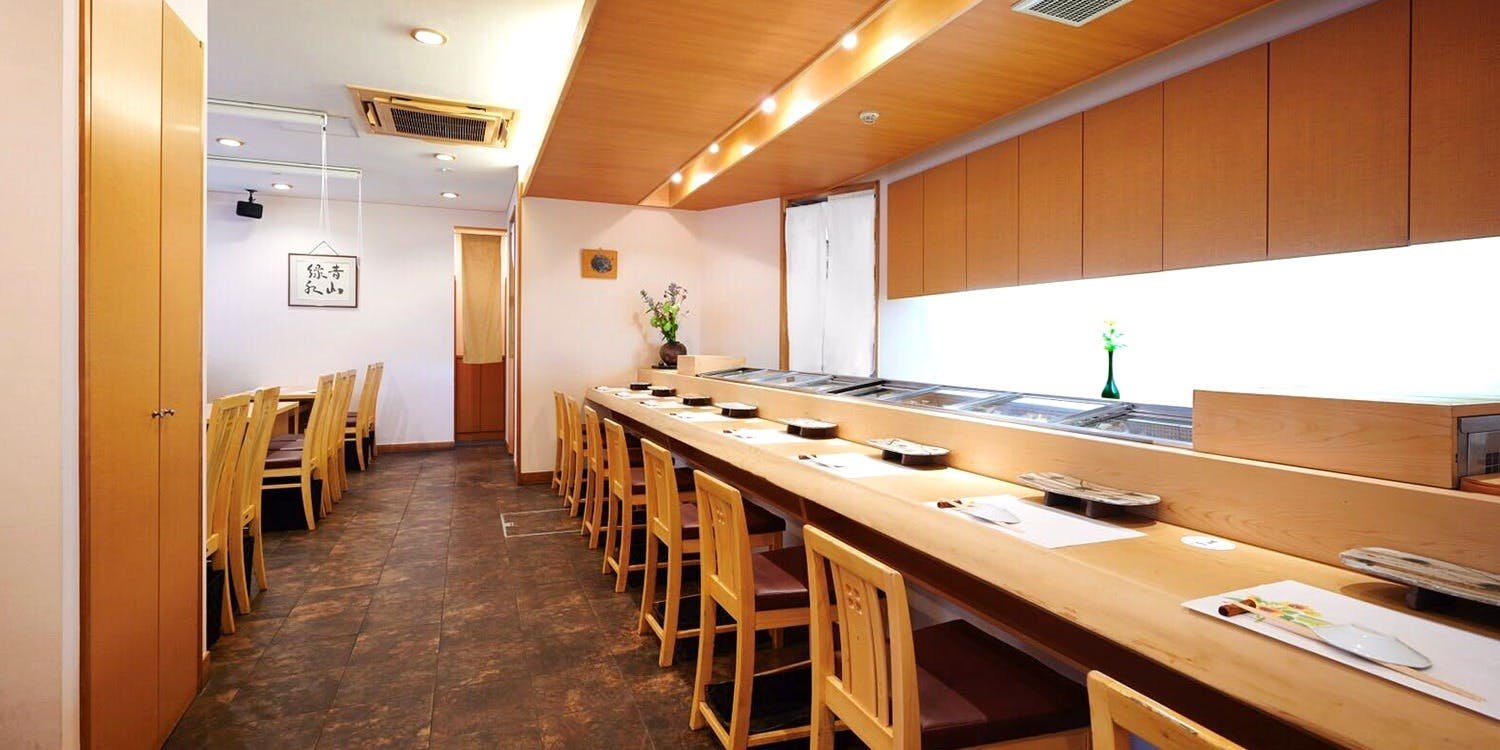
Small rooms are not automatically serious, but five seats change the economics and mood. They reduce room for menu sprawl and make pacing visible, with fewer distractions to soften gaps in rhythm. In a city where many strong meals are single-specialty places, that compactness can favor the diner: fewer seats, narrower choices, and a clearer sense of what the kitchen is proving.
The recognition history shows how the restaurant has been read over time. Before its 2025 Innovative / Creative Cuisine 100 selection, it appeared in Tabelog’s Asian / Ethnic Cuisine EAST 100 in 2022 and Curry EAST 100 in 2020. That progression tracks a category shift: from curry, to Asian and ethnic cooking, to creative cuisine. The food did not abandon its Indian identity to be assessed in a broader creative frame; the category around it expanded. Prossimo, in a more approachable Italian price tier, Bengal Tiger asks a different question: how much structure can a small Indian restaurant carry before it stops feeling like casual ethnic dining and reads as a course-led specialist?
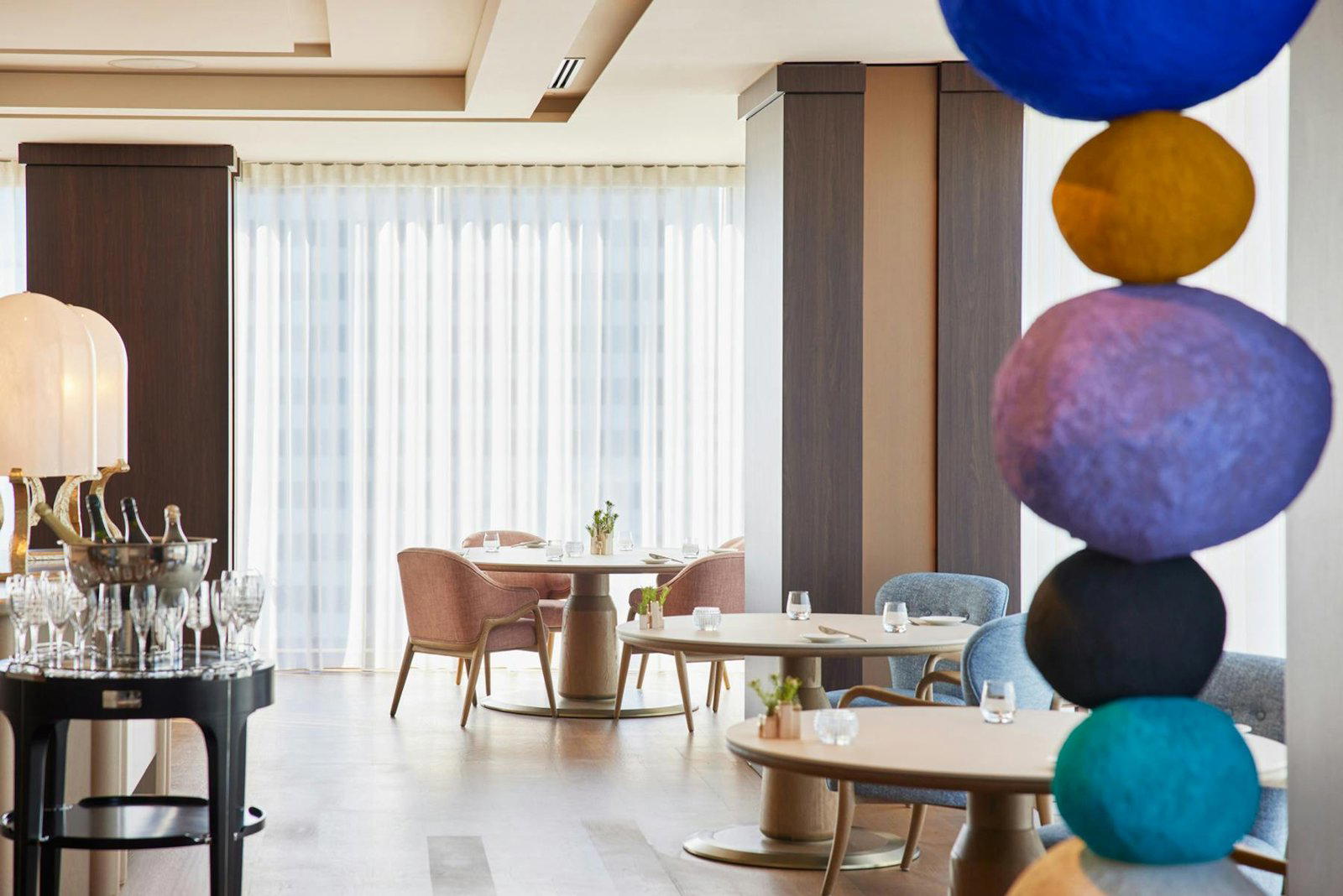
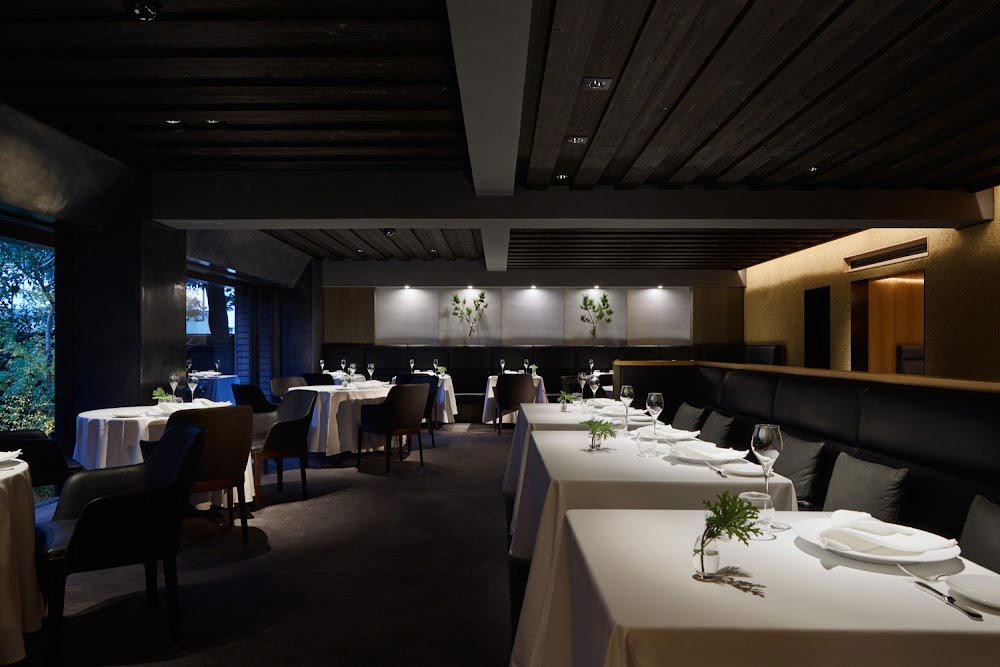
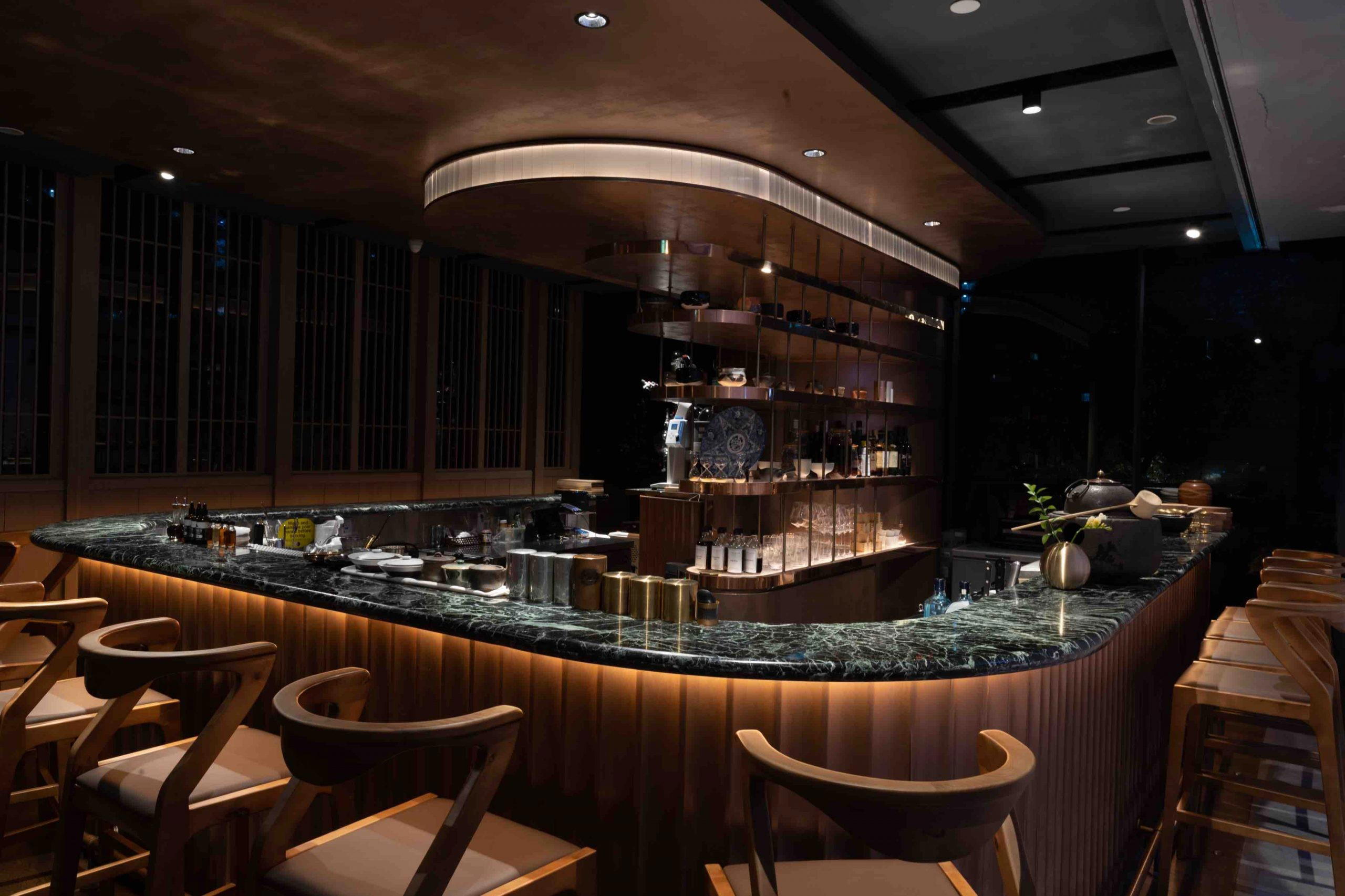
The room supports that reading. Counter seating and wheelchair accessibility point to a compact, controlled environment rather than a banquet-style Indian restaurant. Wine and cocktails are part of the offer, separating it from the default beer-and-lassi model. None of this makes the restaurant formal in the old sense; it makes it focused.
Build the trip around contrast.enprimeurclub.enprimeurclub.com/restaurants/boushu-en-12009950">Boushu En, Chinese Komugiko Ryori Senmonten Keisen, and Cinq au Pied show how varied the city’s specialist map has become.
Japan’s wider specialist dining map adds context. Ingredient-led meals in smaller cities often reward precision over spectacle, whether the reference point is -Grilled beef Sukiyaki- KAMAKURA TANUKIAN 鎌倉 たぬき庵 in Kamakura. 鮪と炭火焼き うお炭 秋葉原店 in Tokyo.cafe in Osaka.know in Kumamoto, (Shoku) Vietnam in Kawasaki, or [Curry Senmon Ten] Maruyama Kyoju. in Sapporo. Abroad, the same compact-specialist logic appears differently at Jōdo Saké Bar in Los Angeles and Onigiri Time in Pasadena.
The editorial case is clear: Bengal Tiger is for diners who want Indian cooking treated as a serious course format, not a fallback meal near the station. Its strongest signal is the combination of tiny seat count, seafood attention, creative-cuisine recognition, and a price band within reach of an intentional dinner rather than a grand occasion.
Frequently asked questions
Can I bring kids to Bengal Tiger?
Bengal Tiger is built around five seats and a reservation-only course format in Chiba, so it suits diners who can handle a quiet, tightly paced meal. The setup is more practical for older children than for larger family groups.
How would you describe the vibe at Bengal Tiger?
The room is small, with just five seats, and the address on Matsunami puts it in a low-key part of Chiba rather than a formal dining district. Its reservation-only model and counter-style setup give it a focused, intimate feel.
Is Bengal Tiger expensive?
Pricing at Bengal Tiger is listed as JPY 8,000 - JPY 9,999 JPY 8,000 - JPY 9,999.
What's the address for Bengal Tiger?
Bengal Tiger is located in Chiba.
Do they take walk-ins at Bengal Tiger?
No, Bengal Tiger is listed as reservation-only. Its five-seat format in Chiba makes advance booking the sensible approach.
What is Bengal Tiger known for?
Bengal Tiger was selected for Tabelog 100 in Innovative / Creative cuisine for 2025. It is known for reservation-only modern Indian course cooking in Chiba, with a fish-focused approach noted in the public record. Check the venue's official channels for the latest details.
How It Stacks Up
Nearby venues at a similar price tier for orientation.
| Venue | Cuisine | Price | Awards | Notes |
|---|---|---|---|---|
| Bengal TigerThis venue (the venue you are viewing) | Modern Indian Fine Dining Course | $20–30 | Tabelog 100 #88 | Not listed |
| Hiroshima Ya | Hiroshima-style Okonomiyaki | $20–30 | Tabelog 100 #23 | Minami Nagareyama |
| EST! Prossimo | Italian Trattoria & Osteria Bar | Not listed | Tabelog 100 #63 | Chuo Ward |
| Gin Sushi | Edo-mae Sushi | Not listed | Not listed | Omoridai |
| Curry Restaurant Shiba | Japanese Light India curry house | $20–30 | Tabelog 100 #98 | Inage |
| Boushu En | Yakiniku (Japanese BBQ) & Horumon | $50–100 | Tabelog 100 #19 | Chuo Ward |
Recognition history
Dated appearances from independent guides and award organizations, with the underlying list record or original source where available.
Tabelog 100 #88 · No. 88
Tabelog · Tabelog 100 - Innovative / Creative cuisine - 2025
Continue exploring
More in Chiba
Restaurants in Chiba
All restaurants in Chiba →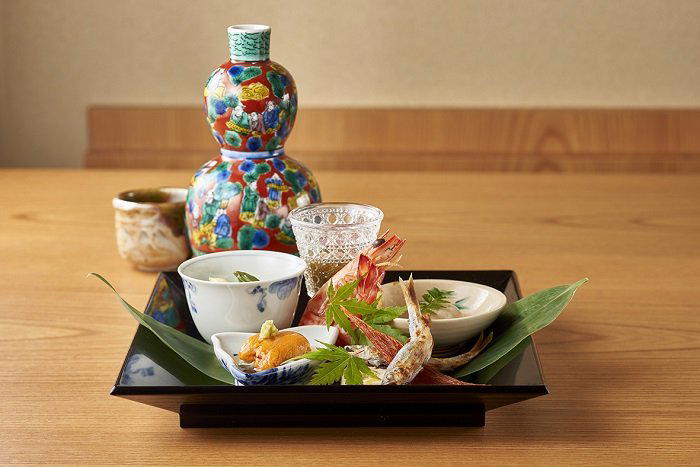








Details
- Modern
- Cozy
- Intimate
- Date Night
- Special Occasion
- Business Dinner
- Standalone
- Private Dining
- Tasting Menu
- Set Menu
- Non Alcoholic
- Lassi
- Halal
- Vegetarian Friendly
Calm, softly lit fine-dining-style space designed for unhurried course meals, combining modern presentation with a relaxed, cozy neighborhood atmosphere.