On Rue d'Anjou in the 8th arrondissement, o Bistrot de Tom occupies a quieter register than the grand brasseries and starred rooms that define the neighbourhood's reputation. The address positions it within a dense tier of Paris bistros where the meal's sequencing — how courses build, pause, and resolve — matters as much as any individual plate. For readers already mapping the 8th's dining options, this is a considered alternative worth knowing.
Pearl is the En Primeur Club membership app — saves, bookings, and concierge access live there. Same editors, same standards.
- Address
- 59 Rue d'Anjou, 75008 Paris, France
- Phone
- +33974640922
- Website
- privateaser.com
- Directions
- Get directions
 Saves & bookings on Pearl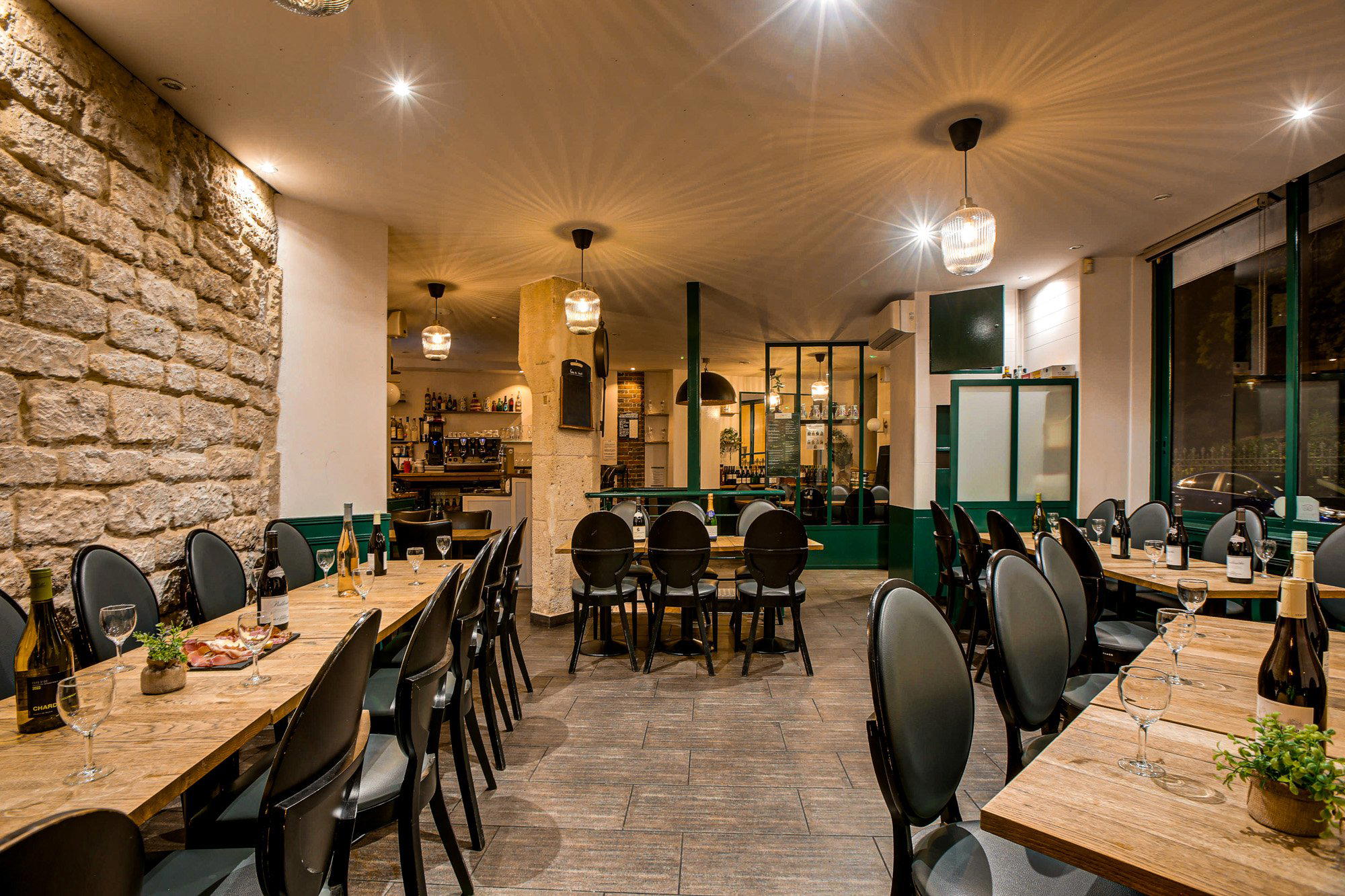
The 8th Arrondissement's Bistro Register
Paris's 8th arrondissement is primarily known for its formal dining rooms: Le Cinq at the Four Seasons Hôtel George V and Alléno Paris au Pavillon Ledoyen set the ceiling of the arrondissement's ambition, and both operate at the €€€€ tier where the meal is as much an event as a dinner. But the 8th has always had a secondary layer — smaller rooms, shorter menus, fewer ceremony — that absorb the neighbourhood's daily traffic rather than its special-occasion spend. o Bistrot de Tom at 59 Rue d'Anjou sits in that secondary register, a street-level bistro address in a quarter where even mid-tier dining carries the weight of serious foot traffic and tourist proximity without fully surrendering to it.
Rue d'Anjou runs between the Boulevard Haussmann axis and the quieter residential blocks that slope toward the Madeleine. The address is practical rather than picturesque: close enough to major transit lines and department stores to draw a lunch crowd, far enough from the Champs-Élysées to avoid the most transient dining patterns. That positioning shapes the likely character of the room, a neighbourhood bistro that earns its repeat customers from the surrounding offices and apartments rather than from destination dining alone.
How a Bistro Meal Builds in Paris
The French bistro format is defined by a structural logic that high-end tasting menus at places like Arpège or L'Ambroisie share but express differently. In both cases, the progression from starter to main to cheese or dessert is not arbitrary, it reflects a sequencing philosophy about how appetite works, how flavour accumulates, and when richness needs relief. At the starred level, this progression is managed with deliberate precision, sometimes over a dozen courses. At the bistro level, the same logic applies across three or four courses, with less ceremony but no less intention in how the kitchen moves a diner through a meal.
Paris bistros in the mid-tier operate with a tight relationship between what's seasonal, what's local to the market that morning, and what the kitchen can execute cleanly at volume. The best of them open with something acid or fresh, a salad with lardons, a terrine with cornichons, to prime the palate before the protein course arrives. Mains tend toward braise or pan-roast, dishes that can hold for the duration of a busy service without losing integrity. Cheese, when offered, functions as a pause before dessert rather than a mere afterthought. This three-act rhythm is what separates a coherent bistro meal from a sequence of unrelated plates.
For context on how France's broader restaurant culture has handled this progression at different scales, Troisgros in Ouches and Auberge de l'Ill in Illhaeusern represent the regional French dining tradition at its most sustained, multi-generational houses where the meal's arc has been refined over decades. The bistro format in Paris is a compression of that same tradition into a more democratic, more urban frame.
Placing o Bistrot de Tom in the Paris Bistro Tier
The Paris bistro category is not monolithic. It spans everything from neo-bistro addresses with natural wine programs and open kitchens, the format that dominated critical attention in the 2010s, to traditional rooms that have changed little since the 1980s. Kei represents one kind of creative departure from the classic French sequence, blending Japanese technique into the French course structure. o Bistrot de Tom's data record does not specify cuisine type, style, or any awards, which positions it in the broad middle of the bistro category: a local address rather than a destination, operating without the validation of a Michelin distinction or a named chef profile in the public record.
That absence of formal credentials is not unusual for this tier. Many of Paris's most consistent neighbourhood bistros operate below the radar of international guides, earning their clientele through reliability, reasonable pricing, and the quality of the daily market menu rather than through critical attention. The arrondissement comparison matters here: the 8th's starred rooms, including Le Cinq, compete at a global level, which means the bistros in the same neighbourhood often operate in a completely separate conversation, serving a different customer and a different occasion. For international context on how a high-end French kitchen articulates the same French culinary tradition in another city, Le Bernardin in New York City shows the export of French technique at its most precise.
Across France's regions, the same question of how to sequence a meal without excess applies differently depending on the kitchen's ambitions. Bras in Laguiole, Flocons de Sel in Megève, and AM par Alexandre Mazzia in Marseille each interpret the French meal's arc through a regional lens. In Paris, the bistro format strips that regional specificity down to its most transportable elements: bread, a set menu or short carte, and the assumption that service will move at a speed suited to a working lunch or a dinner before a later commitment.
What to Know Before You Go
o Bistrot de Tom is at 59 Rue d'Anjou in the 8th arrondissement, within walking distance of the Madeleine and Saint-Augustin metro stations. Visitors should verify current status directly through local booking platforms or by visiting in person, as bistro operations in Paris can shift seasonally or without prior public notice.
For a broader map of where this address sits within Paris's dining scene, our full Paris restaurants guide covers the city's major dining tiers, from neighbourhood bistros through to the starred rooms that define France's culinary reputation internationally. Readers interested in the regional French tradition beyond Paris can also reference Assiette Champenoise in Reims, Au Crocodile in Strasbourg, Auberge du Vieux Puits in Fontjoncouse, Paul Bocuse in Collonges-au-Mont-d'Or, and Mirazur in Menton for context on how France's dining tradition plays out across its cities and countryside. For a comparison of how a different cultural framework structures the tasting progression, Atomix in New York City offers a useful counterpoint.
Quick reference: 59 Rue d'Anjou, 75008 Paris. Confirm hours, pricing, and reservation availability through current local sources before visiting.
How o Bistrot de Tom Paris compares with similar nearby venues.
| Venue | Cuisine | Price |
|---|---|---|
| Pierre Hermé | Patisserie | Not listed |
| Maison Dubois | Modern Cuisine | €€€€ |
Continue exploring
More in Paris
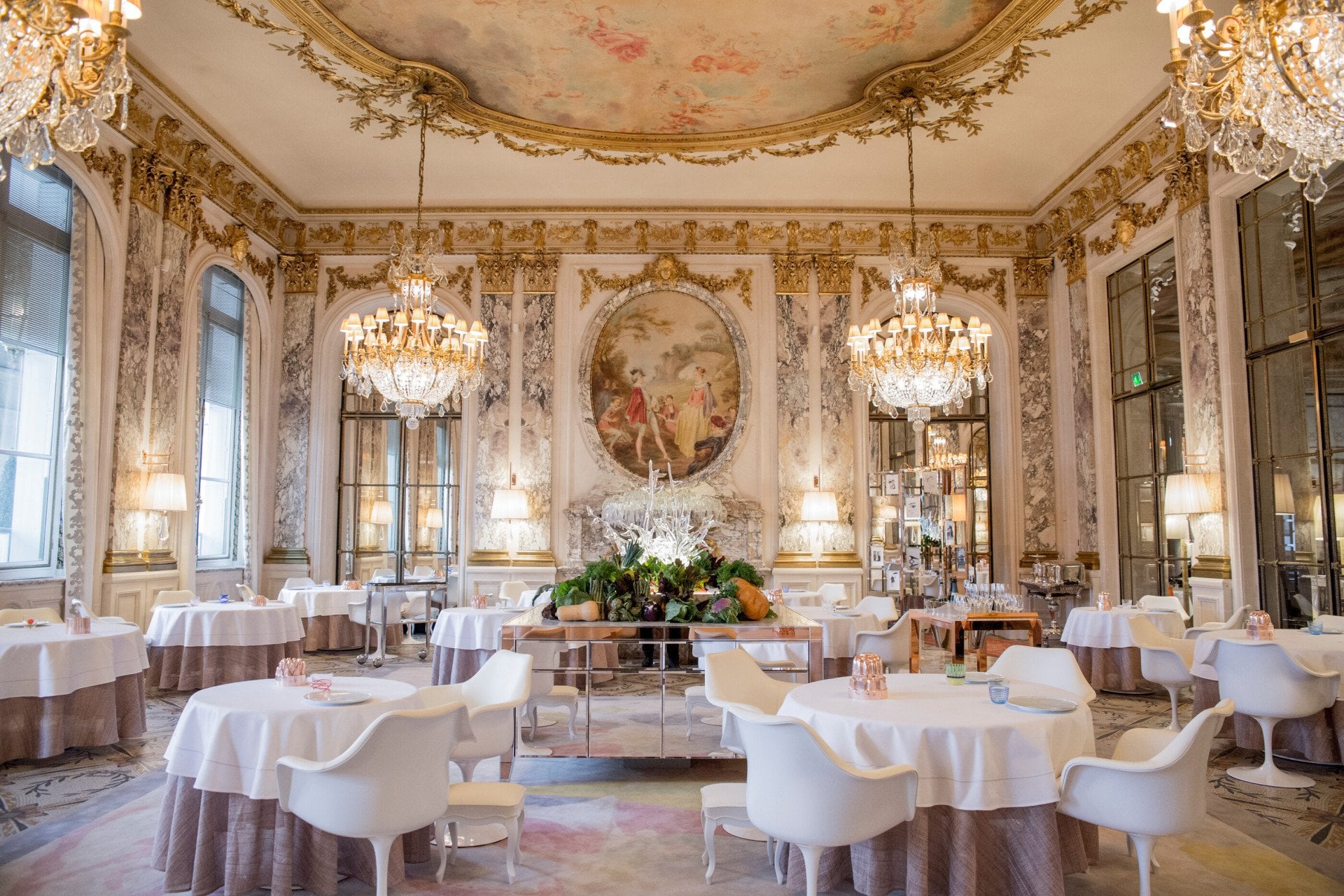
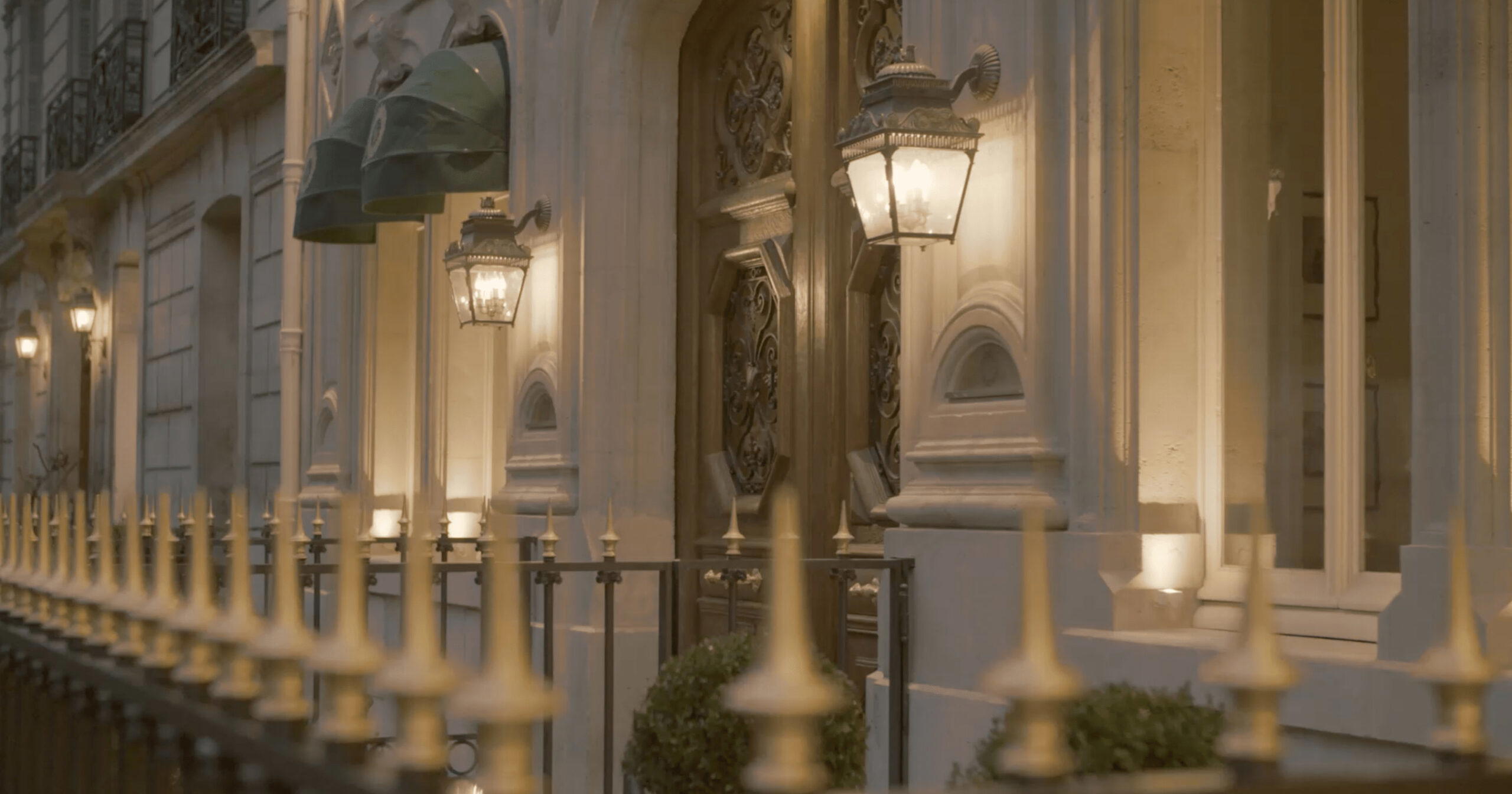
Restaurants in Paris
Browse all →
Bars in Paris
Browse all →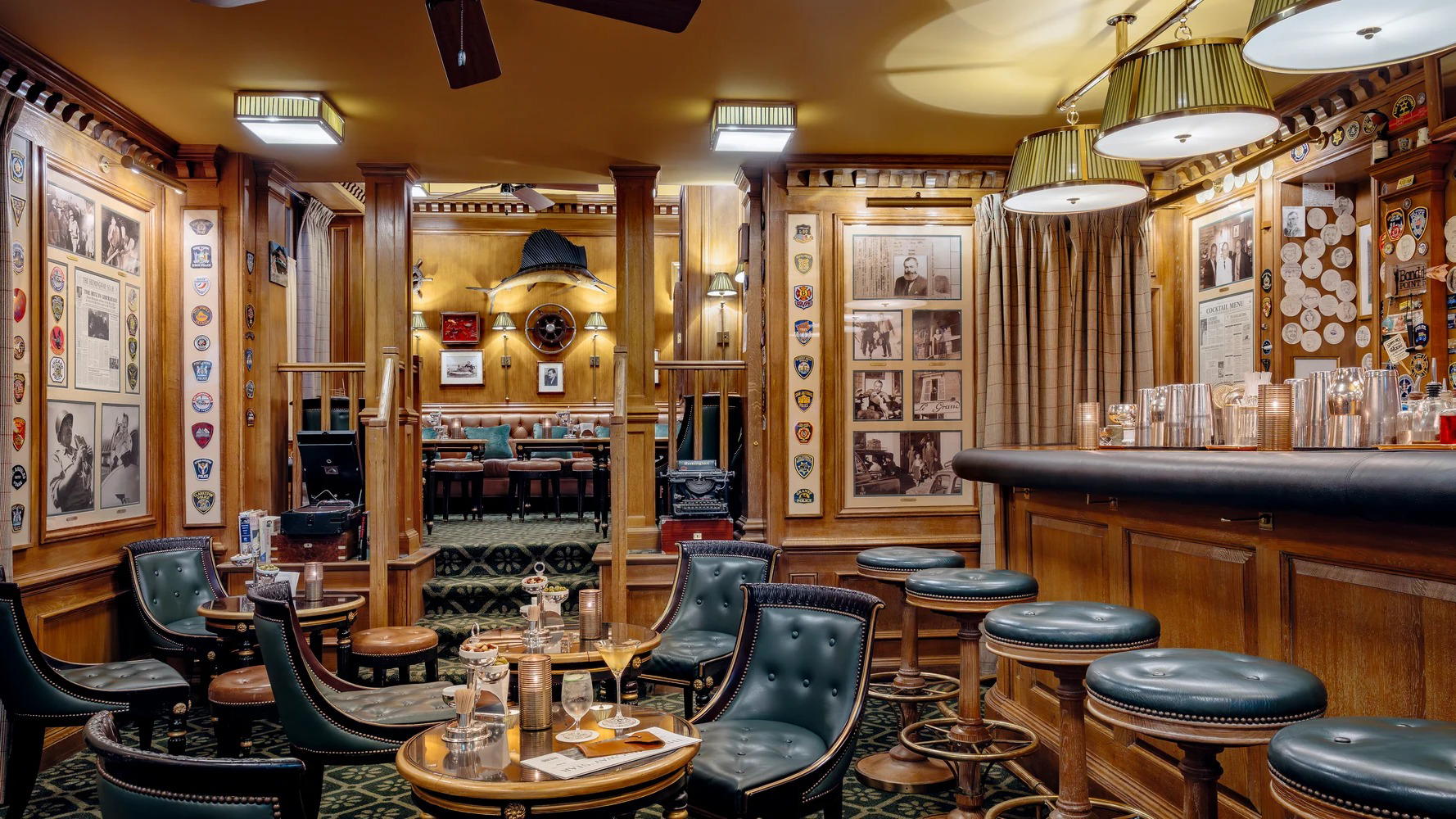
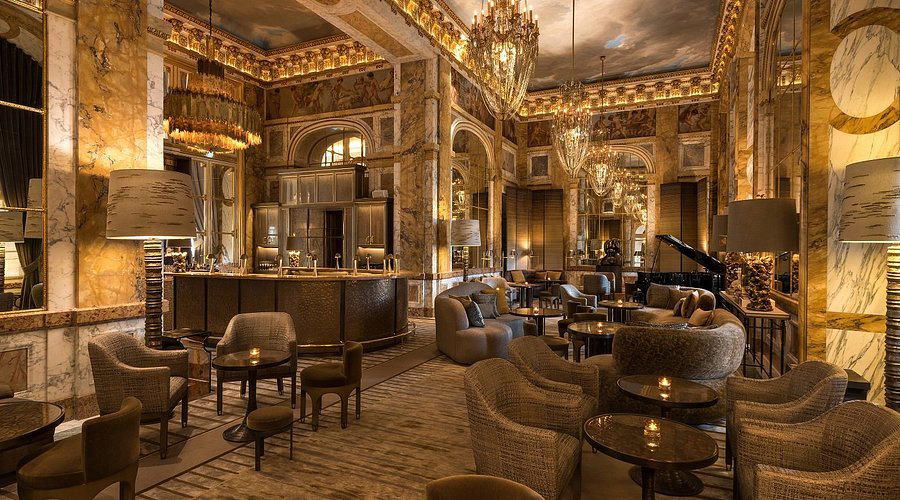
Hotels in Paris
Browse all →

At a Glance
- Cozy
- Lively
- Casual Hangout
- After Work
- Late Night
- Terrace
- Street Scene
Current opening hours
- Monday
- 10 AM–3 PM, 6 PM–1 AM
- Tuesday
- 10 AM–3 PM, 6 PM–1 AM
- Wednesday
- 10 AM–3 PM, 6 PM–1 AM
- Thursday
- 10 AM–3 PM, 6 PM–1 AM
- Friday
- 10 AM–3 PM, 6 PM–1 AM
- Saturday
- 6 PM–1 AM
- Sunday
- Closed
Hours can change for holidays and private events. Last verified .
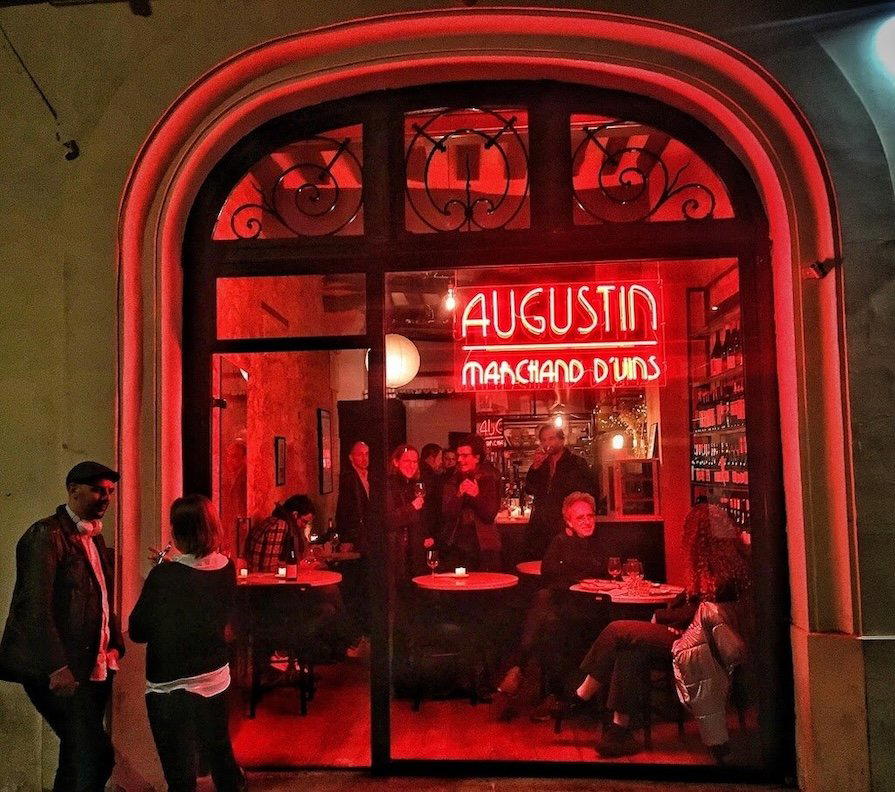
Warm and convivial atmosphere blending classic bistro charm with modern touches, lively when full.