
Michelin Plate
Our verdict
Numata Sou brings Tokyo tempura discipline to Shanghai's Bund Finance Centre, occupying a ground-floor space in the N1 Building. The restaurant draws from the famed Tokyo tradition, translating high-heat frying precision and seasonal ingredient selection to a city where Japanese technique now commands premium attention.

Pearl is the En Primeur Club membership app, where members save venues, book tables and use the concierge.
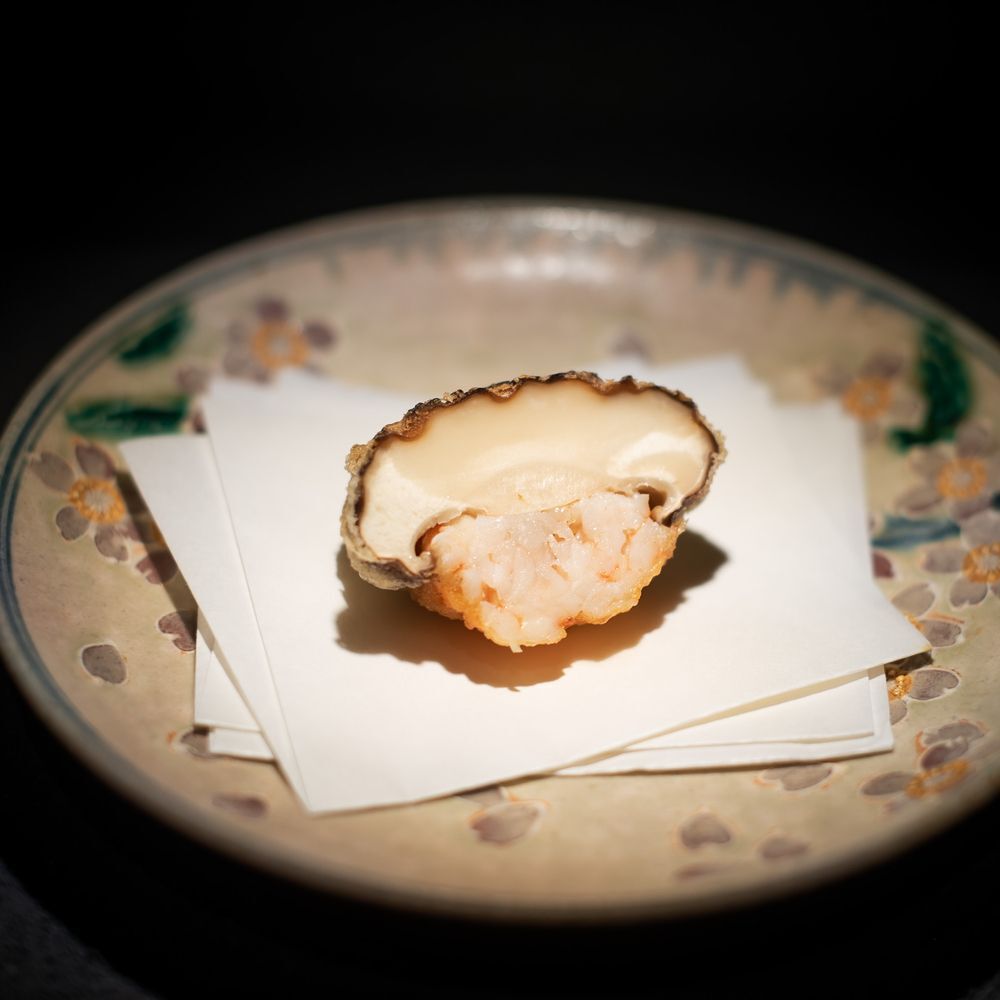
The menu
What to order
- Shark Fin Soup
- Tiger Prawn Tempura
- Mantis Shrimp Tempura
- Tuna with Wasabi and Scallion Oil
- Ten don
- Tempura chazuke
- Egg tempura with runny yolk on rice
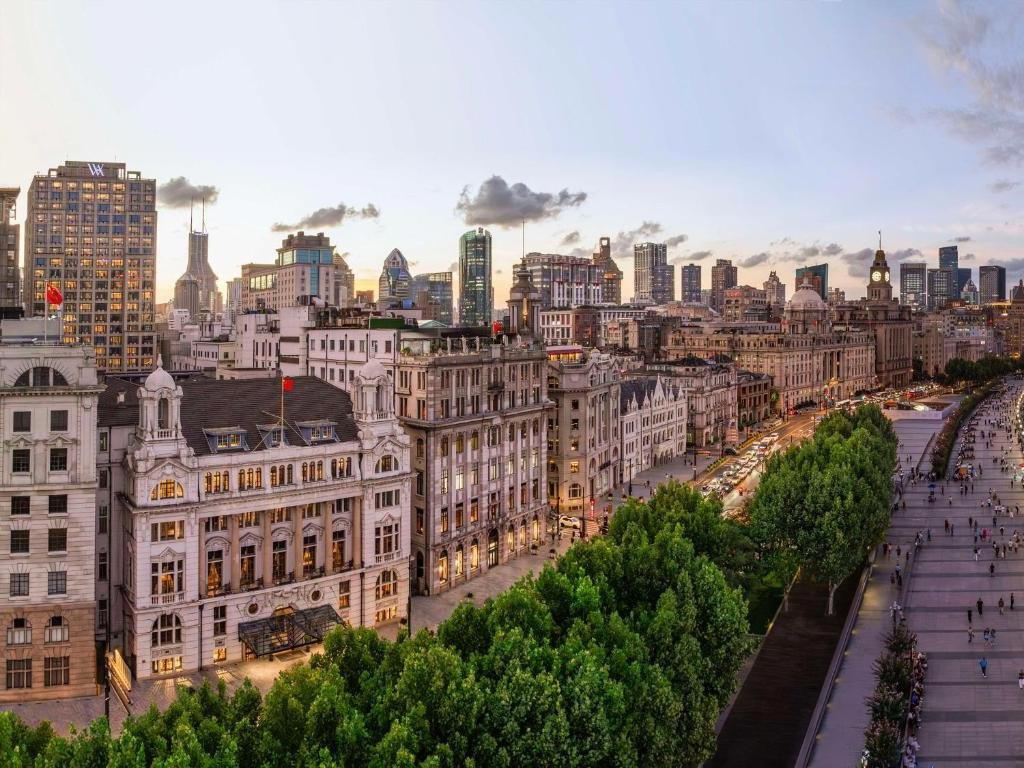
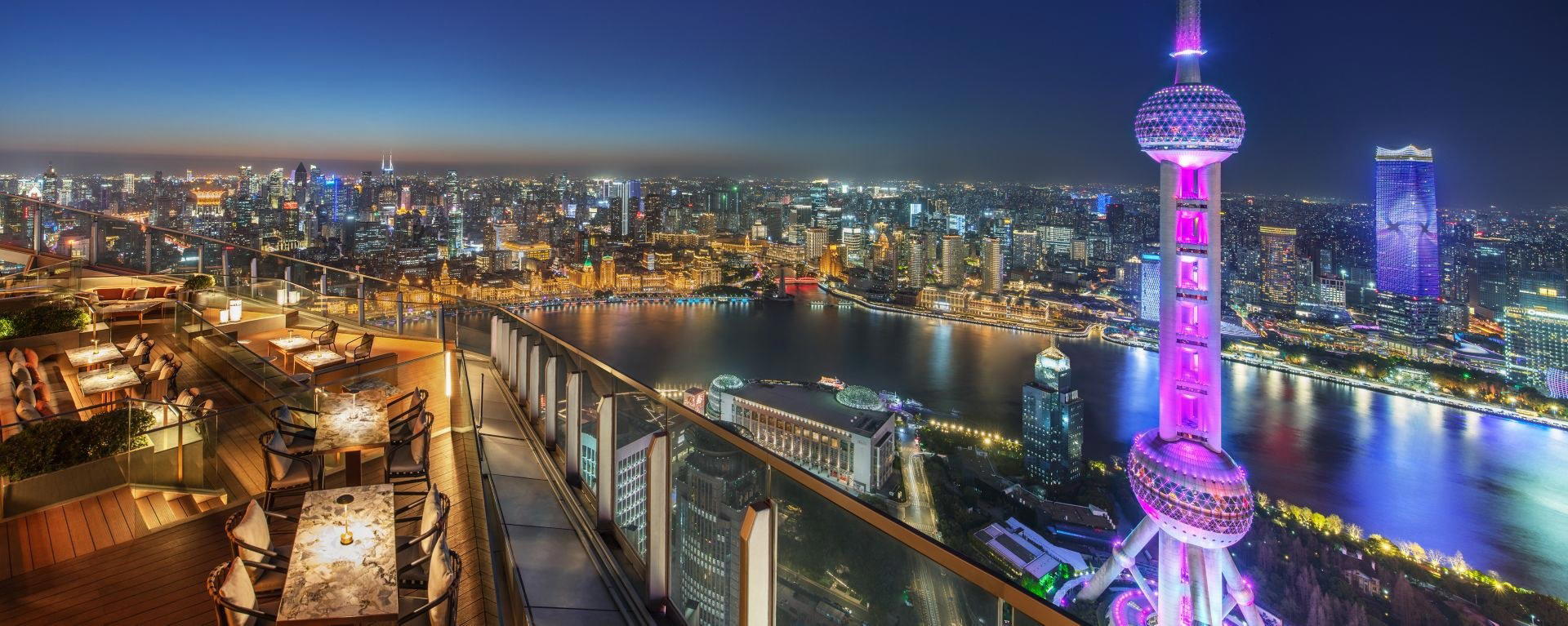
Walk into the Bund Finance Centre at 558 Zhongshan Dong Er Road and you enter a ground-floor dining room where the smell of hot oil and the sound of frying dominate. Numata Sou occupies the first floor of the N1 Building, a location that places it squarely in Huangpu's financial district, where lunch bookings tilt corporate and evening service draws a mix of local regulars and international visitors. The room is built around a visible tempura counter, and the format follows Tokyo omakase logic: minimal substitution, timed progression, ingredient-led sequencing.
Tempura Technique Transported from Tokyo
Shanghai's Japanese restaurant scene splits between accessible izakaya-style formats and high-investment omakase counters that compete on fish sourcing and chef lineage. Tempura, by contrast, occupies a smaller niche, fewer venues, higher technical barriers, and a narrower ingredient window. Numata Sou sits in that niche, drawing from a Tokyo institution known for restraint, batter precision, and seasonal seafood selection. The famed tempura institution established in Japan trained chefs who have since opened branches and sister concepts across Asia, and the Shanghai outpost imports that methodology: oil temperature calibration, single-dip batter application, and frying times measured in seconds rather than minutes.
The ingredient angle matters here more than in most tempura formats. Shanghai's proximity to coastal Zhejiang gives access to East China Sea catch, but the restaurant supplements with air-freighted Japanese produce when the seasonal calendar demands it. Expect kuruma ebi (tiger prawn), anago (sea eel), shiso leaf, and root vegetables that shift with the quarter. The kitchen fries each piece to order, and service timing is strict, plates arrive within thirty seconds of leaving the fryer, and diners are expected to eat immediately. That urgency is part of the format: tempura oxidizes fast, and texture degrades within minutes.
Ingredient Sourcing and Seasonal Rotation
Tempura relies on ingredient quality more than most fried formats because the batter is thin and the cooking time is short, there is little room to mask inferior fish or wilted greens. Numata Sou sources daily, and the menu rotates with what arrives that morning. Spring brings bamboo shoot and sillago; summer sees sweetfish and young ginger; autumn introduces matsutake mushroom and Pacific saury; winter shifts to crab and root vegetables. The kitchen does not publish a standing menu, and repeat visitors will see different lineups depending on the week.
The restaurant also imports specialty items when local supply cannot meet the technical standard. Japanese tiger prawns arrive live, packed in seawater, and are prepped within hours of landing. Anago is sourced from Tsushima or Nagasaki when available, and the kitchen ages it for a day to concentrate flavor before frying. Vegetables come from Jiangsu and Shandong farms that supply Shanghai's premium kaiseki and sushi counters, including 102 House Shanghai and 100 Century Avenue Cantonese. That shared supply chain means ingredient quality is comparable across Shanghai's top-tier Japanese venues, and differentiation comes down to technique and format discipline rather than exclusive sourcing.
Practical Considerations and Booking Context
Numata Sou operates as a walk-in and reservation hybrid, with counter seats typically pre-booked and table seating held for same-day arrivals. The counter offers the full progression and direct chef interaction; tables receive a shorter, less interactive service. Lunch runs quieter than dinner, and weekday lunch slots open with less advance notice. Dinner seatings on Friday and Saturday book out within a week, especially during crab and matsutake season.
The location is accessible by Metro Line 2 (Nanjing Dong Lu station, five-minute walk) or taxi from Pudong Airport in thirty minutes off-peak. The Bund Finance Centre is a mixed-use tower complex, and signage inside the building is bilingual. Arrive ten minutes early if you are unfamiliar with the layout, first-time visitors often circle the ground floor looking for the restaurant entrance.
Price sits in the mid-to-high range for Shanghai tempura, below 102 House Shanghai but above entry-level Japanese options in Jing'an. The omakase progression runs between twelve and fifteen courses depending on season and availability, and the final bill scales with sake pairing and supplement choices. Expect to spend more during matsutake season, when the mushroom commands a steep surcharge.
The dining room is formal without being rigid, collared shirts are common but not enforced, and the atmosphere tilts quieter than most Bund-area restaurants. Conversation volume is low, and the kitchen noise (oil crackling, metal tapping) provides most of the ambient sound. Groups larger than four are difficult to accommodate at the counter, and the restaurant discourages large parties during peak hours.
For a broader view of Shanghai's dining landscape, explore our full Shanghai restaurants guide, or extend your visit with insights from our Shanghai hotels guide, our Shanghai bars guide, and our Shanghai experiences guide. For comparison, 1949 - Duck de Chine in Beijing and 1913 in Hangzhou offer contrasting regional Chinese fine-dining formats, while Jōdo Saké Bar in Los Angeles and Onigiri Time in Pasadena represent Japanese genre specialists in the U.S. market.
The Verdict: Numata Sou translates Tokyo tempura discipline into Shanghai's Bund district with ingredient rigor and format consistency. The restaurant works for diners who prioritize technique and seasonal rotation over atmosphere or flexibility, and it rewards repeat visits across different quarters. Counter seating offers the full experience; table service is functional but abbreviated. Book ahead for weekend dinners, and plan to eat quickly, tempura does not wait.
Frequently asked questions
Does Numata Sou work for a family meal?
The counter format at Numata Sou in Shanghai's Bund Finance Centre favors adults and older children comfortable with tempura pacing and unfamiliar ingredients. Table seating held for same-day walk-ins offers more flexibility for younger guests, though the ingredient-driven menu and absence of children's options make it better suited to mature diners.
Is Numata Sou formal or casual?
Numata Sou operates with counter discipline typical of Tokyo tempura institutions, no loud conversation, minimal phone use, focused engagement with the frying technique. Table seating relaxes the formality slightly, but the Tokyo pedigree and Bund Finance Centre address still suggest business-appropriate attire and comportment over casual izakaya habits.
What distinctions does Numata Sou have?
Numata Sou has received recognition including: The famed tempura institution....
Where is Numata Sou in Shanghai?
Numata Sou is located at 1F, N1 Building, The Bund Finance Centre, 558 Zhongshan Dong Er Road, Huangpu, Shanghai, Shanghai Municipality, CHN, Shanghai.
Comparable Spots, Quickly
Comparable venues by cuisine and price in the same metro.
| Venue | Cuisine | Price | Awards |
|---|---|---|---|
| Numata Sou | Tempura Omakase | Not listed | 1 Michelin Star · Tabelog 100 #11 |
| Meet the Bund (Zhongshan Dong Er Road) | Modern Fujianese Fine Dining | $100–150 | 1 Michelin Star |
| The Drawing Room | Cafe and Afternoon Tea Lounge | Not listed | Not listed |
| Celestial Court | Refined Huaiyang Chinese Fine Dining | $50–100 | Not listed |
| The St. Regis Brasserie | Brasserie Buffet | Not listed | Not listed |
Recognition history
Dated appearances from independent guides and award organizations, with the underlying list record or original source where available.
Michelin Plate
Michelin
Continue exploring
More in Shanghai
Restaurants in Shanghai
All restaurants in Shanghai →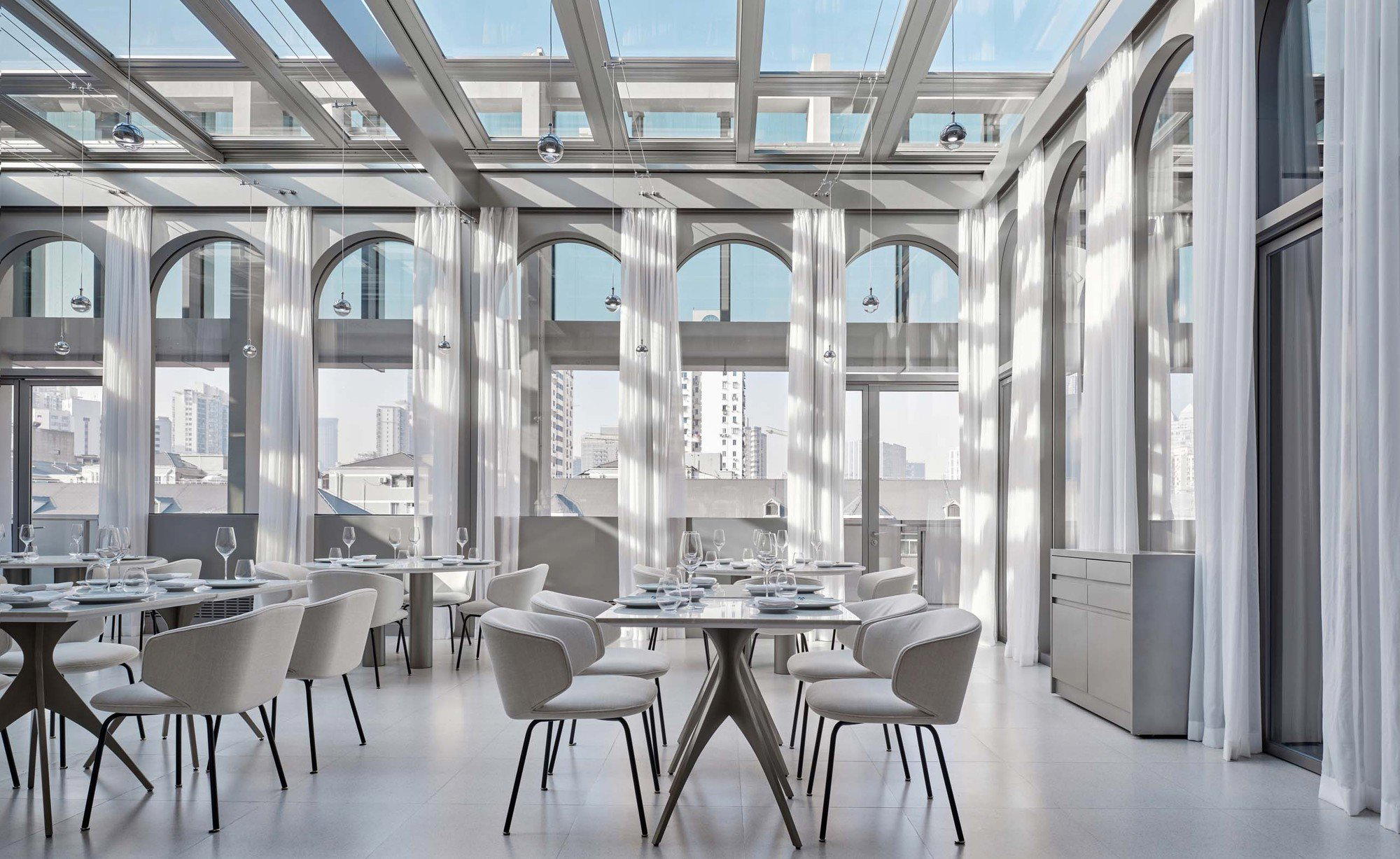
Bars in Shanghai
All bars in Shanghai →
Details
- Elegant
- Intimate
- Modern
- Sophisticated
- Date Night
- Special Occasion
- Business Dinner
- Solo
- Chefs Counter
- Standalone
- Design Destination
- Sake Program
- Extensive Wine List
- Local Sourcing
- Sustainable Seafood
- Tasting Menu
- Omakase
- Counter Dining
- Set Menu
- Sake
- Wine
- Pescatarian Friendly
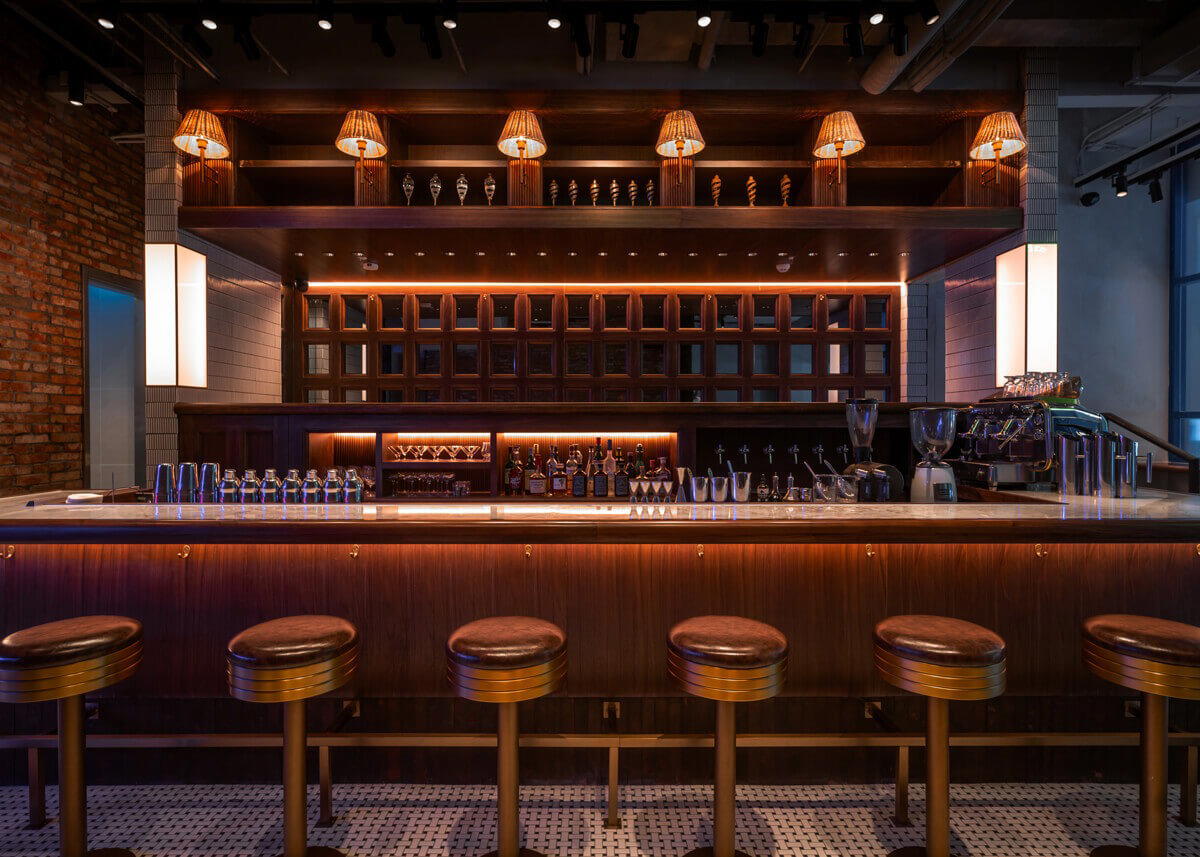
Refined and hushed counter-only setting with a modern minimalist Japanese aesthetic, focused lighting on the frying and plating, and a calm, ceremonious atmosphere typical of high-end tempura omakase.