Numaru
Numaru sits on Truhlářská in Prague's New Town, positioned within a city dining scene increasingly defined by sourcing transparency and ingredient-led menus. Where Prague's fine dining tier tilts toward French-Czech tasting formats, Numaru occupies a more restrained register, worth knowing about for readers tracking the Czech capital's evolving mid-to-upper restaurant bracket.
Pearl is the En Primeur Club membership app — saves, bookings, and concierge access live there. Same editors, same standards.
- Address
- Truhlářská 1110/4, 110 00 Praha 1
 Saves & bookings on Pearl
Truhlářská and the Ingredient Question
Prague's New Town has spent the better part of a decade sorting itself into two distinct dining registers. On one side, the tasting-menu houses, places like La Degustation Bohême Bourgeoise, where the French-Czech tradition is performed with full ceremony across multiple courses, and on the other, a quieter cohort of restaurants that have turned sourcing transparency into their primary editorial statement. Numaru, on Truhlářská 4 in Praha 1, belongs to the second category. The address puts it inside the commercial core of the city, close enough to the tourist belt to draw passing interest but sufficiently embedded in the working fabric of the neighbourhood to retain some operational seriousness.
The broader shift this represents matters more than any single restaurant. Across European cities where fine dining has matured past its first wave of Michelin ambition, the conversation has moved from technique to provenance. What arrives on the plate increasingly needs a traceable story, a farm name, a region, a seasonal rationale, and the restaurants that have committed to that framework earliest tend to set the terms for what follows. Prague arrived at this conversation later than Copenhagen or London, but the city's dining scene has accelerated sharply, and addresses like Numaru are part of that acceleration.
Where Sourcing Becomes the Structure
In ingredient-led restaurants, the supply chain is effectively the menu architecture. Dishes change when producers change, portions respond to harvest conditions, and the kitchen's relationship with farmers or foragers becomes as load-bearing as any culinary technique. This is a more demanding model than it appears, it requires the kitchen to be genuinely flexible rather than seasonally themed, and it requires guests to arrive with some tolerance for the unexpected.
Prague's position within Central Europe gives ingredient-focused kitchens a particular advantage. The Czech Republic borders regions, Moravia to the east, Bohemia's river valleys, the foothills toward Austria and Slovakia, that produce game, freshwater fish, forest mushrooms, and cold-climate vegetables with real character. A kitchen that takes those inputs seriously is working with genuinely differentiated raw material, not importing a model from elsewhere. For comparison, the wine program at Vinařství Gurdau in Kurdejov illustrates how Moravian producers are gaining traction among serious dining establishments across the country, a parallel development on the beverage side of the same sourcing conversation.
Numaru's placement on this map is worth reading carefully. The restaurant does not carry the kind of verified award data, Michelin stars, 50 Best entries, named critical recognition, that would fix its position with certainty in the fine dining tier. What the address and the city context suggest is a restaurant operating in the middle-to-upper bracket of Prague's non-tasting-menu category: more considered than the traditional Czech pub houses, less ceremonial than the full tasting-format establishments such as Alcron. That positioning, if executed with discipline, is actually where ingredient-led cooking tends to work leading. The format pressure is lower, the per-cover economics are more forgiving, and the kitchen has more room to respond to what producers deliver week to week.
The Prague Dining Context
Understanding Numaru requires some familiarity with how Prague's restaurant market has stratified. The city's top tier is now genuinely competitive by European standards. The French-Czech tasting format, long the dominant prestige model, has produced several internationally recognized addresses. Below that, a second tier has developed rapidly, restaurants with serious kitchens, thoughtful wine lists, and professional service that operate at price points closer to €€ or €€€ than the full tasting-menu bracket. This is where dining in Prague has become most interesting for regular visitors, because the value-to-quality ratio remains favorable by Western European comparison.
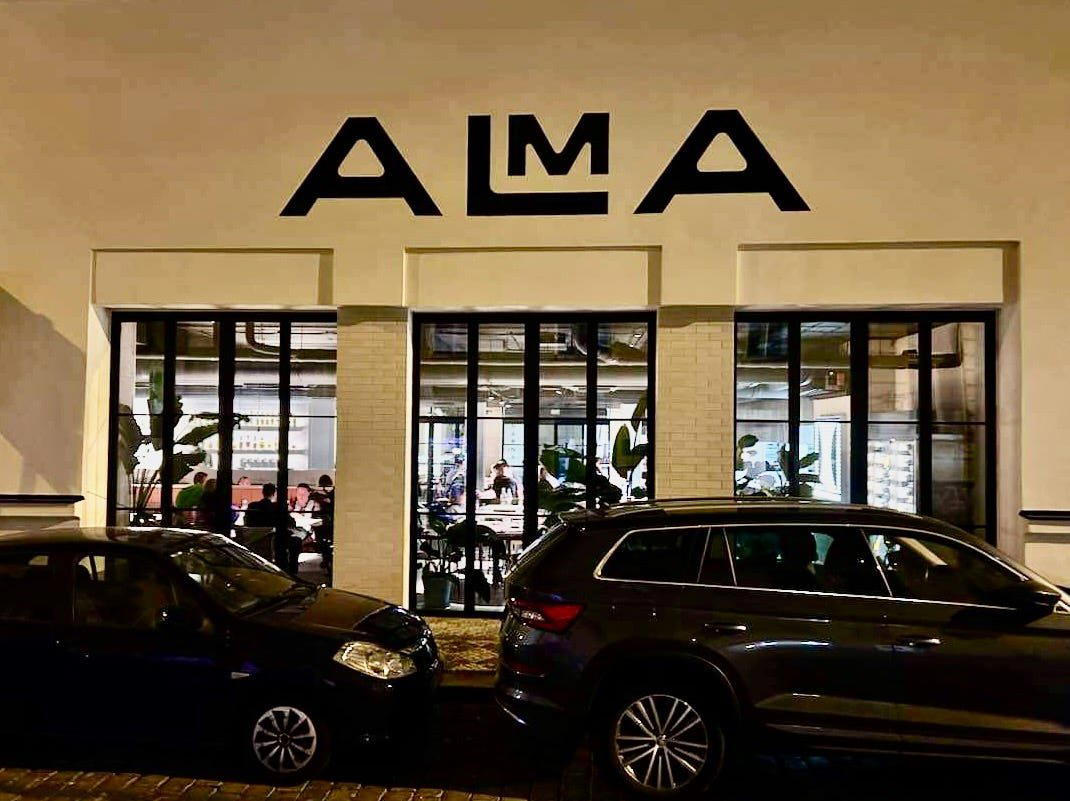
Addresses like Alma and Amano occupy adjacent spaces in this tier, each with its own editorial emphasis. The 420 Restaurant represents a different angle on the contemporary Prague dining story. What they share is a departure from the generic Central European tourist menu, schnitzel and svíčková for the square, toward cooking that takes its ingredients and techniques seriously.
For readers building a full Prague itinerary, the EP Club Prague restaurants guide maps the city's dining scene with the kind of comparative depth that a single address cannot provide. Zooming out to the Czech Republic more broadly, dining options worth tracking include BRATRS in Brno, Bylo, nebylo in Liberec, and ARRIGŌ in Děčín, each representing a distinct regional perspective on where Czech cooking is heading. Further afield, Hello Vietnam in Karlovy Vary and La Chica in Plzen illustrate how non-Czech cuisines have taken root in smaller cities. Back in Praha 1, Emperor Square offers another point of reference for the neighbourhood's current dining register.
For international comparison, the sourcing-first philosophy at work in Prague's emerging ingredient-led restaurants has clear parallels in how established houses like Le Bernardin in New York built credibility around product quality over decades, or how Atomix has made provenance a structural part of its tasting experience. The scale and reputation differ enormously, but the underlying principle, that ingredient sourcing is editorial content, not background detail, connects restaurants across different price tiers and geographies.
Planning a Visit
Numaru is located at Truhlářská 1110/4, Praha 1, walkable from the Old Town and well within reach of the city's main transit lines. Given the current pace of Prague's dining scene and the modest scale typical of ingredient-focused restaurants in this tier, contacting the restaurant directly to confirm availability ahead of your visit is advisable, particularly for weekend evenings when demand in this part of the city concentrates. Specific booking details, current hours, and menu pricing are best confirmed through a direct inquiry to the restaurant, as these details were not available for verification at the time of publication. Seasonality matters here in the practical sense: what the kitchen offers in late autumn, game, root vegetables, preserved goods, will differ substantially from the spring and summer months, when Bohemian and Moravian producers shift to softer produce. Timing your visit to align with a season you find culinarily interesting is worth considering before you book.
Nearby-ish Comparables
Comparable venues nearby, for context on price, style, and recognition.
| Venue | Cuisine | Price | Notes |
|---|---|---|---|
| NumaruThis venue — the venue you are viewing | Korean Fusion | $$ | Not listed |
| Hosarowa | Korean BBQ & Shabu Shabu | $$ | Stare Mesto (Old Town) |
| Cafe Slavia | Traditional Czech Cafe | $$ | Praha 1 |
| Yami Sushi House | Japanese Sushi and Fusion | $$ | Josefov |
| Kohoutek | Italian Cockerel | $$ | Praha 3 |
| THE FARM | Czech Urban Bistro with Farm-to-Table Focus | $$ | Pelc Tyrolka |

At a Glance
- Trendy
- Modern
- Cozy
- Date Night
- Group Dining
- Casual Hangout
- Brunch
- Courtyard
- Beer Program
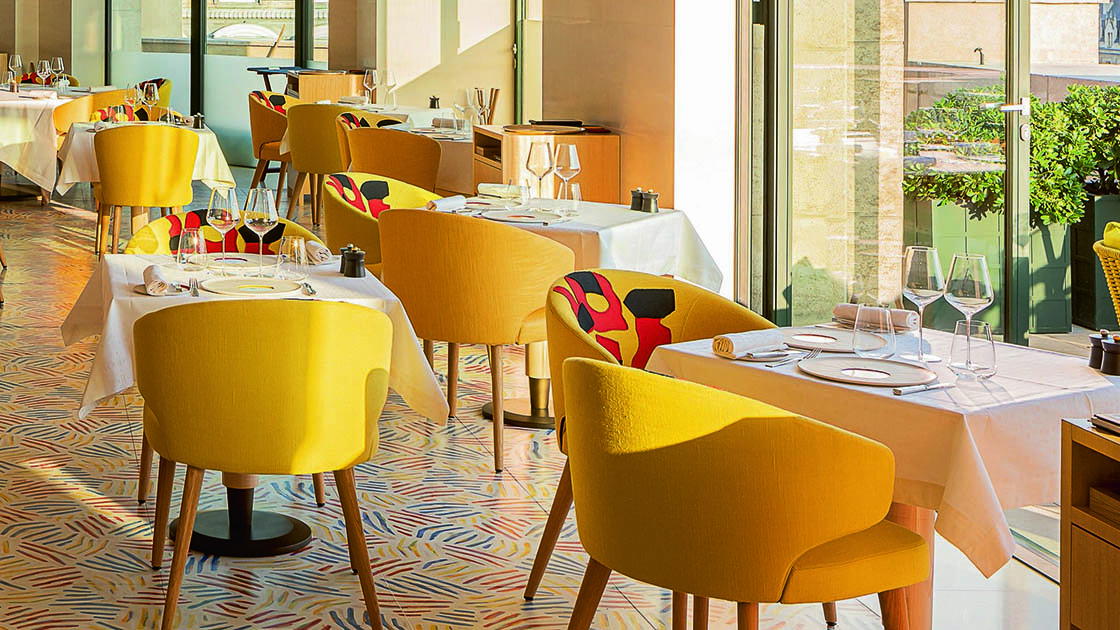
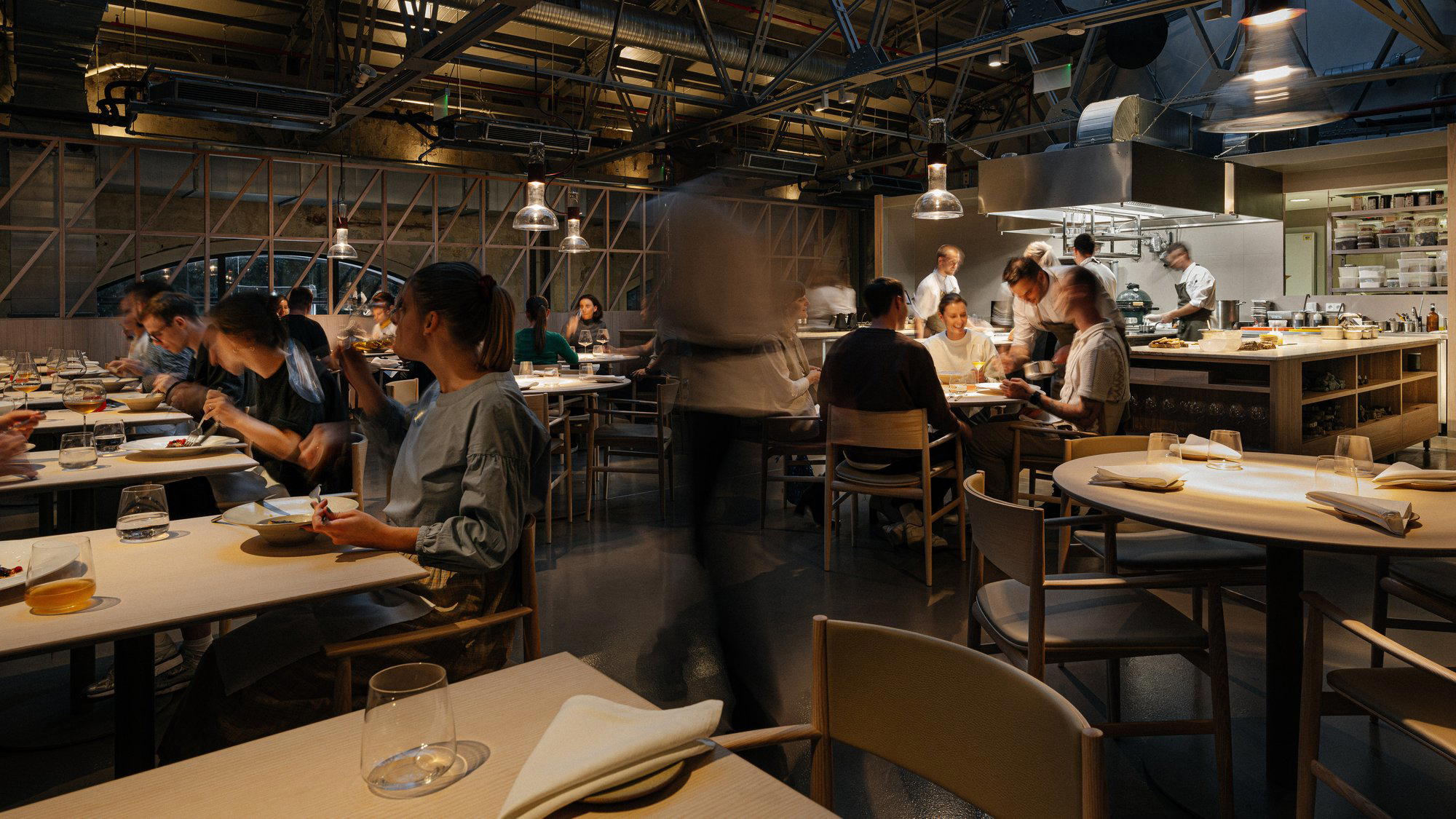
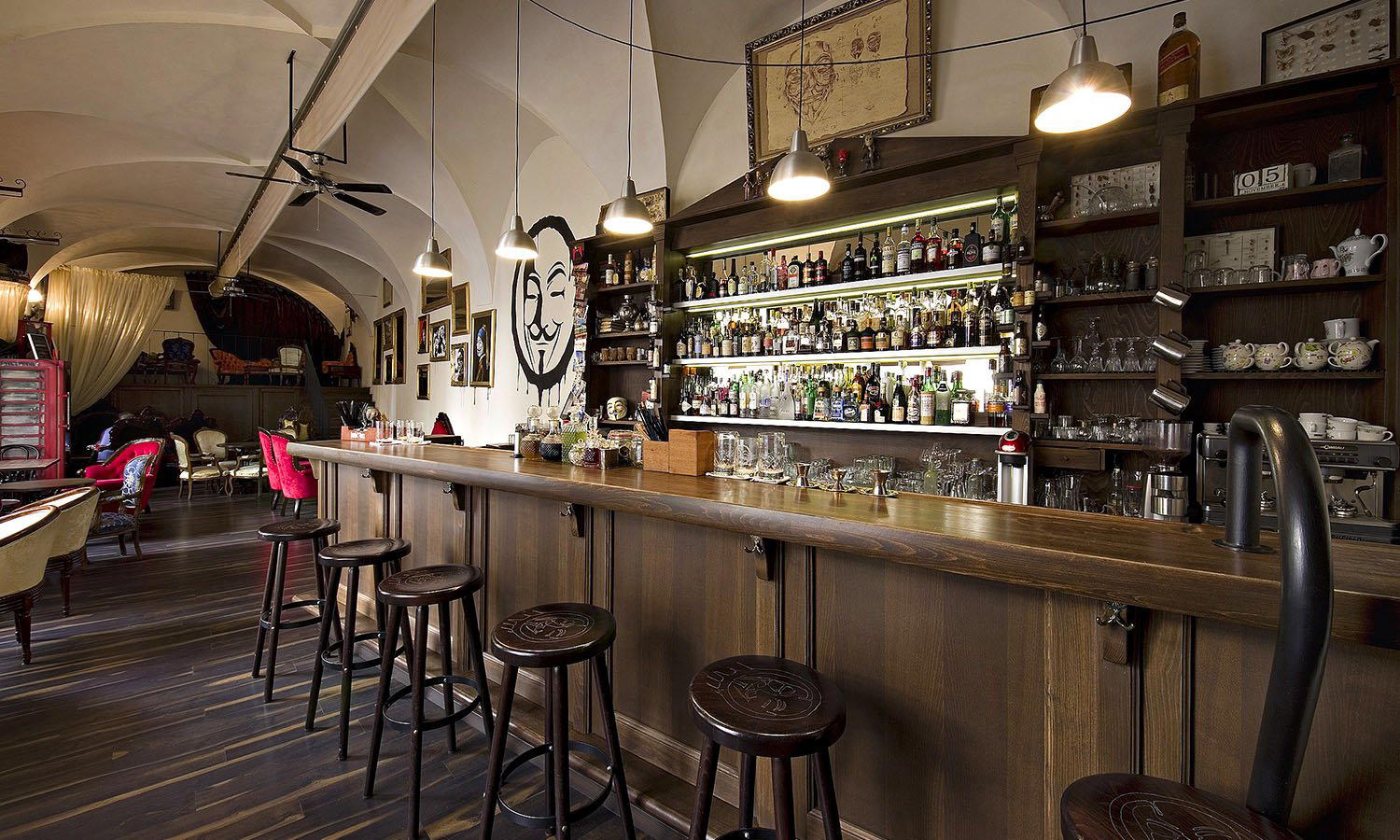
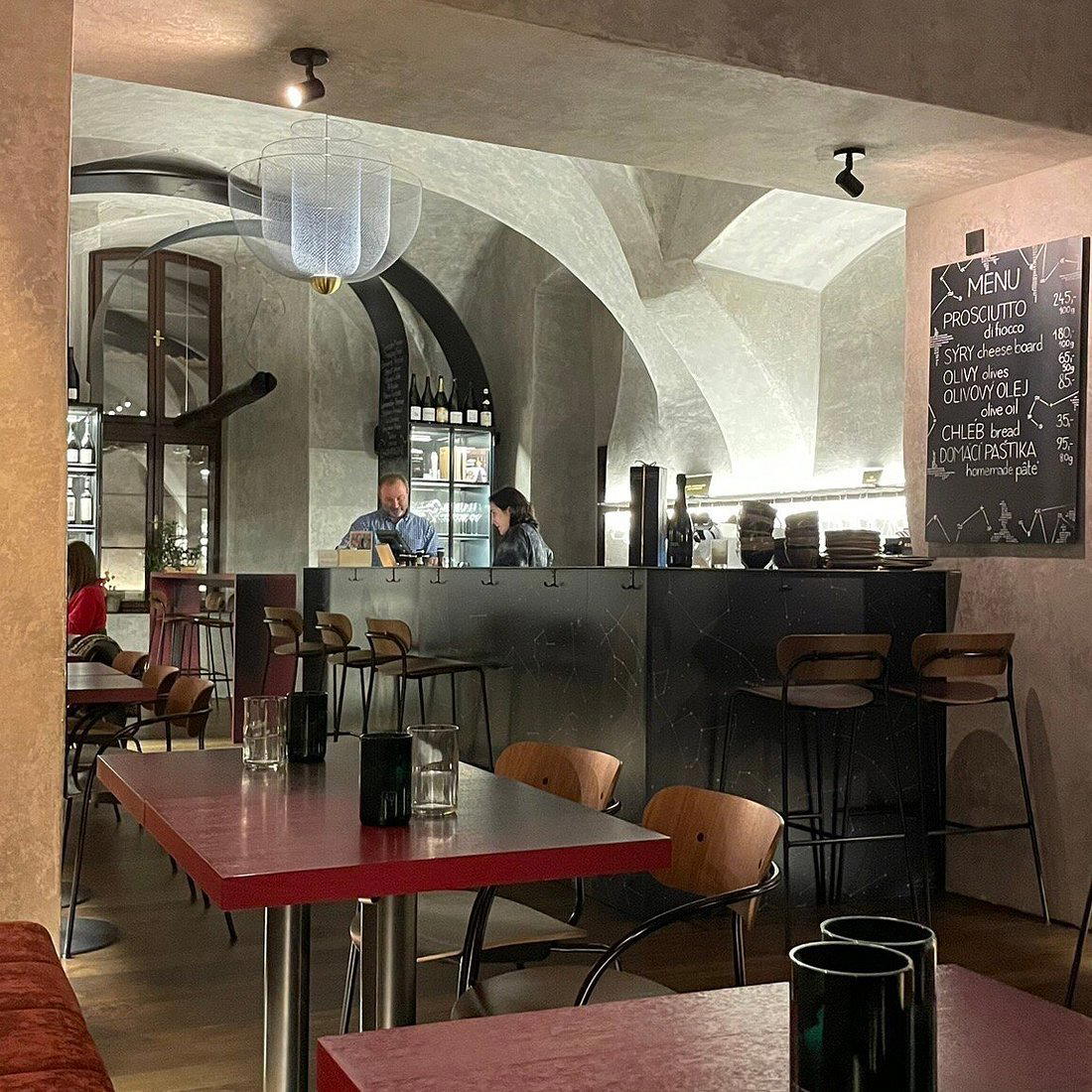
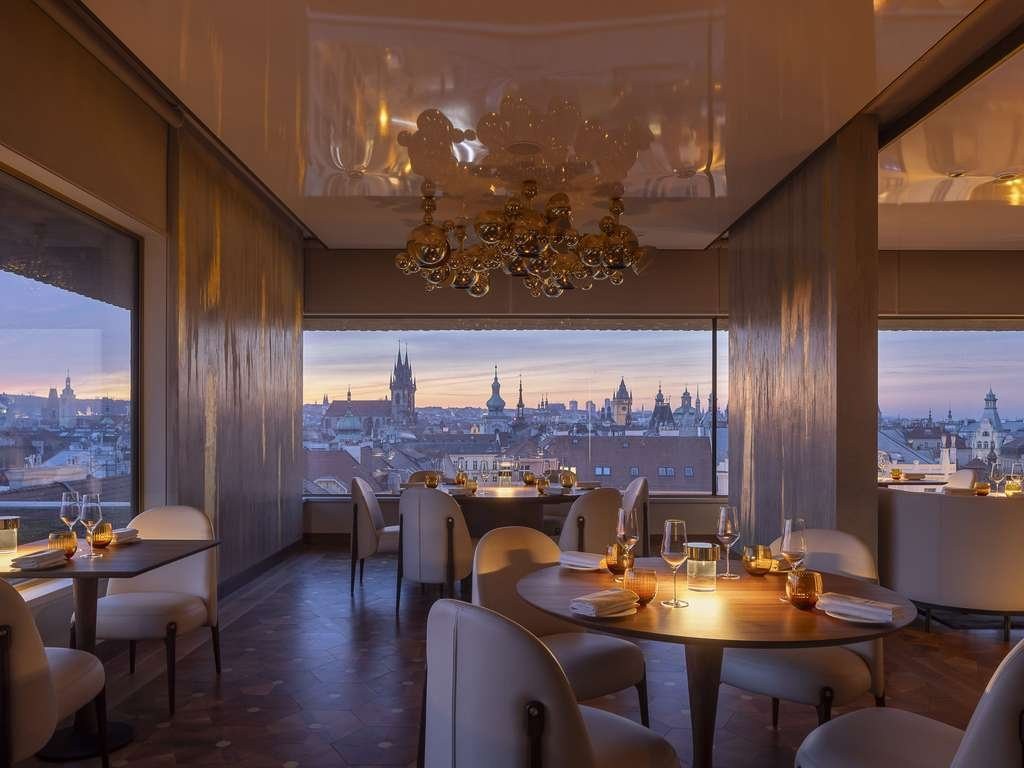
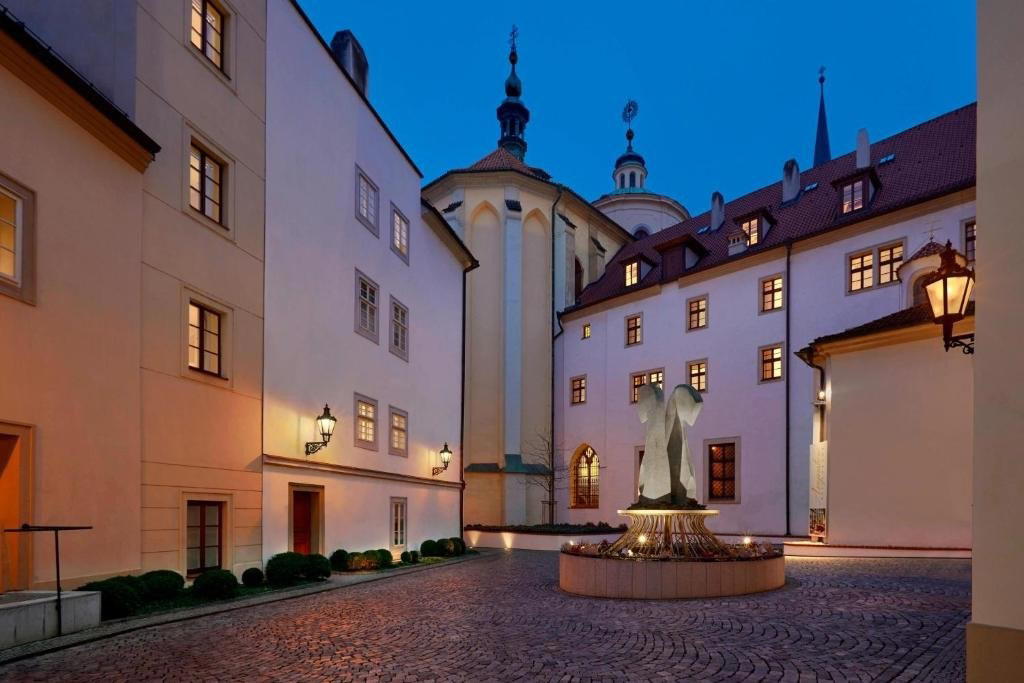
Relaxed and welcoming atmosphere with friendly service, complimentary starters, and a lovely courtyard out back.