Nowon Seaport
Our verdict
Nowon Seaport occupies Boston's most commercially ambitious waterfront district, bringing a Korean-inflected dining proposition to a neighborhood defined by scale and sea air. The address alone signals a particular positioning: Seaport dining is expensive, visible, and competitive, which makes the choices a kitchen makes here more legible than they would be elsewhere in the city.

Pearl is the En Primeur Club membership app, where members save venues, book tables and use the concierge.

The menu
What to order
- Well-known Cheeseburger
- Chopped Cheese Rice Cakes
- Jae's Chicken Bun
- Dank Tater Tots
Where the Seaport's Ambitions Meet Korean Cooking
Boston's Seaport district is one of the more deliberately constructed dining environments in the American Northeast. Over the past decade, the neighborhood has shifted from industrial waterfront to a dense corridor of high-rent restaurant pads, hotel dining rooms, and large-format leisure venues. The infrastructure is new, the rents reflect it, and the kitchens that survive here tend to carry a clear commercial rationale. Into this setting, Nowon Seaport plants a Korean-influenced flag at 117 Seaport Blvd, an address that immediately frames certain expectations about format, price point, and audience.
That context matters more than it might seem. Korean cuisine in American cities has largely followed two tracks: the casual, high-volume barbecue house with tableside grills, and the more recent wave of fine-dining Korean, exemplified nationally by venues like Atomix in New York City, where a tasting-menu format and deep technical ambition have shifted the category's ceiling considerably. Nowon Seaport doesn't sit cleanly at either pole, and that positioning, somewhere between accessible and considered, is arguably what makes a Seaport address viable for Korean cooking right now.
The Seaport's Dining Register and Where Nowon Fits
The Seaport district has a particular hospitality register. It skews toward the expense-account crowd, the hotel guest who wants something credible within walking distance, and the group booking drawn by waterfront views and reservation availability that the older, denser neighborhoods can't always offer. The North End fills up by 6:30 on a Thursday; the Seaport absorbs volume more readily. That absorption capacity has made it a landing pad for brands with reach beyond Boston: national groups, hotel F&B; programs, and concepts that have proven themselves elsewhere.
Within that local competitive set, Nowon Seaport sits alongside seafood-forward options like 75 on Liberty Wharf and the proximity of harbor-view dining at 1928 Rowes Wharf. Both of those venues speak to the Seaport's default register: water views, strong beverage programs, and a menu architecture built for groups. Korean cooking here operates as a distinction rather than a category play, offering something the block's largely Euro-Atlantic and seafood-focused roster doesn't replicate.
Boston's broader Korean dining scene has grown, but it remains concentrated outside the Seaport proper. The city's Korean restaurant density is lower than comparable East Coast metros, which means a well-executed Korean kitchen in a high-traffic district carries genuine category authority. The comparison set for Korean dining in the city is thin enough that Nowon Seaport's mere presence constitutes a statement about where the cuisine is headed in Boston's commercial core.
Korean Cooking in the American Fine-Casual Register
The national conversation around Korean-American dining has accelerated considerably since 2018, driven partly by the cultural reach of Korean media and partly by chefs who have reframed the cuisine's techniques and pantry for American tasting audiences. That recalibration is still working through regional markets. Boston, which has made sharper moves in Japanese fine dining, witness the serious omakase proposition at 311 Omakase and the dedicated sushi audience at Oishii Boston, has been slower to develop equivalent depth in Korean formats.
That gap is partly demographic, partly real estate. The neighborhoods with the strongest Korean-American community presence in Greater Boston sit outside the downtown core, and the Seaport's rent structure has historically excluded the owner-operator Korean restaurant model that built the cuisine's reputation elsewhere. A concept positioned to hold a Seaport address is, by definition, operating at a different commercial scale, closer in structure to the Portuguese-influenced chef's counter format of Agosto than to a neighborhood banchan house.
Nationally, the venues that have moved Korean cooking into fine-dining credibility have done so by anchoring to fermentation depth, seasonal produce sourcing, and presentation discipline. The benchmark conversations inevitably reference Atomix's progression in New York, but regional markets are finding their own approaches. In Boston, the question is whether the Seaport's commercial environment can support the kind of kitchen patience that Korean cooking at its more considered end requires.
The Steakhouse Counter and Boston's Protein Hierarchy
One category pressure that any serious Korean kitchen in Boston faces is the city's entrenched steakhouse culture. Venues like Abe & Louie's anchor a dining segment that captures a large share of the Seaport's expense-account traffic. Korean cooking's own relationship with premium beef, the galbi, the wagyu applications that have become common in refined Korean-American formats, gives it a credible argument for the same spending bracket, but the framing requires intention. A kitchen that leans into Korean barbecue's premium beef tradition can speak directly to the same guest profile that fills Boston's chophouse rooms on a Tuesday night.
That's a different competitive positioning than simply being the neighborhood's Korean option. It positions the cuisine as a lateral move within the premium protein tier rather than an alternative-cuisine destination, which matters in a neighborhood where the default dining decision is built around familiar formats.
How Nowon Seaport Fits the Broader American Scene
For readers who travel the American dining circuit, the reference points for this kind of Korean-inflected Seaport proposition sit at various registers. At the technical ceiling, venues like Alinea in Chicago or The French Laundry in Napa represent what it looks like when a kitchen commits to an uncompromising format regardless of real estate pressure. At the produce-sourcing end, Blue Hill at Stone Barns in Tarrytown or Single Thread Farm in Healdsburg show what deep agricultural commitment yields on a plate. Korean-American kitchens operating in commercial districts don't typically align with either extreme, but the most interesting ones borrow the discipline of both without the format constraints. Seafood-forward coastal venues like Le Bernardin in New York City and Providence in Los Angeles offer a different parallel: what it looks like when a cuisine's strongest product category becomes an anchor identity in a premium urban market. Nowon Seaport, on Boston's actual waterfront, has that kind of geographical argument available if the kitchen chooses to make it.
For a broader read of where Nowon Seaport sits within Boston's restaurant scene, the full Boston restaurants guide covers the city's dining tiers, neighborhoods, and category depth in detail.
Is Nowon Seaport a good option for visitors staying in the Seaport or near the waterfront?
For visitors based in the Seaport District or attending events at the convention center, Nowon Seaport offers a Korean-inflected alternative to the neighborhood's predominantly seafood and steakhouse-oriented dining choices, which matters when a multi-day itinerary requires variety within walking distance. The Seaport's walkability to the venue at 117 Seaport Blvd makes it a practical first-night option before branching into neighborhoods like the North End or Back Bay for the rest of a trip. Confirm hours and format directly with the venue, as Seaport restaurants at this tier sometimes operate condensed lunch service or weekend-only brunch formats depending on the season.
Frequently asked questions
What kind of setting is Nowon Seaport?
Nowon Seaport sits at 117 Seaport Blvd in Boston's post-industrial waterfront district, a neighborhood whose dining roster runs heavily toward expense-account steak and credentialed hotel restaurants. The Korean-American format here cuts against that grain, offering a different register within the same commercially active corridor. Expect the architectural scale and foot-traffic rhythms typical of the Seaport rather than the intimacy of a smaller neighborhood room.
What part of town is Nowon Seaport in?
Nowon Seaport is located at 117 Seaport Blvd, Boston, MA 02210, Boston.
Is Nowon Seaport a good choice for a business dinner in Boston's Seaport District?
For business dining in the Seaport, Nowon Seaport at 117 Seaport Blvd offers a Korean-American alternative to the neighborhood's dominant steakhouse format, which is useful when clients have already cycled through Abe & Louie's or the hotel dining circuit. The Seaport's general hospitality register skews toward the expense-account crowd, and a Korean-inflected kitchen provides a point of difference without departing dramatically from the district's commercial comfort zone. Confirm private dining options and hours directly with the venue before booking a group.
What should I order at Nowon Seaport?
Korean-American kitchens operating at the Seaport's commercial register typically anchor their menus around grilled proteins, banchan, and rice bowls calibrated for a broader audience than a neighborhood Korean specialist would target. Until we have confirmed dish data, the most reliable approach is to check directly with the restaurant before visiting.
How far ahead should I plan for Nowon Seaport?
Seaport District restaurants at the mid-to-upper price tier in Boston tend to fill Thursday through Saturday evenings two to three weeks out, with convention-center event weeks compressing availability further. Checking availability a fortnight ahead is a reasonable starting point for weekend visits to 117 Seaport Blvd.
What is Nowon Seaport known for?
Nowon Seaport is Boston's Korean-American proposition in the Seaport District, a neighborhood whose restaurant roster has historically defaulted to steakhouses and coastal American formats. Its presence addresses a real gap: Korean cooking at the commercial register of one of the city's most active dining corridors. The broader national acceleration of Korean-American dining since 2018 gives this kitchen a strong cultural tailwind and a more informed audience than it would have found a decade ago.
Comparable Spots, Quickly
Comparable venues nearby, for context on price, style, and recognition.
| Venue | Cuisine | Price | Awards | Notes |
|---|---|---|---|---|
| Nowon SeaportThis venue (the venue you are viewing) | Korean-American Gastropub | $30–50 | Not listed | Not listed |
| Jinjee | Korean BBQ | Not listed | Star Wine List | Allston |
| Sauciety | Modern American Grill | Not listed | Not listed | South Boston Waterfront |
| Nando | Sicilian and Modern Italian | Not listed | Not listed | North End |
| Pauli's | Fast-Casual Italian Sandwiches & Lobster Rolls | $10–20 | Diners, Drive-Ins and Dives Featured Restaurant | North End |
| Number 9 Park | Dining | Not listed | James Beard Award Outstanding Wine Program | Boston |
Continue exploring
More in Boston
Restaurants in Boston
All restaurants in Boston →
Bars in Boston
All bars in Boston →


Details
- Lively
- Energetic
- Trendy
- Intimate
- Casual Hangout
- Group Dining
- Late Night
- After Work
- Open Kitchen
- Standalone
- Craft Cocktails
- A La Carte
- Small Plates
- Craft Cocktails
- Soju
Current opening hours
- Monday
- 12 PM–12 AM
- Tuesday
- 12 PM–12 AM
- Wednesday
- 12 PM–12 AM
- Thursday
- 12 PM–12 AM
- Friday
- 12 PM–2 AM
- Saturday
- 12 PM–2 AM
- Sunday
- 12 PM–12 AM
Hours can change for holidays and private events. Hours as of .
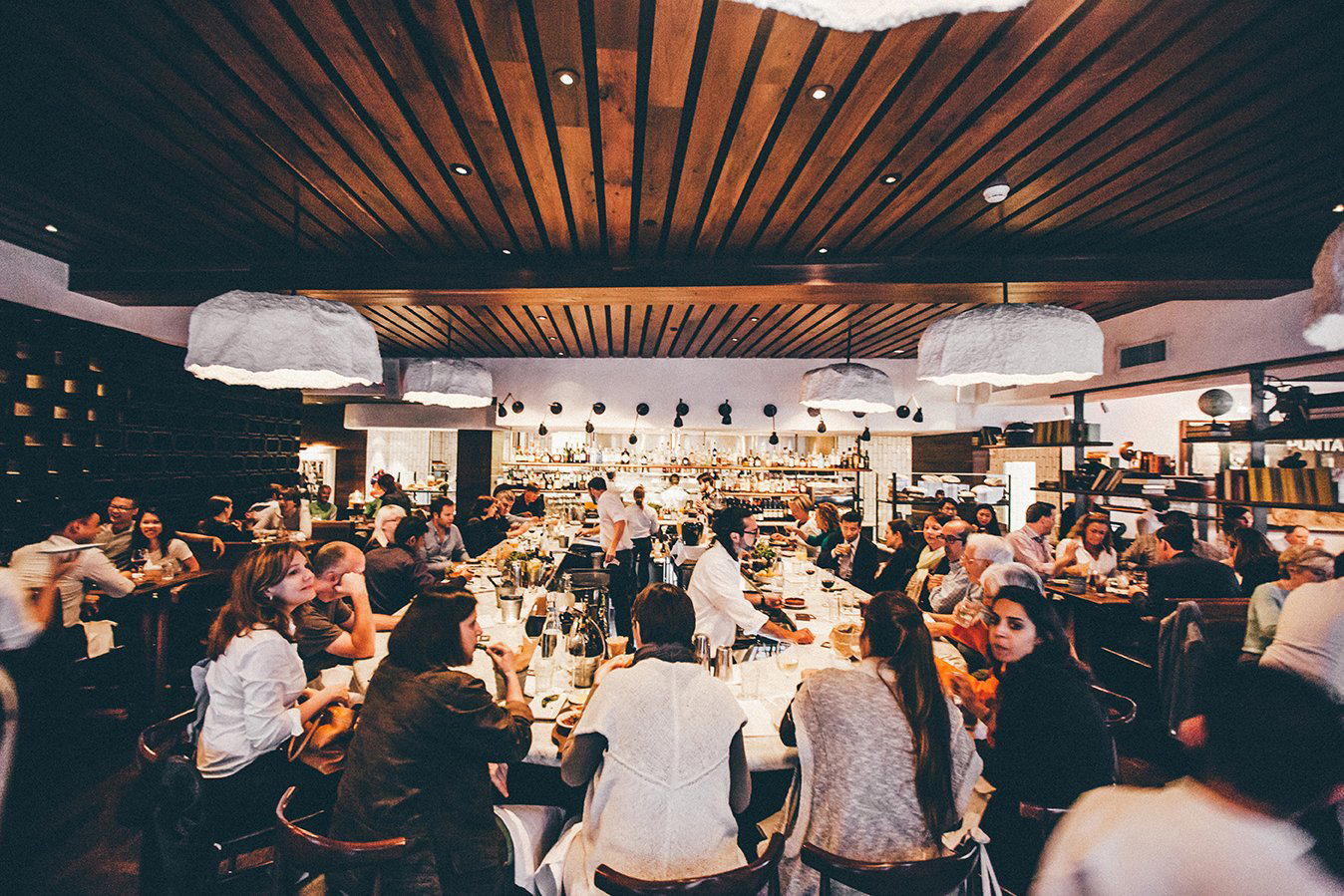
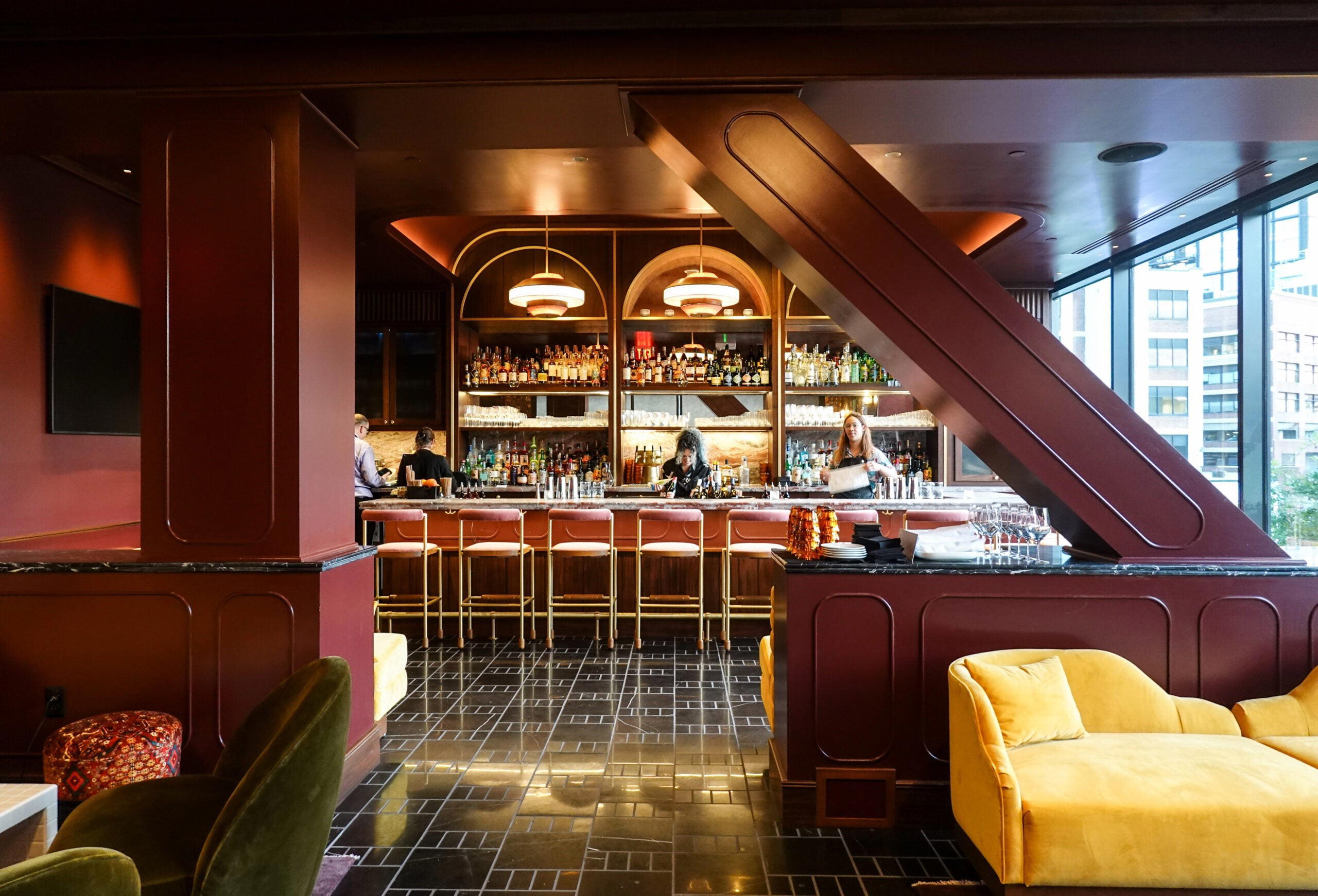
Low-lit, energetic space with nostalgic 90s and early 2000s hip-hop and R&B music videos creating a lively, youthful vibe.