Novo Brazil Brewing Mission Valley
Novo Brazil Brewing Mission Valley occupies a suite inside one of San Diego's busiest retail corridors, bringing Brazilian-inflected craft beer to a neighborhood better known for chain dining. The taproom format places it alongside a growing tier of brewery taprooms that treat the physical space as seriously as the liquid inside. For craft beer in Mission Valley, it offers a distinct counterpoint to the area's mainstream options.
 Discover on Pearl
Pearl is the En Primeur Club membership app — saves, bookings, and concierge access live there. Same editors, same standards.
- Address
- 1640 Camino Del Rio N suite 341, San Diego, CA 92108
- Phone
- +16193105387
- Website
- novobrew.com
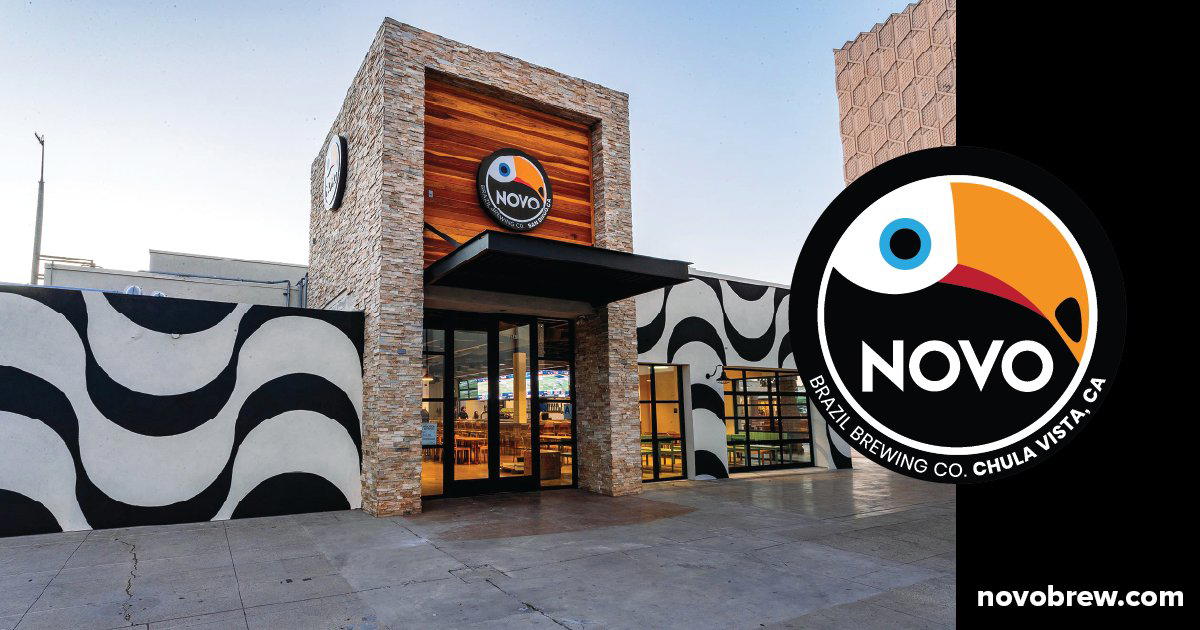
Beer, Space, and the Mission Valley Question
Novo Brazil Brewing Mission Valley is a restaurant in San Diego, priced around $25 per person and set at 1640 Camino Del Rio N suite 341. Mission Valley is not where most craft beer seekers point first. The corridor running along Camino Del Rio North is defined by big-box retail, mid-century motel remnants, and freeway on-ramps, a landscape built for cars, not contemplation. That context matters when assessing what a brewery taproom achieves here, because the physical environment is a constraint that Novo Brazil Brewing's Mission Valley location has to work against, not with. San Diego's more celebrated taproom openings have clustered in East Village, North Park, and Little Italy, where walkable streets and converted industrial shells give beer culture a natural container. Suite 341 inside a shopping complex is a harder architectural premise.
What that premise produces, in the broader San Diego beer scene, is a taproom that functions as a neighborhood utility rather than a destination draw. The comparison venues that define the city's premium tier, think Addison for tasting-menu formality or Soichi for intimate Japanese counter dining, operate on entirely different logic. Novo Brazil Mission Valley is neither of those things, nor is it trying to be. Its comparable set is the mid-format taproom that serves a retail-adjacent catchment: families finishing a shopping run, workers from nearby office parks, visitors staying in the Mission Valley hotel cluster.
The Brazilian Angle and What It Changes
Craft brewing in the United States is overwhelmingly rooted in European traditions: German lager technique, British ale lineage, Belgian fermentation culture. Brazilian brewing identity, by contrast, draws on a domestic market that historically favored light, cold lagers, a tradition that large industrial producers dominated for decades. When a brewery claims Brazilian heritage in an American craft context, the interesting editorial question is how those two reference points interact. Do the beers lean into tropical adjuncts? Do they use Brazilian grain or hops? Does the taproom aesthetic signal anything about the origin?
What is documentable is the category signal: Novo Brazil Brewing operates multiple locations in San Diego, which places it in a tier of regional brewery groups rather than single-site independents. Multi-location craft breweries occupy a different competitive space than neighborhood-first single taprooms, they have distribution infrastructure, more consistent production volumes, and brand recognition that travels across a metro. That positioning shapes expectations in a useful way. This is a brewery that has scaled, which typically means some sacrifice of the hyper-local, owner-present quality that defines the smallest taprooms, in exchange for broader reach and operational reliability.
Interior Format and the Shopping-Center Taproom
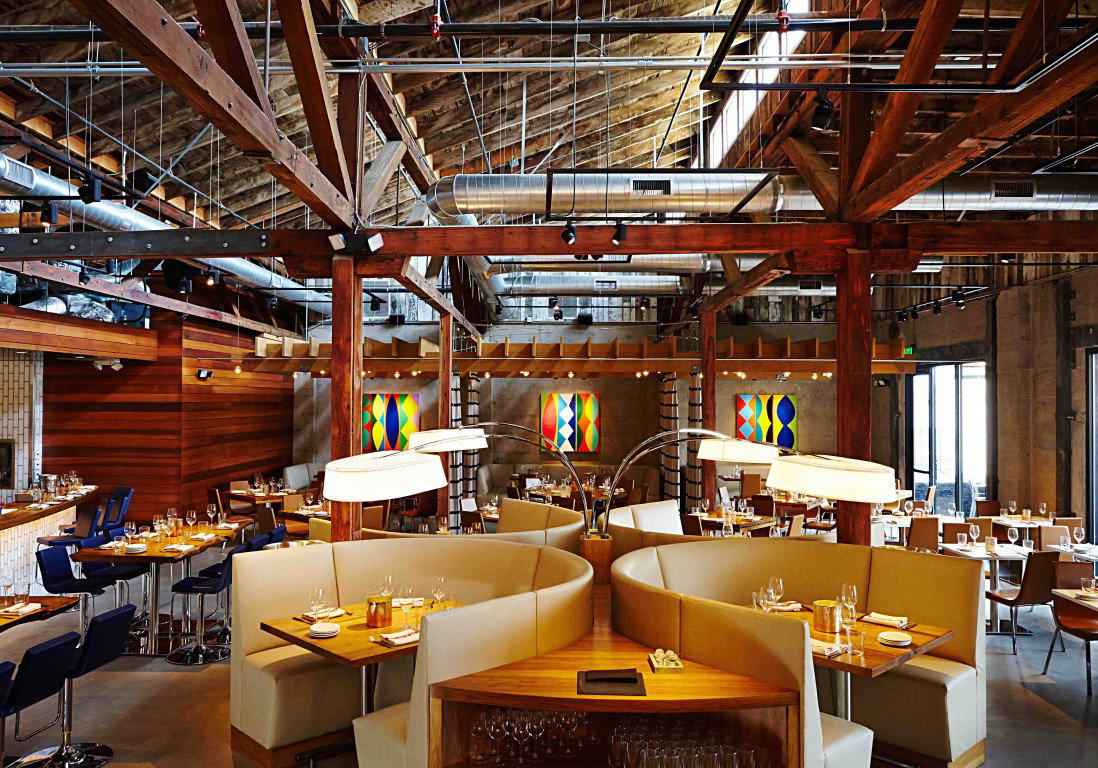
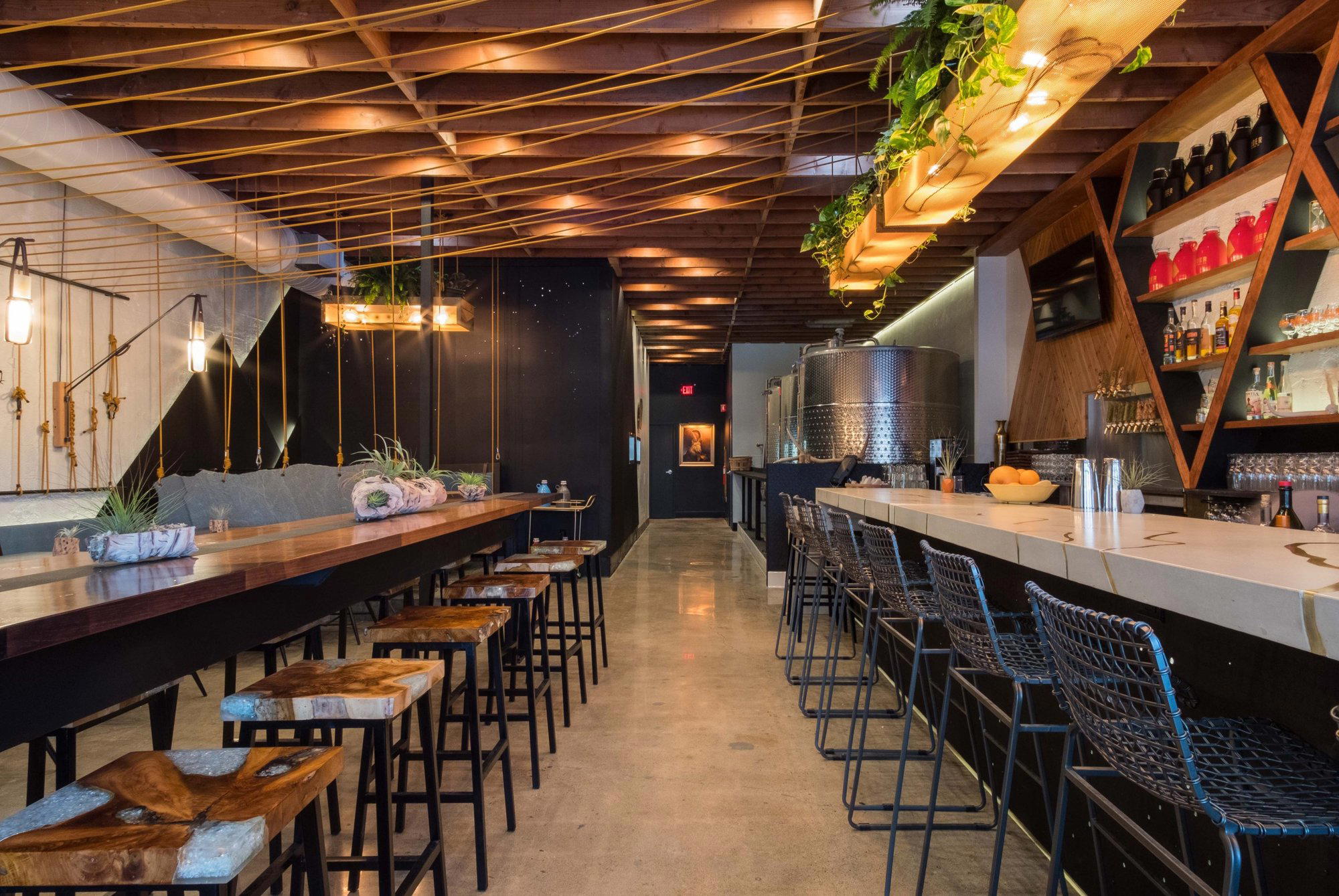
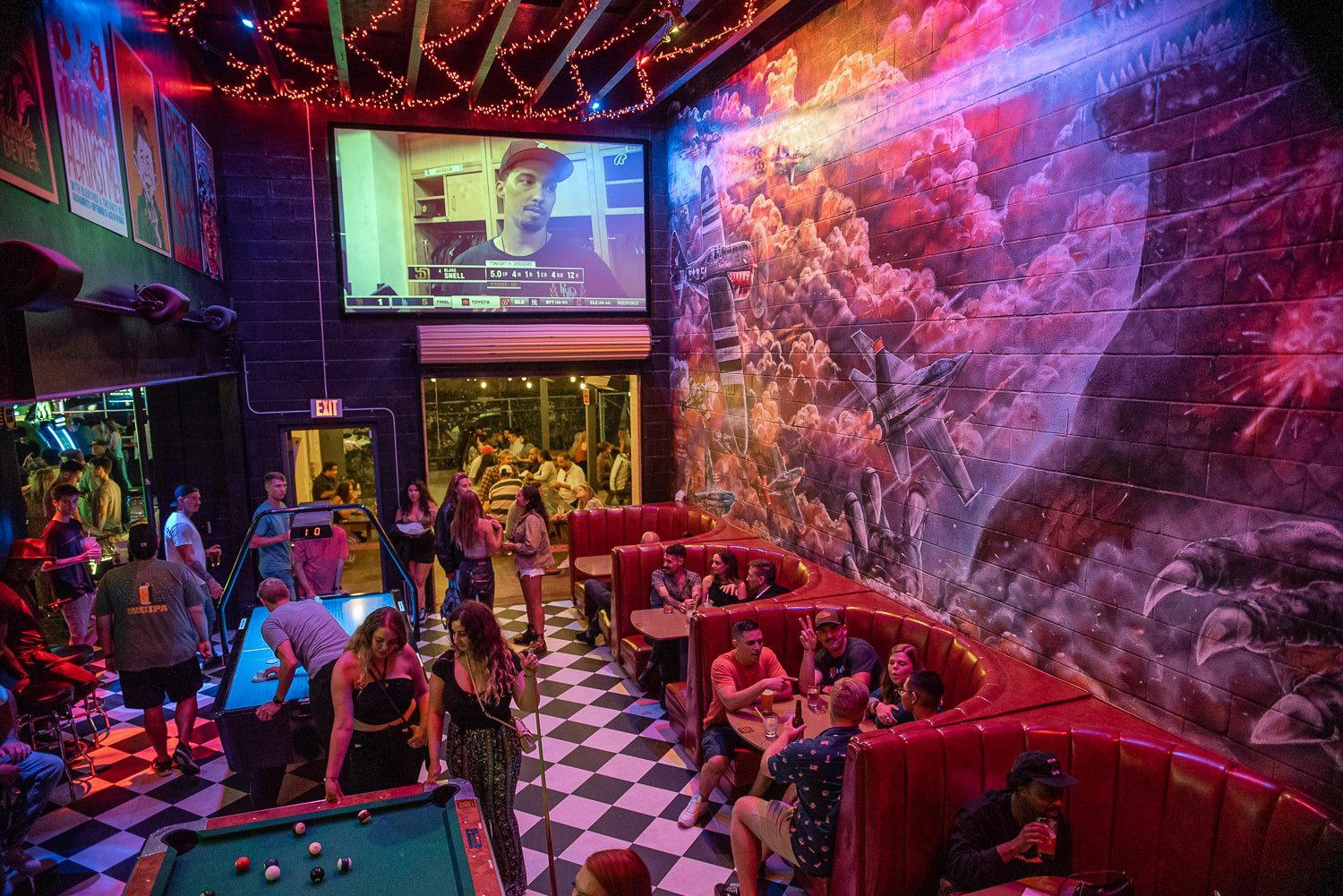
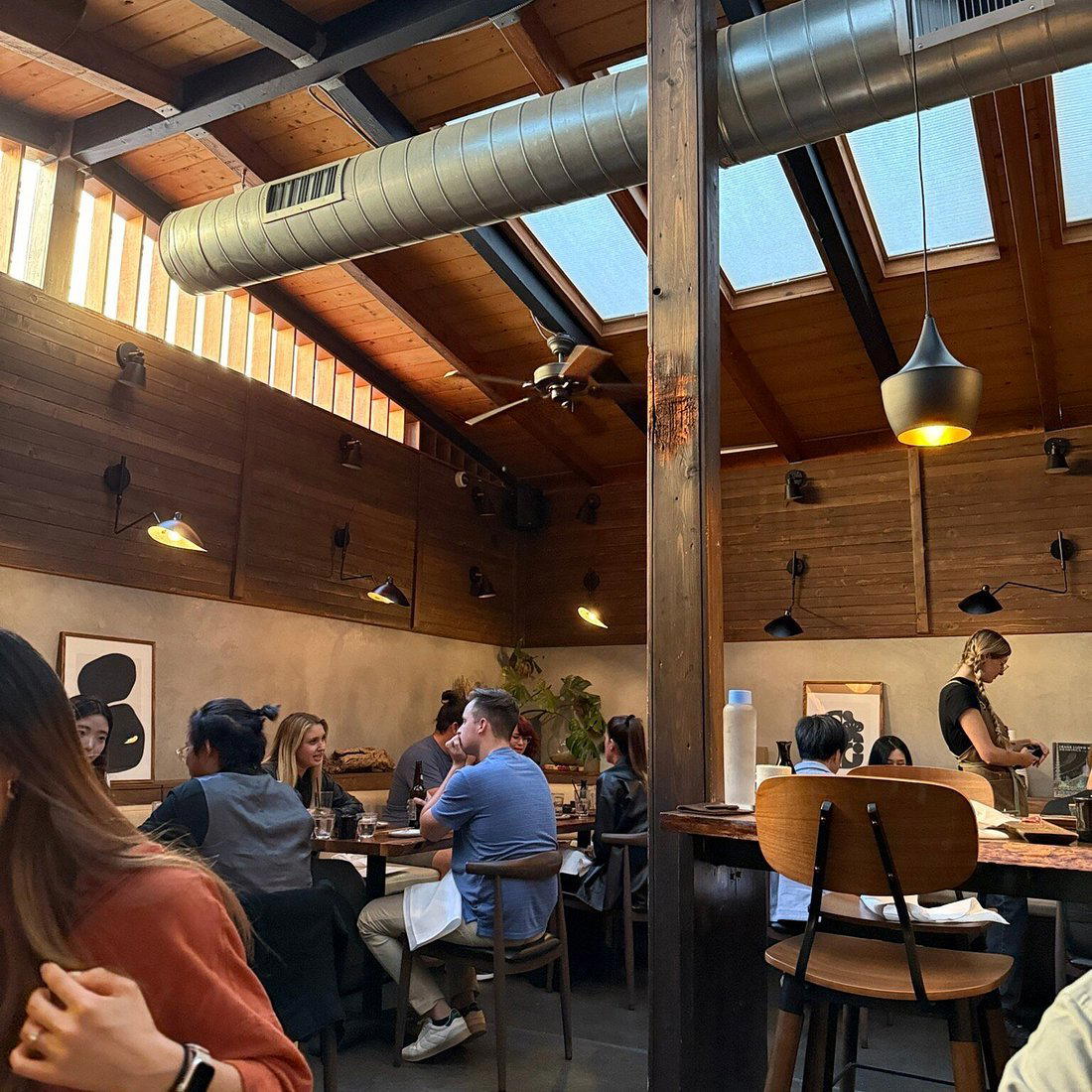
The shopping-center taproom as a format has specific architectural constraints. Ceiling heights are dictated by retail construction standards, not by the soaring volumes of a converted warehouse. Natural light is often limited to a storefront window band. Adjacency to other retail tenants means sound travels and the smell of neighboring food operations bleeds in. Against that template, the design choices a brewery makes, bar configuration, seating density, tap wall presentation, material palette, carry more weight, because there is less raw spatial drama to do the work automatically.
San Diego's beer scene has produced some genuinely considered taproom interiors, particularly among the generation of breweries that opened post-2015 with design budgets that reflected the category's maturation. The question for any Mission Valley-format space is whether the interior signals effort and intention or whether it reads as a functional pour-and-go operation. What can be said is that the suite-within-retail format typically favors counter-service logic over table-service hospitality, which affects dwell time and the kind of social experience the space produces.
Where Mission Valley Fits in the San Diego Beer Map
San Diego has a legitimate claim to being one of the most developed craft beer cities in the United States, with Ballast Point, Stone Brewing, and Green Flash having built the national reputation in the 2000s before a second and third generation of smaller producers deepened the scene at neighborhood level. Mission Valley has not been a primary node in that geography. The density of notable taprooms runs heavier in communities to the north and east, where residential density and pedestrian infrastructure support the walk-in, stay-awhile model.
Novo Brazil at Mission Valley serves a different function: access point for a part of the city that is underserved by craft beer relative to its population. For residents of Mission Valley, Allied Gardens, or visitors staying near the stadium footprint, this location provides proximity that the more celebrated San Diego spots, scattered across neighborhoods with their own character, do not. That is not a consolation prize; it is a legitimate piece of how cities distribute hospitality infrastructure. Not every taproom needs to be a pilgrimage destination in the way that Lazy Bear in San Francisco or Alinea in Chicago function as singular experiences. Some taprooms do the work of making good beer available to people who live and work nearby.
Mission Valley also hosts the 94th Aero Squadron San Diego, which takes a very different approach to the area's hospitality offer, and 1450 El Prado represents the formal dining tradition a few miles north in Balboa Park. The contrast across those venues shows how varied San Diego's hospitality register is within a relatively compact metro.
Planning a Visit
The address, 1640 Camino Del Rio North, Suite 341, places the taproom inside a Mission Valley shopping complex that is accessible by car from I-8 and I-15, and reachable via the Trolley's Mission Valley line. Parking is the dominant mode of arrival here, as it is for most of the commercial corridor. Reservations are recommended. The price tier is moderate, with a typical spend of about $25 per person, in line with venues such as 94th Aero Squadron.
Price Lens
Comparable venues nearby, for context on price, style, and recognition.
| Venue | Cuisine | Price | Awards |
|---|---|---|---|
| Novo Brazil Brewing Mission ValleyThis venue — the venue you are viewing | Mission Valley, Brazilian Brewpub Fusion | $$ | , |
| El Zarape Restaurant | Uptown, Mexican Seafood Taqueria | $$ | , |
| Aladdin Hillcrest | Uptown, Lebanese Mediterranean | $$ | , |
| Buon Appetito | Downtown, Classic Italian | $$ | , |
| Ironside Fish & Oyster | Downtown, Modern Seafood & Oyster Bar | $$ | , |
| Casa de Reyes | Old Town San Diego, Traditional Mexican | $$ | , |
Continue exploring
More in San Diego
Restaurants in San Diego
Browse all →

Bars in San Diego
Browse all →

At a Glance
- Lively
- Trendy
- Energetic
- Group Dining
- Casual Hangout
- Celebration
- Open Kitchen
- Terrace
- Live Music
- Beer Program
- Craft Cocktails
Up-beat and exciting with Brazilian-influenced aesthetics, fire pits on the patio, and a lively indoor-outdoor sports bar atmosphere.