Ironside Fish & Oyster
On India Street in Little Italy, Ironside Fish & Oyster occupies a converted warehouse space that has become one of San Diego's most recognizable addresses for serious seafood. The raw bar anchors the room, the oyster program draws from both coasts, and the format sits comfortably between approachable neighborhood restaurant and destination dining, a balance San Diego's seafood scene has rarely managed this consistently.
Pearl is the En Primeur Club membership app — saves, bookings, and concierge access live there. Same editors, same standards.
- Address
- 1654 India St, San Diego, CA 92101
- Phone
- +1 619 269 3033
- Website
- ironsidefishandoyster.com
- Directions
- Get directions
 Saves & bookings on Pearl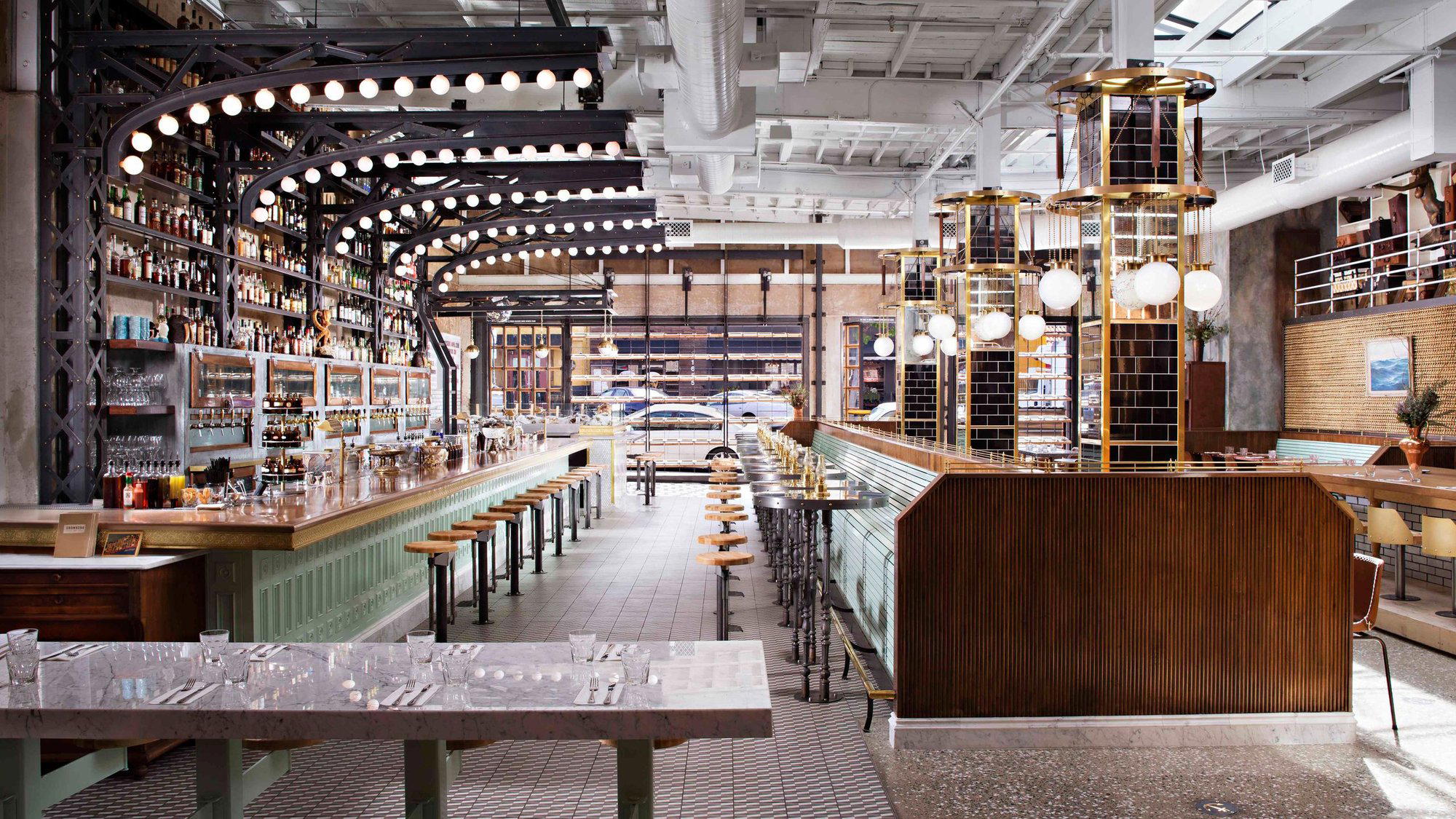
A Converted Warehouse and the Case for Serious Seafood in San Diego
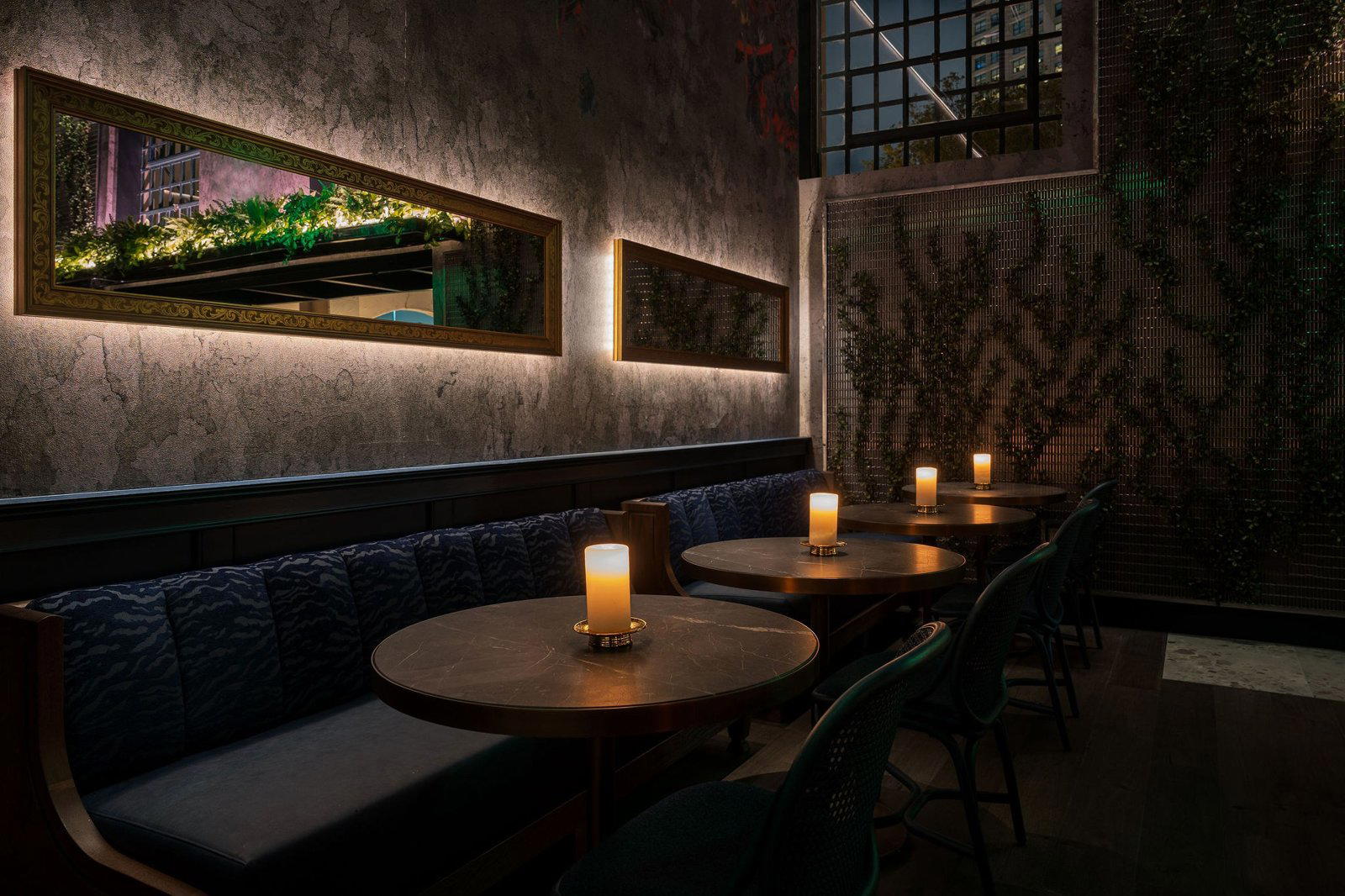
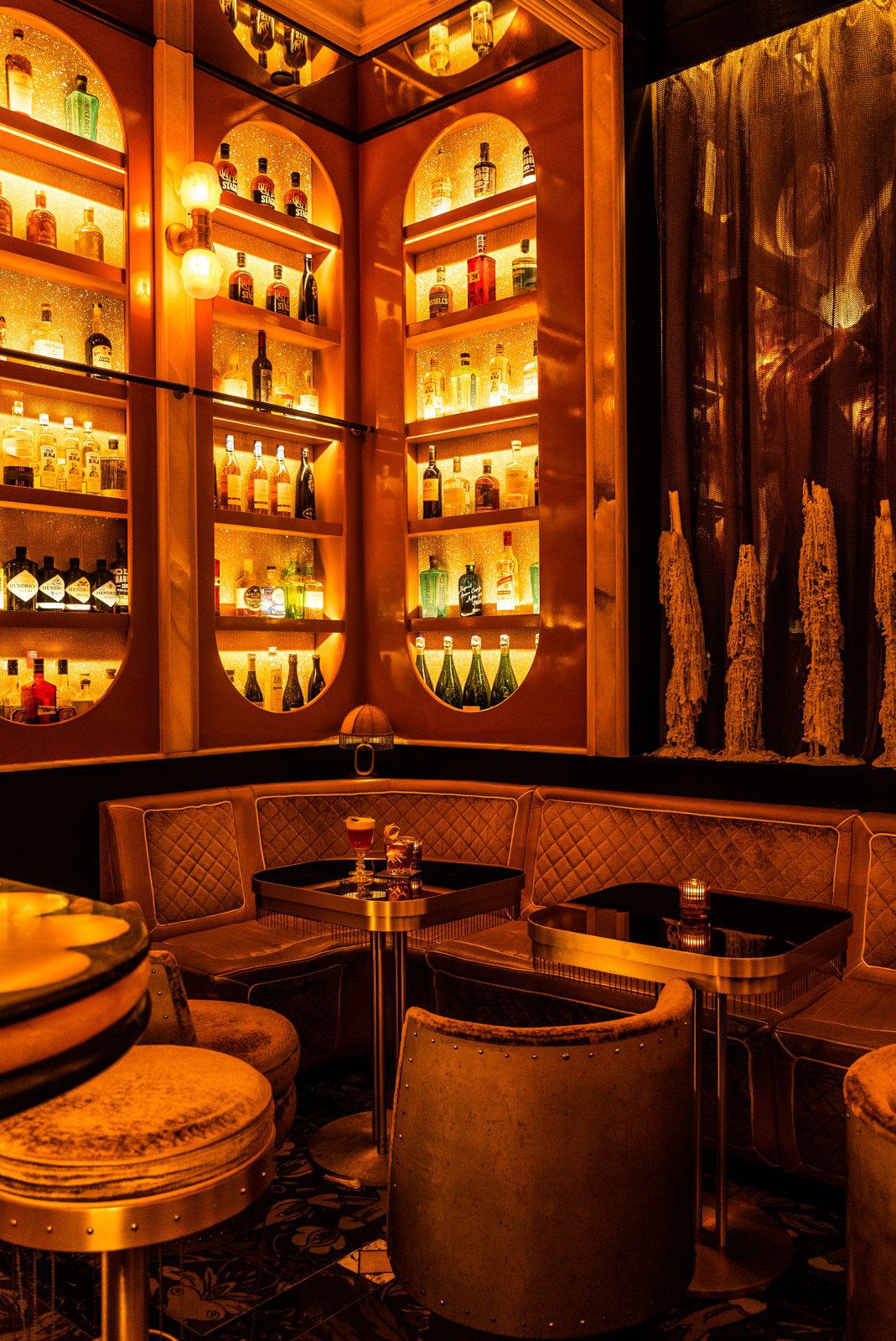
Little Italy's transformation into one of San Diego's active dining corridors has taken roughly two decades, and the restaurants that have lasted through that shift share a common trait: they are rooted in what the neighborhood has to offer. Ironside Fish & Oyster, at 1654 India Street, is one of the addresses most associated with that arc. The space itself, high ceilings, exposed industrial elements, a long raw bar running the length of the room, telegraphs an ambition that seafood-focused dining in this city had not always claimed.
The Raw Bar as Organizing Principle
American seafood restaurants have historically organized themselves around one of two formats: the classic white-tablecloth fish house, or the casual oyster shack. Over the past fifteen years, a third format has emerged in coastal cities, the raw bar-anchored, warehouse-aesthetic room that positions itself as neither formal nor throwaway. Ironside belongs firmly to that third category. The raw bar is not decorative; it is the functional and philosophical center of the room, the place where the program's credibility is tested daily by what arrives from the water and how quickly it turns over. Comparable formats have defined particularly-discussed seafood programs in the country, from Le Bernardin in New York City at the formal end, to mid-market oyster-bar concepts that have proliferated in cities like San Francisco and Chicago. Ironside's position in San Diego sits at a practical middle point, accessible enough to fill a large room on a weeknight, serious enough that the sourcing conversation matters.
How the Format Has Shifted Over Time
The evolution angle here is worth examining, because Ironside's tenure on India Street has coincided with a period of genuine change in how San Diego approaches seafood. When the restaurant opened, the city's fine dining attention was concentrated in neighborhoods like La Jolla and downtown's Gaslamp Quarter, and Little Italy was still consolidating its identity as a dining destination. The intervening years have repositioned Little Italy as one of the city's most consistent restaurant neighborhoods, and Ironside has both reflected and contributed to that repositioning. The oyster program, in particular, tracks a broader national shift: the proliferation of named single-origin oysters from both Pacific Northwest and East Coast beds has given raw bars a vocabulary they lacked a generation ago, and restaurants that invested in that program early have been able to differentiate on specificity rather than just price.
That shift toward specificity mirrors what has happened at the high end of the California dining scene. Restaurants like Addison, San Diego's only Michelin-starred address, have demonstrated that sourcing provenance can be a primary editorial statement rather than a supporting note. Soichi, operating at the $$$$ tier in the Japanese omakase format, makes a similar argument through fish selection and aging. Ironside operates at a more accessible price point and with a broader format, but the underlying logic, that knowing where the product comes from is part of the dining proposition, connects it to the same broader movement.
The Room and the Experience
The physical space at Ironside is worth describing in terms of what it enables rather than what it looks like. A long communal raw bar means that solo diners and small groups can eat seriously without committing to a full table service experience. The scale of the room, a converted warehouse with corresponding volume and energy, positions it differently from quieter destination restaurants like 1450 El Prado or 777 G St, both of which operate with more controlled formats. Ironside is louder, more kinetic, and more forgiving of a spontaneous visit. That accessibility is a deliberate choice, not a concession, it reflects the same calculation made by well-regarded casual-serious hybrids elsewhere, from Lazy Bear in San Francisco to Smyth in Chicago, though Ironside operates without the tasting-menu architecture those rooms employ.
For comparison, San Diego's other neighborhood restaurants with a historical identity, like the aviation-themed 94th Aero Squadron, have leaned into their conceptual framing as the primary draw. Ironside's concept is the seafood itself, which creates a different kind of durability: the room stays relevant as long as the sourcing and execution do.
San Diego Seafood in National Context
It is worth placing San Diego's seafood dining scene in a broader frame. The city sits at the confluence of Pacific fishing waters, Baja California's rich coastal tradition, and a California produce culture that has influenced kitchens from The French Laundry in Napa to Single Thread Farm in Healdsburg. Despite those advantages, San Diego has historically punched below its weight in seafood dining relative to San Francisco or Los Angeles, where Providence has held two Michelin stars for years on the strength of its seafood-forward tasting menu. The reasons are partly infrastructural, San Diego's commercial fishing industry has contracted significantly since the mid-twentieth century, and partly cultural, reflecting a dining public that has historically favored casual formats over destination ones. Ironside's durability suggests that a middle position, serious about product without requiring formal commitment from the diner, is where the opportunity actually sits in this market.
That positioning also distinguishes it from farm-to-table destination formats like Blue Hill at Stone Barns in Tarrytown or the fine-dining architecture of The Inn at Little Washington, and from the Korean-influenced precision of Atomix in New York City. Ironside is not competing in those tiers. It is competing for the diner who wants the product to be right and the room to be alive, without needing either a tasting menu or a prix-fixe to structure the meal.
Credentials Lens
Comparable venues nearby, for context on price, style, and recognition.
| Venue | Cuisine | Price | Notes |
|---|---|---|---|
| Ironside Fish & OysterThis venue — the venue you are viewing | Modern Seafood & Oyster Bar | $$ | Not listed |
| Top of the Market | Fine Seafood Dining | $$$ | San Diego Bay |
| The Fish Market | Fresh Seafood with Bay Views | $$$ | San Diego Bay |
| Tin Fish Gaslamp | Casual Seafood - Fish Tacos & Grilled Plates | $$ | Downtown |
| King's Fish House | Classic Seafood House | $$$ | Mission Valley |
| Sportsmen's Seafood | Classic Waterfront Seafood | $ | Mission Bay Park |
Continue exploring
More in San Diego
Restaurants in San Diego
Browse all →
Bars in San Diego
Browse all →


At a Glance
- Trendy
- Lively
- Modern
- Casual Hangout
- Date Night
- Brunch
- Open Kitchen
- Craft Cocktails
- Sustainable Seafood
Current opening hours
- Monday
- 11:30 AM–10 PM
- Tuesday
- 11:30 AM–10 PM
- Wednesday
- 11:30 AM–10 PM
- Thursday
- 11:30 AM–10 PM
- Friday
- 11:30 AM–11 PM
- Saturday
- 11 AM–11 PM
- Sunday
- 11 AM–10 PM
Hours can change for holidays and private events. Last verified .
Hipster nautical theme with mid-century prohibition influences, kitschy charm, and bistro-close seating.