Nonna Osteria Downtown
Our verdict
On South Alamo Street in the heart of San Antonio's arts and museum district, Nonna Osteria Downtown brings the Italian osteria tradition into a city better known for smoked brisket and Tex-Mex. The address places it steps from the San Antonio Museum of Art and the broader cultural corridor that defines this stretch of downtown, making it a natural stop for visitors and locals navigating the area between King William and the River Walk.

Pearl is the En Primeur Club membership app — saves, bookings, and concierge access live there. Same editors, same standards.
- Address
- 401 S Alamo St, San Antonio, TX 78205
- Phone
- (210) 224-8800
- Hours
- Mon–Thu 11 AM–10 PMFri–Sat 11 AM–11 PMSun 11 AM–10 PM
- Website
- nonnasa.com
- Directions
- Get directions
- Booking
- Book on OpenTable
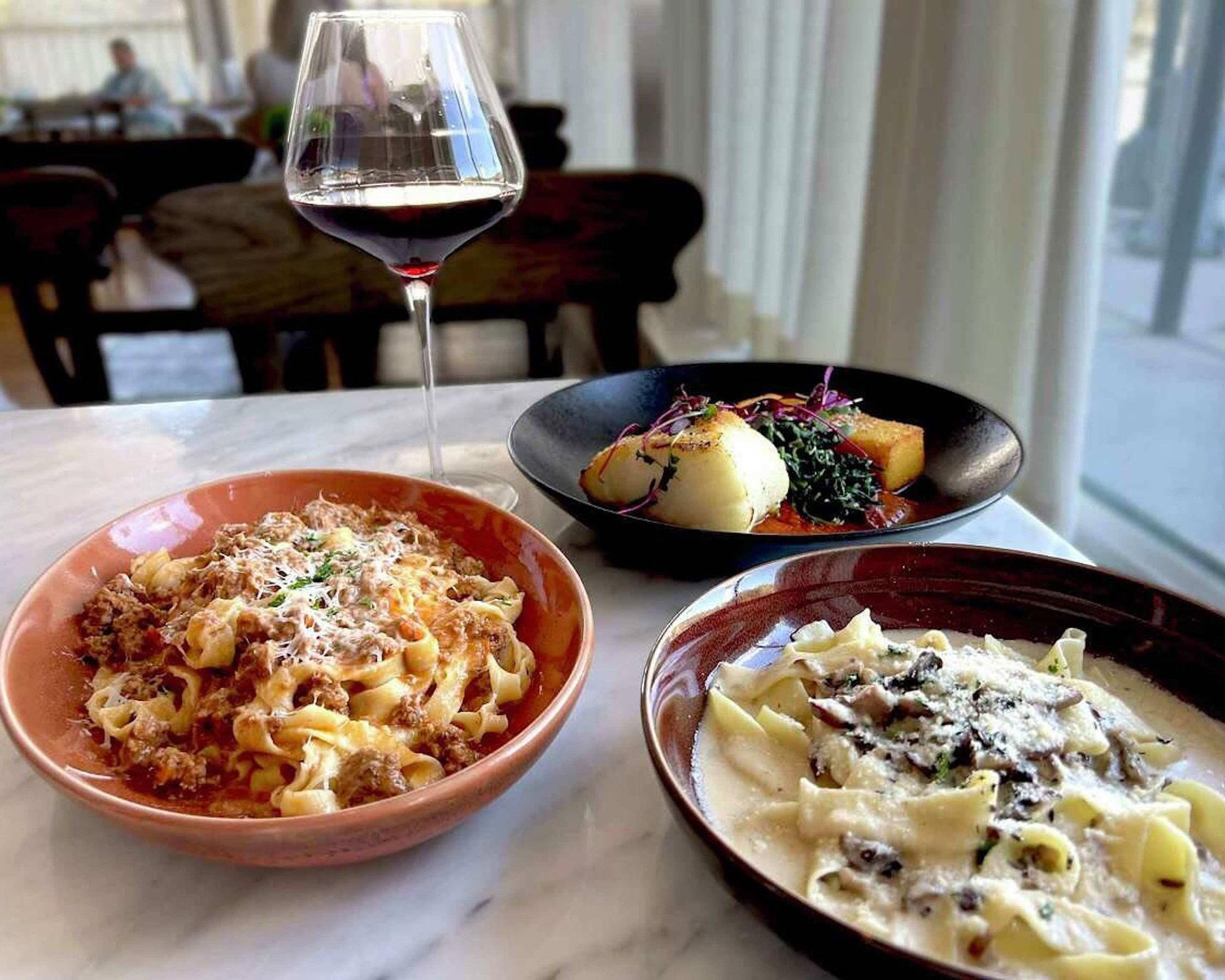
The menu
What to order
- Polipo e patate
- Pappardelle with wild boar
- Ravioli All’Aragosta
South Alamo and the Italian Osteria in a Texas Context
San Antonio's dining identity has long been shaped by two dominant traditions: the Mexican and Tex-Mex lineage running through the West Side and Market Square, and the barbecue culture that draws visitors to spots like 2M Smokehouse on the South Side. Against that backdrop, the Italian osteria format occupies a distinct and somewhat counter-intuitive position. Where most cities with a strong regional food identity treat Italian as a safe middle ground, San Antonio's version tends to absorb local inflections, and the question for any osteria operating here is whether it maintains the integrity of a tradition rooted in northern and central Italy or becomes a hybrid that serves neither cuisine well.
Nonna Osteria Downtown sits at 401 South Alamo Street, a corridor that runs along the eastern edge of the King William Historic District and connects the River Walk's tourist density to a quieter stretch of galleries, museums, and mid-century residential architecture. The address matters because South Alamo carries a different energy from the downtown core: the foot traffic is more intentional, the buildings have more texture, and the expectation for what a restaurant should do shifts accordingly. This is not a strip built for volume dining.
The Osteria Format and What It Demands
The osteria as a category sits between the trattoria and the ristorante in Italian dining culture. It implies informality without casualness, a shorter and more seasonal menu, and a relationship with producers and ingredients that the trattoria, with its broader appeal, rarely sustains. The format traveled well to American cities with Italian immigrant histories, particularly in the Northeast and in Chicago, where the osteria's emphasis on restraint and sourcing found a receptive audience. In cities without that foundation, the term often becomes decorative rather than functional.
The ingredient-sourcing question is where the osteria format either earns or loses its credibility. In Italy, the model historically meant buying from the market that morning and building the menu from what arrived. American interpretations of that approach vary widely. At one end, operations like Blue Hill at Stone Barns in Tarrytown have pushed farm-to-table sourcing into near-philosophical territory, where the provenance of every component is documented and the menu is an argument about agriculture. At the other end, the osteria name is applied to fixed menus with conventional supply chains, and the tradition is largely aesthetic.
For a San Antonio osteria, the regional sourcing question takes on a specific character. Texas has a genuinely productive agricultural base: Hill Country farms supply goat, lamb, and heritage pork; South Texas ranches run cattle that enter a premium supply chain distinct from commodity beef; and the growing season in the region extends further than much of the country, which gives any kitchen paying attention a longer window for fresh produce. Whether an osteria in this city draws on those inputs or defaults to the same Italian-American pantry available anywhere is a practical and philosophical choice with real consequences for what lands on the table.
Mixtli on the near West Side has established San Antonio's capacity for serious tasting-menu dining within a specifically regional Mexican framework, demonstrating that the city's audience will support focused, ingredient-driven cooking when the concept is executed with discipline. Isidore has approached Texas cooking from a more formal angle, and 1Watson has added another reference point for destination-level dining in the downtown area.
The city has developed the infrastructure, the sourcing relationships, and the customer base to support more specific and demanding formats. An osteria at the South Alamo address enters a market that has been partially educated by those predecessors, which is a more favorable position than it would have been a decade ago. For broader context on how this fits into the city's overall dining picture, see our full San Antonio restaurants guide.
The Italian osteria format has found its most coherent American expressions in cities where the kitchen's sourcing relationships are visible and verifiable. Operations like Single Thread Farm in Healdsburg and Lazy Bear in San Francisco sit at the more intensively sourced end of this spectrum, while the broader category ranges down through neighborhood trattorie where provenance is gestural rather than structural. Le Bernardin in New York City, Alinea in Chicago, Providence in Los Angeles, Addison in San Diego, Atomix in New York City, The French Laundry in Napa, The Inn at Little Washington, Emeril's in New Orleans, and 8 1/2 Otto e Mezzo Bombana in Hong Kong each represent a different answer to how much sourcing rigor a restaurant's identity can carry. Where Nonna Osteria Downtown positions itself within that range will determine whether it reads as a genuine contribution to the city's dining depth or as a format borrowed for its associations.
Planning a Visit
The South Alamo Street address puts Nonna Osteria Downtown within walking distance of the River Walk's northern stretch and the San Antonio Museum of Art, which makes it a natural candidate for pre- or post-museum dining. The King William Historic District begins a short walk south, and the broader arts district along this corridor draws a mixed crowd of residents and visitors. Current booking method, hours, and pricing are best confirmed directly with the venue, as these details were not available at time of publication. The 410 Diner provides a useful counterpoint on the city's more casual register if the evening calls for something less formal.
Frequently asked questions
Is Nonna Osteria Downtown suitable for children?
Osteria format, as practiced in Italian and Italian-influenced American dining, tends to favor an adult-oriented atmosphere built around longer, slower meals rather than high-volume family service. In San Antonio's mid-range to upper-mid-range dining tier, that generally means the environment is quieter and more deliberate than a casual trattoria. Families with older children comfortable with a sit-down pace are likely better suited than those with younger ones, though the specific family policy is worth confirming with the restaurant directly given that pricing and format details were not available at publication time.
What kind of setting is Nonna Osteria Downtown?
Venue sits on South Alamo Street, one of San Antonio's more architecturally textured downtown corridors, adjacent to the King William Historic District and a short walk from the River Walk. The osteria format typically implies a modest, convivial room rather than formal grandeur, and the South Alamo address places it in a neighborhood with enough residential and cultural character to support that kind of setting.
What's the must-try dish at Nonna Osteria Downtown?
Within the osteria tradition, housemade pasta and dishes built around whatever produce or protein is in season tend to be the most reliable indicators of a kitchen's commitment to the format. For a city like San Antonio, where the regional supply chain includes Hill Country farms and a strong ranching culture, any osteria worth the name should be drawing on those inputs in some form. Confirming the current menu with the restaurant directly will give the clearest picture of what the kitchen is prioritizing.
How does an Italian osteria fit into San Antonio's broader dining identity?
San Antonio's dining culture has traditionally centered on Mexican-heritage cooking and Texas barbecue, but the downtown corridor has expanded to include more format-specific options over the past several years, with venues like Mixtli demonstrating that the city's audience will support focused, ingredient-driven concepts. An Italian osteria at a South Alamo address enters that context as a complement to the city's dominant traditions rather than a competitor, occupying the part of the market that wants a slower, wine-anchored dinner without the tasting-menu formality. Whether Nonna Osteria Downtown delivers on the osteria format's core promise of seasonal, sourced cooking is the question that distinguishes it from Italian restaurants that use the category name loosely.
Accolades, Compared
Comparable venues nearby, for context on price, style, and recognition.
| Venue | Cuisine | Price | Notes |
|---|---|---|---|
| Nonna Osteria DowntownThis venue — the venue you are viewing | Northern Italian Osteria | $50–100 | Not listed |
| Luce Ristorante Enoteca | Traditional Neapolitan Italian | $50–100 | Northwest |
| Paesanos Riverwalk | Contemporary Mediterranean Italian | $30–50 | Downtown |
| La Focaccia Italian Grill | Classic Italian Grill | $20–30 | Convention Center District |
| Milano On Wurzbach | Authentic Italian | $20–30 | Northwest Side |
| Scuzzi's 1604 | Classic Italian Pasta House | $30–50 | Northwest Side |
Continue exploring
More in San Antonio
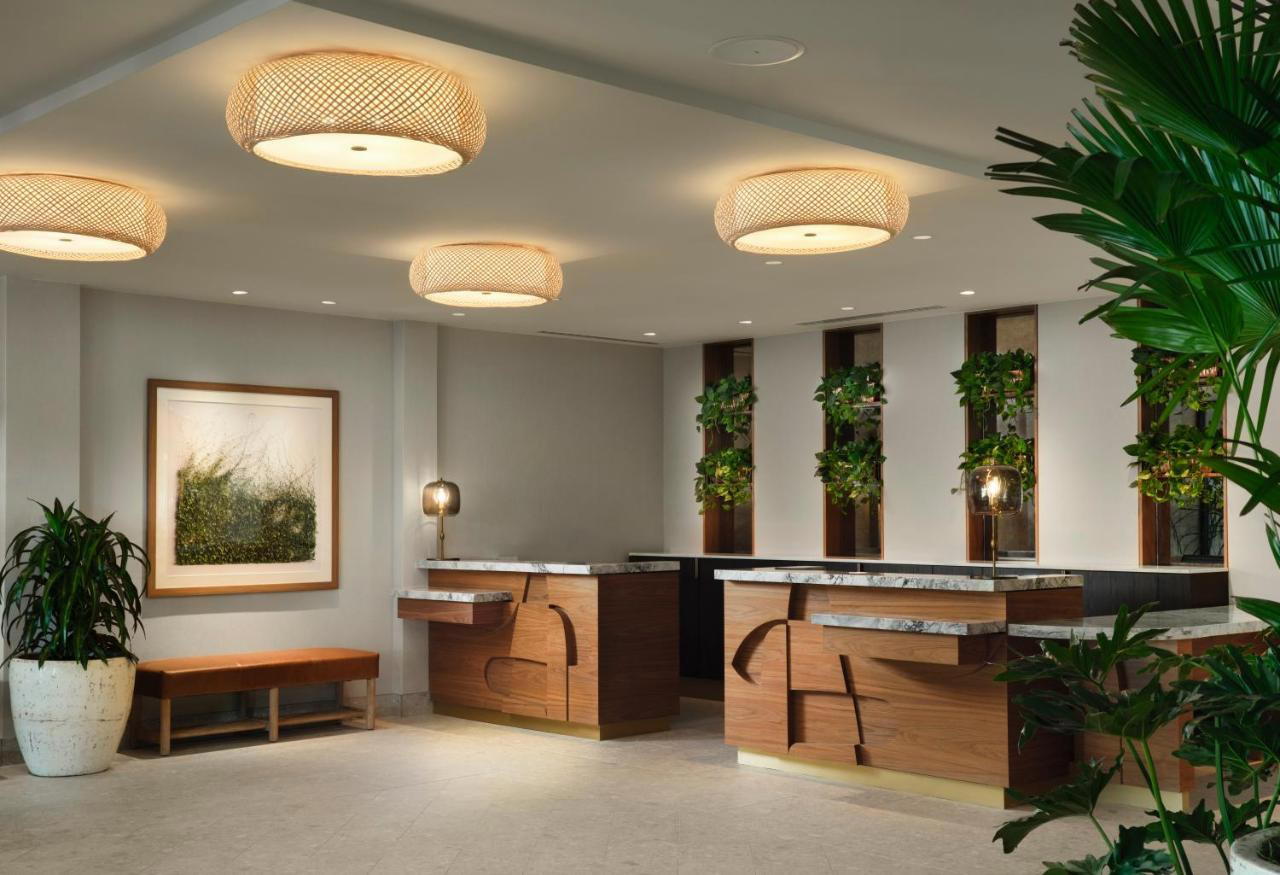
Restaurants in San Antonio
Browse all →
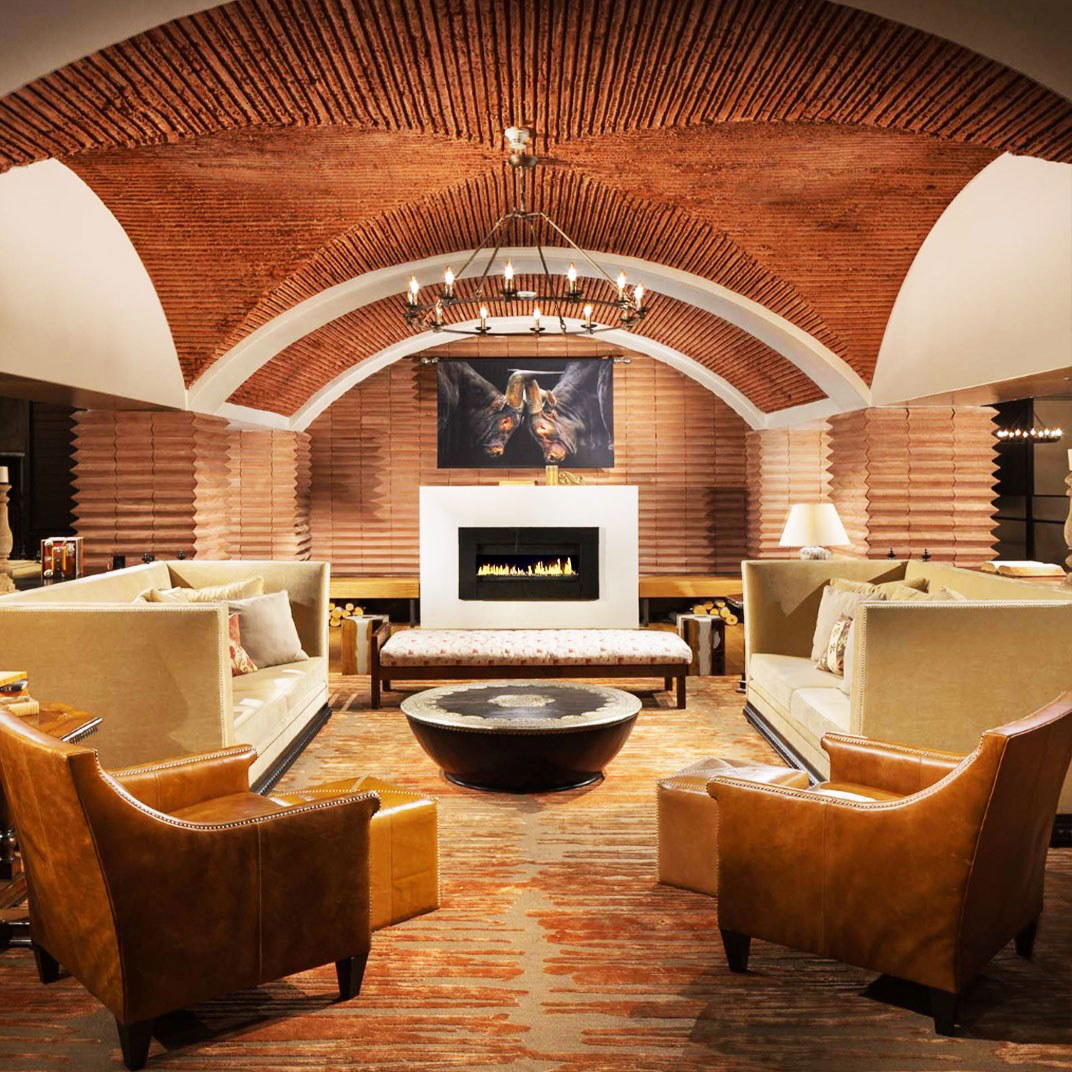
Bars in San Antonio
Browse all →
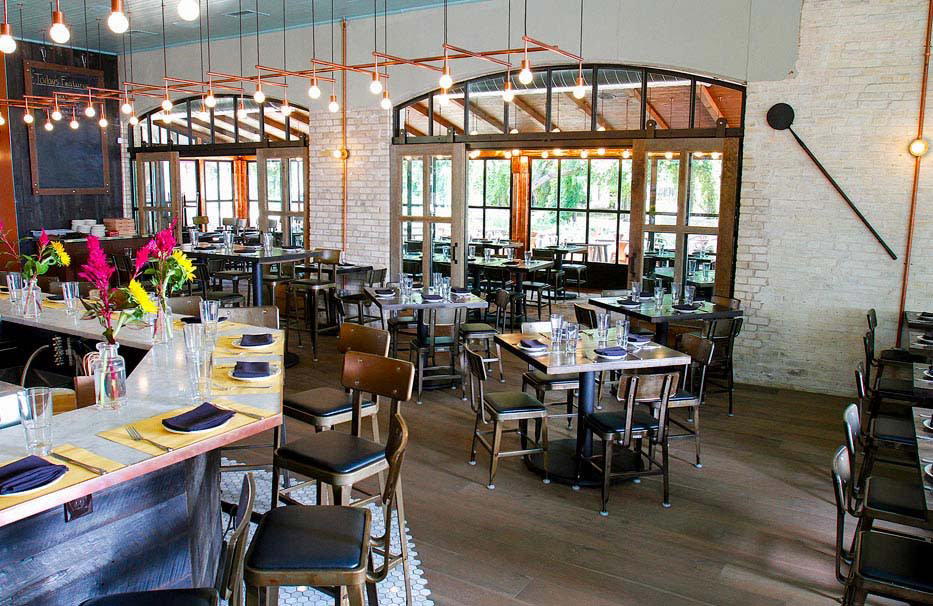
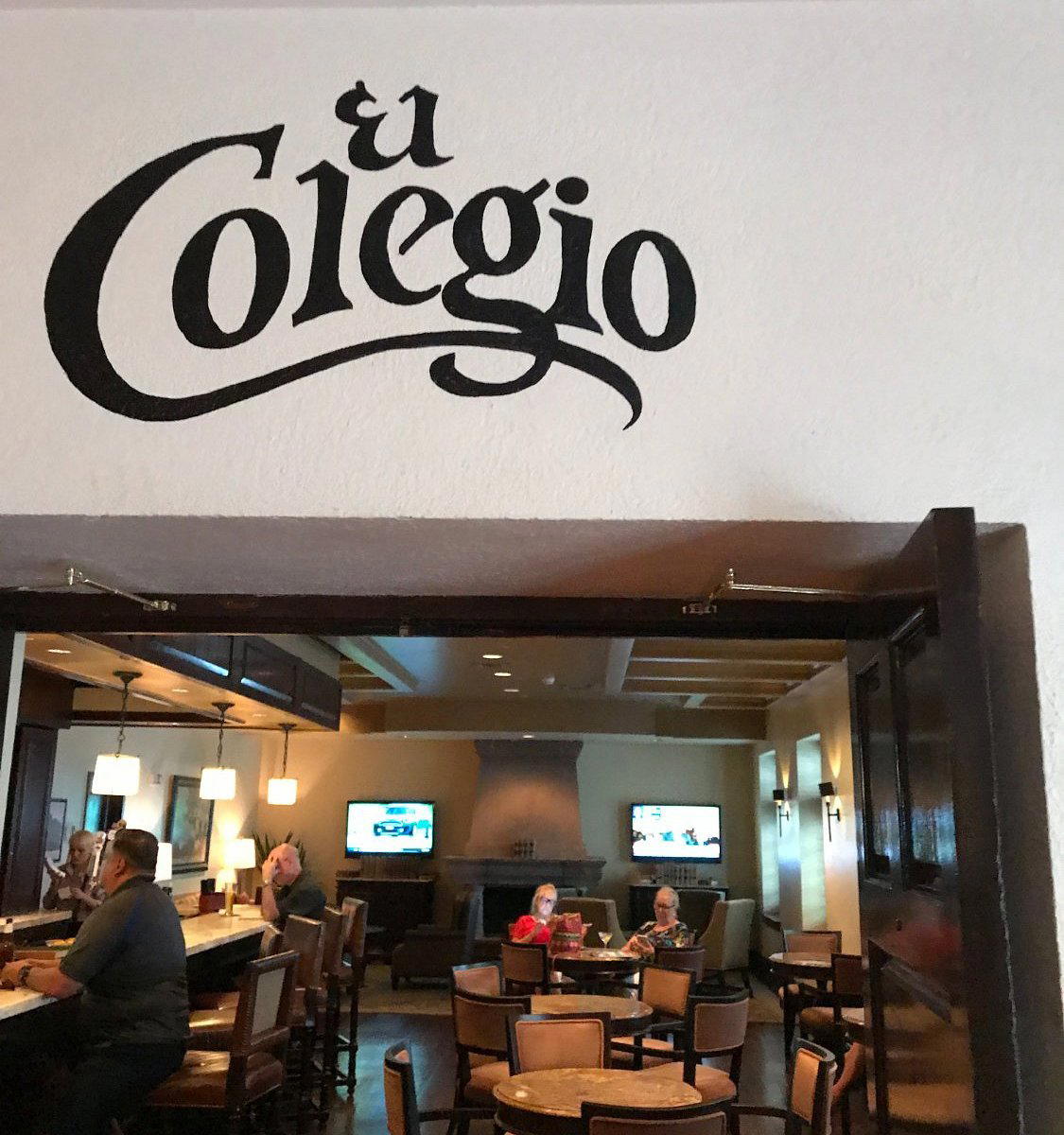
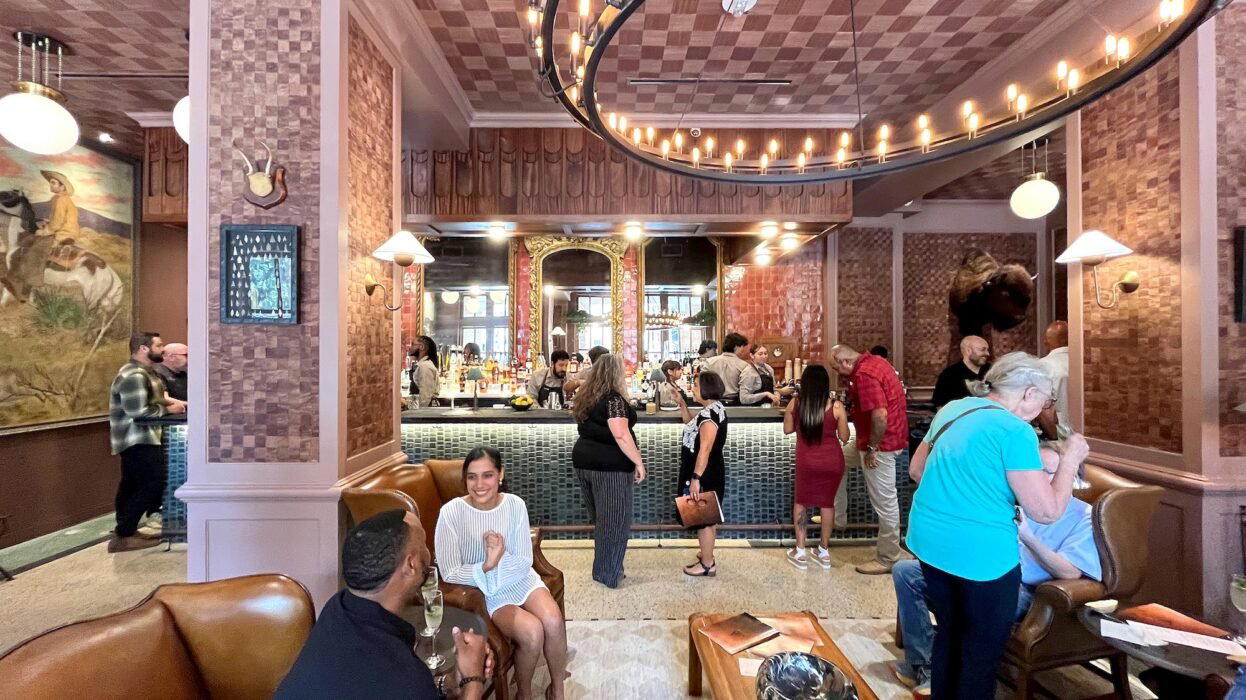
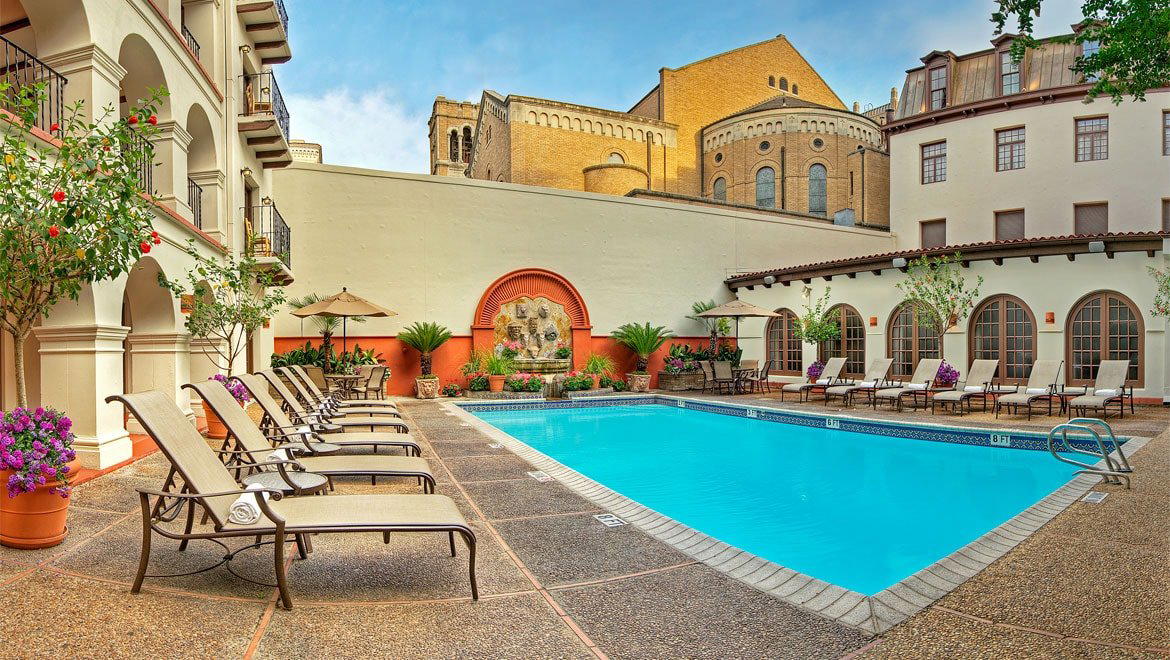
Hotels in San Antonio
Browse all →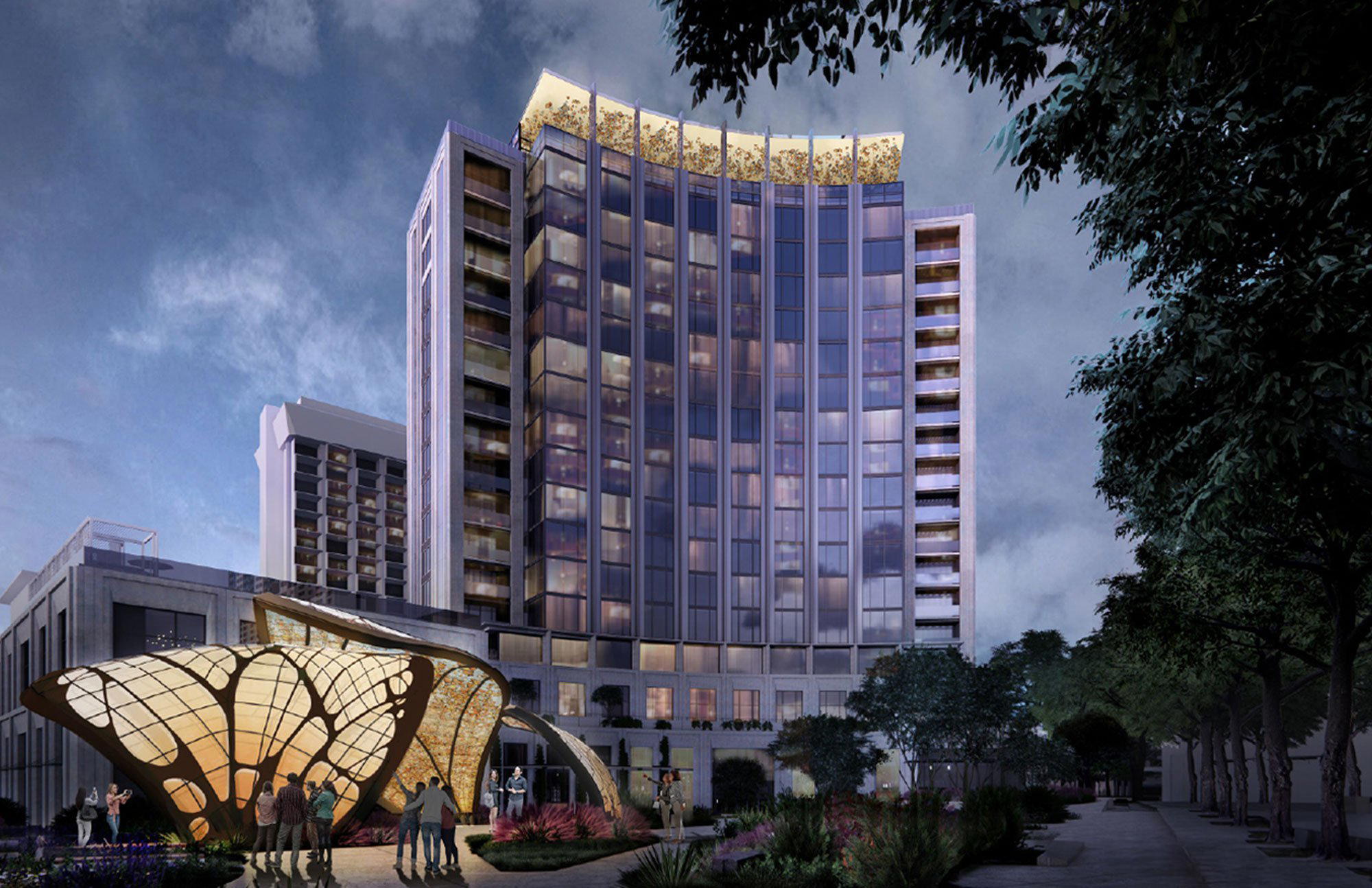

Wineries in San Antonio
Browse all →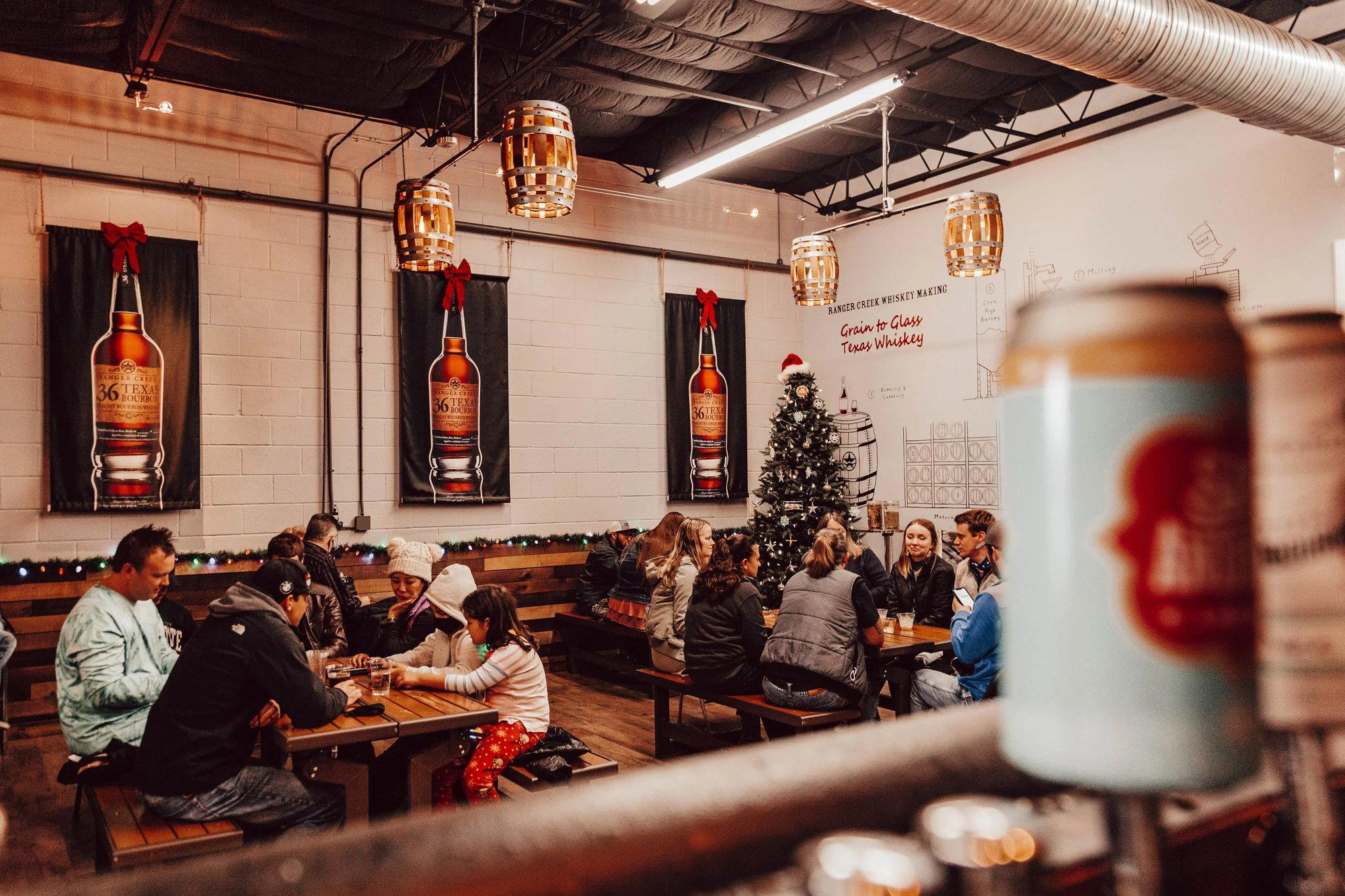
Nonna Osteria Downtown
The wine
- Wine program
- Curated wine list
- Extensive wine list
Details
- Cozy
- Rustic
- Elegant
- Warm
- Date Night
- Special Occasion
- Group Dining
- Historic Building
- Open Kitchen
- Hotel Restaurant
- Extensive Wine List
- A La Carte
- Vegetarian Friendly
- Gluten Free Options
Current opening hours
- Monday
- 11 AM–10 PM
- Tuesday
- 11 AM–10 PM
- Wednesday
- 11 AM–10 PM
- Thursday
- 11 AM–10 PM
- Friday
- 11 AM–11 PM
- Saturday
- 11 AM–11 PM
- Sunday
- 11 AM–10 PM
Hours can change for holidays and private events. Last verified .
Warm, inviting atmosphere in a beautifully restored historic building with attentive service.