Michelin Guide Plate · Michelin Plate
Our verdict
On Keong Saik Road, Nómada plants Spanish foundations and builds outward from there. Tapas and sharing plates form the backbone, but the kitchen folds in global techniques freely, pairing the likes of Mediterranean octopus with Japanese bonito broth. The result is a relaxed, bustling room that takes its Iberian roots seriously without treating them as a boundary.

Pearl is the En Primeur Club membership app, where members save venues, book tables and use the concierge.
The menu
What to order
- Iberico Pluma Rice
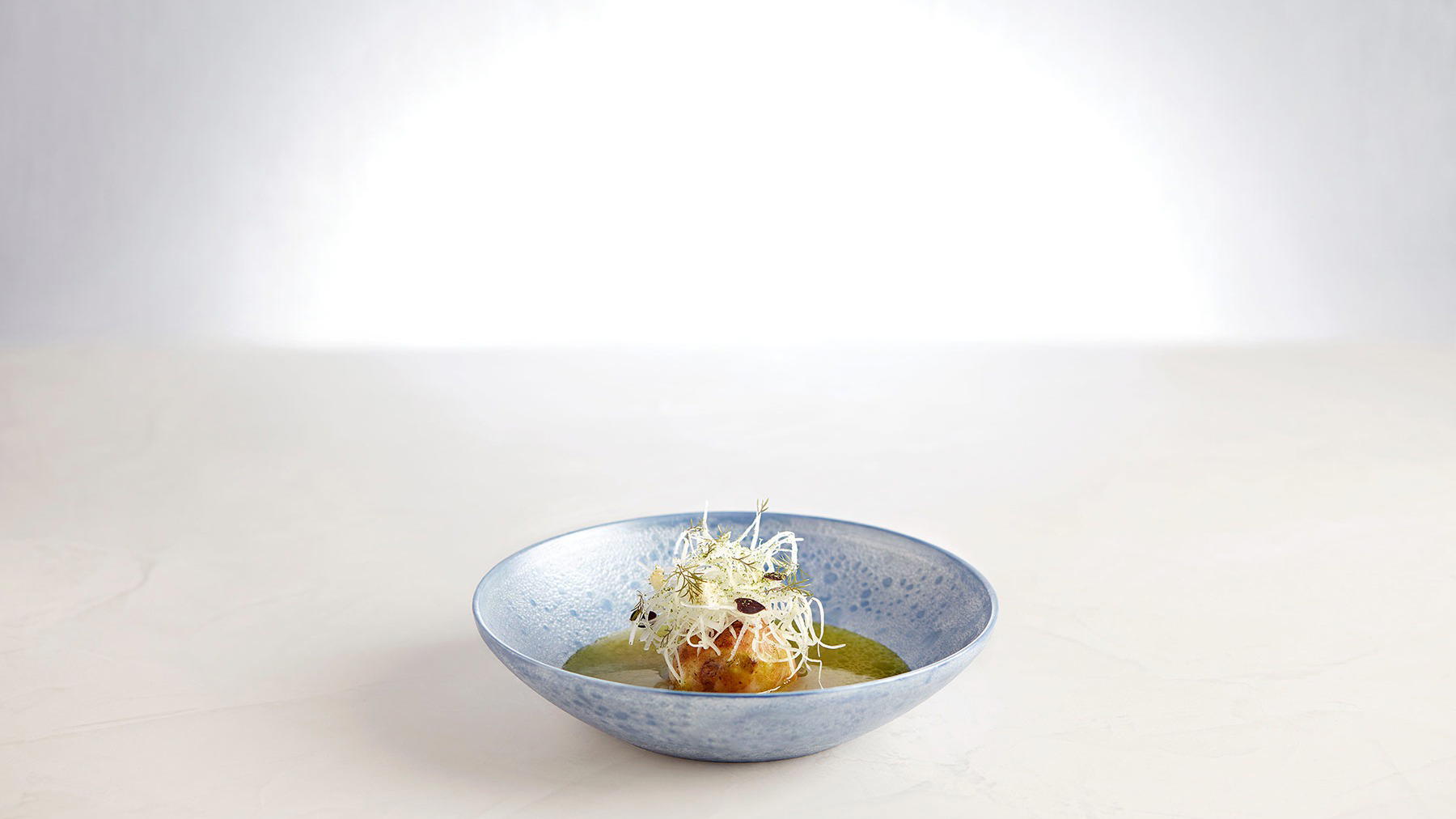
- Grilled Octopus with Bonito Broth
- Braised Short Ribs
- Spanish Suckling Pig
Keong Saik Road has spent the past decade remaking itself from a quiet shophouse strip into one of Singapore's most reliably interesting blocks for eating and drinking. The compression matters: within a few hundred metres, you pass wine bars, boundary-pushing modern Asian rooms, and a rotating cast of concepts that would not look out of place in London or Barcelona. It is a street that rewards arrival without a fixed plan, and Nómada suits that spirit precisely.
Spanish Foundations, Global Reach
Spain's culinary vocabulary has spread across global dining in ways that few other traditions have managed. The techniques that emerged from the Basque Country and Catalonia, the counter-driven sharing formats that San Sebastián and Barcelona normalised, have become a common reference point for kitchens working in cities far from the Iberian Peninsula. Singapore, with its history of absorbing and adapting culinary influences from dozens of directions, was always a plausible home for that kind of format.
What Nómada does is take Spanish structure as the frame and treat the broader world as the palette. The tapas format remains: small plates, shared dishes, a rhythm of eating that encourages ordering widely rather than deeply. But the execution does not stop at the Pyrenees. The most-cited example in the kitchen's approach is the Mediterranean grilled octopus, a dish with deep roots in Spanish and wider southern European cooking, reworked with Japanese bonito broth. That is not fusion as novelty; it is a logical extension of what octopus and dashi have always had in common, which is umami clarity and the ability to carry smoke. The pairing makes technical sense before it makes headline sense.
The menu scales from tapa-sized portions through to larger sharing formats. Spanish suckling pig and paella represent the end of the scale where the table commits to a dish together, the kind of order that requires at least a brief conversation before it arrives. That range, from one-bite intensity to a shared centrepiece, is one of the things the Spanish format handles better than most European traditions. It allows a table of two and a table of eight to use the same menu differently.
Where Nómada Sits in Singapore's Mid-Market
Singapore's restaurant scene has a well-documented fine-dining tier: the rooms where three Michelin stars, tasting menus running well past S$300 per person, and month-long booking windows define the conversation. Odette and Les Amis operate at that level. Zén and Jaan by Kirk Westaway sit in the same bracket, with European pedigrees and pricing to match.
Below that tier, the city has a far more varied and often more interesting set of rooms. Innovative kitchens like Meta occupy the space where formal ambition meets more accessible pricing. Nómada operates in a similar register: a kitchen with a clear point of view, in a neighbourhood that attracts an informed dining public, without the ceremony or the booking anxiety of the starred rooms. That positioning is not a consolation prize. For many meals, particularly those built around sharing and extended grazing, it is the more appropriate tier.
Globally, the model has precedents. The kind of Spanish-anchored, globally inflected sharing-plate restaurant that Nómada represents appears in cities with strong culinary infrastructure and diverse populations. You find cognates in New York's tapas-adjacent bars, in Hong Kong's wine-and-share dining rooms like 8½ Otto e Mezzo Bombana's broader neighbourhood context, and in the eating culture of cities where Spanish cooking has taken root through chef migration and ingredient access. Spain's own ambitious end of the spectrum, as documented at places like Aponiente, provides the deeper culinary reference point that filters down into approachable formats.
The Room and the Energy
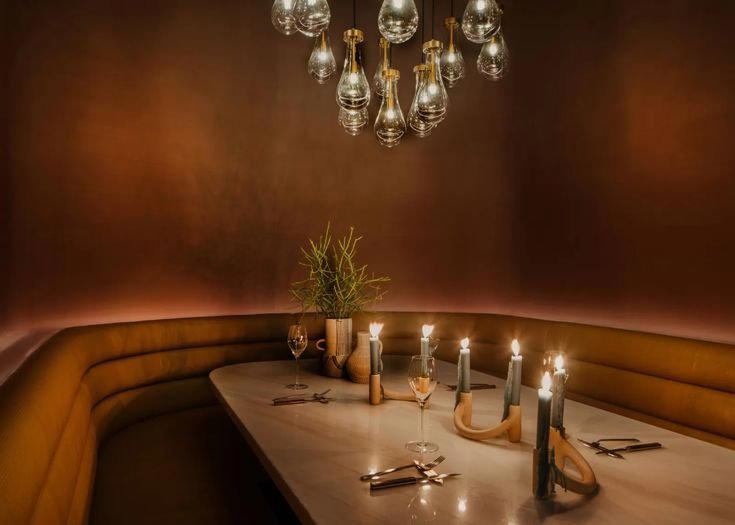
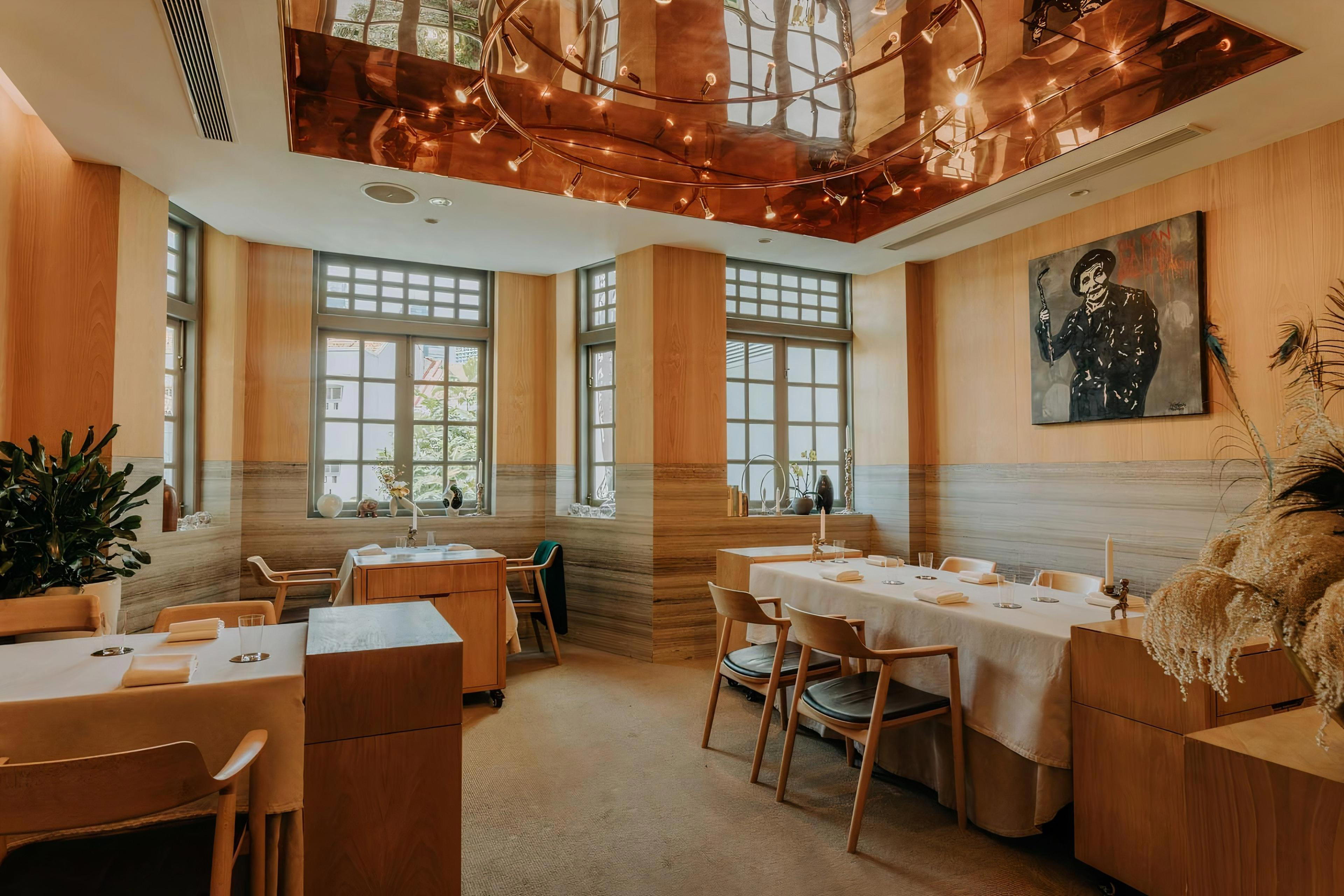
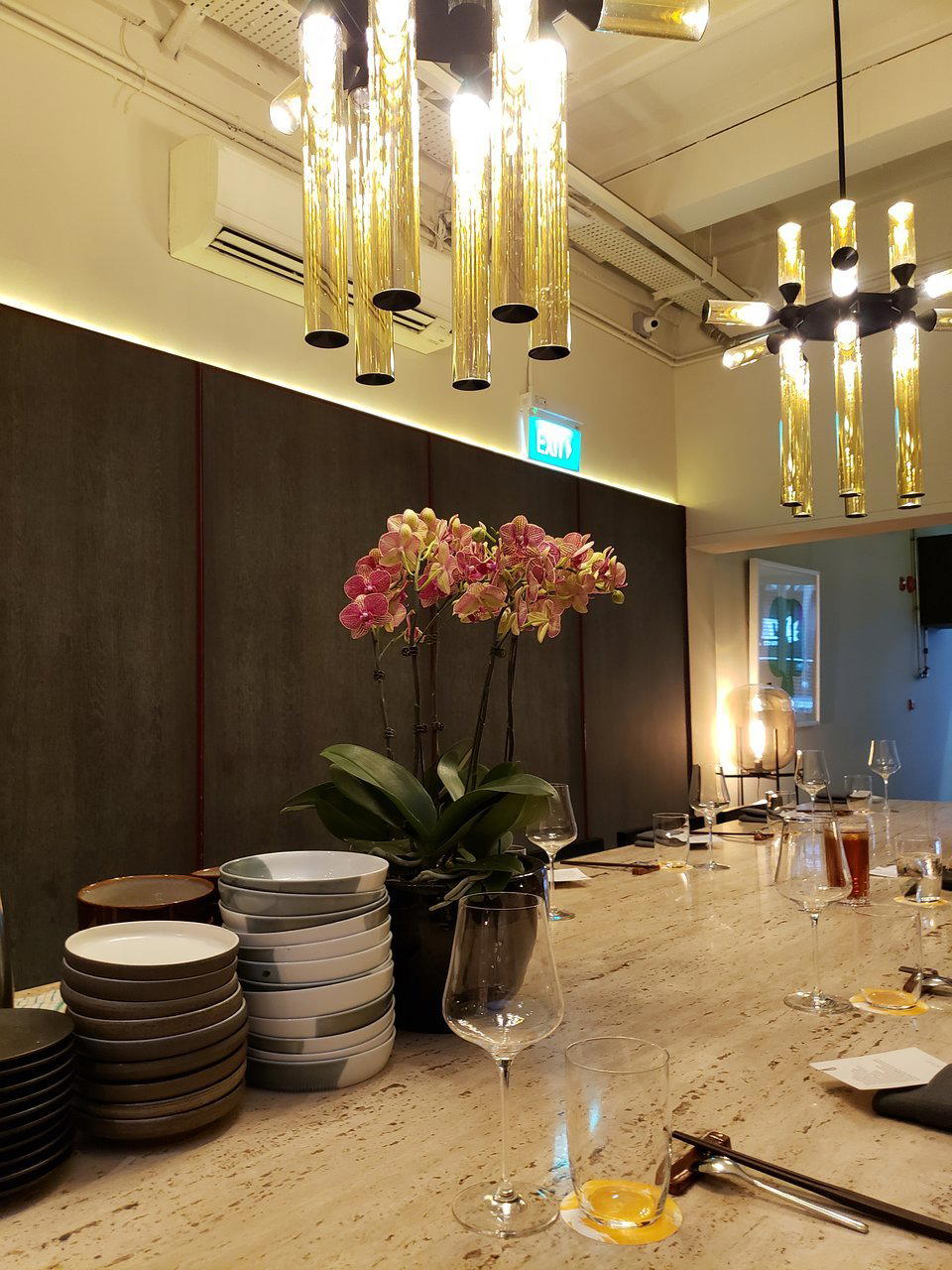
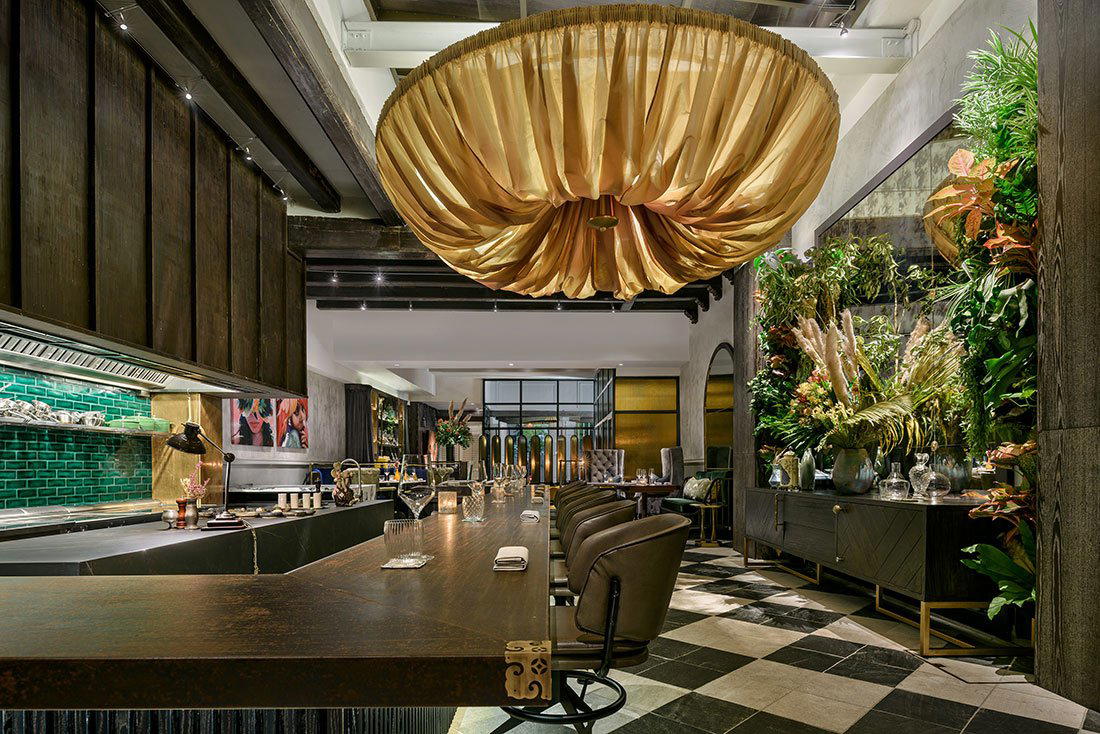
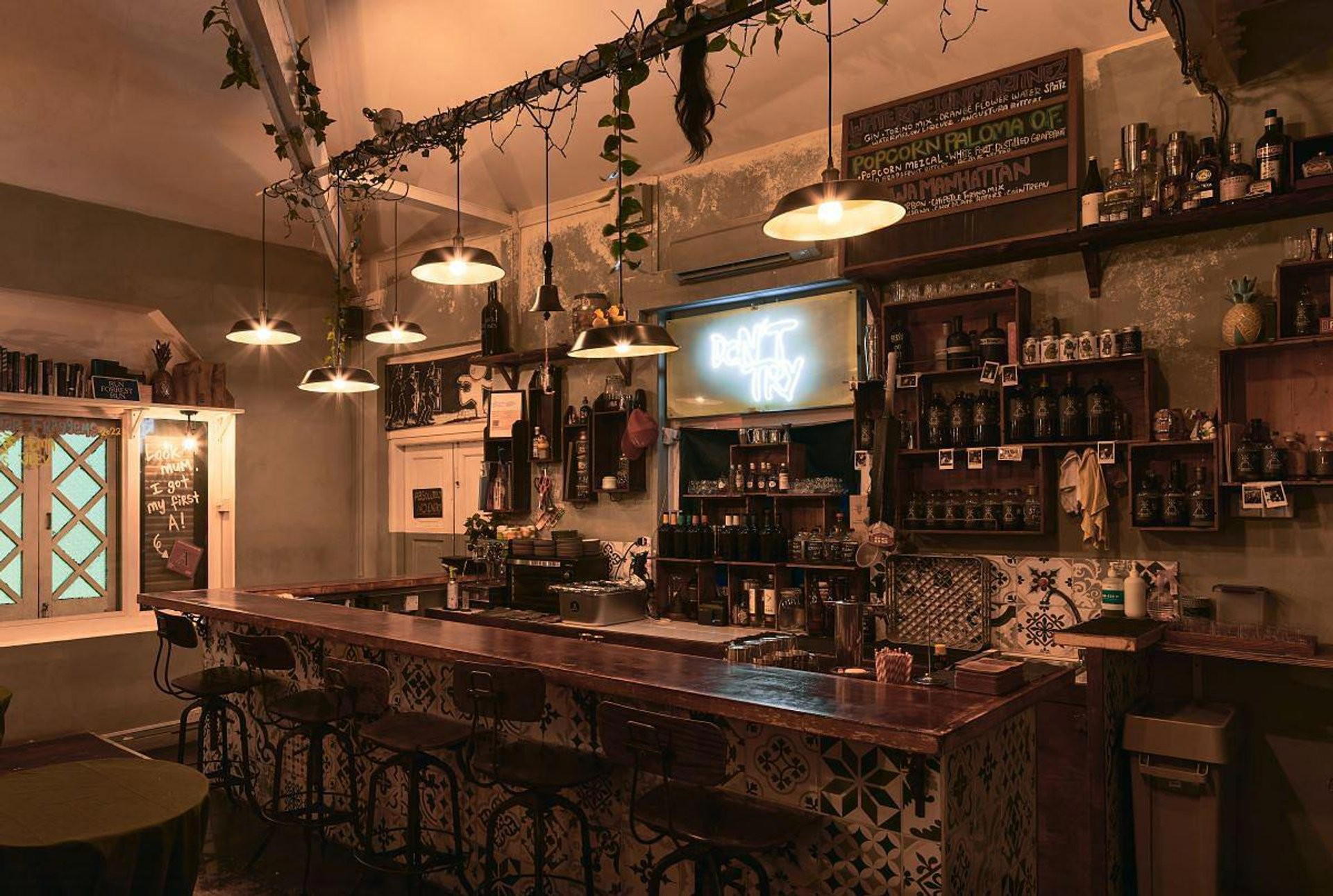
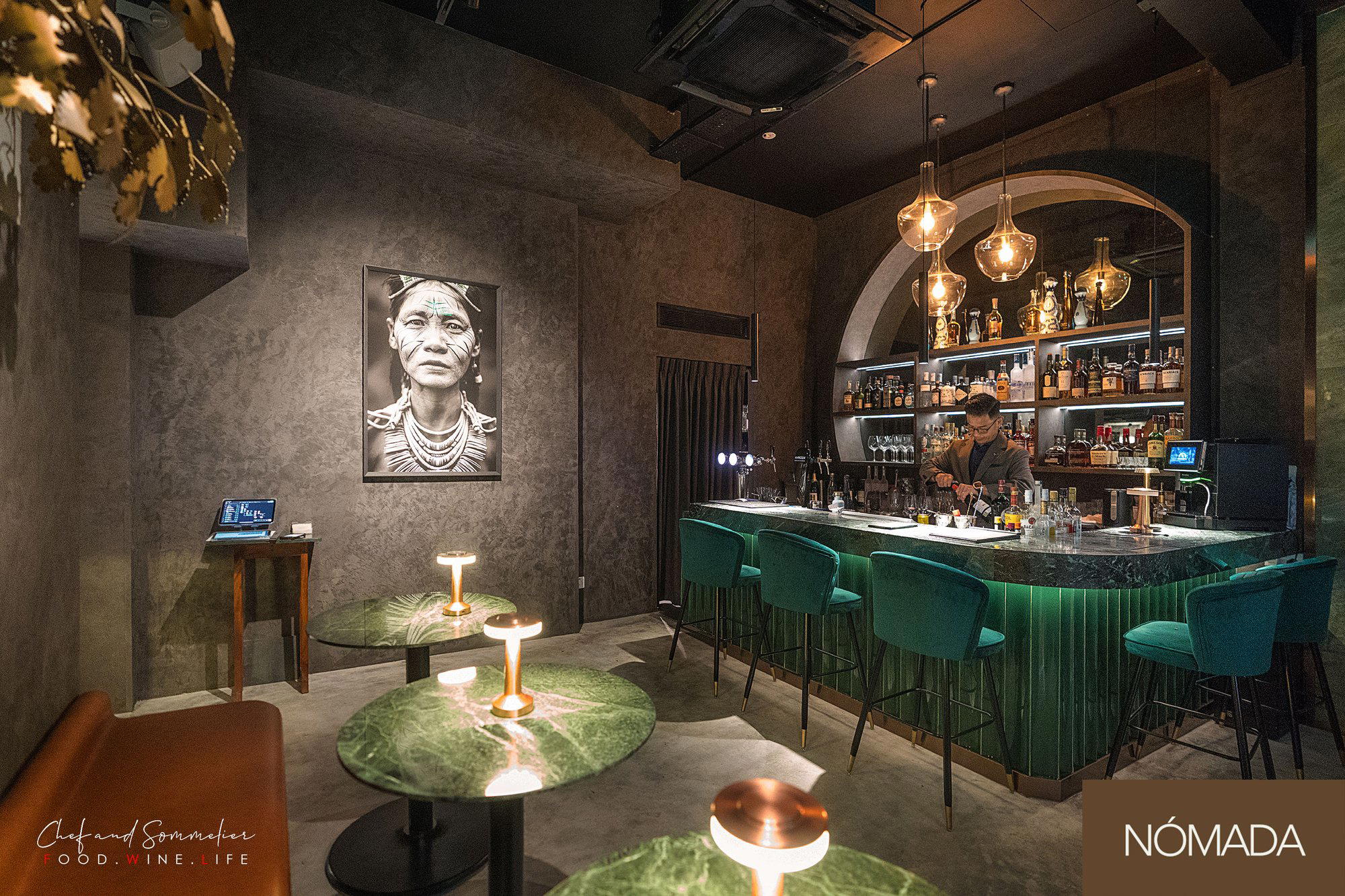
The Keong Saik address shapes the experience before the food arrives. The shophouse architecture of this part of Chinatown, with its narrow frontages and layered histories, creates a particular kind of dining environment: rooms that tend toward the intimate, street-level energy that bleeds through the door, and a general understanding among the crowd that they are not there for a ceremonial occasion. The vibe at Nómada, described consistently as relaxed and bustling, maps directly onto that context.
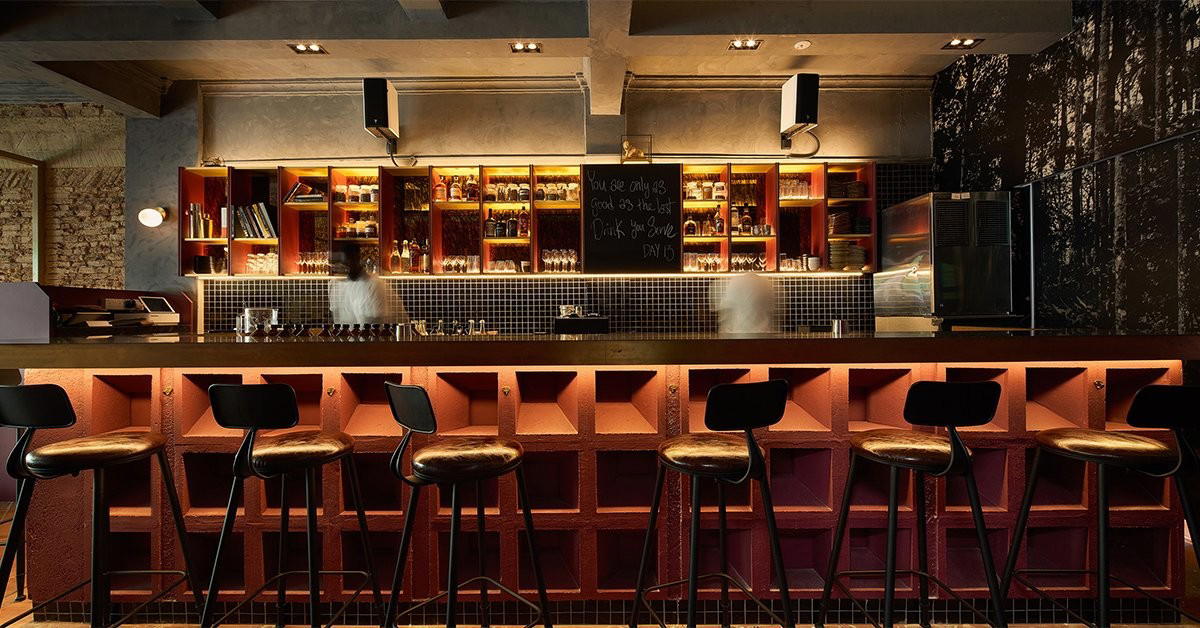
Bustling matters as a signal. In this context it implies tables that turn with energy rather than tables that sit in museum-like quiet. It suggests a kitchen pacing multiple covers simultaneously, a floor that moves with purpose, and a room where the noise of a good night is part of the offer. That register aligns with the Spanish tapas format, which has never been a contemplative dining mode. The communal table culture and the standing bar culture that define eating in cities like Seville and Madrid translate imperfectly into Singapore's sit-down habits, but the spirit, which is social, generously portioned, and anchored in strong flavour rather than delicate presentation, carries across.
Planning Your Visit
Nómada sits at 1 Keong Saik Road, walkable from Outram Park MRT and within the broader Chinatown dining corridor that connects to Tanjong Pagar and the bars of Ann Siang Hill. For those building a wider Singapore itinerary, our full Singapore restaurants guide maps the scene across price tiers and neighbourhoods, while the Singapore bars guide covers the late-night options on the same stretch. The Singapore hotels guide, wineries guide, and experiences guide round out the broader trip picture.
Given the neighbourhood's density and Nómada's reputation for a bustling room, walk-ins on weekends carry real risk. Those dishes, by their nature, require a table that has time and appetite, and securing that combination on a Friday or Saturday without a reservation is harder than it should be.
For comparable Spanish-influenced formats with global reach in other cities, the diaspora of ambitious European cooking shows up at Le Bernardin in New York, at Alain Ducasse at Louis XV in Monte Carlo, and at the technically ambitious end of American dining through Alinea in Chicago and Lazy Bear in San Francisco. The throughline, global technique applied to strong regional foundations, is what Nómada is doing at a different price point and with a different cultural mix.
Frequently asked questions
Is Nómada Michelin-listed?
Nómada has received recognition including: After travelling the world to broaden his culinary know-how, this culinary nomad has decided to settle with Spanish cuisine, but adds bold, exciting global influences – the traditional Mediterranean grilled octopus gets a makeover with Japa….
Where is Nómada in Singapore?
Nómada is located at 1 Keong Saik Road, Singapore.
What should I eat at Nómada?
The kitchen's signature move is applying global technique to Spanish foundations, grilled octopus arrives with Japanese bonito broth rather than the standard Mediterranean preparation. Sharing plates such as Spanish suckling pig and paella anchor the larger-format eating, while tapas suit a lighter or more exploratory meal. Those dishes give the clearest read on what Nómada is actually doing.
Do I need a reservation for Nómada?
Nómada's Keong Saik Road address puts it in one of Singapore's most active dining corridors, where walk-in availability at peak times is unpredictable. Booking ahead is sensible, particularly for the suckling pig or paella, which are sharing-format dishes that benefit from advance coordination. Contact details are available via the venue directly at 1 Keong Saik Road.
What's the standout thing about Nómada?
The combination of Spanish structure and deliberate global cross-referencing sets the menu apart from the straightforward European restaurants that populate Singapore's mid-market. A dish like Mediterranean octopus reworked with Japanese bonito broth reflects a chef who trained across multiple culinary traditions before committing to a Spanish framework. The room's energy, described as relaxed and bustling, keeps the concept from feeling studied or austere.
Is Nómada good for vegetarians?
The menu as documented centres on proteins, suckling pig, octopus, and paella, which typically includes seafood or meat as its core component. Checking directly with the restaurant before visiting is advisable if this is a requirement.
How does Nómada's approach to Spanish cuisine differ from a traditional Spanish restaurant?
Rather than replicating Iberian cooking as-is, the chef draws on time spent across multiple culinary cultures to layer non-Spanish techniques into classic preparations, the grilled octopus, a staple of Mediterranean cooking, is finished with Japanese bonito broth. Tapas and large sharing plates like suckling pig and paella keep the Spanish scaffolding intact, but the global inflections are deliberate rather than incidental. That framework positions Nómada in Singapore's broader category of cuisine-led concept restaurants rather than purely regional specialists.
Budget and Context
Comparable venues nearby, for context on price, style, and recognition.
| Venue | Cuisine | Price | Awards | Notes |
|---|---|---|---|---|
| NómadaThis venue (the venue you are viewing) | Contemporary Spanish with Global Influences | $50–100 | Michelin Guide Plate · Michelin Plate | Not listed |
| Esquina | Modern Spanish Tapas | $50–100 | Michelin Guide Plate · Michelin Plate | CHINATOWN, Modern Spanish Tapas |
| Bar-Roque Grill | French Grill with Alsatian Specialties | $50–100 | Michelin Guide Plate · Michelin Plate | ANSON, French Grill with Alsatian Specialties |
| Les Ducs | French Fun Dining with Asian Influences | $50–100 | Michelin Guide Plate · Michelin Plate | CHINATOWN, French Fun Dining with Asian Influences |
| Cure | Modern Irish Fine Dining | $100–150 | Not listed | CHINATOWN, Modern Irish Fine Dining |
| Nicolas | Traditional French Bistro | $100–150 | Michelin Plate · Star Wine List | CHINATOWN, Traditional French Bistro |
Recognition history
Dated appearances from independent guides and award organizations, with the underlying list record or original source where available.
Michelin Plate
Michelin · 2026 Michelin Plate
Michelin Guide Plate
Michelin Guide