Lasita


LA Times 101 Best Restaurants #91
Our verdict
Lasita in Los Angeles delivers Modern Filipino rotisserie and natural wine bar dining focused on grilled technique and bright flavors. Must-try dishes include inasal—lemongrass, ginger, garlic and calamansi–marinated chicken—pork belly lechon rolled like porchetta, and grilled branzino stuffed with lemongrass and ginger. The menu rotates with seasonal plates such as grilled shrimp over sweet corn purée and whole dorade in a sweet-and-sour plum sauce. Run by Chase Valencia, Steff Barros Valencia, and chef Nico de Leon, Lasita earned LA Times 101 Best Restaurants 2024 (#91). Expect high-acid whites and chilled reds selected to slice through savory, garlicky meats for a vivid dining experience.

Pearl is the En Primeur Club membership app, where members save venues, book tables and use the concierge.
The menu
What to order
- Chicken Inasal
- Pork Belly Lechon
- Sizzlin' Pork Belly Sisig
Four Years In, Lasita Has Outgrown Its Own Label
When Lasita opened in Chinatown's Far East Plaza, it arrived with a tight identity: a Filipino rotisserie, two anchor dishes, a small room. That framing made sense at the time. The Los Angeles dining scene had seen a wave of focused, single-concept openings, and a restaurant built around inasal and lechon fit the format neatly. Four years later, the rotisserie label has become too narrow for what the kitchen is actually doing, and the gap between the original pitch and the current reality is where Lasita's real story lives.
Filipino cuisine has been finding its footing in American fine-casual dining for most of this decade. Relative to Vietnamese, Thai, or Japanese food, it arrived later to the kind of editorial attention that drives reservation pressure and critical recognition. That lag is closing in Los Angeles, and Lasita has benefited from and contributed to the shift. When the LA Times placed it at number 91 on its 2024 list of the 101 best restaurants in the city, the recognition was partly for the food itself and partly for what the restaurant represents: a disciplined, ingredient-led approach to a cuisine that the city's dining press is still learning to read with fluency.
The Two Dishes That Started It
The inasal comes from the western Visayan Islands in the central Philippines, where the preparation is a regional point of pride. The marinade at Lasita uses lemongrass, ginger, garlic, and calamansi juice, working in combination to produce something pungent and acidic that cuts through the fat of the grilled chicken. The pork belly lechon takes the same logic in a different direction: rolled like porchetta, filled with herbs and spices, it references both the Filipino celebration dish and the Italian technique without explaining itself. These two preparations remain the structural core of the menu, and their presence on the list from day one tells you something about the owners' confidence in their source material.
Chase Valencia and his wife Steff Barros Valencia, alongside chef Nico de Leon, run the operation, and the kitchen has consistently used those two dishes as a foundation rather than a ceiling. The evolution has been additive rather than corrective, which is a meaningful distinction: they haven't abandoned the rotisserie concept, they've simply stopped letting it constrain what else they cook.
What the Menu Looks Like Now
The rotating menu that has developed around those core dishes reflects a kitchen that is cooking with range and seasonal awareness. Grilled branzino stuffed with lemongrass and ginger, pork chop with a spicy-sweet barbecue glaze, whole dorade in a sweet-and-sour plum sauce, and grilled shrimp over sweet corn puree have all appeared on the menu at different points, cycling in and out depending on the week. The format rewards return visits in a way that a fixed menu cannot: the stable dishes give regulars something reliable, while the rotating preparations give them a reason to come back before they've worked through everything.
The kitchen also runs a notably serious vegetarian and vegan lane. Pancit dishes threaded with vegetables and a sizzling mushroom variation on sisig, the traditional chopped pork dish, extend the menu's reach beyond the grilled meat framework without reading as afterthoughts. In the context of Filipino-American dining, where the protein-centric tradition is deep, that commitment is a considered editorial decision about who the restaurant wants to feed.
The Wine Program as Argument
Natural wine bar component of Lasita isn't decorative. Valencia has built a list oriented around what he describes as "cutters": high-acid whites and reds designed to be served chilled, specifically chosen to work against the salty, garlicky density of the food. This is a wine-pairing philosophy built from the food outward rather than the cellar inward, which puts Lasita in a different category from restaurants where the wine program runs parallel to the kitchen rather than in service of it.
Los Angeles has developed a coherent natural wine culture over the past decade, and the city's leading casual-to-mid-range dining rooms have increasingly treated the wine list as an extension of the kitchen's point of view. Lasita fits that pattern. Valencia gives advice on wines to guests directly, which at a restaurant operating in Far East Plaza's informal register, functions less like sommelier service and more like a host recommending what works. The approach matches the room's tone.
Where Lasita Sits in the Los Angeles Dining Picture
Los Angeles's most discussed restaurants currently cluster at the formal end of the Filipino and broader Asian-American spectrum. Atomix in New York City represents the same upward trajectory in Korean-American fine dining. Lasita operates at a different register: it isn't competing with tasting-menu formats or the kind of prix-fixe ambition that places like Providence, The French Laundry in Napa, or Le Bernardin in New York City represent.
Osteria Mozza occupies the Italian end of LA's critically recognized mid-range. Lazy Bear in San Francisco and Alinea in Chicago show how far the format can stretch when ambition scales up. Emeril's in New Orleans and Single Thread Farm in Healdsburg demonstrate how regional specificity becomes a competitive advantage at the right level of execution. Lasita's advantage is similar: it is making a regional Philippine tradition, from a specific set of islands, with a specific set of techniques, at a level of consistency that the LA Times was willing to put its name behind.
For the broader picture of where to eat and drink in the city, our full Los Angeles restaurants guide covers the range from tasting-menu formats to neighborhood standbys. The Los Angeles bars guide tracks the natural wine and cocktail programs that have developed alongside the city's food scene, and the Los Angeles hotels guide, wineries guide, and experiences guide round out the full picture. For visitors to Hong Kong, 8 1/2 Otto e Mezzo Bombana offers a point of comparison for how fine-dining ambition operates in the Asia-Pacific context from which much of Lasita's culinary reference points draw.
Planning Your Visit
Lasita is located at 727 N Broadway, Suite 120, in Far East Plaza, Chinatown, Los Angeles. Given that the menu rotates and certain preparations appear only briefly, timing a visit around what's currently on requires either checking in advance or accepting that the two anchor dishes, inasal and pork belly lechon, will always be present as reliable anchors. The natural wine program is integrated into the experience, and Valencia's direct involvement in wine recommendations makes the list more accessible than at restaurants where the cellar operates at a remove from the room.
Frequently asked questions
What's Lasita known for in terms of accolades?
Lasita has received recognition including: LA Times 101 Best Restaurants 2024 - Ranked #91. The Filipino restaurant and natural wine bar in Chinatown’s Far East Plaza run by Chase Valencia, his wife, Steff Barros Valencia, and chef Nico de Leon remains centered on two dishes. Inasal….
What's Lasita's location?
Lasita is located at 727 N Broadway #120, Los Angeles, CA 90012, Los Angeles.
What do regulars order at Lasita?
The inasal and pork belly lechon are the two dishes the restaurant was built around and remain the anchors of every visit. Beyond those, the rotating menu draws repeat visitors back for whatever the kitchen is running that week, whether grilled shrimp over sweet corn puree or whole fish in plum sauce. The LA Times named Lasita one of its 101 Best Restaurants in 2024, which reflects how consistently the kitchen executes across that broader range.
Can I walk in to Lasita?
Lasita operates out of Far East Plaza at 727 N Broadway, Suite 120 in Chinatown, a counter-casual format that historically accommodates walk-ins more readily than reservation-only rooms. That said, the restaurant has built a following since opening, and the LA Times 101 Best recognition in 2024 has increased demand. Arriving early or on a weeknight gives you the best shot without a wait.
What's the defining dish or idea at Lasita?
The inasal is the clearest argument for what Lasita is: chicken from the western Visayan Islands tradition, marinated in lemongrass, ginger, garlic, and calamansi juice, then grilled. It is the dish Chase Valencia and his co-founders built the concept around, and it still anchors the menu four years in. The broader idea is Filipino grilled and roasted cooking paired with high-acid natural wines that Valencia selects specifically to cut through the salty, garlicky density of the food.
Nearby-ish Comparables
Comparable venues nearby, for context on price, style, and recognition.
| Venue | Cuisine | Price | Awards | Notes |
|---|---|---|---|---|
| LasitaThis venue (the venue you are viewing) | Filipino Rotisserie & Natural Wine | $30–50 | LA Times 101 Best Restaurants #91 | Not listed |
| Dahlia | Afternoon Tea Lounge | Not listed | Not listed | Downtown |
| Ryan Heffington's The Sweat Spot | Dance Studio | Not listed | Not listed | Silver Lake |
| Cheese Store of Beverly Hills | Artisanal Cheese Shop & Deli | $10–20 | Not listed | Golden Triangle |
| Tracy Anderson Method Studio | other | Not listed | Not listed | Studio City |
| Lieder's Pico | Kosher Deli & Israeli | $20–30 | Not listed | South Robertson |
Recognition history
Dated appearances from independent guides and award organizations, with the underlying list record or original source where available.
LA Times 101 Best Restaurants #91
LA Times
Opinionated About Dining Gourmet Casual Dining in North America Recommended
Opinionated About Dining
Continue exploring
More in Los Angeles
Restaurants in Los Angeles
All restaurants in Los Angeles →
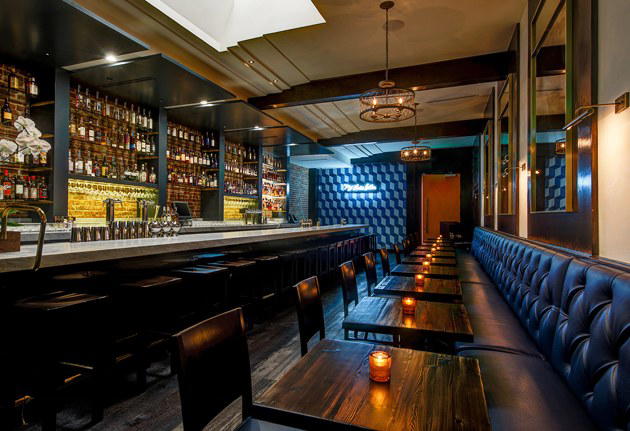
Bars in Los Angeles
All bars in Los Angeles →
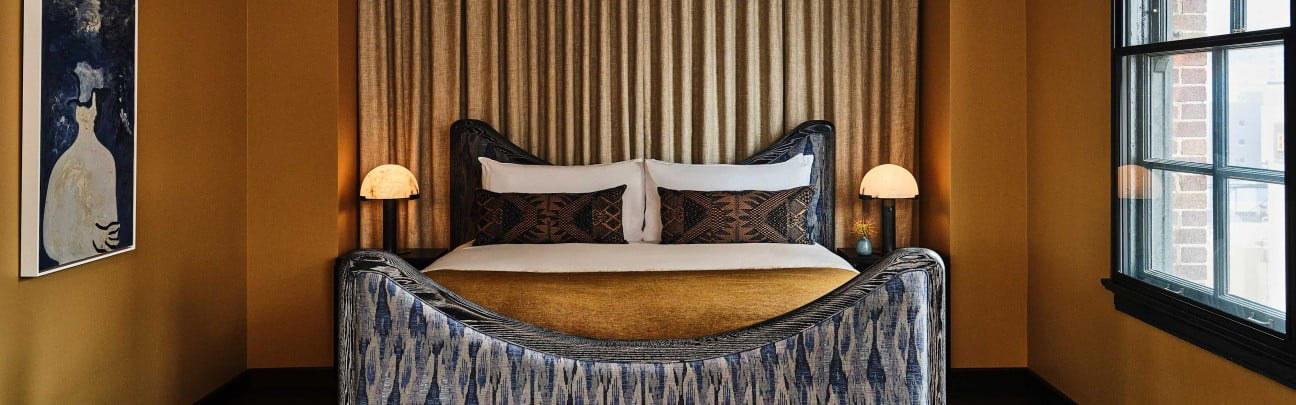
Hotels in Los Angeles
All hotels in Los Angeles →



Wineries in Los Angeles
All wineries in Los Angeles →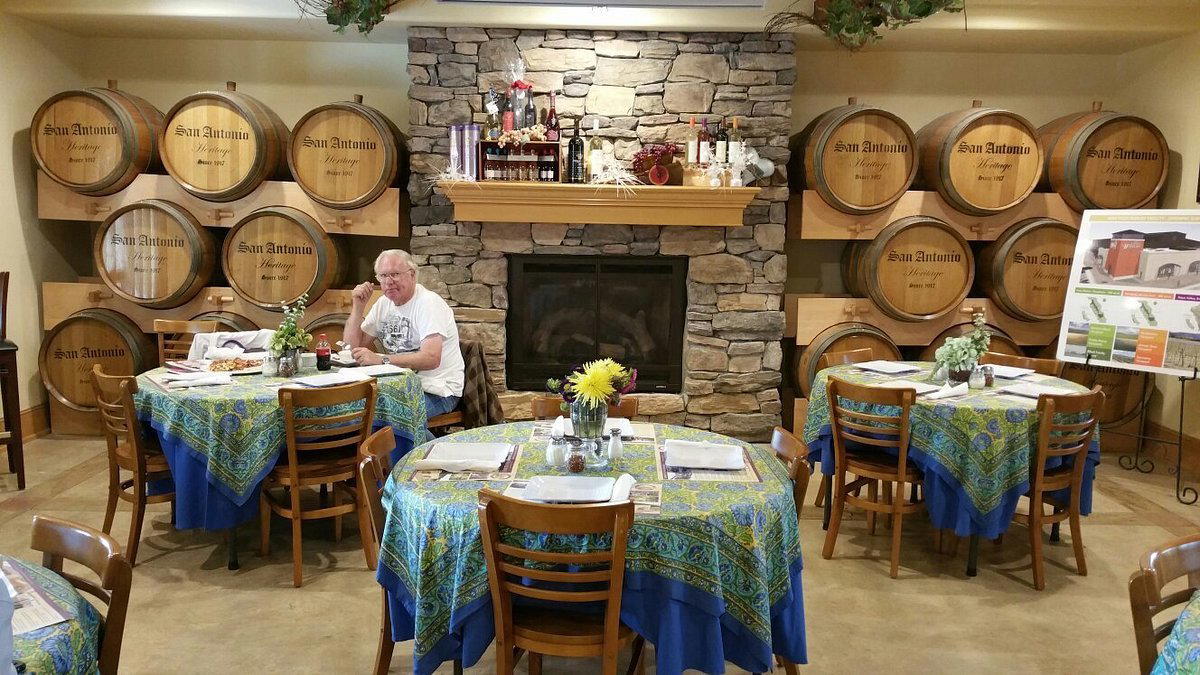
Details
- Lively
- Trendy
- Cozy
- Group Dining
- Casual Hangout
- Date Night
- Open Kitchen
- Courtyard
- Natural Wine
- A La Carte
- Small Plates
- Natural Wine
- Vegetarian Friendly
Current opening hours
- Monday
- 5:30–10 PM
- Tuesday
- 5:30–10 PM
- Wednesday
- 5:30–10 PM
- Thursday
- 5:30–10 PM
- Friday
- 5:30–10 PM
- Saturday
- 10 AM–2 PM, 5:30–10 PM
- Sunday
- 10 AM–2 PM
Hours can change for holidays and private events. Hours as of .
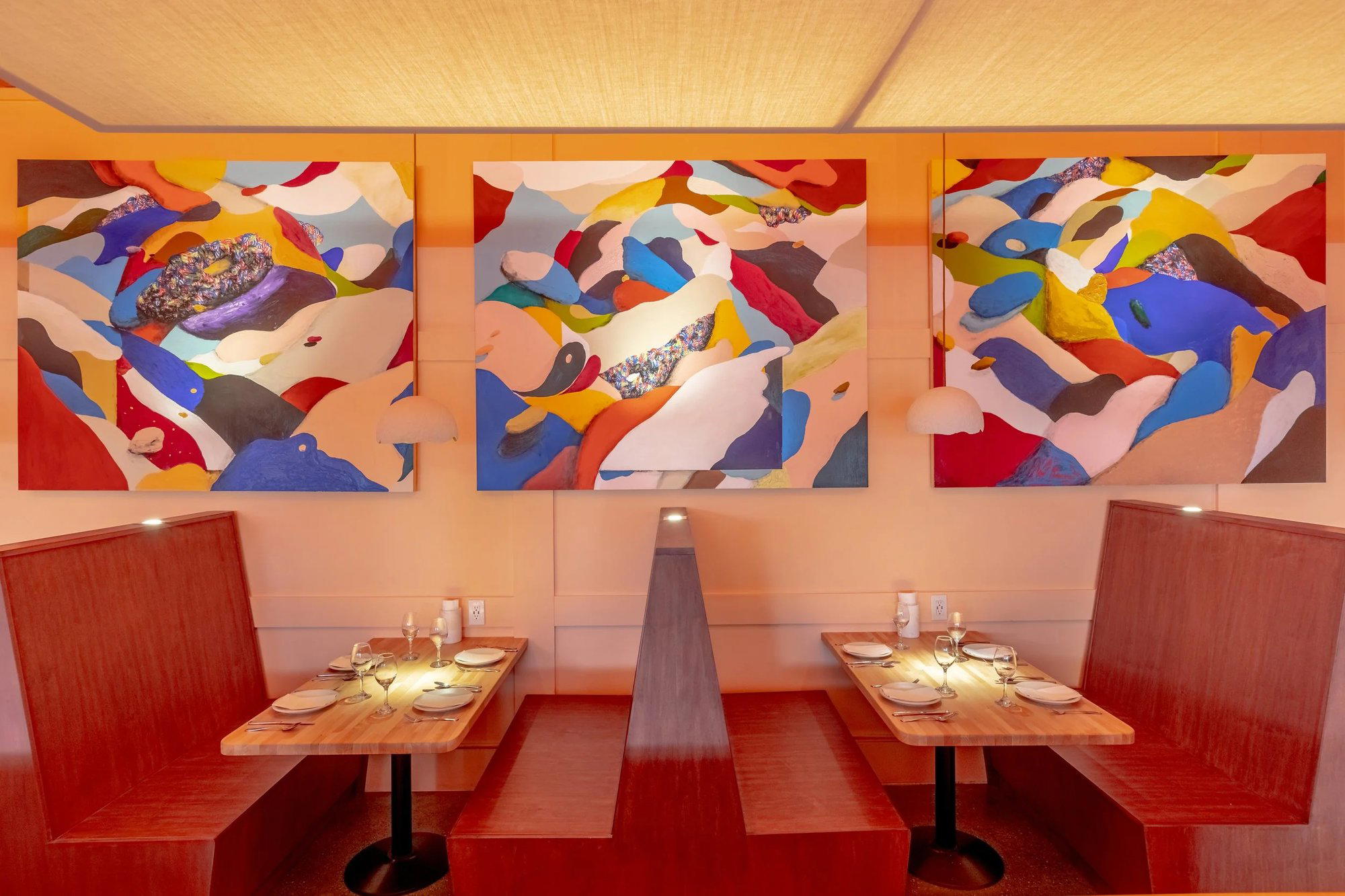
Bright, breezy, and lively with a neighborhood house party feel and colorful, communal atmosphere.