Hob Nob Hill

Hob Nob Hill has anchored San Diego's Bankers Hill neighbourhood for decades, occupying a position that few American diners understand until they walk through the door: a room where the mid-century tradition of unpretentious, community-rooted cooking persists without apology. Located at 2271 First Ave., it represents a different tier of San Diego dining than the city's Michelin-tracked counters, valued for continuity over novelty.
Pearl is the En Primeur Club membership app — saves, bookings, and concierge access live there. Same editors, same standards.
- Address
- 2271 First Ave., San Diego, CA 92101
- Phone
- +1 619 239 8176
- Website
- hobnobhill.com
- Directions
- Get directions
 Saves & bookings on Pearl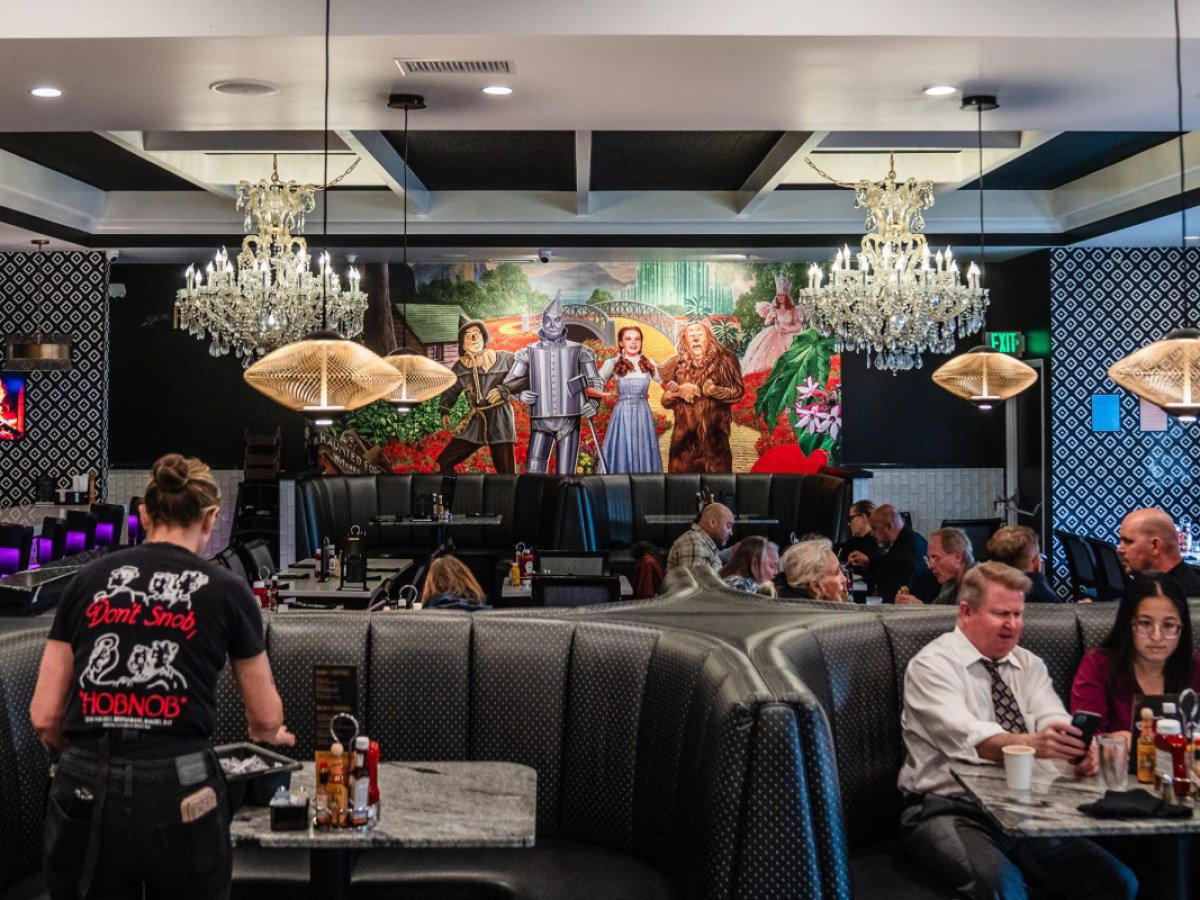
Where San Diego Keeps Its Comfort
Bankers Hill, the residential ridge west of Balboa Park, has spent the last decade absorbing the pressure that comes when a city's dining identity shifts toward chef-driven tasting formats and ingredient-provenance narratives. New openings have arrived with carefully sourced credentials and tightly controlled seatings. Against that backdrop, a certain kind of older American restaurant has either reinvented itself or quietly continued doing what it always did. Hob Nob Hill, at 2271 First Ave. belongs to the latter category, and that choice carries its own editorial weight in a city still working out what it wants its restaurant culture to be.
The American tradition of neighbourhood anchor restaurants, the kind that pre-dates the farm-to-table movement by several generations, is less discussed than it deserves to be in food writing. These rooms operated on a set of values that sustainability advocates now champion: long-term supplier relationships, scratch cooking from foundational recipes, minimal waste through tight menu management, and a kitchen calendar that bends to seasonal availability rather than marketing cycles. Hob Nob Hill has functioned within that tradition through an era when most of its contemporaries have closed or been replaced by concepts with shorter attention spans.
The Ethics of Continuity
There is a sustainability argument embedded in the simple act of a restaurant staying open for a long time in the same location, cooking the same things well. The conversation around ethical sourcing has largely been claimed by a newer generation of restaurants, places like Blue Hill at Stone Barns in Tarrytown or Single Thread Farm in Healdsburg, where agricultural relationships are foregrounded as part of the dining proposition. But the calculus of environmental consciousness in food is broader than any single format. A kitchen that has maintained supplier relationships across decades, that has not rotated its menu through trend cycles requiring new sourcing networks each season, that produces familiar dishes in consistent quantities and therefore wastes less, operates sustainably in a different register.
This is not a claim that older American diners or classic comfort-food restaurants are automatically virtuous in their sourcing. Many are not. But the principle holds: longevity in a fixed location, with a committed kitchen team and a stable menu, tends to reduce the procurement churn and food-system disruption that characterises high-turnover restaurant operations. When set against the current national conversation about waste reduction in hospitality, the long-running neighbourhood restaurant deserves consideration alongside the purpose-built sustainable fine-dining project.
The contrast is instructive when you look at how different American cities have handled this tension. Emeril's in New Orleans built its reputation partly on regional sourcing loyalty; Frasca Food and Wine in Boulder has sustained a farm-relationship model over two decades. In San Diego, the newer fine-dining tier, anchored by places like Addison, California's only two-Michelin-starred restaurant, pursues a French-Contemporary format with sourcing rigour appropriate to its price bracket. Soichi, operating at the summit of the Japanese omakase tier at the $$$$ price point, brings its own set of supplier commitments around seafood. What Hob Nob Hill offers is not the same type of sourcing story, but a different one: stability over spectacle.
San Diego's Dining Tiers and Where This Room Sits
San Diego's restaurant geography has become more stratified over the past decade. At the leading end, the Michelin-tracked fine-dining tier is represented by Addison and the omakase format at Soichi. A mid-range of ambitious but approachable operators, including 1450 El Prado, 777 G St, and the experiential format at 94th Aero Squadron, fills the space between. The restaurant occupies a different position from all of them: it is the city's long-running comfort anchor, the kind of room that regulars do not review but simply return to.
That position has real value in a dining ecosystem increasingly defined by scarcity mechanics, advance booking requirements, and tasting-menu structures that demand significant time and money from the diner. The cultural function of a restaurant that takes walk-ins, serves familiar food at accessible price points, and does not require the diner to perform expertise or patience is not trivial. It is, in fact, the kind of function that a healthy restaurant city needs to sustain alongside its headline formats.
The Broader American Comfort Tradition
The category the restaurant inhabits, the long-running American comfort restaurant, has a counterpart in most major cities but receives less critical attention than either the high-end tasting format or the trendy casual. Lazy Bear in San Francisco represents one extreme of reinvention; The French Laundry in Napa, Le Bernardin in New York City, and Smyth in Chicago each anchor their respective cities' fine-dining narratives. At the other end of the critical spectrum, the comfort-food institution rarely earns the same column inches, even when it serves an equally important civic and culinary function.
Across the country, a small number of restaurants in this category have attracted renewed attention from food writers interested in what continuity means as a value in itself. Providence in Los Angeles has held its Michelin stars through consistent sourcing discipline; The Inn at Little Washington turned longevity into an explicit part of its identity. The more interesting question for a restaurant like Hob Nob Hill is whether the durability of its format, its refusal to reinvent on trend cycles, is a limitation or a position. In the current environment, with diners increasingly alert to the costs of novelty culture in hospitality, the argument for the latter is stronger than it has been for years.
International observers pursuing the sustainability-first dining model, from Atelier Moessmer Norbert Niederkofler in Brunico to progressive American operations like Atomix in New York City, are working within frameworks that value reduced footprint, consistent procurement, and long-horizon thinking. These are not values exclusive to high-end kitchens. They are equally present in any kitchen that has stayed in one place long enough to know its suppliers by name.
At a Glance
Comparable venues nearby, for context on price, style, and recognition.
| Venue | Cuisine | Price | Notes |
|---|---|---|---|
| Hob Nob HillThis venue — the venue you are viewing | Uptown, Classic American Homestyle | $$ | Not listed |
| Broken Yolk Cafe | Not listed | $$ | Pacific Beach, American Breakfast & Tex-Mex Brunch |
| Little While Cafe | Not listed | $$ | North Park, Specialty Coffee and Pastries |
| Lefty's Chicago Pizzeria | North Park, Chicago-Style Pizza | $$ | Not listed |
| Albert's Restaurant | Not listed | $$ | Balboa Park, International American Zoo Dining |
| 94th Aero Squadron San Diego | Not listed | $$ | Kearny Mesa, American Steakhouse with Seafood |
Recognition history
Dated appearances from independent guides and award organizations, with the underlying list record or original source where available.
Diners, Drive-Ins and Dives Featured Restaurant
Diners, Drive-Ins and Dives · 2026 Diners, Drive-Ins and Dives Featured Restaurants
Continue exploring
More in San Diego
Restaurants in San Diego
Browse all →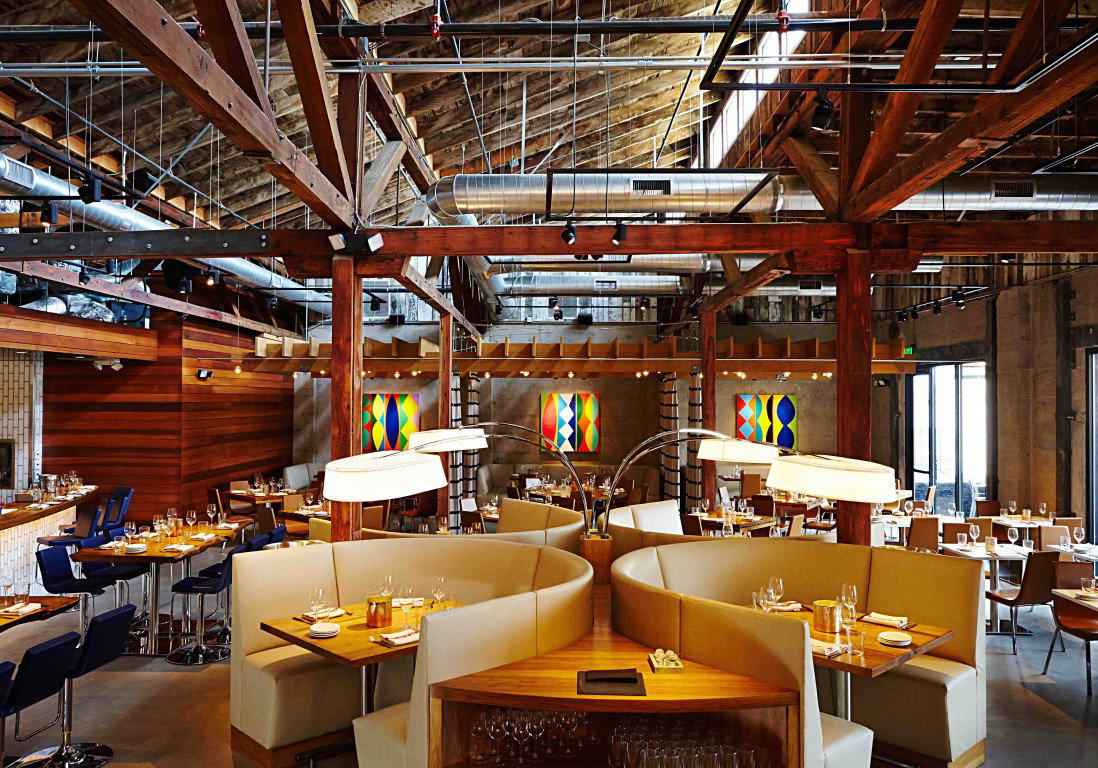
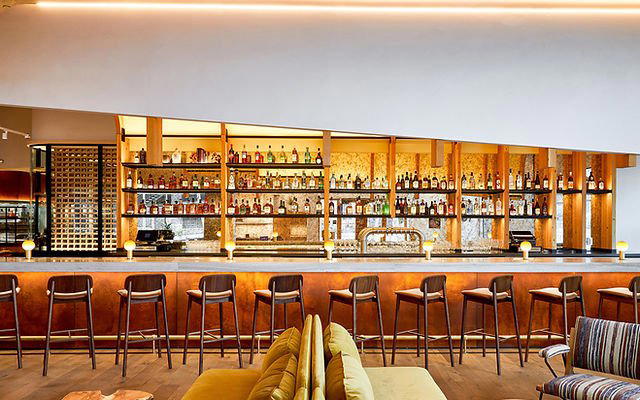
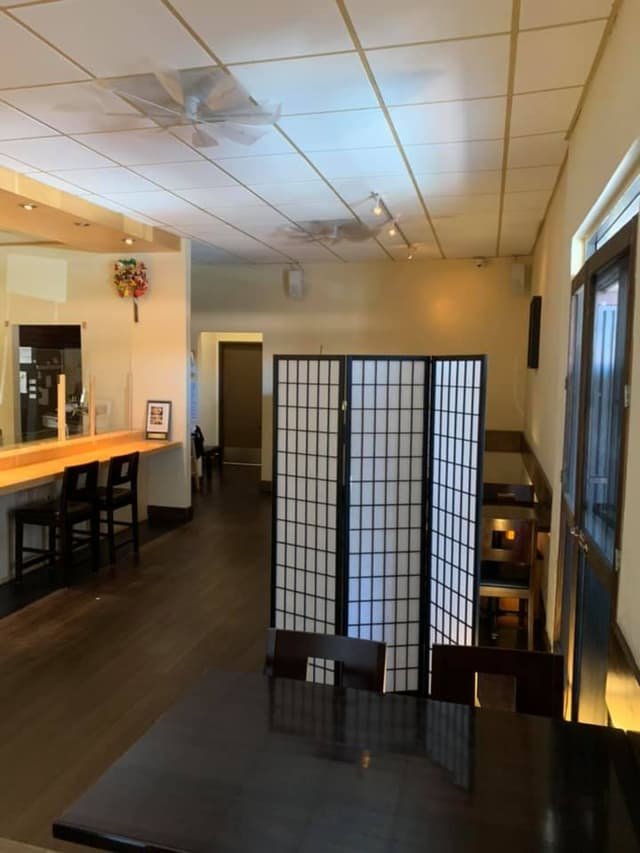
Bars in San Diego
Browse all →

At a Glance
- Classic
- Cozy
- Well Known
- Brunch
- Family
- Casual Hangout
- Historic Building
Current opening hours
- Monday
- 8 AM–8 PM
- Tuesday
- 8 AM–8 PM
- Wednesday
- 8 AM–8 PM
- Thursday
- 8 AM–8 PM
- Friday
- 8 AM–8 PM
- Saturday
- 8 AM–8 PM
- Sunday
- 8 AM–8 PM
Hours can change for holidays and private events. Last verified .
Warm, nostalgic neighborhood atmosphere with heartfelt service and classic homestyle cooking.