Nobu at One Casino Drive on Paradise Island brings the globally recognised Japanese-Peruvian kitchen to Nassau's resort corridor. The format follows the brand's established counter-and-room approach, placing it at the upper end of Nassau's dining tier alongside peers like Café Boulud and Café Martinique. Reservations are advisable, particularly during the high-season winter months when Paradise Island occupancy peaks.
Pearl is the En Primeur Club membership app — saves, bookings, and concierge access live there. Same editors, same standards.
- Address
- One Casino Drive, Suite 13, Paradise Island, Bahamas
- Phone
- +1 242 363 2000
- Website
- atlantisbahamas.com
- Directions
- Get directions
 Saves & bookings on Pearl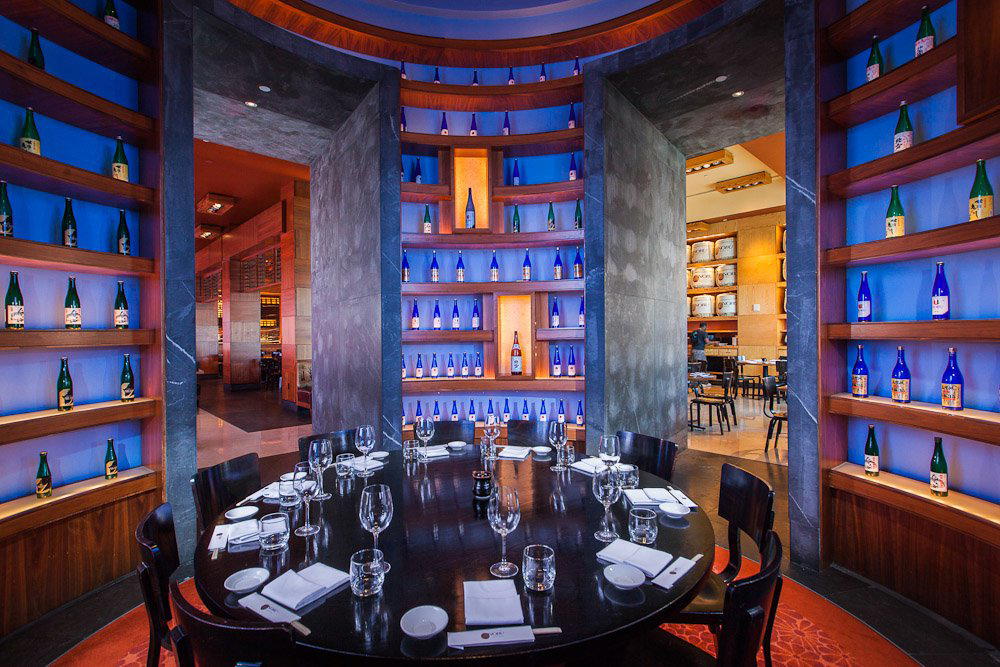
Nikkei Cooking in the Caribbean: What Nobu Represents on Paradise Island
The Nikkei tradition, the fusion of Japanese technique with Peruvian ingredients born from late-nineteenth-century Japanese immigration to South America, has produced some of the most influential cooking of the past four decades. When that tradition reached a global audience, it did so largely through one kitchen. Nobu's address on Paradise Island, located at One Casino Drive within Nassau's resort corridor, places that culinary lineage inside a Caribbean setting where the dominant dining mode has historically been either hotel buffet or seafood-led Bahamian casual. The contrast matters. Paradise Island concentrates some of Nassau's highest-spending visitors, and the restaurants that have taken root here, including Cafe Boulud Bahamas and Café Martinique, represent a tier of dining that competes less with the local Bahamian scene and more with resort dining globally.
Understanding Nobu Nassau means understanding what the brand has built over decades across multiple continents. The kitchen philosophy marries Japanese precision, including careful sourcing, clean cuts, and temperature discipline, with Peruvian-derived flavour architecture built on citrus, chilli, and fermented elements like miso. The result is a register that reads as Japanese in structure but Latin in intensity. That synthesis, now widely imitated, was genuinely novel when it emerged and remains coherent in execution across the network's locations.
The Setting: Resort Corridor Dining Done at Full Volume
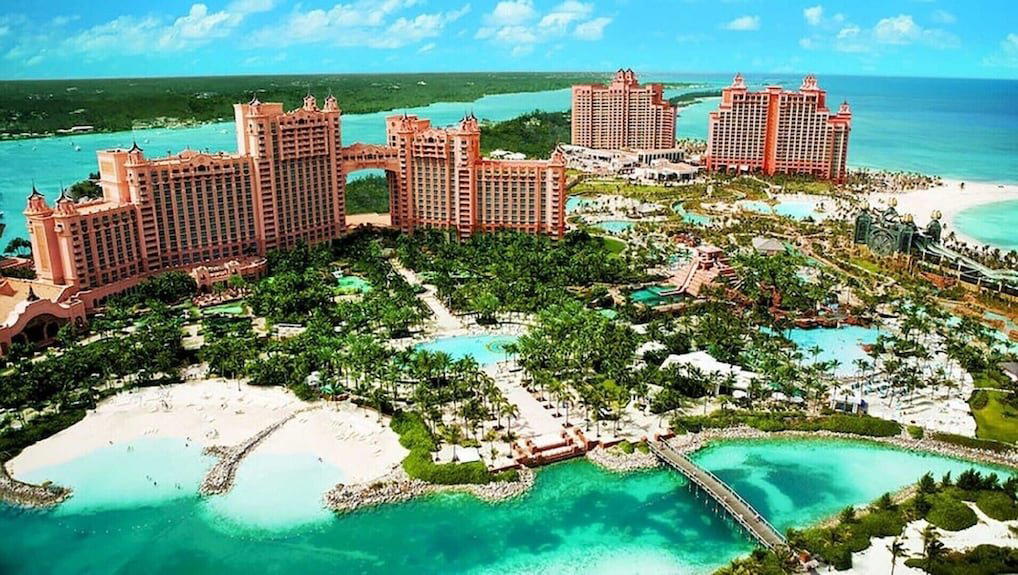
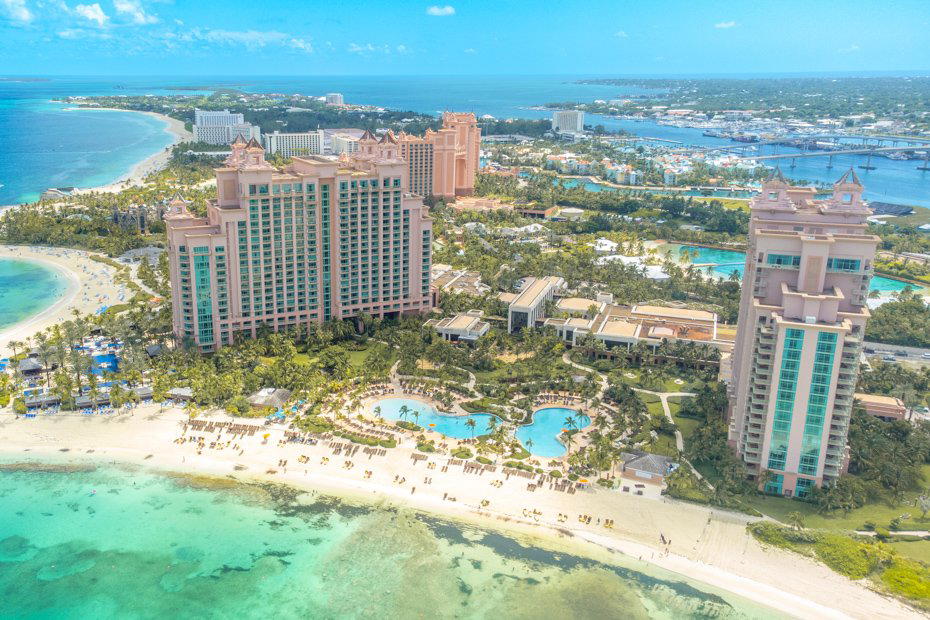
Paradise Island's dining corridor is a specific kind of environment. The scale is resort-hotel large, the clientele is predominantly international, and the expectation is a complete experience rather than a neighbourhood drop-in. Nobu fits that frame. The physical setting at One Casino Drive puts it inside the concentrated energy of the island's casino-and-hotel zone, which means the approach to the room, unlike arriving at a city neighbourhood restaurant, carries the particular atmosphere of a destination that runs at full capacity during winter high season.
Nassau's premium dining has increasingly split between large-format hotel restaurants designed for resort guests and smaller, more independent operations in areas like downtown Nassau and Cable Beach. Café Matisse and Café Martinique represent different points on that spectrum. Nobu belongs firmly to the large-format resort category, which shapes everything from the pace of service to the scale of the menu. For visitors staying on Paradise Island, this proximity is a genuine convenience. For those based in downtown Nassau or elsewhere, the journey to Paradise Island is a deliberate choice rather than a casual detour.
The Kitchen's Cultural Architecture
The Nikkei kitchen that Nobu brought to international prominence draws on ingredients and preparations that required decades of cross-cultural development before they became legible as a cuisine. Tiradito, the Peruvian answer to sashimi that skips the onion marinade of ceviche and uses a straight chilli-citrus dressing, sits alongside miso-glazed preparations derived from Japanese dengaku tradition. The combination sounds incongruous on paper and works in the mouth because both traditions share a structural preference for clean protein, acid balance, and aromatic restraint. The Bahamas adds a layer of regional context: local seafood sourcing, when it occurs in Caribbean resort kitchens, can connect the global template to genuinely local product. That connection varies by location and season.
For diners approaching Nassau with an interest in the broader Bahamian food scene alongside this kind of international kitchen, the contrast is instructive. The local tradition, built on conch, grouper, and johnnycake, operates from entirely different ingredient logic and is worth exploring separately. Café Coco and Cafe Bombay represent Nassau's broader range of accessible dining, while our full Nassau restaurants guide maps the city's dining tiers from local casual to the resort premium bracket.
Where Nobu Sits in Nassau's Premium Tier
Nassau's high-end dining set is not especially large. The venues that compete in the same bracket as Nobu, primarily by price expectation and guest profile, include the aforementioned Café Boulud and Café Martinique, plus Graycliff Restaurant, which operates from a historic colonial building in downtown Nassau and represents a different mode of formal dining. Nobu's positioning is brand-led rather than chef-personality-led, which distinguishes it from some of its local peers. The global recognition the Nobu network carries functions as its primary trust signal for first-time visitors who have encountered the brand elsewhere, whether in New York, London, or Tokyo.
Across the EP Club network, the calibre of fine dining that Nobu competes with globally can be found at addresses like Le Bernardin in New York City, Atomix in New York City, or HAJIME in Osaka. Those rooms operate at a different level of culinary intensity and critical scrutiny than a resort-market Nobu, but they share the same expectation of technical discipline and ingredient quality. For readers building a broader picture of Japanese-influenced fine dining across the EP Club portfolio, Lazy Bear in San Francisco and Emeril's in New Orleans offer additional points of comparison in the chef-driven American format, while European peers including Dal Pescatore in Runate, Reale in Castel di Sangro, Quattro Passi in Marina del Cantone, and Atelier Moessmer Norbert Niederkofler in Brunico illustrate the range of what serious contemporary dining looks like across different regional traditions. Beyond the Bahamas, the out-island dining character shifts considerably: Staniel Cay Yacht Club in Staniel Cay, Haynes Ave in Governor's Harbour, and Freedom Restaurant and Sushi Bar in Gregory Town each reflect a more intimate, locally rooted approach to island dining that contrasts sharply with the Paradise Island resort model.
Planning Your Visit
Nobu is located at One Casino Drive, Suite 13, Paradise Island, within the resort complex that anchors the island's eastern end. Visitors staying on Paradise Island will find it within easy walking distance of the main hotel properties. Those coming from downtown Nassau should account for the bridge crossing and plan accordingly, particularly during peak evening hours when traffic across Paradise Island Bridge can slow. Winter months, running roughly from December through April, represent the high-occupancy period on Paradise Island, and booking ahead during that window is sensible. The summer months offer a quieter context and, in some cases, greater flexibility on timing.
Frequently Asked Questions
- What should I eat at Nobu Nassau? The Nobu kitchen is built on the Nikkei tradition, so the most coherent path through the menu runs through the raw preparations and the miso-glazed proteins that the brand made its name with globally. Dishes in the tiradito and black cod miso family represent the cuisine's cultural architecture most clearly and give the clearest sense of what distinguishes this kitchen from both standard Japanese and standard Latin cooking. Regional seafood availability in the Bahamas may also inform what the kitchen is working with at any given time, making it worth asking the server about current sourcing.
- Do they take walk-ins at Nobu Nassau? Walk-in availability at Nobu on Paradise Island depends heavily on the season and day of the week. During the December-to-April peak period, when resort occupancy is highest and the dining room fills with hotel guests and visitors, walk-in access becomes considerably harder. A reservation made in advance is the more reliable approach in that window. Outside peak season, the dynamic shifts and walk-in prospects improve, though the Paradise Island resort environment means demand rarely drops to the level of a quiet neighbourhood restaurant.
- Is Nobu Nassau different from other Nobu locations around the world? The core menu format and kitchen philosophy are consistent across the Nobu network, which now operates in dozens of cities across multiple continents. What varies by location is the local seafood availability, the precise room size and atmosphere, and the degree to which the surrounding resort or hotel context shapes the guest experience. Nassau's version sits inside a large Caribbean resort corridor, which gives it a different ambient character than, say, the Nobu in a dense urban setting like London or Tokyo, while the cooking template remains recognisably the same.
Price Lens
| Venue | Price |
|---|---|
| NobuThis venue — the venue you are viewing | This venue |
At a Glance
- Elegant
- Sophisticated
- Intimate
- Modern
- Date Night
- Celebration
- Special Occasion
- Family
- Hotel Restaurant
- Sake Program
- Craft Cocktails
Current opening hours
- Monday
- 5:30–11 PM
- Tuesday
- 5:30–11 PM
- Wednesday
- Closed
- Thursday
- 5:30–11 PM
- Friday
- 5:30–11 PM
- Saturday
- 5:30–11 PM
- Sunday
- 5:30–11 PM
Hours can change for holidays and private events. Last verified .
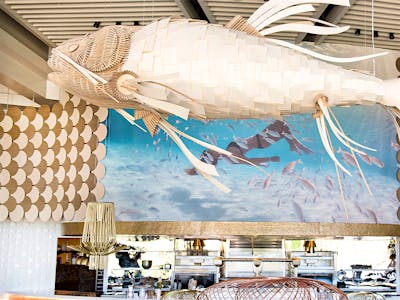
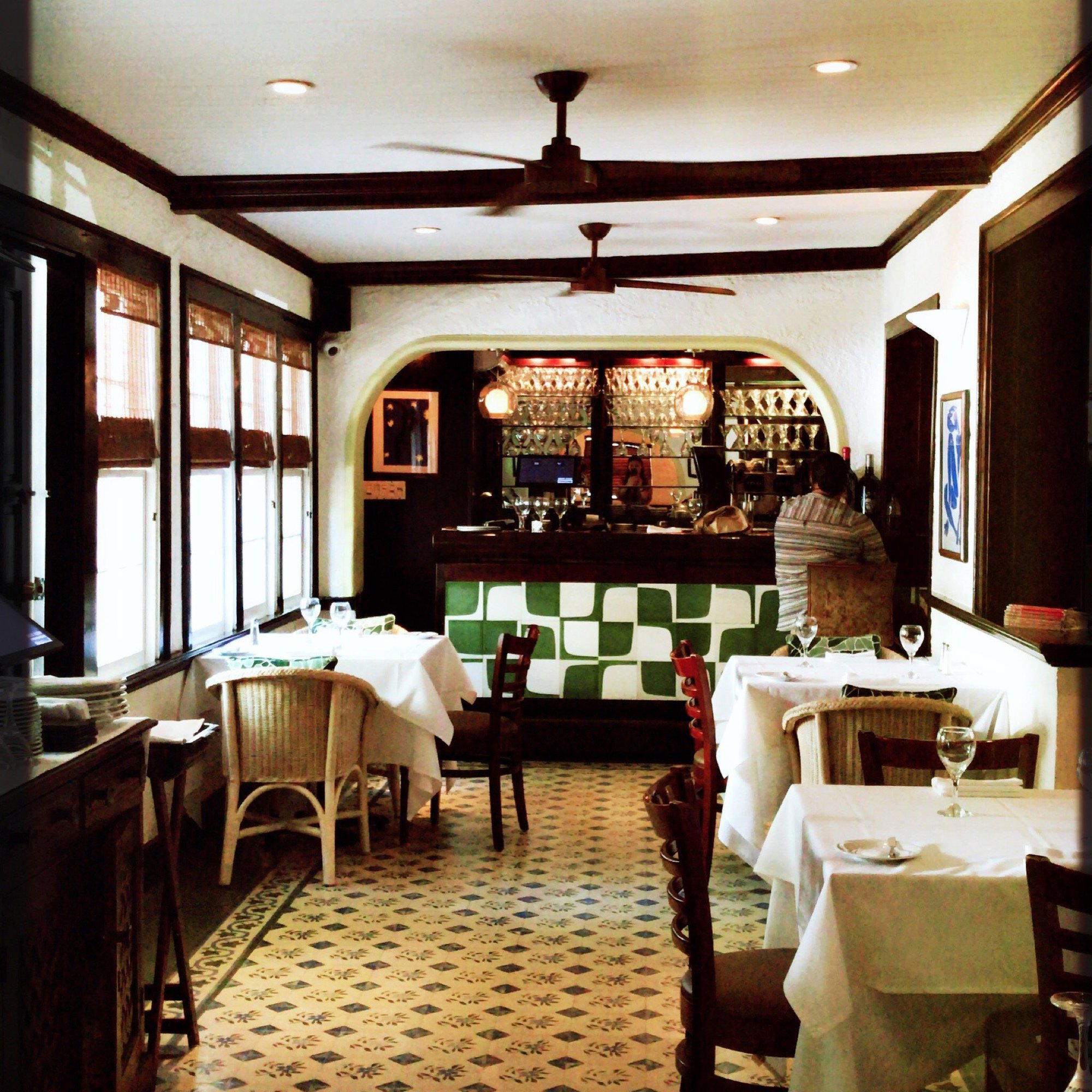
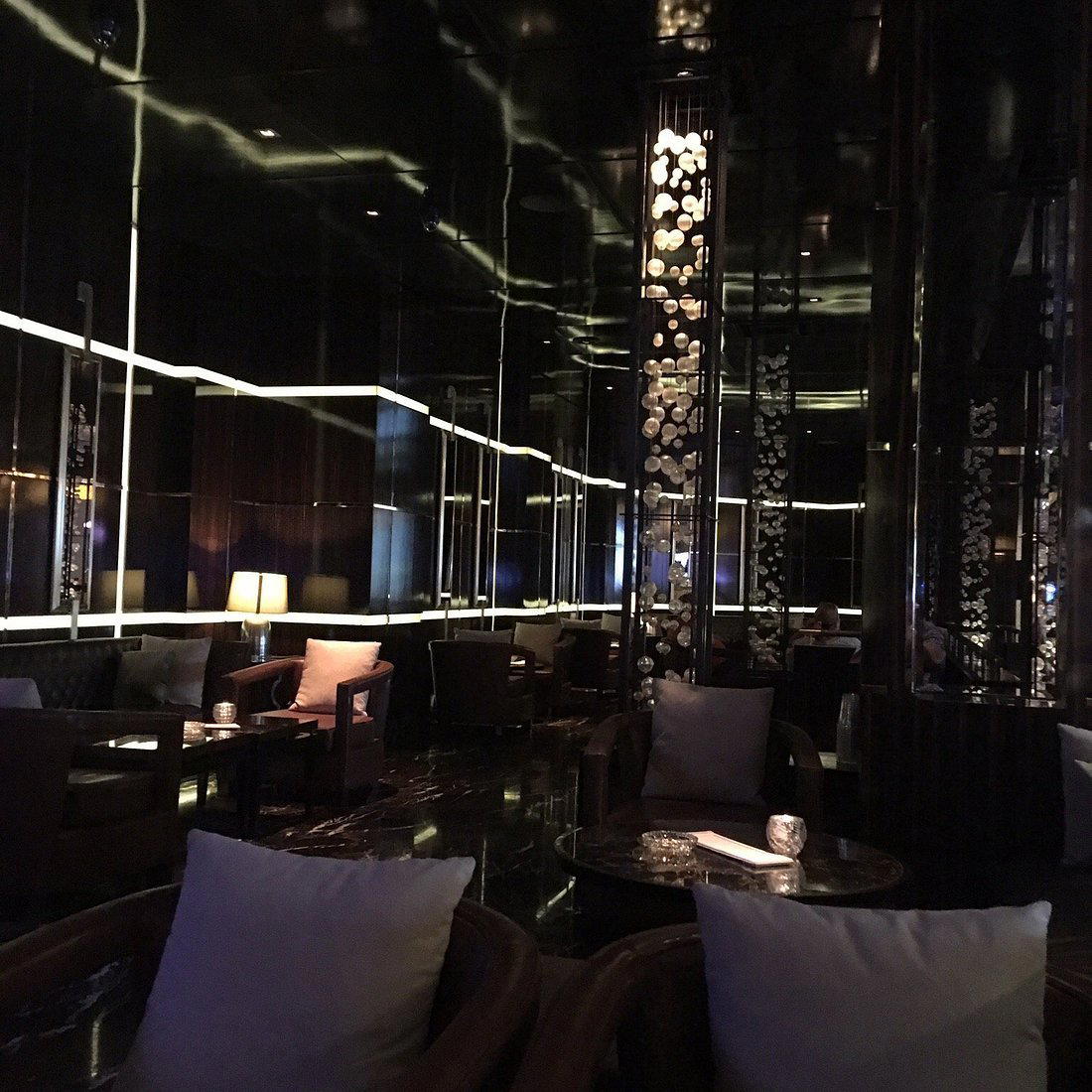
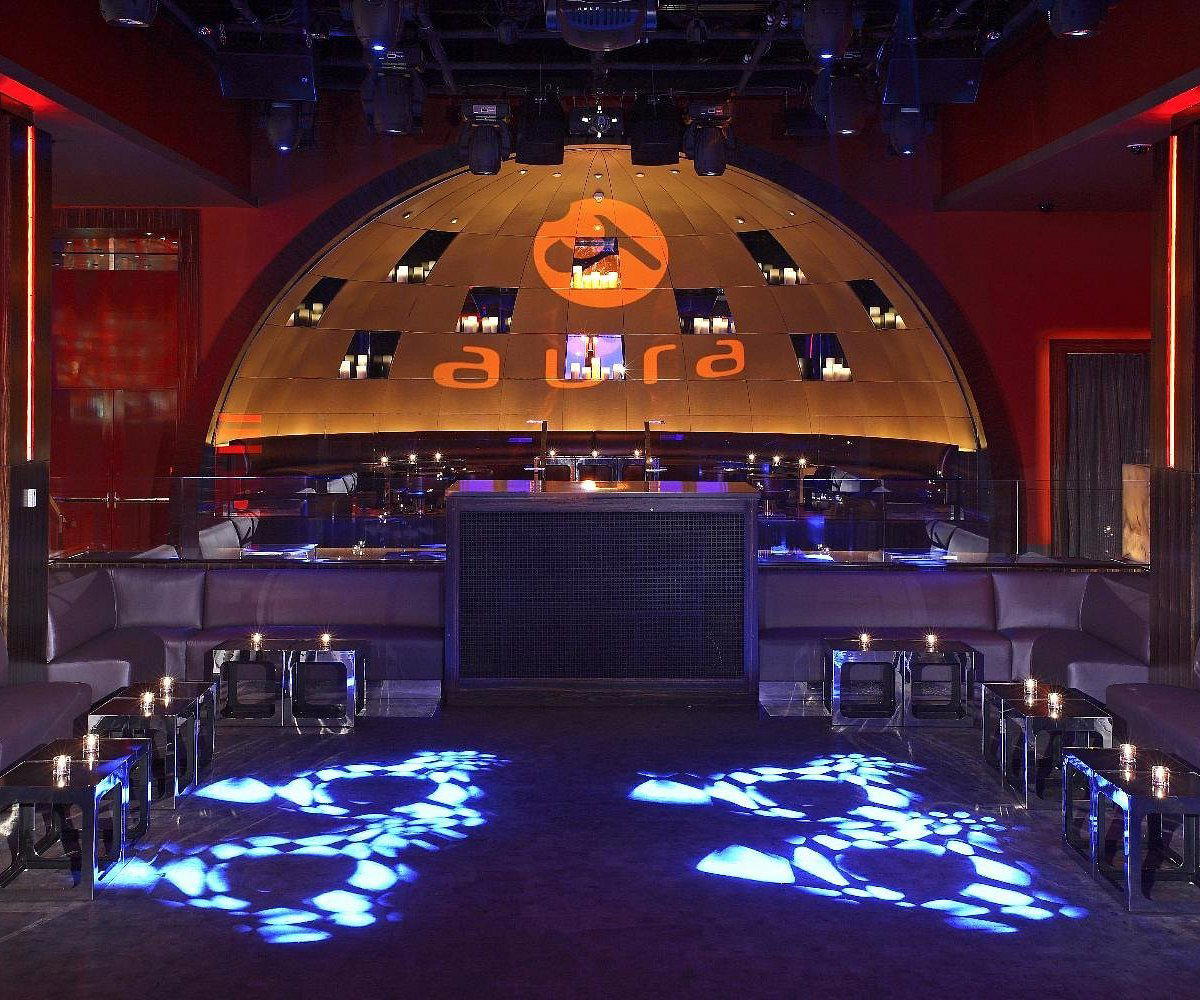
Distinctive ambiance framed by a glowing green archway with elegant, modern design and intimate lighting.
Know Before You Go
- Getting there
- One Casino Drive, Suite 13, Paradise Island, Bahamas