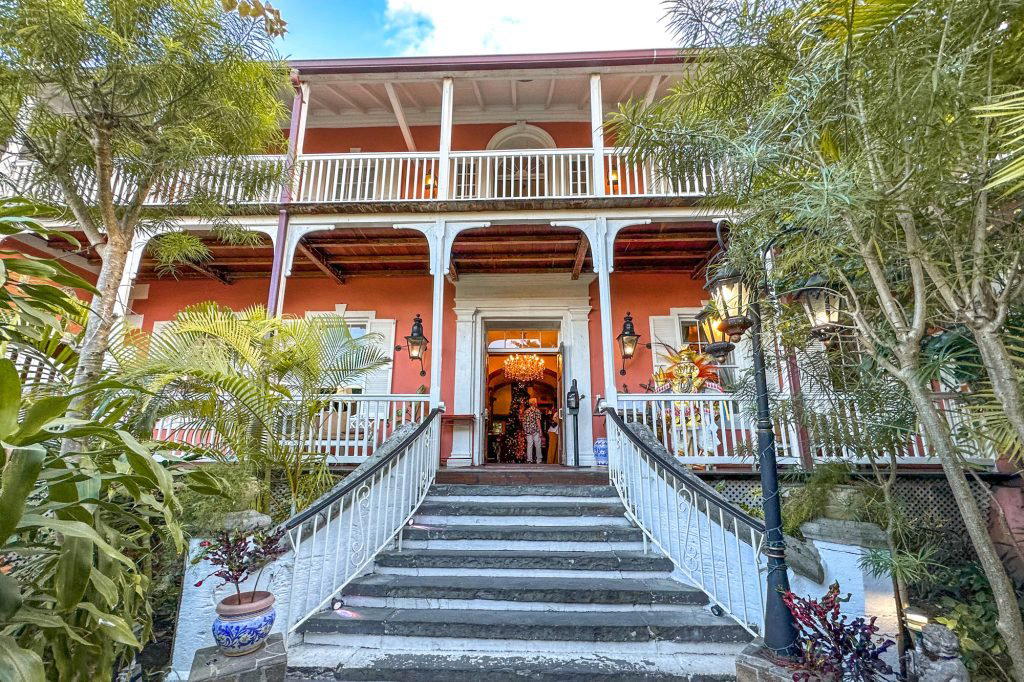
On a quiet lane steps from the British Colonial core of Nassau, Café Matisse occupies a position that few downtown dining rooms can match: genuinely central yet removed from the cruise-ship circuit. Set against the backdrop of a heritage building, it represents the kind of mid-scale to upper-mid dining that Nassau's resident and repeat-visitor crowd relies on when they want something considered rather than resort-packaged.
Pearl is the En Primeur Club membership app — saves, bookings, and concierge access live there. Same editors, same standards.
- Address
- Bank Lane, Nassau, Bahamas
- Phone
- +1 242 356 7012
- Website
- cafematisse.rest
- Directions
- Get directions
 Saves & bookings on Pearl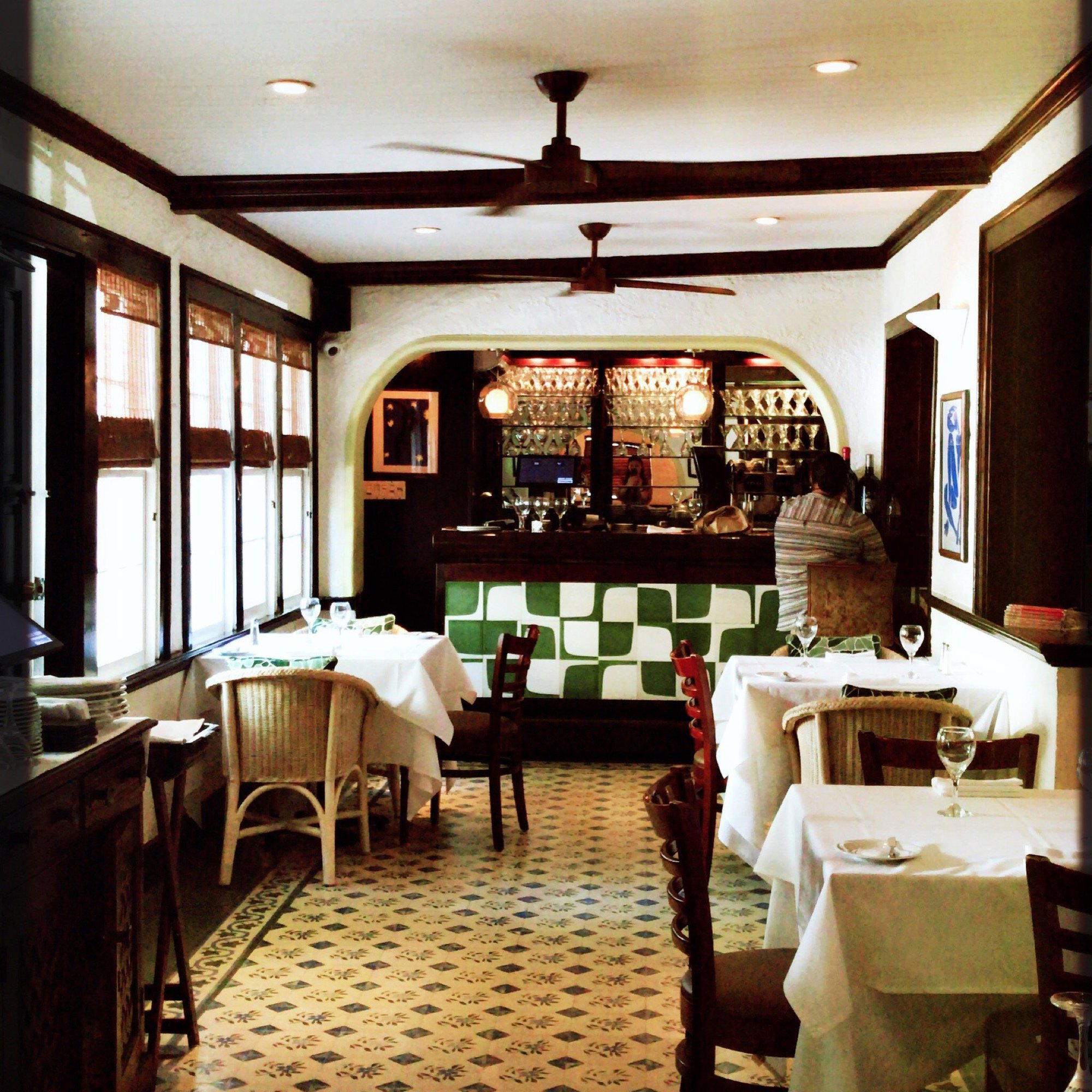
Bank Lane and the Downtown Dining Divide
Nassau's restaurant scene splits along a fault line that has little to do with cuisine type. On one side sit the resort corridors of Cable Beach and Paradise Island, where dining rooms answer to hotel F&B; directors and menus are engineered for international tourists on package deals. On the other side, a smaller and more genuinely local tier operates in and around the colonial grid of downtown Nassau, on side streets, in heritage buildings, and in the kind of addresses that require a deliberate decision to find. Café Matisse sits in that second category, on Bank Lane, a short stretch that runs close to the British Colonial Hilton and within walking distance of Parliament Square and the older civic heart of the city.
That location is not incidental to the experience. Downtown Nassau carries the accumulated character of a working capital: the architecture is low-rise and Bahamian-colonial, the street life is actual rather than curated, and the dining rooms that survive here do so because they serve a constituency beyond the arriving cruise passenger. For visitors staying in or near the downtown core, or for those willing to take a short taxi from Paradise Island, the neighbourhood offers a different register entirely from the resort strip, and Café Matisse has been part of that register long enough to function as a reference point in local dining conversation.
What the Setting Means for the Experience
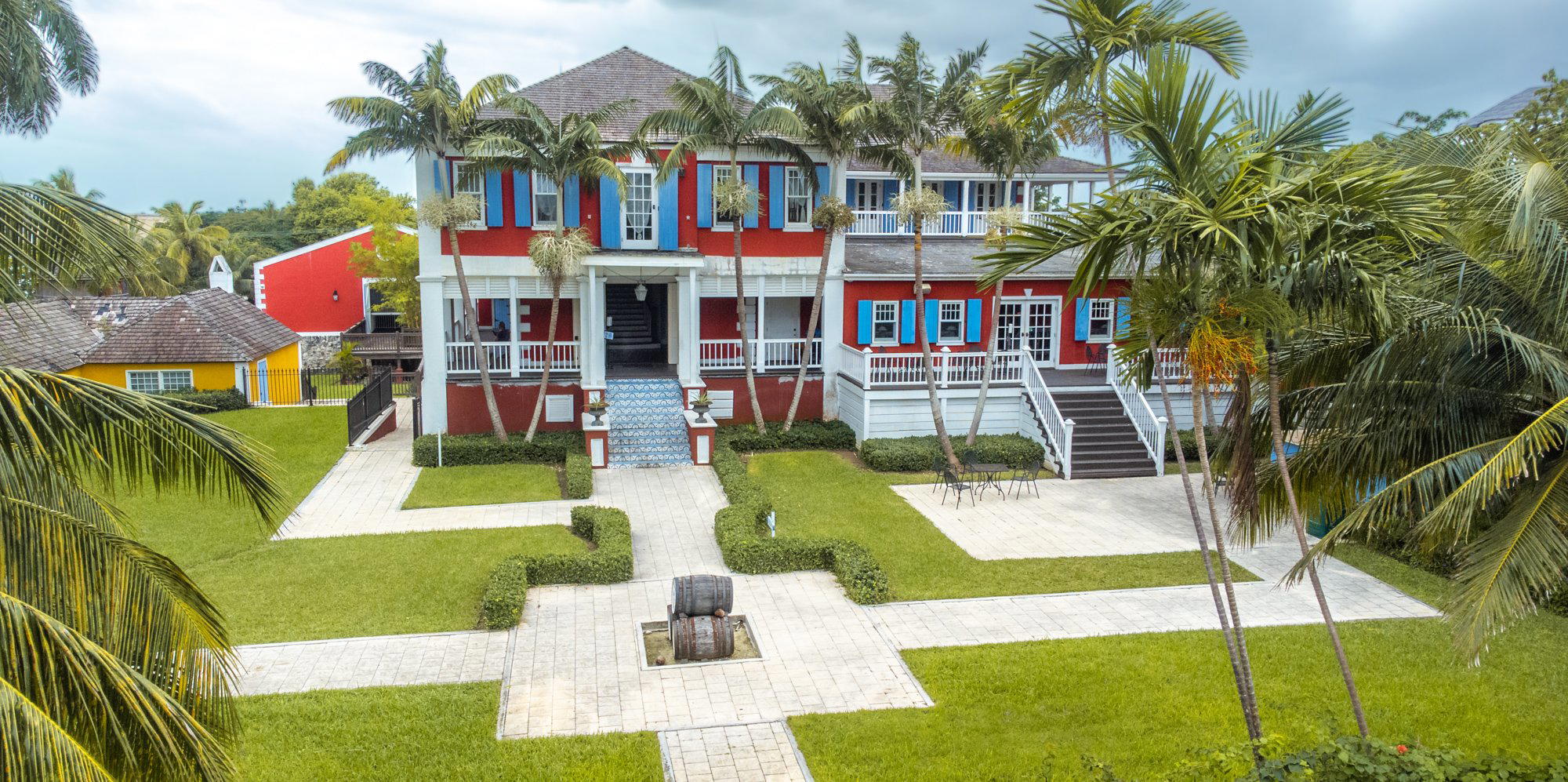
Heritage buildings in Nassau's old centre tend to occupy two-storey structures with shuttered facades, covered verandas, and interior courtyard access, architectural logic built around airflow in the pre-air-conditioning era and now repurposed as atmospheric dining space. A venue on Bank Lane inherits that physical context: stone or stucco walls, proportioned rooms, and the particular quality of light that comes through louvred shutters in the afternoon. This is the kind of setting that resort dining rooms spend considerable capital trying to simulate, and that downtown addresses simply have.
The neighbourhood context matters for timing, too. Downtown Nassau operates on a different rhythm from the resort zones. Lunch in this part of the city draws a mix of government workers, lawyers, and long-stay visitors who have moved past the beach-and-pool itinerary. Evening service tends to be quieter and more local in character than the high-volume dinner seatings at Atlantis or Baha Mar. For a certain kind of traveller, one who prefers a meal that reflects where they actually are rather than a branded interpretation of Caribbean dining, that rhythm is exactly the point.
Nassau's broader dining scene is worth mapping against the wider Bahamian picture. Out-island dining, from places like Staniel Cay Yacht Club in Staniel Cay to Haynes Ave in Governor's Harbour or Freedom Restaurant and Sushi Bar in Gregory Town, operates in a genuinely remote register where the dining room is often the island's sole serious option. Nassau, as the capital, has density: enough venues across enough categories to constitute something like a real restaurant culture, rather than a hospitality amenity layered over tourism infrastructure.
Where Café Matisse Sits in the Nassau Tier
Nassau's upper dining tier is anchored by a handful of addresses with international recognition or clear luxury positioning. Cafe Boulud Bahamas operates under a well-documented New York lineage and prices accordingly. Resort-attached rooms like Nobu and Dune are calibrated to the spend levels of Atlantis and Baha Mar guests. Graycliff operates with historic-estate pricing and a wine programme that has its own category of ambition. These are the venues that compete with, say, Le Bernardin in New York City or Atomix in New York City for a certain kind of headline-dining traveller, though the comparison is contextual rather than culinary.
Below that top tier, Nassau has a working middle layer where Café Matisse operates alongside places like Café Coco, Cafe Bombay, and Carnivale Bahamas. This is the tier that serves Nassau as a functioning city rather than a tourism destination: where the menu is considered but not theatrical, where the room has character without requiring a room charge, and where a two-hour dinner is a reasonable expectation rather than a programmed event. Café Martinique occupies a different niche, with its heritage name and resort-adjacent positioning. Within this working middle layer, Bank Lane's geography is an asset: central, walkable from the main hotel district, and removed from the noise of Bay Street.
For context on what genuinely high-end European dining looks like at the level above Nassau's top tier, the reference points are venues like Dal Pescatore in Runate, Quattro Passi in Marina del Cantone, Reale in Castel di Sangro, or Atelier Moessmer Norbert Niederkofler in Brunico, all carrying formal recognition at a level that Nassau dining has not historically pursued. The comparison is useful not to diminish local options but to calibrate expectations: what the restaurant and its peers offer is a quality of place, not a competition for awards hardware. Venues like HAJIME in Osaka or Lazy Bear in San Francisco represent categories of dining that operate on fundamentally different logic. Nassau's downtown restaurants serve a different purpose, and that purpose has its own validity.
Planning a Visit
Bank Lane is accessible on foot from the British Colonial Hilton and from the main Bay Street hotels, making the restaurant one of the few Nassau dining options that does not require a taxi or resort shuttle. For visitors staying on Paradise Island, the short drive or water-taxi crossing to the Nassau waterfront puts the downtown area within reasonable reach for dinner. The local dining rhythm in this part of the city means evenings are unhurried, which suits longer meals. Those planning around Nassau's cruise-ship calendar should note that the downtown area sees significant daytime foot traffic on port days, with a corresponding shift in street character; evenings on non-peak port days are considerably quieter. For the full picture of what Nassau's restaurant scene offers across price tiers and neighbourhood contexts, see our full Nassau restaurants guide. And for a different register entirely, the kind of dining associated with formal recognition and tasting-menu discipline, Emeril's in New Orleans provides a useful point of contrast with what Caribbean capital dining typically delivers.
Just the Basics
Comparable venues nearby, for context on price, style, and recognition.
| Venue | Cuisine | Price | Notes |
|---|---|---|---|
| Café MatisseThis venue — the venue you are viewing | Downtown, Authentic Italian Fine Dining | $$$ | Not listed |
| Café Coco | Not listed | $$$ | West Bay Street / Harbour Green, French-Mediterranean Bistro |
| Nobu | Not listed | $$$$ | Paradise Island, Japanese-Peruvian Fusion |
| Pink Octopus | Palm Cay, Mediterranean-Bahamian Fusion | $$$ | Not listed |
| Syrah | Not listed | $$ | East Bay Street, Mediterranean Small Plates & Global Wine Bar |
| Island Brothers Cie | Lyford Cay, French Mediterranean Bistro | $$ | Not listed |
At a Glance
- Romantic
- Elegant
- Intimate
- Classic
- Date Night
- Special Occasion
- Business Dinner
- Historic Building
- Terrace
- Street Scene
Current opening hours
- Monday
- Closed
- Tuesday
- 12–3 PM, 6–10 PM
- Wednesday
- 12–3 PM, 6–10 PM
- Thursday
- 12–3 PM, 6–10 PM
- Friday
- 12–3 PM, 6–10 PM
- Saturday
- 12–3 PM, 6–10 PM
- Sunday
- Closed
Hours can change for holidays and private events. Last verified .
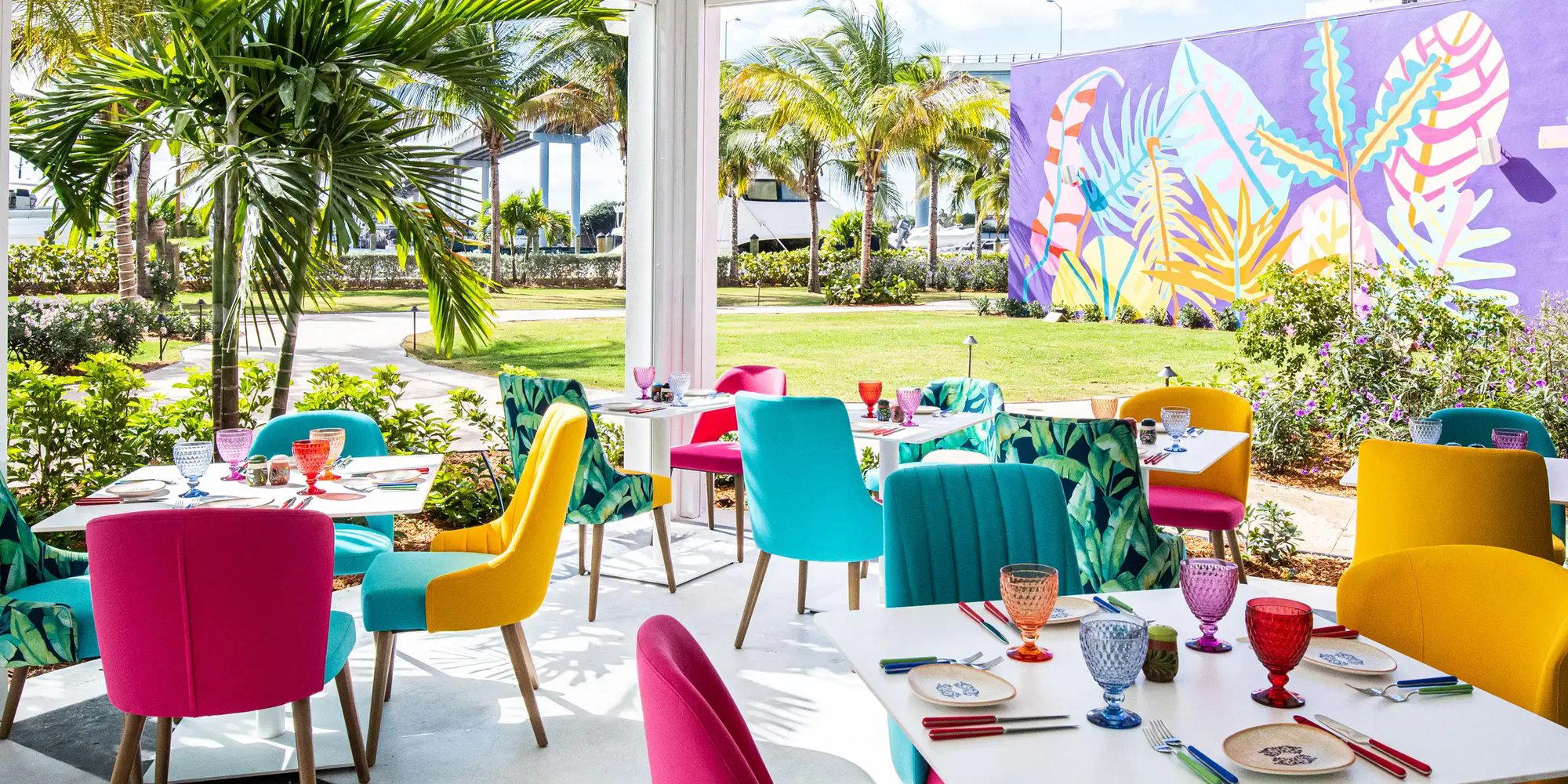
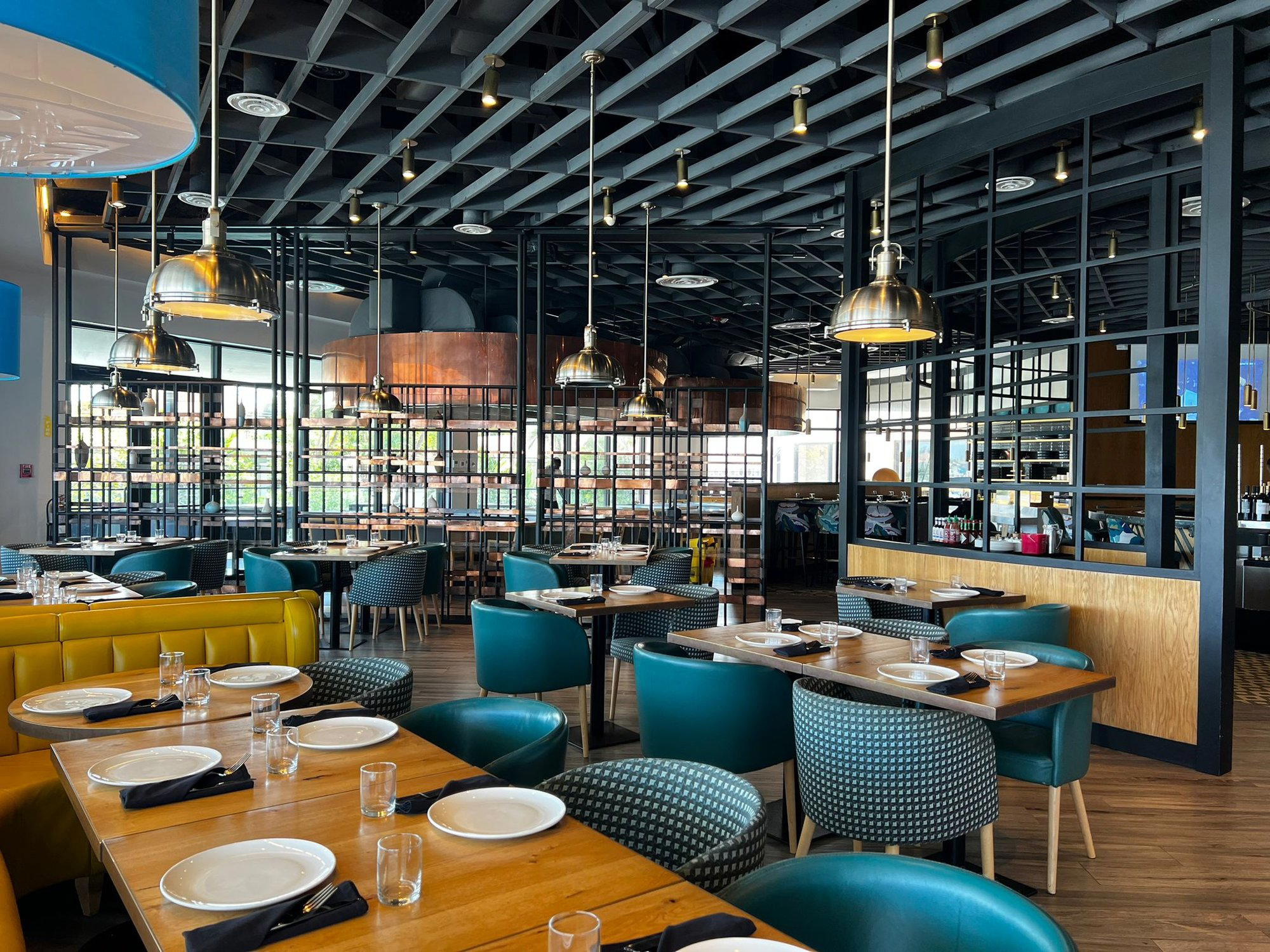
Old-world charm in a historic building with visually beautiful Matisse art on the walls, offering an inviting atmosphere for romantic dinners or relaxed family meals, plus a sun-kissed patio.