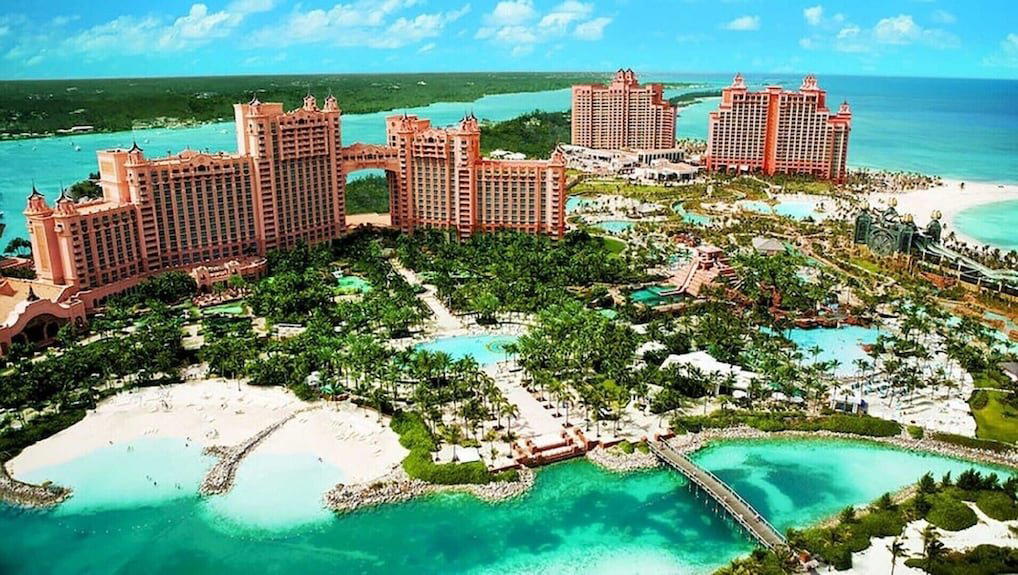
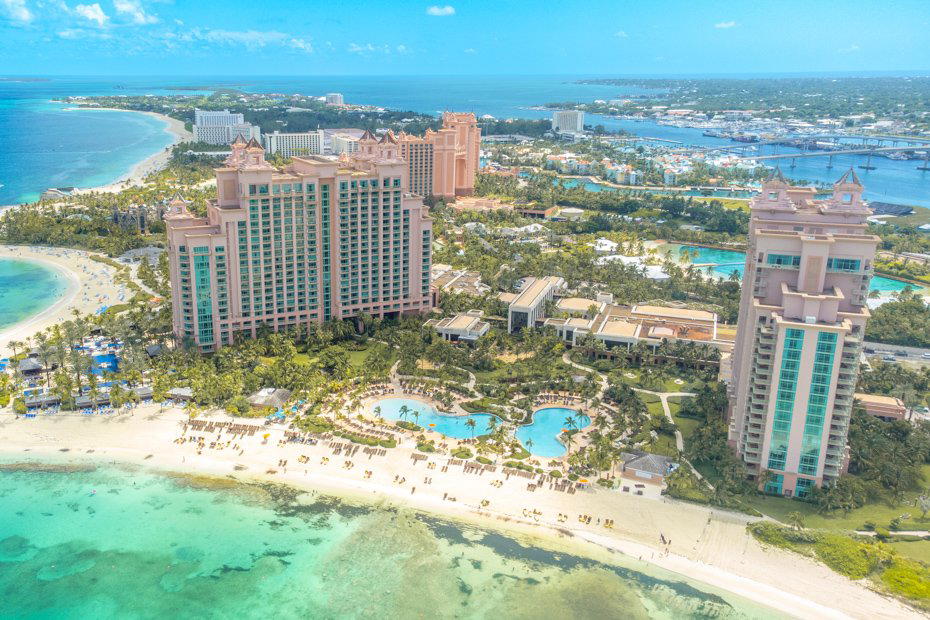
Dune sits on Paradise Island, positioning itself within Nassau's resort-dining circuit while the broader Caribbean conversation around locally sourced seafood and island-grown produce continues to gain ground. The restaurant draws visitors seeking proximity to the water and the kind of cooking that reflects the archipelago's fishing traditions. Book ahead, particularly during the winter high season when Paradise Island reaches capacity.
Pearl is the En Primeur Club membership app — saves, bookings, and concierge access live there. Same editors, same standards.
- Address
- Paradise Island, One Ocean Drive, Nassau, Bahamas
- Phone
- +1 242 363 2501
- Website
- fourseasons.com
- Directions
- Get directions
 Saves & bookings on Pearl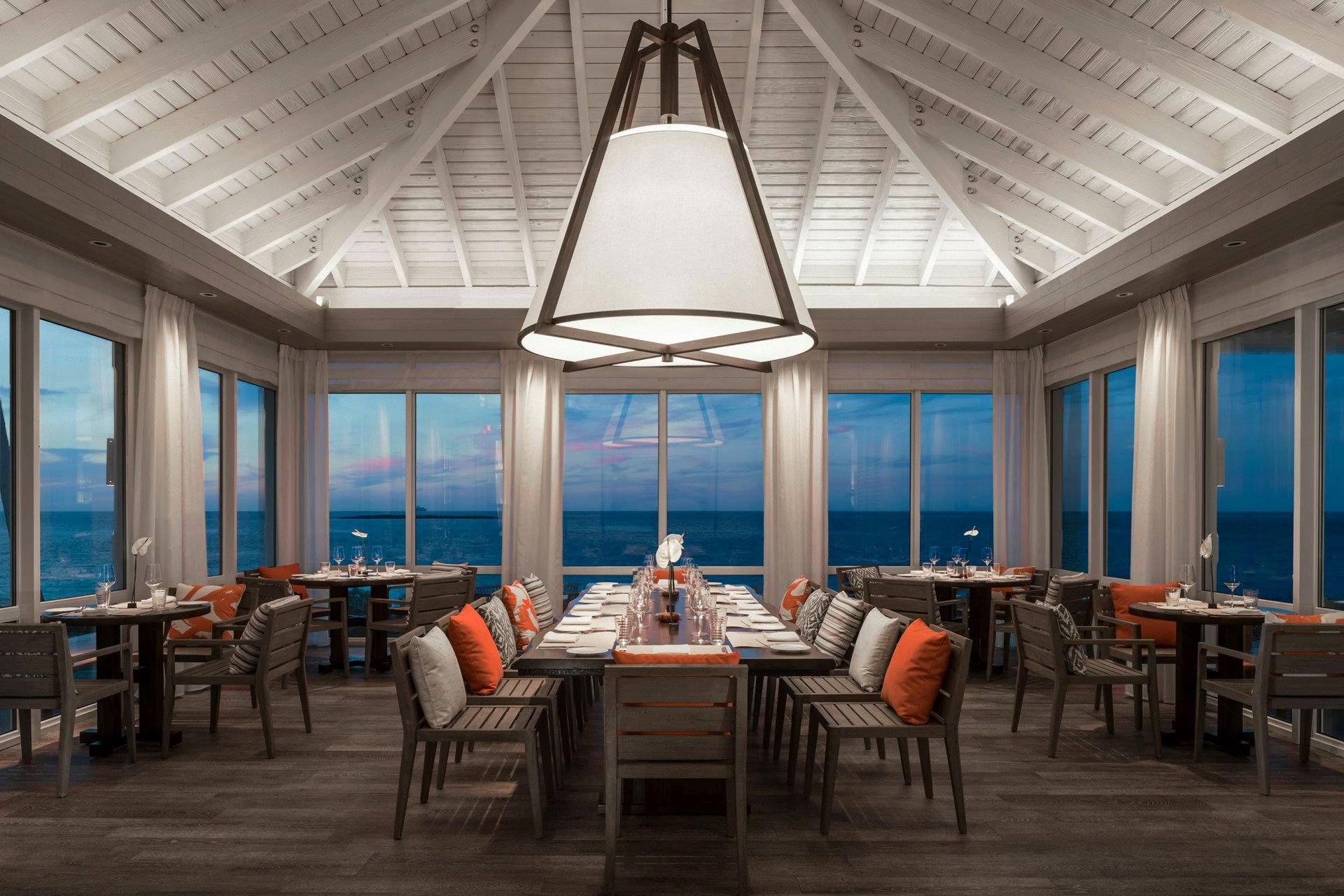
Where the Atlantic Sets the Table
Paradise Island has long operated as Nassau's premium dining address, separated from downtown by the Paradise Island Bridge and by the expectations that come with resort-scale hospitality. The restaurants here compete less with the fish fry shacks along Nassau's western strip and more with each other, and with the broader Caribbean resort-dining circuit that runs from Turks and Caicos through Barbados. Dune sits within that circuit, on One Ocean Drive, in a position where the physical relationship between kitchen and coastline is not incidental, it is, in the Caribbean dining tradition at its most honest, the entire point.
The Bahamas archipelago spans more than 700 islands, and its fishing grounds produce a range of seafood that remains underrepresented in fine-dining contexts compared to, say, the celebrated catches that reach the counters of Le Bernardin in New York City. Conch, grouper, snapper, and spiny lobster move through Bahamian waters in quantities that should make the islands a reference point for Caribbean seafood cooking. The more considered resort restaurants on Paradise Island have, over the past decade, begun treating those local species as assets rather than substitutes for imported proteins, a shift that mirrors what has happened in coastal fine dining globally, from the Amalfi Coast approaches of Quattro Passi in Marina del Cantone to the hyper-regional sourcing philosophy that defines Atelier Moessmer Norbert Niederkofler in Brunico.
The Sourcing Question on Paradise Island
In the Caribbean, ingredient sourcing carries a particular weight. The colonial-era habit of importing prestige ingredients at the expense of local ones persisted well into the resort boom of the 1980s and 1990s, leaving a generation of hotel restaurants that served European proteins to guests surrounded by some of the Atlantic's most productive waters. The correction has been gradual, and it is not uniform. Nassau's dining scene reflects both ends of that spectrum.
At the community level, the fish fry at Arawak Cay remains one direct expression of Bahamian seafood culture, cracked conch pulled fresh, fried to order, served without ceremony. That tradition informs, even when it does not directly supply, the better resort kitchens. The more credible Paradise Island addresses understand that the Bahamian fishing calendar matters: spiny lobster season runs from August through March, and stone crab from October through May. A kitchen that works with those rhythms rather than around them produces a menu that reads differently at different times of year, and one that is worth returning to rather than experiencing once and filing away.
Dune's position on the island places it in conversation with the broader Nassau dining conversation. Across the water, the downtown Nassau scene has diversified considerably: Café Matisse holds ground as one of the city's more established European-influenced addresses, while Café Martinique trades on a long history with the island's resort culture. More recently, Cafe Boulud Bahamas brought a named international framework to the island, and Café Coco and Cafe Bombay represent the more casual registers of Nassau's expanding restaurant range.
Resort Dining and the Atlantic Context
Dal Pescatore in Runate built its identity on the specific produce of the Po Valley; the Bahamian equivalent is a kitchen that can name the species in the water fifty metres from its terrace and cook it in a way that justifies the resort price point.
That price point matters in this context. Paradise Island dining operates at a premium relative to Nassau's independent restaurant scene, and relative to the wider Bahamian out-island experience, the kind of cooking you find at Staniel Cay Yacht Club in Staniel Cay or at Haynes Ave in Governor's Harbour. Those out-island addresses offer a different proposition: lower production values, closer proximity to the actual fishing communities, and a price-to-provenance ratio that the resort circuit rarely matches. Travellers who have eaten at both understand that the gap is not always quality, it is context and expectation.
Where Dune Sits in the comparable set
That is not unusual in this geography. The Caribbean resort-dining category as a whole generates less sustained critical attention than it might warrant, a contrast to the rigorous documentation that follows restaurants like HAJIME in Osaka, Atomix in New York City, or Reale in Castel di Sangro.
Guests with specific dietary requirements, or those planning around a particular occasion, are best served by contacting the restaurant directly in advance, the general Caribbean resort-kitchen standard for accommodation is higher than the press documentation of it would suggest. Elsewhere in the Bahamas, Freedom Restaurant and Sushi Bar in Gregory Town demonstrates how out-island addresses are developing their own distinct cooking identities, a parallel evolution worth tracking for context.
For the widest view of what serious destination dining looks like when sourcing and place are fully integrated, the reference points are not always in the Caribbean. Lazy Bear in San Francisco and Emeril's in New Orleans both built durable reputations around the same core argument: that regional ingredients, handled with technical seriousness, are sufficient to anchor a restaurant of consequence. The Bahamas has the raw materials to support that argument. The question, on Paradise Island as elsewhere in the Caribbean, is how consistently the kitchens make it.
Practical Notes
Dune is located at One Ocean Drive on Paradise Island, Nassau, Bahamas. Reservations are essential.
Fast Comparison
Comparable venues nearby, for context on price, style, and recognition.
| Venue | Cuisine | Price | Notes |
|---|---|---|---|
| DuneThis venue — the venue you are viewing | French-Asian Fusion with Bahamian Influences | $$$$ | Not listed |
| Shima | Southeast Asian Fusion with Sushi | $$$$ | Lyford Cay |
| Café Martinique | French-Bahamian Fine Dining | $$$$ | Paradise Island |
| JWB Prime Steak and Seafood | Prime Steak and Seafood | $$$$ | Downtown Nassau |
| SUSHI ROKKAN | Traditional Japanese Sushi | $$$$ | Old Fort Bay |
| TUGA Supper Club | Mediterranean-Bahamian Fusion | $$$ | West Bay Street |

At a Glance
- Elegant
- Romantic
- Scenic
- Sophisticated
- Date Night
- Special Occasion
- Celebration
- Business Dinner
- Waterfront
- Open Kitchen
- Terrace
- Panoramic View
- Hotel Restaurant
- Live Music
- Extensive Wine List
- Craft Cocktails
- Sommelier Led
- Local Sourcing
- Sustainable Seafood
- Waterfront
Current opening hours
- Monday
- 7–11 AM, 12–3 PM, 6–10 PM
- Tuesday
- 7–11 AM, 12–3 PM, 6–10 PM
- Wednesday
- 7–11 AM, 12–3 PM, 6–10 PM
- Thursday
- 7–11 AM, 12–3 PM, 6–10 PM
- Friday
- 7–11 AM, 12–3 PM, 6–10 PM
- Saturday
- 7–11 AM, 12–3 PM, 6–10 PM
- Sunday
- 7–11 AM, 12–3 PM, 6–10 PM
Hours can change for holidays and private events. Last verified .
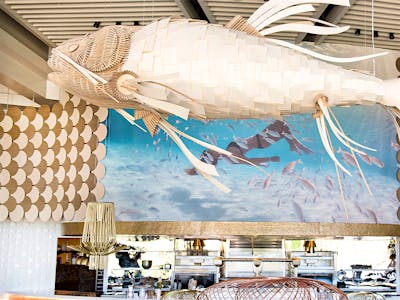
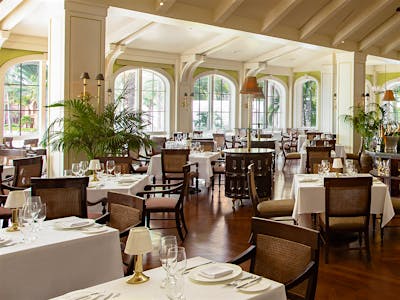
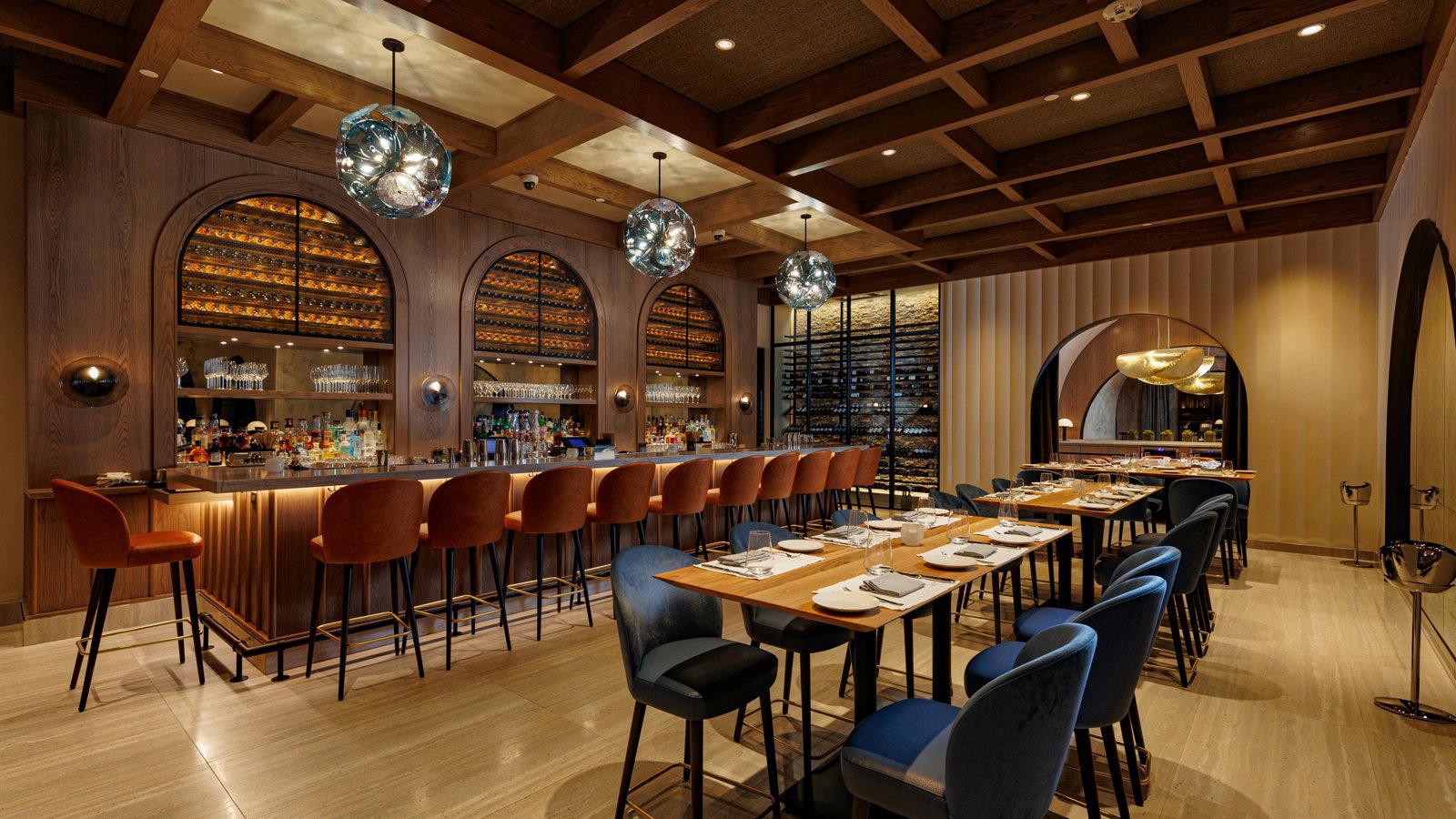
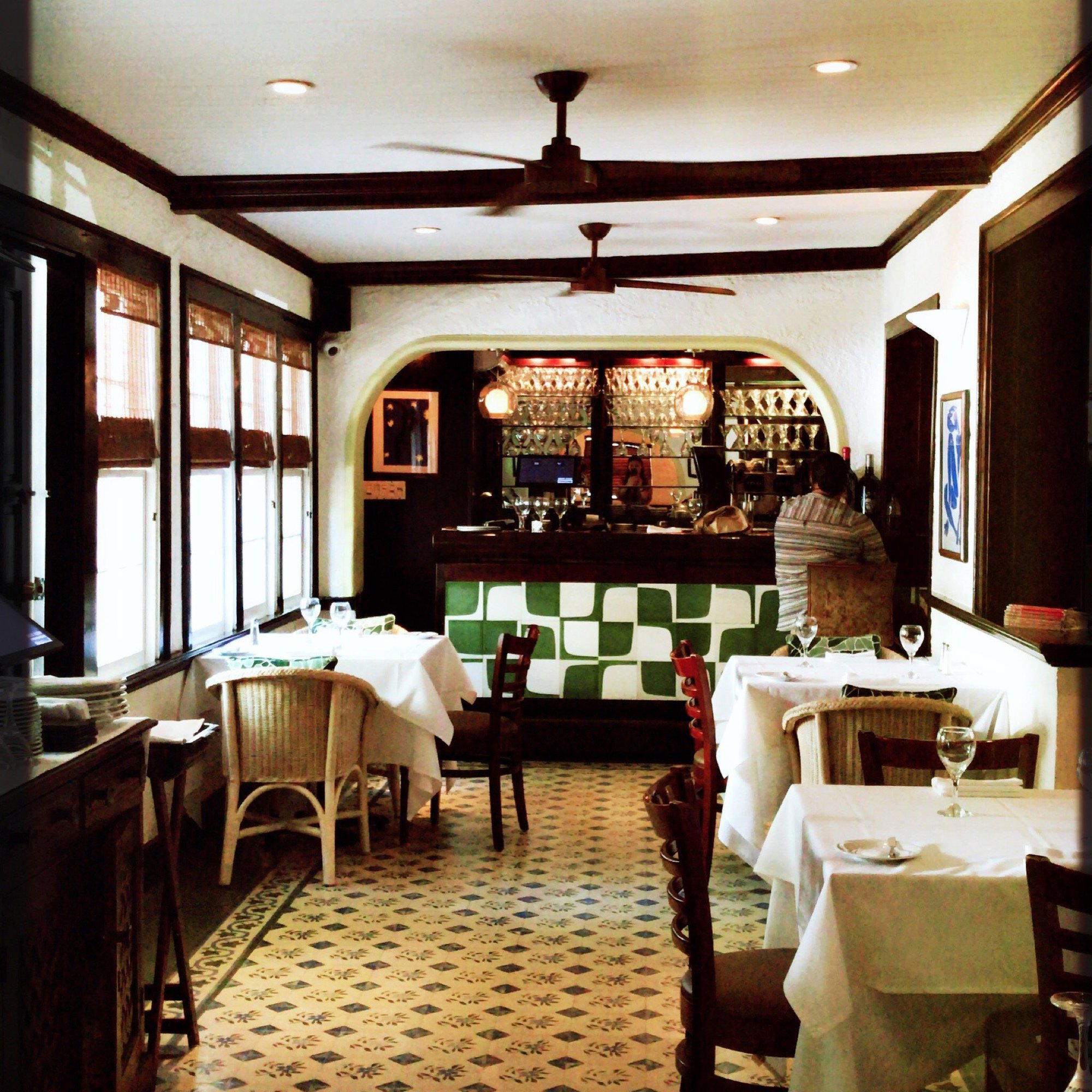
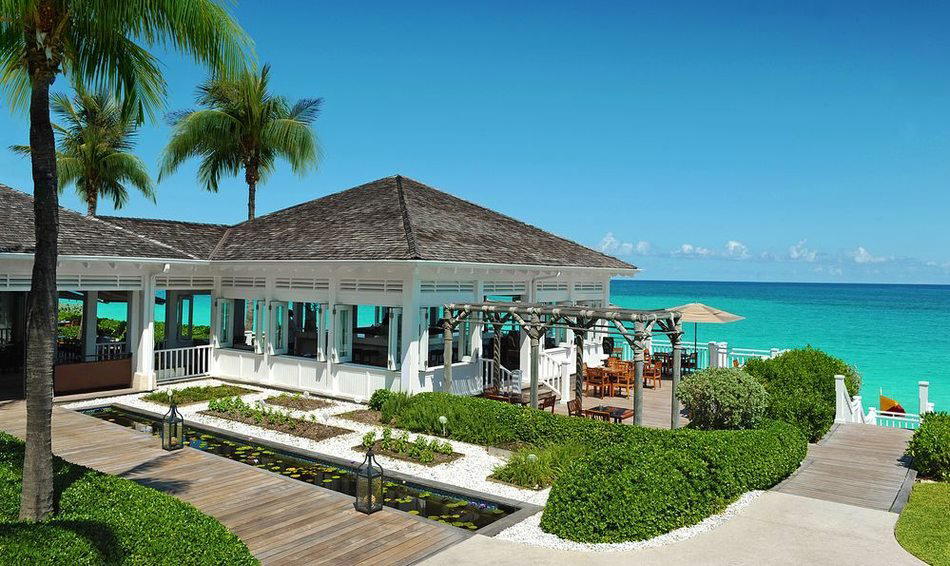
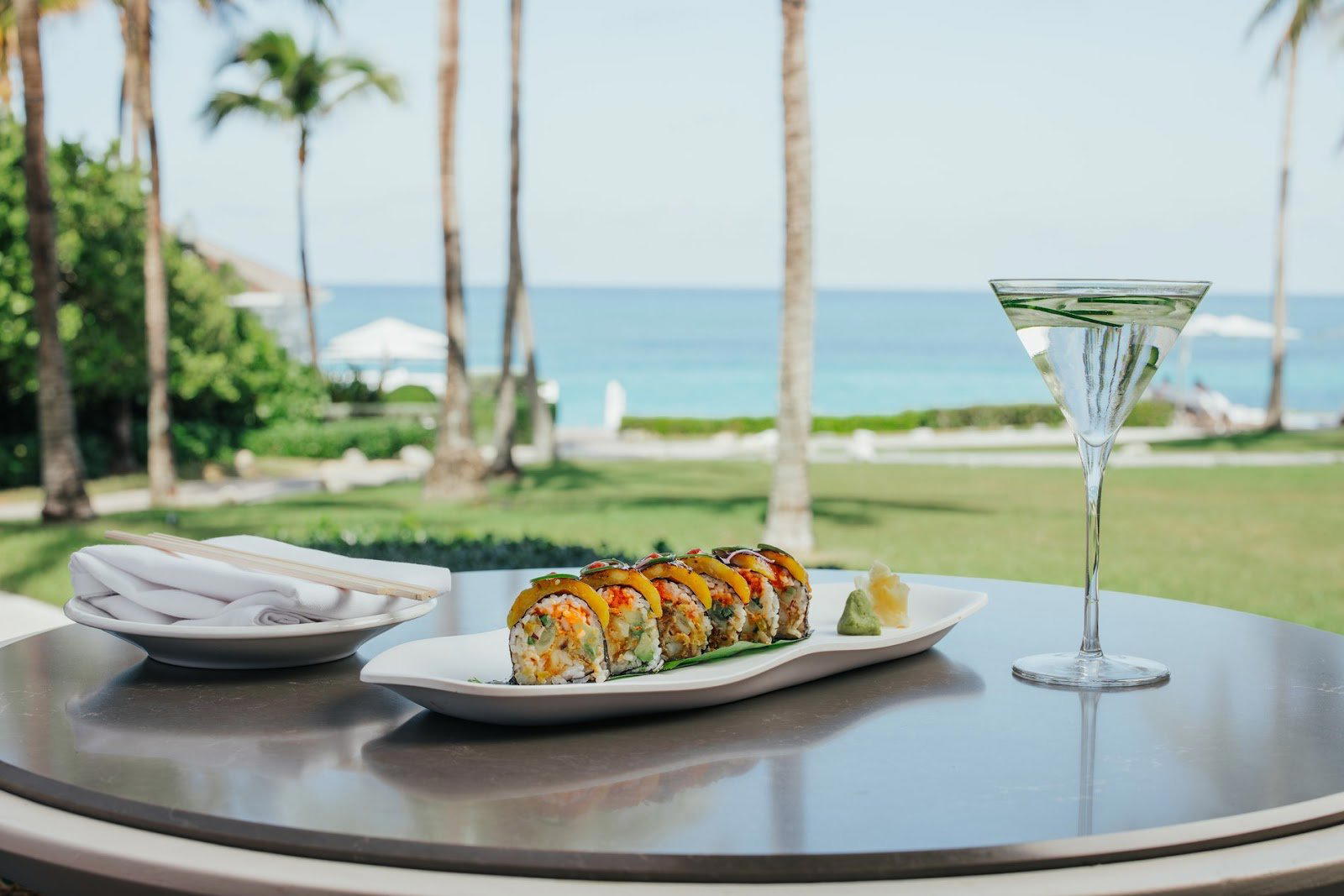
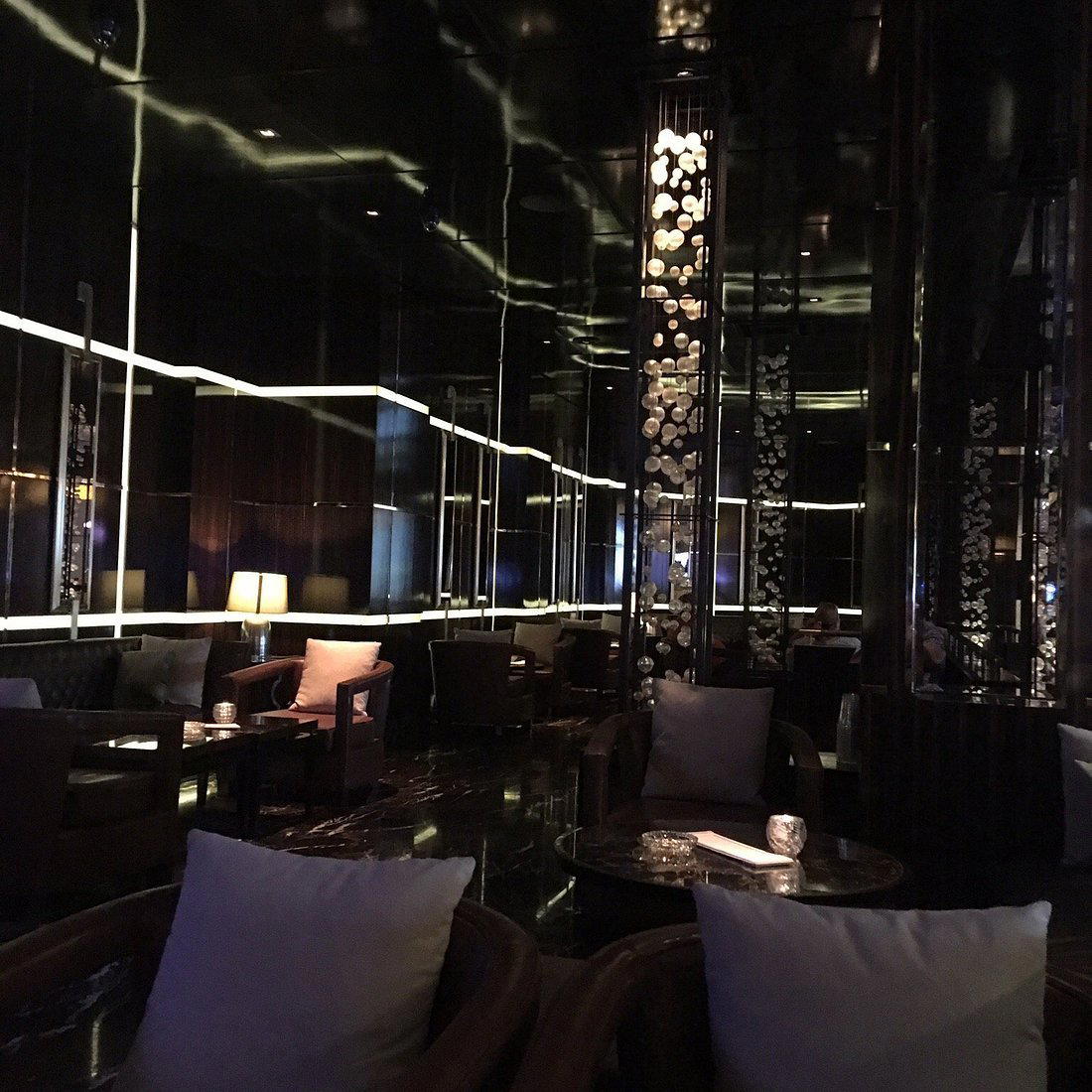
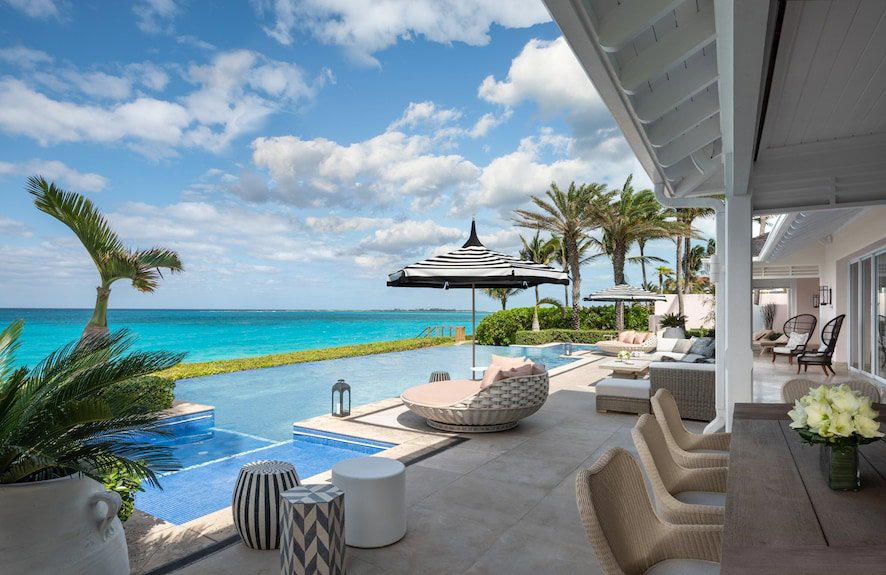
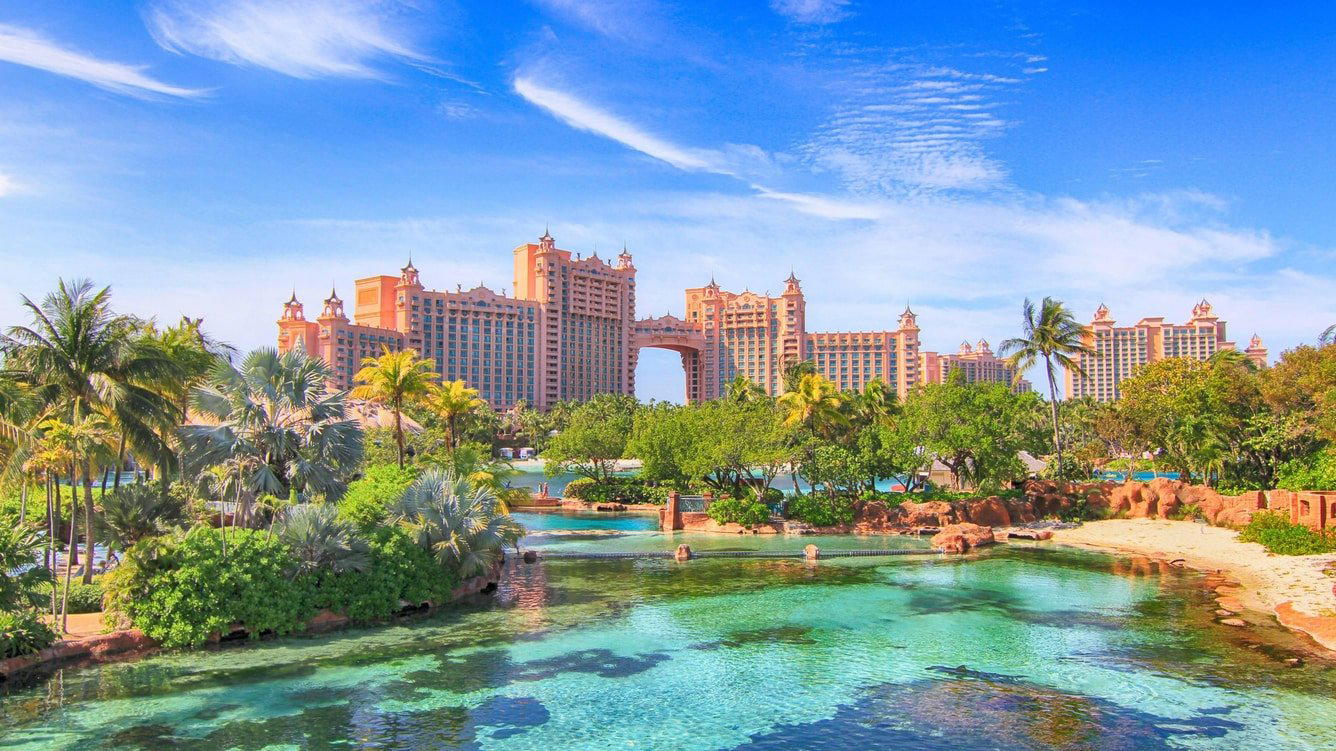
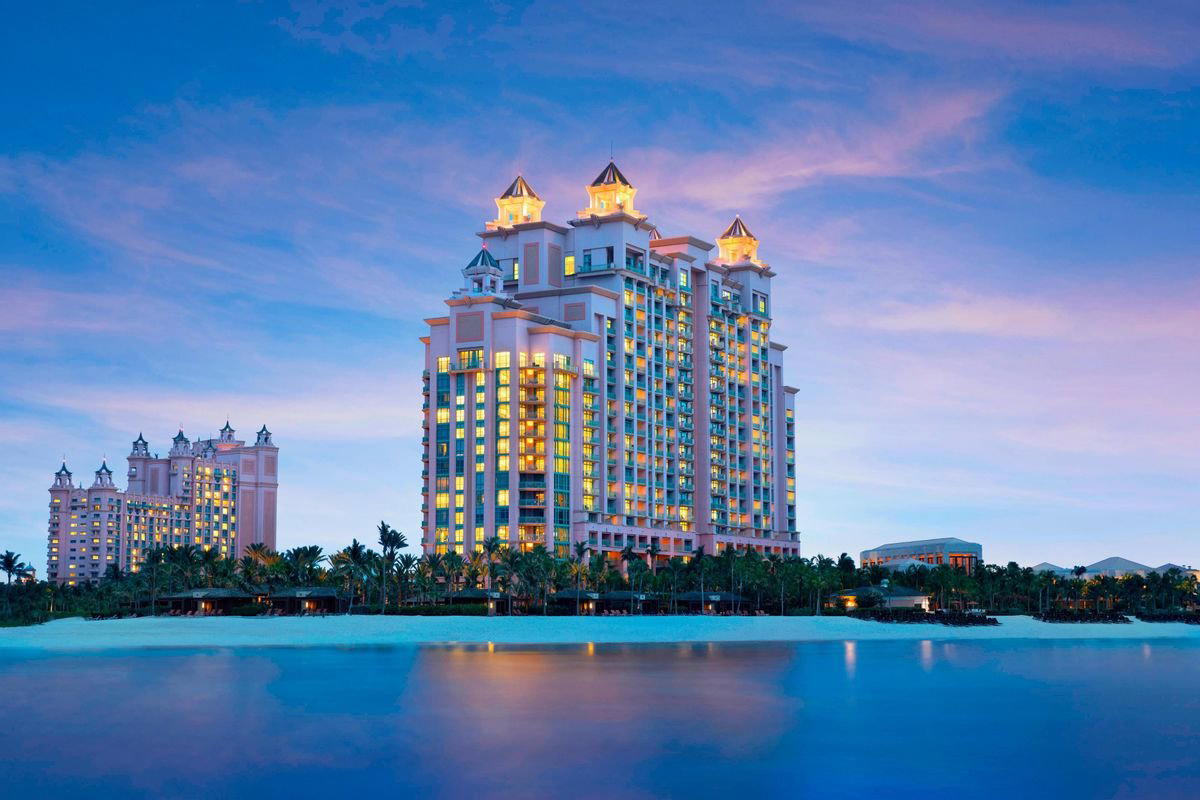
Bright, sophisticated dining with British Colonial design by Jeffrey Beers, featuring a display kitchen and outdoor patios overlooking turquoise waters and beach; elegant yet welcoming atmosphere.