Nón Lá Restaurant
Our verdict
Nón Lá Restaurant occupies a address on Schützenmattstrasse 1 in Basel's 4051 district, bringing Vietnamese culinary tradition into a city better known for its French-influenced fine dining circuit. Basel's restaurant scene spans Michelin-starred French houses to neighbourhood-level international tables, and Nón Lá sits in the latter register, offering a counterpoint to the city's dominant white-tablecloth codes.

Pearl is the En Primeur Club membership app, where members save venues, book tables and use the concierge.
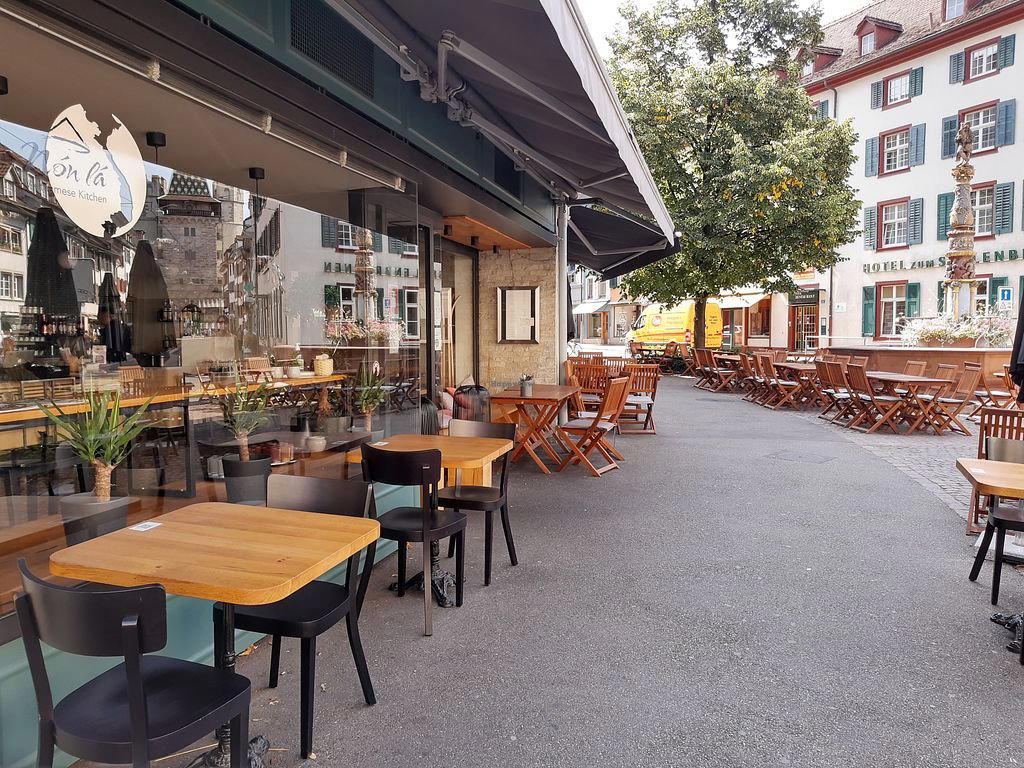
A Different Register on Schützenmattstrasse
Basel's dining identity is shaped, more than most Swiss cities, by proximity to three national borders. French technique filters through the upper tier Cheval Blanc by Peter Knogl and Stucki - Tanja Grandits operate in that Michelin-starred French-leaning bracket, while roots has carved a distinct lane with its Flemish and vegetable-forward approach at the €€€€ price point. Below that top tier, the city's mid-register offers a more varied picture: neighbourhood restaurants working across Mediterranean, pan-Asian, and Vietnamese traditions fill the space where the city breathes outside its formal dining circuit. Nón Lá Restaurant, at Schützenmattstrasse 1 in the 4051 postal district, belongs to that register, a Vietnamese address in a city where the cuisine remains comparatively rare.
The street address places the restaurant in a part of Basel that sits west of the Old Town, a zone with a more residential and locally-oriented character than the museum quarter. Schützenmattstrasse runs through an area where everyday commerce mixes with the kind of neighbourhood dining that serves residents rather than conference delegates. That positioning has a practical effect on atmosphere: rooms in this part of the city tend toward the informal end of the spectrum, with layouts driven by functionality and the logic of the space rather than designed hospitality gestures.
The Physical Container and What It Signals
Vietnamese restaurants in European cities occupy a wide range of spatial registers. At one end, there are the stripped-back, high-turnover spaces that prioritise speed and volume. At the other, a smaller cohort has moved toward considered interiors that reference the visual culture of the cuisine's origins, conical hats, lantern forms, the warm ochres and greens associated with Hội An's preserved architecture. The name Nón Lá itself references the traditional Vietnamese leaf hat, a form that carries immediate visual association with the country's rural and artisanal heritage. Whether the interior uses that reference as a design anchor or treats it purely as a naming gesture is something the room itself answers.
In cities where Vietnamese dining has developed critical mass, the interior design question has become a legitimate part of how restaurants signal their positioning. London's and Paris's Vietnamese scenes, for example, have split between high-design destination spaces and corner-shop canteens that compete on broth quality and price alone. Basel's Vietnamese presence is thinner than either of those cities, which means individual restaurants carry more weight as representatives of the cuisine. The room at Schützenmattstrasse 1 operates in that context: for many Basel diners, it may function as a primary reference point for Vietnamese food in the city, regardless of its design choices.
Cuisine Tradition and the Basel Context
Vietnamese cooking is one of the more internally varied of Southeast Asia's major cuisines. The north-south divide in flavour profile is well-documented: Hanoi's cooking leans toward cleaner broths and restrained seasoning, while the south, particularly Ho Chi Minh City, runs sweeter, more herb-laden, with French colonial influence showing clearly in the use of baguette and dairy. Central Vietnamese food, associated with the former imperial capital Huế, favours intensity and fermented notes. Which of these traditions a European Vietnamese restaurant draws from shapes the entire menu logic, from pho construction to the balance of fresh herbs served alongside.
For a city like Basel, where the dominant culinary frame is French-Swiss and where Asian cuisines are encountered less frequently at the neighbourhood level than in Zurich or Geneva, a Vietnamese restaurant operates as both a dining option and a form of culinary education. The dishes that travel leading in this context, that communicate Vietnamese cooking most clearly to an unfamiliar audience, tend to be the canonical ones: pho in its northern form, fresh spring rolls with prawn and rice paper, bun bo Hue for those wanting heat, banh mi as a legacy of colonial hybridisation. These are the anchor points around which mid-register Vietnamese restaurants in European cities build menus, because they carry enough inherent logic to communicate without extensive annotation.
Among Basel's international mid-tier, Vietnamese sits alongside Mediterranean-leaning addresses like Ackermannshof and the more traditional French brasserie register of 1777. Those restaurants reflect a city comfortable with European idioms; a Vietnamese table answers a different appetite, one for cooking that prioritises brightness, acid, and fresh aromatics over the butter-and-reduction logic of the French tradition.
Swiss Context: Where This Fits Nationally
Switzerland's fine dining circuit operates at a considerable distance from its neighbourhood mid-tier. The country's destination restaurants, Hotel de Ville Crissier in Crissier, Schloss Schauenstein in Fürstenau, Memories in Bad Ragaz, 7132 Silver in Vals, occupy a tier where international travel is part of the proposition. Urban neighbourhood restaurants in Basel, Zurich, and Geneva serve a different function entirely: they are the everyday dining fabric of cities where residents eat out frequently and where price sensitivity at the mid-level is real. IGNIV Zürich by Andreas Caminada, Colonnade in Lucerne, and Einstein Gourmet in Sankt Gallen each occupy urban positions in that larger Swiss dining map, though at different price registers than a neighbourhood Vietnamese table.
The comparison is useful for calibration. Nón Lá is not competing with focus ATELIER in Vitznau or Da Vittorio in St. Moritz. It occupies the neighbourhood tier, where the question is not Michelin stars or tasting menus but whether the food holds up against what a Basel resident could reasonably drive across the French border to find on any given evening. That is the actual competitive pressure for mid-range Asian dining in this city: proximity to Alsace and the quality of its own local options.
Planning Your Visit
Nón Lá Restaurant is located at Schützenmattstrasse 1, 4051 Basel, accessible from the city centre on foot or by tram. Basel's compact geography means most central addresses are within fifteen minutes of each other, and Schützenmattstrasse sits within reasonable reach of the Old Town. Basel's mid-range dining scene has a reasonably consistent pattern of lunch and dinner service on weekday and weekend schedules, but hours at neighbourhood-level restaurants can shift seasonally. For a fuller picture of what Basel's dining scene offers at every price point and style, the EP Club Basel restaurants guide maps the city's full range.
Frequently asked questions
at Nón Lá Restaurant?
Vietnamese restaurants working the mid-register in European cities typically anchor their menus around pho, fresh spring rolls, and bun bo Hue, the dishes that carry the cuisine's core logic most clearly. Basel's proximity to France means diners with experience of Vietnamese food in Paris or Lyon may arrive with a calibrated frame of reference. For the most current menu, checking directly with the restaurant is the reliable route; the cuisine tradition it draws from rewards ordering across the fresh and broth-based sections rather than concentrating on a single dish.
Is Nón Lá Restaurant reservation-only?
In Basel's mid-range dining tier, where venues like Ackermannshof operate at the Mediterranean end of the same neighbourhood market, walk-in availability varies considerably by day and service. If you're visiting Basel during Art Basel or Fasnacht, when the city's restaurant capacity is under pressure across all price points, confirming in advance is the practical approach regardless of normal policy. Contact the restaurant directly for current booking arrangements.
What makes Nón Lá Restaurant worth seeking out?
In a city whose upper dining tier is anchored by French-lineage kitchens at the Cheval Blanc and Stucki level, Vietnamese cooking represents a genuine change of register. Basel's Vietnamese dining options are fewer than in Zurich or Geneva, which means Nón Lá operates as one of the more direct access points to the cuisine in the city. For diners whose appetite runs toward the herb-bright, acid-forward side of Southeast Asian cooking rather than the butter-led French tradition that defines Basel's prestige tier, the restaurant answers a specific gap. Those with broader Swiss itineraries might also consider L'Atelier Robuchon in Geneva or Le Bernardin in New York City for seafood-focused fine dining, or Atomix in New York City for a reference point in Korean fine dining at the precision end of the Asian cuisine spectrum.
How does Nón Lá fit into Basel's wider international dining scene?
Basel's international restaurant options at the neighbourhood level are thinner than its Swiss-French fine dining tier, which is well-represented and Michelin-tracked. Vietnamese cooking sits within a small cohort of Asian restaurants in the city that provide genuine stylistic alternatives to the dominant French and Mediterranean modes. At Schützenmattstrasse 1, the 4051 address puts the restaurant in a residential-commercial mix west of the Old Town, a location more oriented to local repeat custom than to tourist circuits. Diners specifically interested in how Basel's international mid-tier compares to its haute cuisine circuit will find the EP Club Basel restaurants guide the most structured overview available.
Budget Reality Check
Comparable venues nearby, for context on price, style, and recognition.
| Venue | Cuisine | Price | Notes |
|---|---|---|---|
| Nón Lá RestaurantThis venue (the venue you are viewing) | Authentic Vietnamese Street Food | $20–30 | Not listed |
| Mum's Kitchen | Vietnamese Street Food | $20–30 | St. Margarethen, Vietnamese Street Food |
| Schnabel | Traditional Swiss Basel Specialties | Not listed | Aeschen, Traditional Swiss Basel Specialties |
| Chanthaburi | Authentic Thai | $20–30 | Messe, Authentic Thai |
| Bug a Thai | Insect-Inspired Thai Takeaway | $20–30 | Messe, Insect-Inspired Thai Takeaway |
| Kornhaus «Thai Food | Authentic Thai | $20–30 | Aeschen, Authentic Thai |
Continue exploring
More in Basel
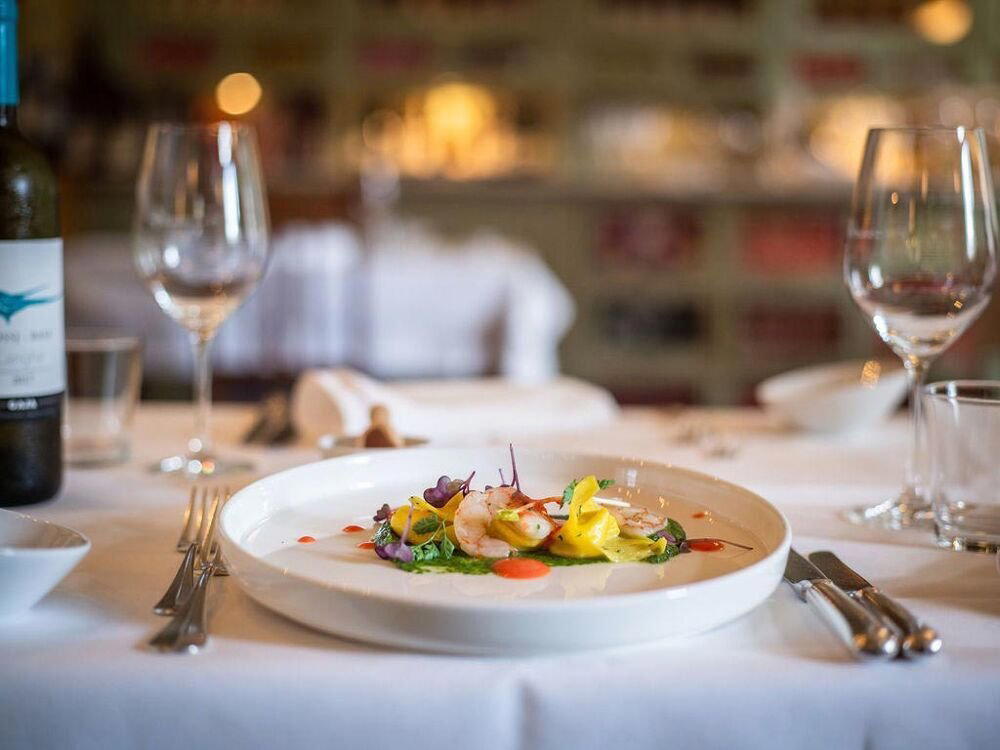
Restaurants in Basel
All restaurants in Basel →
Bars in Basel
All bars in Basel →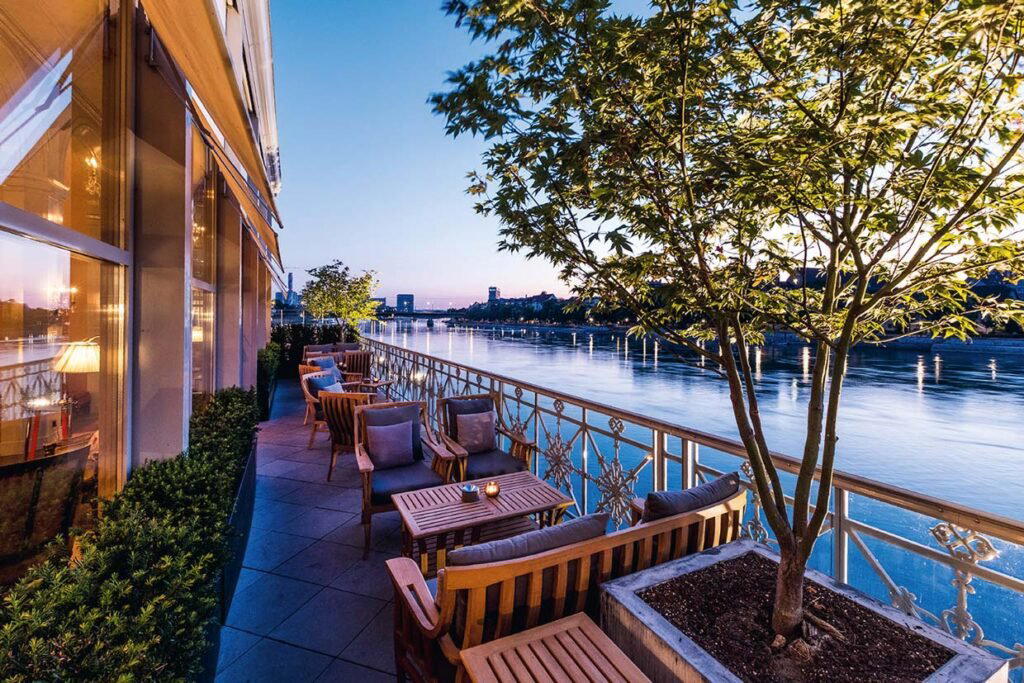


Details
- Lively
- Trendy
- Casual Hangout
- Open Kitchen
- A La Carte
- Vegetarian Friendly
- Vegan Options
Current opening hours
- Monday
- 11:30 AM–2 PM, 6–10 PM
- Tuesday
- 11:30 AM–2 PM, 6–10 PM
- Wednesday
- 11:30 AM–2 PM, 6–10 PM
- Thursday
- 11:30 AM–2 PM, 6–10 PM
- Friday
- 11:30 AM–2 PM, 6–10:30 PM
- Saturday
- 12–10:30 PM
- Sunday
- Closed
Hours can change for holidays and private events. Hours as of .
Casual and lively atmosphere in Basel's historic market halls with fresh, bustling energy.