Njami Sushi brings Japanese counter dining to Cafova ulica in central Maribor, occupying a niche that the city's restaurant scene largely leaves open. In a city defined by Štajerska gostilna tradition and a growing wave of Mediterranean-influenced kitchens, a dedicated sushi address signals a deliberate shift in local appetite. The address sits within walking distance of the old town core.
Pearl is the En Primeur Club membership app — saves, bookings, and concierge access live there. Same editors, same standards.
- Address
- Cafova ulica 5, 2000 Maribor, Slovenia
- Phone
- +38631212165
- Website
- njami-sushi.si
- Directions
- Get directions
 Saves & bookings on Pearl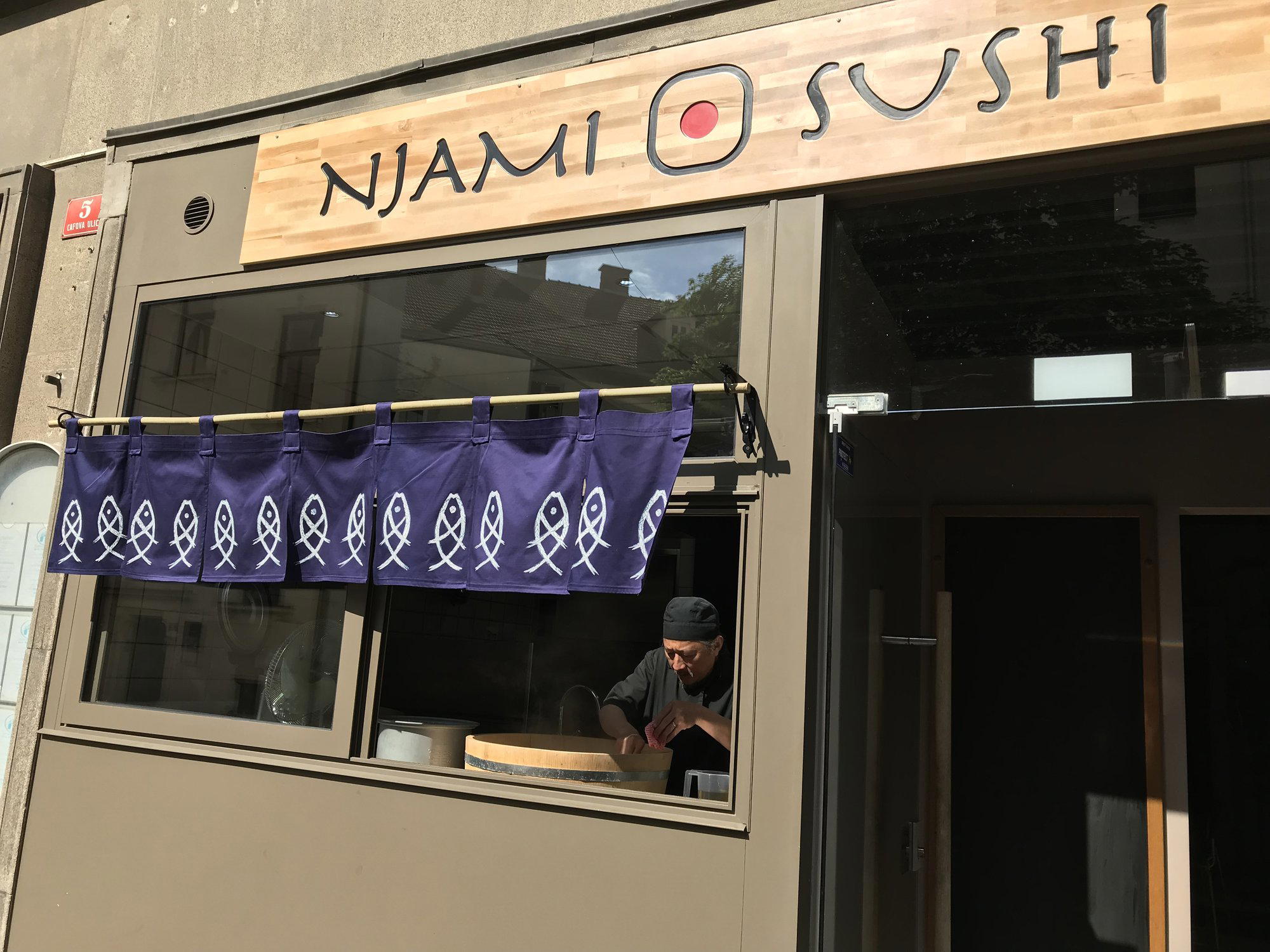
Japanese Counter Dining in a Central European River City
Maribor's dining identity has long been anchored to the Štajerska tradition: braised meats, local wines from the surrounding hills, and the kind of gostilna hospitality that treats a long lunch as a civic duty. That tradition remains the city's dominant register, represented by addresses like Gostilna pri lipi and the enduring neighbourhood character of spots like Baščaršija. Against that backdrop, a sushi restaurant is not a neutral presence. It signals something specific about where local appetite is moving.
Njami Sushi sits at Cafova ulica 5, a short walk from the Drava riverfront and the medieval core that defines Maribor's pedestrian geography. The street-level position places it within the orbit of the city's central dining corridor, where casual Mediterranean kitchens like City Terasa and the broader mix documented in our full Maribor restaurants guide reflect a city stretching its culinary references well beyond regional tradition.
What the Menu Format Reveals
A sushi restaurant's menu architecture tells you more about its ambitions than any single dish. At the direct end of the spectrum, you find combination platters, bento-style pricing, and a format designed for speed and accessibility. At the other end sit omakase counters where the menu is a conversation between chef and diner, priced accordingly and booked weeks in advance. The distinction matters because it shapes every other decision a diner makes, from how long to stay to what to drink.
In mid-sized Central European cities, sushi restaurants have historically occupied the accessible middle ground: Japanese technique applied to local appetite for casual dining, with approachable price points and a format that welcomes walk-ins and groups. This is the tier where the cuisine reaches the widest audience, and it is a legitimate and often underestimated format. Venues operating in this register succeed not through omakase theatre but through consistency, sourcing discipline, and the quality of their rice, which remains one honest indicator of a kitchen's seriousness regardless of how elaborate the toppings become.
Slovenia's broader fine-dining conversation is primarily conducted in Slovenian and Italian registers. The country's internationally recognized addresses, including Hiša Franko in Kobarid and Hiša Denk in Zgornja Kungota, work from Slovenian produce and European technique. Japanese cuisine occupies a different lane entirely, one that in Maribor is still developing its vocabulary. That development is worth watching, because cities at this stage of culinary diversification tend to reward early-adopter addresses with loyal regulars before the broader market catches up.
Maribor's Position in the Slovenian Dining Map
Understanding Njami Sushi requires placing it inside Maribor's specific position in Slovenian dining. The city is Slovenia's second largest, yet its restaurant scene has historically operated in Ljubljana's shadow, receiving less international attention despite producing serious kitchens. The Štajerska wine region surrounding the city adds a credible local pairing culture, with Šipon and Laški Rizling available by the glass in addresses across the centre. That wine culture does not naturally intersect with Japanese cuisine, but in cities across Central Europe, the pairing question has been resolved through sparkling wine and lighter whites, and there is no structural reason Maribor kitchens cannot develop the same conversation.
For comparison, Slovenia's most discussed dining addresses outside Ljubljana span a wide geographic range: Milka in Kranjska Gora, Dam in Nova Gorica, Gostilna Pri Lojzetu in Vipava, and Pavus in Lasko. What links them is a shared commitment to regional produce and a European fine-dining logic. Njami Sushi operates from a different premise entirely, which is precisely what makes it a useful data point for reading where Maribor's appetite is heading.
Within the city itself, the comparison set is revealing. Creative-leaning formats and Mediterranean kitchens like Ancora and Fudo have expanded the reference range beyond Štajerska tradition. A dedicated Japanese address extends that range further, into a category that requires a specific kind of sourcing infrastructure and technical knowledge that other cuisines do not demand in the same way.
The Broader Japanese Dining Reference
Globally, the gap between accessible sushi restaurants and the leading counter-format addresses is substantial. Venues like Atomix in New York City represent the Korean-inflected fine dining end of Asian cuisine in a Western city, while seafood-focused institutions like Le Bernardin in New York City demonstrate what rigorous sourcing and classical technique look like at the highest price tier. Neither comparison is directly relevant to a neighbourhood sushi address in Maribor, but the underlying principle holds at every scale: the quality of fish sourcing and the handling of rice determine the ceiling of what a Japanese kitchen can achieve, regardless of format or price point.
For Maribor diners accustomed to addresses like Restavracija Strelec in Ljubljana or the Michelin-level ambition visible at Grič in Šentjošt nad Horjulom and Hiša Linhart in Radovljica, the restaurant operates at a different register, one defined by accessibility rather than formal ambition. That is a legitimate and necessary part of any city's dining ecosystem. Not every meal needs to be an occasion; particularly useful restaurants in a city are the ones that deliver consistent quality at a format and price that supports regular visits rather than annual ones. Addresses like Gostilna Mlinar in Idrija demonstrate that regional specificity and approachability are not mutually exclusive propositions.
Planning Your Visit
The restaurant is located at Cafova ulica 5 in central Maribor, within walking distance of the old town and the Drava riverfront. Hours are Mon: Closed; Tue: 12–6 PM; Wed: 12–6 PM; Thu: 12–6 PM; Fri: 2–8 PM; Sat: 2–8 PM; Sun: Closed, and reservations are recommended. Maribor's central dining zone is compact and navigable on foot, making Cafova ulica easy to combine with other stops along the old town corridor.
Recognition, Side-by-Side
Comparable venues nearby, for context on price, style, and recognition.
| Venue | Cuisine | Price | Notes |
|---|---|---|---|
| Njami sushiThis venue — the venue you are viewing | Authentic Edomae Sushi | $$ | Not listed |
| Fudo | Modern Fusion with Local Slovenian Influences | $$ | Glavni trg |
| Ancora | Italian Pizzeria and Mediterranean Seafood | $$ | City centre |
| Jack & Joe BBQ & Pizza | American BBQ & Pizza | $$ | Limbuš |
| Nana Bistro & Kavarna | Modern European Bistro | $$ | Glavni trg |
| Pizzeria Pomodoro | Traditional Italian Pizza | $$ | :null |
Continue exploring
More in Maribor
Restaurants in Maribor
Browse all →
Bars in Maribor
Browse all →
Hotels in Maribor
Browse all →

At a Glance
- Cozy
- Intimate
- Modern
- Date Night
- Solo
- Open Kitchen
- Sake Program
- Local Sourcing
Current opening hours
- Monday
- Closed
- Tuesday
- 12–6 PM
- Wednesday
- 12–6 PM
- Thursday
- 12–6 PM
- Friday
- 2–8 PM
- Saturday
- 2–8 PM
- Sunday
- Closed
Hours can change for holidays and private events. Last verified .
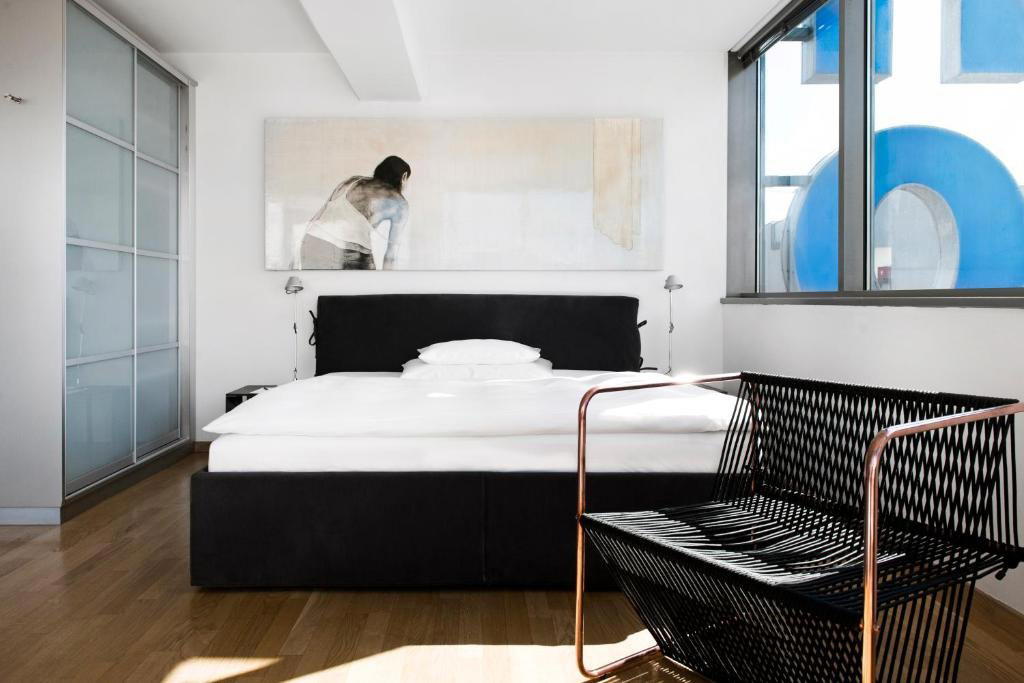
Intimate and cozy with a quiet, authentic Japanese atmosphere and open preparation.