Nick & Sam's
Our verdict
Nick & Sam's on Maple Avenue occupies a firm position in Dallas's upscale steakhouse tier, where the city's appetite for prime beef meets a kitchen that draws on technique well beyond the grill. A large-format room, an extensive wine program, and a menu that spans seafood towers to dry-aged cuts make it a reliable anchor for the kind of dinner that demands both scale and precision.

Pearl is the En Primeur Club membership app — saves, bookings, and concierge access live there. Same editors, same standards.
- Address
- 3008 Maple Ave, Dallas, TX 75201
- Phone
- (214) 871-7444
- Hours
- Mon–Wed 5–10 PMThu 5–11 PMFri–Sat 4:30–11 PMSun 5–10 PM
- Website
- nick-sams.com
- Directions
- Get directions
- Booking
- Book on the venue's website
The menu
What to order
- 77-Ounce New York Strip
- Japanese Wagyu
- Porter House
The Room Before the Meal
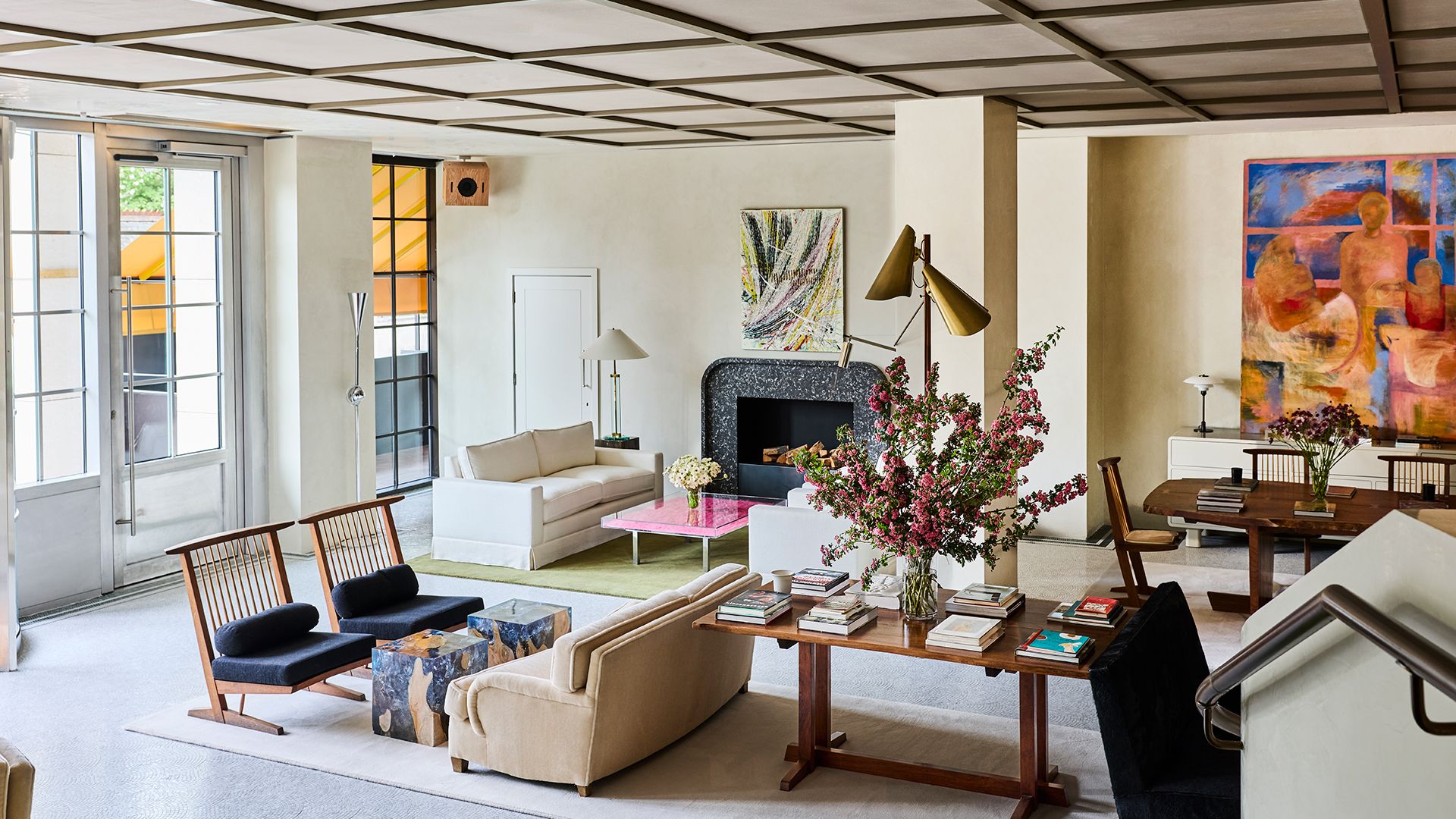
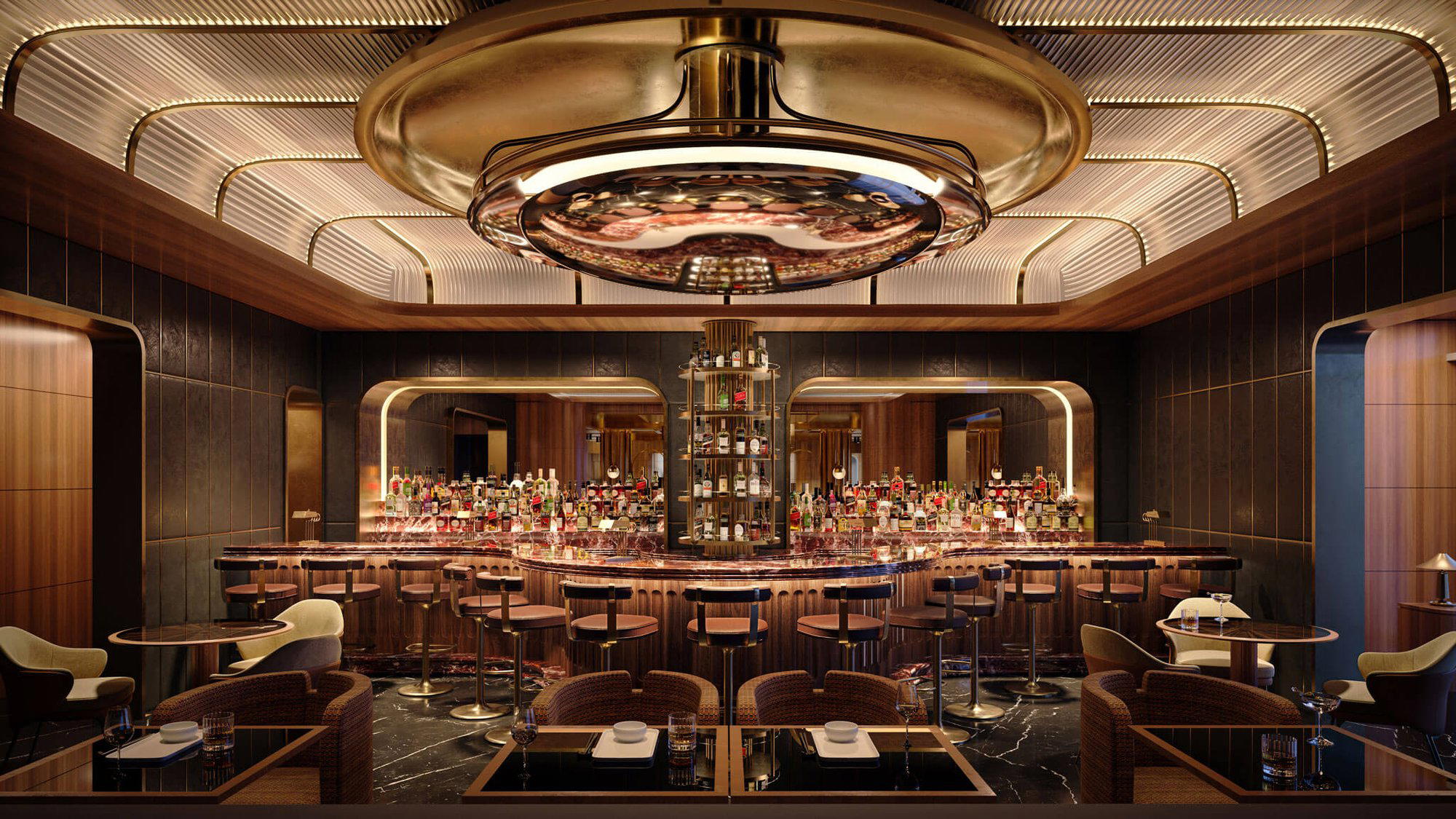
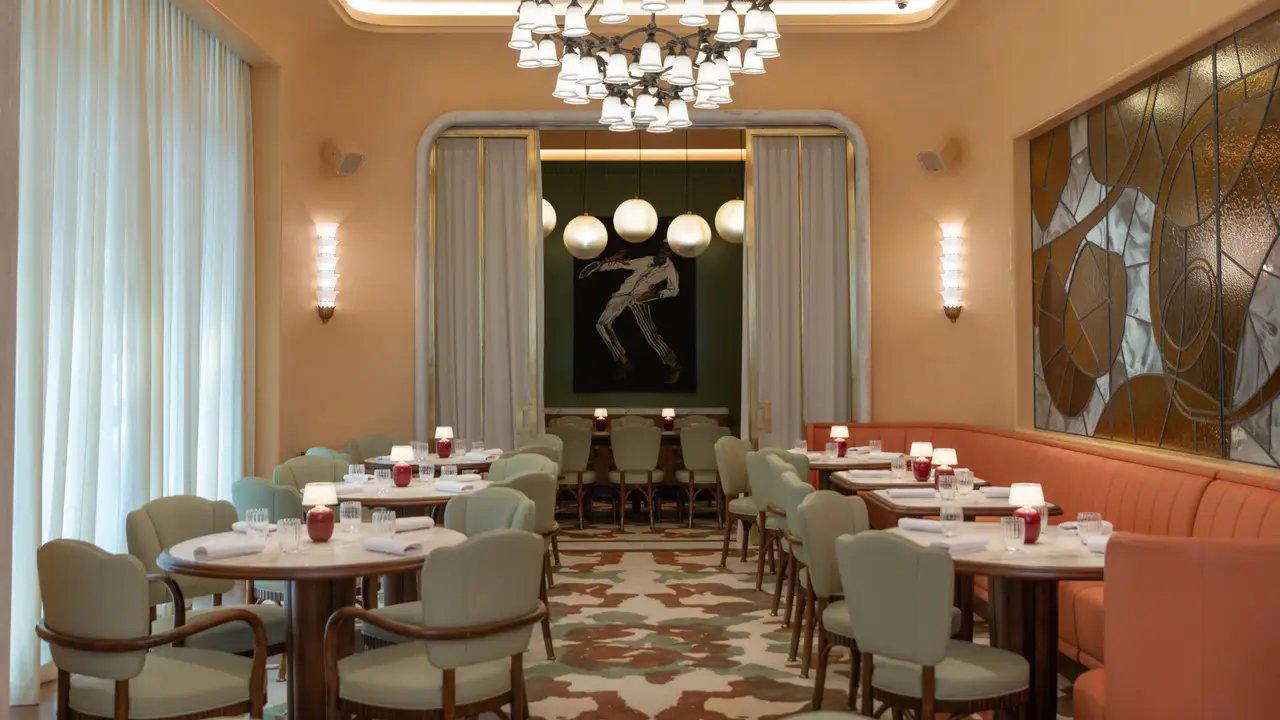
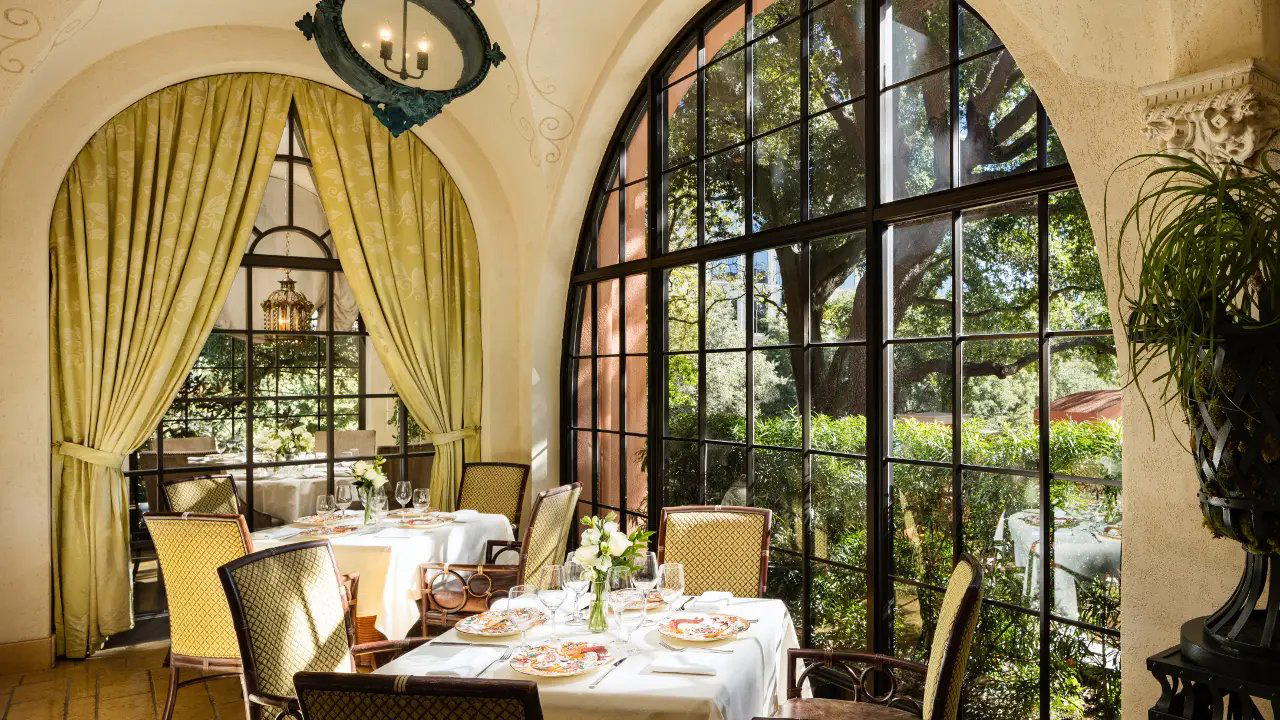
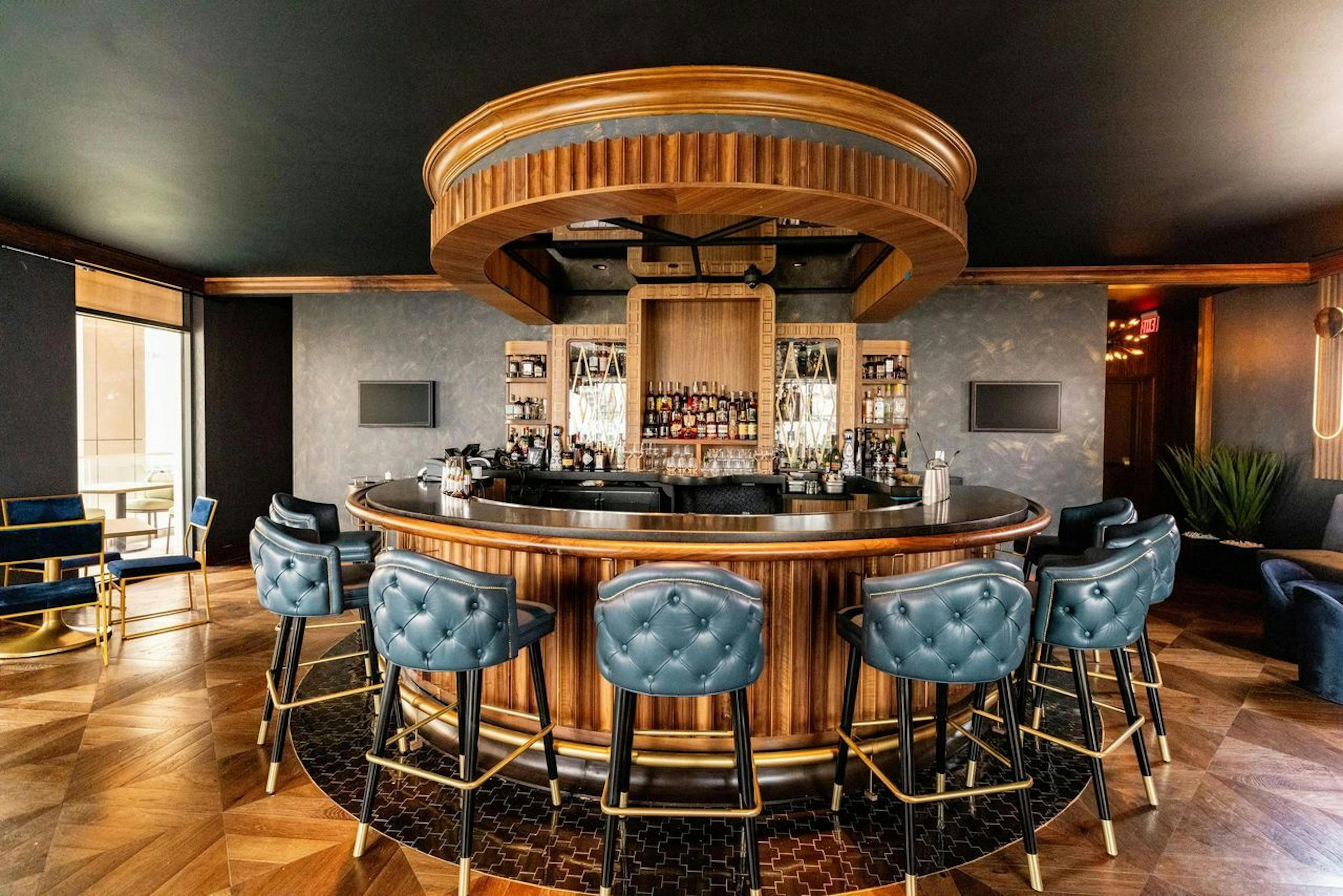
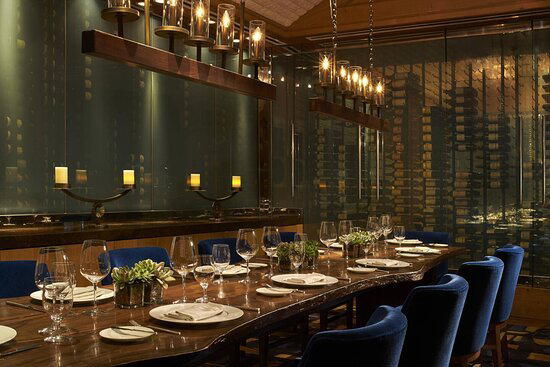
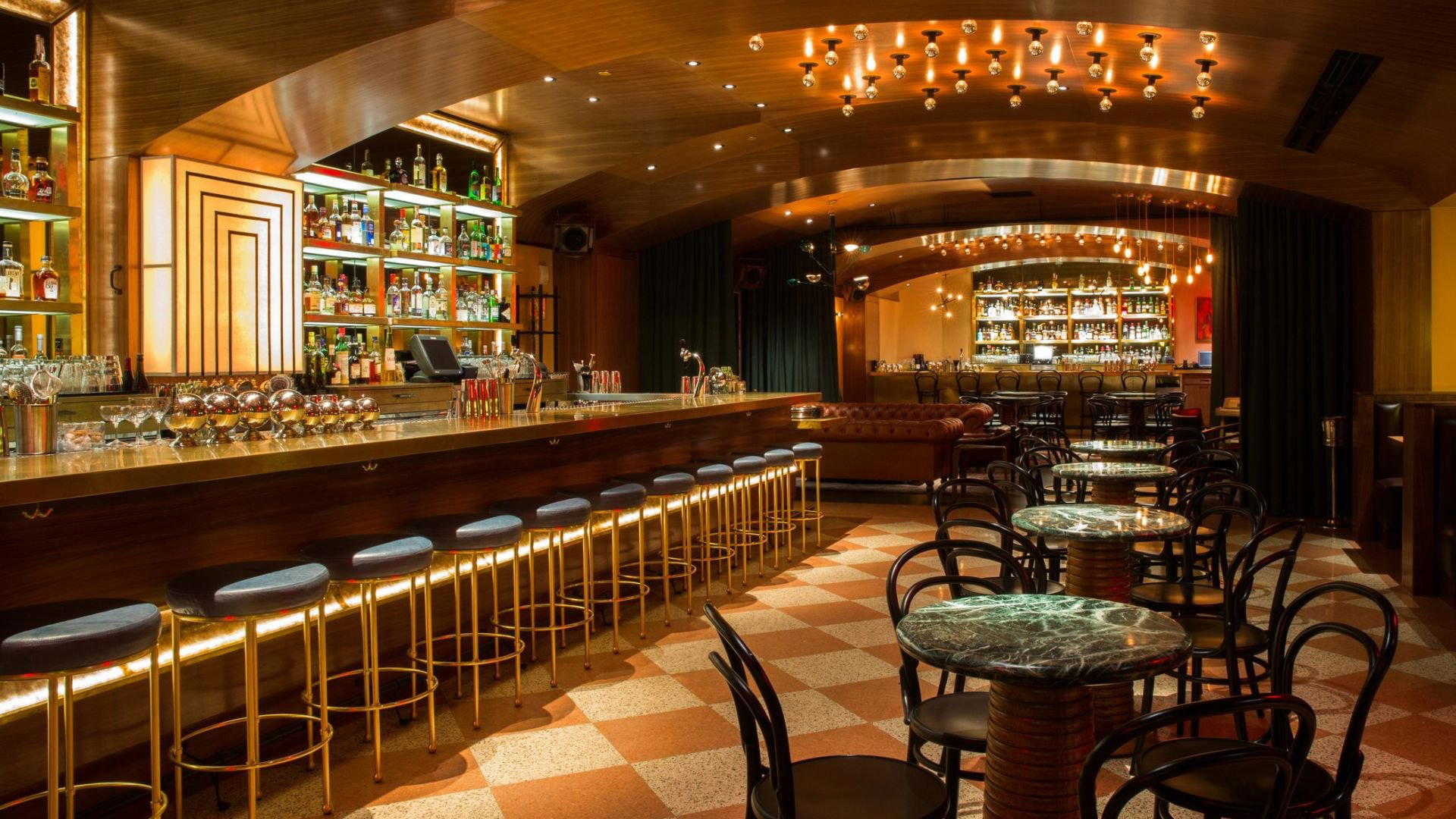
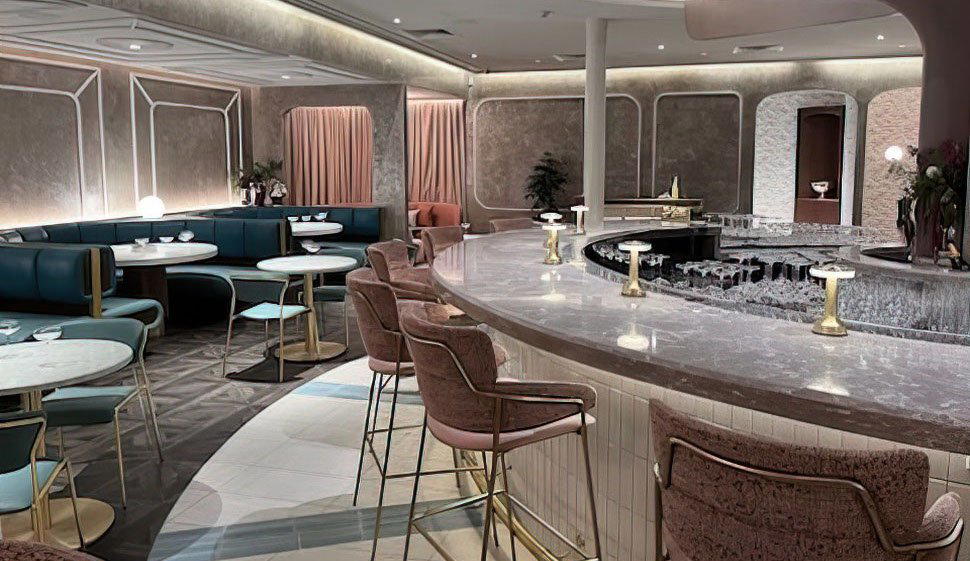
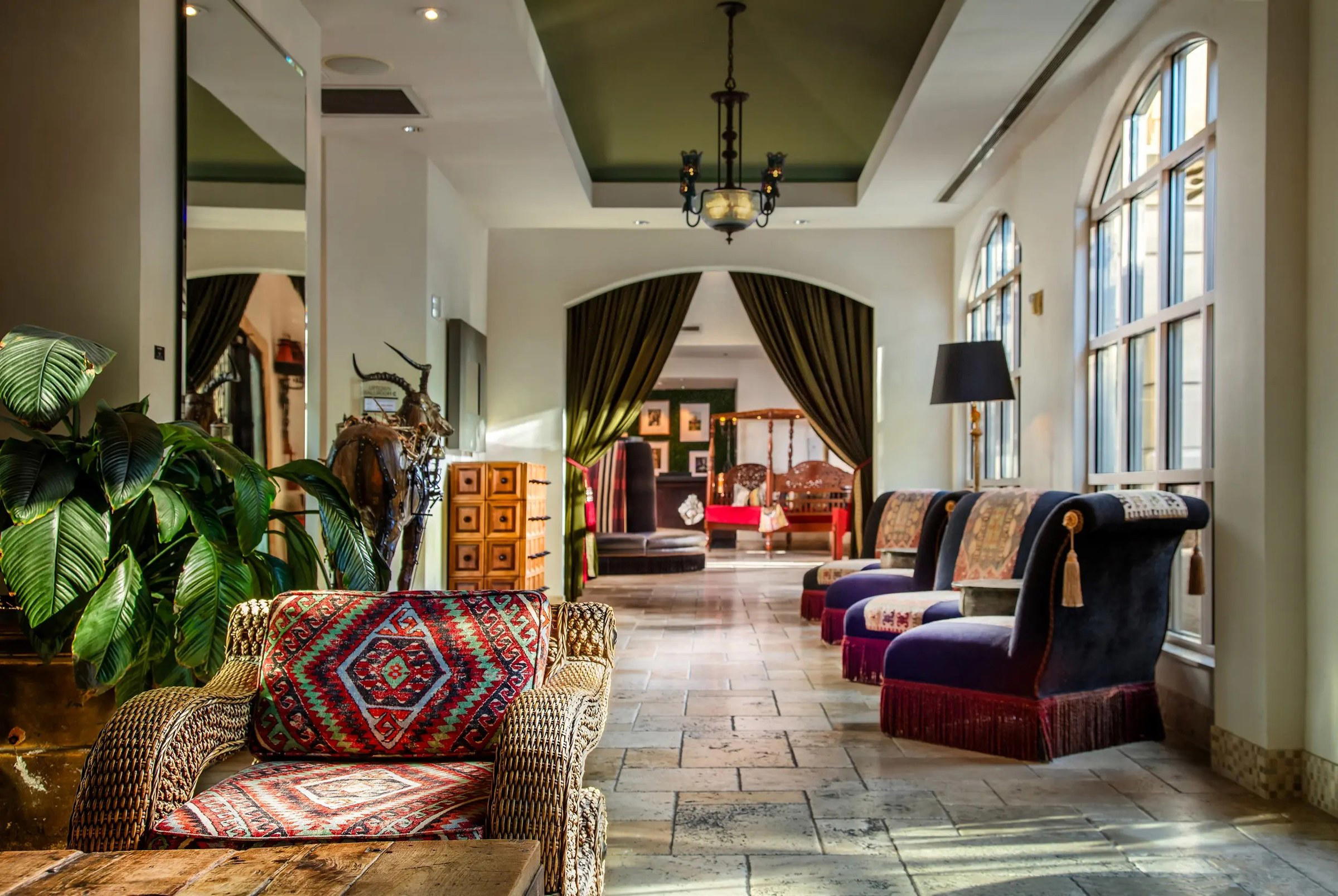
Maple Avenue in Dallas's Uptown corridor runs through one of the city's most concentrated stretches of high-spending restaurants, and the conventions of that address come with certain expectations: a dining room that reads serious, a noise level that signals occasion, and a floor plan that accommodates the kind of table where deals are concluded and anniversaries are marked. Nick & Sam's operates in that register. The space is large enough to generate its own atmosphere without relying on theatre, and the lighting and service cadence communicate that the kitchen is treating your evening as a formal event, not a transaction.
That physical context matters because it shapes who competes in this tier. In Dallas, the premium steakhouse segment sits between the national chain outposts that import a consistent corporate template and the smaller independent rooms that trade on chef-driven menus and tighter sourcing stories. Nick & Sam's lands in the independent column, which means the quality of its beef program, wine list, and tableside execution carry the full weight of the experience, without a brand name doing the credibility work upfront.
Where Texas Beef Meets Classical Technique
The editorial angle that defines Nick & Sam's position in Dallas dining is the intersection of locally sourced or regionally premium protein with cooking methods that trace back to French and broader American fine-dining traditions. This is a pattern visible across the upper tier of Texas steakhouses: the product is emphatically Texan or at least regionally American in identity, while the kitchen vocabulary, from sauce reductions to precise temperature control and composed plating, draws on a more formal training lineage.
That combination is not accidental. Dallas's high-end dining scene developed in close conversation with the national fine-dining establishment, and restaurants at this price point have always needed to satisfy a clientele that travels regularly to Le Bernardin in New York City, The French Laundry in Napa, or Smyth in Chicago and expects comparable technical discipline when they return home. The result is a kitchen register that treats prime Texas beef with the same seriousness that a French-trained cook would apply to a composed tasting menu protein course, even when the format is ostensibly a la carte.
For comparison: Tei-An applies a similarly rigorous imported methodology to Japanese soba in Dallas, and Fearing's draws on Southwestern ingredients through classical American fine-dining structure. Tatsu Dallas does the same in the Japanese omakase register. Nick & Sam's operates in the most commercially legible version of this model, where the product familiarity of a prime steakhouse meets a kitchen ambition that extends well past the grill.
The Menu Logic
The steakhouse format at this tier has evolved considerably over the past two decades. The genre once operated on a simple three-part logic: a shrimp cocktail, a large cut, a potato. The premium independent version now runs a seafood tower program alongside the beef, incorporates tableside preparation for certain dishes, and maintains a composed appetizer section that would not look out of place on a modern American tasting menu. Nick & Sam's fits that evolved format.
The seafood component deserves particular attention because it repositions the restaurant away from a single-protein identity. It is a harder program to execute consistently, but it gives the restaurant a broader occasion range and a more defensible position against the national chains, which rarely invest equivalent effort in the seafood side of the menu.
For those building a table here, the wine program is a meaningful part of the value calculation. Large-format steakhouses at this address tier in Dallas tend to carry deep Cabernet-heavy American lists, often with older vintage access that smaller or newer rooms cannot match. That depth rewards guests who arrive with a specific bottle in mind rather than relying on the by-the-glass selection.
Dallas Context: Where This Sits
Dallas's restaurant scene has developed a more textured upper-tier over the past decade. The city that once sorted neatly into chains and country club dining now runs a credible range of serious independent rooms across multiple cuisines. Mamani, 3Eleven Kitchen and Cocktails, and 360 Brunch House each represent different corners of that broader expansion. 12 Cuts Brazilian Steakhouse occupies a different steakhouse register altogether, built around the churrascaria model rather than the a la carte American format.
Within the premium a la carte steakhouse category, Nick & Sam's competes against Fearing's at the Ritz-Carlton and Lucia in the Bishop Arts District, among others. Fearing's trades on its Southwestern identity and hotel setting; Lucia operates in a more intimate, Italian-inflected register at a lower price ceiling. Nick & Sam's occupies the larger-format, higher-ticket position, which means it functions as the default landing point for large corporate tables, celebratory groups, and visiting guests whose frame of reference is the national fine-dining steakhouse.
That positioning places it in a competitive conversation with rooms like Addison in San Diego, Emeril's in New Orleans, or The Inn at Little Washington not on cuisine type but on the broader question of what a serious, independently operated American fine-dining room should deliver in 2024. The answer at Nick & Sam's is: scale, technical discipline, and a wine program that can carry a long evening. See our full Dallas restaurants guide for the wider picture.
Planning Your Visit
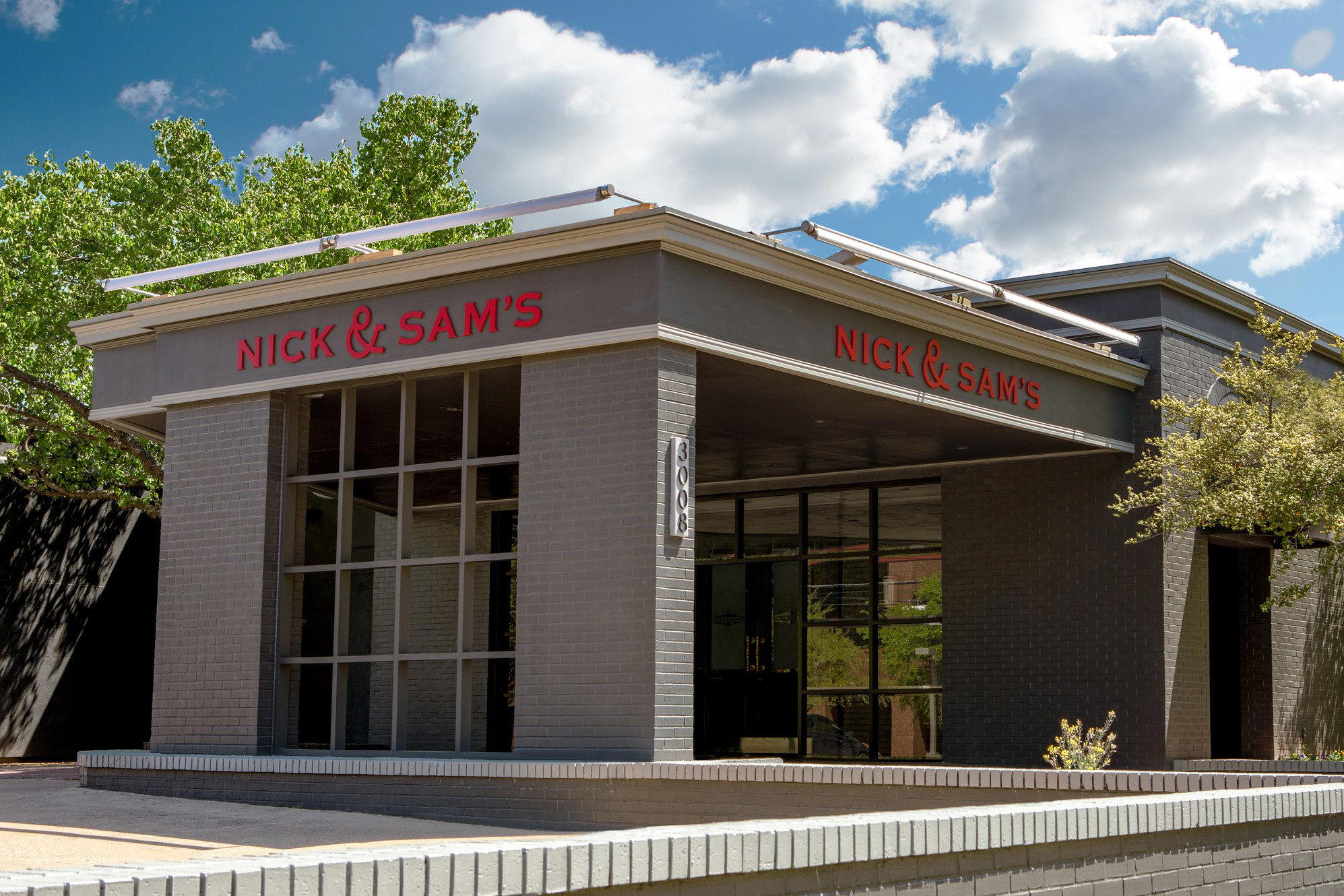
Nick & Sam's sits at 3008 Maple Avenue in Uptown Dallas, a neighborhood that is walkable from several of the area's better hotels and accessible by rideshare from downtown in under ten minutes. For a room of this format and price tier, reservations are advisable well in advance, particularly for weekends and prime slots mid-week when the corporate dining calendar fills the floor. Dress code expectations at Dallas steakhouses in this tier remain on the smart-casual to business-casual end, though the room itself skews toward guests who arrive dressed for the occasion.
Frequently asked questions
What's the address for Nick & Sam's?
Nick & Sam's is located at 3008 Maple Ave, Dallas, TX 75201, Dallas.
Is Nick & Sam's in Dallas a good option for a business dinner or special occasion?
The Maple Avenue address in Uptown Dallas places Nick & Sam's inside the city's established corridor for high-spend, occasion-driven dining — the kind of room where corporate tabs and milestone dinners are routine rather than exceptional. The steakhouse format at this tier carries a built-in logic for business meals: a clear menu structure, a serious wine program, and a room loud enough for conversation but composed enough to signal intent. It functions well for both.
What should I order at Nick & Sam's?
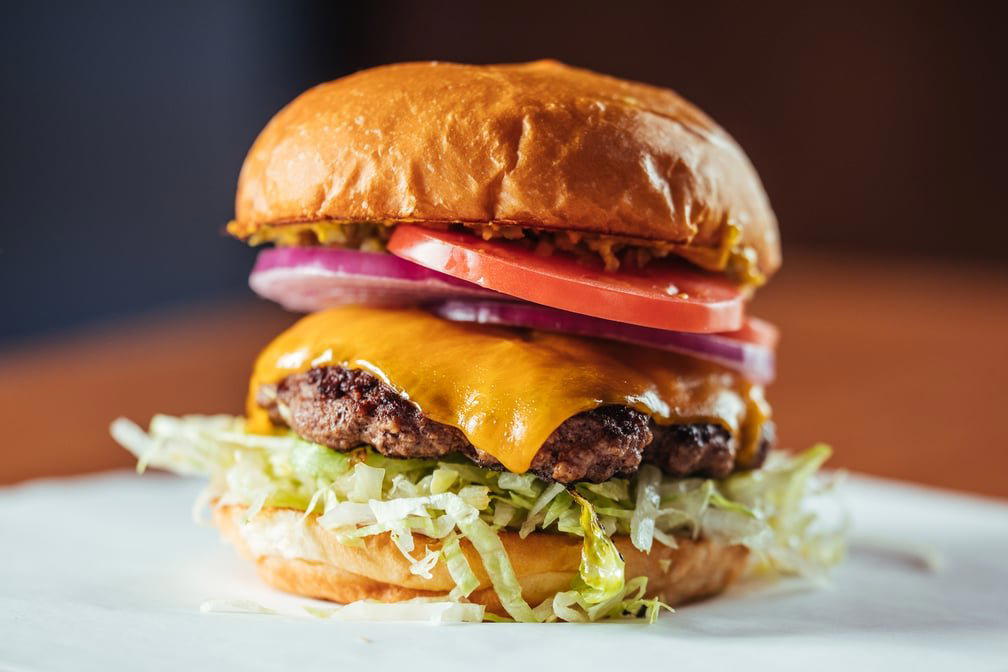
Nick & Sam's built its reputation in Uptown Dallas on premium beef, so the steakhouse cuts are the throughline of any serious visit. The menu operates at a tier where regionally sourced and dry-aged options typically anchor the selection alongside raw bar and composed sides. Given the Maple Avenue address and the room's positioning in Dallas's upper dining corridor, the beef program is where the kitchen's technique is most legible — that's where to start.
How far ahead should I plan for Nick & Sam's?
Nick & Sam's draws a consistent crowd from Uptown Dallas's hotel corridor and the broader Metroplex dining circuit, particularly on weekends. For Friday and Saturday evenings, a week to ten days of lead time is a reasonable baseline; for larger parties or specific seating preferences, two weeks is more reliable. Weeknight availability at 3008 Maple Ave tends to be more forgiving, especially earlier in the evening.
Reputation First
| Venue | Cuisine | Price | Awards | Notes |
|---|---|---|---|---|
| Nick & Sam'sThis venue — the venue you are viewing | Contemporary Steakhouse with Seafood and Sushi | $150–200 | Not listed | Not listed |
| Lucia | Contemporary Italian | $50–100 | Michelin Bib Gourmand · James Beard Award Semi Finalist | Not listed |
| Tei-An | Japanese Soba House | $100–150 | Michelin Plate | Not listed |
| Fearing's | Southwestern American Steakhouse | $100–150 | Michelin Plate · Wine Spectator Award of Excellence | Not listed |
| Tatsu Dallas | Traditional Edomae Omakase | $150–200 | 1 Michelin Star | Japanese |
| Pecan Lodge | Texas BBQ | $20–30 | Diners, Drive-Ins and Dives Featured Restaurant | Not listed |