Nişantaşi at Cairo Festival City Mall brings the Turkish dining tradition to New Cairo's Mall The Village, placing it within the district's growing corridor of international restaurant concepts. The format follows the pacing and ritual familiar to Istanbul's neighbourhood restaurants, adapted for a Cairo audience that has absorbed a succession of regional and global dining influences over the past decade.
Pearl is the En Primeur Club membership app — saves, bookings, and concierge access live there. Same editors, same standards.
- Address
- Mall The Village, New Cairo 1, Cairo Governorate 4730020, Egypt
- Phone
- +201222533336
- Website
- nisantasi-int.com
- Directions
- Get directions
 Saves & bookings on Pearl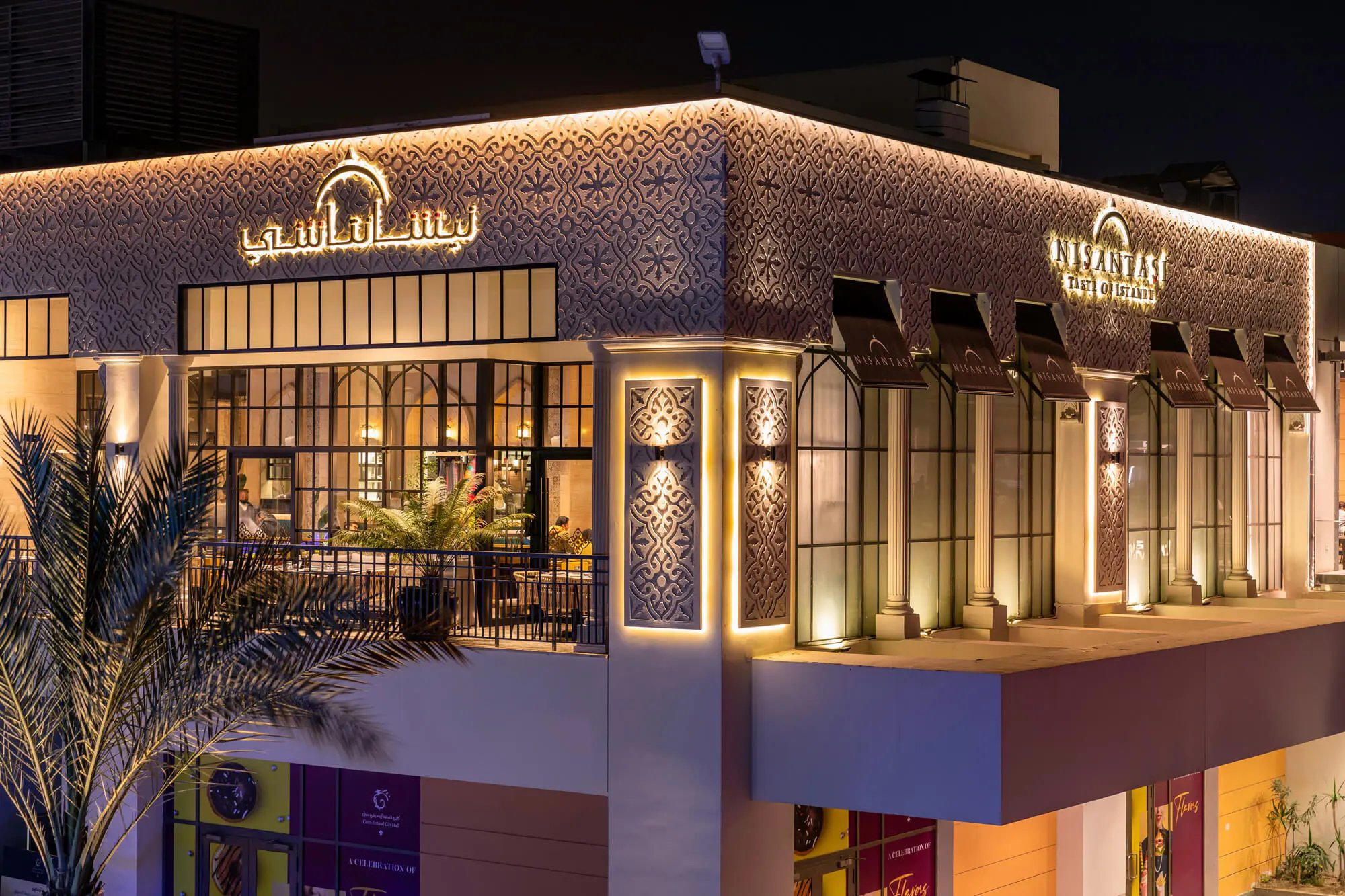
Where Turkish Dining Ritual Meets New Cairo's Mall Circuit
Mall dining in New Cairo has undergone a quiet but consistent transformation over the past several years. What once meant fast-casual courts and chain outposts has shifted toward sit-down concepts with defined culinary identities, formats that reward lingering, and menus structured around the kind of pacing more commonly associated with standalone restaurants. Nişantaşi at Mall The Village, Cairo Festival City, is a Turkish restaurant in New Cairo with. The venue takes its name from one of Istanbul's most recognisable neighbourhood references, Nişantaşı, the affluent district in the European quarter of the city known for its cafes, restaurants, and unhurried afternoon culture, and carries that register into a New Cairo retail context.
That framing matters because Turkish dining, at its better end, is not primarily about a single dish or a signature technique. It is about a rhythm: small plates arriving before the main event, bread treated as a structural component rather than an afterthought, and a general expectation that the table is yours for the duration. That ritual, when transplanted successfully, tends to work well in Egyptian contexts where the long, shared meal is already culturally embedded. New Cairo's dining audience, which has grown accustomed to Japanese formats at Kazuko and pan-Asian omakase structures at Kazoku in Cairo, brings a reasonably sophisticated reading of pacing to the table.
The Turkish Dining Ritual and How It Reads in Cairo
The meze tradition that anchors Turkish restaurant culture is among the more adaptable in the region. Unlike tasting menus that require surrender to a fixed sequence, the Turkish table operates through accumulation, a procession of cold and warm starters, dips, grilled proteins, and bread that a group negotiates collectively. The ritual places as much value on the ordering conversation as on the food itself, and that social architecture translates across cultures without much adjustment.
In Istanbul's Nişantaşı district, the restaurants that carry the neighbourhood's name as a signifier tend to position themselves as polished rather than rustic: cleaner presentations of classic preparations, interiors that acknowledge contemporary design without abandoning warmth, and service pacing that does not rush the second round of starters. The naming convention signals a deliberate alignment with that tier of the Turkish dining tradition rather than the more casual kebab-and-pide format.
For context on how different register international concepts have fared in New Cairo's mall circuit, it is worth noting that concepts like Reif Kushiyaki 5A and Tao have both established that the district's dining audience will engage with structured, non-casual formats inside retail environments.
New Cairo's Position in the Broader Egyptian Dining Map
New Cairo represents a particular kind of dining infrastructure: purpose-built, car-dependent, and organized around mall anchors rather than street-level neighbourhood strips. This differs substantially from Cairo's older dining geography, where venues like Abou Shakra (ابو شقرة) in Al Haram or Andrea El Mariouteya in Sheikh Zayed City operate against a backdrop of established neighbourhood identity and decades of local custom.
In New Cairo, the dining ritual is shaped partly by the physical context: arriving by car, entering through a mall atrium, and choosing from a corridor of concepts that compete largely on format differentiation and cuisine identity. Against that backdrop, a Turkish restaurant with clear neighbourhood-branding from Istanbul carries a specific kind of positioning, it signals a culinary geography that Cairo's dining audience has historically found engaging, given the shared regional flavour palette and the long cultural interchange between Egypt and Turkey.
Elsewhere in Egypt, destination dining plays out differently. Castle Zaman in Noweiba operates in an environment where the journey itself is part of the format, and Khufus in Giza deploys a different kind of context entirely. New Cairo's model is more transactional in that sense, the venue has to earn its place through what happens at the table rather than through setting or scenery.
Ordering Logic and What to Prioritise
Turkish menus structured in the Nişantaşı register typically move through cold meze, warm meze, and then grilled proteins or slow-cooked mains. The cold section, which might include variations on haydari, muhammara, or patlıcan preparations, is where differentiation from the broader regional mezze tradition (Lebanese, Syrian, Egyptian) tends to be clearest, and it is generally where kitchens operating at this level show the care. Bread service quality is a reliable proxy for overall kitchen discipline in this format: proofing, timing, and temperature at table signal how seriously the kitchen treats the foundational elements.
For those comparing formats across New Cairo's current slate, the Turkish meze-to-grill sequence offers a longer table experience than the Japanese omakase or kushiyaki formats, which suits larger groups. Izakaya in 6th Of October and Mayrig in Shiekh Zayed offer comparable group-oriented formats from different regional traditions. The Turkish model's advantage is the ordering flexibility, no fixed sequence, no set menu obligation, and a price architecture that scales naturally with group size and appetite.
Planning a Visit
Nişantaşi sits within Mall The Village at Cairo Festival City, New Cairo, a retail complex that draws from the district's high-density residential catchment and is accessible primarily by private car or ride-hailing services. Mall dining in this part of New Cairo tends to operate across extended daytime and evening windows, with dinner service typically running into late evening to accommodate the city's later dining culture. Opening hours run Mon to Wed 10 AM to 12 AM, Thu to Sat 10 AM to 1 AM, and Sun 10 AM to 12 AM. Reservations are recommended.
For a fuller picture of the district's current dining options, the EP Club New Cairo restaurants guide maps the broader slate across cuisine types and formats. Internationally, the kind of precision-driven approach to ritual and pacing that distinguishes the better end of this category is visible in venues like Le Bernardin in New York City and Atomix in New York City, different cuisines entirely, but useful reference points for understanding what disciplined service pacing looks like when a kitchen takes the ritual of the meal seriously.
Style and Standing
Comparable venues nearby, for context on price, style, and recognition.
| Venue | Cuisine | Price | Notes |
|---|---|---|---|
| Nişantaşi Cairo Festival City MallThis venue — the venue you are viewing | Authentic Turkish Grill | $$$ | Not listed |
| Chinoix Restaurant | Authentic Chinese Fine Dining | $$$ | New Cairo |
| Tao | Multi-Asian Fine Dining | $$$$ | New Cairo City |
| Reif Kushiyaki 5A | Modern Japanese Kushiyaki | $$$ | New Cairo |
| Kazuko | Contemporary Japanese | $$$$ | Second New Cairo, Fifth Settlement |
| Mayrig | Authentic Armenian Cuisine | $$$ | Sheikh Zayed City |
Continue exploring
More in New Cairo
Restaurants in New Cairo
Browse all →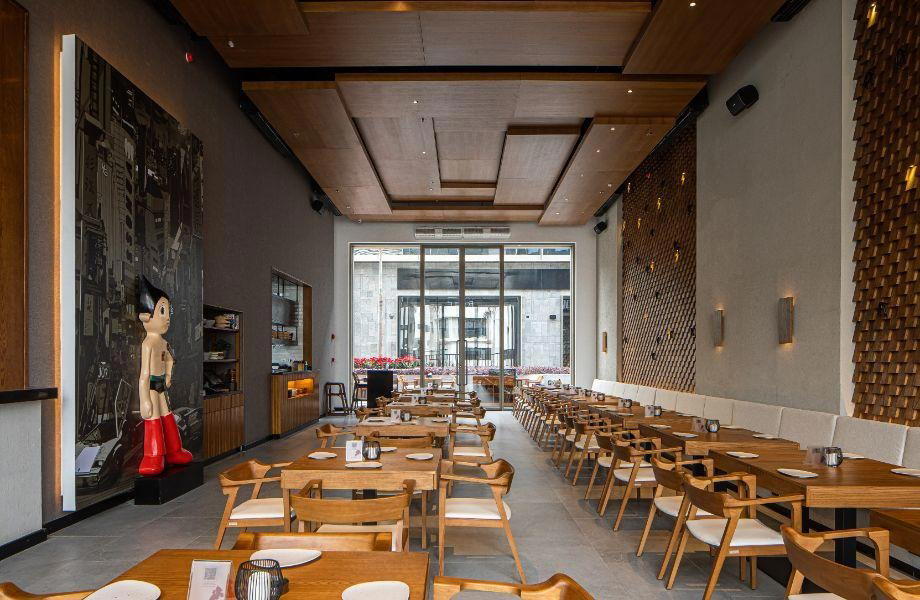

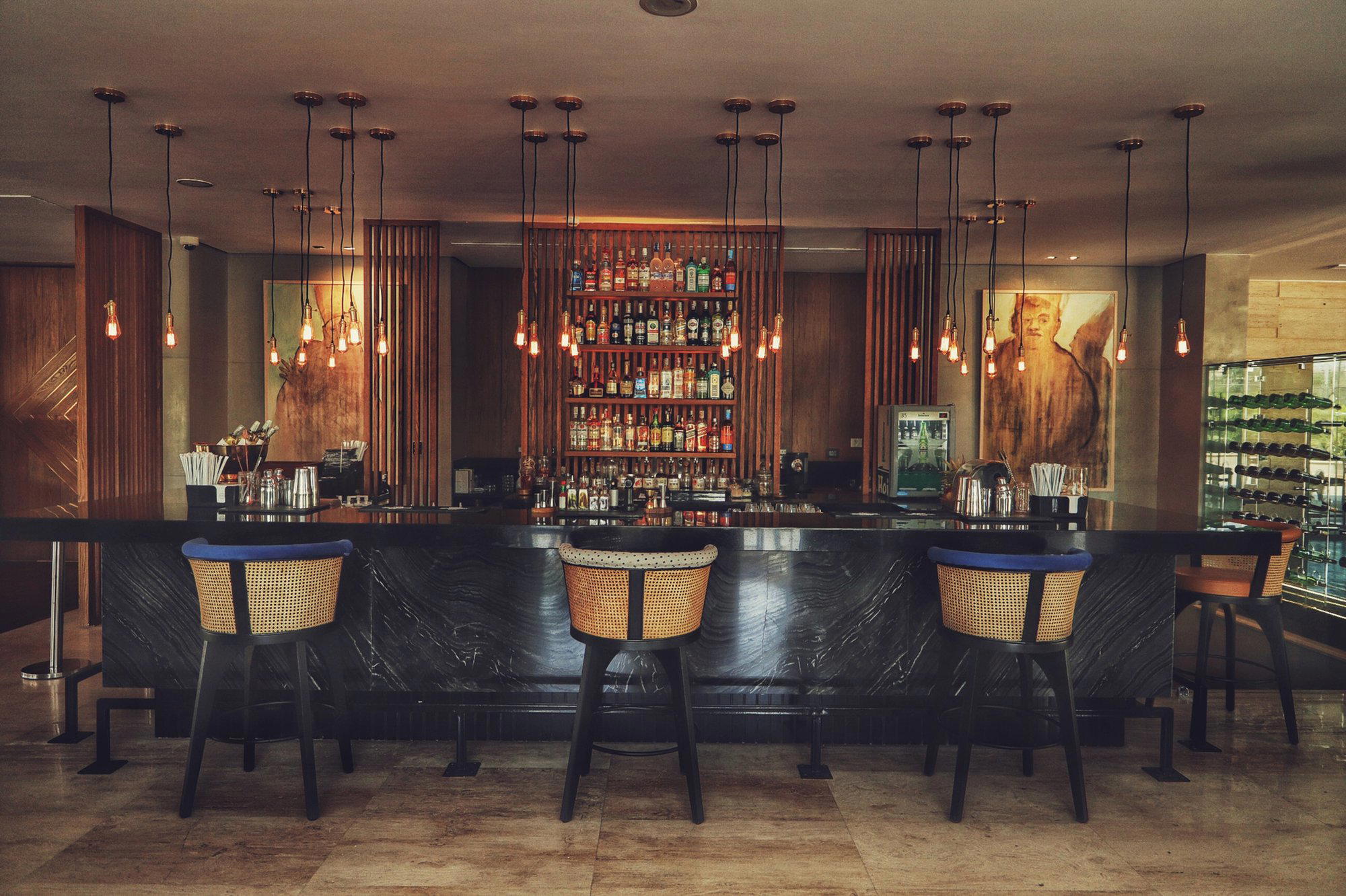
Bars in New Cairo
Browse all →
At a Glance
- Elegant
- Modern
- Family
- Celebration
- Brunch
Current opening hours
- Monday
- 10 AM–12 AM
- Tuesday
- 10 AM–12 AM
- Wednesday
- 10 AM–12 AM
- Thursday
- 10 AM–1 AM
- Friday
- 10 AM–1 AM
- Saturday
- 10 AM–1 AM
- Sunday
- 10 AM–12 AM
Hours can change for holidays and private events. Last verified .
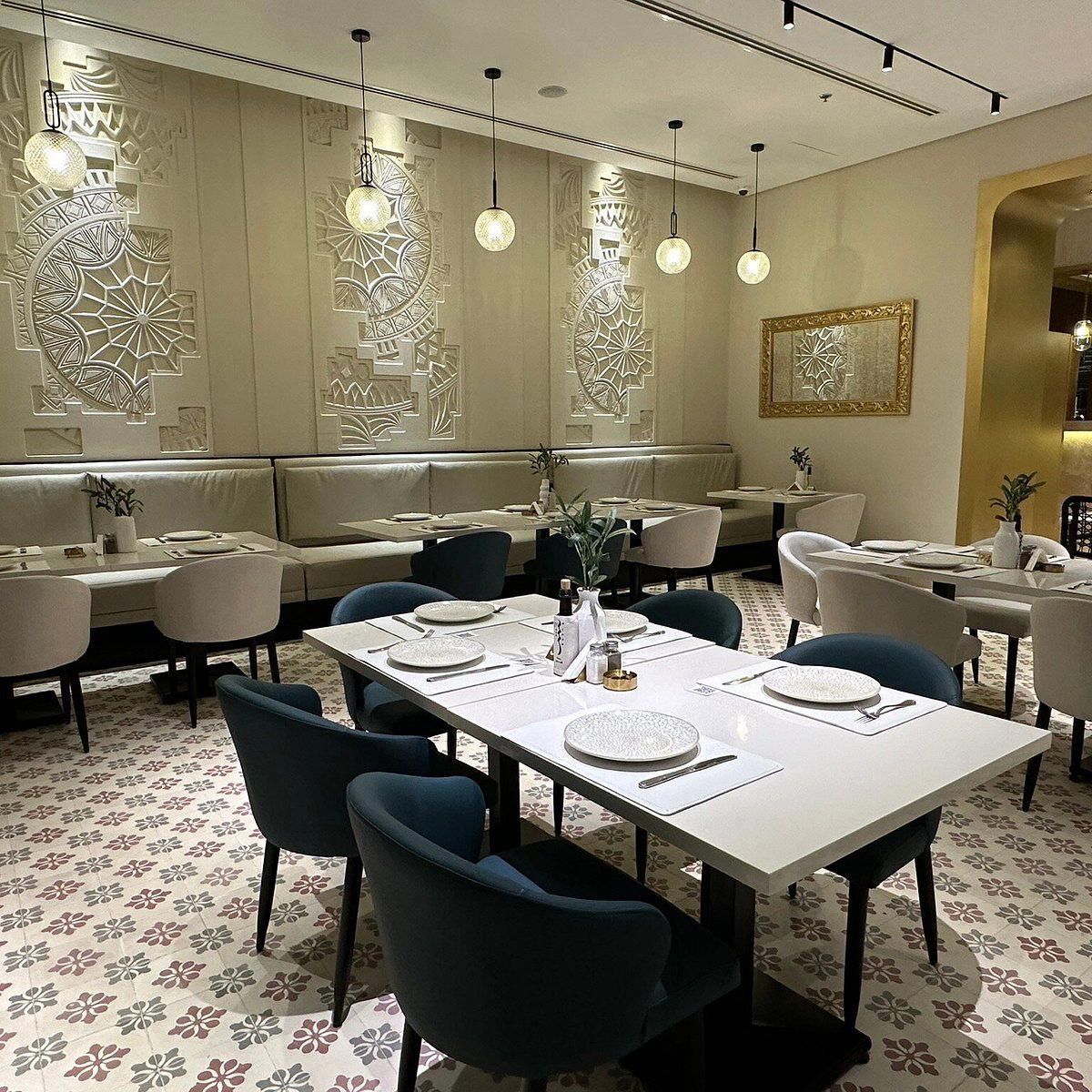
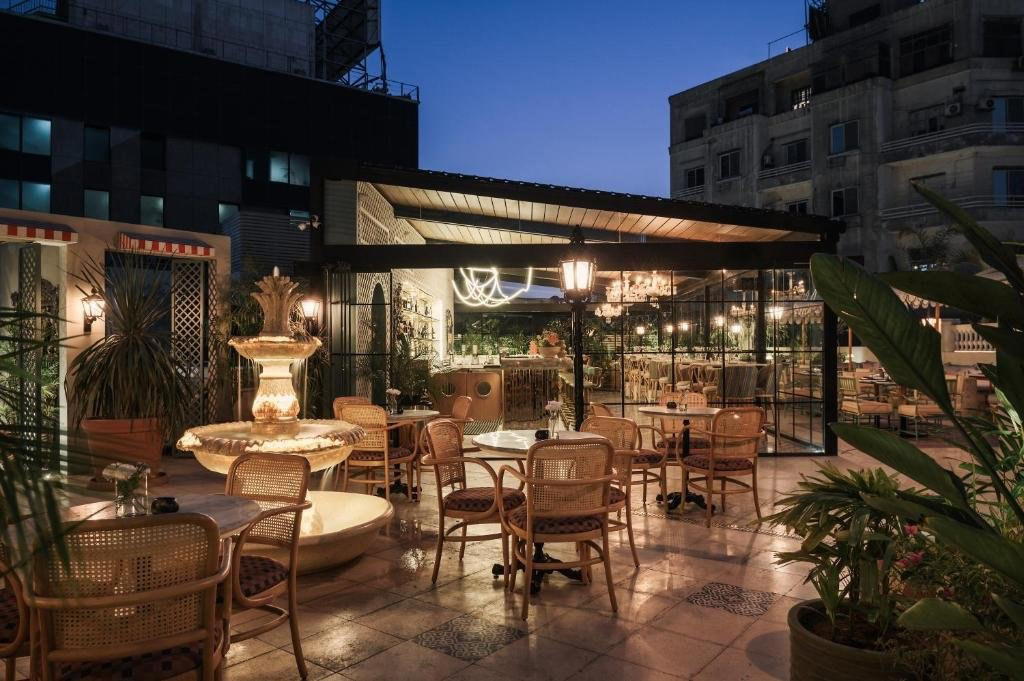
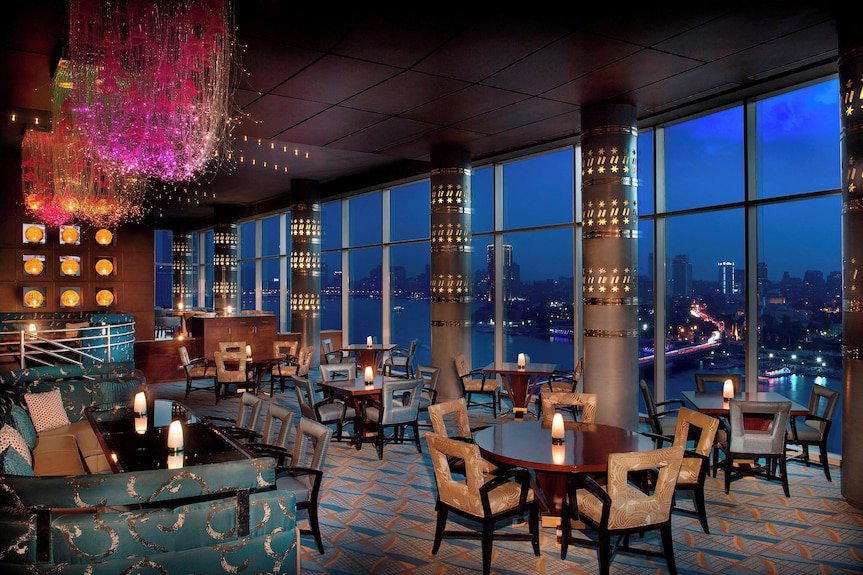
Relaxing and ambient setting with stylish, upscale dining experience.