Our verdict
Ni Jo occupies a quiet corner of Vienna's Third District, a neighbourhood better known for its embassy corridors and the Belvedere's formal gardens than for destination dining. The address on Fred-Zinnemann-Platz places it outside the first-tier circuit of Inner City fine dining, which in Vienna increasingly means €€€€ tasting menus clustered around the Ringstrasse. What that distance buys, in character if not in kilometres, is a different register entirely.

Pearl is the En Primeur Club membership app, where members save venues, book tables and use the concierge.
The menu
What to order
- Vietnamese summer rolls
- Crispy duck
- Sushi rolls
- Korean bulgogi
- Dumplings
The Third District's Quiet Argument Against the Centre
Landstrasse, Vienna's Third District, sits just east of that cluster, separated by the Ringstrasse's arc and a perceptible shift in atmosphere. The neighbourhood is administrative and residential in its bones: foreign ministry buildings, the Belvedere complex, quiet Gründerzeit apartment blocks. Destination restaurants here work differently. They are not found by walking a gallery strip or following a hotel concierge's standard route. They require a decision.
Fred-Zinnemann-Platz, where Ni Jo holds its address, is the kind of address that does not announce itself. The square is named for the Austrian-born Hollywood director, and it sits within the dense residential fabric of the Landstrasse district rather than on any tourist corridor. For a dining room in Vienna, that placement is a structural statement: the room earns visits on its own terms, without foot traffic or neighbourhood spillover to fill covers.
Where Ni Jo Sits in the Vienna Dining Order
Vienna's upper tier of creative and modern cuisine has consolidated around a recognisable format: extended tasting menus, Austrian produce with international technique, and price points that place them firmly at €€€€. Mraz & Sohn in Brigittenau and Doubek both demonstrate how Vienna's serious dining rooms can operate at a distance from the first-district core without losing competitive standing. Ni Jo's Landstrasse address follows that same logic, positioning it within the city's broader creative dining circuit while operating outside the most trafficked reservation window.
The comparison set in Vienna at this level includes addresses like Silvio Nickol at the Palais Coburg and APRON, both of which anchor creative Austrian menus to institutional settings. Ni Jo's residential address signals a different calculation: smaller scale, neighbourhood integration, and a guest profile that skews toward those who make the trip deliberately rather than those who book the nearest available table in the first district. For a fuller view of how these addresses relate to each other, the EP Club Vienna restaurants guide maps the city's dining tiers in detail.
The Austrian Fine Dining Context
Austria's serious restaurant circuit extends well beyond Vienna, and understanding where city addresses sit requires some reference to what is happening at the regional level. Destination restaurants in the Alpine corridor, among them Döllerer in Golling an der Salzach, Griggeler Stuba in Lech, and Obauer in Werfen, have built reputations on direct access to Alpine produce and a degree of destination commitment from guests that urban rooms rarely demand. Salzburg addresses like Ikarus operate on a rotating guest-chef model that has no real urban equivalent. Tyrolean rooms such as Gourmetrestaurant Tannenhof in Sankt Anton am Arlberg and Schwarzer Adler in Hall in Tirol embed fine dining within the ski resort economy, which sets a different expectation for what a meal costs and delivers.
Against that backdrop, a Vienna address in the Third District occupies a distinct category: urban, residential, and operating without the regional produce advantage that Alpine rooms hold as a structural asset. The rooms that succeed in this position in Vienna tend to do so through format discipline and a clearly defined menu identity. Kräuterreich by Vitus Winkler in Sankt Veit im Pongau, Landhaus Bacher in Mautern an der Donau, Restaurant 141 by Joachim Jaud in Mieming, and Ois in Neufelden each illustrate how Austrian fine dining outside the capital has developed a strong regional identity that city rooms must find an alternative way to match.
Planning a Visit: What to Know Before You Go
The Third District is accessible from central Vienna by U-Bahn (U3 to Rochusgasse or Kardinal-Nagl-Platz) or by tram, with a short walk from either stop to Fred-Zinnemann-Platz. Travel time from the Innere Stadt is typically under fifteen minutes by public transport. The neighbourhood has limited dedicated restaurant foot traffic, which means that unlike central Vienna dining rooms, Ni Jo will not have walk-in culture or casual neighbourhood passing trade to absorb on a quiet evening.
For context, Vienna's €€€€ tier generally books two to four weeks ahead for midweek tables and four to eight weeks ahead for Friday and Saturday evenings, with the highest-demand rooms at Steirereck running considerably longer lead times across all days.
Practical Comparison: Third District vs. Central Vienna Fine Dining
| Factor | Ni Jo (Landstrasse / 3rd District) | Central Vienna Peers (e.g. Steirereck, Konstantin Filippou) |
|---|---|---|
| Location character | Residential, embassy quarter, low foot traffic | Stadtpark adjacency, Ringstrasse corridor, hotel proximity |
| Transport access | U3 + short walk; tram options | U4 Stadtpark; walkable from Ring hotels |
| Walk-in likelihood | Low; intentional reservation required | Low to very low; advance booking standard |
| Price tier (peers) | €€€€ (estimated, unconfirmed for Ni Jo) | |
| International reservation traffic | Lower profile, more local guest mix likely | High international share; hotel concierge bookings common |
Frequently asked questions
What should I eat at Ni Jo?
Vienna's creative fine dining rooms at this tier generally operate tasting menu formats, with Austrian produce as a structural anchor.
How far ahead should I plan for Ni Jo?
As a frame of reference, Vienna's €€€€ creative dining tier runs from two to four weeks lead time for midweek tables in quieter rooms, up to two months or more at high-demand addresses like Steirereck im Stadtpark. Given Ni Jo's residential Landstrasse address and lower international profile, lead times may be shorter, but confirming directly remains the reliable approach.
What makes Ni Jo worth seeking out?
The case for Ni Jo is partly structural: a Vienna fine dining room in the Third District operates outside the standard reservation circuit, which tends to mean a different atmosphere and guest mix than the first-district cluster. Rooms in comparable off-centre positions in Vienna, including Mraz & Sohn and Doubek, have demonstrated that distance from the Ringstrasse corridor does not diminish seriousness of kitchen output. Whether Ni Jo belongs in that tier requires direct verification of awards, format, and current critical standing.
Is Ni Jo allergy-friendly?
Vienna's fine dining rooms at the tasting menu tier generally accommodate dietary restrictions with advance notice, but the specific scope of that accommodation varies by kitchen. Contact Ni Jo directly before booking if dietary requirements are a factor.
How does Ni Jo compare to other Vienna fine dining rooms that operate outside the first district?
Vienna has a small but defined set of serious dining rooms that have built reputations outside the Innere Stadt, among them Mraz & Sohn in the 20th district and rooms in the wider Gürtel corridor. Ni Jo's Third District address places it in a quieter residential quarter rather than an emerging neighbourhood with its own dining identity, which puts greater weight on the room's individual format and kitchen quality to justify the journey. For international reference points on what off-centre fine dining can achieve at the highest level, Atomix in New York City and Le Bernardin both demonstrate how address alone is rarely the determining factor in a room's standing.
Price Lens
Comparable venues nearby, for context on price, style, and recognition.
| Venue | Cuisine | Price | Notes |
|---|---|---|---|
| Ni JoThis venue (the venue you are viewing) | Asian Fusion Sushi & Pan-Asian | $10–20 | Not listed |
| Ramen Makotoya Landstraße | Japanese Ramen | $10–20 | Wien-Mitte, Japanese Ramen |
| MAKA Ramen | Japanese Ramen & Tapas | $20–30 | Josefstadt, Japanese Ramen & Tapas |
| Mochi Ramen Bar | Japanese Ramen Bar | $20–30 | Riesenrad, Japanese Ramen Bar |
| Kojiro Sushi | Authentic Japanese Sushi | $20–30 | Wieden, Authentic Japanese Sushi |
| IKI Restaurant | Modern Japanese Fusion | $30–50 | Favoriten District, Modern Japanese Fusion |
Continue exploring
More in Vienna
Restaurants in Vienna
All restaurants in Vienna →

Bars in Vienna
All bars in Vienna →
Hotels in Vienna
All hotels in Vienna →

Details
- Cozy
- Modern
- Casual Hangout
- Solo
- Group Dining
- Standalone
- A La Carte
- Small Plates
- Vegetarian Friendly
- Vegan Options
Current opening hours
- Monday
- 11:30 AM–10 PM
- Tuesday
- 11:30 AM–10 PM
- Wednesday
- 11:30 AM–10 PM
- Thursday
- 11:30 AM–10 PM
- Friday
- 11:30 AM–10 PM
- Saturday
- 12:30–10 PM
- Sunday
- Closed
Hours can change for holidays and private events. Hours as of .
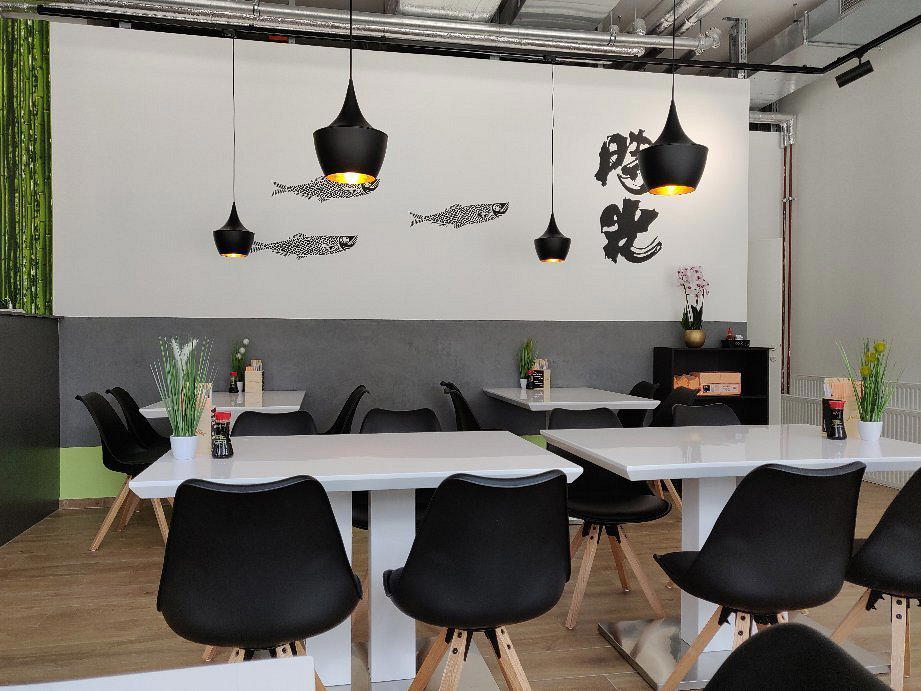
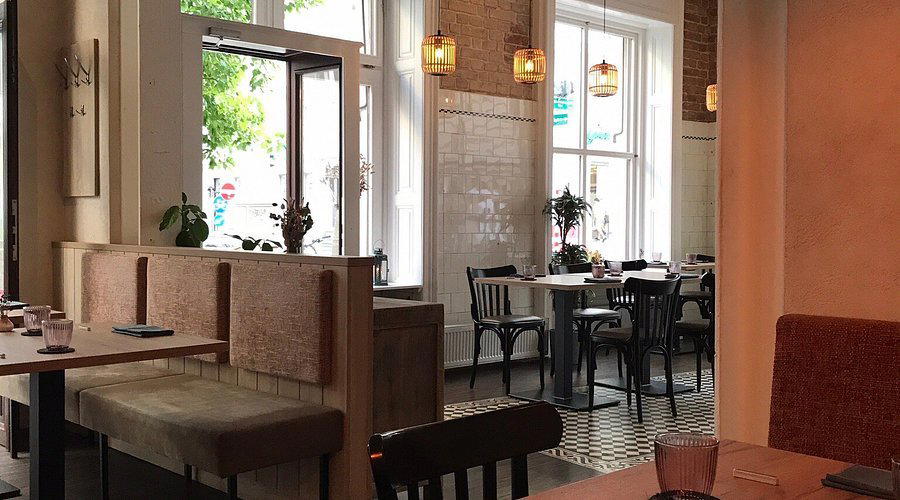
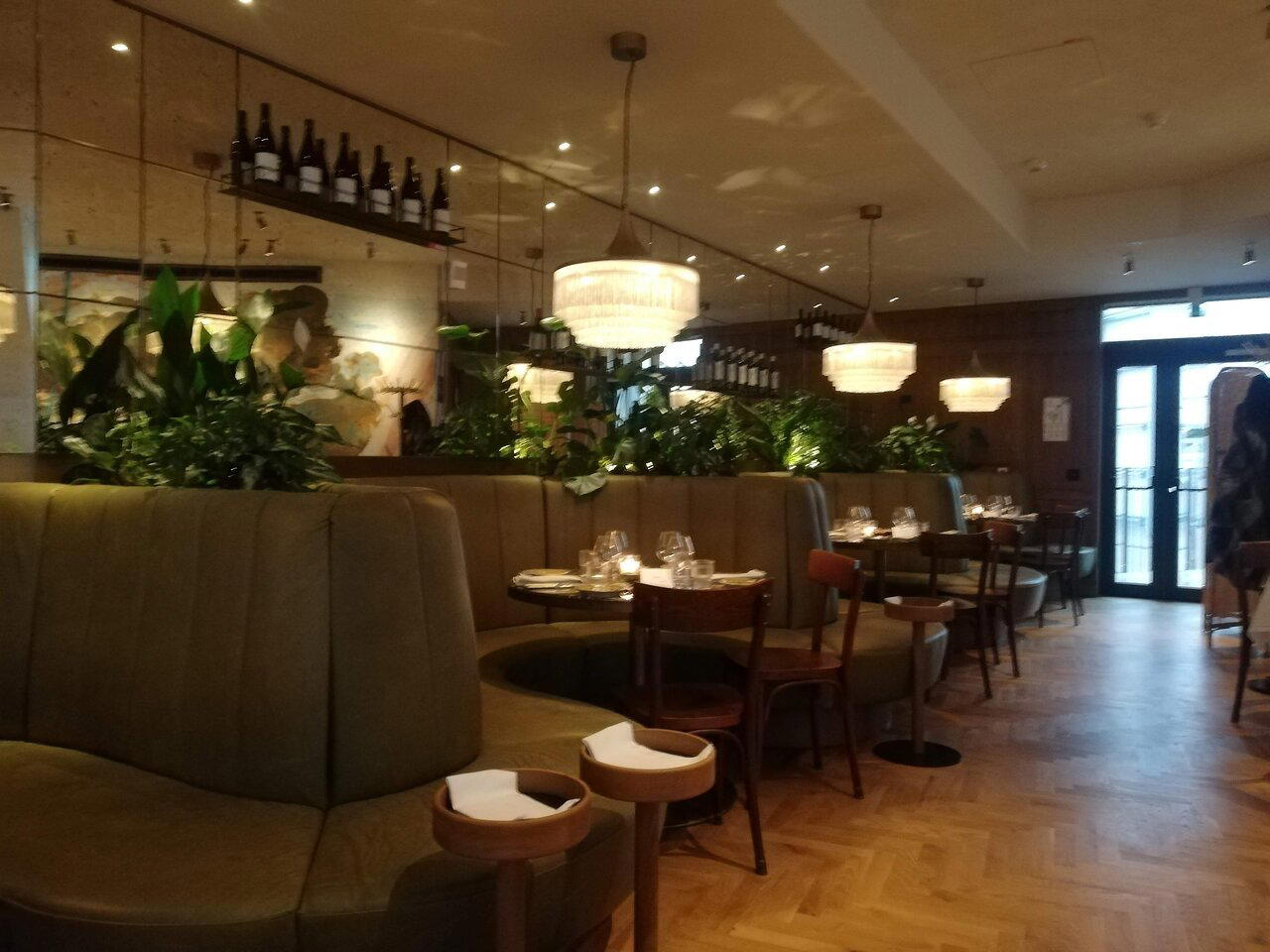
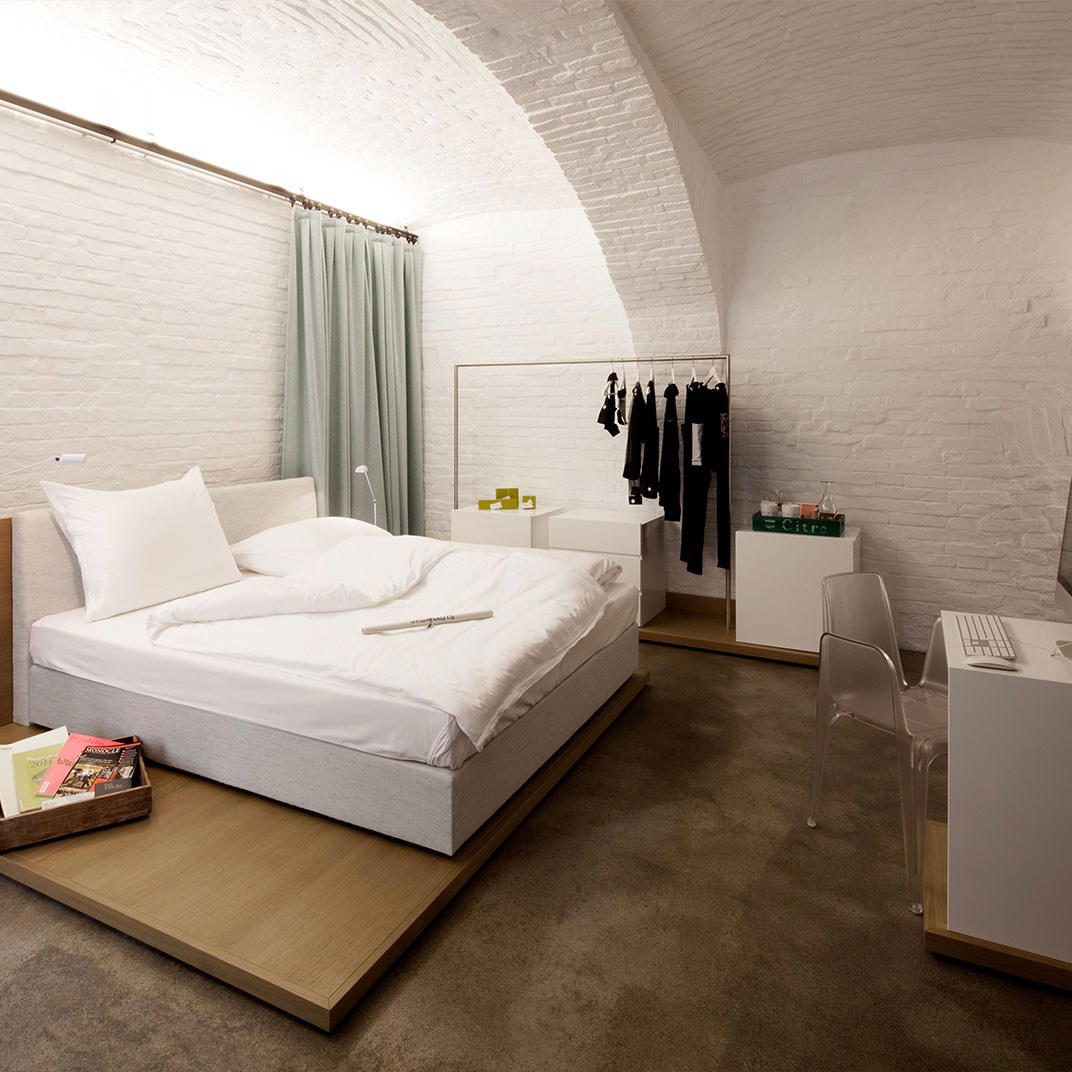
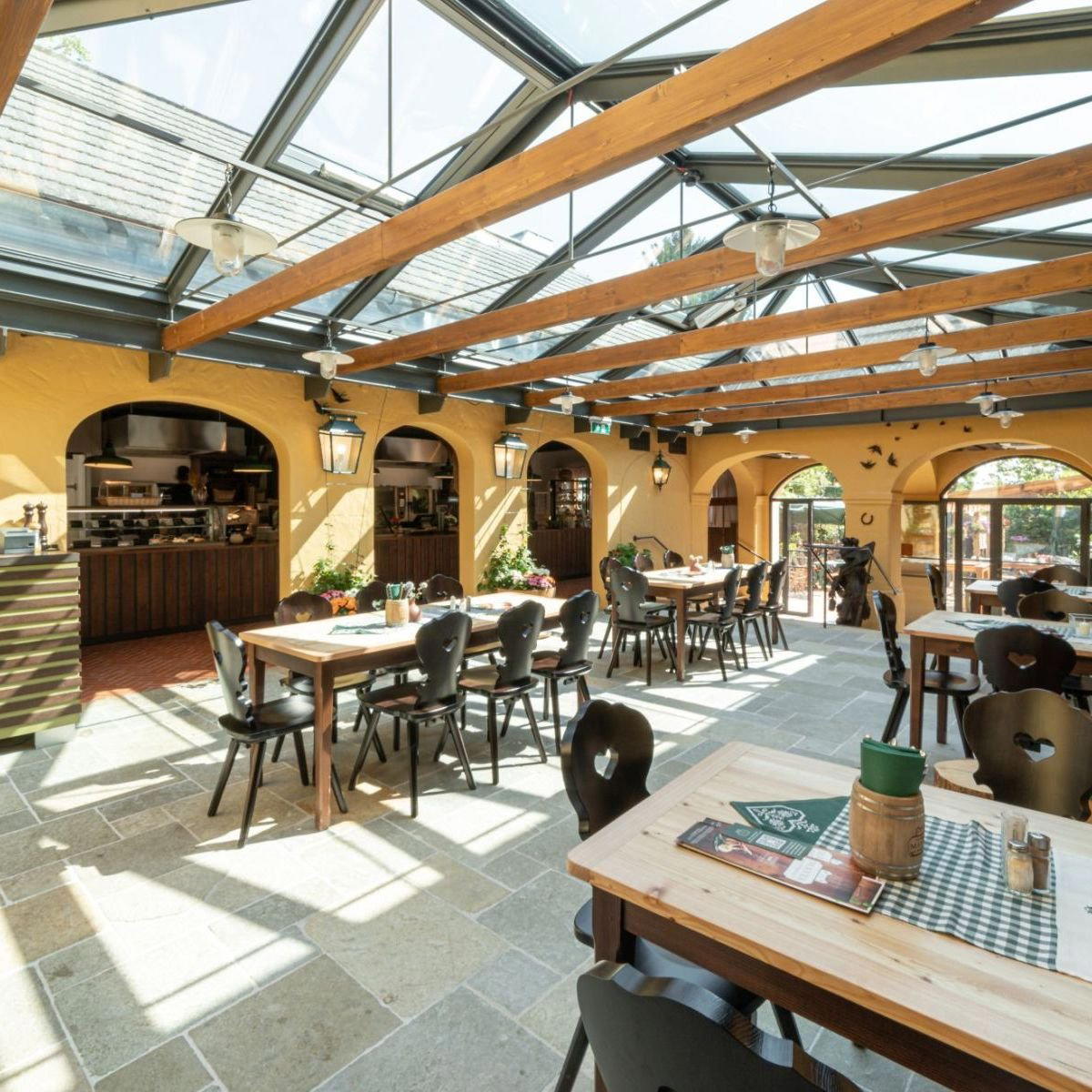
Clean, modern interior with a welcoming and pleasant atmosphere that feels intimate and cozy despite its small size.