Our verdict
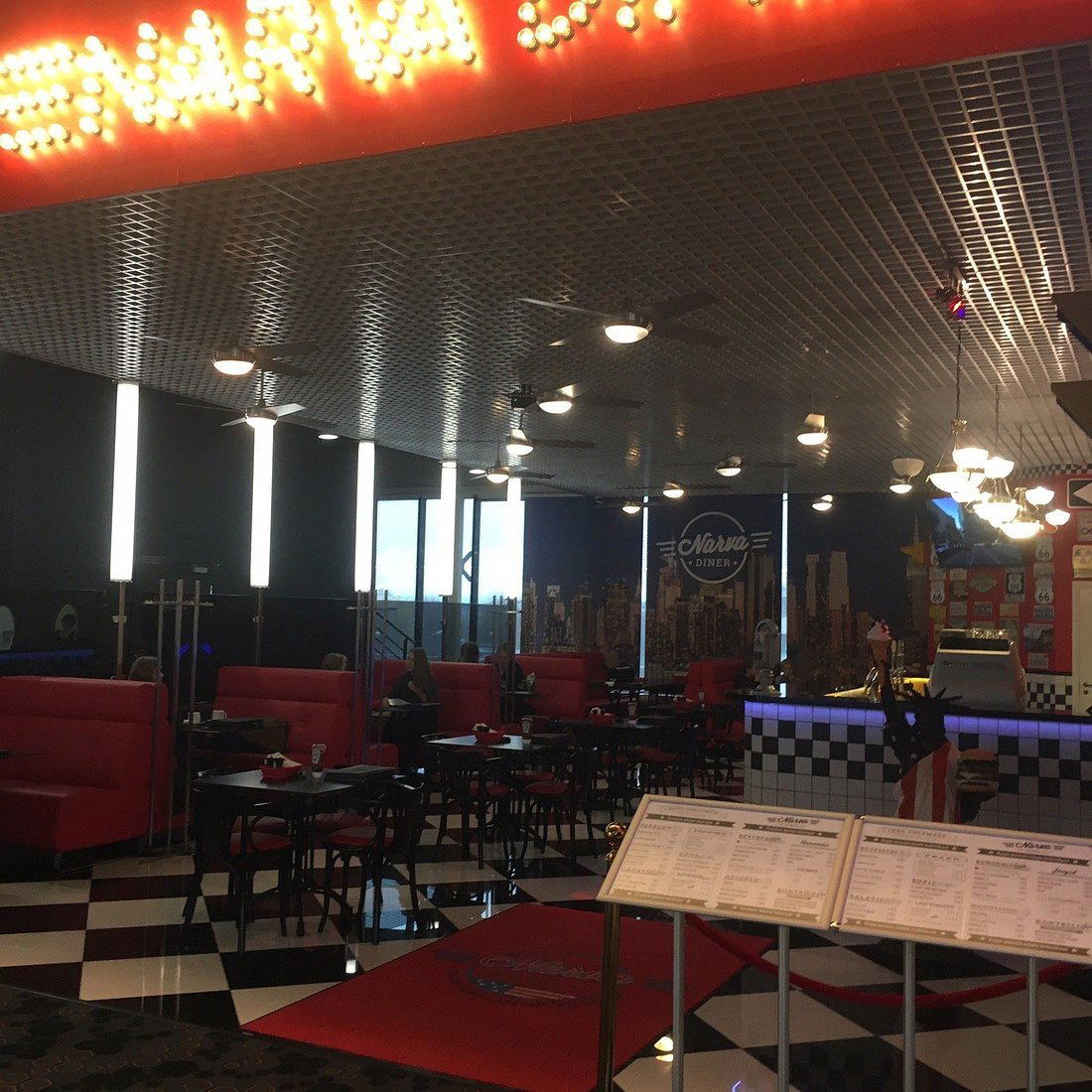
On Tallinna mnt, Narva's main corridor connecting Estonia's easternmost city to its Russian border crossing, NARVA DINER occupies a position that tells you something about how this city eats: practically, without ceremony, and with one eye on the clock. Narva's dining scene is thin by Estonian standards, and a diner format here carries more weight than it would in Tallinn.

Pearl is the En Primeur Club membership app, where members save venues, book tables and use the concierge.
The menu
What to order
- Retro Burger
- Pasta Carbonara
- Milkshake
Where the Meal Mirrors the City
Narva is not a city that performs for visitors. It is Estonia's easternmost urban point, separated from Ivangorod in Russia by the width of a river, and its daily rhythms carry the pragmatism of a border town that has changed flags multiple times without changing its character. The dining scene reflects this. Where Tallinn has developed a tier of ambitious tasting-menu restaurants, including 180° by Matthias Diether, whose Estonian Fusion format occupies the premium end of the capital's market, Narva's options are concentrated in the mid-range and the casual. NARVA DINER, at Tallinna mnt 41, sits on the artery that connects the city's centre to its main transit corridor, a location that tells you something about who it serves and how.
The diner format itself carries specific expectations. Across Northern and Eastern Europe, the genre has evolved away from the American roadside model toward something closer to a canteen with ambitions: familiar dishes executed without flourish, pacing determined by the guest rather than by a kitchen's theatrical agenda, and a price structure that does not require advance planning. In a city where restaurant density is low and international visitor traffic modest, that format is a sensible anchor for daily dining rather than occasion dining.
The Ritual of the Uncomplicated Meal
There is a particular dining ritual that defines cities like Narva, and it is worth understanding before you sit down. The meal here is not structured around the long, multi-course progression you would find at a tasting counter, nor does it carry the informal spontaneity of a wine bar where small plates arrive in waves. It is a linear, intentional format: you arrive, you choose, you eat, you leave. The rhythm is set by the diner, not the kitchen. This is a meaningful distinction in a city where time spent at the table is rarely performative.
That dining ritual has parallels elsewhere in the region. In smaller Estonian cities, the café-restaurant hybrid, the kohvik, has historically served as the default format for everyday meals. Kohvik Kaar and Valge Kõrvits both operate within Narva under that tradition, offering a café-adjacent setting for meals that do not require a reservation or a dress code. NARVA DINER's positioning as a diner rather than a kohvik signals a slightly different intent: the American-inflected format implies a broader menu range, longer operating hours, and a higher tolerance for drop-in volume.
For context on how this fits Narva's wider dining picture, our full Narva restaurants guide maps the options across formats and price points. Narva's total restaurant count remains small by comparison to Estonian cities of similar population, which means that each venue that does operate here carries a disproportionate share of the local dining load.
Narva in the Estonian Dining Spectrum
Estonia's restaurant culture has split along a familiar axis. In Tallinn and, to a lesser extent, Tartu, there is now a tier of venues with genuine regional and international recognition. Formats like the tasting menu at NOA Chef's Hall (Creative, premium bracket) and the traditional cuisine approach at Fellin (Traditional Cuisine, mid-range) represent the spectrum from experimental to grounded. Outside the major cities, the spectrum compresses. Formats that would be considered entry-level in Tallinn become the reference point for quality in towns like Narva, Viljandi, or Võru.
That compression is not a criticism. It reflects a genuine difference in what a city needs from its restaurants. In Narva, the requirement is reliability, accessibility, and a menu that speaks to the mixed linguistic and cultural community the city contains: primarily Russian-speaking, but operating within an Estonian administrative and legal framework. A diner that can serve both populations without demanding cultural adaptation from either is filling a genuine gap. Venues in comparable positions in other smaller Estonian cities include Kohvik in Viljandi and Kolm. Restoran in Voru, both of which anchor their respective local dining scenes in a similarly practical register.
For comparison outside Estonia, the role a diner plays in a border or transit city is worth noting. The format tends to emphasise volume and consistency over curation. Cities with significant cross-border or transit populations, from Narva to analogous towns across the Baltic region, have historically supported diners and canteen-style restaurants that can absorb both regulars and one-time visitors without friction. NARVA DINER's address on Tallinna mnt places it on the natural route for anyone moving between the city centre and the border crossing, which implies a transit-adjacent customer base in addition to its local regulars.
Practical Considerations for a Visit
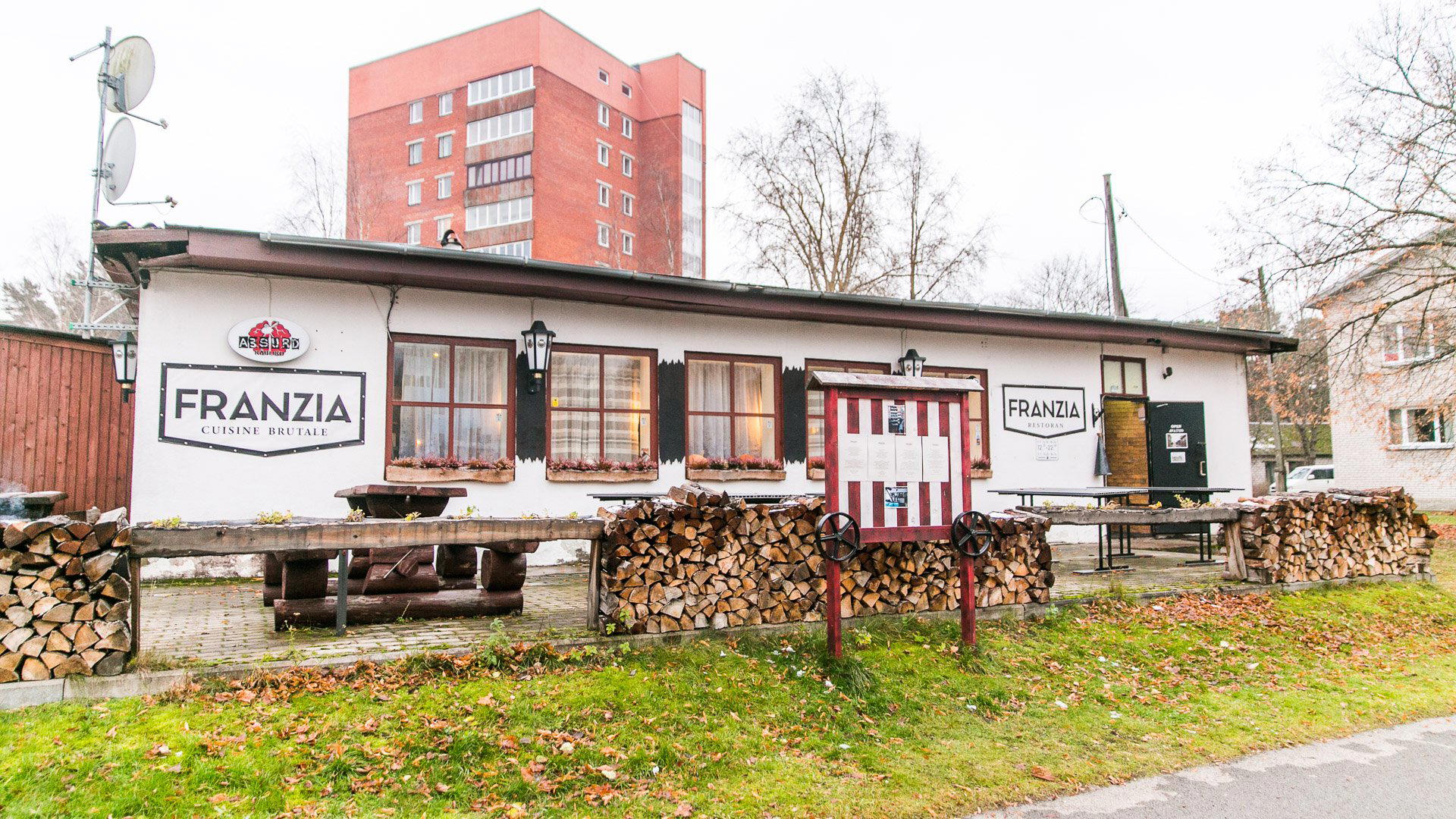
Narva is also a practical base for exploring the surrounding region. The Narva-Jõesuu coast, approximately twelve kilometres north, has its own dining presence, including Franzia in Narva Joesuu. Travellers moving west through Estonia will find additional reference points at Burger Bros in Rakvere and, further afield, coastal options such as KABE Beach in Kaberneeme and Wana Kala Kõrts in Neeme. For those with access to a car, Kuur in Vihtra and Kalana ÄÄR in Kalana expand the regional dining picture further. Estonia's western coast offers additional dining diversity at venues like Valgeranna Veinitall in Audru and Kärme Küülik in Haapsalu. For a broader comparison of how Estonian dining relates to international reference points, the gap between Narva's casual tier and venues like Le Bernardin in New York City or Atomix in New York City is self-evident, but instructive: understanding where a city's ceiling sits helps calibrate expectations before you arrive.
Frequently asked questions
Is NARVA DINER suitable for children?
Narva Diner's format, a straightforward diner on Tallinna mnt 41 in one of Estonia's most workaday cities, suggests a relaxed, unpretentious setting with no evidence of formal dress codes or adults-only policies. Diner-style venues in cities like Narva typically serve mixed local crowds including families.
Is NARVA DINER formal or casual?
The name and address, a diner on Tallinna mnt 41 in Narva, a city that prioritises function over spectacle, point firmly toward casual. Narva's dining culture broadly runs unfussy: the emphasis is on honest food for local residents rather than occasion dining. Come as you are.
Is Narva Diner a good option for a meal stop when crossing between Estonia and Russia?
Narva sits at the Narva–Ivangorod crossing, making Tallinna mnt 41 a practical address for travellers moving along that corridor. A diner-format venue in this location serves a primarily transit-adjacent and local working population rather than a destination dining crowd.
What do people recommend at NARVA DINER?
No specific dish data is currently documented for Narva Diner. In cities like Narva, diners of this type typically anchor their menus around straightforward Estonian staples, pork, potatoes, soups, alongside Soviet-era diner conventions still common in Estonia's northeastern corridor. Asking staff on arrival about daily specials is the most reliable approach.
Where exactly is NARVA DINER?
NARVA DINER is located at Tallinna mnt 41, 20605 Narva, Estonia, Narva.
What It’s Closest To
Comparable venues nearby, for context on price, style, and recognition.
| Venue | Cuisine | Price | Awards | Notes |
|---|---|---|---|---|
| NARVA DINERThis venue (the venue you are viewing) | American Diner | $10–20 | Not listed | Not listed |
| Kohvik Kaar | Seasonal Estonian European | Not listed | Not listed | Narva center |
| Valge Kõrvits | Asian-Estonian Fusion | Not listed | Not listed | old town |
| Supelsaksad | European Café | Not listed | White Guide Baltic Restaurants - Fine Level | Old Town |
| Kebab Master | Middle Eastern Kebab | $1–10 | Not listed | Riia street |
| Gruusia trahter Mimino | Authentic Georgian | Not listed | White Guide Baltic Restaurants - Recommended | Jõhvi entrance |
Continue exploring
More in Narva
Restaurants in Narva
All restaurants in Narva →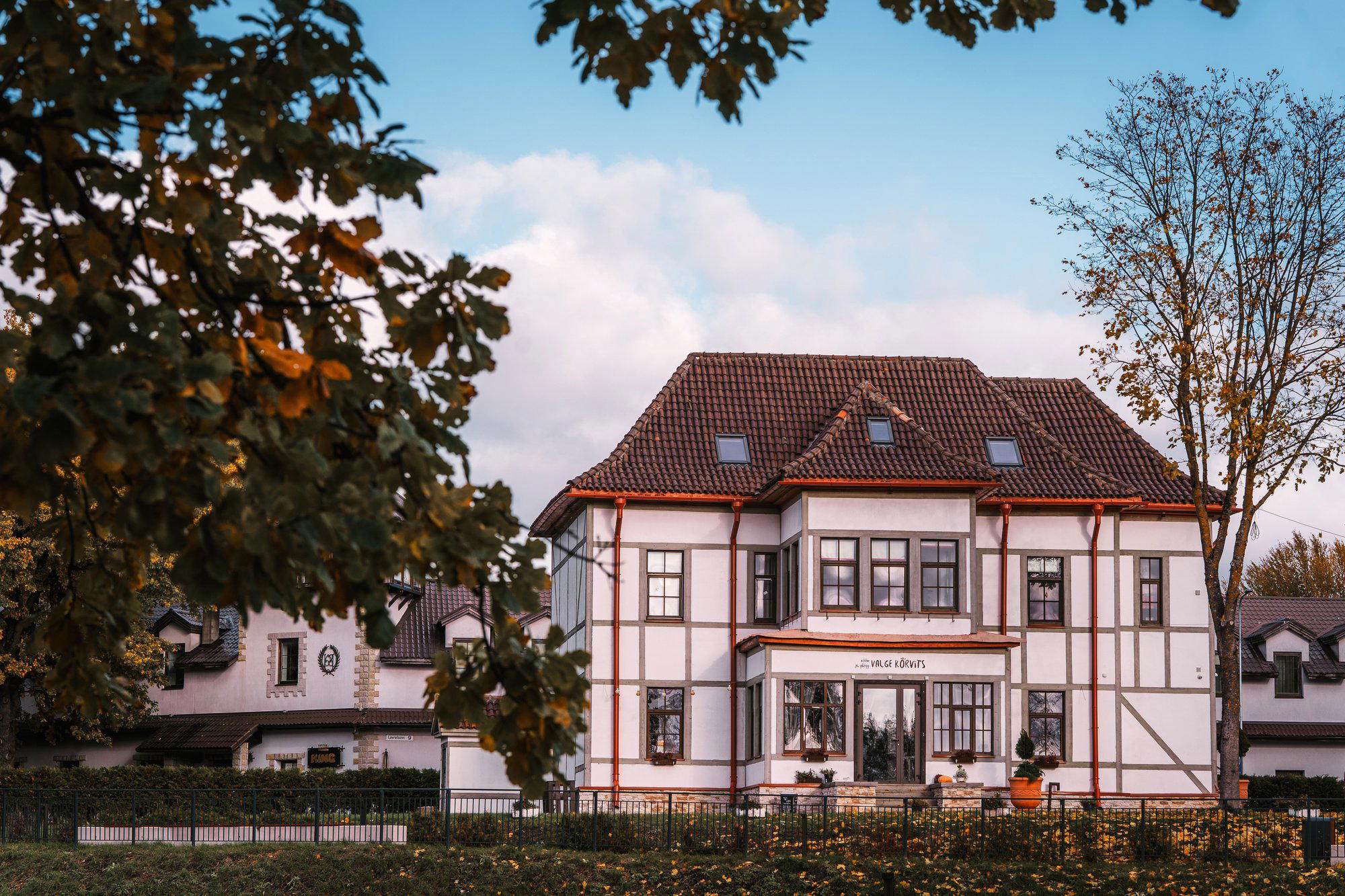
Details
- Cozy
- Classic
- Casual Hangout
- Family
- A La Carte
Current opening hours
- Monday
- 11 AM–9 PM
- Tuesday
- 11 AM–9 PM
- Wednesday
- 11 AM–9 PM
- Thursday
- 11 AM–9 PM
- Friday
- 11 AM–9 PM
- Saturday
- 11 AM–9:30 PM
- Sunday
- 11 AM–8 PM
Hours can change for holidays and private events. Hours as of .
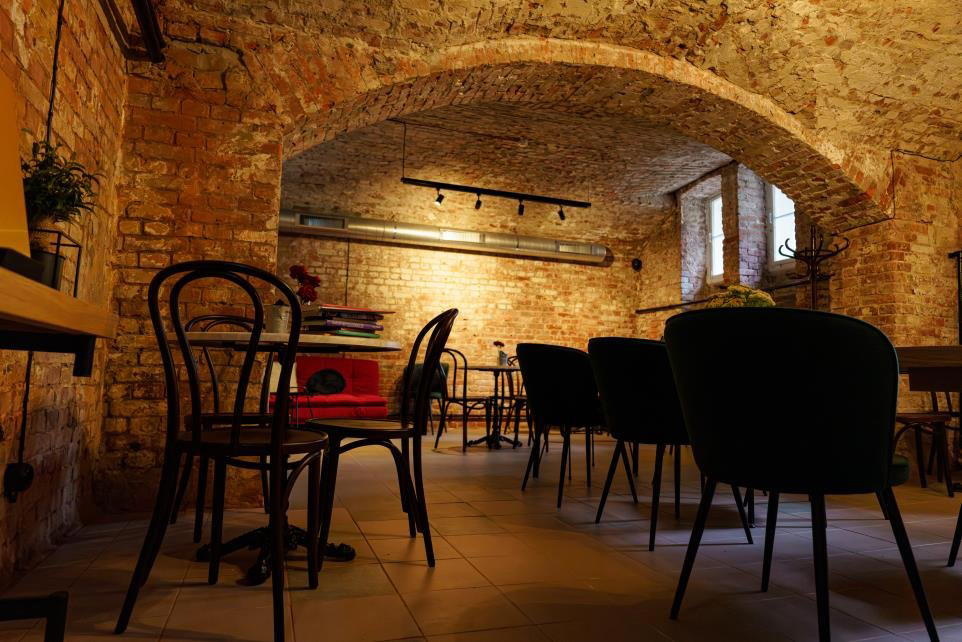
Cozy and nostalgic with a welcoming casual vibe.