Nana's Green Tea
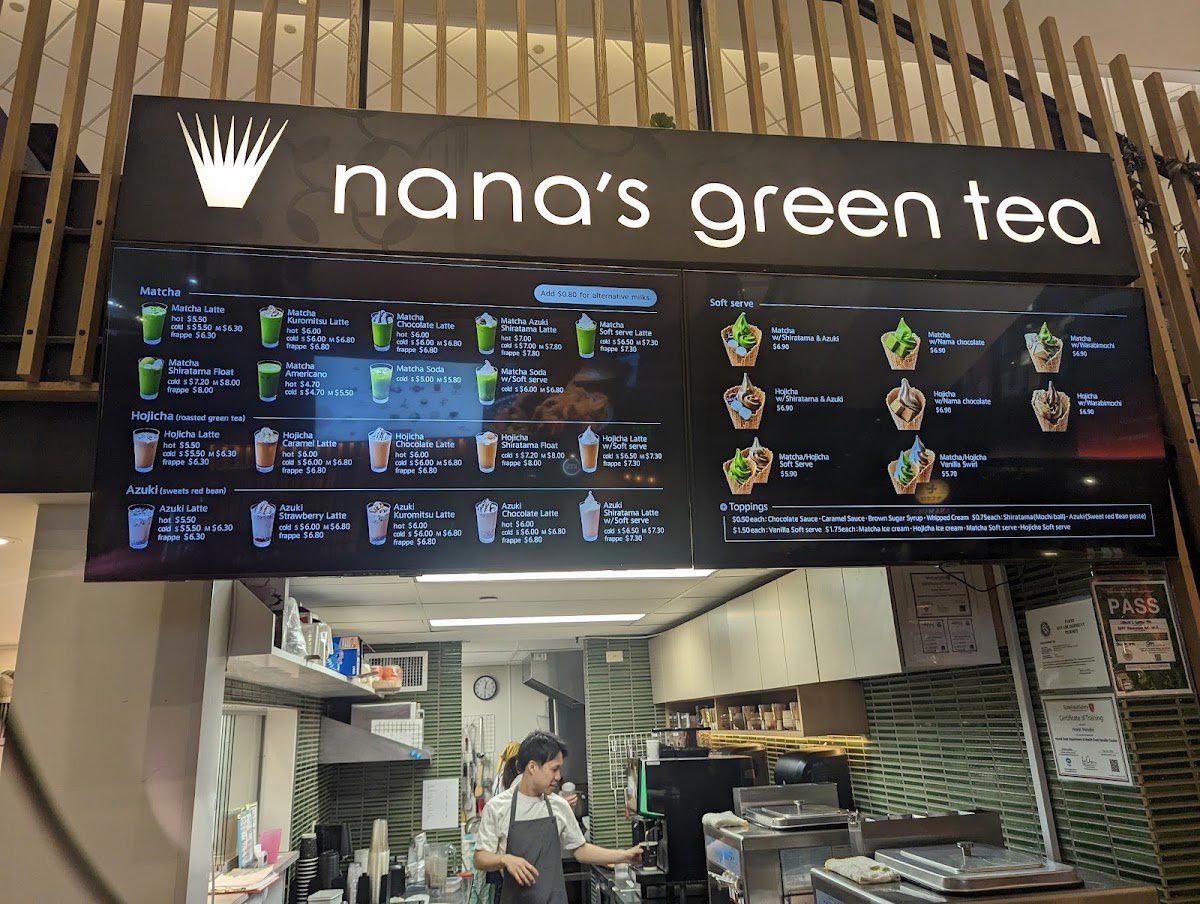
Nana's Green Tea brings a Japanese matcha café format to Oahu, offering a focused menu built around green tea in forms that span drinks, desserts, and light meals. It sits within a broader wave of Japanese-influenced casual dining that has taken root across Hawaii, appealing to visitors and locals who want something more composed than a smoothie bowl but less formal than an izakaya.
 Discover on Pearl
Pearl is the En Primeur Club membership app — saves, bookings, and concierge access live there. Same editors, same standards.
Where Japanese Tea Culture Lands in Hawaii
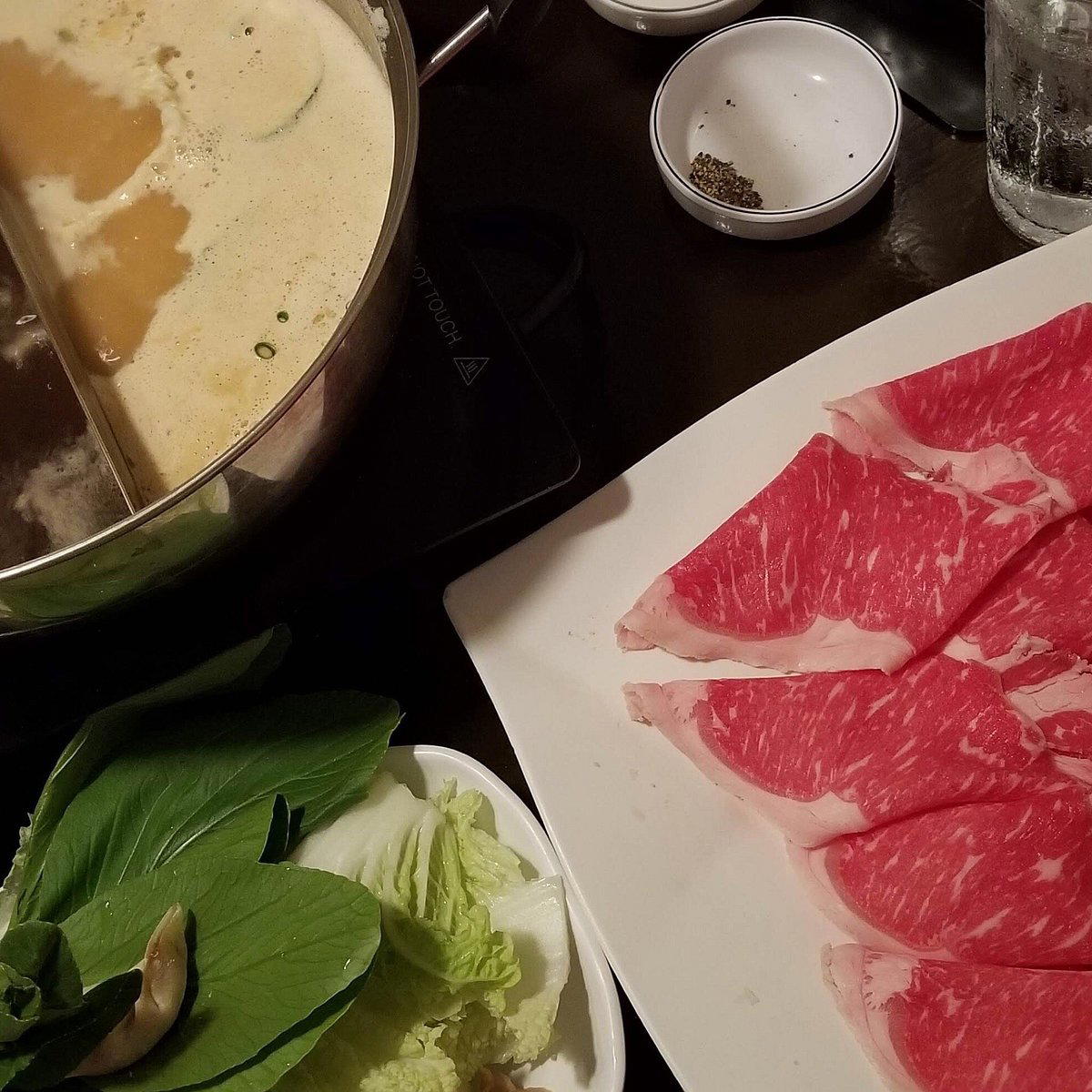
Hawaii's café scene has long absorbed Japanese influence in ways that mainland cities have not. The islands' historical ties to Japan, reinforced by decades of immigration and ongoing tourism flows, mean that formats like matcha cafés, shave ice parlors, and nabe restaurants carry cultural weight here that goes beyond novelty. Nana's Green Tea belongs to that tradition, operating as a Japanese-style matcha café in a state where such concepts have more context than they would in, say, Denver or Dallas. It is part of a category that has expanded steadily across Oahu alongside spots like Asuka Japanese Nabe + Shabu Shabu, which reflects a similar appetite for Japanese casual dining in an island setting.
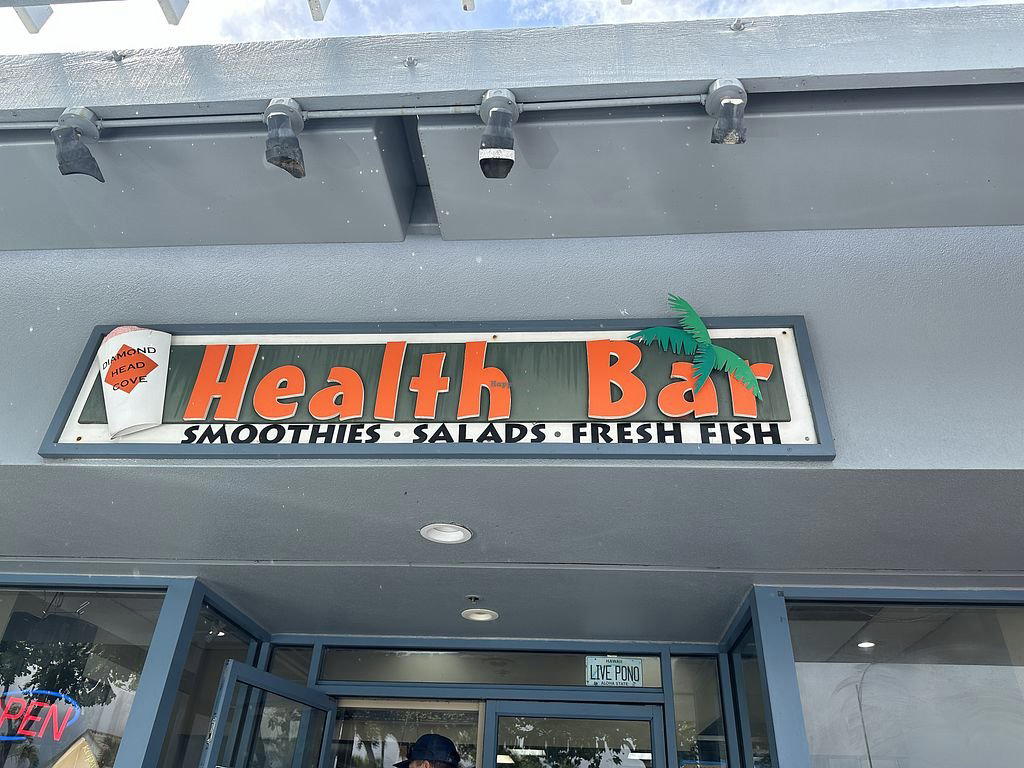
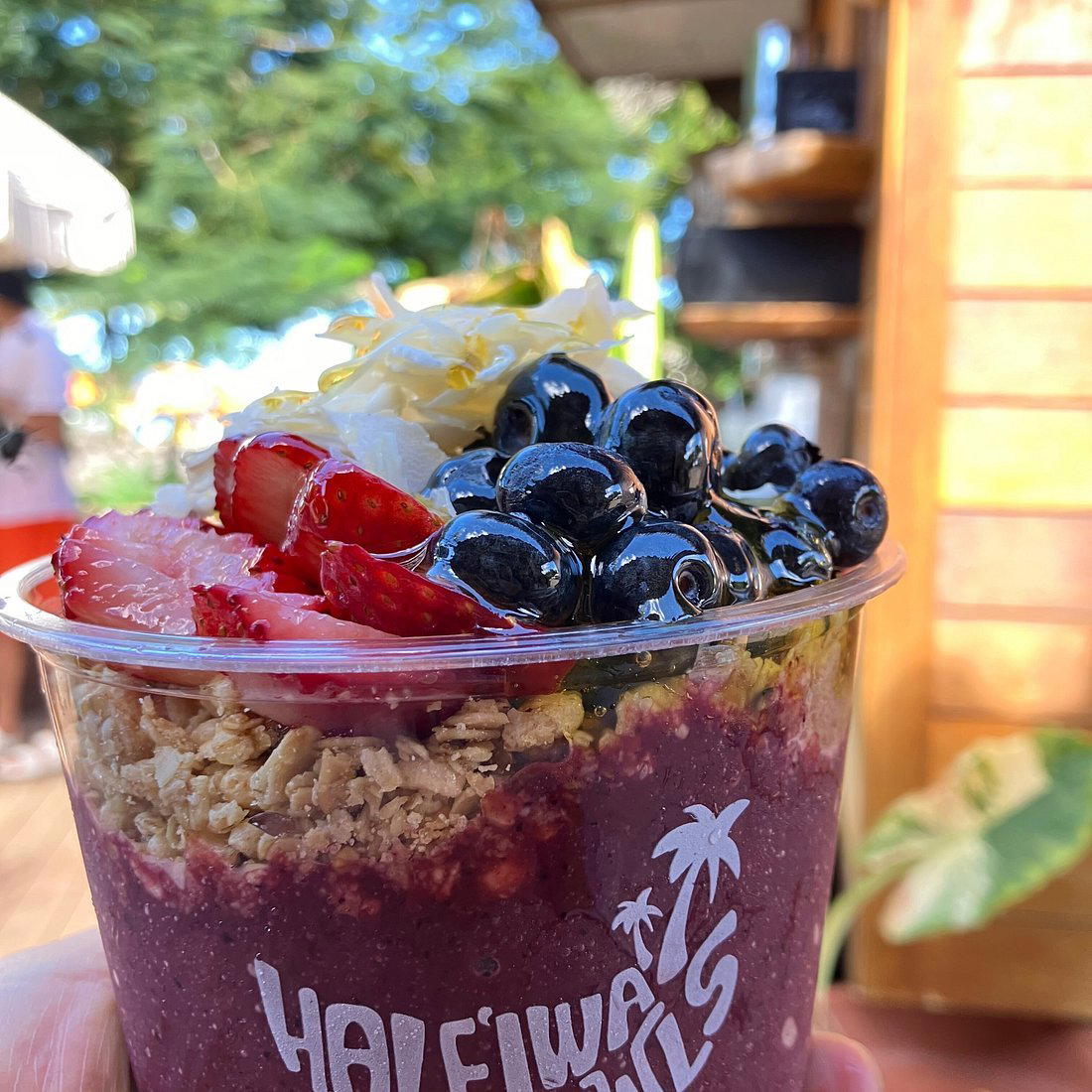
The matcha café format, which originated in Japan and spread internationally through the 2010s, centers on green tea as both an ingredient and a flavor discipline. The menu typically spans matcha lattes, hojicha drinks, parfaits, and light savory items, with the tea doing structural work rather than serving as a garnish. In Japan, this model has a long track record with established chains and independent operators alike. What makes the Oahu context different is the overlap with Hawaii's own health-food culture, which already gravitates toward plant-forward, lightly sweet options. Places like Diamond Head Cove Health Bar and Haleiwa Bowls occupy adjacent territory in terms of ethos, even if their menus diverge sharply.
The Booking Reality: What to Know Before You Go
Nana's Green Tea operates in a category that generally does not require advance reservations, which separates it from the high-stakes planning that surrounds tasting-menu destinations like The French Laundry in Napa or the months-out booking windows at counters like Lazy Bear in San Francisco. The practical logistics of visiting a matcha café sit closer to those of a coffee shop than a destination restaurant. You arrive, you queue if necessary, you order at a counter or from a server, and the experience unfolds from there.
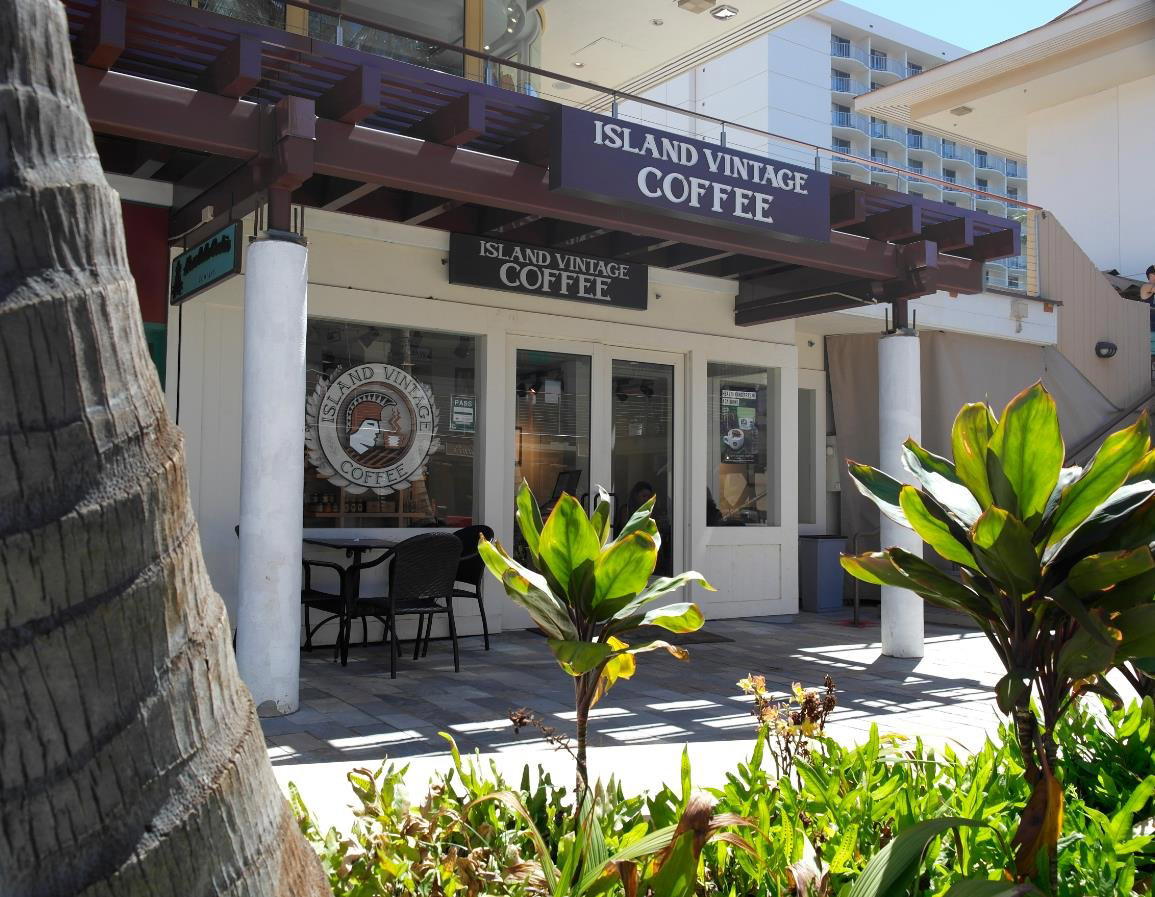
That said, the logistics in a tourist-heavy market like Oahu carry their own considerations. Locations in or near shopping centers, which is a common format for Japanese matcha café chains, tend to see midday and early-afternoon rushes, particularly on weekends and during peak visitor season, which runs roughly from mid-December through April and again in summer. Arriving early in the morning or in the late afternoon typically means shorter waits. Island Vintage Coffee faces comparable crowd dynamics at its Waikiki locations, and the timing logic applies similarly here.
Prospective visitors should verify current operating hours and locations directly before visiting. Hours in Hawaii can vary by location and season, and some shopping center tenants adjust schedules around anchor store hours. Checking current information before travel avoids the common frustration of arriving at a listed address that has relocated or adjusted its schedule.
Where This Fits on Oahu's Casual Dining Map
Oahu's casual dining tier is more layered than its reputation for plate lunches and shave ice suggests. There is a substantial middle ground occupied by concept-driven cafés, Japanese-influenced casual restaurants, and health-forward counter spots that serve both the local population and a visitor base with increasingly specific preferences. Nana's Green Tea sits in that middle ground, appealing to visitors who want something distinctly Japanese without committing to a formal dining experience, and to locals who use the café for routine visits rather than occasions.
In the broader context of American matcha café culture, the category remains a niche relative to mainstream coffee chains. But in Hawaii, and particularly in Honolulu, the density of Japanese-influenced food options creates a more natural habitat for this format. The same dynamic that supports strong demand for ramen, onigiri, and shave ice with azuki, all Japanese-origin formats that have become embedded in local food culture, applies here. 22 Kailua represents the kind of neighborhood-specific casual dining that coexists with this citywide pattern, each format drawing from overlapping but distinct customer bases.
At the price point typical of matcha café concepts, the spend per person is modest compared to Hawaii's mid-tier and upper-tier restaurant options. This positions Nana's Green Tea as an accessible stop that fits into a broader day of eating rather than anchoring it. Visitors building a full day of Oahu dining might pair it with a more substantial meal elsewhere on the island, using the café as an interlude rather than a main event.
The Matcha Café in Context: A Format Worth Understanding
Globally, the matcha café category has moved through several phases. Early international outposts treated green tea as a novelty ingredient, leaning on the color and bitterness for visual and flavor contrast. The more mature version of the format, which established Japanese operators brought to markets like the United States, treats matcha with the same seriousness that specialty coffee culture applies to single-origin beans: sourcing, grade, and preparation method all carry meaning. Whether Nana's Green Tea operates at the commodity end or the quality-focused end of that spectrum is a distinction visitors can assess on arrival, though the chain format suggests a degree of standardization that prioritizes consistency over provenance storytelling.
That consistency has its own value. In a category where quality can vary widely, a café that delivers a predictable matcha latte or parfait removes the guesswork that more artisanal spots introduce. For visitors who have limited time and want a reliable experience rather than an exploratory one, the format works. For those who have already visited high-craft tea programs or tasting-menu restaurants with tea pairings, the register is different, closer to how someone might view a well-run hotel coffee program relative to a specialty roaster. The comparison is useful because it sets expectations without dismissing the category.
Oahu sits in a different tier than the American dining cities where the most technically ambitious restaurants concentrate. The names that define serious dining in the United States, Le Bernardin in New York City, Alinea in Chicago, Providence in Los Angeles, Blue Hill at Stone Barns in Tarrytown, or Addison in San Diego, operate at a level of investment and ambition that Oahu's dining scene does not replicate at volume. What Oahu offers instead is a specific cultural layering, particularly around Japanese food traditions, that those mainland cities approximate but do not quite reproduce. Nana's Green Tea is one small data point in that larger pattern.
Planning Your Visit
The practical checklist for visiting Nana's Green Tea is short. Confirm the current hours through the venue's website or a current search before going. If you are visiting during peak tourist months, aim for off-peak hours. Budget for a modest spend per person, in line with café rather than restaurant expectations. And situate the stop within a broader day of eating on Oahu, using our full Oahu restaurants guide to plan complementary stops across different meal formats and neighborhoods.
Comparison Snapshot
Comparable venues nearby, for context on price, style, and recognition.
| Venue | Cuisine | Price | Awards | Notes |
|---|---|---|---|---|
| Nana's Green TeaThis venue — the venue you are viewing | Japanese Matcha Specialty Cafe | $ | , | |
| Ramen Bario | Tokyo Tonkotsu Ramen | $ | , | Ala Moana |
| Leonards Malasadas | Portuguese Malasadas | $ | , | Kapahulu |
| Waiola Shave Ice | Hawaiian Shave Ice | $ | , | Mōʻiliʻili |
| Jewel or Juice | Açaí Bowls & Smoothies | $ | , | Kailua |
| Asuka Japanese Nabe + Shabu Shabu | Japanese Shabu Shabu | $$ | , | Kaimuki |
At a Glance
- Casual
- Cozy
- Whimsical
- Casual Hangout
- Family
- After Work
- Late Night
Bright, casual food hall atmosphere with abundant seating; friendly and welcoming environment popular with dessert enthusiasts and families.