Namak Indian Cuisine
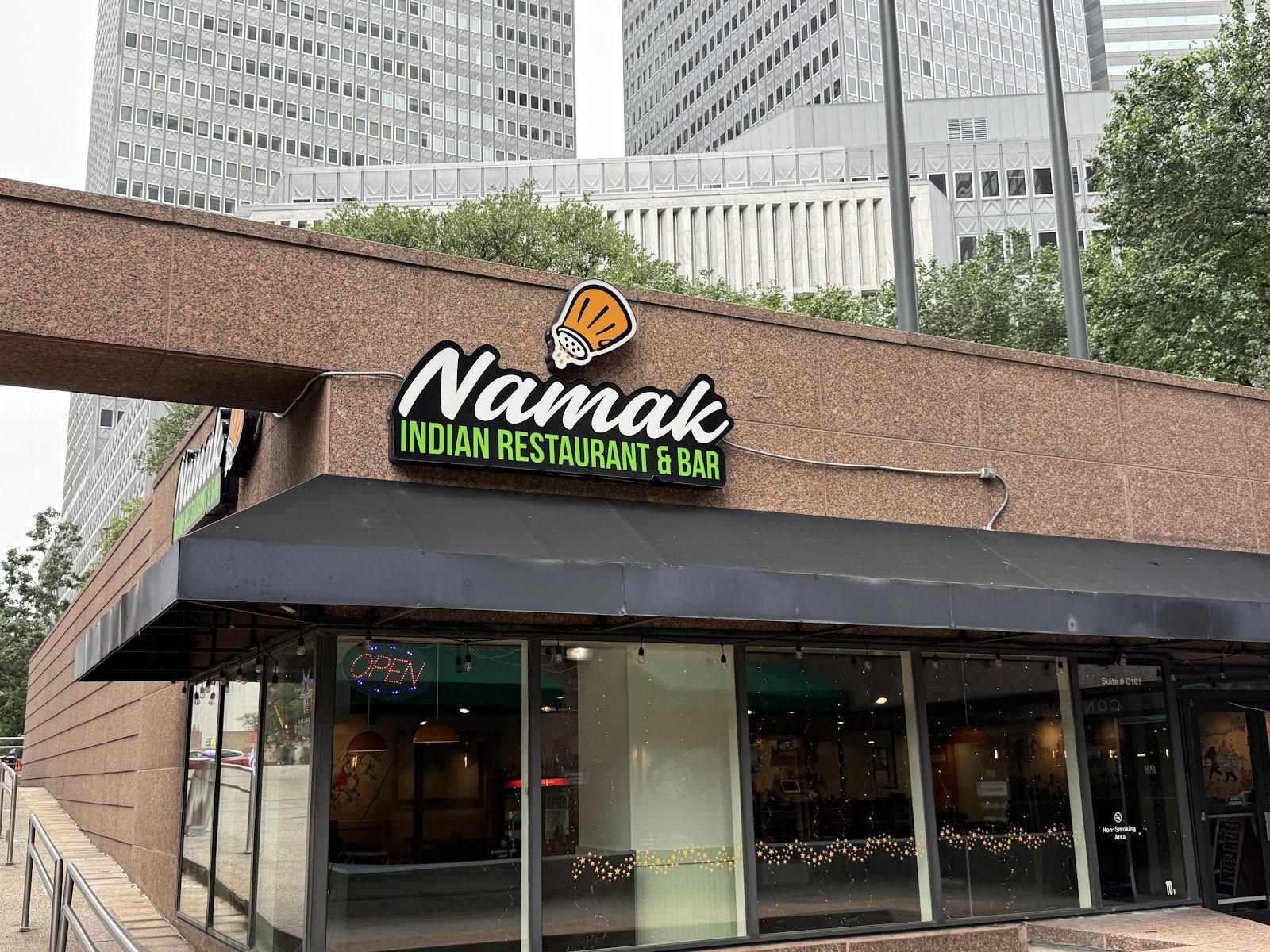
Namak Indian Cuisine occupies a ground-floor space at 1700 Pacific Ave in downtown Dallas, placing Indian cooking inside a neighborhood better known for steakhouses and Southwestern menus. The restaurant operates at a mid-to-premium register relative to the city's broader Indian dining tier, where casual buffet formats have historically dominated. For Dallas diners tracking the city's expanding range of subcontinental cooking, Namak represents a downtown-anchored option worth assessing on its own terms.
 Discover on Pearl
Pearl is the En Primeur Club membership app — saves, bookings, and concierge access live there. Same editors, same standards.
- Address
- 1700 Pacific Ave c101, Dallas, TX 75201
- Phone
- +19729822006
- Website
- namakdallas.com
Downtown Dallas and the Indian Dining Shift
Dallas has spent the better part of a decade reorganizing its restaurant geography. The older concentration of Indian restaurants along Belt Line Road in Irving and along Greenville Avenue served a diaspora-driven demand model: large format, buffet-heavy, and priced for frequency rather than occasion. What has changed more recently is the appearance of Indian kitchens in downtown and Uptown corridors, where the dining context is set by neighbors like Mamani and Tatsu Dallas rather than by the belt-line strip. Namak Indian Cuisine, at 1700 Pacific Ave in the C101 suite, sits inside that repositioning. Its address places Indian cooking in a zip code where the competitive set includes 12 Cuts Brazilian Steakhouse and 3Eleven Kitchen and Cocktails, which tells you something about the kind of evening the restaurant is designed to anchor.
That geographic positioning matters because it shapes expectation on both sides of the door. A downtown dinner diner arriving at Namak is not looking for a Tuesday-night buffet at twelve dollars a head. The Pacific Avenue address signals a different register, one where plating, service pace, and the cocktail program all carry more weight than they would in a strip-mall subcontinental kitchen twenty minutes from the city center.
The Lunch and Dinner Divide in Indian Restaurant Formats
Across American cities with established Indian dining scenes, a structural divide runs between lunch and dinner service that goes beyond portion size or daylight hours. Lunch in the Indian restaurant tradition, particularly at restaurants serving a working downtown population, tends toward efficiency: set menus, thali formats, or abbreviated carte options that let the kitchen move volume without sacrificing coherence. Dinner, by contrast, is where the kitchen's range gets demonstrated, where the tandoor gets used to fuller effect, and where the layered slow-cook dishes that define northern Indian cooking have the time they require.
For a downtown Dallas address like Namak's, this divide carries particular commercial logic. The Pacific Avenue corridor draws office workers at midday and a different crowd, one with a longer evening horizon, after six. A well-run Indian kitchen in that location has a structural incentive to run two meaningfully different service modes rather than serving the same menu at different hours.
That shift tends to refine the evening experience while making lunch feel either like a genuine value window or an afterthought, depending on how seriously the kitchen takes the split. For reference, dinner-format ambition at the upper tier of American fine dining, from Le Bernardin in New York City to Alinea in Chicago, is built around that evening orientation as a default. Indian kitchens operating in premium downtown locations are beginning to apply similar logic to their own service structure.
The Physical Setting and What It Signals
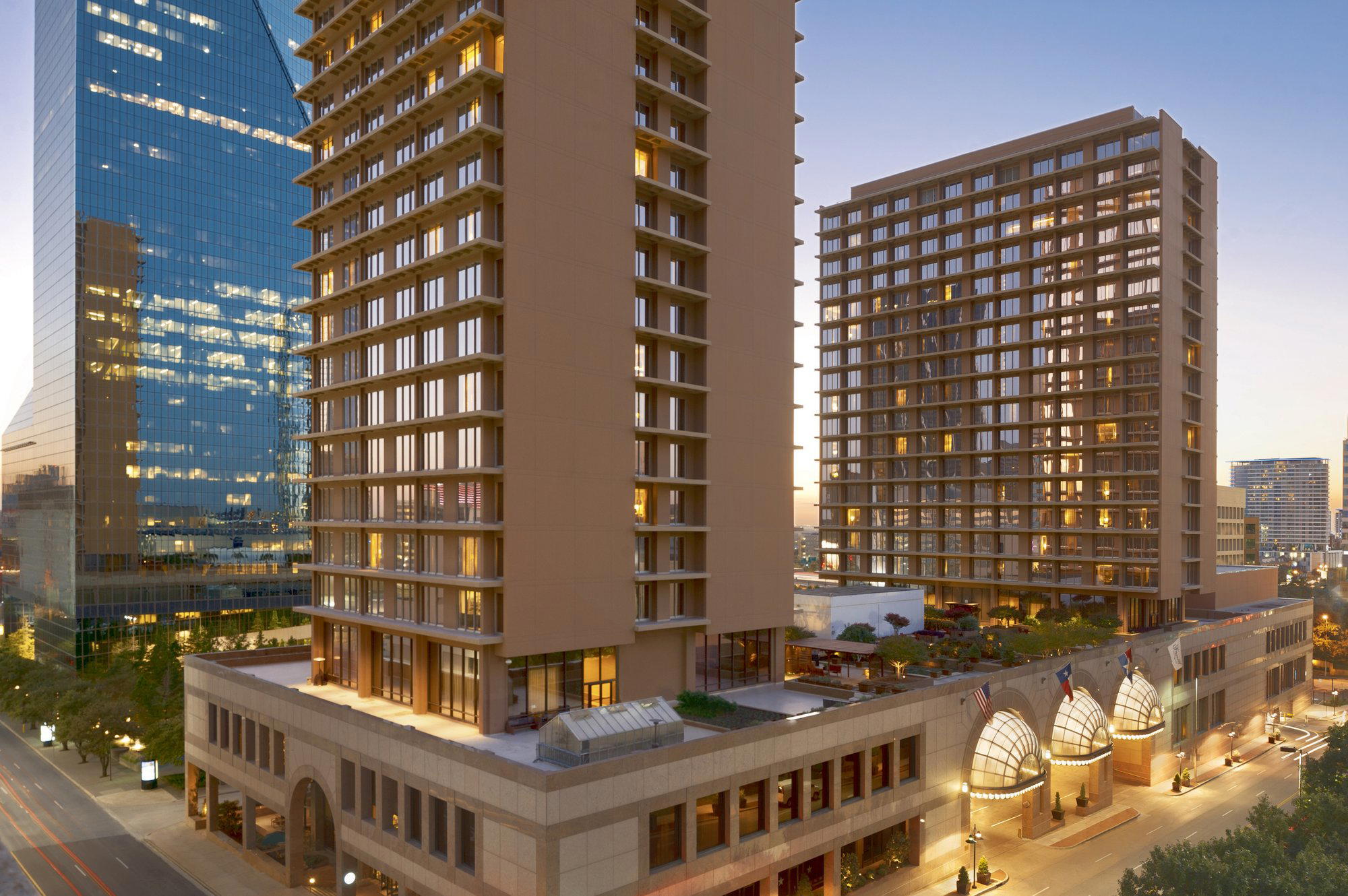
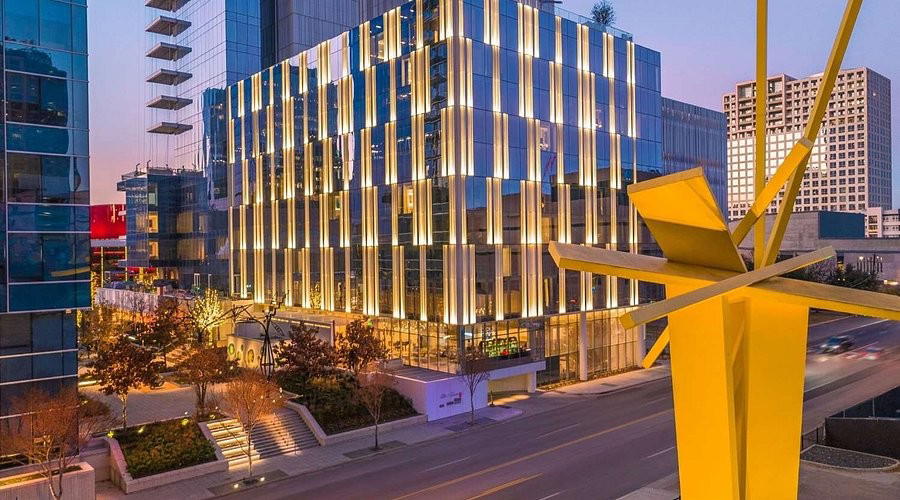
The C101 designation at 1700 Pacific Ave indicates a ground-floor suite within a larger building, the kind of configuration common to mixed-use developments in Dallas's downtown core. Ground-floor restaurant spaces in these buildings typically carry higher foot-traffic visibility than upper-floor or basement locations, which affects how a restaurant builds its walk-in versus reservation balance. The Pacific Ave address puts Namak within the Arts District adjacent zone, a part of downtown that has seen consistent investment in food and beverage tenants over the past several years, with 360 Brunch House among the nearby operators working a similar mixed day-and-evening format.
Indian restaurants that have moved into premium downtown real estate in other American cities have generally made the choice to suppress the busier, louder character of their suburban predecessors in favor of a setting that supports longer table times and higher per-head spending. The visual and acoustic register of the room matters to that calculus.
Where Namak Sits in the Dallas Indian Tier
Dallas's Indian restaurant market, like those in Houston and the Bay Area, has historically been price-compressed at the middle tier, with a wide band of restaurants competing on familiarity and portion scale rather than sourcing or technique. The downtown relocation trend is pulling a smaller subset of operators toward a higher price register, where the competition shifts from other Indian restaurants to the broader casual-premium category: the Italian mid-fine, the Japanese izakaya, and the American brasserie formats that dominate the downtown dinner market in most large American cities.
In Dallas specifically, that upper-middle register is occupied by venues like Mamani and the Japanese end of the spectrum represented by Tatsu Dallas. Indian cooking at that price point competes not just on flavor but on the full dining format: service attentiveness, drink program depth, and the ability to sustain a two-hour dinner with the same structural confidence that a guest would expect from, say, Lazy Bear in San Francisco or Providence in Los Angeles at higher price points. Those are extreme comparators in terms of price tier, but the format expectation they represent is directionally relevant: downtown dinner diners carry refined baseline expectations regardless of cuisine type.
For the wider context of what serious Indian cooking can achieve at the fine-dining register in major American cities, the benchmark conversations involve venues in New York and Chicago rather than Dallas. The Dallas market is not there yet as a category, but downtown addresses like Namak's are part of the infrastructure that would make it possible. Diners tracking that trajectory should note that the ground-floor Pacific Ave location gives Namak a more visible position than many of its subcontinental peers in the city.
Know Before You Go
Address: 1700 Pacific Ave, Suite C101, Dallas, TX 75201
Reservations: Recommended.
Hours: Mon: 11 AM-10 PM; Tue: 11 AM-10 PM; Wed: 11 AM-10 PM; Thu: 11 AM-10 PM; Fri: 11 AM-12 AM; Sat: 11 AM-12 AM; Sun: 11 AM-10 PM.
Context: For comparison shopping across downtown Dallas's broader restaurant range, 12 Cuts Brazilian Steakhouse and 3Eleven Kitchen and Cocktails are nearby reference points for price register and service style.
Credentials Lens
Comparable venues nearby, for context on price, style, and recognition.
| Venue | Cuisine | Price | Awards | Notes |
|---|---|---|---|---|
| Namak Indian CuisineThis venue — the venue you are viewing | North Indian Cuisine | $$ | , | |
| Meso Maya Comida y Copas | Oaxacan & Mayan Mexican | $$ | , | Victory Park |
| Twisted Root Burger Co. | Gourmet American Burgers | $$ | , | Deep Ellum |
| Ferris Wheelers Backyard and BBQ | Texas BBQ | $$ | , | Dallas Market Center |
| Greenville Avenue Pizza Company | Thin & Crispy Pizza | $$ | , | Belmont |
| El Ranchito | Northern Mexican (Comida Norteña) & Tex-Mex | $$ | , | Ruthmeade Place |
Continue exploring
More in Dallas
Restaurants in Dallas
Browse all →
Bars in Dallas
Browse all →
Hotels in Dallas
Browse all →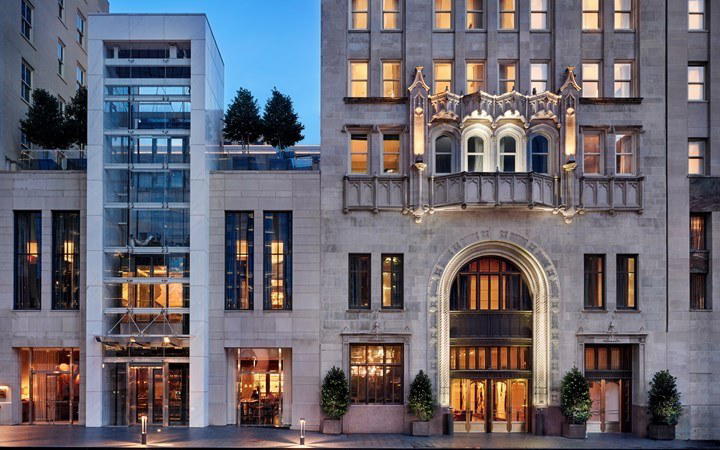
At a Glance
- Elegant
- Modern
- Lively
- Date Night
- Group Dining
- Casual Hangout
- Open Kitchen
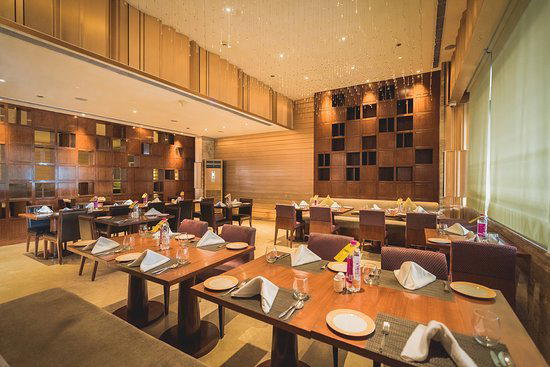
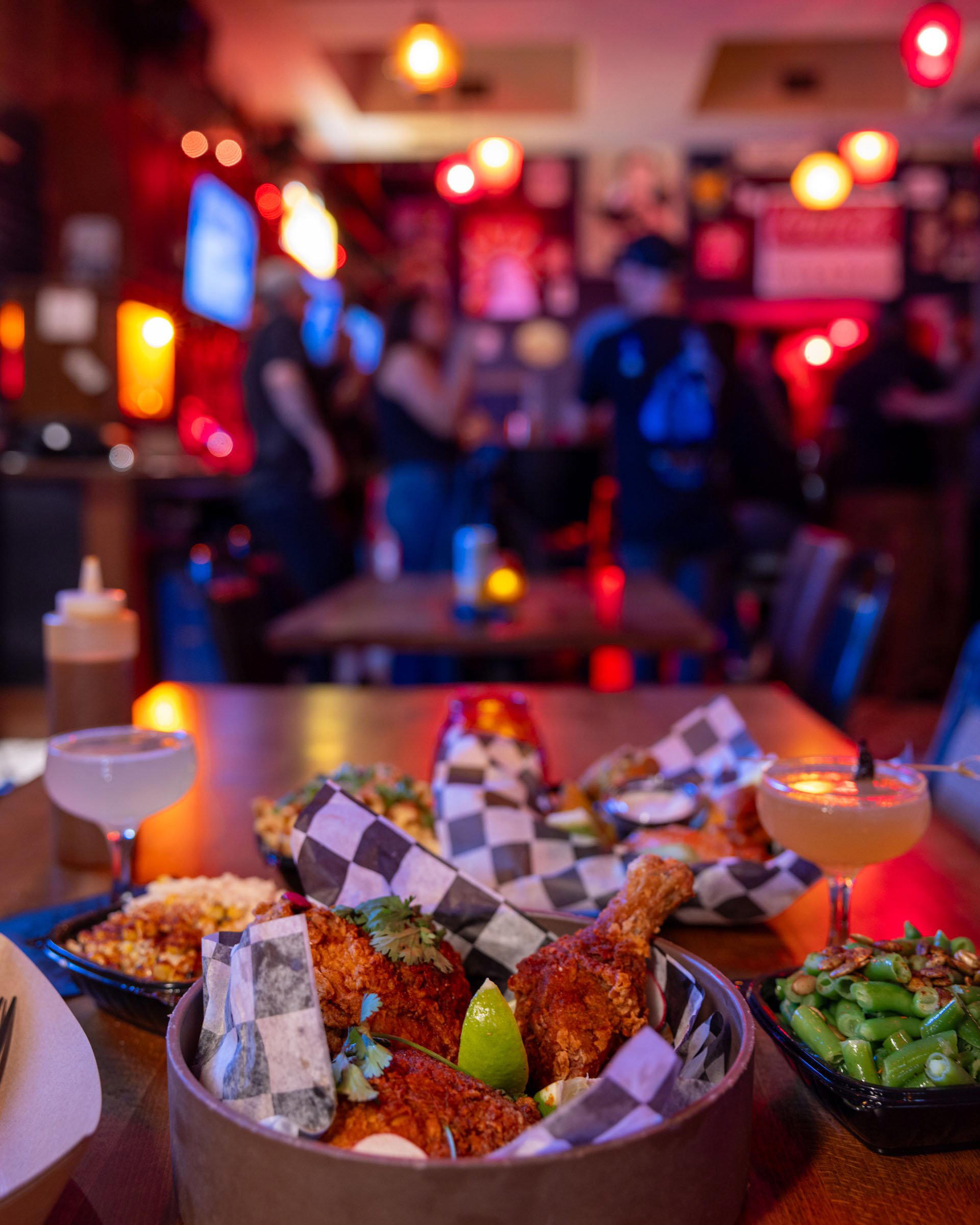
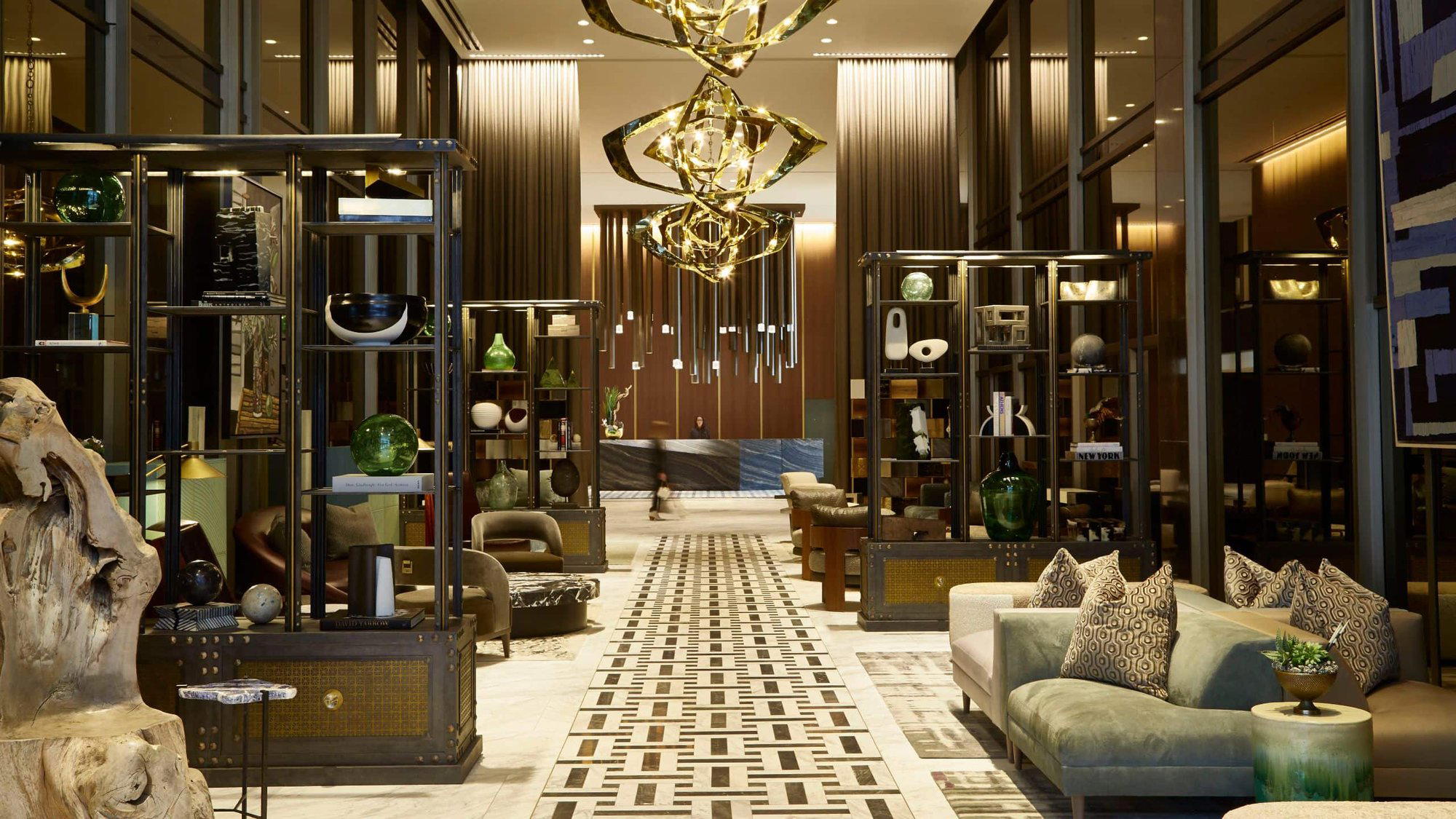
Elegant decor inspired by vibrant Indian art and architecture with warm lighting and inviting atmosphere.