.png)
Naga has held a Michelin Plate in both 2024 and 2025, placing it among the recognized Japanese addresses in Itaim Bibi, São Paulo's most concentrated strip for serious dining. Priced in the mid-to-upper tier for the neighbourhood, it sits alongside a cluster of Japanese restaurants that have quietly reshaped how the city thinks about the cuisine, less fusion novelty, more technical discipline.
 Discover on Pearl
Pearl is the En Primeur Club membership app — saves, bookings, and concierge access live there. Same editors, same standards.
- Address
- R. Bandeira Paulista, 383 - Itaim Bibi, São Paulo - SP, 04532-011, Brazil
- Phone
- +55 11 3167-6049
- Website
- nagayama.com.br
Japanese Dining in São Paulo: A Tradition That Keeps Refining Itself
São Paulo has one of the largest Japanese diaspora communities outside Japan, a demographic fact that has shaped the city's restaurant culture in ways that go well beyond novelty rolls and delivery boxes. The progression, particularly in Itaim Bibi, has moved through several phases over the past two decades: first, a wave of Japanese-Brazilian fusion that leaned into local ingredients; then a corrective turn toward discipline, precision, and technique closer in spirit to what you'd find in Tokyo's mid-tier omakase counters. The current moment sits somewhere between those poles, with a cohort of addresses that take the cuisine seriously without abandoning their Brazilian context entirely. Naga, on Rua Bandeira Paulista, belongs to that cohort.
Itaim Bibi and the Pressure of a Demanding Postcode
Itaim Bibi carries weight in São Paulo's dining geography. It is the neighbourhood that arguably expects the most from its restaurants, drawing a clientele that travels regularly, eats widely, and prices its experience accordingly. Japanese restaurants here do not survive on neighbourhood loyalty alone; they survive by being genuinely good. That competitive pressure has made Itaim Bibi one of the more interesting places to track how Japanese cuisine in Brazil has evolved, with addresses like Kuro and KANOE each staking out distinct positions, and Kinoshita maintaining its long-running reputation for considered Japanese-Brazilian work. Naga fits into this competitive frame at the $$$ price tier, which in Itaim Bibi reads as mid-to-upper range, accessible enough for a regular weeknight booking but positioned above the neighbourhood's more casual options.
Two Consecutive Michelin Plates: What That Signal Means
The Michelin Plate is not a star, but its consecutive appearance, awarded in both 2024 and 2025, carries a specific editorial message from the guide: this is a restaurant cooking at a level worth acknowledging, consistently. In a city where Michelin's Brazil edition has grown its coverage and scrutiny with each edition, a Plate in successive years implies the kitchen is not coasting. The comparison set matters here. Across São Paulo's Japanese category, recognised addresses cluster at different price points. Jun Sakamoto has historically operated at the upper end of the sushi register. Kan Suke and Huto represent adjacent Japanese work in the city. Naga's consecutive Plate recognition positions it as a restaurant the guide considers worth tracking, which, in practical terms, means it is cooking with enough seriousness to be measured against that peer group.
For context on how São Paulo's broader fine dining scene compares: contemporaries like Evvai and D.O.M. operate at the $$$$ level with star recognition, while Maní and A Casa do Porco each hold their own Michelin standing at different price tiers. Naga's $$$ positioning with Plate recognition represents a specific value proposition within that wider competitive picture.
The Evolution of Japanese Cuisine in This Address
The editorial angle that makes Naga interesting in 2025 is not simply what it is, but what it represents within a longer arc. Brazilian-Japanese dining in São Paulo spent years navigating a tension between authenticity and local identity. Some restaurants resolved it by leaning hard into Japanese tradition; others made Brazilian ingredients the narrative centrepiece. The addresses that have gathered Michelin attention in recent years tend to be those that found a more settled voice, not defined by the tension itself, but past it. A consecutive Plate through 2024 and 2025 suggests Naga has reached a working equilibrium, whatever its particular approach. That consistency is itself a form of evolution: the restaurant has not been reinventing its concept with each guide cycle but refining it.
This trajectory mirrors patterns visible in other Brazilian cities. Lasai in Rio de Janeiro has similarly built its recognition through sustained direction rather than dramatic pivots. Regional addresses like Manga in Salvador and Mina in Campos do Jordão show the same pattern. Across Brazil's Michelin-recognised tier, longevity of direction is increasingly the credential. For those interested in how Japanese technique reads at the highest level in Tokyo itself, Myojaku and Azabu Kadowaki provide useful reference points for the source tradition.
Planning Your Visit
Naga is located at Rua Bandeira Paulista, 383, in Itaim Bibi, a street with good access from the neighbourhood's main arteries and reasonably close to public transport connections via the Faria Lima corridor. For a restaurant in Itaim Bibi at the $$$ tier, booking ahead is advisable; the neighbourhood's dining density means competition for tables at well-regarded addresses is real, particularly on Thursday through Saturday evenings. Dress expectations at this price point in Itaim Bibi typically run smart-casual, though formal dress is rarely required.
Those extending their Brazil itinerary beyond the capital might also consider Primrose in Gramado, Castelo Saint Andrews in Gramado, or Orixás North Restaurant in Itacaré for a wider picture of Brazil's current dining range.
Category Peers
Comparable venues nearby, for context on price, style, and recognition.
| Venue | Cuisine | Price | Awards | Notes |
|---|---|---|---|---|
| NagaThis venue — the venue you are viewing | Traditional Japanese Sushi and Omakase | $$$$ | Michelin Plate | |
| Huto Köhï | Modern Japanese Omakase | $$$$ | Michelin Plate | Itaim Bibi |
| Nakka | Modern Japanese Omakase & Sushi | $$$$ | , | Pinheiros |
| JAM Itaim | Modern Japanese Omakase & Sushi | $$$$ | , | Itaim Bibi |
| By Koji | Japanese Sushi and Seafood | $$$$ | , | Morumbi |
| Maza | Modern Japanese with Korean Influences | $$$ | Michelin Plate | Pinheiros |
Continue exploring
More in São Paulo
Restaurants in São Paulo
Browse all →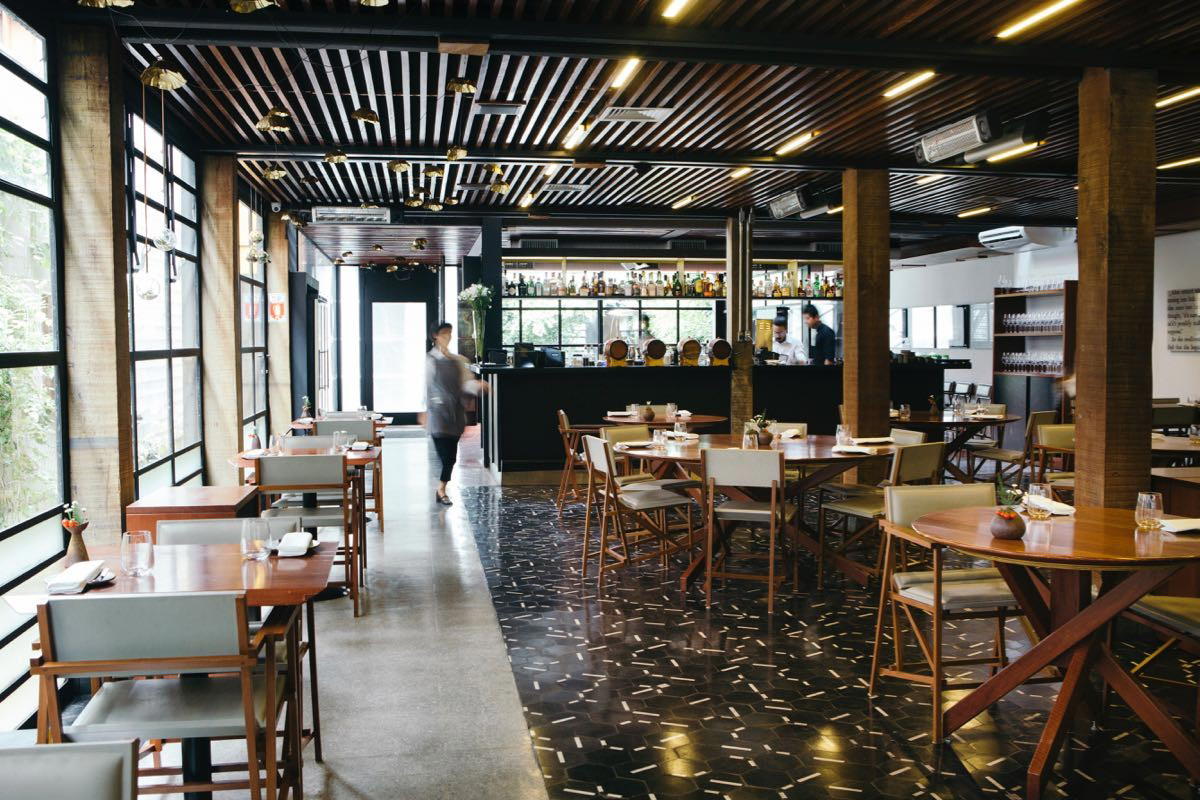
Bars in São Paulo
Browse all →
At a Glance
- Elegant
- Intimate
- Sophisticated
- Date Night
- Business Dinner
- Special Occasion
- Chefs Counter
- Open Kitchen
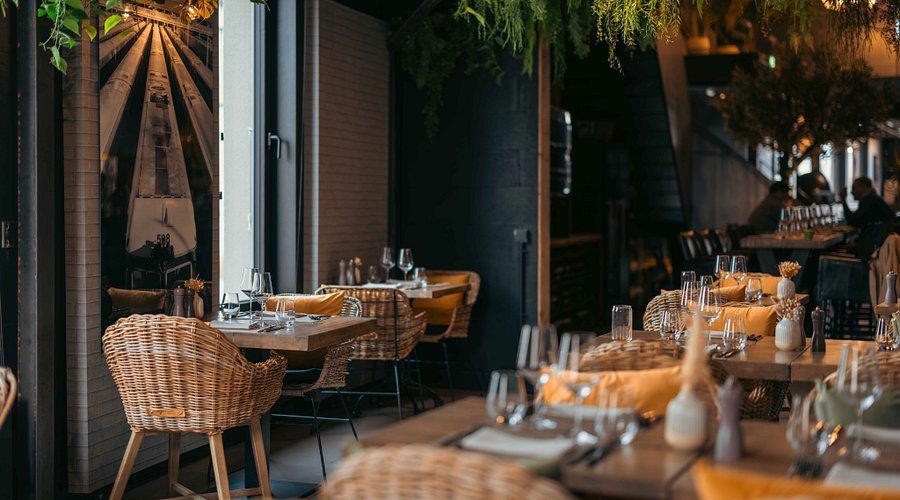
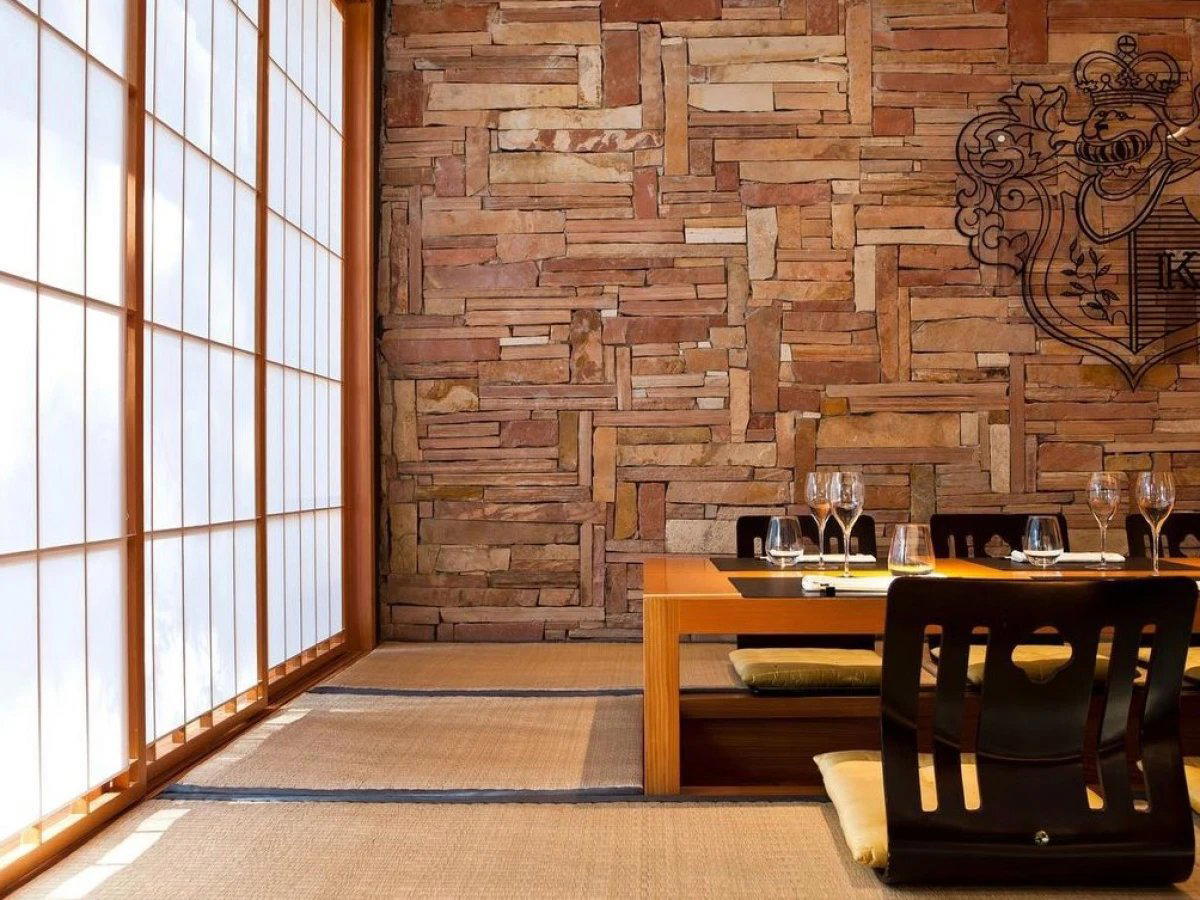
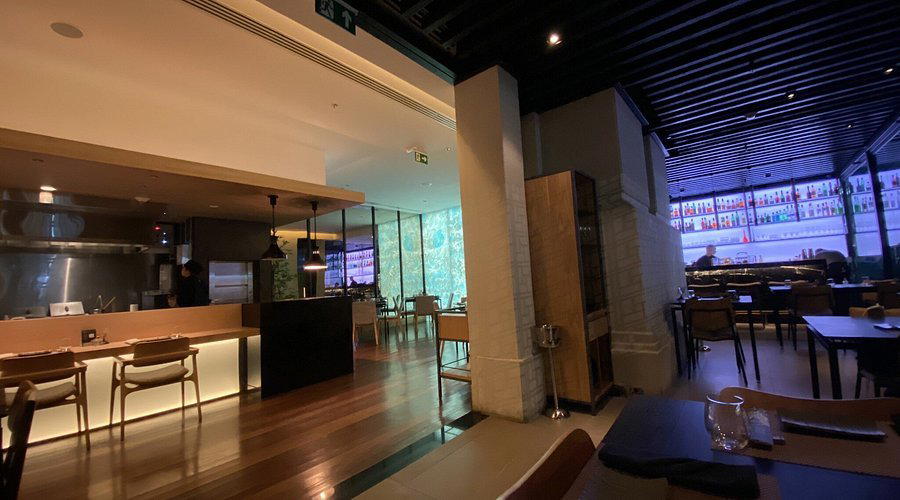
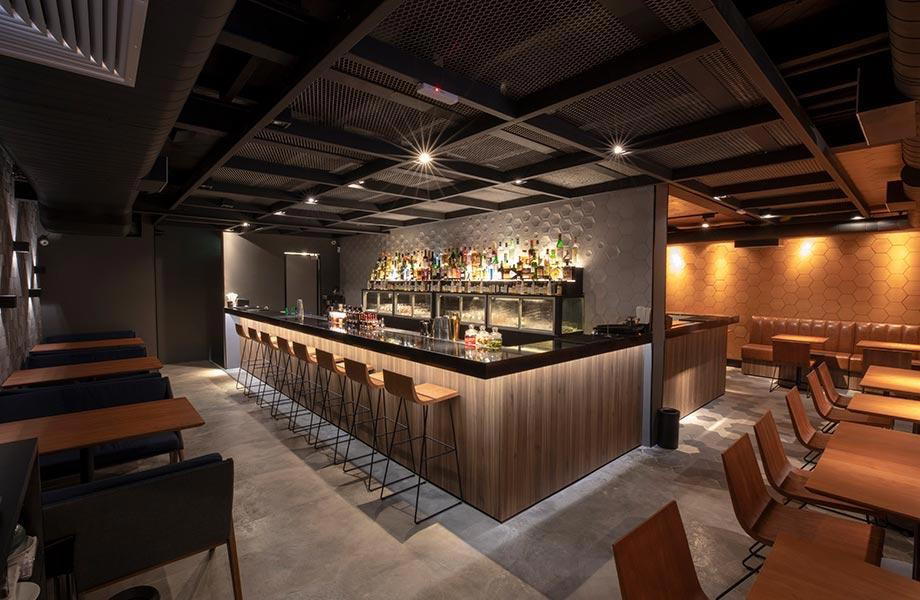
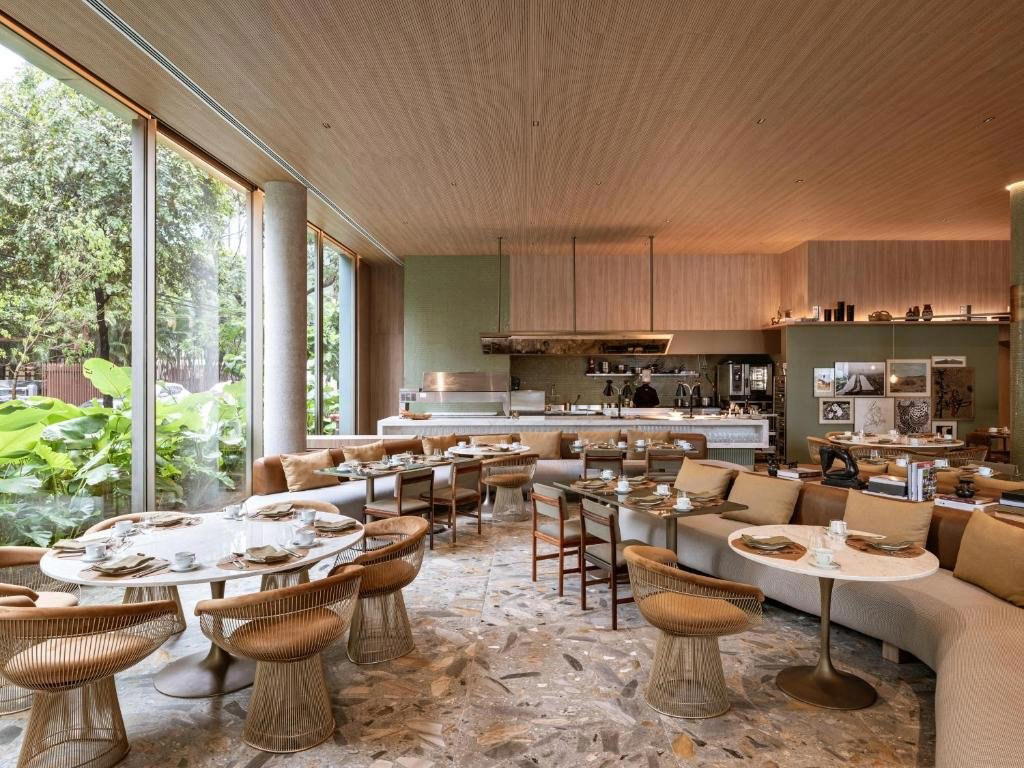
Polished wood and soft, contemplative lighting create a serene, refined atmosphere with subtle illumination highlighting the sushi bar.