


At 1723 Lower Water St, MYSTIC runs two eight-course tasting menus — Fauna and Biota — that treat Nova Scotia terroir as both subject and structure. Chef Malcolm Campbell moves between traditional and contemporary technique, with dishes built around swordfish bresaola, sea vegetables, and bog myrtle. The cocktail program follows the same terroir logic. Booking ahead is advisable for a room operating at this format depth.
Pearl is the En Primeur Club membership app — saves, bookings, and concierge access live there. Same editors, same standards.
- Address
- 1723 Lower Water St, Halifax, NS B3J 0J4, Canada
- Phone
- +1 902-474-3007
- Website
- mysticnovascotia.ca
- Directions
- Get directions
 Saves & bookings on Pearl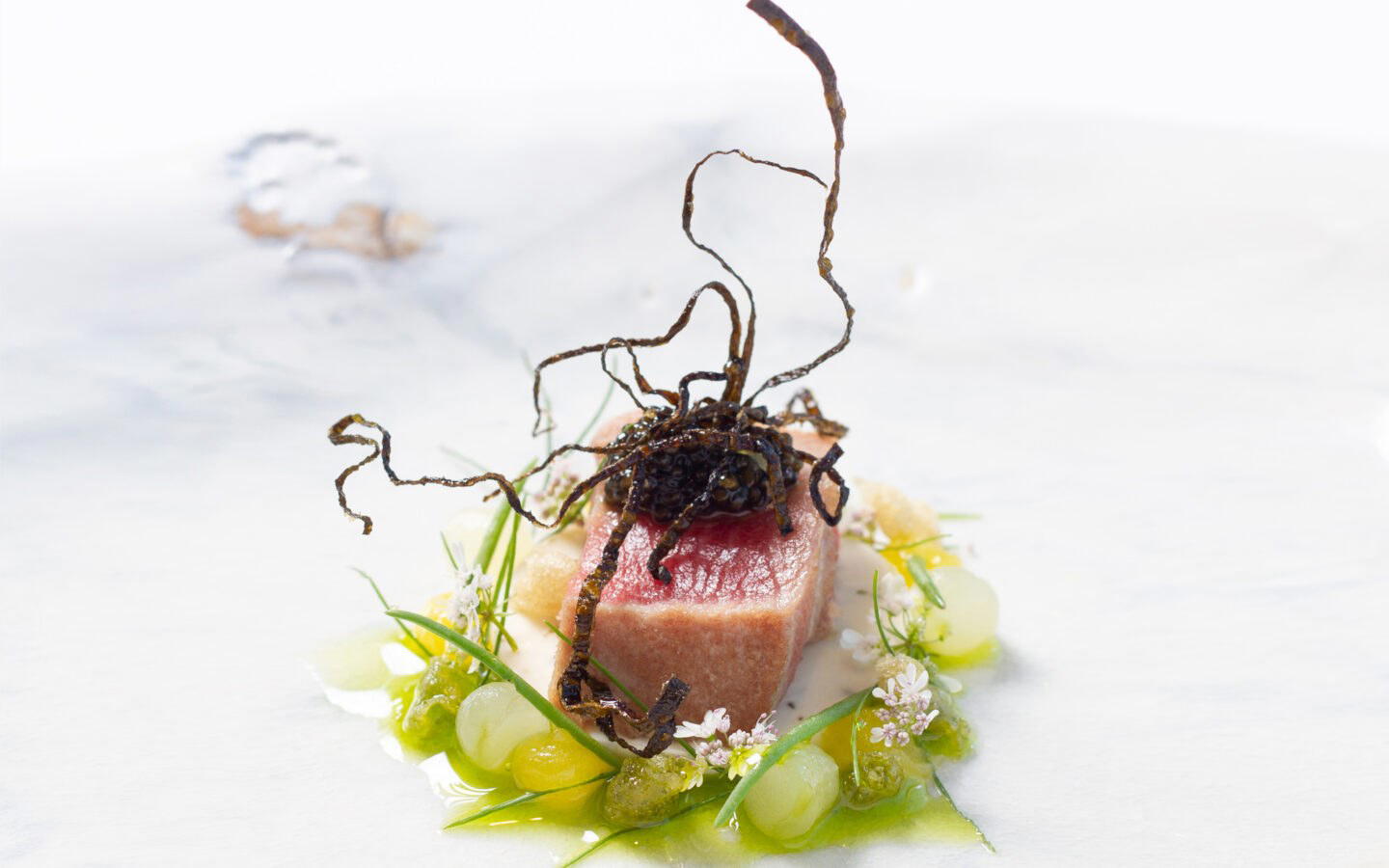
Where Nova Scotia's Larder Meets the Tasting Counter
Halifax's waterfront dining scene has matured considerably over the past decade, moving well beyond the chowder-and-lobster shorthand that once defined the city's food reputation. A generation of chefs working the Maritime coastline has reframed the conversation: Nova Scotia's tidal flats, boreal edges, and agricultural interior are now treated as a serious culinary geography, comparable in ambition — if not yet in profile — to the terroir-led programs at places like Tanière³ in Québec City or AnnaLena in Vancouver. MYSTIC, at 1723 Lower Water St on the Halifax waterfront, sits at the sharp end of that shift.
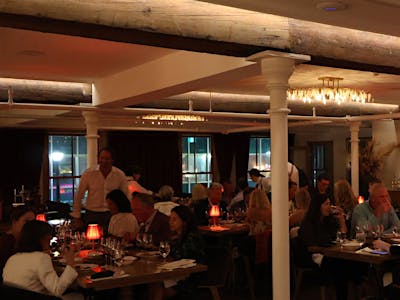
The address itself carries context. Lower Water Street runs parallel to the harbour, a stretch that mixes heritage stone buildings with newer cultural infrastructure. Approaching from the waterfront boardwalk on a clear evening, the harbour light shifts in that particular Atlantic way, low, silver, salt-edged, that feels like a setup for what the kitchen is about to do. The room reads dark and deliberate, the kind of environment designed to direct attention inward, toward the plate.
Two Menus, One Argument About Place
MYSTIC structures its offer around a binary that is also an argument: Fauna and Biota. Two eight-course tasting menus, each tracing a different line through Nova Scotia's ecological range. Fauna moves across land, animal proteins, root vegetables, the preserved and the fermented. Biota moves through coastal and marine territory: sea vegetables, shellfish, foraged botanicals pulled from the province's bog and tidal margins.
The division is not arbitrary. Nova Scotia sits at the confluence of the Bay of Fundy, which produces some of the most dramatic tidal ranges on the planet, and the Atlantic shelf, a geography that makes the province's seafood as distinct from inland Canadian cooking as the Adriatic is from Piedmont. Running two parallel menus rather than a single hybrid sequence is a structural choice that forces the kitchen to think in ecological categories rather than just ingredient sourcing. It is the same logic that drives programs at Narval in Rimouski, where the St. Lawrence estuary functions as both pantry and conceptual frame.
Chef Malcolm Campbell works across both menus using a combination of traditional preservation techniques and contemporary preparation. The result appears in combinations like swordfish bresaola with turnip, sea vegetables, and kombu, a dish that places a salt-cured, air-dried technique (typically applied to beef in northern Italy) onto a fish that runs Nova Scotia's offshore waters, then grounds it in the province's agricultural and coastal vegetation. Scallop with buttercup, bog myrtle, and foam draws from a different register: the bog myrtle is a wetland plant with a long history in northern European and Indigenous North American cooking, here used to frame a shellfish that Nova Scotia produces at scale.
This kind of cooking belongs to a broader Canadian movement that has been building since the early 2010s, when restaurants like Eigensinn Farm in Singhampton and later The Pine in Creemore started treating hyper-local sourcing not as a marketing position but as a kitchen discipline. The ambition now extends to every coast. Alo in Toronto and Jérôme Ferrer - Europea in Montréal operate at the high-end urban end of the spectrum. ÄNKÔR in Canmore and Restaurant Pearl Morissette in Lincoln occupy more rurally anchored positions. MYSTIC's place in this network is Halifax-specific: a port city with centuries of fishing and trade history, where the coastal and the cultivated have always been inseparable.
The Cocktail Program as a Third Menu
Creative terroir-driven cocktails are noted as a defining feature of the MYSTIC experience, and this detail is worth pausing on. In many tasting menu contexts, the beverage program functions as accompaniment, wine pairings that frame the food, cocktails that serve as aperitifs and then step back. At MYSTIC, the cocktail program appears to operate as a parallel expression of the same terroir logic that drives the food. For comparison, see the approach at Bar Kismet, Halifax's most closely watched natural-wine-and-small-plates room, where the beverage philosophy similarly reflects the kitchen's sourcing commitments. For Halifax specifically, having two rooms within the same city operating at this level of beverage intentionality marks a real shift in the local scene.
The terroir-driven cocktail format also connects MYSTIC to international programs where botanical and fermented local ingredients have redefined what a drinks list can do. The movement visible at Le Bernardin in New York City, where the beverage program treats the ocean as a flavor category, and the conceptual rigor of Atomix in New York City's pairing approach both signal a broader shift: beverages as interpretation, not decoration. MYSTIC's cocktail program reads as the Halifax version of that ambition.
The Broader Halifax Picture
Halifax now has enough serious food and drink programming to support a proper visit itinerary built around eating and drinking rather than tourism infrastructure. Beyond MYSTIC, the city's waterfront and north-end neighborhoods carry an increasingly coherent dining character. For visitors building a fuller picture, our full Halifax restaurants guide maps the range, from counter-service to tasting menu format. The Halifax bars guide covers the cocktail and natural wine rooms. For context on where to stay, the Halifax hotels guide covers the key waterfront and heritage options. Those with interest in the wider regional drinks scene can find the province's wine producers covered in the Halifax wineries guide, and the Halifax experiences guide addresses cultural and outdoor programming. A comparison property worth noting for British visitors: the Shibden Mill Inn in Halifax, West Yorkshire, offers a useful point of reference for what Modern British tasting menu cooking looks like at the inn-dining end of the format spectrum.
Planning a Visit
MYSTIC operates on the tasting menu model, meaning a booking is the operative unit: two menus, eight courses each, with a cocktail program that extends the experience. Given the format, walk-ins are unlikely to be viable; advance reservations should be treated as standard for any evening visit. The Lower Water Street location is accessible from the Halifax waterfront and connected hotel district on foot. Given the eight-course structure and the depth of the cocktail program, budget the better part of an evening.
Frequently Asked Questions
Is MYSTIC good for families?
Bluntly: at an eight-course tasting menu price point in a room designed for a deliberate, extended dining format, MYSTIC is not oriented toward families with younger children, Halifax has more flexible options for family dining.
What is the atmosphere like at MYSTIC?
The room fits the Halifax waterfront's recent move toward serious, format-driven dining: dark, focused, and designed to hold attention rather than generate noise. It sits in the same tier as the city's other high-format restaurants, intimate, controlled, and structured around the tasting menu experience rather than casual drop-in energy.
What's the signature dish at MYSTIC?
Both menus produce signature-level cooking: on the Biota side, the scallop with buttercup, bog myrtle, and foam reflects the kitchen's approach to coastal Nova Scotia ingredients with precision and botanical range. On the Fauna menu, the swordfish bresaola with turnip, sea vegetables, and kombu demonstrates how Chef Malcolm Campbell applies traditional preservation techniques to Atlantic fish with real conceptual clarity.
Is MYSTIC reservation-only?
For a tasting menu format at this level in Halifax, advance booking is the standard expectation. The eight-course structure does not accommodate a drop-in model, and given the room's profile in the city's premium dining tier, availability during peak evenings will be limited.
Recognition history
Dated appearances from independent guides and award organizations, with the underlying list record or original source where available.
Canada's 100 Best Restaurants #16
Canada's 100 Best
Wine Spectator Award of Excellence
Wine Spectator
Canada's 100 Best Restaurants #71
Canada's 100 Best
World Culinary Awards North America's Best New Restaurant 2025 #1
World Culinary Awards

At a Glance
- Elegant
- Modern
- Sophisticated
- Date Night
- Special Occasion
- Celebration
- Waterfront
- Open Kitchen
- Panoramic View
- Extensive Wine List
- Craft Cocktails
- Local Sourcing
- Waterfront
Current opening hours
- Monday
- Closed
- Tuesday
- Closed
- Wednesday
- 5–11 PM
- Thursday
- 5–11 PM
- Friday
- 5–11 PM
- Saturday
- 5–11 PM
- Sunday
- Closed
Hours can change for holidays and private events. Last verified .
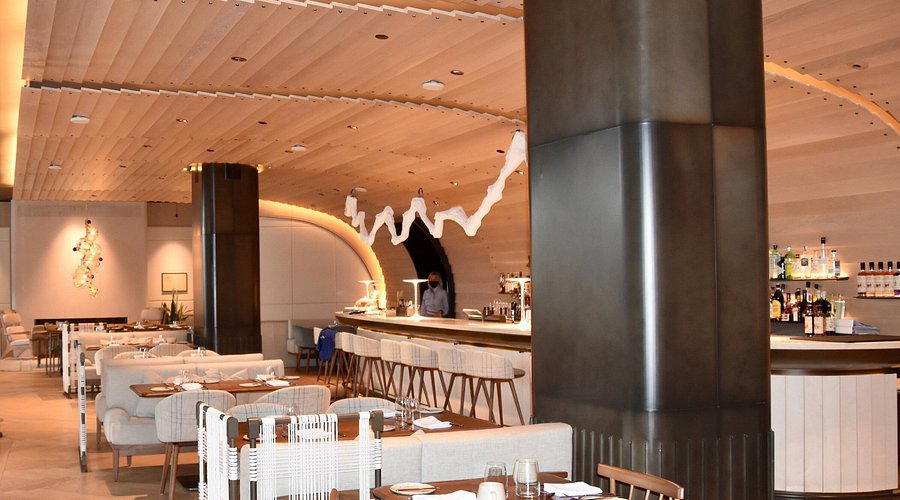
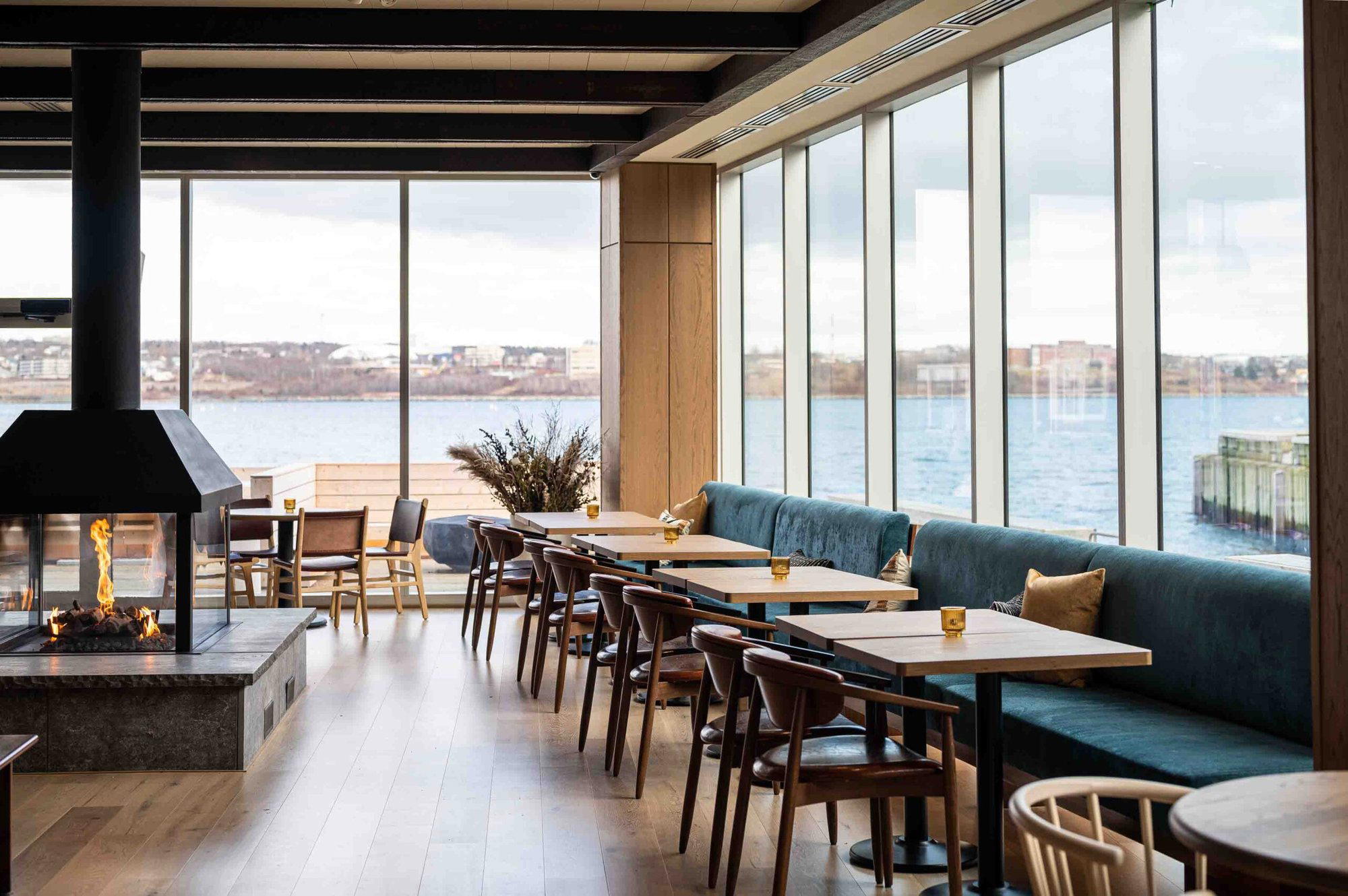
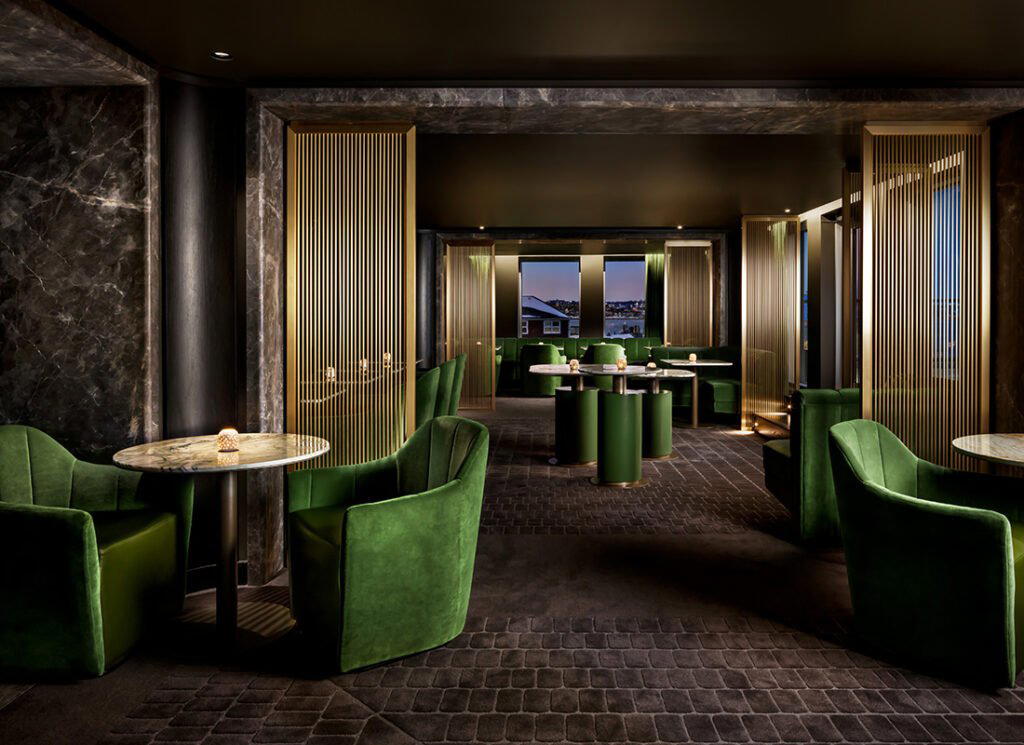
Dim lighting, velvety music, sleek Italian furniture with Scandi-inspired design, curved ceiling resembling a ship's hull, and a quiet open kitchen.
Know Before You Go
- Getting there
- 1723 Lower Water St, Halifax, NS B3J 0J4, Canada