Our verdict
On Gottingen Street, one of Halifax's most consequential dining corridors, Edna occupies a position that reflects the broader shift in how the city eats: ingredient-led, neighbourhood-rooted, and deliberately removed from the waterfront tourist circuit.

Pearl is the En Primeur Club membership app, where members save venues, book tables and use the concierge.
The menu
What to order
- PEI Blue Dot rib eye
- Fresh local oysters
Gottingen Street and the Halifax Dining Shift
There is a version of Halifax dining that plays to the postcard: lobster rolls near the waterfront, tourist-facing menus priced for one-time visits. Then there is the version that has been developing steadily on Gottingen Street, where a cluster of neighbourhood-driven restaurants has rerouted the city's culinary reputation toward something more considered. Edna, at 2053 Gottingen St, sits inside that second version. The street itself carries a particular energy in the North End, historically working-class, now home to independent operators who have built serious programs without the visibility of the harbour district. That context matters when assessing what Edna represents: not an outlier, but evidence of a pattern.
Halifax's North End has followed a trajectory common to neighbourhoods in mid-sized Canadian cities. Gottingen Street in particular has attracted operators willing to build slowly, without the floor traffic guarantees of higher-profile addresses. The result is a dining corridor where the work tends to be more deliberate, the menus more locally argued, and the room less oriented toward spectacle. For a reader deciding where to spend a serious dinner, this distinction is worth understanding before any single dish is considered.
Any honest account of Halifax dining places Edna alongside a small group of Gottingen-adjacent and North End restaurants that have shaped the city's current reputation. BAR KISMET operates nearby with a seafood-forward program that draws regular critical attention. MYSTIC occupies a different register, leaning into a more atmospheric format. Armview Restaurant & Lounge represents a longer-standing North End anchor. Cafe Italia and Ratinaud sit nearby as reference points for the neighbourhood's range.
Across Canada, the restaurants that have drawn the most sustained attention in recent years share a common orientation: they source regionally, keep menus tight enough to execute well, and resist the expansion logic that dilutes smaller programs. Tanière³ in Quebec City is the most discussed example of this approach in a smaller market. Alo in Toronto operates at the upper end of urban fine dining. Further afield, AnnaLena in Vancouver and Restaurant Pearl Morissette in Lincoln have built reputations on restraint and regional credibility. Edna belongs to a conversation that, while more local in scale, follows the same underlying logic.
Atlantic Ingredients and the Argument for Place
The case for eating in Halifax's North End rather than at a waterfront institution rests partly on proximity to supply. Nova Scotia's agricultural and fishing outputs are substantial: scallops from Digby, oysters from the Eastern Shore, lamb from the Annapolis Valley, and wild forage that shifts with the season. Restaurants on Gottingen Street can access these with a directness that larger hotel dining rooms and tourist-facing operations typically cannot, partly because of volume requirements and partly because of purchasing relationships that take years to build. This supply-chain advantage is a structural feature of small independent restaurants in maritime cities, not a talking point.
That regional argument has been made with growing confidence across Atlantic Canada. Fogo Island Inn Dining Room in Joe Batt's Arm has done it at a remote, high-visibility scale. Narval in Rimouski makes a similar case in a smaller market. The pattern is consistent: when a kitchen commits to a defined geography, the menu becomes a document of that place rather than a generic expression of technique. Edna's address on Gottingen Street puts it close to the producers and the community that define Halifax's actual food culture, not the curated version sold to visitors.
Planning a Visit
Gottingen Street is accessible from downtown Halifax without requiring a car, and the North End's density of independent food businesses means that a visit to Edna can anchor a broader evening in the neighbourhood. For dining programs at this level of neighbourhood specificity, booking ahead is the standard practice across comparable Canadian cities, and Halifax is no exception. Reaching out through the venue's current contact channels before arrival is the sensible approach, particularly on weekend evenings when North End restaurants tend to fill from a combination of locals and visiting diners who have done the research.
For readers arriving from outside Nova Scotia, the North End warrants its own half-day at minimum. The neighbourhood's character is distinct from the Seaport and downtown core, and the concentration of independent operators on and around Gottingen makes it the most coherent expression of what contemporary Halifax dining actually looks like, as opposed to what it markets itself as.
The Broader Canadian Context
Halifax occupies an interesting position in Canadian dining: large enough to support serious independent restaurants, small enough that reputation travels quickly and operators cannot rely on anonymity to survive mediocre stretches. The city sits below the visibility threshold of Toronto or Vancouver, which means restaurants here build reputations the old way, through return visits and word of mouth. That dynamic has produced a dining culture with more accountability than some larger markets, where a well-reviewed opening can coast for years on early press.
The reference points for what Halifax's better restaurants are attempting are not always local. Eigensinn Farm in Singhampton represents the most extreme version of place-driven Canadian cooking. The Pine in Creemore operates in a similarly committed register. Jérôme Ferrer - Europea in Montreal shows what a sustained independent program looks like at full maturity. Even international reference points like Le Bernardin in New York City or Lazy Bear in San Francisco are useful benchmarks for understanding what format discipline and sourcing commitment look like when executed at high consistency over time. Busters Barbeque in Kenora is a reminder that serious food culture is not exclusively an urban phenomenon in Canada. Edna does not operate at the same scale or visibility as those benchmarks, but it participates in the same conversation about what Canadian restaurants owe their geography.
Frequently asked questions
What part of town is Edna in?
Edna is located at 2053 Gottingen St, Halifax, NS B3K 3B2, Canada, Halifax.
How does Edna fit into Halifax's broader independent restaurant scene compared to waterfront dining?
Edna operates on Gottingen Street in Halifax's North End, a corridor that over the past decade has concentrated the city's most operator-driven, independently owned restaurants. That contrasts directly with the waterfront precinct, where menus tend toward tourist volume rather than sourcing depth. For visitors eating in Halifax only once, the North End's proximity to Nova Scotia's coastal and agricultural supply makes Edna's address a more accurate reflection of what the province actually produces.
What's the best thing to order at Edna?
Edna's menu follows Nova Scotia's seasonal supply closely, which means the most rewarding dishes tend to be those built around Atlantic and local agricultural ingredients at their peak. The kitchen's reputation on Gottingen Street rests on that commitment to place rather than on a fixed signature dish. Checking what's current on arrival is the practical approach here.
Is Edna reservation-only?
Contacting the restaurant directly at 2053 Gottingen St is the most reliable way to confirm availability before visiting.
What's the standout thing about Edna?
Edna sits within a small peer group of North End Halifax restaurants that redirected serious dining attention away from the waterfront and toward Gottingen Street's independent scene. Its consistent positioning as a neighbourhood-driven room, rather than a tourist-facing venue, is what distinguishes it within the Halifax dining conversation.
Can Edna handle vegetarian requests?
Nova Scotia's agricultural output, including produce from the Annapolis Valley, gives North End kitchens like Edna a credible base for vegetable-forward cooking.
Compact Comparison
Comparable venues nearby, for context on price, style, and recognition.
| Venue | Cuisine | Price | Awards | Notes |
|---|---|---|---|---|
| EdnaThis venue (the venue you are viewing) | Canadian Gastropub | $50–100 | Not listed | Not listed |
| Ratinaud | French Tasting Menu with Local Ingredients | Not listed | Not listed | North End, French Tasting Menu with Local Ingredients |
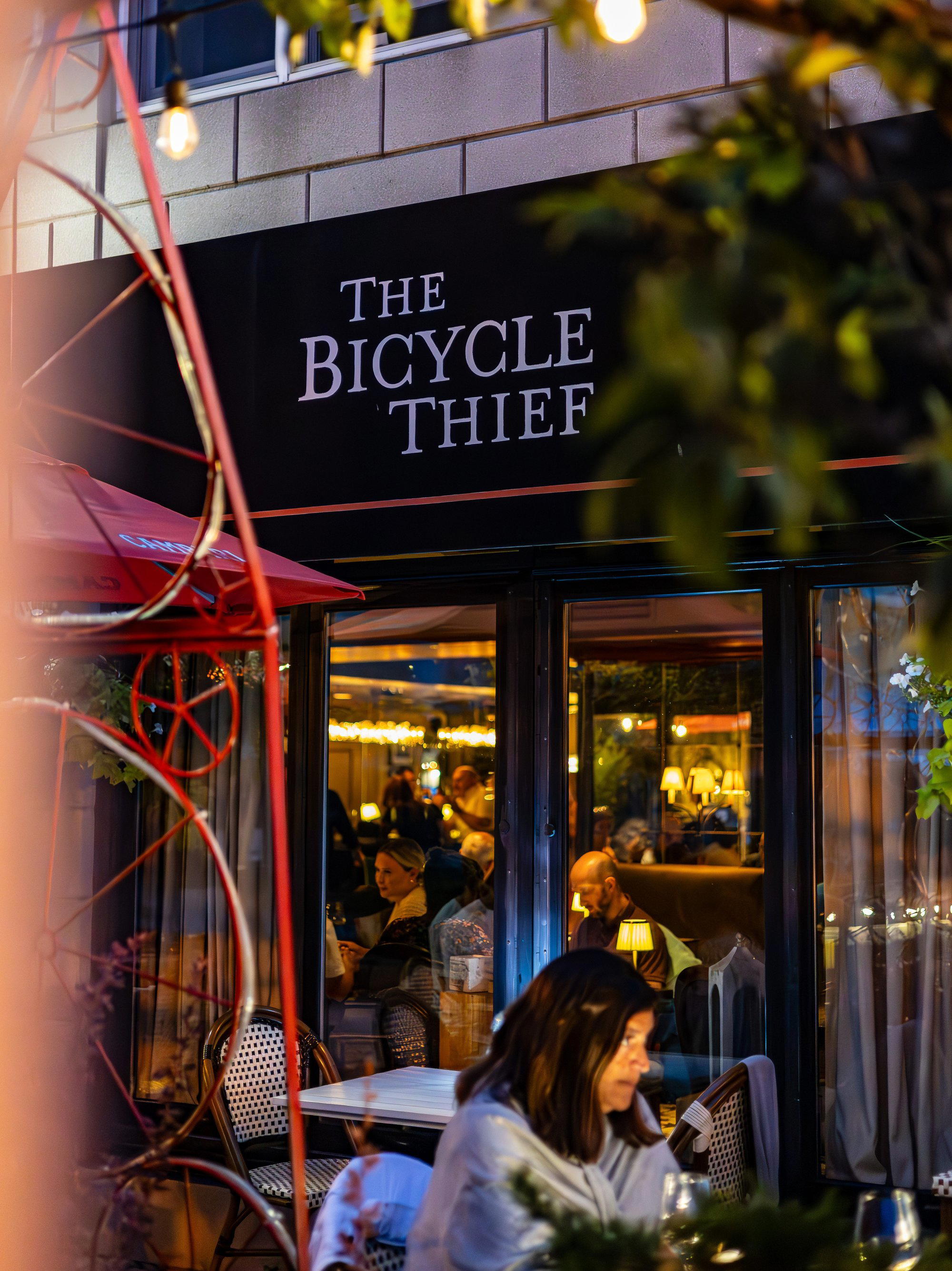
| The Bicycle Thief | Italian with Nova Scotian Seafood | $50–100 | Not listed | Downtown Halifax, Italian with Nova Scotian Seafood |
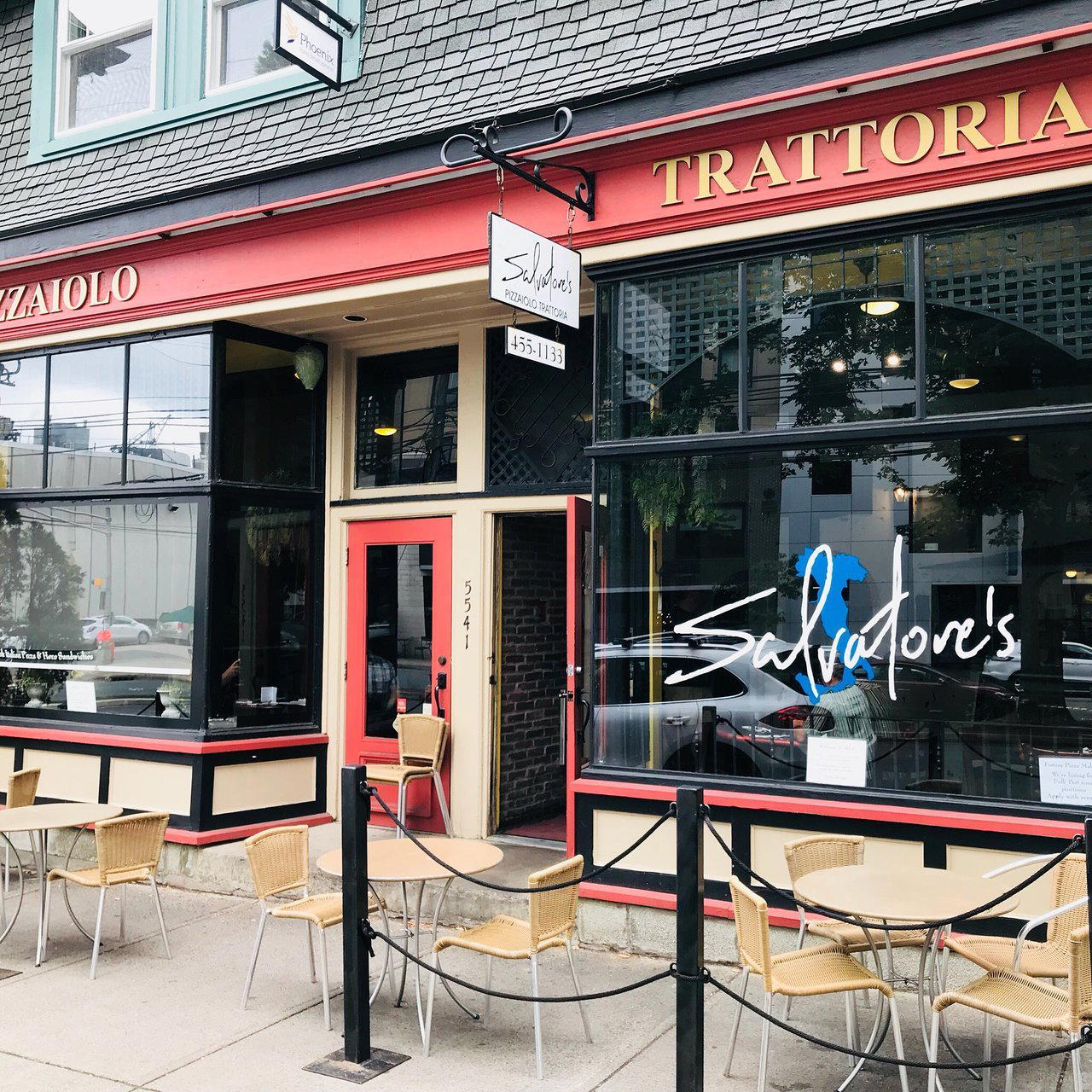
| Salvatore's Pizzaiolo Trattoria | New York-Style Italian Pizza Trattoria | $20–30 | Not listed | Hydrostone, New York-Style Italian Pizza Trattoria |
| MYSTIC | Modern Nova Scotia Fine Dining | $150–200 | Canada's 100 Best Restaurants #16 · Wine Spectator Award of Excellence | Halifax Waterfront, Modern Nova Scotia Fine Dining |
| Armview Restaurant & Lounge | Classic Canadian Comfort | $20–30 | Not listed | Northwest Arm, Classic Canadian Comfort |
Continue exploring
More in Halifax
Restaurants in Halifax
All restaurants in Halifax →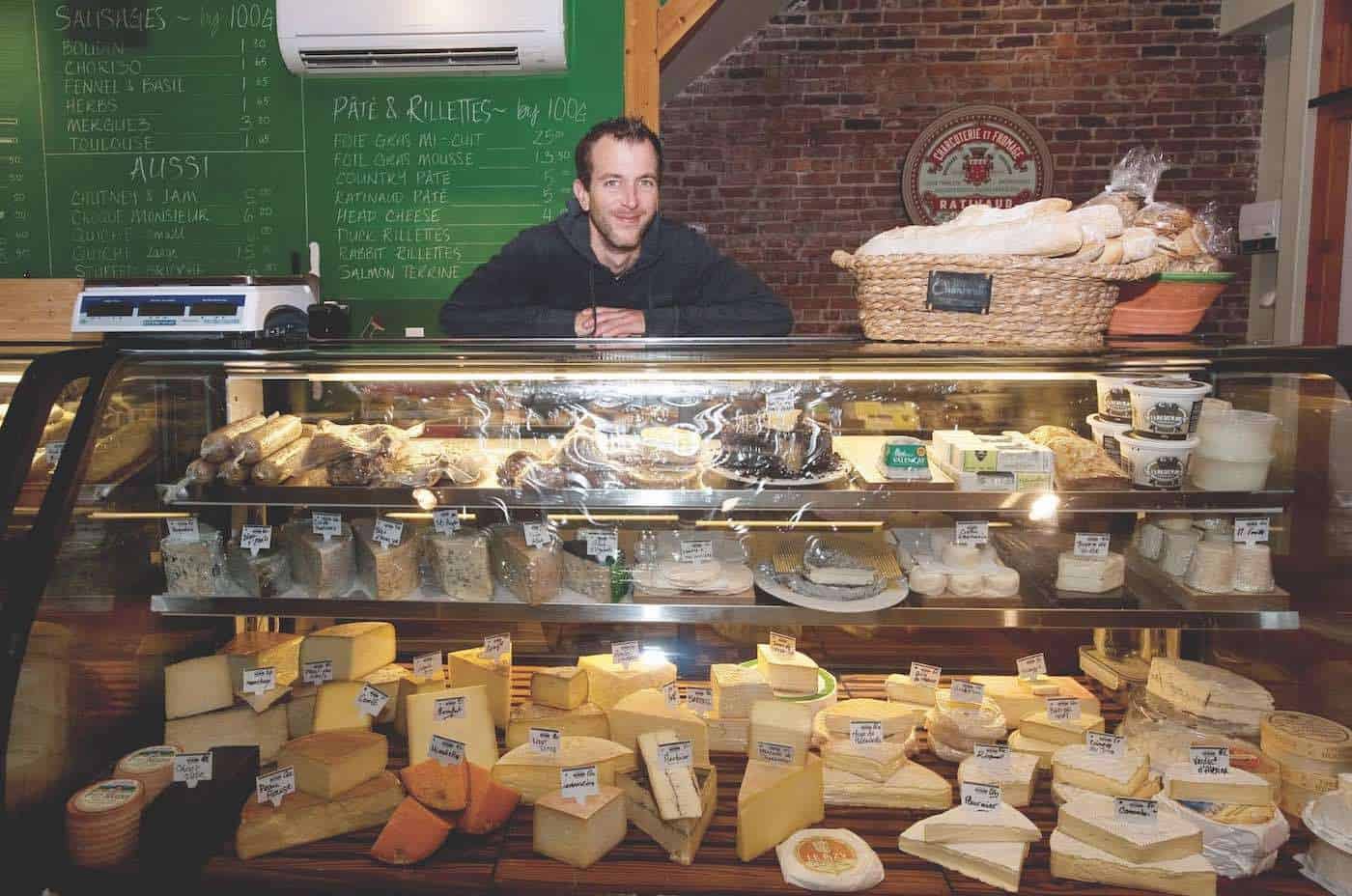
Bars in Halifax
All bars in Halifax →
Details
- Cozy
- Trendy
- Intimate
- Industrial
- Date Night
- Brunch
- Special Occasion
- Open Kitchen
- Craft Cocktails
- Local Sourcing
- Farm To Table
- A La Carte
- Vegetarian Friendly
- Vegan Options
- Gluten Free Options
Current opening hours
- Monday
- Closed
- Tuesday
- 5–10 PM
- Wednesday
- 5–10 PM
- Thursday
- 5–10 PM
- Friday
- 5–10 PM
- Saturday
- 5–10 PM
- Sunday
- 5–10 PM
Hours can change for holidays and private events. Hours as of .
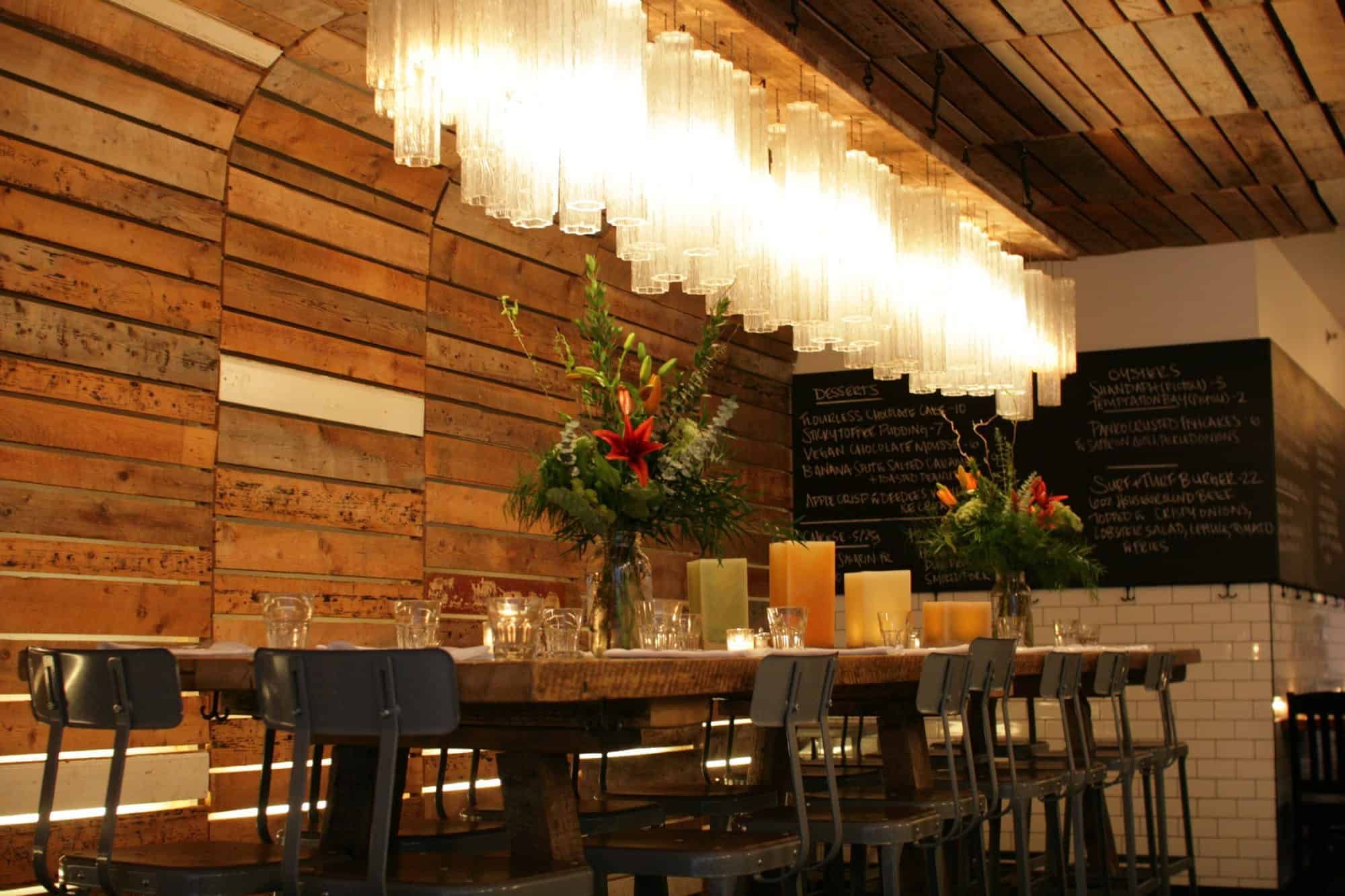
Artsy and cozy industrial setting with white brick walls, reclaimed wood ceiling, blackboards for specials, and floor-to-ceiling street windows creating a bright, casual fine-dining atmosphere.