Our verdict
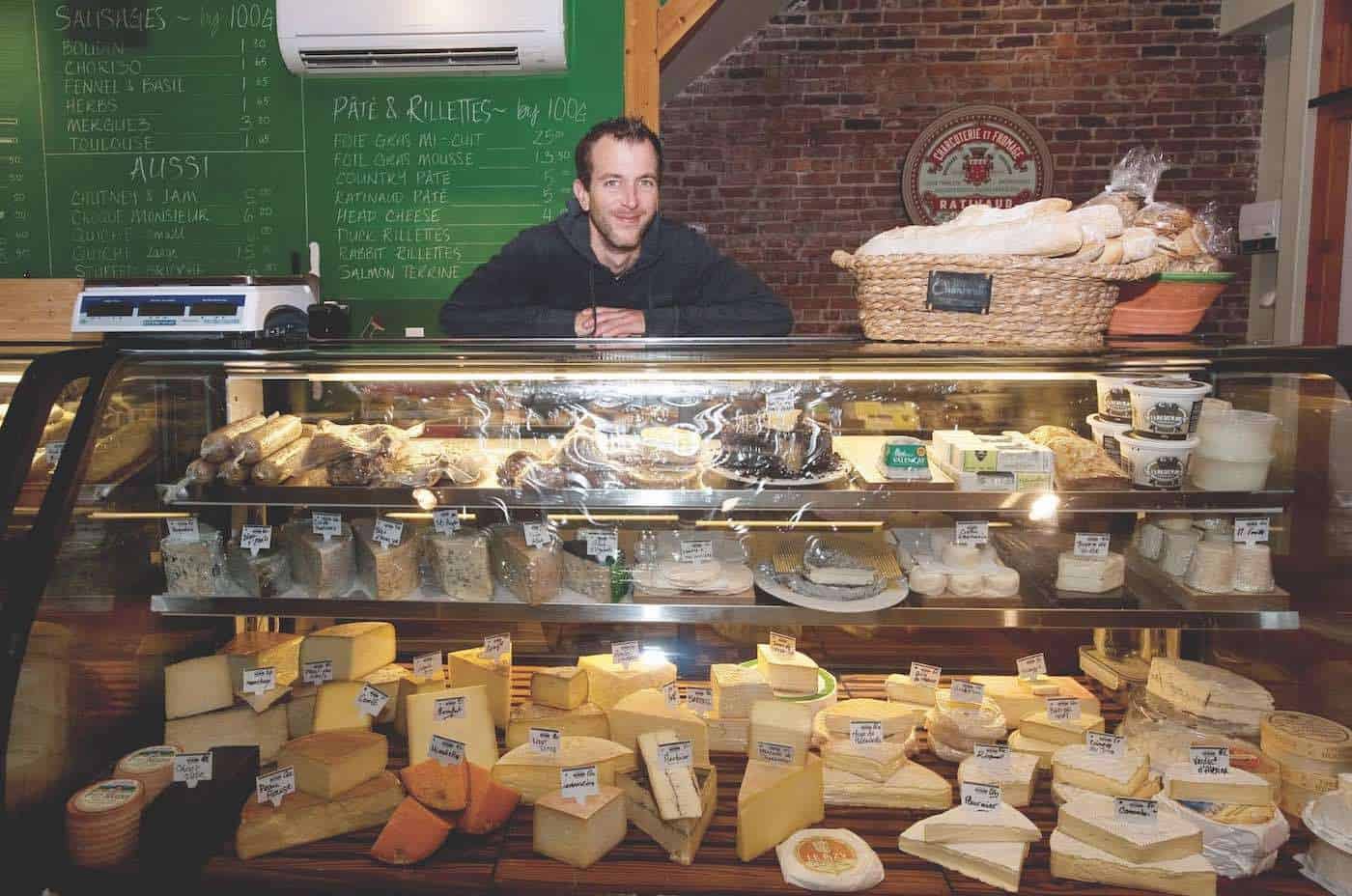
On Gottingen Street, Ratinaud has anchored the North End's shift toward ingredient-led, French-informed cooking. The charcuterie program draws on sourcing traditions that treat preservation as craft rather than shortcut, positioning this modest storefront among the addresses that have changed how Halifax thinks about casual European eating.

Pearl is the En Primeur Club membership app, where members save venues, book tables and use the concierge.
Gottingen Street and the Case for Slow Food in Halifax's North End
Gottingen Street has tracked Halifax's changing appetite more faithfully than almost any other corridor in the city. A decade ago it was better known for its hardware shops and dive bars than its food; today it functions as the informal spine of the North End's independent dining scene, where French charcuterie shares a block with natural wine lists and New Atlantic cooking. Ratinaud sits on that street at 2157 Gottingen, and its physical presence is deliberately understated: a narrow shopfront with no particular fanfare, the kind of address that announces itself through what's in the window rather than what's written above the door.
The North End's dining character rewards that kind of restraint. In a neighbourhood where the most-discussed addresses keep their signage small and their sourcing conversations loud, a charcuterie-focused French operation fits the register precisely. Ratinaud belongs to a cohort of Canadian restaurants, including Edna and BAR KISMET nearby, that have moved the city's dining conversation away from seafood-forward Maritime clichés and toward something more rigorously sourced and technically specific.
Charcuterie as Argument: Why the Sourcing Matters Here
The editorial case for Ratinaud rests primarily on what it represents within a broader Canadian trend: the revival of classical French preservation technique applied to locally and regionally sourced animals. Charcuterie is, at its core, a form of ingredient archaeology. The quality of a rillette, a pâté, or a cured sausage is almost entirely determined upstream, by breed, feed, husbandry, and slaughter, not by what happens in the kitchen in the final hour. Restaurants that build their identity around these preparations are making an implicit claim about sourcing standards, because mediocre raw material cannot be masked by salt and fat the way it can in a sauce.
That logic connects Ratinaud to a wider conversation happening at Canadian restaurants that privilege provenance. Tanière³ in Quebec City operates on a similar philosophy of tracing ingredients to specific producers and terroirs. Eigensinn Farm in Singhampton takes the argument further by growing and raising much of what it serves. Narval in Rimouski applies the same discipline to the St. Lawrence's aquatic larder. In each case, the kitchen's technique is the second conversation; the first is always: where did this come from, and does that story hold up?
Halifax is particularly well-positioned for this kind of cooking. The Maritimes produce pork, beef, and lamb under conditions, small-scale farming, cooler climates, grass or mixed-feed operations, that translate well into classical French charcuterie. The region also has a deep preserved-food tradition that predates any European restaurant influence, from salt cod to Solomon Gundy. Ratinaud's approach does not so much import French technique as apply it to an ingredient geography that was already receptive.
Where Ratinaud Sits in the Halifax Dining Tier
Halifax's restaurant scene has matured considerably in the past five years, with a sharper distinction now between venues that lean on Atlantic produce as a branding tool and those that use it as a genuine structural commitment. Ratinaud belongs to the latter category. The Armview Restaurant and Lounge and Cafe Italia represent the city's older neighbourhood institution tradition, against which Ratinaud's French charcuterie positioning reads as a newer, more technically specific proposition.
Against Canadian peers nationally, Ratinaud occupies the kind of niche held by smaller format, discipline-specific restaurants rather than sprawling tasting-menu destinations. Alo in Toronto and Jérôme Ferrer's Europea in Montreal represent the upper end of the French-informed Canadian fine dining tier. Ratinaud operates in a deliberately less formal register, closer in spirit to a Parisian charcuterie-traiteur than to a destination tasting room. Restaurant Pearl Morissette in Lincoln and The Pine in Creemore share a similar discipline around sourcing but operate in rural Ontario settings with very different contexts. AnnaLena in Vancouver is the closest urban analogue in tone: technically grounded, format-specific, without institutional scale.
Internationally, the template that Ratinaud references is the French charcutier-traiteur format: a hybrid between retail, casual dining, and craft production that flourished in Lyon and provincial Burgundy before being absorbed into the city bistro tradition. Le Bernardin in New York City and Atomix in New York City represent what happens when that kind of disciplinary precision scales into destination-restaurant territory. Ratinaud makes no such claim. Its ambition is narrower and arguably more honest: do one set of things correctly, using the leading available material.
The Gottingen Context: Getting There and Reading the Room
Gottingen Street runs north through the peninsula from downtown Halifax, and 2157 places Ratinaud firmly in the North End's active dining corridor rather than at its edges. The area is walkable from many of Halifax's central accommodations and is well-served by transit. The street itself reads differently by hour: quieter at lunch, animated by early evening, with the kind of foot traffic that connects a neighbourhood rather than a destination. Reservations are advisable, particularly on weekends, given the format and scale typical of this type of operation.
For visitors structuring a Halifax eating itinerary, the North End cluster makes geographic sense: Ratinaud alongside BAR KISMET and Edna covers French charcuterie, maritime-influenced cooking, and New Atlantic formats within a compact walkable area. See our full Halifax restaurants guide for broader city coverage.
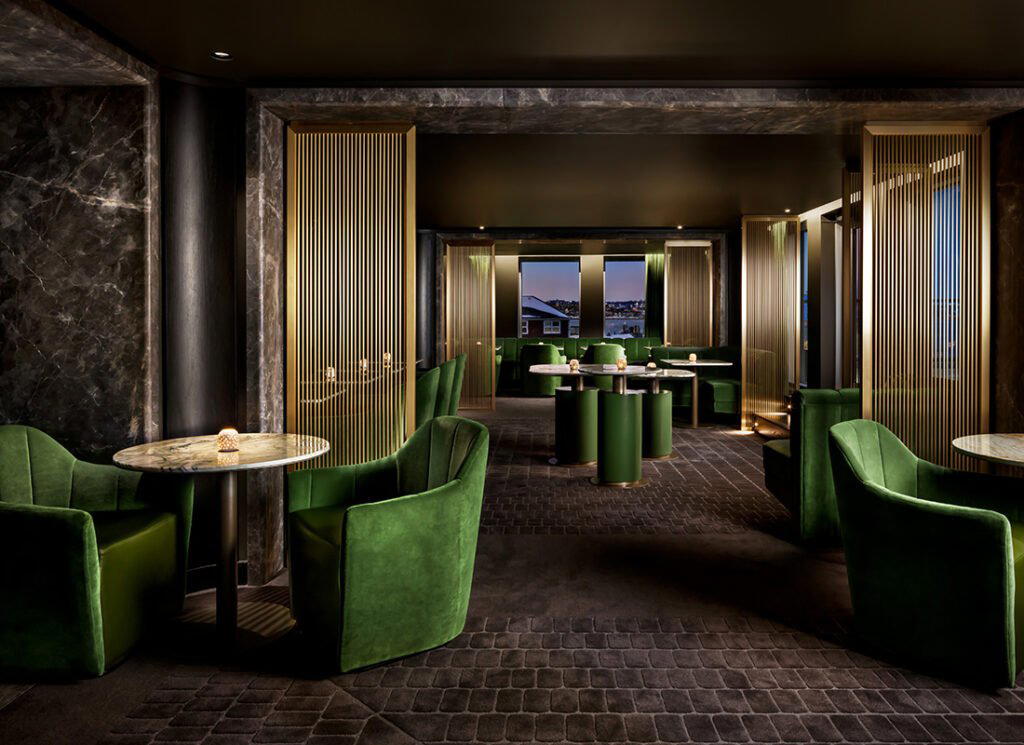
The dining room itself fits the Gottingen idiom: compact, without the self-conscious styling that marks some of the city's newer openings. The format encourages the kind of eating where the food is the primary event, not the room. That is a deliberate choice, and it aligns with the charcuterie-first identity: preservation technique does not require theatre, only quality.
A useful comparison from the traditional French culinary canon applies here: Aux Anciens Canadiens in Quebec City shows how deeply embedded food preservation traditions can anchor a restaurant's identity across decades. Ratinaud draws on a different tradition, French rather than Québécois, but the underlying logic of technique serving ingredient is shared. Barra Fion in Burlington similarly commits to a specific cultural food tradition without diluting it for broader appeal.
Frequently asked questions
What part of town is Ratinaud in?
Ratinaud is located at 2157 Gottingen St, Halifax, NS B3K 3B3, Canada, Halifax.
Is Ratinaud the right choice for someone looking for authentic French charcuterie in Halifax rather than a standard bistro menu?
Yes, and that distinction matters. Where most Halifax restaurants with French leanings default to bistro formats, Ratinaud at 2157 Gottingen St positions itself around the craft of preservation, cured meats, pâtés, and related preparations drawn from classical French technique. It sits within a Canadian revival of slow-food charcuterie that has few comparable practitioners in Atlantic Canada, making it a reference point for the category in Halifax rather than simply another neighbourhood restaurant.
What dish is Ratinaud famous for?
Ratinaud's reputation centres on classical French charcuterie: cured meats, pâtés, and preserved preparations made in the French tradition. Within Halifax's North End dining corridor on Gottingen Street, it represents one of the few venues where preservation technique rather than plate presentation drives the menu. Specific current offerings are best confirmed directly with the restaurant.
Should I book Ratinaud in advance?
Given Ratinaud's position as a specialist charcuterie destination in a North End neighbourhood that has grown considerably more competitive over the past five years, reserving ahead is advisable, particularly for weekends. The address at 2157 Gottingen St places it in an active dining corridor where foot traffic has increased alongside the area's broader transformation. Contacting the venue directly will confirm current booking arrangements.
What has Ratinaud built its reputation on?
Ratinaud has built its standing on the application of classical French preservation methods, charcuterie, curing, and related techniques, within a Halifax context that has historically had few venues committed to this tradition. That specificity of focus, sustained on Gottingen Street through the North End's ongoing evolution, is what separates it from the broader Atlantic-produce restaurants that now define much of Halifax's dining tier.
Fast Comparison
Comparable venues nearby, for context on price, style, and recognition.
| Venue | Cuisine | Price | Awards | Notes |
|---|---|---|---|---|
| RatinaudThis venue (the venue you are viewing) | French Tasting Menu with Local Ingredients | Not listed | Not listed | Not listed |
| Edna | Canadian Gastropub | $50–100 | Not listed | North End |
| BAR KISMET | Mediterranean Seafood & Handmade Pasta | $50–100 | World's 50 Best #49 · Canada's 100 Best Recommended Restaurant #32 | North End |
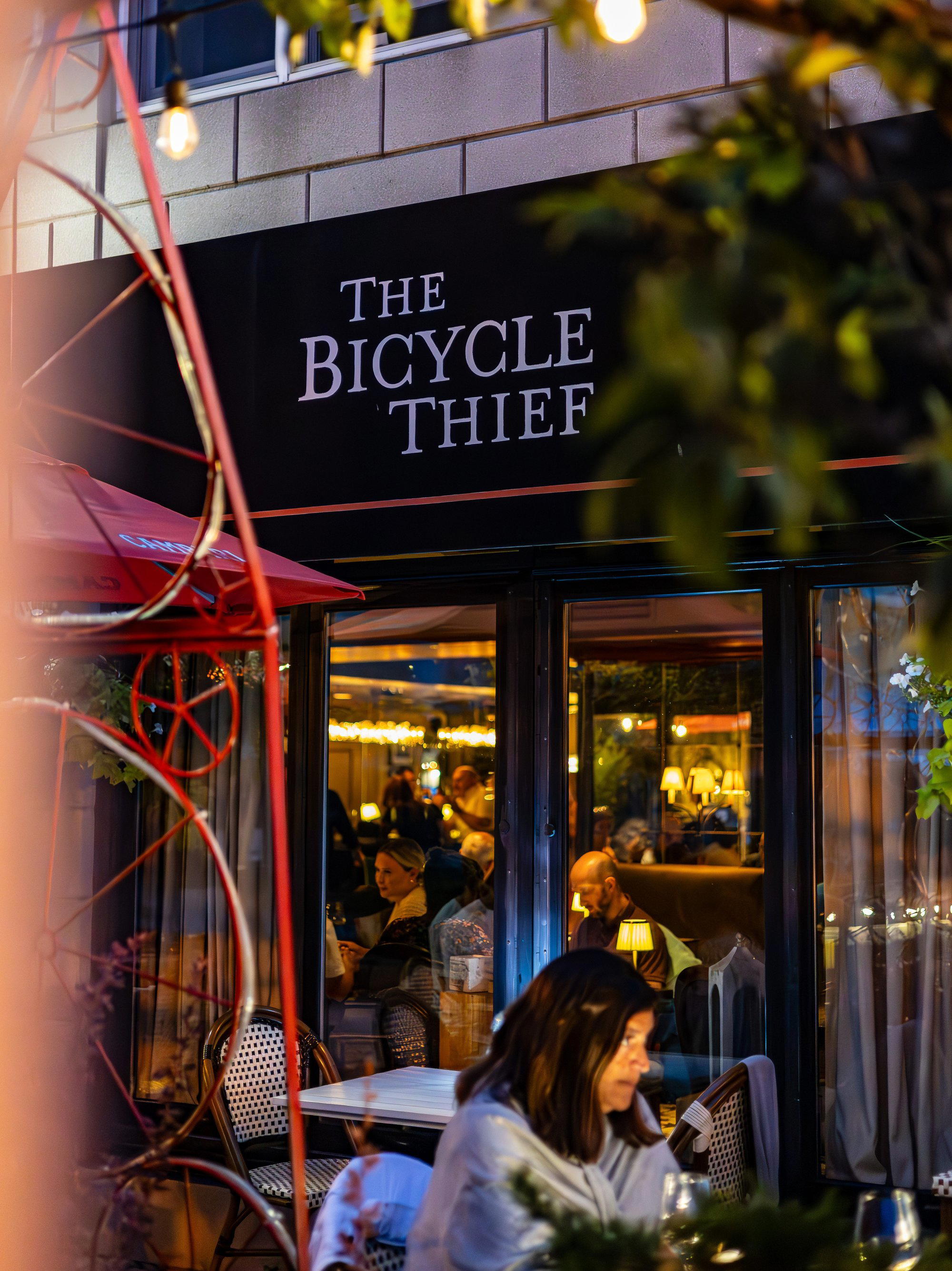
| The Bicycle Thief | Italian with Nova Scotian Seafood | $50–100 | Not listed | Downtown Halifax |
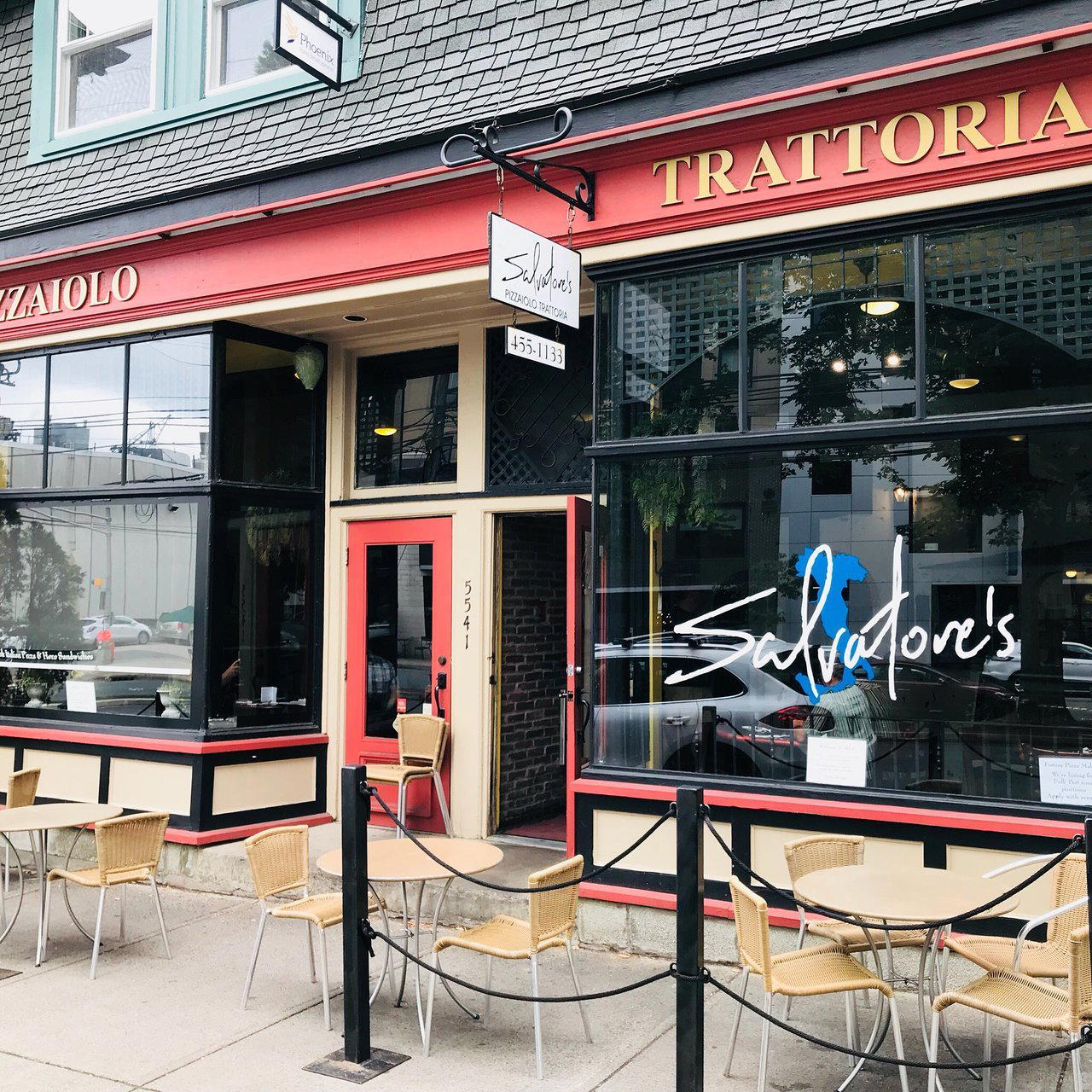
| Salvatore's Pizzaiolo Trattoria | New York-Style Italian Pizza Trattoria | $20–30 | Not listed | Hydrostone |
| Armview Restaurant & Lounge | Classic Canadian Comfort | $20–30 | Not listed | Northwest Arm |
Continue exploring
More in Halifax
Restaurants in Halifax
All restaurants in Halifax →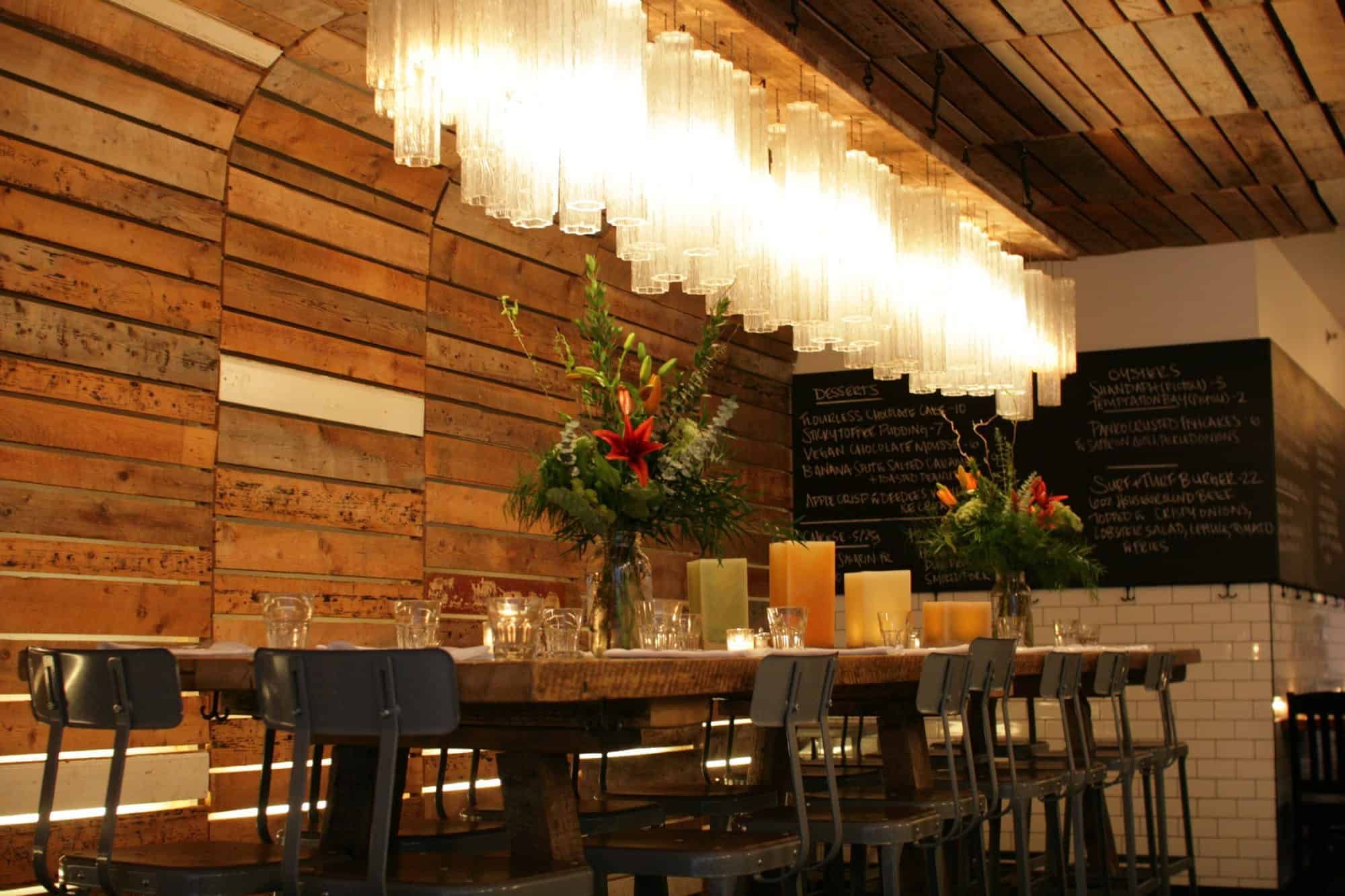
Bars in Halifax
All bars in Halifax →


Details
- Intimate
- Elegant
- Cozy
- Special Occasion
- Date Night
- Open Kitchen
- Sommelier Led
- Corkage Allowed
- Local Sourcing
- Tasting Menu
- Vegetarian Friendly
- Pescatarian Friendly
- Allergy Accommodating
Current opening hours
- Monday
- Closed
- Tuesday
- Closed
- Wednesday
- 10 AM–6 PM
- Thursday
- 10 AM–6 PM
- Friday
- 10 AM–6 PM
- Saturday
- 9 AM–5 PM
- Sunday
- 10 AM–5 PM
Hours can change for holidays and private events. Hours as of .
Intimate setting with 14 seats at a communal table and 6 at the kitchen counter, offering a refined and quiet atmosphere focused on craftsmanship and seasonal ingredients.