
The kitchen works within a tradition that prizes balance across a full meal rather than single-dish spectacle, placing it firmly in Singapore's serious Indian dining tier.
Pearl is the En Primeur Club membership app — saves, bookings, and concierge access live there. Same editors, same standards.
- Address
- 32 Race Course Rd, Singapore 218552
- Phone
- +65 6297 8422
- Website
- mustardsingapore.com
- Directions
- Get directions
 Saves & bookings on Pearl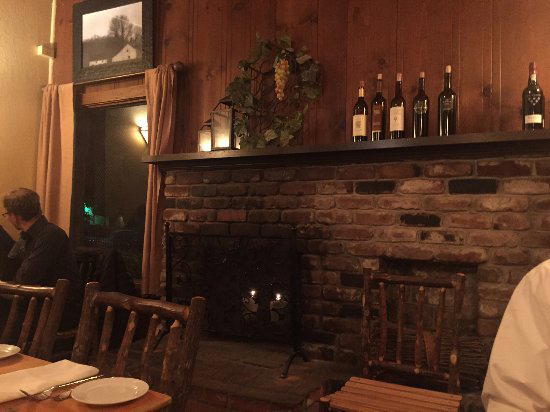
Race Course Road and the Weight of Indian Dining History
Race Course Road in Singapore's Little India carries a different kind of pressure than the city's hotel dining corridors or Tanjong Pagar restaurant rows. The street has been a reference point for Indian cooking in Singapore for decades, which means every kitchen operating here competes not just against neighbouring tables but against accumulated memory. Regulars arrive with a mental benchmark formed over years of fish-head curries, thosai breakfasts, and slow-cooked gravies. That context matters when reading Mustard's position on this stretch.
On a street with formidable competition including Muthu's Curry and Lagnaa, that kind of score reflects something the food is doing right across a wide range of diners and meal occasions.
The Logic of a Complete Indian Meal
The thali philosophy, the idea that an Indian meal is not a single focal dish but a composition of complementary elements, is among the more misunderstood formats in global dining. In most non-specialist contexts, it collapses into variety-for-variety's-sake: a rotating sampler plate without internal logic. The Indian restaurants that earn serious critical attention tend to be the ones that treat balance as architecture rather than decoration. A properly constructed meal moves between fat and acid, heat and cooling, dry and wet, in a sequence that feels considered rather than arbitrary.
This is the frame through which Mustard reads most clearly. The Michelin Plate recognition, which signals cooking that meets Michelin's threshold for quality without reaching starred territory, typically attaches to kitchens where the fundamentals are sound and consistent. On Race Course Road, where the regional diversity of the Indian subcontinent shows up in everything from Tamil Nadu-style preparations to North Indian dals and bread traditions, a kitchen that handles range without losing coherence is doing something worth noting.
The breadth of Indian regional cooking represented in Singapore's Little India is itself worth understanding as a visitor or returning resident. This is not a single cuisine. The distance between a Bengali mustard-based preparation and a Chettinad spice profile is comparable to the distance between a Provençal stew and a Venetian risotto, same continental frame, entirely different logic. Restaurants that attempt to span that range without flattening it face a genuine editorial and culinary challenge. Mustard's name, with its reference to a pungent, fat-soluble spice used prominently in eastern Indian cooking, hints at a kitchen with regional specificity in at least part of its repertoire.
Where Mustard Sits in Singapore's Indian Dining Tier
Singapore's Indian restaurant scene has a distinct two-tier structure. The first tier is neighbourhood and community dining: tiffin houses, banana-leaf joints, hawker-stall curry operations where the logic is speed, familiarity, and price. The second tier is composed of restaurants that aspire to something more considered, multi-course formats, wine-pairing options, or kitchens building regional specificity into their menus. Mustard, priced at about US$25 per person, sits in the accessible-to-mid range, which places it above hawker-adjacent operations but below the premium Indian dining represented by restaurants like Anglo Indian in Shenton Way or the more concept-driven Bhoomi.
That middle position is often the demanding. A $$ restaurant on a competitive Indian dining street has to justify itself against cheaper options that carry decades of neighbourhood loyalty, while also offering enough quality to retain diners who might otherwise move toward more polished formats.
Globally, Indian cooking at restaurant level has shifted considerably over the past decade. Formats like Trèsind Studio in Dubai and Chaat in Hong Kong have pushed Indian cuisine into fine-dining territory with tasting menus and modernist technique. Across the wider region, INDDEE in Bangkok works within a similar neighbourhood-specialist register. Mustard's positioning on Race Course Road connects it to a different tradition: the long-established urban Indian restaurant that earns recognition through technical competence and consistent quality within classical frameworks, rather than through reinvention.
For comparison, Indian restaurants that have pursued the fine-dining route in other cities, Opheem in Birmingham, Jamavar in Dubai, Musaafer in Houston, Rania in Washington D.C., and Avatara in Dubai, operate at higher price points with formats built around ceremony and progression. Mustard's $$ pricing and Race Course Road address signal a different compact with the diner: more direct access, less theatrical distance between kitchen and table.
Planning Your Visit
Race Course Road is accessible via the Little India MRT station (NE7/DT12), which sits within walking distance of the 32 Race Course Road address. The street runs parallel to Serangoon Road and is dense with dining options at multiple price points, making it a practical base for a longer Indian food itinerary rather than a single-restaurant destination.
| Venue | Price Tier | Recognition | Google Rating | Format |
|---|---|---|---|---|
| Mustard | $$ | Michelin Plate 2024 | 4.6 (2,715 reviews) | Indian, Race Course Rd |
| Muthu's Curry | $$ | Long-established neighbourhood anchor | , | Tamil, Race Course Rd |
| Lagnaa | $$ | Specialist regional Indian | , | North/South Indian |
| Bhoomi | $$–$$$ | Concept-driven Indian | , | Modern Indian |
| Anglo Indian | $$$ | CBD premium tier | , | Anglo-Indian, Shenton Way |
For a high-end French point of comparison elsewhere in the city, Les Amis operates at the opposite end of Singapore's dining price spectrum.
Cuisine-First Comparison
Comparable venues nearby, for context on price, style, and recognition.
| Venue | Cuisine | Price | Awards | Notes |
|---|---|---|---|---|
| MustardThis venue — the venue you are viewing | Bengali & Punjabi | $$ | Michelin Plate | Not listed |
| Bhoomi | Modern Regional Indian Fine Dining | $$$ | Michelin Plate | BOULEVARD |
| Khiri | Dining | Not listed | Michelin Plate | LAVENDER |
| An Nam | Vietnamese Noodle Bar | $$ | Not listed | BOULEVARD |
| Imbue | Dining | Not listed | Michelin Plate | CHINATOWN |
| People's Park Hainanese Chicken Rice | Hainanese Chicken Rice | $ | Michelin Plate | PEARL'S HILL |
Recognition history
Dated appearances from independent guides and award organizations, with the underlying list record or original source where available.
Michelin Guide Plate
Michelin Guide
Michelin Plate
Michelin
Continue exploring
More in Singapore
Restaurants in Singapore
Browse all →
Bars in Singapore
Browse all →
At a Glance
- Cozy
- Intimate
- Family
- Celebration
- Group Dining
- Date Night
- Special Occasion
- Standalone
Current opening hours
- Monday
- 11:30 AM–3 PM, 6–10:45 PM
- Tuesday
- 11:30 AM–3 PM, 6–10:45 PM
- Wednesday
- 11:30 AM–3 PM, 6–10:45 PM
- Thursday
- 11:30 AM–3 PM, 6–10:45 PM
- Friday
- 11:30 AM–3 PM, 6–10:45 PM
- Saturday
- 11:30 AM–4 PM, 6–10:45 PM
- Sunday
- 11:30 AM–3 PM, 6–10:45 PM
Hours can change for holidays and private events. Last verified .
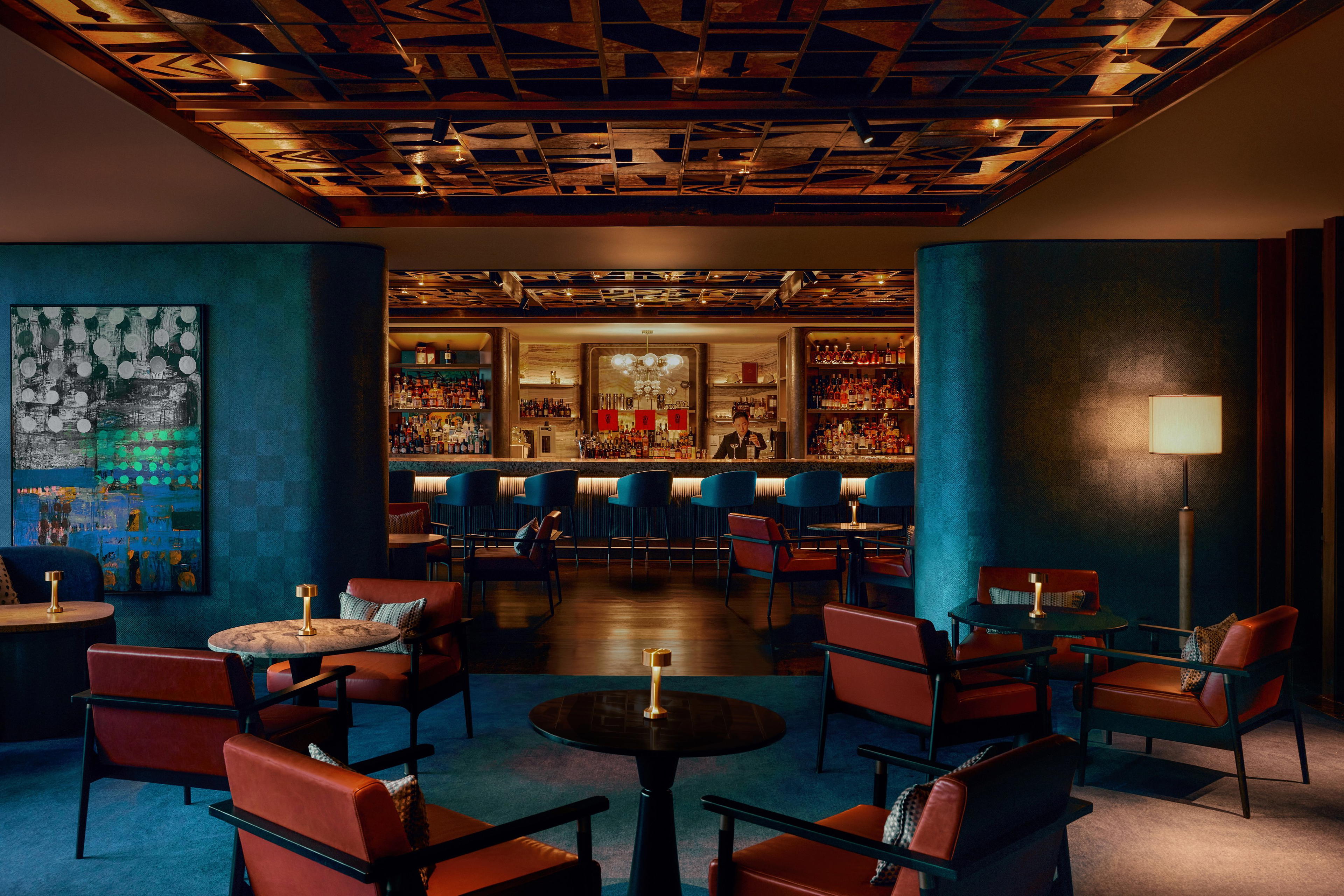
Cozy, modest shophouse space with warm, attentive service; intimate setting that can feel slightly cramped during busy hours but creates a welcoming, home-like atmosphere.