Muse Restaurant occupies a Larvotto address on Avenue Princesse Grâce, placing it inside one of Monaco's most concentrated stretches of waterfront dining. The address alone signals a particular tier of expectation in a principality where competition at the upper end is both serious and relentless. Visitors to Larvotto's dining corridor will find Muse alongside a comparable set that includes Coya and Avenue 31.
Pearl is the En Primeur Club membership app — saves, bookings, and concierge access live there. Same editors, same standards.
- Address
- 22 Av. Princesse Grace, 98000 Monaco
- Phone
- +377 6 40 61 38 89
- Website
- marriott.com
- Directions
- Get directions
 Saves & bookings on Pearl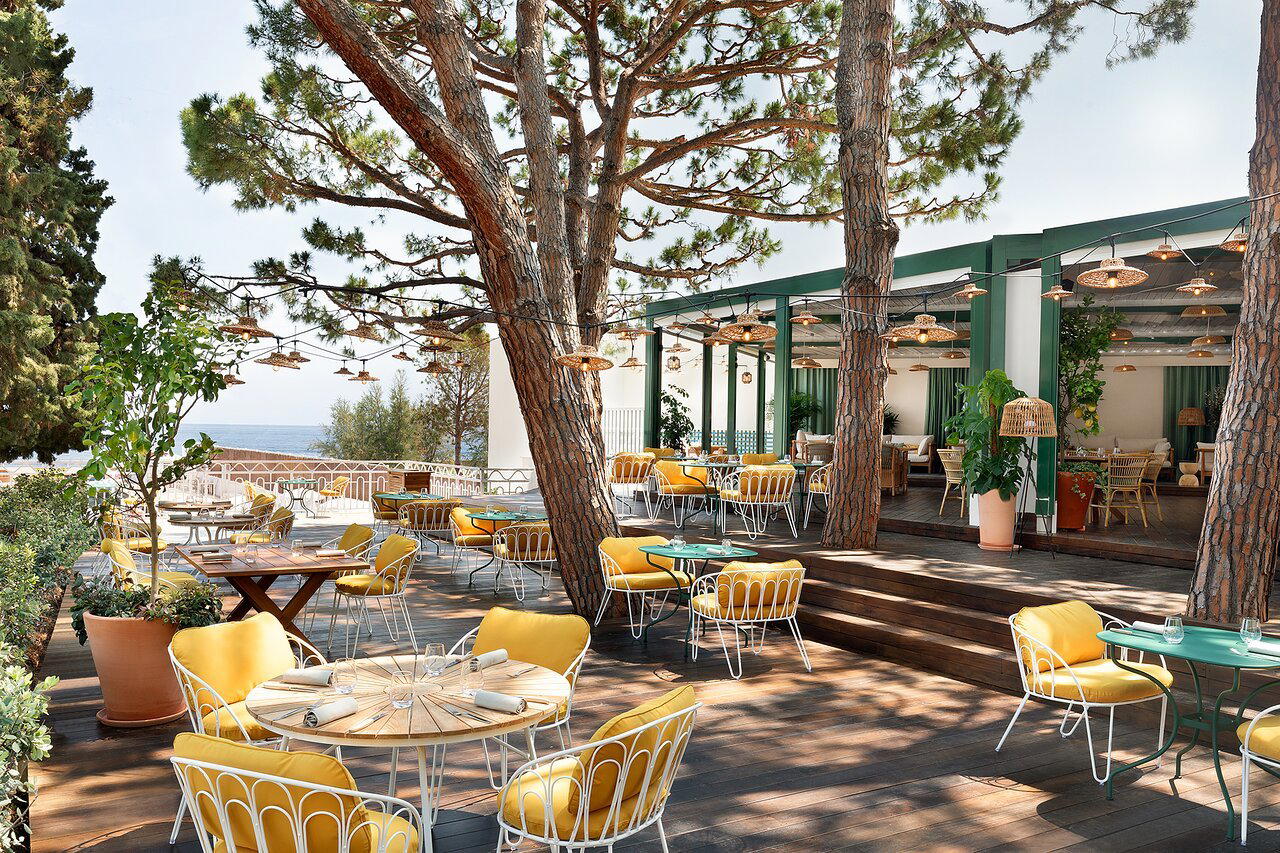
Dining on Avenue Princesse Grâce: What the Address Signals
Avenue Princesse Grâce is one of the few stretches in Monaco where a restaurant's postcode does meaningful editorial work. The road runs along the Larvotto waterfront, and the dining options concentrated here occupy a specific position in Monaco's broader restaurant hierarchy: visible enough to attract the international set, but distinct from the trophy dining of the Casino district. Muse Restaurant, a Modern Mediterranean restaurant at 22 Av. Princesse Grace in Monaco, sits inside this corridor with neighbours that include Coya, Avenue 31, Giacomo, Neptun Monaco Beach, and Smakelijk Monaco.
Monaco's dining scene has long operated on two distinct registers. The first is the institutional fine dining tier, anchored by houses like Alain Ducasse's Louis XV in Monte Carlo, which has carried three Michelin stars for decades and functions as a reference point for the entire principality's culinary reputation. The second register is more fluid: restaurants that serve a wealthy, internationally mobile clientele without the formal apparatus of tasting menus and white-glove service. Larvotto's restaurant row tends toward this second register, and understanding where any given venue sits within it requires attention to context rather than awards alone.
Monaco as a Dining Context: What Makes the Principality Different
Few cities of Monaco's physical size carry the dining pressure that the principality does. With a resident population that skews toward high net worth, a constant rotation of yacht-based visitors, and a Grand Prix calendar that fills the territory beyond capacity once a year, the restaurants here operate against a demand profile unlike anywhere else on the Côte d'Azur. That pressure does two things simultaneously: it rewards consistency, because clientele returns and talks, and it tolerates a degree of premium pricing that would be harder to sustain in nearby Nice or Cannes.
The Larvotto quarter specifically has developed as a counterpoint to the older, more formal Monaco-Ville and the casino-adjacent Monte Carlo core. The beach access and the relative openness of the streetscape give the neighbourhood a slightly more relaxed register, even when the restaurants themselves are anything but casual in terms of price or execution. For visitors who find the weight of Monte Carlo's ceremonial dining slightly oppressive, Larvotto offers the same standard of expectation with a different atmospheric posture. For a broader survey of what the area offers,
Cultural Roots and What They Mean at This Latitude
The cuisine of the western Mediterranean coast carries a particular burden of identity. The border between French Riviera cooking and Ligurian Italian tradition runs directly through this corner of Europe, and Monaco sits almost precisely on that seam. Historically, the principality's kitchens drew from both sides: the olive oil and vegetable-forward register of Provence, the pasta and seafood traditions of Genoa, and the classical French technique that arrived with the grand hotel era and never entirely left. Any restaurant operating in this geography is working within, or consciously against, that inherited framework.
Internationally, the dining cities that have resolved this kind of hybrid identity most successfully tend to be those where the local culinary culture is treated as a starting point rather than a constraint. Le Bernardin in New York City operates with French technique applied to a city with entirely different sourcing conditions. Atomix in New York City represents Korean culinary tradition reinterpreted through a fine dining format. 8½ Otto e Mezzo Bombana in Hong Kong brought Italian classical training to a market shaped by entirely different tastes. The pattern across all of them is the same: clarity about which tradition anchors the kitchen, and the discipline to execute it consistently. Monaco's best-regarded restaurants follow that logic, and the address on Avenue Princesse Grâce places Muse in a position where that question of culinary identity is always in play.
Closer to Monaco's own orbit, the comparison set includes restaurants like Amici Miei in Fontvieille and Il Pacchero in Condamine, which represent the Italian strand of Monaco's restaurant culture, while La Montgolfière-Henri Geraci in Monaco City and Hostellerie Jerome in La Turbie anchor the French classical tradition just outside the principality's borders. Nobu Monte Carlo represents the international-format restaurant that has become central to Monaco's dining identity, particularly for the yachting and Grand Prix crowd.
Format, Experience, and the Larvotto Register
The experience-led dining model, where the environment and occasion matter as much as the plate, has become the dominant format in waterfront Monaco. Restaurants on and near Avenue Princesse Grâce compete on atmosphere as directly as they compete on food, and the guest who arrives for dinner is typically making a choice that accounts for setting, crowd, and occasion alongside the menu. This is not a criticism; it reflects the reality of dining in a principality where the social function of a restaurant is inseparable from its culinary one.
The comparison with more format-driven international restaurants is instructive. Alinea in Chicago and Lazy Bear in San Francisco represent the American end of the experience-led dining spectrum, where the format itself is the editorial statement. Emeril's in New Orleans occupies a different tier, where the personality of place and the pull of a city's culinary tradition do the heavy lifting. In Monaco, the equivalent pull is the principality's own mythology: the wealth, the light, the sense that the Mediterranean is both backdrop and ingredient.
Planning a Visit: What to Know Before You Go
Larvotto restaurants operate within Monaco's broader hospitality rhythm, which means demand is highest during the Grand Prix period in May, peaks again across July and August with the summer resident and yacht crowd, and eases considerably from November through February. Visitors who want to experience the quarter at its most atmospheric without the peak-season pressure should consider September or early October, when the Mediterranean light remains strong and the competition for tables at the better addresses is meaningfully lower.
Cost Snapshot
Comparable venues nearby, for context on price, style, and recognition.
| Venue | Cuisine | Price | Notes |
|---|---|---|---|
| Muse RestaurantThis venue — the venue you are viewing | Larvotto, Modern Mediterranean | $$$$ | Not listed |
| Coya | Larvotto, Peruvian Fusion | $$$$ | Not listed |
| The Niwaki | Larvotto, Contemporary Japanese Sushi | $$$$ | Not listed |
| Neptun Monaco Beach | Larvotto, Mediterranean Coastal | $$$ | Not listed |
| Giacomo | Larvotto, Italian Trattoria | $$$ | Not listed |
| Avenue 31 | Not listed | $$$ | Larvotto, Modern Mediterranean with Italian Specialties |
Continue exploring
More in Larvotto
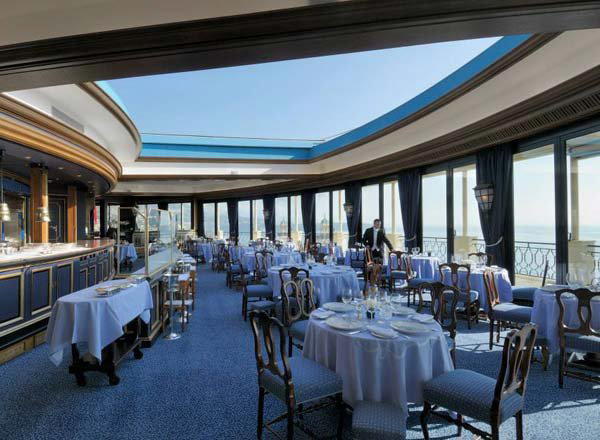
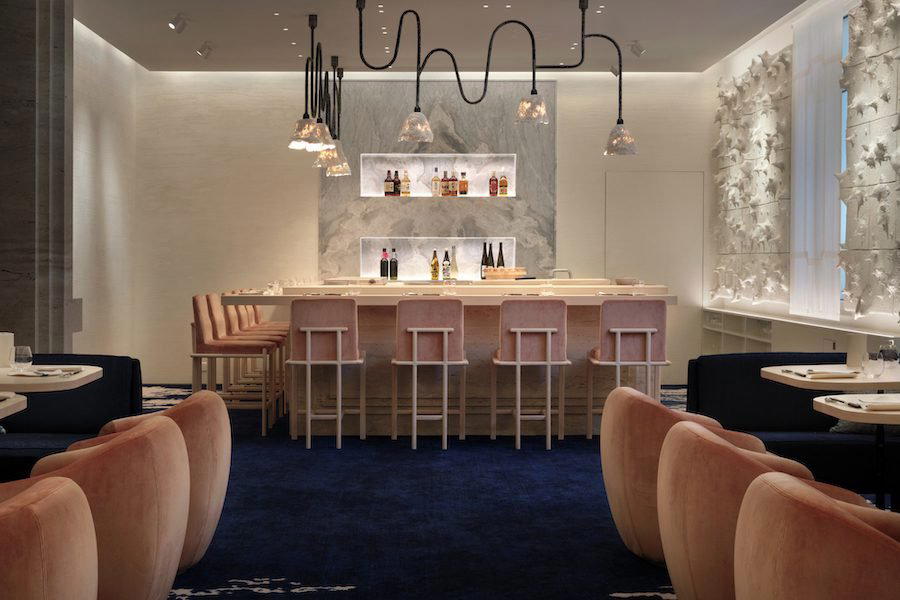
Restaurants in Larvotto
Browse all →
Bars in Larvotto
Browse all →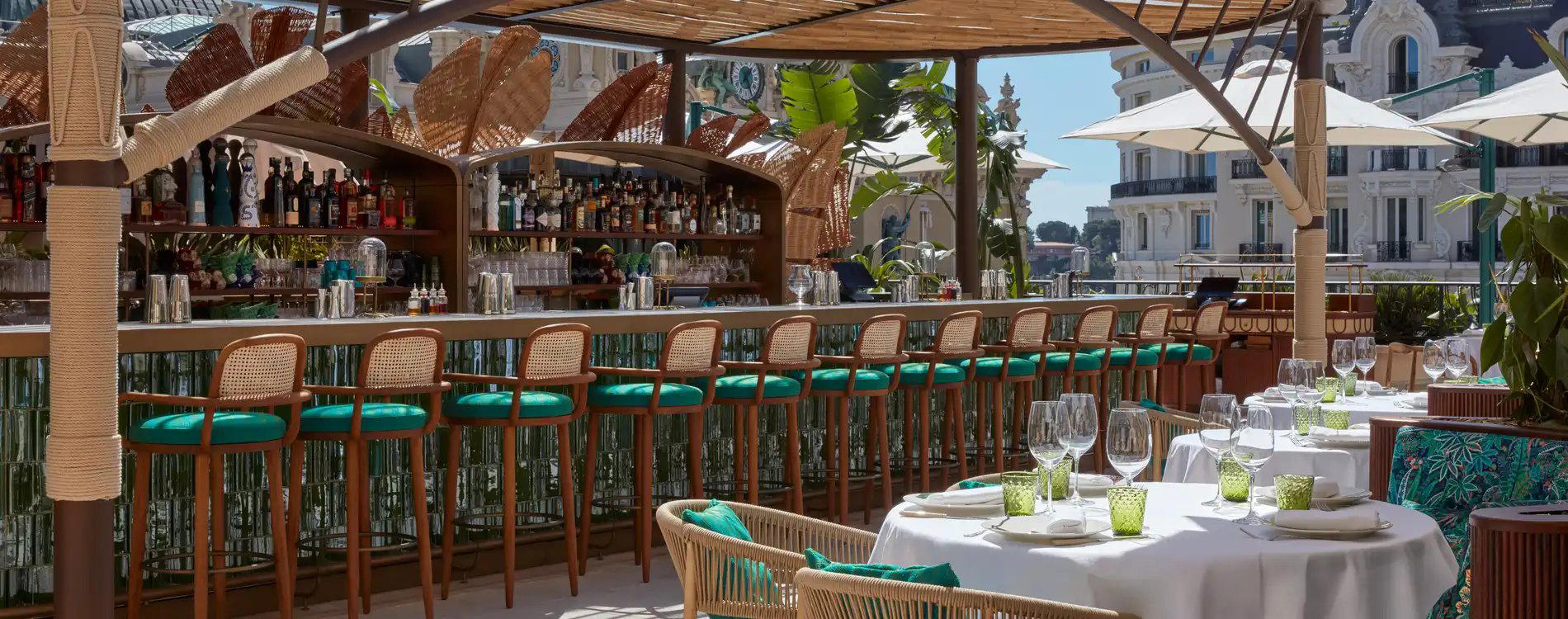
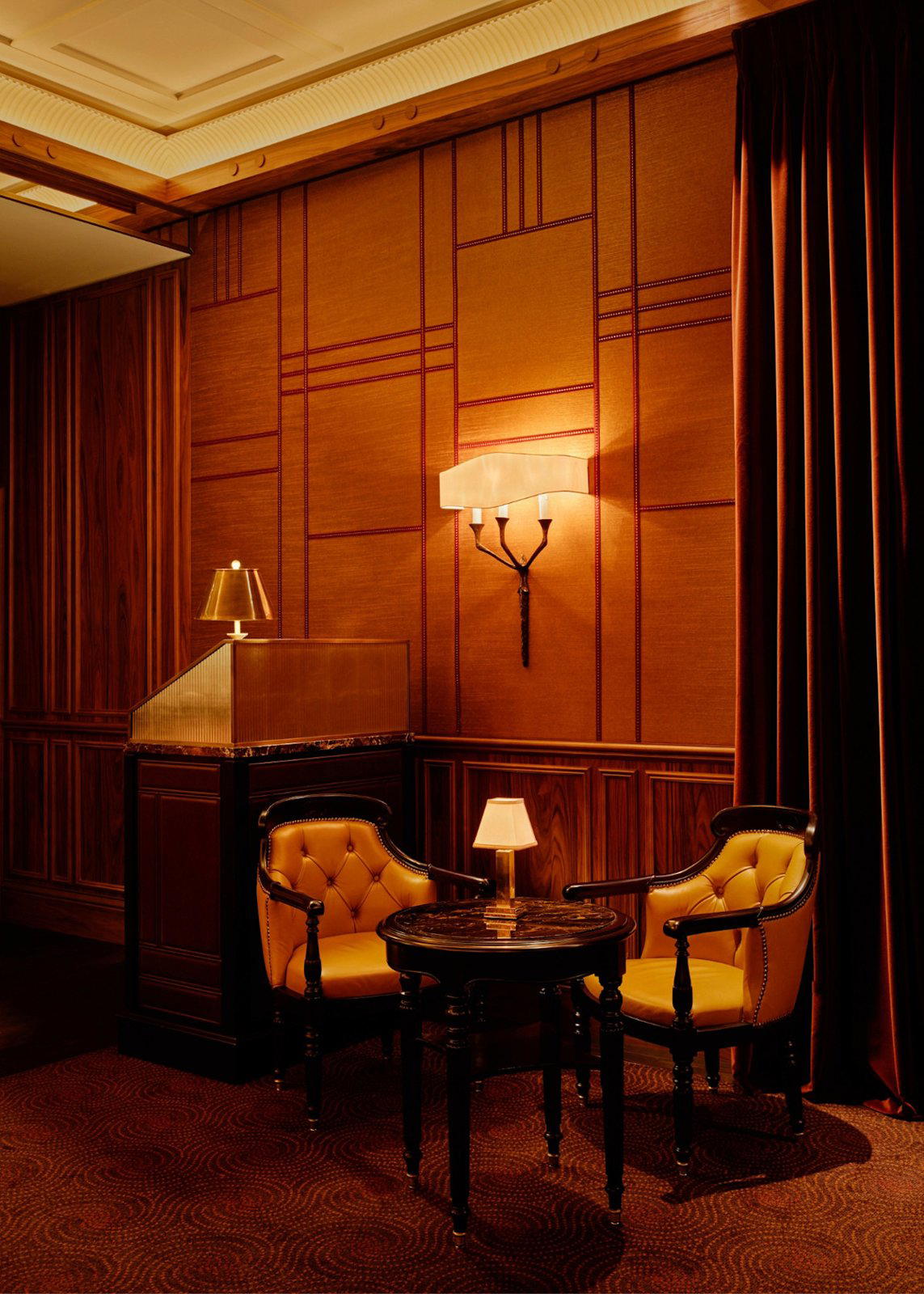
Hotels in Larvotto
Browse all →

At a Glance
- Elegant
- Relaxed
- Sophisticated
- Date Night
- Special Occasion
- Waterfront
- Terrace
- Hotel Restaurant
- Craft Cocktails
- Waterfront
Current opening hours
- Monday
- 12–3 PM
- Tuesday
- 12–3 PM
- Wednesday
- 12–3 PM
- Thursday
- 12–3 PM
- Friday
- 12–3 PM
- Saturday
- 12–3 PM
- Sunday
- 12–3 PM
Hours can change for holidays and private events. Last verified .
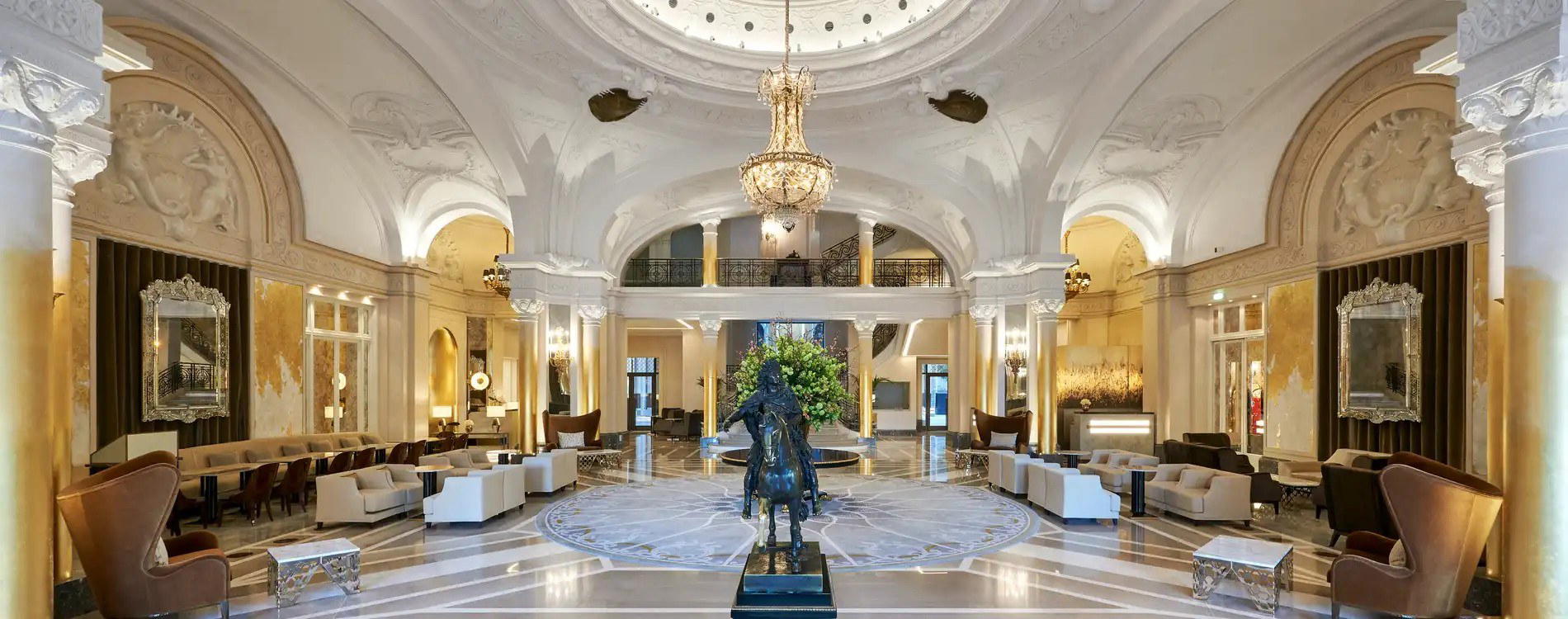
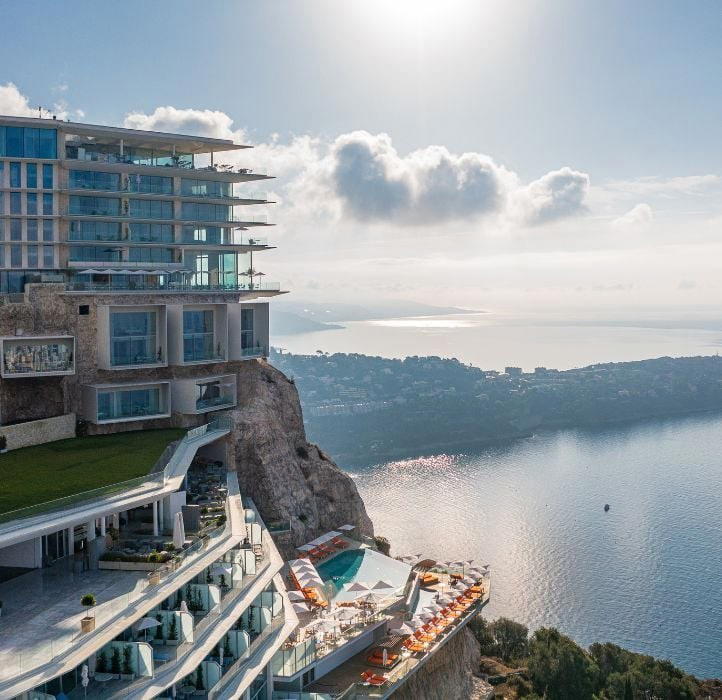
Chic and relaxed atmosphere with naturally shaded pine surroundings, light breezes, and sea-facing terrace.