Coya brings the Peruvian Nikkei tradition to Monaco's Larvotto district, placing bold ceviches and anticuchos alongside a bar program built for the principality's after-dark pace. The address on Avenue Princesse Grâce positions it within easy reach of the beach and the quarter's broader dining strip, where Mediterranean-facing terraces and Latin American kitchens share the same coastal stretch.
Pearl is the En Primeur Club membership app — saves, bookings, and concierge access live there. Same editors, same standards.
- Address
- 26 Av. Princesse Grâce, 98000 Monaco
- Phone
- +37798062020
- Website
- montecarlosbm.com
- Directions
- Get directions
 Saves & bookings on Pearl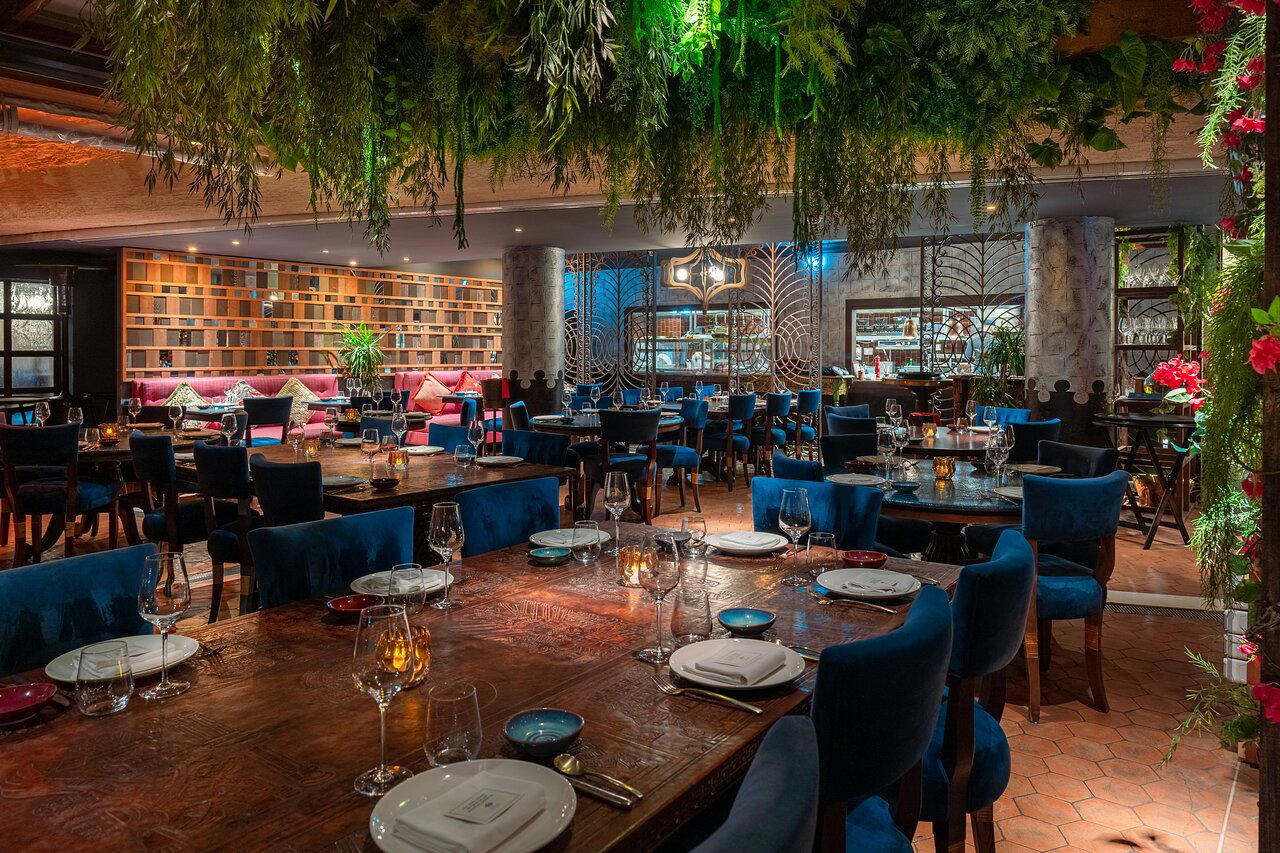
Latin American Cooking on the Mediterranean Shore
Monaco's Larvotto quarter occupies a narrow coastal band between the Grimaldi Forum and the principality's eastern limit, and its restaurant strip reflects the layered internationalism that defines the city-state at large. French technique, Italian tradition, and pan-Asian formats share the avenue with kitchens drawing from further afield. Coya, at 26 Avenue Princesse Grâce, sits within that mix as one of the relatively few addresses in Monaco where Peruvian Fusion cooking forms the core of the menu. The Larvotto neighbours span a range of registers: Avenue 31, Giacomo, Muse Restaurant, Neptun Monaco Beach, and Smakelijk Monaco each pull from different culinary traditions, making the district less a monoculture than a compressed anthology of global cooking accessed from a single coastal road.
The Nikkei Tradition and Why It Travels Well
Peruvian cooking in its modern international form is inseparable from Nikkei, the culinary fusion that emerged after Japanese immigration to Peru accelerated in the late nineteenth and early twentieth centuries. Japanese technique applied to Andean and coastal Peruvian ingredients produced a cuisine with unusual structural depth: the precision and restraint of Japanese knife work meeting the acidic intensity of citrus-cured fish, the heat of ají amarillo, and the earthiness of native Peruvian tubers. That combination travels across markets with relative ease because it operates on contrasts that read clearly regardless of the diner's culinary background. Acid cuts through fat; heat arrives in layers rather than as a blunt instrument; fermentation and fresh raw preparations share the same plate. Coya, as a brand with roots in London's Mayfair dining market, built its identity around that Nikkei framework, and the Monaco outpost carries that language into a city otherwise dominated by French and Italian registers.
Where Coya Sits in Monaco's Dining Tier
Monaco dining occupies a compressed premium band. The floor is higher than in most European cities, partly because of real estate economics and partly because the resident and visitor base supports pricing that would thin out a room elsewhere. At the summit of the market, addresses like Alain Ducasse's Louis XV in Monte Carlo and Hostellerie Jérôme in La Turbie define the Michelin-starred tier. Coya operates below that formal register but above the casual end of the market, in the bracket that prizes atmosphere and a recognisable brand identity alongside the food itself. That positioning is common in the principality: venues like Beef Bar Monaco occupy a similar social function, where the room and the scene carry weight alongside what arrives on the plate. The comparison is not a criticism. Monaco's premium-casual tier serves a genuine need, and it is where much of the city's after-dark energy concentrates.
Across the wider principality, the contrast sharpens further when set against neighbourhood-rooted addresses such as Amici Miei in Fontvieille, Castelroc in Monaco City, or Il Pacchero in Condamine, which draw primarily on Italian and Monégasque traditions with less emphasis on the international brand identity that Coya projects. Both approaches have a logic in a city that hosts a resident population with strong local culinary preferences alongside a constant flux of international visitors.
The Bar Program and the Evening Arc
Coya's format internationally places significant weight on the bar alongside the kitchen, and that structure fits Larvotto's evening rhythm. The district picks up pace after sunset, and addresses that can hold a table through a long dinner and then transition into late drinks retain an advantage in this particular market. Pisco-based cocktails form the anchor of Coya's bar language: pisco sour, pisco punch, and variations built around the same Andean grape brandy that has defined Peruvian drinking culture for centuries. That specificity gives the bar program a coherent identity rather than a generic premium list, and it connects back to the kitchen's Peruvian reference points in a way that feels considered rather than assembled from separate parts.
For readers comparing Coya's format against international benchmarks, addresses like Le Bernardin in New York City, Lazy Bear in San Francisco, or Atomix in New York City represent what deeply focused tasting-format cooking looks like at the serious end of the spectrum. Coya occupies a different position on that axis, prioritising energy and accessibility over the austere focus of a counter-only omakase or a fixed progression menu. That is a deliberate editorial position, not a shortcoming. For cooking built around long narrative progression and regional specificity, Dal Pescatore in Runate or Atelier Moessmer Norbert Niederkofler in Brunico represent that alternative register. Emeril's in New Orleans offers a further point of comparison for ambitious cooking that maintains broad accessibility without retreating from seriousness.
Planning a Visit
The address at 26 Avenue Princesse Grâce places Coya within the Larvotto coastal strip, walkable from the beach and accessible from Monte Carlo's main hotel concentration without requiring a car. Coya is open Wednesday through Sunday from 7 PM to 1 AM, and reservations are recommended. Monaco's compact geography means that most of the principality's accommodation is within a short distance. Given the volume that Larvotto restaurants attract during the summer season and across the Grand Prix and Formula E calendar, booking ahead is advisable for dinner; the bar may absorb walk-ins later in the evening, but the dining room at peak times operates on reservations. Dress expectations at this tier of Monaco dining trend toward smart casual at minimum, with the room's ambient formality typically lifting that floor toward something more considered on weekends and during the major events calendar.
Cost and Credentials
Comparable venues nearby, for context on price, style, and recognition.
| Venue | Cuisine | Price | Notes |
|---|---|---|---|
| CoyaThis venue — the venue you are viewing | Larvotto, Peruvian Fusion | $$$$ | Not listed |
| The Niwaki | Larvotto, Contemporary Japanese Sushi | $$$$ | Not listed |
| Muse Restaurant | Larvotto, Modern Mediterranean | $$$$ | Not listed |
| Avenue 31 | Not listed | $$$ | Larvotto, Modern Mediterranean with Italian Specialties |
| Giacomo | Larvotto, Italian Trattoria | $$$ | Not listed |
| Neptun Monaco Beach | Larvotto, Mediterranean Coastal | $$$ | Not listed |
Continue exploring
More in Larvotto
Restaurants in Larvotto
Browse all →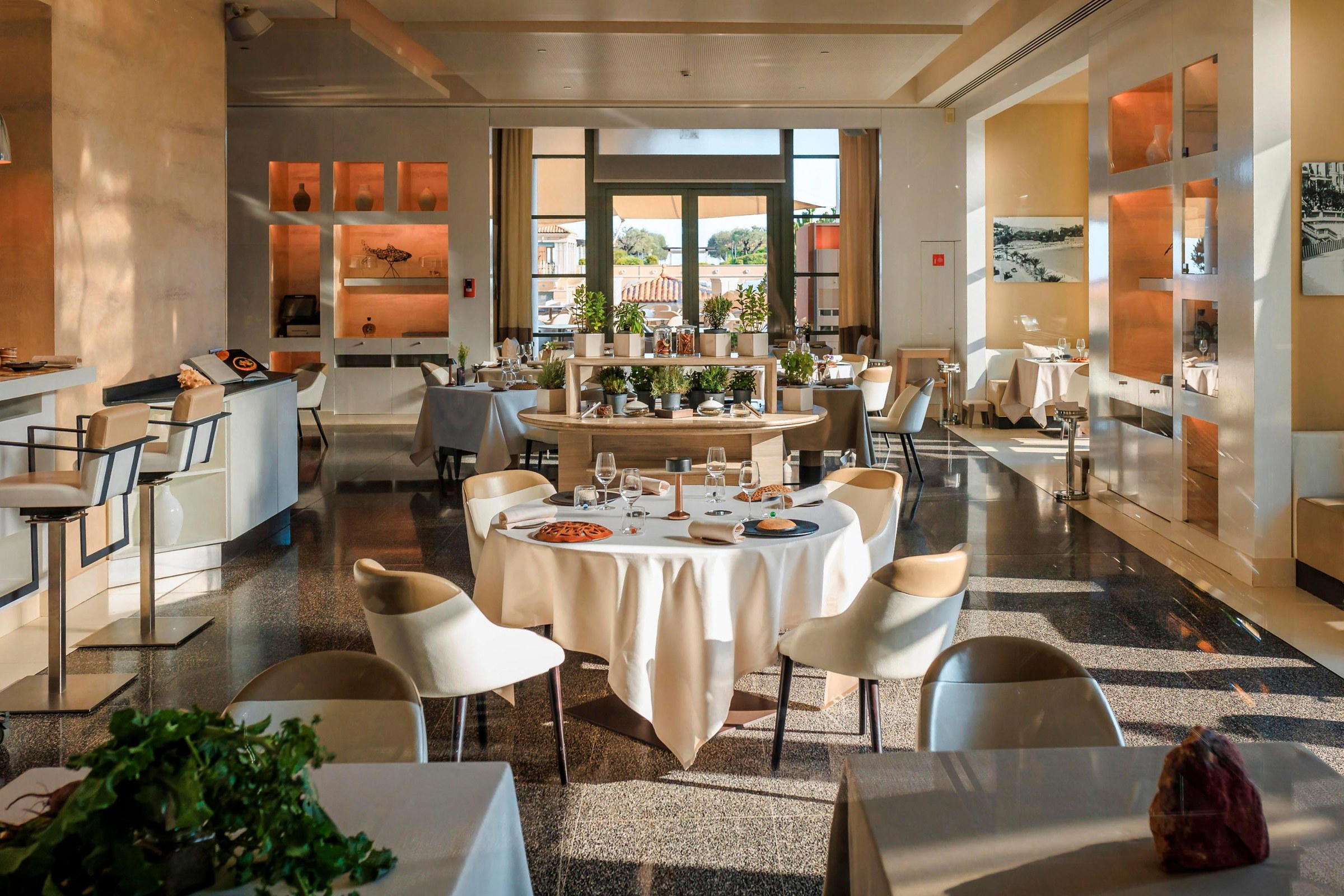
Bars in Larvotto
Browse all →
Hotels in Larvotto
Browse all →

At a Glance
- Lively
- Elegant
- Sophisticated
- Energetic
- Date Night
- Celebration
- Late Night
- Terrace
- Live Music
- Waterfront
- Craft Cocktails
- Waterfront
Current opening hours
- Monday
- Closed
- Tuesday
- Closed
- Wednesday
- 7 PM–1 AM
- Thursday
- 7 PM–1 AM
- Friday
- 7 PM–1 AM
- Saturday
- 7 PM–1 AM
- Sunday
- 7 PM–1 AM
Hours can change for holidays and private events. Last verified .
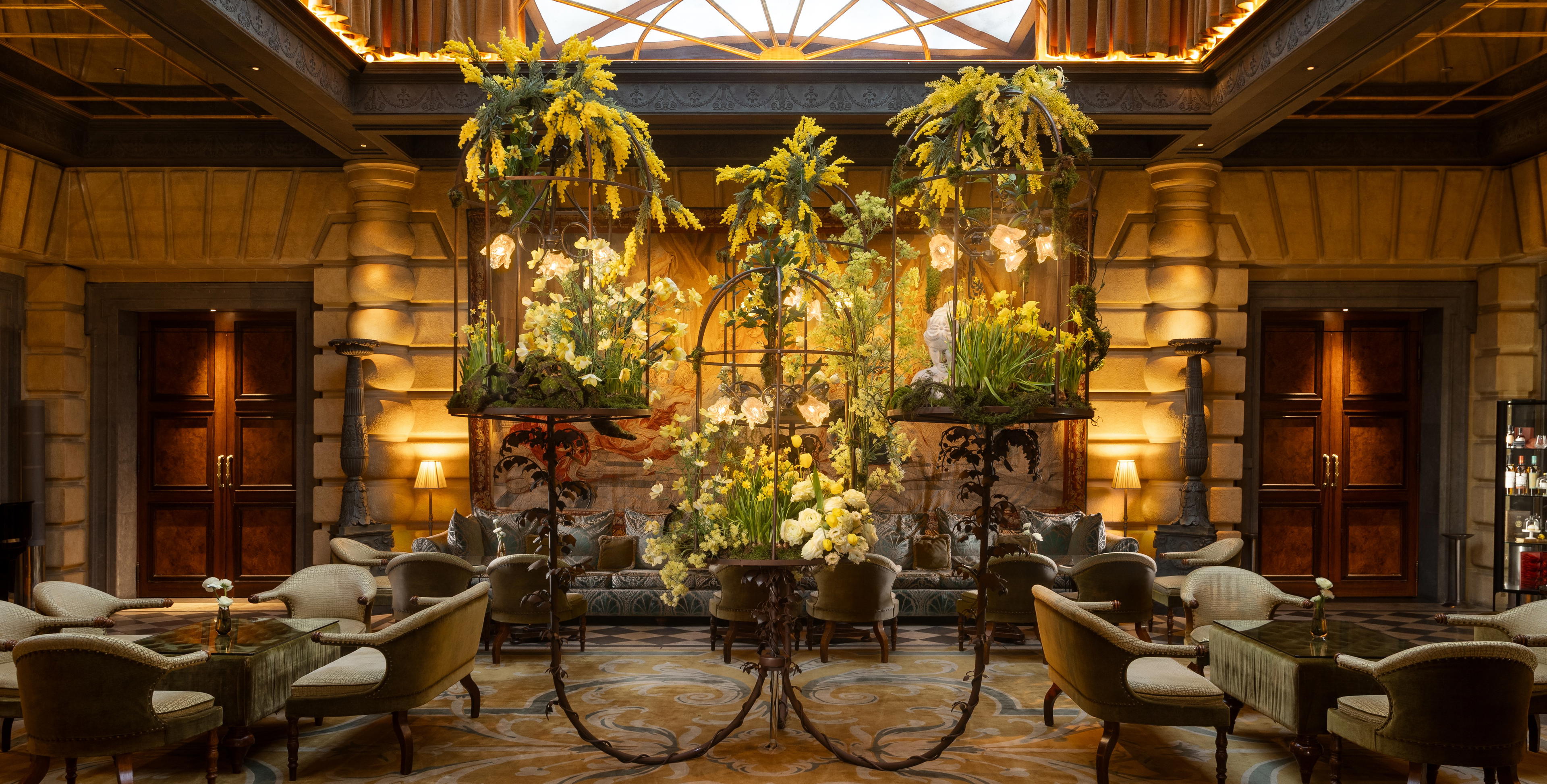
Festive and dynamic atmosphere with Latin beats, DJ, lounge areas, and dramatic Mediterranean views from the terrace.