Munay Club Barcelona
Munay Club Barcelona sits on Camí Serral-llarg in Viladecans, a municipality south of the city that operates outside the standard Barcelona dining circuit.
Pearl is the En Primeur Club membership app — saves, bookings, and concierge access live there. Same editors, same standards.
- Address
- Cami Serral-llarg, 12, 08840 Barcelona, Spain
- Phone
- +34937969043
- Website
- munayclub.com
- Directions
- Get directions
 Saves & bookings on Pearl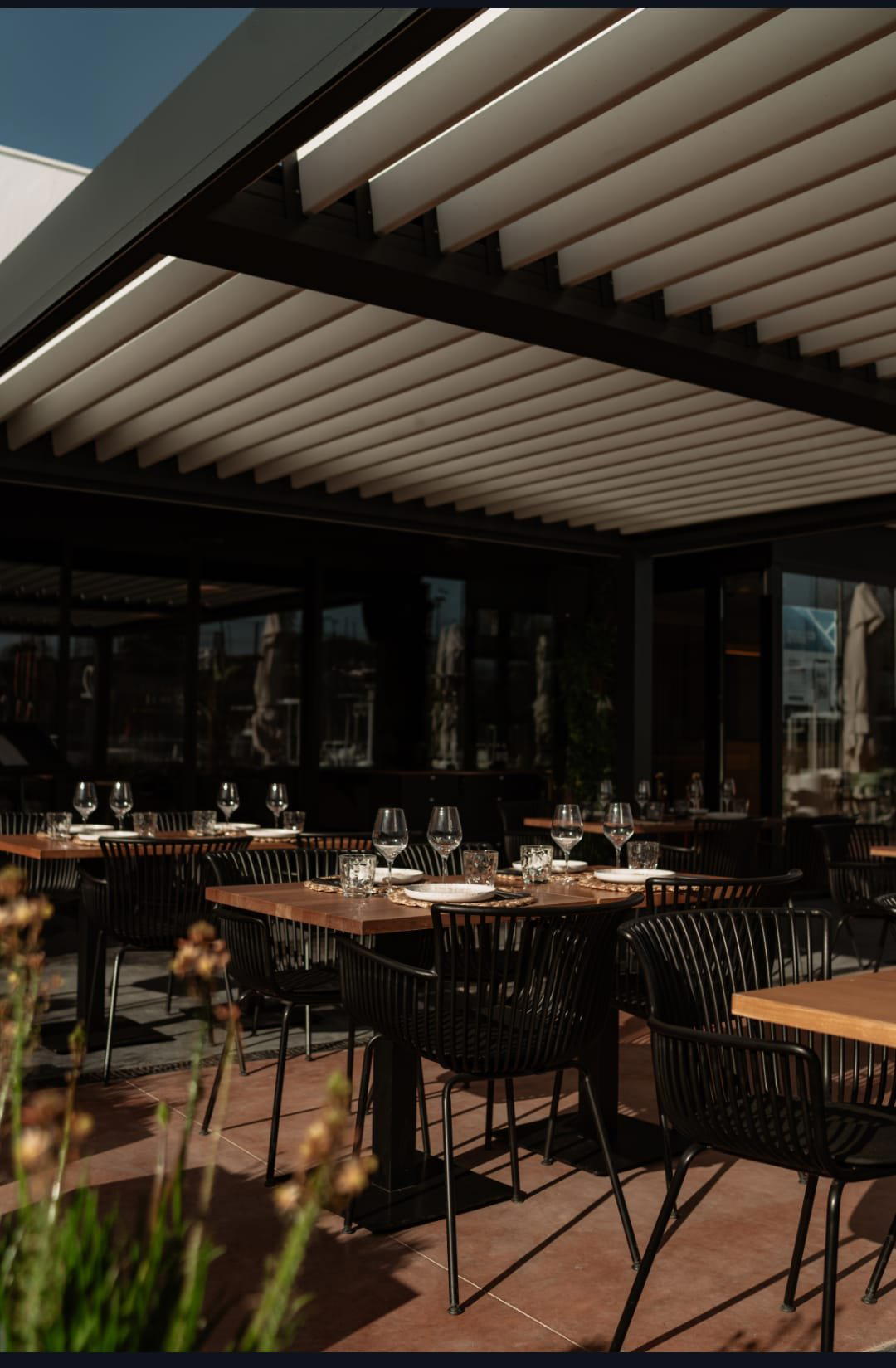
Outside the Circuit: Dining South of Barcelona
The gravitational pull of Barcelona's Eixample and Barceloneta tends to keep dining attention fixed within the city limits. Yet the municipalities running south along the Llobregat delta — Viladecans among them — represent a quieter, less-documented tier of the Catalan food scene. Spain's most decorated restaurants, from El Celler de Can Roca in Girona to Cocina Hermanos Torres in Barcelona, operate inside well-mapped circuits where critical attention, Michelin inspectors, and international visitors converge predictably. Venues that sit outside those circuits attract a different kind of audience: residents, local professionals, and travellers deliberately moving away from concentrated tourist corridors.
Viladecans is a working municipality of around 70,000 residents, positioned roughly 15 kilometres south of Barcelona's centre and accessible via the C-2 Rodalies commuter line. It is not a dining destination in the way that, say, the Basque Country positions itself around addresses like Arzak in San Sebastián or Asador Etxebarri in Atxondo. Its food culture is embedded in everyday neighbourhood life rather than hospitality infrastructure built around inbound tourism. That context matters when reading a venue like Munay Club Barcelona.
Ingredient Sourcing and the Baix Llobregat Tradition
The Llobregat delta has a specific agricultural identity that separates it from other peri-urban zones around Barcelona. The delta's flatlands have historically supported market gardening, artichokes, broad beans, green onions, that supplied Barcelona's La Boqueria and neighbourhood markets for generations. The carxofes del Prat (artichokes from El Prat de Llobregat) carry a protected geographical indication, and the general delta produce corridor has long been treated by Catalan chefs as a reliable secondary source alongside the better-known markets of the Empordà or the Penedès wine belt.
For any restaurant operating in Viladecans, this geography represents a practical sourcing advantage. The proximity to delta agriculture and to Barcelona's wholesale markets at Mercabarna, one of Europe's largest food distribution hubs, located minutes north along the Gran Via, means that ingredient access in this part of the metropolitan area is structurally different from, and in some respects more direct than, what a city-centre venue can arrange. Whether a given restaurant in this zone actively uses that proximity is a question of kitchen intention, not logistics. Spain's tradition of produce-driven cooking, visible at its most deliberate in places like Quique Dacosta in Dénia or Ricard Camarena in València, begins at exactly this kind of regional sourcing decision.
What the Record Shows for Munay Club Barcelona
Munay Club Barcelona is listed at Camí Serral-llarg, 12, in the 08840 postal district of Viladecans. Beyond the address, the publicly available record is sparse. Cuisine type, price tier, kitchen format, chef identity, and operating hours are not currently documented in accessible databases. No awards affiliations, Michelin, Repsol, or otherwise, appear in the record. This is not unusual for venues operating in smaller Catalan municipalities outside the primary critical coverage zone; Spain's restaurant press and its international counterparts concentrate coverage on a relatively narrow geography, with the result that venues in the wider metropolitan belt around Barcelona receive irregular attention regardless of quality.
For comparison, the critical infrastructure that supports venues like Azurmendi in Larrabetzu or Martin Berasategui in Lasarte-Oria took decades to develop and required the Basque Country to establish a coherent destination identity around its restaurants. The Barcelona metropolitan periphery has no equivalent narrative, which means capable venues can operate there without attracting the documentation they might otherwise receive.
Contact details, current hours, and format confirmation are leading obtained through local search channels or directly on arrival in Viladecans. The address on Camí Serral-llarg is accessible from the Viladecans train station, which sits on the C-2 and C-10 Rodalies lines connecting to Barcelona Sants in under 20 minutes.
The Broader Catalan Context
Catalonia's restaurant tier above the everyday neighbourhood level has become increasingly polarised over the past decade. At one end sit the internationally recognised creative restaurants, Noor in Córdoba and Aponiente in El Puerto de Santa María represent the Spanish model of this at its most ambitious, where tasting menus run to twenty or more courses and a single sitting constitutes the evening's programme. At the other end, Spain maintains a dense culture of casual, quality-focused neighbourhood restaurants that operate on shorter menus, local clientele, and daily product cycles. The metropolitan periphery tends to sit in the latter category: lower overheads, less pressure to perform for international critics, and a kitchen that answers to regulars rather than to algorithm-driven review platforms.
That model has produced some of Spain's most consistent everyday cooking. Casa Marcial in Arriondas and Cenador de Amós in Villaverde de Pontones both operate outside major urban centres and have built reputations grounded in regional specificity rather than urban visibility. The principle, that proximity to ingredients and a stable local clientele can sustain serious cooking, applies as readily in the Llobregat delta as in Cantabria or Asturias.
For travellers who have already covered the established Barcelona addresses and are tracking Catalan cooking more broadly, the outer municipalities represent the next layer. Our full Viladecans restaurants guide covers the wider dining picture in the area. For reference across the Spanish fine dining tier, the programmes at DiverXO in Madrid, Mugaritz in Errenteria, and Atrio in Cáceres illustrate the range of what the country's kitchen culture is producing at the documented end of the spectrum. Internationally, the comparison with Le Bernardin in New York City and Atomix in New York City underscores how ingredient-sourcing rigour has become a defining credential across serious kitchens globally, regardless of geography.
Planning Your Visit
Viladecans is served directly by Barcelona's Rodalies network, making it accessible without a car. Journey times from Barcelona Sants run under 20 minutes on the C-2 line. As no booking method, hours, or website appear in the current record for Munay Club Barcelona, verifying operational details in advance is advisable. Local Spanish directory services and Google Maps listing checks are the most reliable routes to current opening information for venues of this profile.
At-a-Glance Comparison
| Venue | Cuisine | Price | Awards |
|---|---|---|---|
| Munay Club BarcelonaThis venue — the venue you are viewing | This venue | Not listed | Not listed |
| Aponiente | Progressive - Seafood, Creative | €€€€ | Michelin 3 Star |
| Arzak | Modern Basque, Creative | €€€€ | Michelin 3 Star |
| Azurmendi | Progressive, Creative | €€€€ | Michelin 3 Star |
| Cocina Hermanos Torres | Creative | €€€€ | Michelin 3 Star |
| DiverXO | Progressive - Asian, Creative | €€€€ | Michelin 3 Star |
Continue exploring
More in Viladecans
Restaurants in Viladecans
Browse all →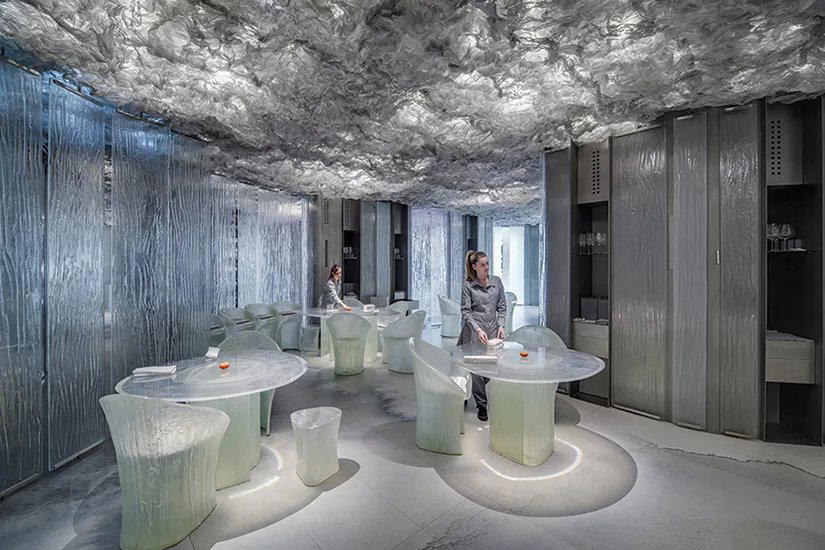
Bars in Viladecans
Browse all →
Hotels in Viladecans
Browse all →
At a Glance
- Lively
- Energetic
- Trendy
- Group Dining
- Casual Hangout
- Celebration
- Open Kitchen
- Terrace
- Live Music
- Craft Cocktails
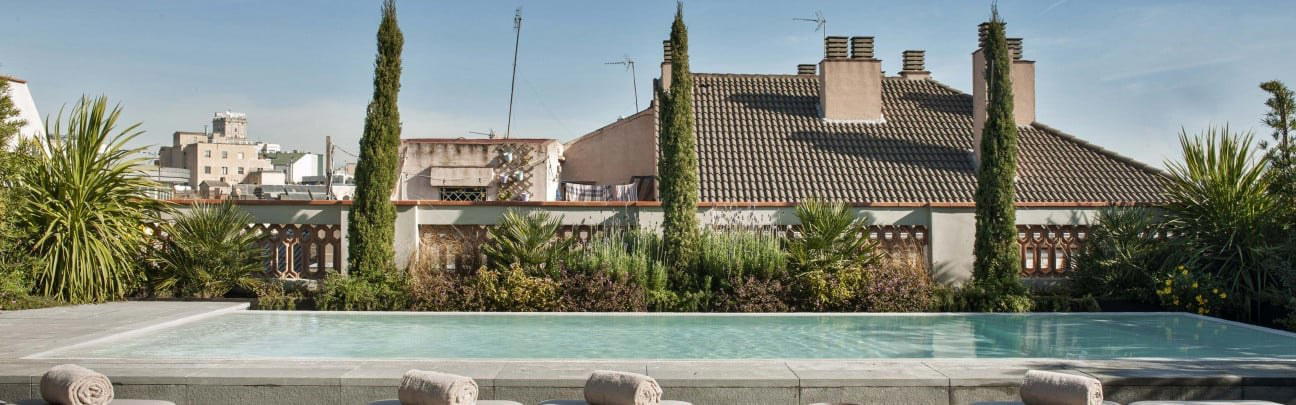
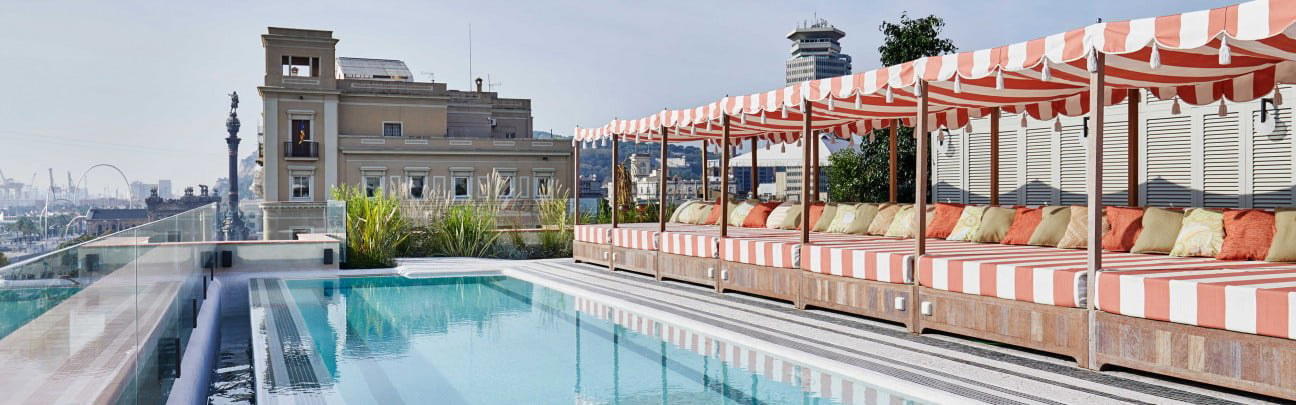
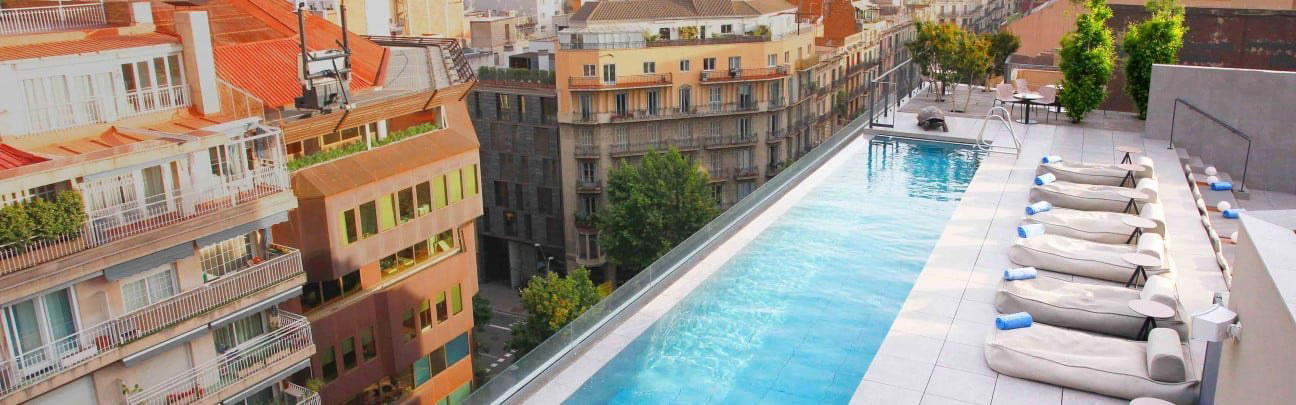
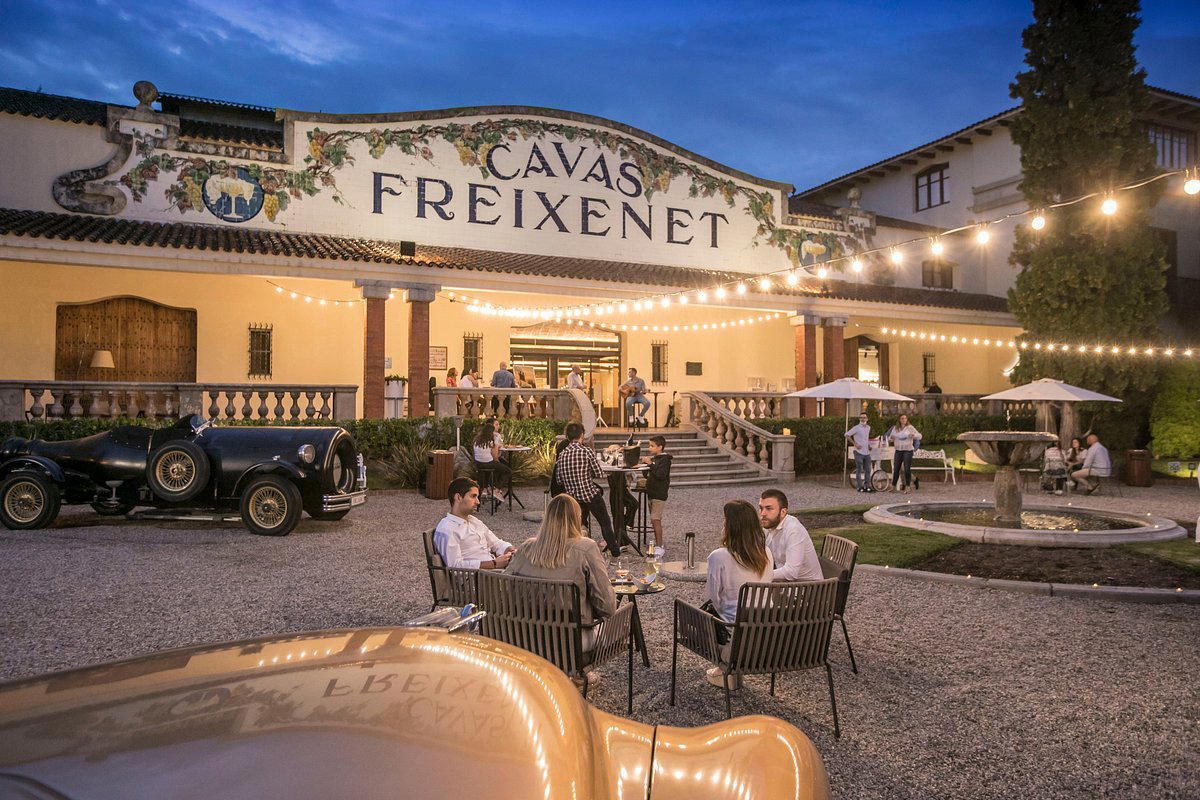
Lively and relaxed atmosphere around the pool with live music on weekends, good vibes, and a welcoming social scene.
Know Before You Go
- Getting there
- Cami Serral-llarg, 12, 08840 Barcelona, Spain