Mr. Pampas Kukulcán sits along Cancun's Zona Hotelera strip where South American grill traditions meet the Caribbean coast. The address on Boulevard Kukulcán puts it inside one of Mexico's most internationally oriented dining corridors, where imported techniques regularly intersect with Yucatecan and wider Mexican ingredients. For travellers comparing open-fire concepts in the hotel zone, it occupies a distinct position in a market that runs from casual seafood to formal Mexican steakhouse formats.
Pearl is the En Primeur Club membership app — saves, bookings, and concierge access live there. Same editors, same standards.
- Address
- Blvd. Kukulcan Km 13.5, Zona Hotelera, 77500 Cancún, Q.R., Mexico
- Phone
- +529983020177
- Website
- mrpampas.com
- Directions
- Get directions
 Saves & bookings on Pearl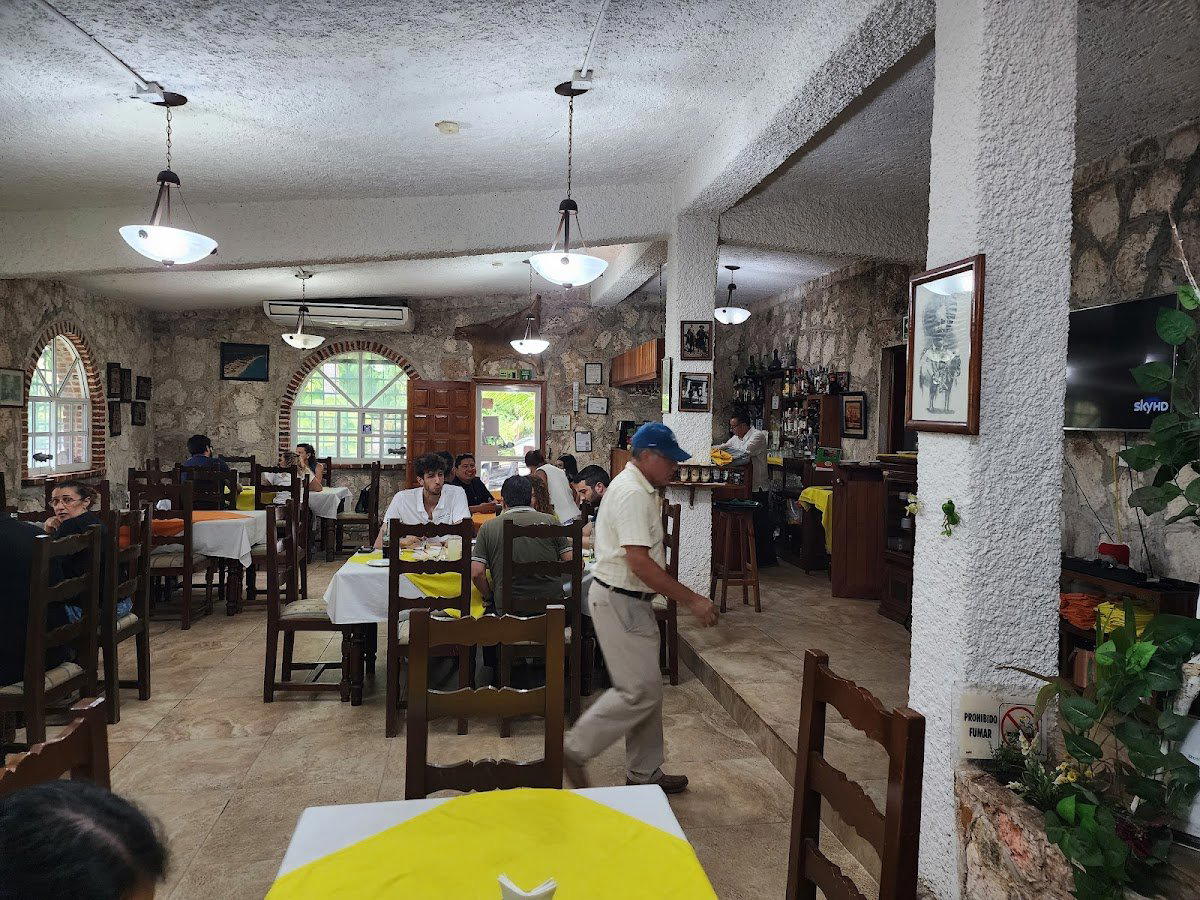
Where the Zona Hotelera Meets the Southern Cone
Boulevard Kukulcán at kilometre 13.5 is not a quiet address. The strip that runs through Cancun's Zona Hotelera carries the full weight of the city's international dining ambition: seafood palaces facing the lagoon, hotel restaurants with European wine lists, and a growing cohort of meat-led concepts that draw from South American grill traditions rather than the local cochinita or pescado a la tikin xic canon. Mr. Pampas Kukulcán operates inside that last category, positioning the Argentine parrilla format on one of Mexico's most tourism-dense restaurant corridors.
The parrilla concept has travelled well across Latin America, partly because the technique is transferable and the ritual is legible to international diners. Wood or charcoal, low-and-slow fire management, primary cuts served with minimal interference. What changes from city to city is the sourcing context. In Cancun's hotel zone, that sourcing context is layered: imported Argentine or USDA beef sits alongside the possibility of Yucatecan ranching traditions, Caribbean-caught seafood, and the broader Mexican pantry that producers like those supplying Animalón in Valle de Guadalupe and Alcalde in Guadalajara have spent years developing.
The Argentine Grill Format in a Mexican Context
South American steakhouse concepts in Mexico occupy an interesting middle tier. They are neither the hyperlocal Mexican tasting menu, the territory of Pujol in Mexico City or KOLI Cocina de Origen in Monterrey, nor the casual street-level taquería. The format occupies a comfortable register for international hotel-zone visitors: recognisable structure, tableside wine service, a menu that signals premium without requiring prior knowledge of regional Mexican gastronomy.
That legibility is part of the proposition's appeal along Kukulcán, where the dining room competes with concepts like Asador La Vaca Argentina and Bodega Argentina, both working the same Argentine-in-Cancun register, as well as hotel-anchored formats like The Club Grill, which layers Mexican steakhouse identity onto a more formal service model. The question any parrilla concept has to answer in this corridor is what it does differently from its immediate peers, and whether the sourcing story holds up once you start asking about the beef's provenance and the fire's discipline.
The editorial angle worth tracking across Mexican coastal dining is how imported techniques interact with local ingredients when the kitchen is serious about the intersection. At HA' in Playa del Carmen, that conversation happens around Mayan ingredients processed through contemporary technique. At Le Chique in Puerto Morelos, it takes the form of avant-garde Mexican cuisine with classical European structure. The parrilla format at Mr. Pampas offers a different version of the same intersection: a South American cooking tradition applied to whatever protein the Yucatán peninsula and its surrounding waters can supply.
Cancun's Hotel Zone Dining Character
Zona Hotelera dining has a reputation problem it is slowly working through. The strip's early decades produced a monoculture of buffet-and-show restaurants calibrated for volume tourism, where the food was secondary to the spectacle. The more recent generation of openings has pushed in a different direction, with wine-led formats, open kitchens, and ingredient sourcing that would not look out of place in Mexico City or Guadalajara.
That shift is visible in how competitors are positioning themselves. Le Basilic operates a French seafood format that draws on the Caribbean catch. Lorenzillo's has maintained a serious seafood identity across decades of operation in a market that churns heavily. Bombay Cancún brings a global spice reference into the mix. Against that spread, a parrilla concept like Mr. Pampas sits in the meat-led tier, competing on fire discipline and cut quality rather than on ingredient provenance narratives or tasting menu ambition.
For the reader building a Cancun itinerary, the hotel zone now warrants genuine restaurant choices rather than default hotel dining. Our full Cancun restaurants guide maps the corridor by cuisine type and price tier. Alongside Mr. Pampas, formats worth considering include the neighbourhood-scale Mexican cooking at Café con Gracia, the casual Italian proposition at Capri Pizza Moderna, and the regional Mexican depth at La Casa De Las Mayoras, which grounds Yucatecan tradition more firmly than any hotel-zone steakhouse can.
Where Mr. Pampas Sits in Mexico's Broader Dining Conversation
Mexico's restaurant scene has matured to a point where the conversations happening in Oaxaca, at places like Levadura de Olla, and in Baja at Olivea Farm to Table in Ensenada or Lunario in El Porvenir influence expectations even in tourist-heavy markets. The benchmark for ingredient seriousness has risen. Diners who have eaten at Pangea in San Pedro Garza García or followed the New York reference points at Le Bernardin and Atomix arrive in Cancun with more calibrated expectations than the zone's first-generation restaurants were built for.
A parrilla concept in this environment succeeds when it commits to the fundamentals: fire management, resting protocol, cut selection, and a wine list that does not treat Argentine Malbec as the only acceptable answer to grilled beef. The format is not technically demanding in the way that a tasting menu kitchen is demanding, but it is unforgiving of shortcuts because there is nowhere to hide when the cooking method is essentially visible and the ingredient is the dish.
Planning a Visit
Mr. Pampas Kukulcán is located at Boulevard Kukulcán Km 13.5 in the Zona Hotelera, the central spine of Cancun's hotel district.
Comparable Spots
Comparable venues nearby, for context on price, style, and recognition.
| Venue | Cuisine | Price | Notes |
|---|---|---|---|
| Mr. Pampas KukulcánThis venue — the venue you are viewing | Brazilian Steakhouse Rodizio | $$$ | Not listed |
| Coco Bongo | American Grill & Show Lounge | $$$ | 2300500010417 |
| Bodega Argentina | Authentic Argentine Steakhouse | $$$ | 2300500013483 |
| Ryoshi Cancún | Japanese-Peruvian Nikkei Fusion | $$$ | 2300500011701 |
| Cenacolo Plaza La Isla | Emilia-Romagna Italian | $$$ | 2300500011701 |
| La Recova Cancún | Argentinian Steakhouse | $$$ | 2300500013483 |

At a Glance
- Lively
- Energetic
- Group Dining
- Family
- Celebration
- Open Kitchen
- Craft Cocktails
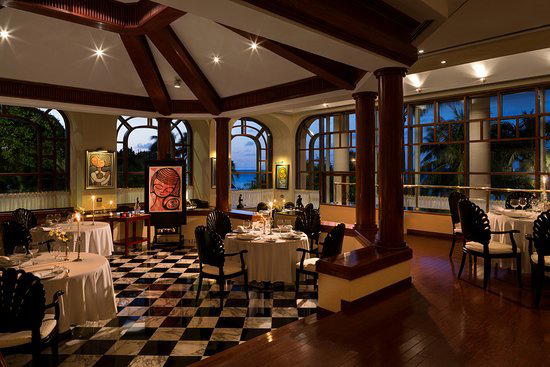
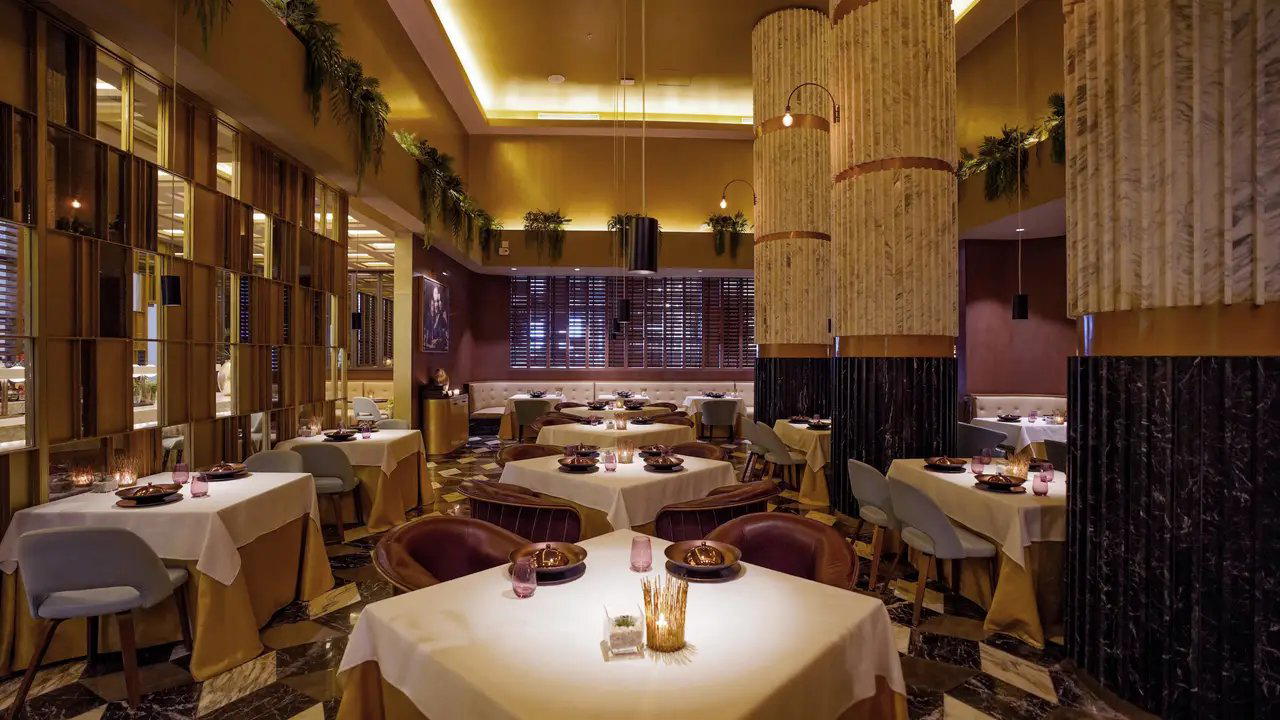
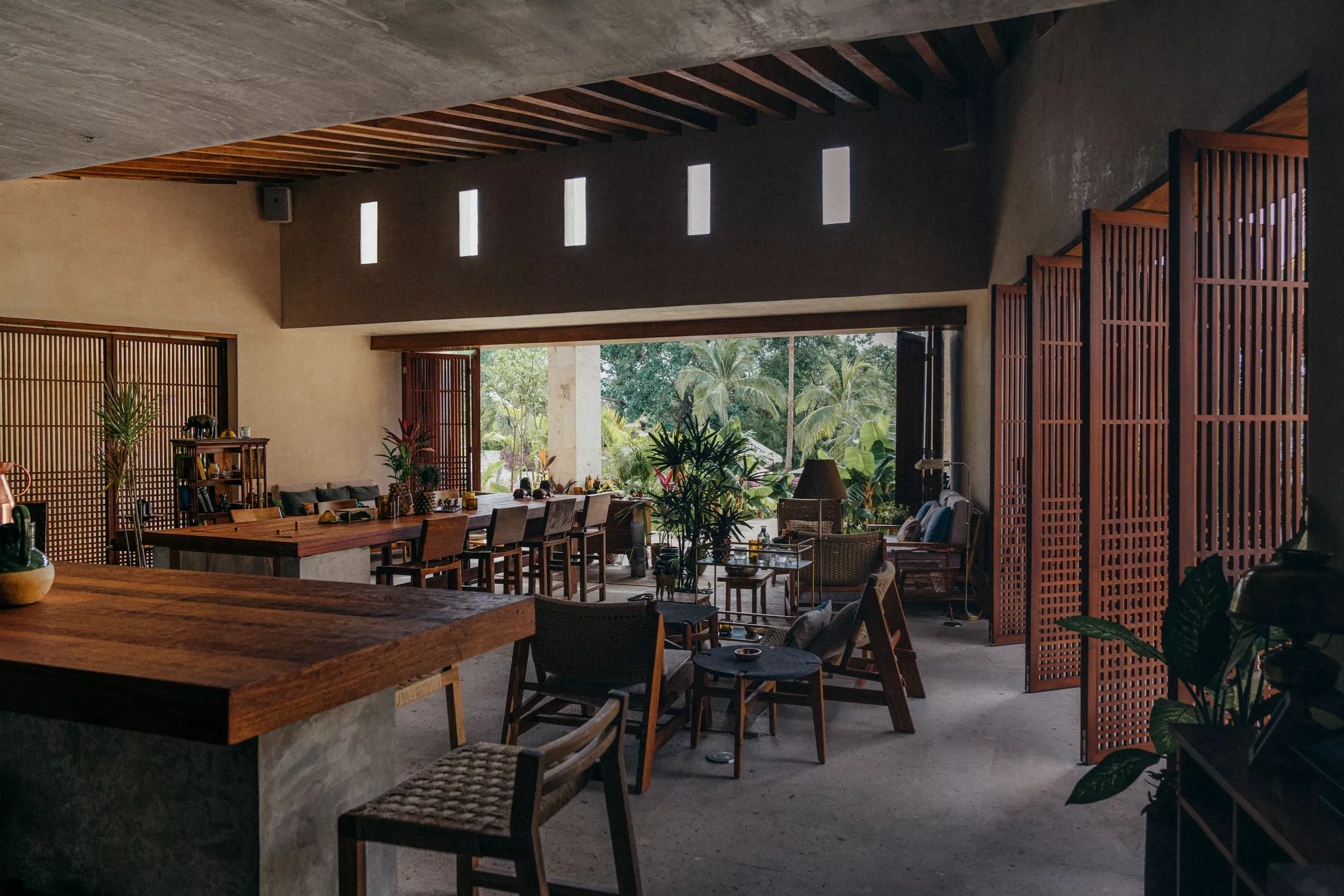
Casual lively atmosphere in a shopping plaza with attentive gaucho servers circulating meats.