
A two-time Michelin Plate recipient in Cancun's residential quarters, La Casa De Las Mayoras delivers Mexican cooking rooted in the complexity of traditional moles and regional technique. For travelers willing to leave the beachfront corridor, it offers one of the city's most credible arguments for Mexican cuisine as a serious culinary tradition.
Pearl is the En Primeur Club membership app — saves, bookings, and concierge access live there. Same editors, same standards.
- Address
- Calle Guadalupe Victoria M51 L16 C46 x Calle Miguel Hidalgo Donceles 28, 77524 Cancún, Q.R., Mexico
- Phone
- +52 998 321 6906
- Website
- facebook.com
- Directions
- Get directions
 Saves & bookings on Pearl
Where Cancun's Mexican Cooking Gets Serious
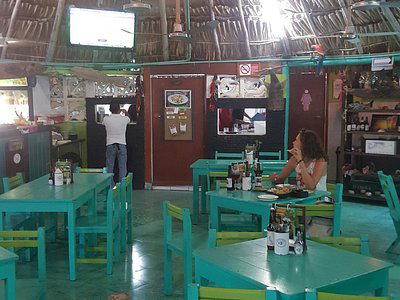
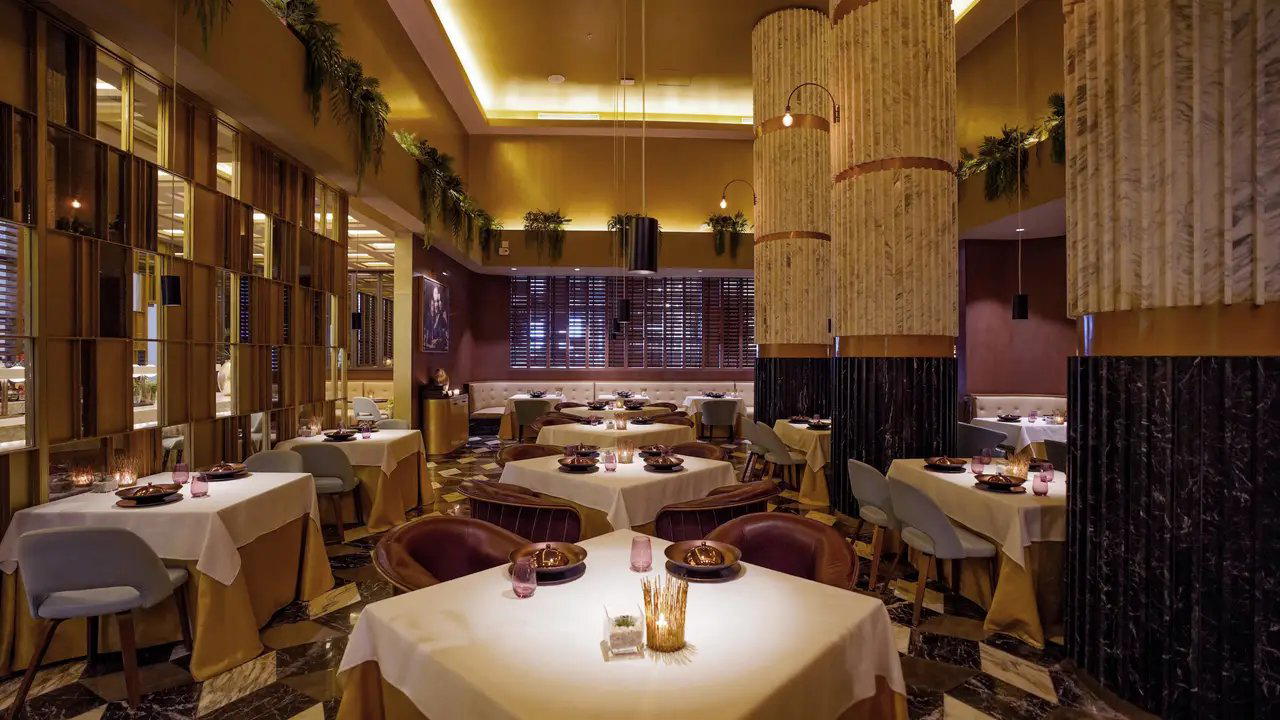
The approach tells you something before you eat. The address on Calle Guadalupe Victoria sits well outside the Hotel Zone's resort-facing strip, in a residential quarter where the signage is modest and the clientele is predominantly local. This is not the Cancun of swim-up bars and tableside guacamole theater. The room reads like a family home pressed into service as a dining room, which is precisely the setting in which Mexico's most technically demanding cooking has historically thrived. Fondes and casas de comida built on generations of kitchen knowledge rarely perform their credentials. They simply cook.
The Mole Tradition and What It Demands
Mexican mole is among the most labor-intensive sauce traditions in the world. A mole negro from Oaxaca can involve thirty or more ingredients — dried chiles, charred tomatoes, plantain, Mexican chocolate, spices, and animal fat — cooked in stages over hours, sometimes days. Mole poblano carries a similar weight of technique, requiring the toasting and grinding of mulato, ancho, and pasilla chiles alongside sesame, almonds, raisins, and cinnamon before the sauce is built over low heat and balanced for sweetness, bitterness, and heat simultaneously. The point is not the ingredient count but the editorial judgment at each step: when to pull the chile before it turns acrid, how much chocolate before the sauce tilts sweet, how long to cook the turkey or chicken submerged in the finished mole before the proteins absorb rather than resist it.
This kind of cooking cannot be faked at scale. It resists the shortcuts that high-volume tourist kitchens depend on, which is why authentic mole-centered menus in a city like Cancun tend to appear at addresses like this one rather than in the Hotel Zone. Venues such as Lorenzillo's and Kiosco Verde occupy Cancun's seafood-forward tourist tier with confidence. Le Basilic and Fantino work the Hotel Zone's international fine-dining register. La Casa De Las Mayoras operates in a different category entirely: Mexican regional cooking as a daily practice, not a spectacle.
What Michelin Recognition Signals Here
A Michelin Plate, awarded consecutively in 2024 and 2025, denotes a restaurant the Guide considers to offer good cooking without yet reaching star level. In context, that matters. Michelin's expansion into Mexico has been uneven, and its Yucatan Peninsula coverage places the recognition in sharper relief. Across Mexico, the benchmark for mole-anchored cooking is demanding. Pujol in Mexico City has long set the reference point for Mexican tasting-menu ambition, while Levadura de Olla Restaurante in Oaxaca grounds similar technique in that state's chile-rich pantry. In Cancun specifically, the Plate places La Casa De Las Mayoras in a small peer group: Le Chique holds the city's most prominent Michelin presence, and Le Chique in Puerto Morelos extends that recognition along the coast. The fact that a neighborhood Mexican house holds consecutive Plate recognition alongside these better-resourced operations is the signal worth reading.
High-volume, high-variance tourist venues in resort cities regularly aggregate ratings that collapse under scrutiny.
Regional Mexican Cooking in Cancun's Broader Scene
Cancun's dining identity has long been divided between the Hotel Zone's international programming and the downtown markets where working residents eat. The middle tier, where regional Mexican cooking is served at sit-down standards with some interpretive ambition, is thinner than in Mexico City, Oaxaca, or Guadalajara. For travelers who have eaten at HA' in Playa del Carmen or explored KOLI Cocina de Origen in Monterrey, the reference frame for Mexican regional cooking is set by those rooms. La Casa De Las Mayoras operates at a lower price point, with the $$ range placing it within reach of most travelers, but the cooking tradition it draws on is the same.
The comparison extends internationally. Mexican cuisine has earned serious critical attention in the United States over the past decade, with operations like Alma Fonda Fina in Denver and Cariño in Chicago building menus that reference exactly the mole tradition and regional technique this type of kitchen represents. The difference is that in source cities and neighborhoods in Mexico, the same cooking carries no premium-import logic. It is simply what a skilled kitchen does. Animalón in Valle de Guadalupe demonstrates how Mexican technique scales into a destination-dining context with a very different price structure. La Casa De Las Mayoras sits at the opposite end of that spectrum: local, accessible, and priced accordingly.
Planning Your Visit
The address at Calle Guadalupe Victoria M51 L16 C46, crossing Calle Miguel Hidalgo Donceles 28, puts the restaurant in downtown Cancun's residential grid rather than the Hotel Zone. From the main resort strip, that typically means 20 to 30 minutes by taxi or rideshare depending on traffic. The $$ price range signals a mid-range spend by Cancun standards, well below the tasting-menu pricing at Hotel Zone fine-dining rooms. No booking platform or phone number appears in current records, which suggests walk-in or direct-contact reservations. Given the 4.8 rating and the relatively small scale implied by a casa-style format, arriving early or confirming availability on the day is advisable, particularly at lunch when Mexican neighborhood restaurants of this type draw their heaviest local traffic. Hours are not listed in available records; checking directly before travel is the practical course.
For travelers building a wider Cancun itinerary, our full Cancun restaurants guide covers the city's range across price tiers and cuisine types. The Cancun hotels guide, bars guide, wineries guide, and experiences guide cover the rest of the destination in the same editorial register.
- chile rellenos
- mole portabella
- chilaquiles
- enchiladas
- torta
- açaí bowl
Where It Fits
| Venue | Cuisine | Price | Awards |
|---|---|---|---|
| La Casa De Las MayorasThis venue — the venue you are viewing | Mexican | $$ | Michelin Plate (2025); Michelin Plate (2024) |
| Lorenzillo's | Seafood | Not listed | Seafood |
| Kiosco Verde | Seafood | Not listed | Seafood, $$ |
| Le Basilic | French Seafood | Not listed | French Seafood |
| The Club Grill | Mexican Steakhouse | Not listed | Mexican Steakhouse |
Recognition history
Dated appearances from independent guides and award organizations, with the underlying list record or original source where available.
Michelin Plate
Michelin
Michelin Plate
Michelin


At a Glance
- Cozy
- Rustic
- Intimate
- Family
- Casual Hangout
- Brunch
- Open Kitchen
Current opening hours
- Monday
- Closed
- Tuesday
- 8 AM–5 PM
- Wednesday
- 8 AM–5 PM
- Thursday
- 8 AM–5 PM
- Friday
- 8 AM–5 PM
- Saturday
- 8 AM–5 PM
- Sunday
- 8 AM–5 PM
Hours can change for holidays and private events. Last verified .
Warm, cozy, and relaxing with plants, soft music, and a homey familial feel.
Know Before You Go
- Getting there
- Calle Guadalupe Victoria M51 L16 C46 x Calle Miguel Hidalgo Donceles 28, 77524 Cancún, Q.R., Mexico