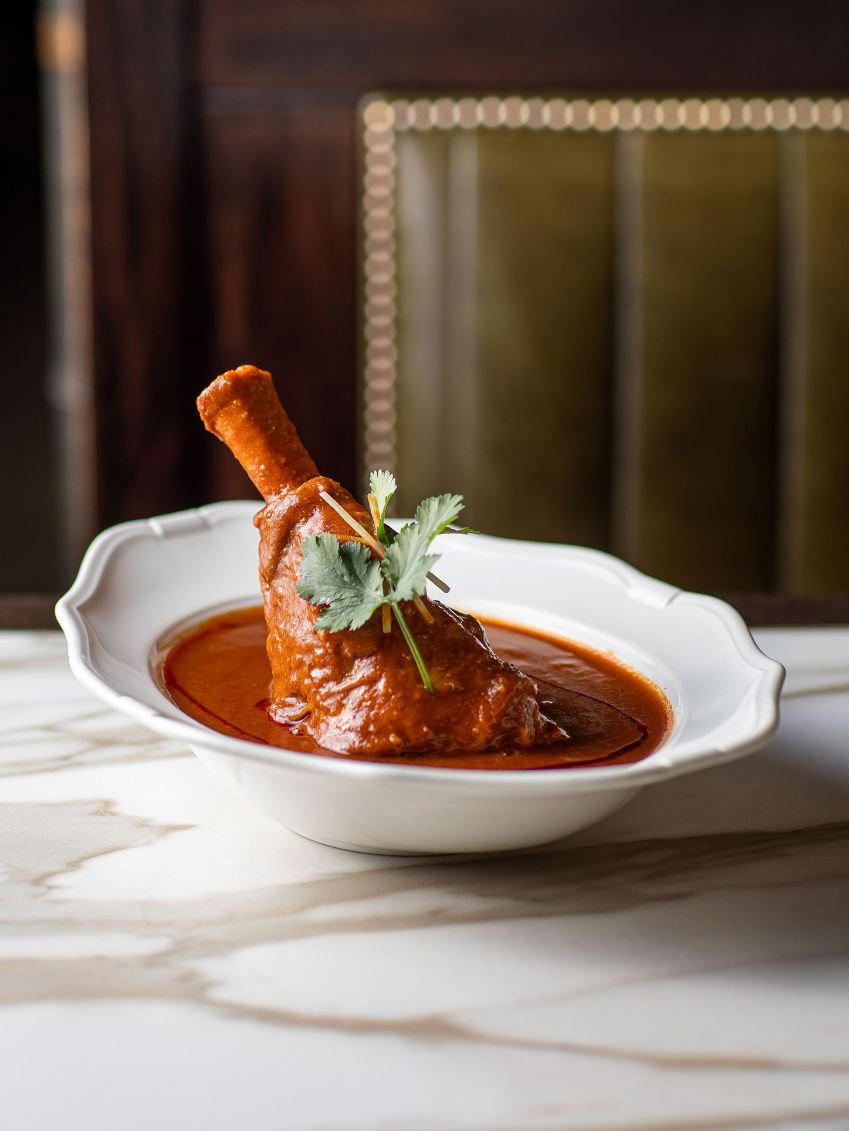
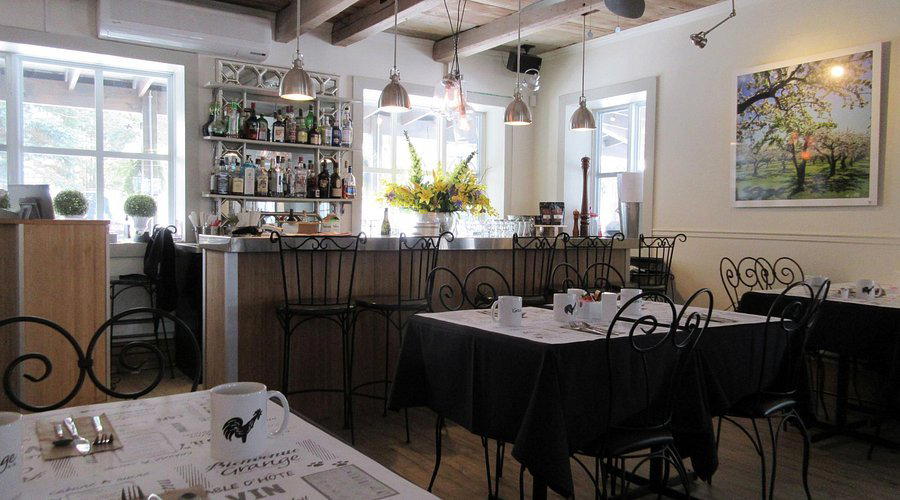
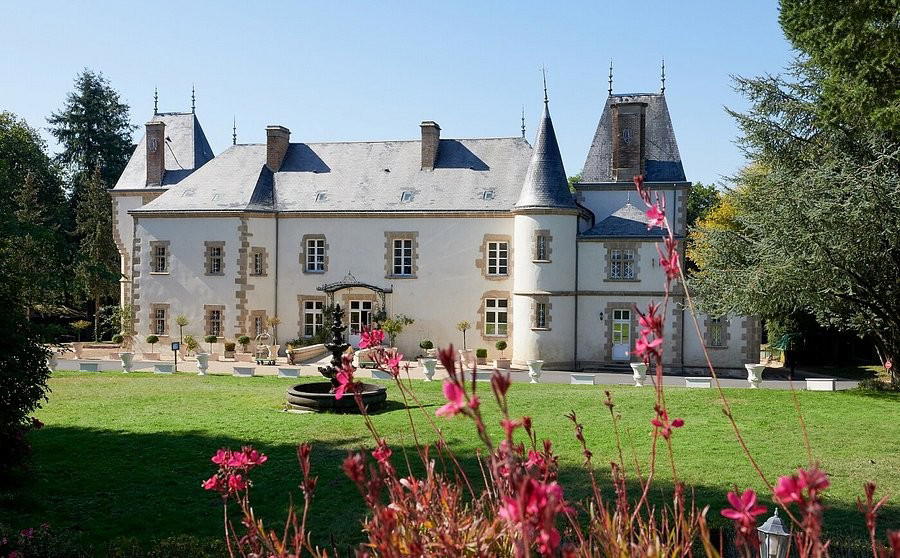
Mount Mercury Tavern pairs traditional French seasonal bistro cooking with a mountain view, a quiet room, and leisurely pacing for lunch or dinner.
Pearl is the En Primeur Club membership app — saves, bookings, and concierge access live there. Same editors, same standards.
- Address
- 8 Rue de l'Orbrie, 85700 Sèvremont, France
- Phone
- +33251572026
- Website
- aubergemontmercure.com
- Directions
- Get directions
 Saves & bookings on Pearl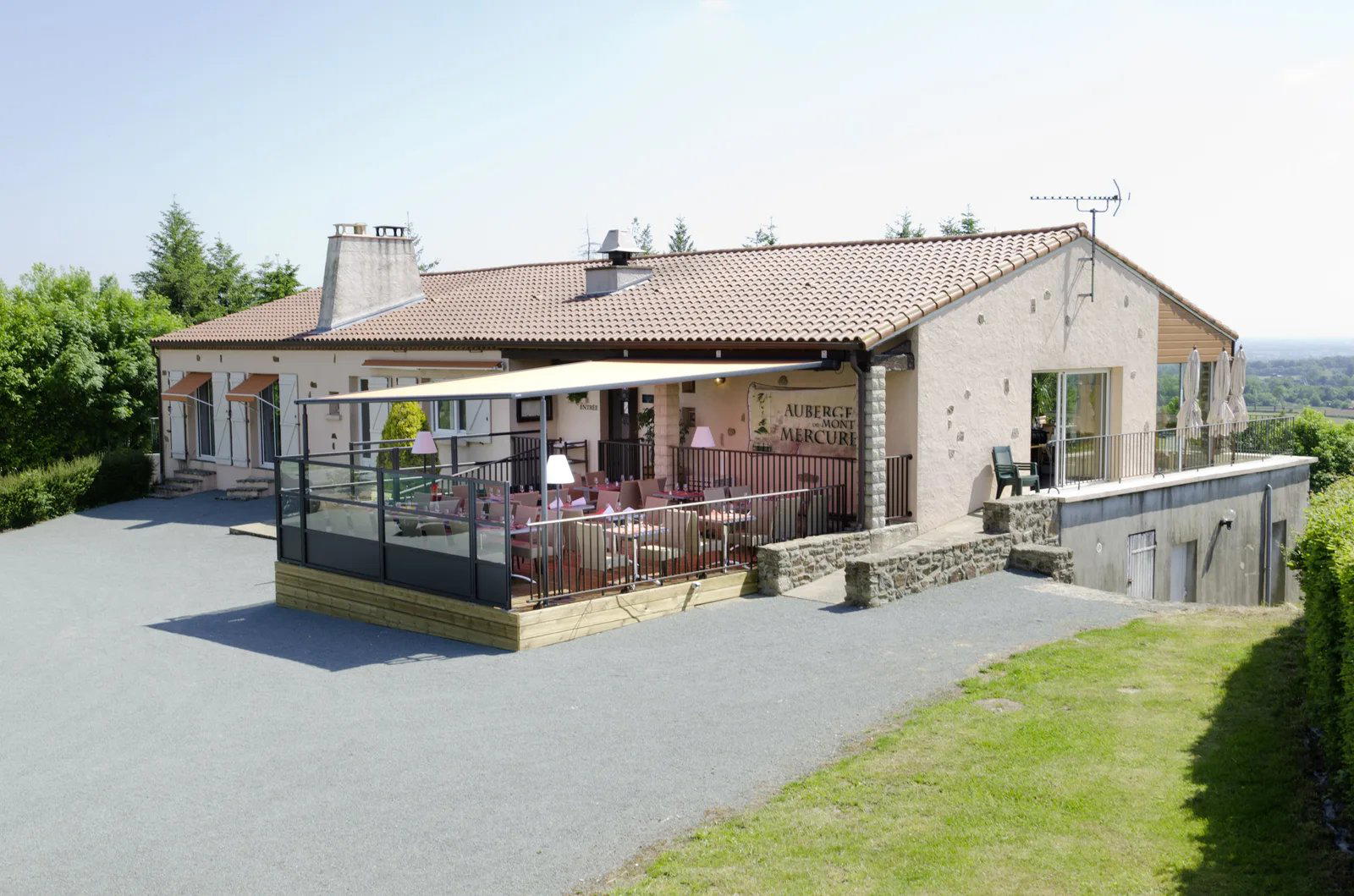
Where the Bocage Meets the Table
Sèvremont sits in the Vendée interior, a part of western France that most travellers bypass on their way to the Atlantic coast. The bocage countryside here, a patchwork of hedgerows, small farms, and river valleys, has long shaped what local kitchens cook and how they source it. The proximity to the Marais poitevin wetlands to the south, the Anjou growing regions to the north, and the Atlantic littoral to the west gives this part of the Pays de la Loire a larder of genuine breadth: farmed duck and pintade, river crayfish, Atlantic fish landed at Saint-Gilles-Croix-de-Vie, and some of France's most consequential butter country, the Charentes-Poitou AOC zone, less than an hour's drive from the Sèvremont plateau. In that context, a tavern operating on Rue de l'Orbrie is not just a local address. It is a position within a supply web that many urban restaurants spend considerable effort trying to replicate.
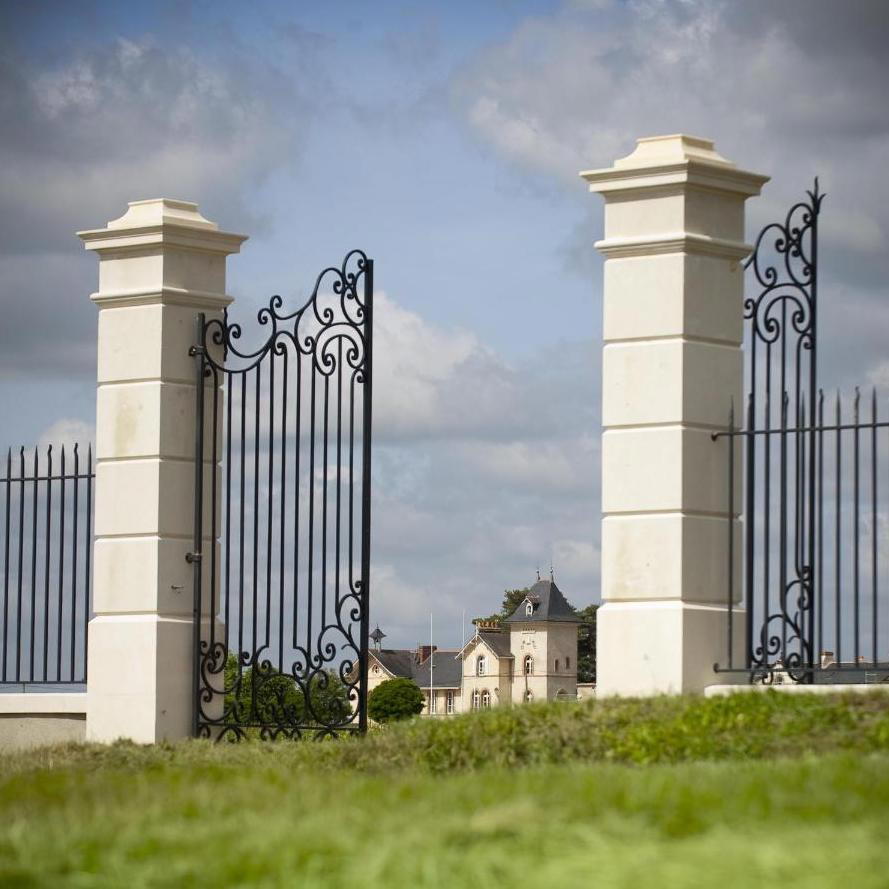
Mount Mercury Tavern occupies a building on this street in the commune's older fabric. The name itself is worth a moment's attention: Mercury in classical geography was associated with crossroads and trade routes, and the Vendée interior has historically been a meeting point between coastal fishing culture and inland agriculture. Whether the name is a direct reference or incidental, the physical setting reinforces it. Arriving on foot, you are already in a town that feels at some remove from the Loire Valley's more touristic southern bank, which means the clientele at a place like this skews local and purposeful rather than passing.
Ingredient Sourcing as Editorial Argument
The broader French dining tradition has always made a distinction between cooking that begins with a technique and cooking that begins with a product. The Vendée interior belongs firmly to the product-first camp. The regional signals are present at every level of the supply chain: Challans chickens, with their free-range AOC designation, have been the reference poultry for western French kitchens for decades, appearing on menus from Paul Bocuse - L'Auberge du Pont de Collonges to smaller regional tables. The Vendée's coastal proximity puts Atlantic sardines, sole, and line-caught bar within reach of inland kitchens in a way that's structurally unusual for a landlocked commune. And the local market garden tradition, concentrated in the Marais Breton, produces haricots, mâche, and early-season vegetables that have defined Vendéen cuisine since before the term became a marketing category.
This sourcing geography matters because it sets the frame within which any serious tavern in Sèvremont operates. Compare this to the position of a restaurant like Bras in Laguiole, which has built its identity around the volcanic plateau of the Aubrac and the specific botanicals that grow there, or La Marine in Noirmoutier-en-l'île, where the salt marshes and tidal rhythms govern the plate. In each case, the geography is not backdrop but argument. A tavern in Sèvremont is making the same kind of argument, even if at a different register of formality and price.
Tavern Format in a French Provincial Context
The tavern as a format occupies an interesting middle position in French hospitality. It sits above the café-bar in terms of kitchen ambition but typically operates with less ceremony than a restaurant gastronomique or even a solid bistrot in a major city. In rural western France, the format has historically meant a room where farmers, local professionals, and occasional travellers share the same space and the same menu, with wine served by carafe and portions sized for appetite rather than theatre. That model has been under pressure from two directions: rising ingredient costs that push kitchens toward smaller, higher-margin plates, and a generation of diners shaped by urban dining culture who expect more explicit sourcing narrative and format clarity.
How Mount Mercury Tavern resolves that tension is not something the public record makes explicit. What the address on Rue de l'Orbrie does confirm is that this is a venue with a local anchor rather than a destination-tourism orientation. That distinction shapes everything from menu pricing to the rhythm of service and the composition of the room on a given Tuesday evening. For comparison, the highly decorated end of French regional dining, places like Auberge du Vieux Puits in Fontjoncouse or Christopher Coutanceau in La Rochelle, draws an international audience willing to travel specifically for the table. A tavern in Sèvremont is unlikely to be calibrated for that visitor, which is precisely what makes it worth understanding on its own terms.
Regional Positioning and Peer Context
The Vendée sits outside the circuits that most food-focused travellers use when planning a French trip. The Loire Valley's châteaux and wine appellations draw visitors to Saumur, Chinon, and Angers. The Atlantic coast routes pull toward the Île de Ré and the Basque Country. Sèvremont, refined on the plateau between the valleys of the Sèvre Nantaise and the Lay, is not on either route. For the venues that operate here, that insularity functions as a filter: the clientele is disproportionately local or regional, which creates a different set of expectations around consistency, value, and informality than you'd find at a destination restaurant built for tourism.
That dynamic appears across France's less-visited interior. Georges Blanc in Vonnas is a case study in how a deeply provincial address can accumulate national significance over decades, but Vonnas required a long generational investment in both kitchen ambition and hospitality infrastructure to reach that position. Most provincial addresses operate at a more human scale, feeding their immediate community well and occasionally drawing visitors who have done the research. For those visitors, our full Sèvremont restaurants guide is a useful starting point for understanding the full range of options in the commune.
France's most awarded kitchens, from Alléno Paris au Pavillon Ledoyen to Mirazur in Menton, share a commitment to provenance that begins in the supply chain. The tavern format in a place like Sèvremont is, at its leading, the undecorated version of the same idea: cook what the land around you produces, cook it with competence, and serve it without unnecessary ceremony. That is not a diminished ambition. It is a different one.
Planning Your Visit
Sèvremont is most easily reached by car from Nantes (roughly 70 kilometres southeast) or from La Roche-sur-Yon (around 30 kilometres to the southwest). Public transport connections to the commune are limited, which is consistent with the character of this part of the Vendée interior. For visitors combining a meal here with broader regional exploration, the Marais poitevin and the medieval village of Vouvant are within comfortable driving range.
Side-by-Side Snapshot
Comparable venues nearby, for context on price, style, and recognition.
| Venue | Cuisine | Price | Notes |
|---|---|---|---|
| Mount Mercury TavernThis venue — the venue you are viewing | Traditional French Seasonal Bistro | $$$$ | Not listed |
| Alain Passard's Garden | Vegetable-Focused Fine Dining | $$$$ | Bois Giroult |
| Les Caudalies | Modern French Bistronomie | $$$$ | Saint-Herblain |
| Maison Blanche | Modern French Fine Dining | $$$ | 8th arrondissement |
| Atelier de Candale | Seasonal French wine‑country restaurant in the vineyards | $$$ | Saint-Laurent-des-Combes / Saint-Émilion vineyards |
| ROS[O] | Modern Seasonal French Bistro | $$$ | Mûrs-Erigné |
Continue exploring
More in Sèvremont
Restaurants in Sèvremont
Browse all →
Bars in Sèvremont
Browse all →
At a Glance
- Cozy
- Scenic
- Rustic
- Family
- Group Dining
- Special Occasion
- Panoramic View
- Extensive Wine List
- Local Sourcing
- Mountain
Current opening hours
- Monday
- Closed
- Tuesday
- Closed
- Wednesday
- 12–3:30 PM
- Thursday
- 12–10:30 PM
- Friday
- 12–10:30 PM
- Saturday
- 12–10:30 PM
- Sunday
- 12–4:30 PM
Hours can change for holidays and private events. Last verified .
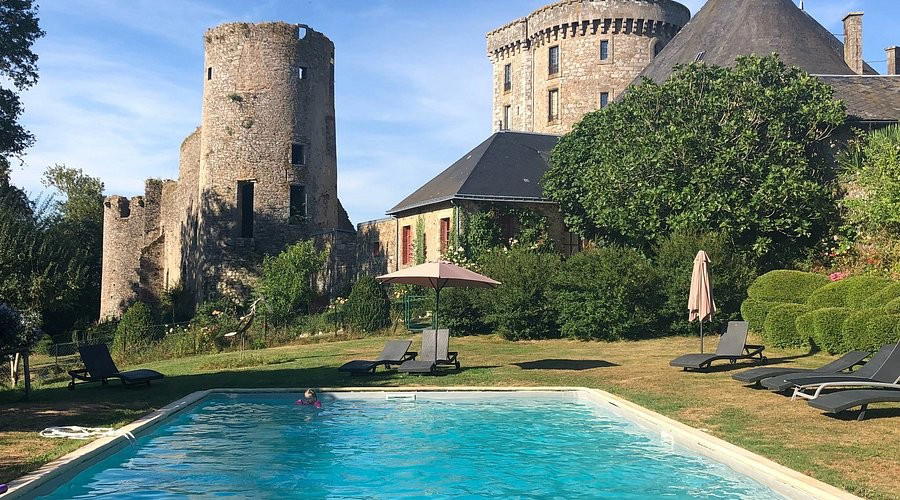
Charming and quiet with pleasant panoramic views, well-maintained interior, and welcoming family atmosphere.