L'Orangerie - Château de la Barbinière

Set within the grounds of Château de la Barbinière in the Vendée, L'Orangerie holds a 2025 Michelin Plate recognition. The kitchen works in a modern cuisine register at a mid-range price point, making it one of the more accessible fine-dining addresses in this corner of the Loire-Atlantique borderlands. For the Vendée, that combination of château setting and Michelin recognition is uncommon.
Pearl is the En Primeur Club membership app — saves, bookings, and concierge access live there. Same editors, same standards.
- Address
- Château de, La Barbinière, 85290 Saint-Laurent-sur-Sèvre, France
- Phone
- +33 2 51 92 46 00
- Website
- chateau-barbiniere.com
- Directions
- Get directions
 Saves & bookings on Pearl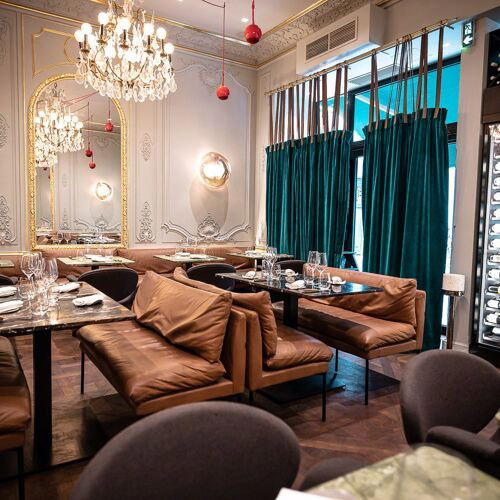
A Château Kitchen at the Edge of the Vendée
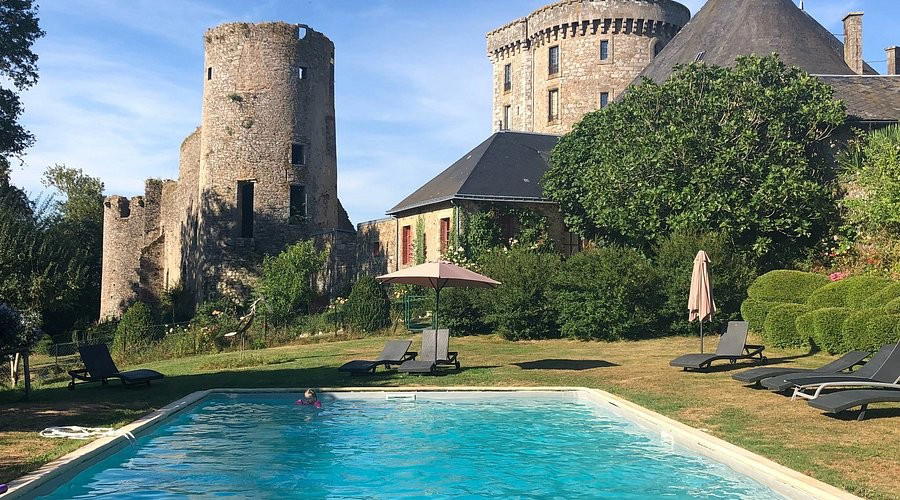
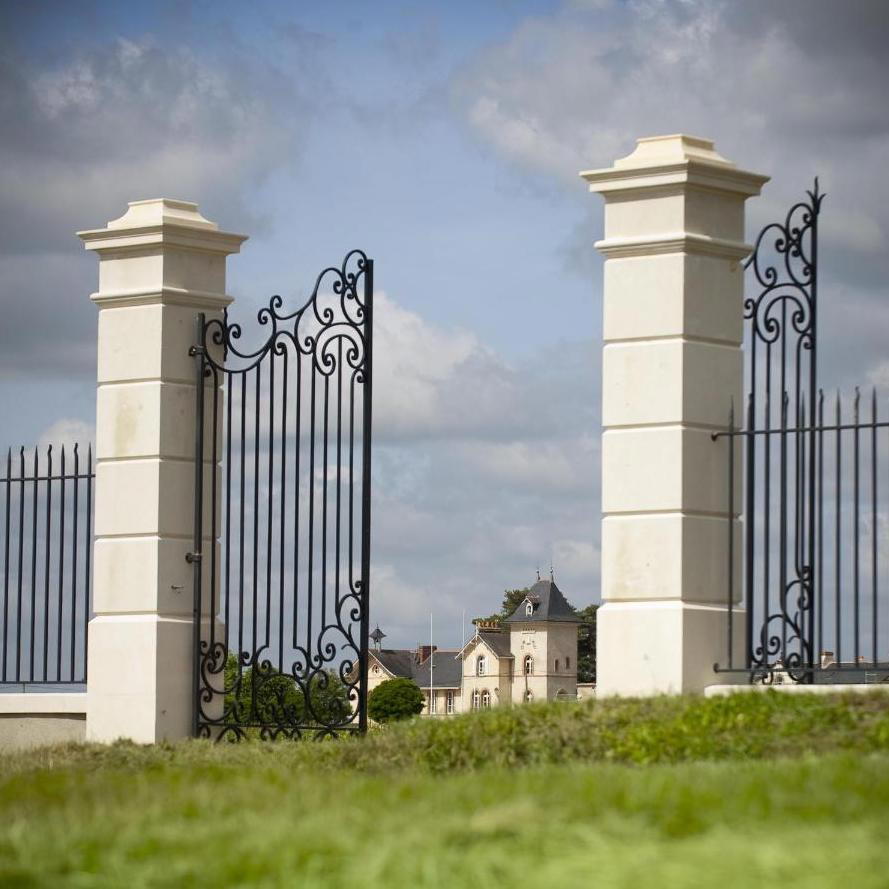
The approach to Château de la Barbinière sets expectations that the restaurant inside works hard to meet. The property sits in Saint-Laurent-sur-Sèvre, a small commune in the Vendée département. The Sèvre Nantaise river runs close by, and the agricultural character of the land, bocage country, mixed farming, small-scale producers, gives a kitchen here a different source network than a city address would have. What you feel arriving is the particular quietness of the French provincial château: clipped grounds, stone buildings, an orangerie repurposed for dining. The physical setting is not incidental. It is, in a meaningful sense, the argument the kitchen has to make good on.
Where the Vendée Sits in the French Modern Cuisine Picture
Modern cuisine in France splits across a wide tier structure. At one end, three-star Paris addresses like Alléno Paris au Pavillon Ledoyen or Mirazur in Menton command €€€€ pricing and international reservation queues. Regional houses like Troisgros in Ouches, Auberge de l'Ill in Illhaeusern, or Bras in Laguiole anchor their cooking in a strong sense of territory, what grows nearby, what the soil and altitude produce, and sit at a more accessible price tier while still holding serious Michelin recognition. L'Orangerie belongs to this second category by geography and by price: €€ positioning in a Michelin-recognised house in deep provincial France. That combination is rarer than it sounds. Much of the Loire-Atlantique and Vendée region lacks the density of starred restaurants that Alsace, the Rhône Valley, or the Basque Country can claim, which makes a Michelin Plate at this address a more significant signal than the same recognition might carry in a city with thirty starred restaurants.
The Michelin Plate, awarded in 2025, indicates food of good quality in the Guide's current framework, a level of recognition that reflects consistent kitchen execution rather than casual regional cooking. Placed alongside the château context and the €€ price point, it positions L'Orangerie as the kind of address that rewards a deliberate detour rather than a passing visit. Travellers routing between Nantes and the Poitevin marshes will find it maps cleanly onto that kind of programme.
Ingredient Sourcing in Bocage Country
The editorial angle that matters most for a kitchen in this location is not what technique the brigade applies but where the raw material comes from. The Vendée's agricultural identity is specific: this is a department known for poultry (particularly the Vendée chicken, raised on longer cycles than standard commercial birds), for duck, for freshwater fish from the Sèvre and its tributaries, and for vegetables from the bocage smallholders who have survived the consolidation that hollowed out farming in other French regions. The Loire estuary, accessible within an hour's drive, adds shellfish options, écrevisses, moules de bouchot, the occasional oyster from the Île de Noirmoutier beds further along the coast.
Modern cuisine kitchens in rural France tend to divide into two types: those that import their sourcing ambitions (flying in specialty produce from Rungis or working with the same Breton butter that Parisian chefs use) and those that build menus around what the surrounding land and water actually yield. The second approach demands more from the kitchen, seasonal discipline, close supplier relationships, menus that shift with harvest rather than with trend cycles, but it produces food that a city restaurant cannot replicate. For a châ teau address in the Vendée, sourcing from the bocage rather than the wholesale market is not a marketing position; it is the only approach that makes geographical sense. Whether the kitchen at L'Orangerie fully commits to that local sourcing logic is something a meal can confirm. The Michelin Plate recognition suggests the foundation is there.
The Modern Cuisine Register at a Provincial Price Point
Modern cuisine in France, the category under which L'Orangerie is classified, is a broad church. It covers everything from the tightly constructed tasting menus at Assiette Champenoise in Reims and the terroir-focused precision of Auberge du Vieux Puits in Fontjoncouse to the kind of technically assured à la carte cooking that a well-resourced château kitchen can produce at accessible prices. The €€ pricing at L'Orangerie puts it well below the bracket occupied by Flocons de Sel in Megève or Paul Bocuse's Auberge du Pont de Collonges, and the comparison reveals something useful: in provincial France, Michelin recognition at a mid-range price point is often where honest cooking happens. Prestige pricing creates its own pressures. A kitchen working at €€ in a Vendée château has fewer incentives to perform and more incentive to cook.
For context outside France, the model is not entirely different from what Frantzén in Stockholm or AM par Alexandre Mazzia in Marseille represent at much higher price tiers: kitchen intelligence applied to a specific geography. The château context at Barbinière adds a layer that those urban addresses cannot offer: a physical connection between the agricultural land and the dining room that requires no explanation to the guest walking through it.
Planning a Visit
Saint-Laurent-sur-Sèvre sits roughly 60 kilometres southeast of Nantes, accessible by the D753 road through bocage country. The town is small enough that the château property is one of its defining landmarks. Given the 2025 Michelin Plate, booking ahead is the sensible approach, particularly for weekend service and during the summer months when the Loire and Vendée regions attract French domestic travel. The €€ price point makes it one of the more accessible Michelin-recognised addresses in the region. For those combining the visit with a broader exploration of the area, the surrounding area rewards a broader look. Reservations are recommended.
Comparison Snapshot
Comparable venues nearby, for context on price, style, and recognition.
| Venue | Cuisine | Price | Awards | Notes |
|---|---|---|---|---|
| L'Orangerie - Château de la BarbinièreThis venue — the venue you are viewing | French Seasonal Bistro | $$$ | Michelin Plate | Not listed |
| Sources | Modern French Bistro | $$$ | Michelin Plate | Old Nantes (Decré) |
| L'Instinct Gourmand | Modern French Bistro | $$$ | Michelin Plate | Saint-Leonard |
| Le François II | Breton Seasonal French Bistro | $$$ | Michelin Plate | Couëron |
| La Grange | French Gastronomic | $$$ | Michelin Plate | Nord-Ouest de Cholet |
| L'Instinct | Modern French Bistro | $$$ | Michelin Plate | Centre-ville |
Recognition history
Dated appearances from independent guides and award organizations, with the underlying list record or original source where available.
Michelin Plate
Michelin
Michelin Plate
Michelin
Continue exploring
More in Saint-Laurent-sur-Sèvre
Restaurants in Saint-Laurent-sur-Sèvre
Browse all →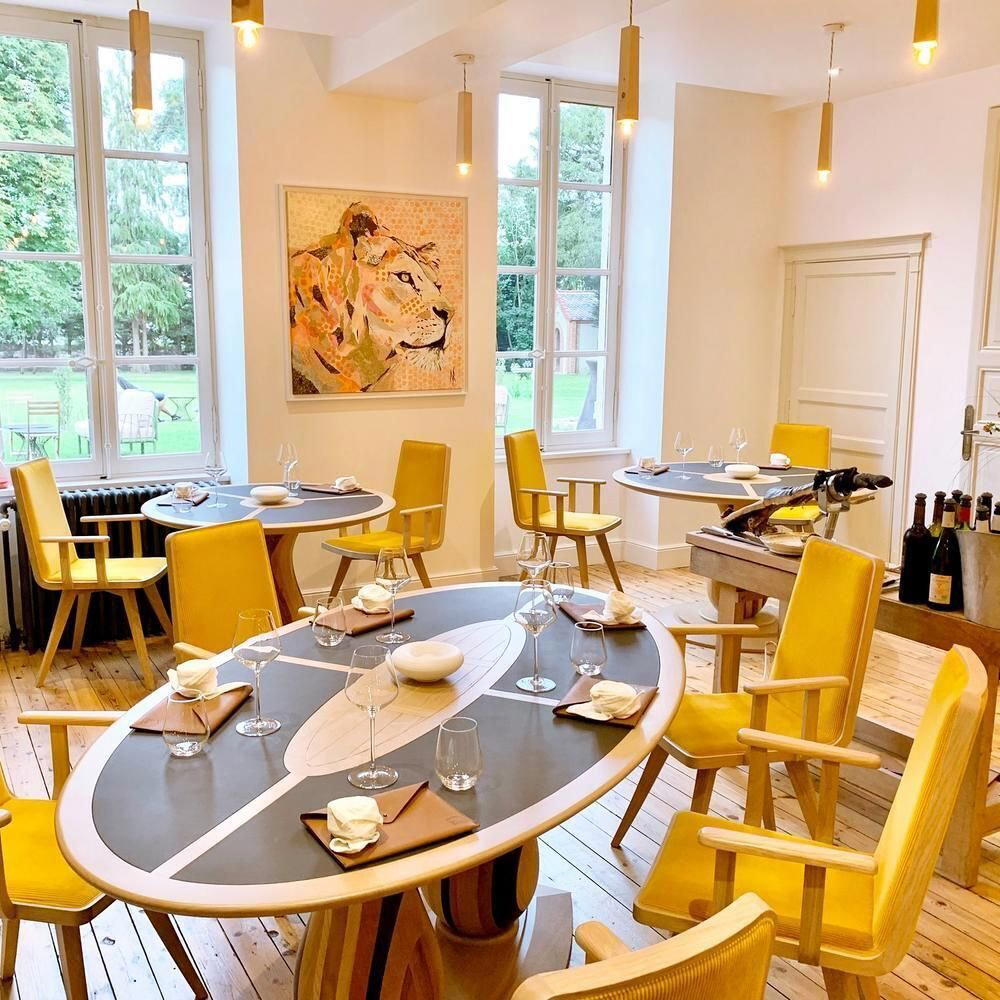
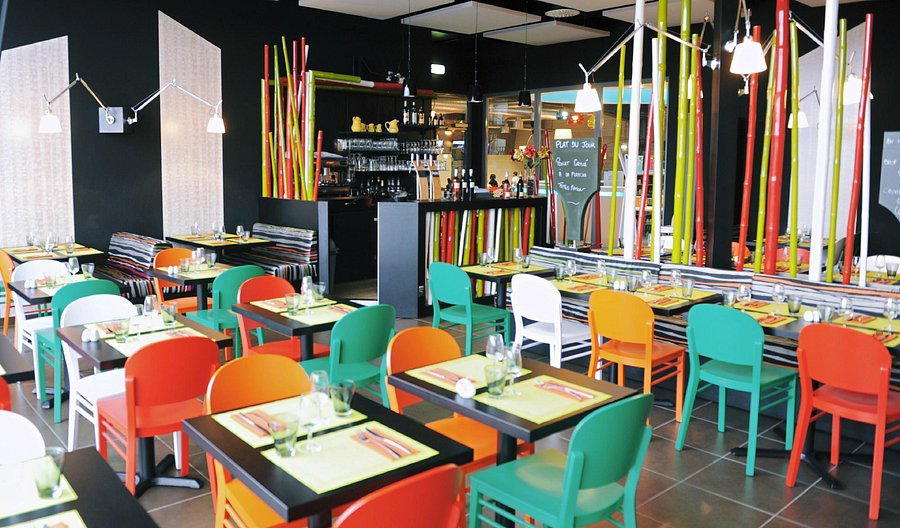
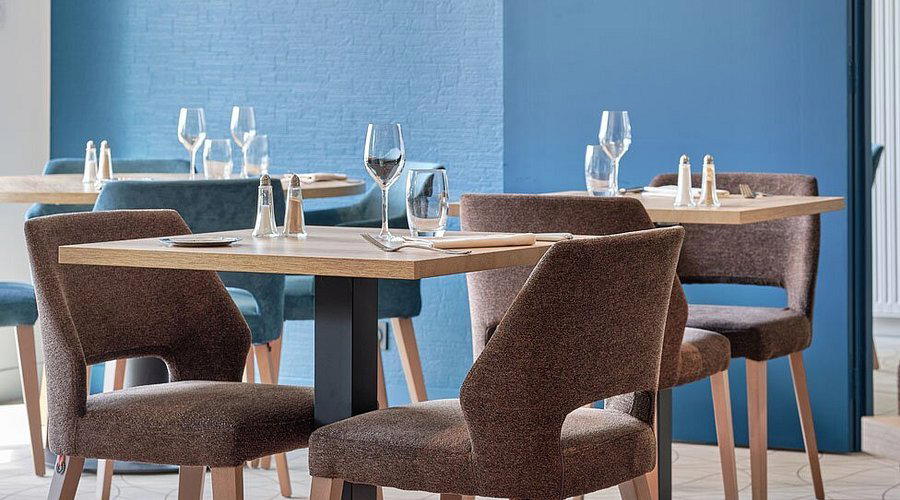
Bars in Saint-Laurent-sur-Sèvre
Browse all →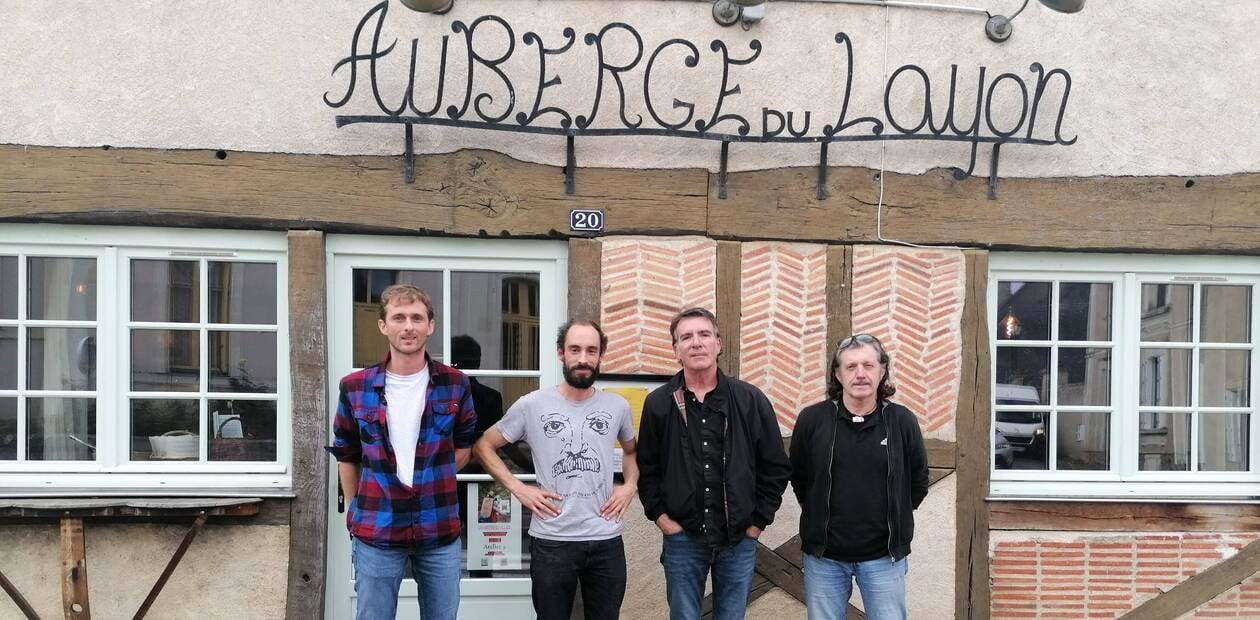
Hotels in Saint-Laurent-sur-Sèvre
Browse all →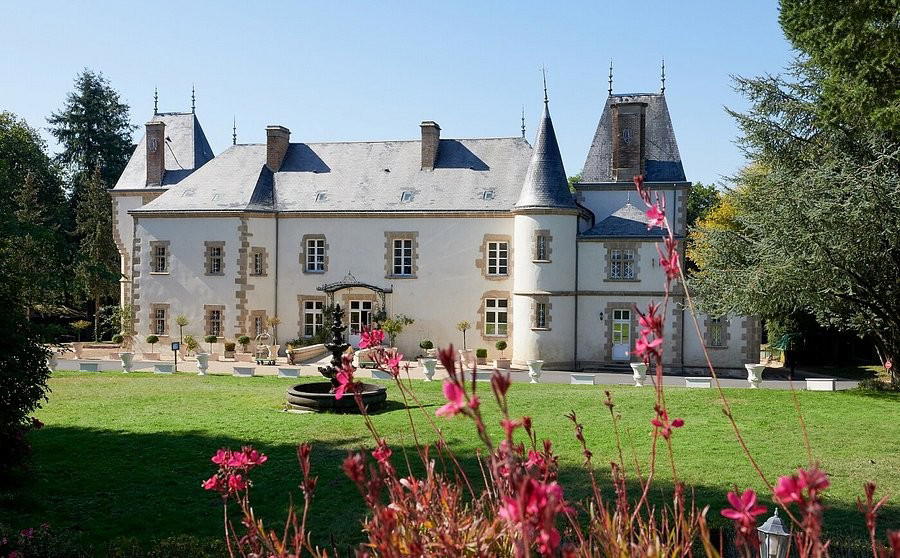

At a Glance
- Romantic
- Classic
- Elegant
- Scenic
- Date Night
- Business Dinner
- Celebration
- Special Occasion
- Group Dining
- Family
- Historic Building
- Garden
- Private Dining
- Terrace
- Wine Cellar
- Extensive Wine List
- Sommelier Led
- Local Sourcing
- Garden
Current opening hours
- Monday
- Closed
- Tuesday
- 12–1:30 PM, 7–8:30 PM
- Wednesday
- 12–1:30 PM, 7–8:30 PM
- Thursday
- 12–1:30 PM, 7–8:30 PM
- Friday
- 12–1:30 PM, 7–8:30 PM
- Saturday
- 7–8:30 PM
- Sunday
- 12:15–1:30 PM
Hours can change for holidays and private events. Last verified .
Warm and welcoming atmosphere in a chatelain setting beneath a large glass conservatory with views of the park; elegant yet approachable with soft lighting and refined décor.