Château du Boisniard

A 19th-century château in the Vendée bocage, Château du Boisniard earned Gault & Millau's Exceptional Hotel distinction (5 points, 2025), placing it among France's most closely watched château-hotel conversions. The property sits in Chanverrie, a rural commune in the Pays de la Loire, and operates at the quieter end of France's historic-estate hotel tier, a category that rewards architectural patience over resort-scale spectacle.
Pearl is the En Primeur Club membership app — saves, bookings, and concierge access live there. Same editors, same standards.
- Address
- 1 Rue du Boisniard, 85500 Chanverrie
- Phone
- +33 2 51 67 50 01
- Website
- chateau-boisniard.com
- Directions
- Get directions
 Saves & bookings on Pearl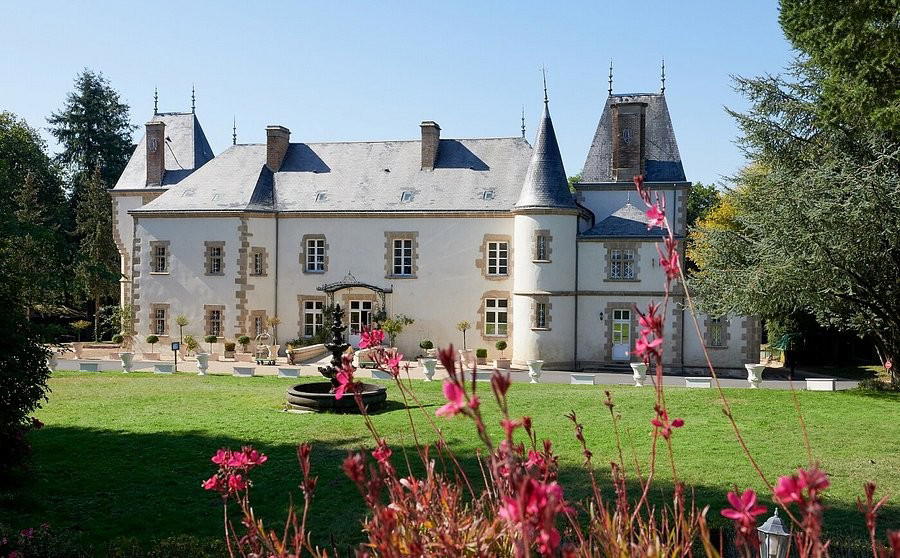
Stone, Silence, and the Vendée Bocage
Approaching Château du Boisniard from the departmental roads that thread through the Vendée's bocage country, the shift in register is gradual rather than dramatic. The hedgerow-divided farmland of the Pays de la Loire gives way to formal grounds before the 19th-century stone façade comes into view. This is the character of the Loire-adjacent château-hotel: not the cliff-edge theatre of Château de la Chèvre d'Or in Èze or the Provençal sun-drenched mass of La Bastide de Gordes, but a more measured sense of arrival, one where the building's age does most of the work.
That restraint is not a limitation. Across France's historic-estate hotel category, the properties that hold attention longest tend to be those where the architecture operates as the primary experience, not a backdrop for amenity stacking. Boisniard's 19th-century construction places it in a specific lineage of French château conversion, one that predates the Loire Valley's more extensively catalogued Renaissance properties but occupies the same cultural instinct: that a house of this quality deserves to keep functioning as a house, at whatever scale hospitality requires.
What Gault & Millau's 5-Point Signal Actually Means
In 2025, Gault & Millau awarded Château du Boisniard its Exceptional Hotel distinction with a 5-point rating. The guide's hotel ratings are less frequently discussed than its restaurant scores, but the Exceptional Hotel designation sits at the programme's upper tier and implies a standard of spatial coherence, service integration, and overall property management that separates château-hotels operating as genuine hospitality projects from those relying on heritage as a substitute for investment. For the Vendée, a département not traditionally associated with destination hospitality at this level, the award is a marker of category ambition.
Among the French château-hotel tier, Gault & Millau's hotel arm tends to signal properties that combine architectural authenticity with contemporary operational standards. Compare the comparable set: Château du Grand-Lucé in Le Grand-Lucé and Château de Montcaud in Sabran each represent different regional interpretations of the same problem, how to run a historic estate as a working luxury property without flattening what makes it architecturally interesting. Boisniard's 2025 recognition places it in that active conversation.
The Architecture as the Argument
French 19th-century château construction followed fairly consistent aesthetic codes: dressed stone, symmetrical facades, steeply pitched rooflines, and a formal relationship between the main house and its outbuildings. What distinguishes one property from another within that frame is largely the quality of interior conversion, how much of the original volume survives, how the room proportions communicate, and whether the decorative choices amplify or suppress the building's period character.
The broader pattern in France's premium château conversions is instructive. Properties like Château Lafaurie-Peyraguey in the Sauternes operate within a Bordeaux wine-estate frame that gives the conversion a clear narrative anchor. Domaine Les Crayères in Reims draws its identity from Champagne country and a Belle Époque mansion that the Gérard Boyer era embedded in French gastronomic history. Boisniard in Chanverrie operates without those ready-made regional narratives, which means the architecture itself carries a higher share of the positioning work.
The Vendée bocage's landscape, open fields, dense hedgerows, scattered farms, frames a château differently than a vineyard or a cliff village does. The effect is more private, more interior-focused. Guests arrive into a property rather than a setting, which places greater pressure on how the internal spaces perform.
The Broader French Château-Hotel Tier
France's premium independent château-hotels occupy a competitive category that sits between the branded luxury operators and purely self-catering estate rentals. On one end, properties like Cheval Blanc Paris and Cheval Blanc Courchevel deploy significant brand infrastructure around their properties. On the other, fully independent houses rely on editorial recognition, word-of-mouth within specific traveller networks, and guide-body endorsements to maintain occupancy.
Boisniard belongs to the independent tier, and the Gault & Millau Exceptional Hotel rating functions here the way a Michelin star functions for a restaurant in an overlooked département: it gives the property a credentialed hook within a category where discoverability is otherwise constrained by geography. The Vendée is not on the standard luxury-circuit itinerary that connects Paris to the Loire Valley châteaux, then south to Bordeaux and Provence. Properties that earn category-tier recognition here are, by definition, drawing guests who have moved beyond the headline routing.
For reference, the Provence and Riviera tier includes properties like Villa La Coste, La Réserve Ramatuelle, and Hotel du Cap-Eden-Roc, all of which benefit from established geographic demand. The Atlantic Loire properties operate with less built-in pull, which is part of why a Gault & Millau distinction carries weight here rather than simply confirming what geography already markets.
Planning a Stay
Chanverrie sits in the southern Vendée, accessible via the A83 autoroute from Nantes (roughly 70 kilometres north) or from La Roche-sur-Yon to the east. The property's address at 1 Rue du Boisniard, 85500 Chanverrie is specific enough to navigate to directly. Given the rural setting, driving is the practical entry point; the nearest TGV connections run through Nantes. For booking specifics, pricing, and room configuration, checking directly with the property is advisable, as those details are subject to seasonal adjustment.
Guests drawn to other northern French estate properties may find useful comparisons in Castelbrac in Dinard, which occupies a different architectural tradition (Belle Époque Breton villa) but operates in the same independent-estate register. For those building a wider Loire and Atlantic itinerary, Royal Champagne Hotel & Spa in Champillon and Les Sources de Caudalie in Bordeaux represent the wine-estate anchored end of the same broadly defined French country-hotel category.
Side-by-Side Snapshot
Comparable venues nearby, for context on price, style, and recognition.
| Venue | Cuisine | Price | Awards | Notes |
|---|---|---|---|---|
| Château du BoisniardThis venue — the venue you are viewing | Historic chateau estate with cottages and woodland accommodations | $$$$ | 4-Star | Not listed |
| U Capu Biancu | Rustic Corsican luxury with Mediterranean charm; hidden by fragrant maquis and built above the sea with elegant, colorful design. | $$$$ | 4-Star | Domaine de Pozzoniello |
| Le Tsanteleina | Chalet-style luxury hotel blending traditional Alpine architecture with contemporary hospitality, emphasizing family warmth and historic authenticity since 1948. | $$$$ | 4-Star | Val d'Isère center |
| L'Abbaye de Talloires | Historic abbey converted to luxury hotel with original monastic features | $$$$ | 4-Star | Talloires-Montmin |
| Riva Beach | Coastal boutique overlooking gulf | $$$$ | 4-Star | Porto-Vecchio |
| Villa Seren | Lakefront boutique hotel with spa | $$$$ | 4-Star | Soorts-Hossegor |
Recognition history
Dated appearances from independent guides and award organizations, with the underlying list record or original source where available.
Gault & Millau Exceptional Hotel
Gault & Millau
Continue exploring
More in Chanverrie
Hotels in Chanverrie
Browse all →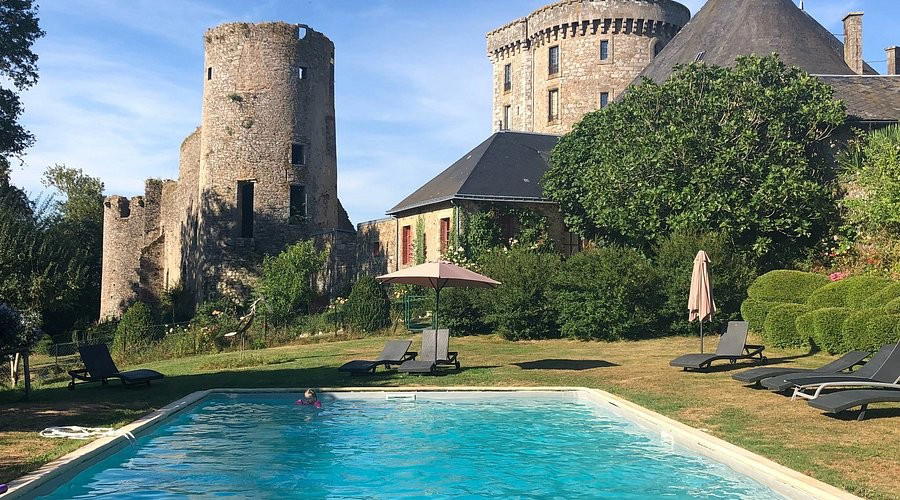
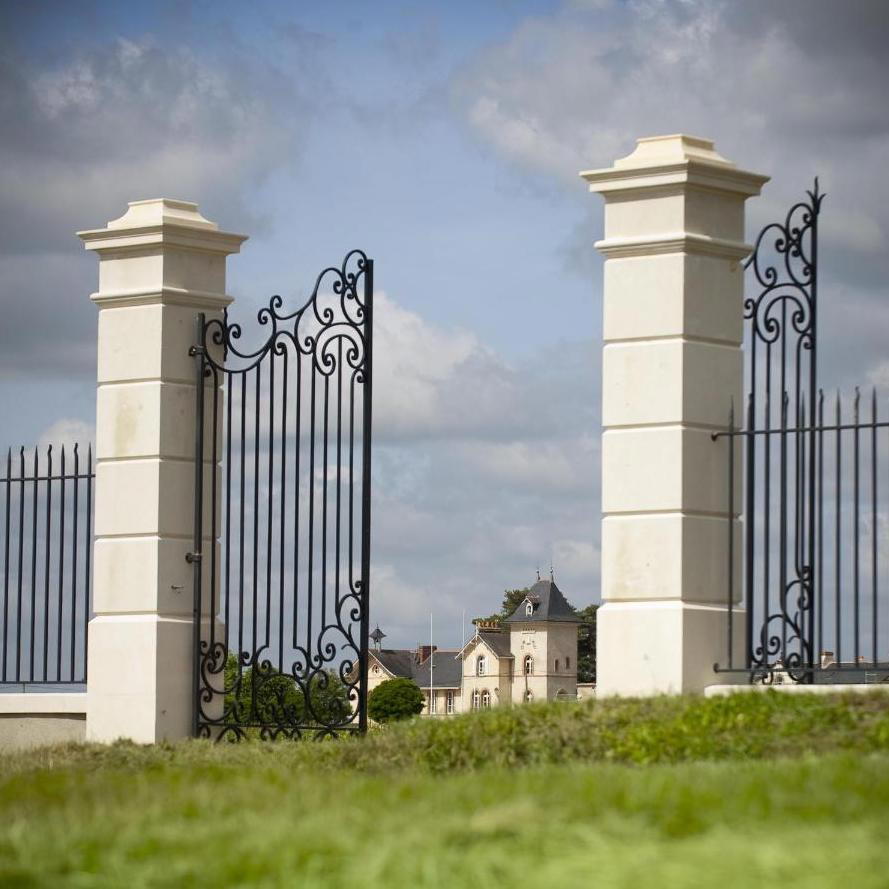
Bars in Chanverrie
Browse all →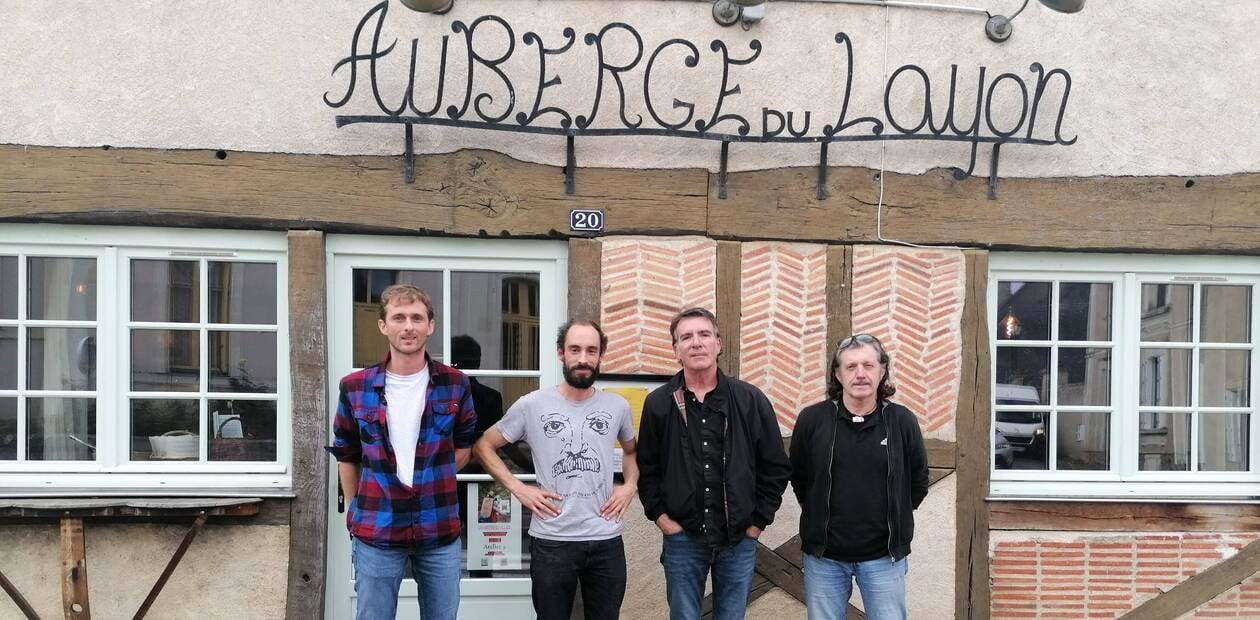
Restaurants in Chanverrie
Browse all →

At a Glance
- Romantic
- Quiet
- Elegant
- Rustic
- Scenic
- Romantic Getaway
- Weekend Escape
- Family Vacation
- Garden
- Historic Building
- Terrace
- Wi Fi
- Pool
- Spa
- Fitness Center
- Room Service
- Restaurant
- Concierge
- Meeting Rooms
- Garden
- Wi Fi
- Pool
- Spa
- Fitness Center
- Room Service
- Restaurant
- Concierge
- Meeting Rooms
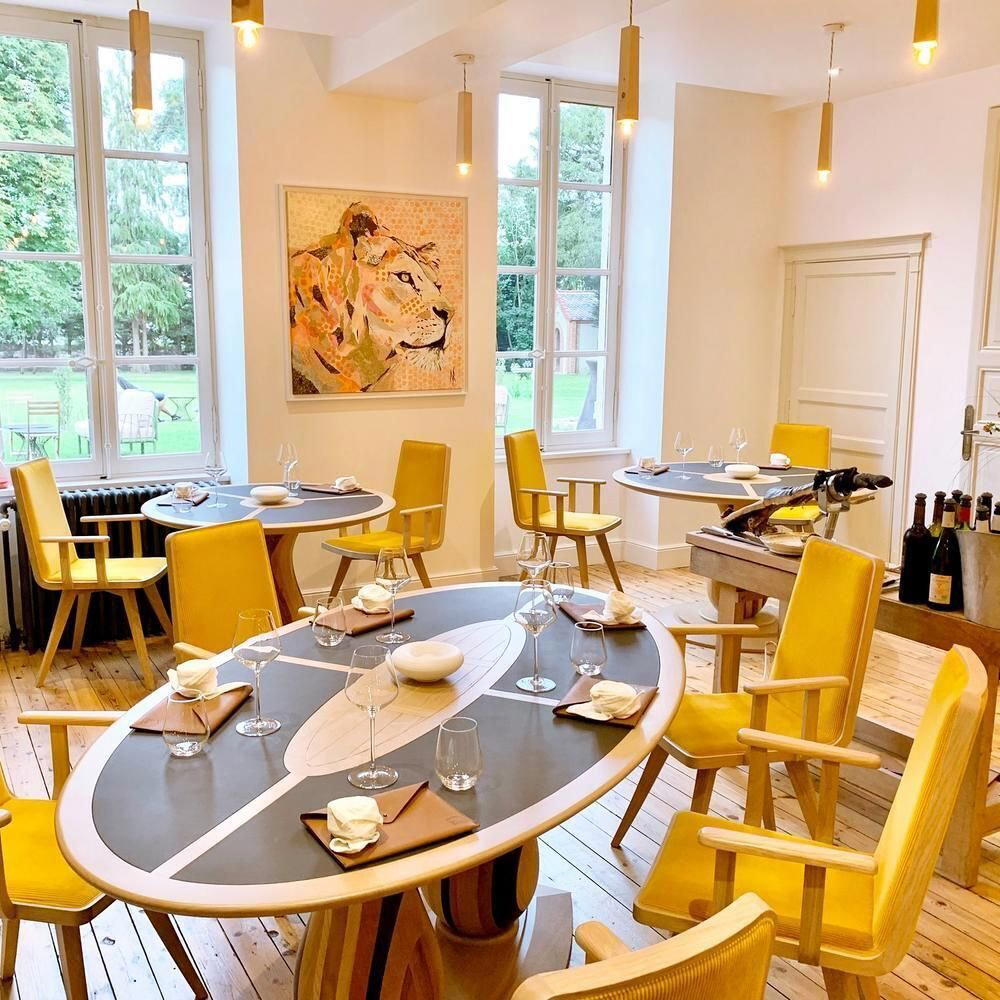
Refined, bucolic, and soothing with beautiful park surroundings and peaceful woodland atmosphere.