
Tabelog 100 #68
Our verdict
A factory-side bread counter in Koto, Mon Cher Touyouchou koujou belongs to Tokyo’s quieter bakery culture rather than its café theatre. Its Tabelog Bread TOKYO 100 selection in 2022 and take-out-only format place it in a practical, neighbourhood-driven tradition: serious bread bought at the source, not lingered over at a table.

Pearl is the En Primeur Club membership app, where members save venues, book tables and use the concierge.
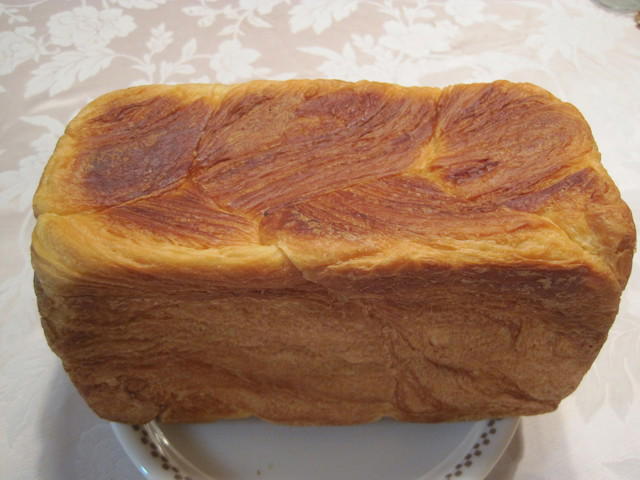
The menu
What to order
- Plain bread loaf
- Cinnamon-scented bread
- Maple-flavored sweet bread
The approach to a Tokyo bread venue changes the rhythm of eating in the city. There is no need to frame it through dining room choreography, a chef’s counter, or the theatre of plating. In Tokyo, the point is simpler: bread is made or sold, locals pass through, and the purchase can have the clipped efficiency that defines much of the city’s everyday food culture. Mon Cher Touyouchou koujou fits that pattern, a bread address selected for Tabelog Bread TOKYO 100 in 2022.
Tokyo’s bread scene is often misunderstood by visitors who look only for patisserie gloss or hotel-lobby viennoiserie. The stronger story is more local: shokupan, sweet breads, curry-pan, milk-bread culture, French technique filtered through Japanese texture preferences, and bakeries that operate as neighbourhood infrastructure. A good Tokyo bakery is not always a place to sit. Often it is a counter, a production window, a queue, a tray, and a purchase designed for home, office, or train travel.
A Tokyo bread stop, not a café performance
The format matters because it puts the bread before the room. In a city where dining prestige often means reservation systems and multi-course pacing, bakery culture runs on a different status code. Recognition comes through repeat local use, early sell-through, specialist lists, and the ability to turn a daily staple into something worth crossing the city for. Mon Cher Touyouchou koujou’s inclusion in the 2022 Tabelog Bread TOKYO 100 places it inside that specialist bakery tier without changing the essential character of the experience.
Tokyo also gives the address a different tone from bakery areas built around shopping and sightseeing. The city has office workers, apartment blocks, transport routes, and older everyday texture alongside its polished dining rooms. The appeal is less about turning bread into lifestyle content than about making it available, portable, and approachable. That distinction is useful for travellers: this is a Tokyo food stop that reads closer to a daily ritual than a destination dining room.
The category also sits apart from nearby restaurant spending patterns. In the same broad Tokyo orbit, Rairai Ken occupies a similar low-price band, while Tandoor Bar Kamalpur Kiba ten and Shiomi Skippers move into different evening budgets; BAR Opa Monzennakachou ten belongs to the after-dark drinking circuit, and commedia points toward another register. The comparison is not about cuisine overlap. It shows how Tokyo supports a wide set of modest, highly specific formats rather than one dominant dining mood.
Why bread carries cultural weight in Tokyo
Japan’s bread culture is not a borrowed European habit left unchanged. Since the postwar expansion of school lunches and commercial bakeries, bread has become part of ordinary urban eating, adapted around softness, sweetness, portability, and precise portioning. Tokyo then added its own competitive pressure: specialist bakers, department-store basement counters, train-station kiosks, and neighbourhood shops all fighting for the same daily purchase. The result is a city where bread can be both humble and intensely judged.
That is why a bakery can be editorially more interesting than a prettier café. It strips away the lifestyle layer and exposes the habits beneath: buying bread as provision, choosing what is available, and treating everyday production as part of the appeal. The recognition from Tabelog is a useful trust signal because the Bread TOKYO 100 list focuses on the category itself, not on a broader restaurant hierarchy built around tasting menus or service theatre.
For visitors mapping Tokyo through food, this kind of stop also corrects an overbuilt itinerary. Sushi counters, yakitori rooms, ramen queues, cocktail bars, and kaiseki restaurants all demand time and appetite. A bakery asks for a smaller commitment and gives a clearer view of how Tokyo eats between formal meals. It belongs in the same mental file as depachika counters, onigiri shops, kissaten toast culture, and station bakeries: quick formats with deep local fluency.
How to use it in a Tokyo food day
The smart way to read this address is as a flexible bread run rather than a seated meal. Pair it with a Tokyo walk, an errand, or a morning-to-afternoon route before crossing town for a more structured lunch or dinner. Because the category is bread, the value is in timing and intent: arrive ready to buy what is on offer, then build the rest of the day around Tokyo’s broader food geography.
Readers building a wider Tokyo itinerary can use the city’s contrasts deliberately. For casual and specialist restaurant planning, start with Our full Tokyo restaurants guide, then compare different moods through other Tokyo dining rooms, cafés, bakeries, and casual counters. For the rest of the city’s travel frame, use Our full Tokyo hotels guide, Our full Tokyo bars guide, Our full Tokyo wineries guide, and Our full Tokyo experiences guide.
The broader Japan file helps too, especially when comparing how casual formats travel across cities: unnamed casual restaurants, cafés, bakeries, curry counters, and bar formats show how portable ideas shift from place to place. For Japanese food culture outside Japan, unnamed overseas bars and onigiri specialists show how portable formats take on a different role abroad.
As an editorial choice, Mon Cher Touyouchou koujou is for travellers who care about the unglamorous mechanics of Tokyo eating: where bread fits into the day, how the city buys it, and why a bakery can carry as much cultural information as a polished dining room.
Frequently asked questions
Is Mon Cher Touyouchou koujou okay with children?
Mon Cher Touyouchou koujou is a Tokyo bread venue, so it is best treated as a simple, quick food stop rather than a long formal meal. Families should plan around the practicalities of buying bread and moving on.
What kind of setting is Mon Cher Touyouchou koujou?
It is listed in the bread category in Tokyo. Tabelog selected it for the Bread TOKYO 100 in 2022, which anchors its standing in the local bread scene.
What's the pricing like at Mon Cher Touyouchou koujou?
Pricing at Mon Cher Touyouchou koujou is listed as JPY 1,000 - JPY 1,999 JPY 1,000 - JPY 1,999 View spending breakdown.
When is Mon Cher Touyouchou koujou open?
Check current opening details before visiting Mon Cher Touyouchou koujou, as specific hours are not provided here.
What's Mon Cher Touyouchou koujou's location?
Tokyo.
Standing Among Peers
Side-by-side context: comparable cuisine and price.
| Venue | Cuisine | Price | Awards | Notes |
|---|---|---|---|---|
| Mon Cher Touyouchou koujouThis venue (the venue you are viewing) | Artisan Bread Bakery (Factory Shop) | Not listed | Tabelog 100 #68 | Not listed |
| Italiano Jerato Ya | Italian-style gelato & ice cream shop | $1–10 | Tabelog 100 #83 | Taitō |
| SIROTAE | Traditional Japanese cake shop & café | Not listed | Tabelog 100 #2 | Minato |
| Zopf Curry Pan Senmon Ten Guransuta ten | Curry bread specialty bakery | $1–10 | Tabelog 100 #11 | Chiyoda |
| Premium Mario Gelateria Shinjuku isetan ten | Premium Italian-style Gelato & Juice Bar | $1–10 | Tabelog 100 #69 | Shinjuku |
| Premarché Gelateria Toukyou nakameguro ekimae ten | All-natural Italian-style gelato with extensive vegan options | $1–10 | Tabelog 100 #40 | Meguro |
Recognition history
Dated appearances from independent guides and award organizations, with the underlying list record or original source where available.
Tabelog 100 #68 · No. 68
Tabelog · Tabelog 100 - Bread - TOKYO - 2022
Continue exploring
More in Tokyo
Restaurants in Tokyo
All restaurants in Tokyo →








Details
- Family
- Casual Hangout
- After Work
- Solo
- Standalone
- A La Carte
Current opening hours
- Monday
- Open 24 hours
- Tuesday
- Open 24 hours
- Wednesday
- Open 24 hours
- Thursday
- Open 24 hours
- Friday
- Open 24 hours
- Saturday
- Open 24 hours
- Sunday
- Open 24 hours
Hours can change for holidays and private events. Hours as of .
A simple factory-side retail counter focused on take-out bread, with a minimal, no-frills environment where customers briefly drop in to pick up pre-ordered loaves rather than linger.